Reviewer & contributor
533 reviews published

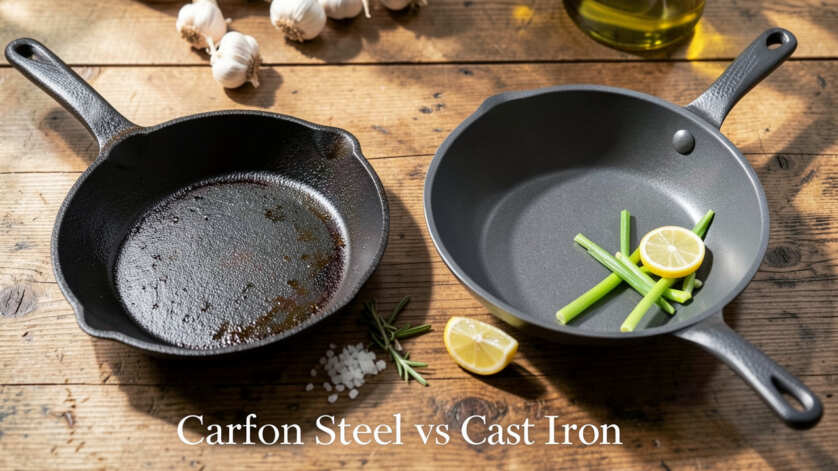
At a Glance Carbon steel vs cast iron cookware both require seasoning for non-stick properties but differ significantly in weight and heat behavior. C…
Read Review →
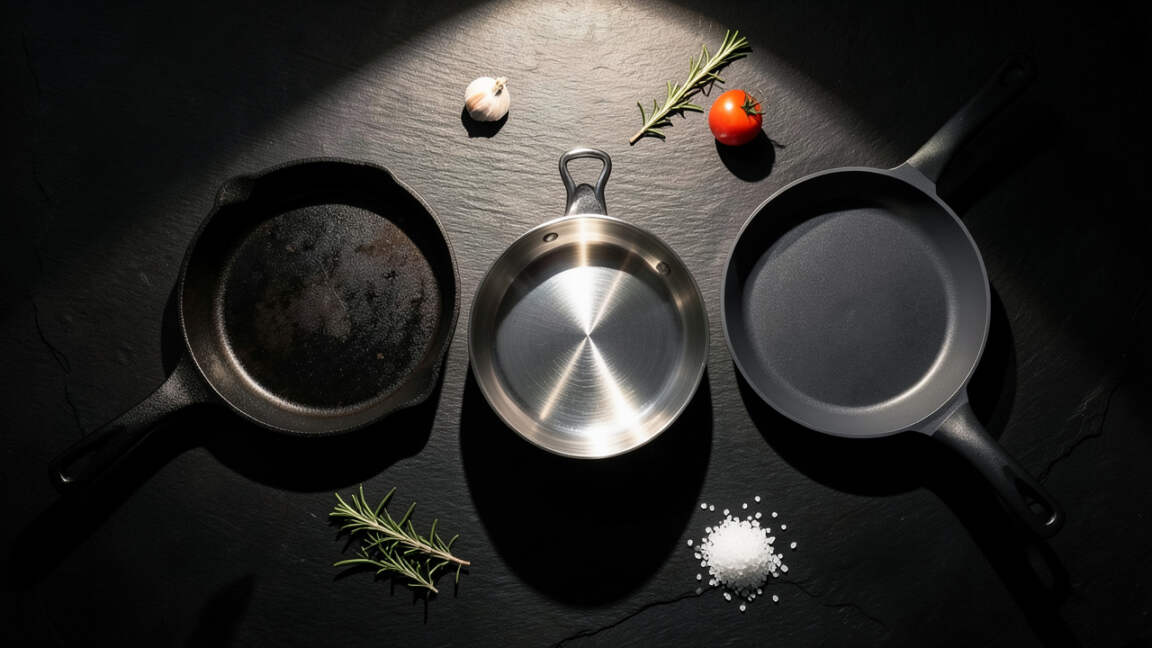
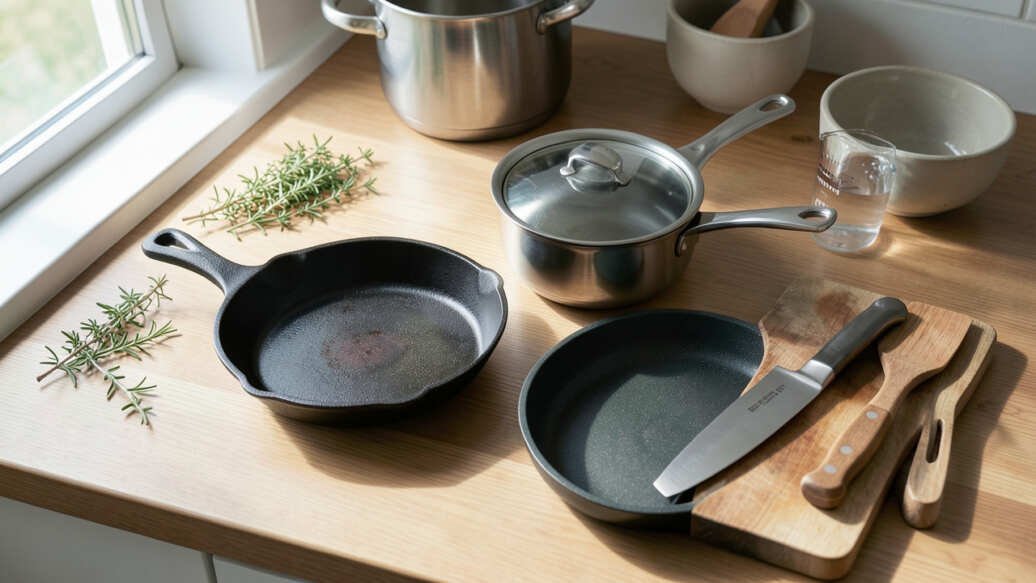
At a Glance Cast iron, stainless steel, and nonstick pans each serve distinct cooking purposes: cast iron excels at high-heat searing and even heat re…
Read Review →
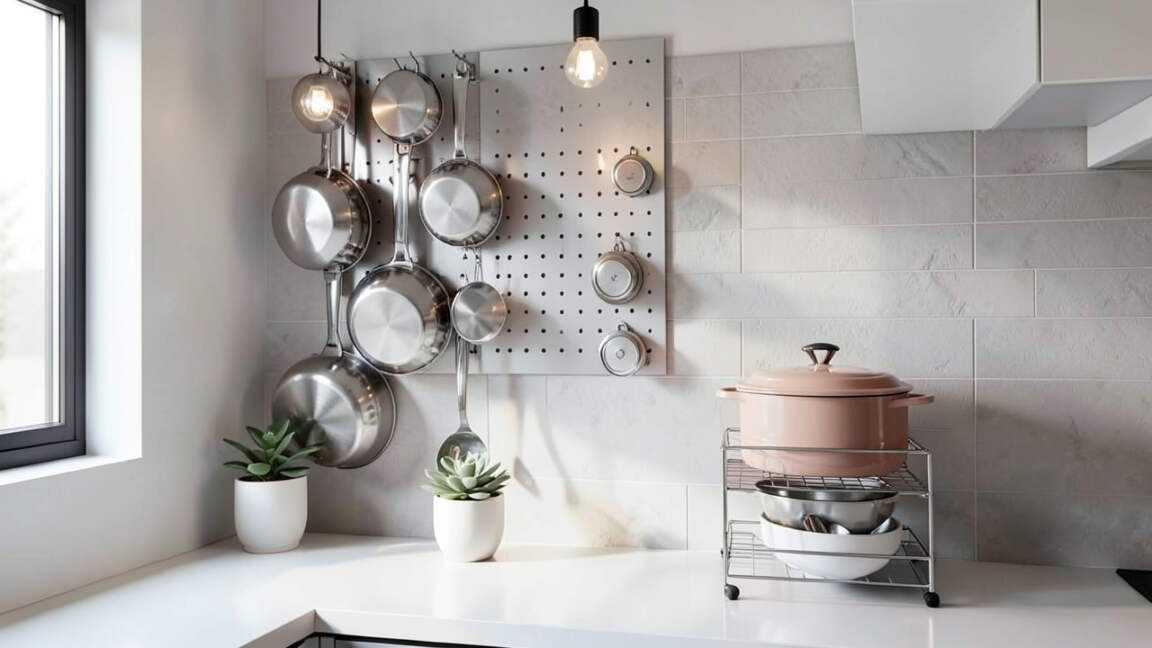
At a Glance Storing cookware to save counter space relies on vertical wall solutions, smart stacking, and drawer organizers to maximize every inch. Wa…
Read Review →
At a Glance To test if your cookware is still safe to use, inspect non-stick coatings for peeling, flaking, or deep scratches, as damaged coatings can…
Read Review →
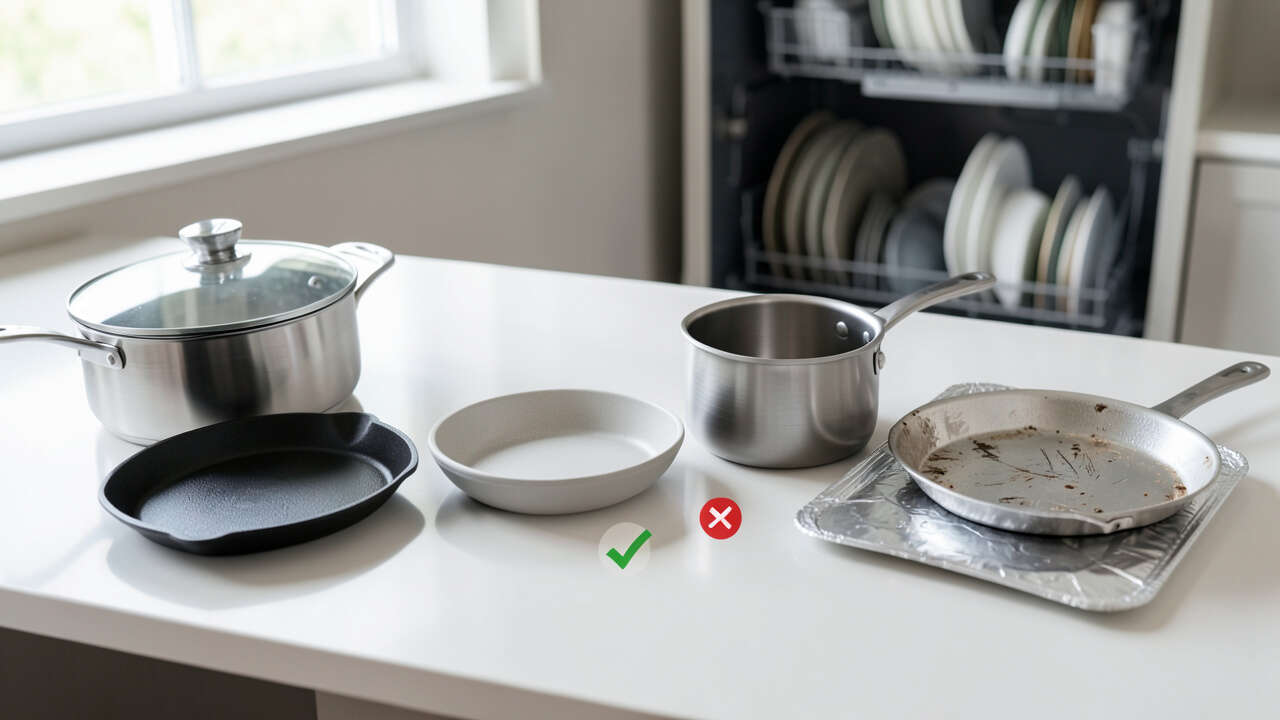
At a Glance Most stainless steel, hard-anodized aluminum, and enameled cast iron cookware is dishwasher-safe, whereas non-stick cookware is only safe…
Read Review →
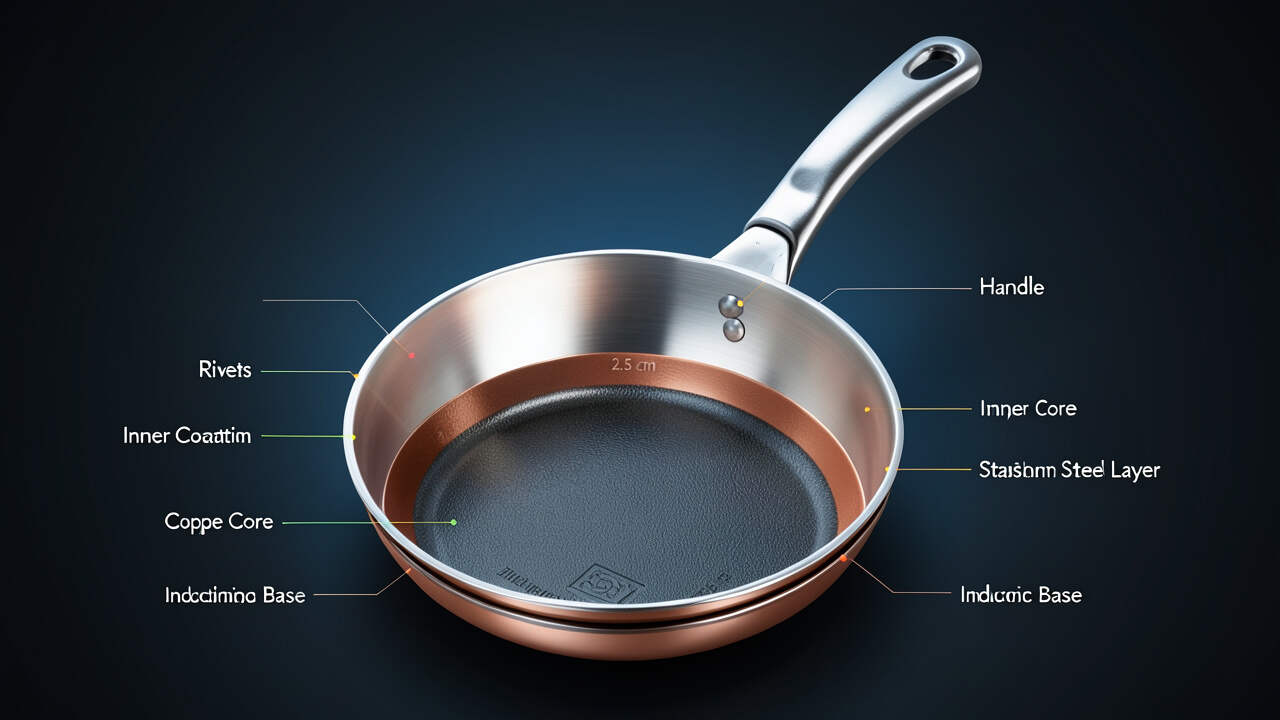
At a Glance Pan anatomy covers the distinct parts of a cooking pan—body, rim, handle, and base—each engineered for specific cooking functions. The mat…
Read Review →
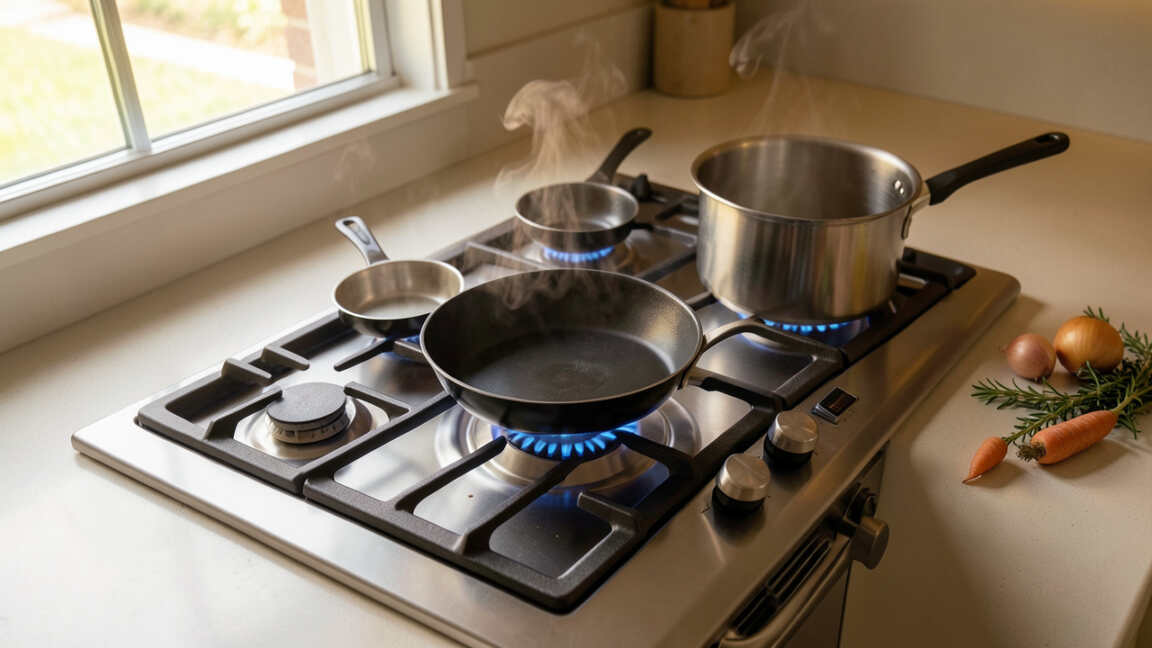
At a Glance Choosing the right pan size for your stove requires matching the pan diameter to the burner size to ensure even heat distribution and prev…
Read Review →
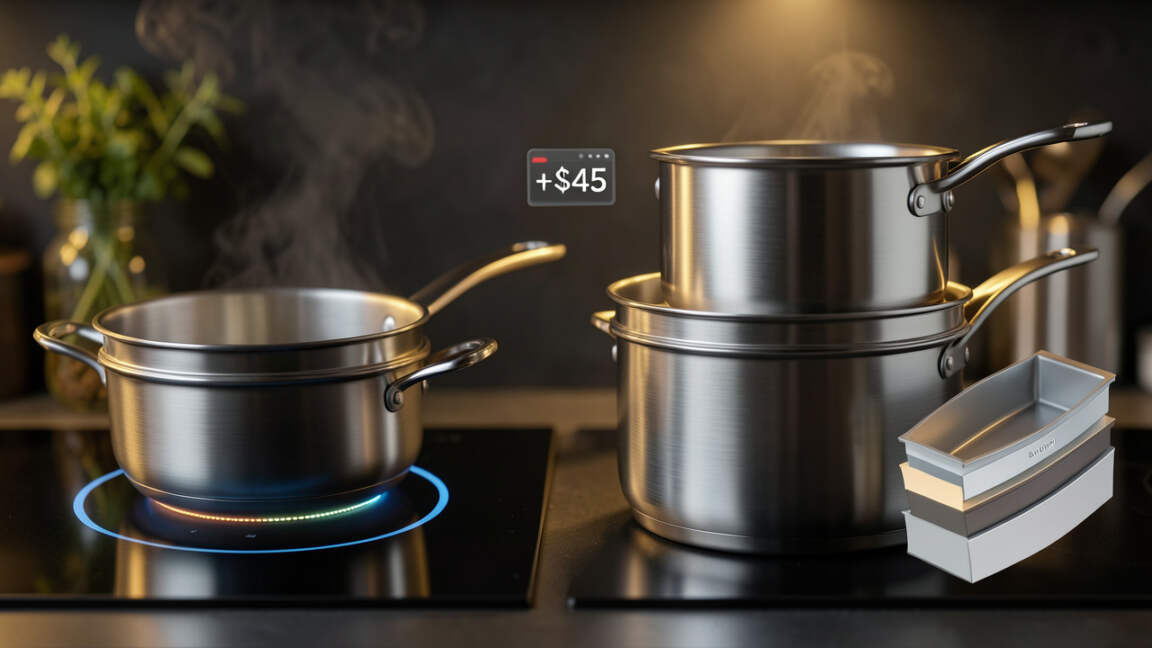
At a Glance The upgrade from tri-ply to 5-ply stainless steel cookware is worth it for cooks who prioritize exceptional heat control and evenness for…
Read Review →
At a Glance A beginner actually needs only four versatile pieces of cookware to start cooking efficiently: a 10- or 12-inch skillet, a 5- to 6-quart s…
Read Review →
At a Glance Starting your first apartment kitchen cookware checklist should focus on a non-stick skillet, a saucepan, a stockpot or Dutch oven, plus a…
Read Review →
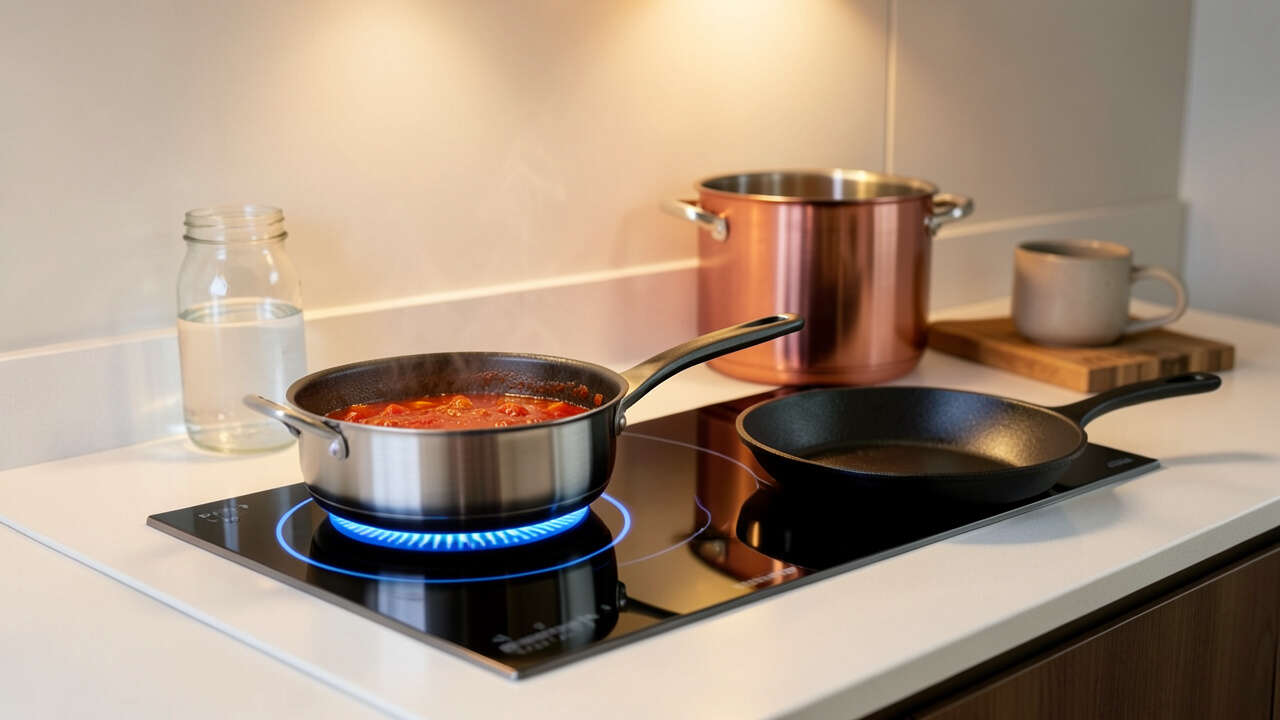
At a Glance Induction cooktops require cookware with a magnetic base, such as cast iron, carbon steel, and many stainless steel pans, to generate heat…
Read Review →
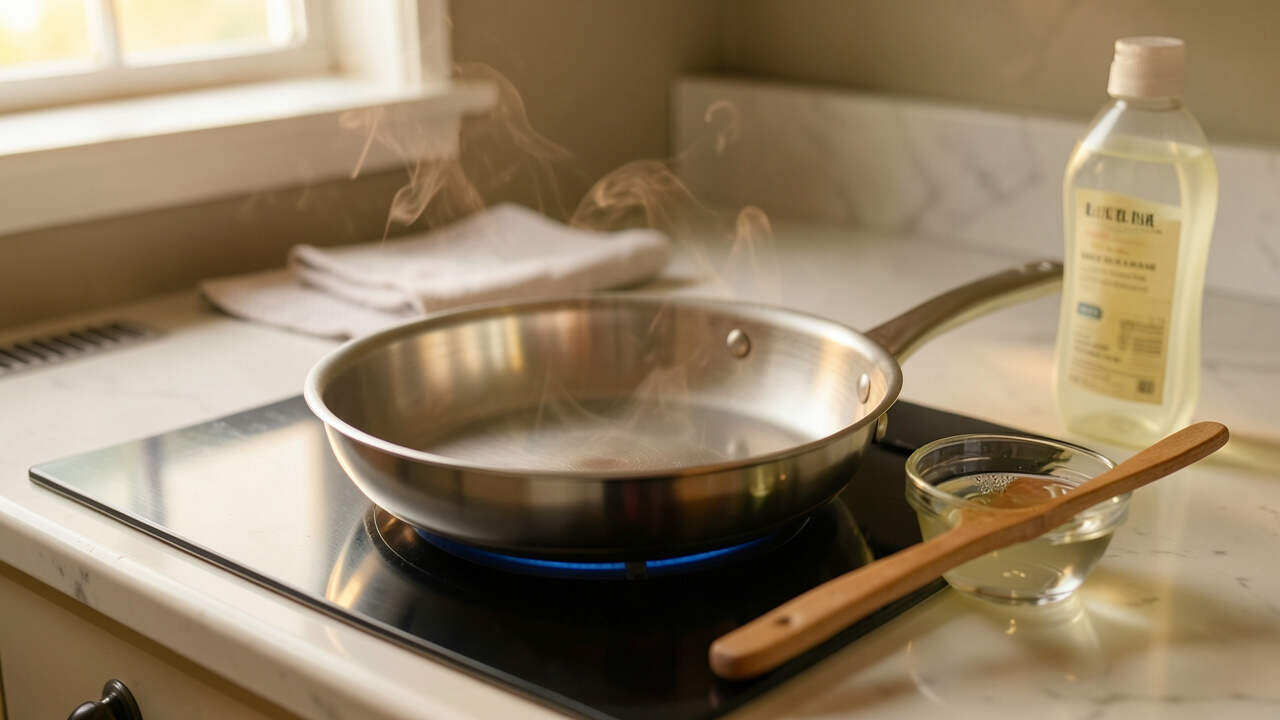
At a Glance Proper stainless steel pan care involves regular cleaning with gentle tools and avoiding thermal shock to prevent warping and discoloratio…
Read Review →