Dishwasher-Safe Cookware: What’S Safe And What’S Not
At a Glance Most stainless steel, hard-anodized aluminum, and enameled cast iron cookware is dishwasher-safe, whereas non-stick cookware is only safe when using gentle cycles and mild detergents to pr…
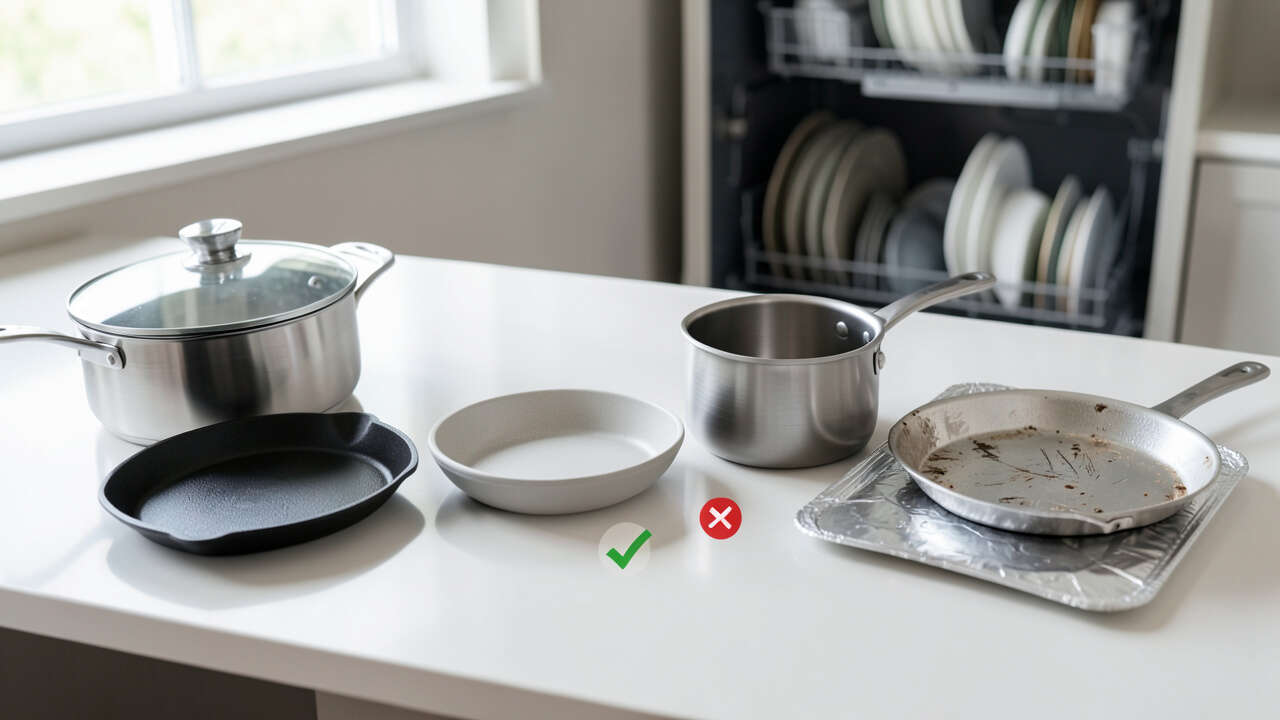
Most stainless steel, hard-anodized aluminum, and enameled cast iron cookware is dishwasher-safe, whereas non-stick cookware is only safe when using gentle cycles and mild detergents to preserve the coating. Bare cast iron, copper cookware without a protective lining, and untreated aluminum must be hand-washed to avoid rust, discoloration, or chemical leaching. Understanding these material-specific guidelines helps you extend the lifespan of your pots and pans while avoiding common damage.
Keeping your kitchen tools clean after cooking can be a chore. Many people wonder about the easiest ways to get pots and pans sparkling. Understanding Dishwasher-Safe Cookware: What’s Safe and What’s Not helps you save time and protect your investment.
Knowing which materials can handle the dishwasher and which need hand washing means your cookware will last longer and look better. This guide will help you make smart choices for your kitchen, so you can spend less time scrubbing and more time enjoying your meals.
Key Takeaways
- You will learn which common cookware materials are generally safe for dishwashers.
- Discover which types of cookware should always be washed by hand to prevent damage.
- Understand how different dishwasher cycles and detergents can affect your cookware.
- Get tips on how to care for your cookware, whether it’s dishwasher-safe or not.
- Learn to identify warning signs that your cookware might not be dishwasher-safe.

Protecting Your Pots and Pans: What’s Dishwasher-Safe
It’s a common question: can my favorite skillet go in the dishwasher? The answer often depends on what it’s made of. Many modern pots and pans are designed with convenience in mind, meaning they can handle a spin through the dishwasher.
This makes post-meal cleanup much quicker for busy cooks. Let’s break down the materials that usually pass the dishwasher test.
Stainless Steel Cookware
Stainless steel is a popular choice for a reason. It’s durable, non-reactive, and most importantly, typically very dishwasher-safe. The high-quality alloys used in good stainless steel cookware resist rust and staining from dishwasher detergents.
Even with regular washing, it tends to hold its shine. This makes it a reliable option for everyday use.
However, there are a few things to keep in mind even with stainless steel. If your stainless steel has a non-stick coating, the coating’s longevity might be affected by harsh dishwasher cycles. Also, very cheap, thin stainless steel might show water spots or slight discoloration over time.
Always check the manufacturer’s instructions if you’re unsure.
Hard-Anodized Aluminum
Hard-anodized aluminum cookware is treated to make it harder and more durable. This process also makes it non-porous and less reactive. Most hard-anodized aluminum pots and pans are designed to be dishwasher-safe.
The anodizing process creates a tough surface that can withstand the heat and water of a dishwasher.
When washing hard-anodized aluminum in the dishwasher, it’s best to place it on the top rack. This helps prevent any harsh contact with heating elements or sharp silverware. While generally safe, extremely aggressive wash cycles or harsh detergents might, over a long period, slightly dull the finish.
Still, for most purposes, it’s a convenient material that cleans up well.
Enameled Cast Iron
Enameled cast iron, like Le Creuset or Staub, has a porcelain enamel coating over cast iron. This smooth, non-porous surface is designed to be easy to clean. Most manufacturers state that their enameled cast iron is dishwasher-safe.
The enamel coating protects the cast iron from rust and prevents food from sticking.
Despite being labeled as dishwasher-safe, many owners prefer to hand wash their enameled cast iron. This is because harsh detergents and high heat can, over time, cause the enamel to lose some of its sheen or develop small chips. If you do put it in the dishwasher, use a mild detergent and place it on the top rack.
Hand washing is the best way to preserve the beautiful finish for years to come.
Non-Stick Cookware (with caveats)
Many non-stick pans are marketed as dishwasher-safe. Modern non-stick coatings are quite resilient. However, placing them in the dishwasher can shorten their lifespan.
The high heat and abrasive detergents can slowly degrade the non-stick surface. This means food might start sticking more easily over time.
If your non-stick pan is labeled dishwasher-safe, it’s generally okay to put it in. For best results, place it on the top rack. Avoid using abrasive scrubbers or harsh chemicals.
Many people find that a quick hand wash is just as easy and helps their non-stick pans last much longer. It’s a trade-off between convenience and longevity.

Cookware to Keep Out of the Dishwasher
Not all cookware is built for the dishwasher. Some materials can be damaged, lose their effectiveness, or even become unsafe if exposed to the harsh environment inside a dishwasher. Knowing what to avoid is just as important as knowing what’s safe for Dishwasher-Safe Cookware: What’s Safe and What’s Not.
Bare Cast Iron
Bare cast iron is a classic cooking material, but it is absolutely NOT dishwasher-safe. The detergents used in dishwashers are designed to strip away grease and food particles. For cast iron, this means they will strip away the seasoning.
The seasoning is a layer of polymerized oil that makes the cast iron non-stick and protects it from rust.
Putting bare cast iron in the dishwasher will lead to rust and a sticky, uneven cooking surface. After washing, it’s crucial to dry it immediately and thoroughly. Then, apply a thin layer of cooking oil to maintain the seasoning.
This is why bare cast iron always requires hand washing and careful maintenance.
Copper Cookware
Copper cookware, especially if it has a polished exterior, can be sensitive to dishwashers. The high heat and strong detergents can cause the copper to tarnish, pit, or lose its beautiful shine. While some copper pots might have a stainless steel interior that is dishwasher-safe, the copper exterior often is not.
To keep copper cookware looking its best, hand washing is highly recommended. A soft sponge and mild soap are usually enough. If the copper does tarnish, special copper cleaners can restore its gleam.
Protecting the exterior ensures your copper pans remain a beautiful and functional part of your kitchen.
Aluminum Cookware (untreated)
Untreated or raw aluminum cookware is prone to discoloration and pitting in the dishwasher. The alkaline nature of dishwasher detergents can react with the aluminum. This can lead to dark spots or a chalky residue on the surface.
It might not be harmful to cook on, but it certainly doesn’t look good.
Like non-stick pans, untreated aluminum pans might be labeled as dishwasher-safe. However, hand washing will help maintain their original appearance. If you notice discoloration, sometimes a bit of lemon juice or vinegar can help clean it up, but prevention is key for untreated aluminum.
Cookware with Wooden or Plastic Handles
Cookware with handles made of wood or certain types of plastic are generally not dishwasher-safe. The high heat and prolonged exposure to moisture can cause wood to warp, crack, or become brittle. Plastic handles can become discolored, warped, or even melt over time.
If your cookware has these types of handles, always opt for hand washing. This will help preserve the integrity and appearance of the handles. It’s a simple step that ensures your cookware remains comfortable and safe to use for a long time.
Specialty Coatings and Finishes
Some cookware features unique coatings or decorative finishes. These might include ceramic coatings, painted exteriors, or hand-painted designs. These special finishes are often not designed to withstand the harsh conditions of a dishwasher.
They can chip, fade, or peel away.
Always check the manufacturer’s care instructions for any cookware with special coatings. If there’s any doubt, hand washing is the safest bet. Protecting these decorative elements ensures your cookware continues to look as good as it performs.

Understanding Dishwasher Cycles and Detergents
The way your dishwasher cleans can significantly impact your cookware. Different settings and types of detergent play a role in whether your pots and pans come out sparkling or damaged. Understanding these factors is key to mastering Dishwasher-Safe Cookware: What’s Safe and What’s Not.
Dishwasher Cycles
Dishwashers have various cycles, from quick washes to heavy-duty cleaning. Heavy-duty cycles use hotter water and longer wash times, which can be tougher on cookware. Lighter or normal cycles are generally gentler.
For cookware, using a less intense cycle can help extend its life, even if it is labeled dishwasher-safe.
The top rack of your dishwasher is usually the best place for most cookware. This is because the heating element is often at the bottom, and the top rack is exposed to less direct heat and the spray is less intense. Delicate items or those with sensitive finishes should always go on the top rack.
Dishwasher Detergents
Dishwasher detergents are formulated to be powerful. They often contain strong chemicals like bleach and enzymes to break down food. While effective at cleaning dishes, these can be harsh on cookware surfaces.
Some detergents are more abrasive than others.
Using a mild dishwasher detergent can make a difference. Look for detergents that are less likely to cause pitting or discoloration. Rinsing your cookware after the wash cycle, if possible, can also help remove any residual detergent.
If your cookware appears dull or stained after washing, the detergent might be the culprit.

Caring for Your Cookware: A Quick Guide
Proper care ensures your cookware lasts longer and performs better. Whether it’s dishwasher-safe or needs a gentle hand wash, a little attention goes a long way. This section provides practical tips for maintaining your kitchen tools.
For Dishwasher-Safe Cookware
First, always check the manufacturer’s label or manual. This is the most reliable source of information. Second, rinse off large food particles before loading.
This prevents them from sticking to other dishes or your cookware. Next, place items on the top rack whenever possible, especially if they have delicate finishes.
Then, use a mild dishwasher detergent. Avoid abrasive powders or liquids. Finally, if you notice water spots or streaks, consider using a rinse aid.
Some dishwashers also have settings to reduce heat or water pressure, which can be beneficial for cookware.
For Hand-Wash-Only Cookware
First, let hot pans cool down before washing. Sudden temperature changes can warp or crack some materials. Second, use a soft sponge or cloth.
Avoid steel wool or abrasive scrubbers, which can scratch surfaces.
Next, use mild dish soap. For bare cast iron, avoid soap altogether or use a tiny amount. Then, rinse thoroughly.
Finally, dry immediately and completely with a soft towel. For cast iron, follow up with a light coat of cooking oil. This prevents rust and maintains the seasoning.

Identifying Warning Signs
Sometimes, cookware might look fine but show signs of damage from the dishwasher. Being aware of these signs can help you prevent further harm. It’s part of understanding Dishwasher-Safe Cookware: What’s Safe and What’s Not.
Look out for:
- Discoloration: Strange colored spots or a dulling of the metal.
- Pitting: Small holes or indentations on the surface.
- Chipping or Flaking: Especially noticeable on enameled or non-stick coatings.
- Warping: If pans no longer sit flat on a stovetop.
- Rust: A clear sign that bare cast iron has been exposed to too much moisture.
- Loss of Non-Stick Properties: Food starting to stick more than it used to.
If you see any of these signs, it’s time to reconsider putting that particular piece of cookware in the dishwasher. It might be better to switch to hand washing or consider replacing it.

Comparing Cookware Materials for Dishwasher Safety
To make things clearer, here’s a quick comparison of common cookware materials and their general dishwasher safety. Remember that specific brands and models can vary, so always check the manufacturer’s guidelines.
Frequently Asked Questions
Question: Can all stainless steel cookware go in the dishwasher?
Answer: Most stainless steel cookware is dishwasher-safe. However, if it has a non-stick coating or a very thin construction, it’s wise to check the manufacturer’s instructions. Very cheap stainless steel might show water spots over time.
Question: Is it really okay to put my enameled cast iron in the dishwasher?
Answer: While many enameled cast iron pieces are labeled dishwasher-safe, it’s often best to hand wash them. This helps preserve the enamel’s finish and prevents chips. If you do use the dishwasher, opt for a mild detergent and the top rack.
Question: Will my non-stick pans last longer if I hand wash them?
Answer: Yes, generally, hand washing will help your non-stick pans last longer. The high heat and harsh detergents in a dishwasher can break down the non-stick coating over time, making it less effective.
Question: What happens if I put bare cast iron in the dishwasher?
Answer: Putting bare cast iron in the dishwasher will strip away its essential seasoning and can cause it to rust. It will ruin the non-stick surface and require you to re-season it completely.
Question: How can I tell if my cookware is damaged from the dishwasher?
Answer: Look for signs like discoloration, pitting, chipping, warping, or rust. If your non-stick surface starts to fail, that’s also a sign of damage from improper washing.
Question: What’s the biggest mistake people make with Dishwasher-Safe Cookware: What’s Safe and What’s Not?
Answer: The biggest mistake is assuming all cookware is dishwasher-safe without checking. Ignoring manufacturer instructions for Dishwasher-Safe Cookware: What’s Safe and What’s Not can lead to damaged pots and pans.

Final Thoughts
Choosing to use your dishwasher for cookware saves time and effort. By understanding which materials are truly dishwasher-safe and which need a gentler hand wash, you protect your kitchen tools. Always check labels and opt for hand washing when in doubt to keep your cookware in top shape for years.