Carbon Steel Vs Cast Iron Cookware
At a Glance Carbon steel vs cast iron cookware both require seasoning for non-stick properties but differ significantly in weight and heat behavior. Carbon steel heats faster and is lighter, making it…
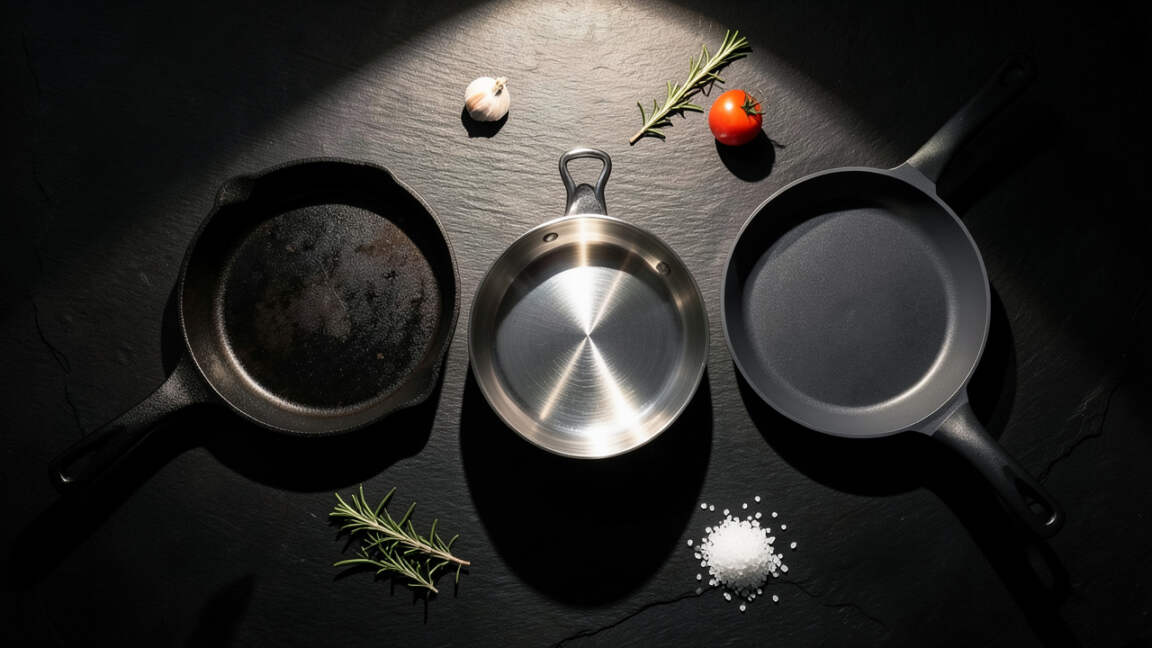
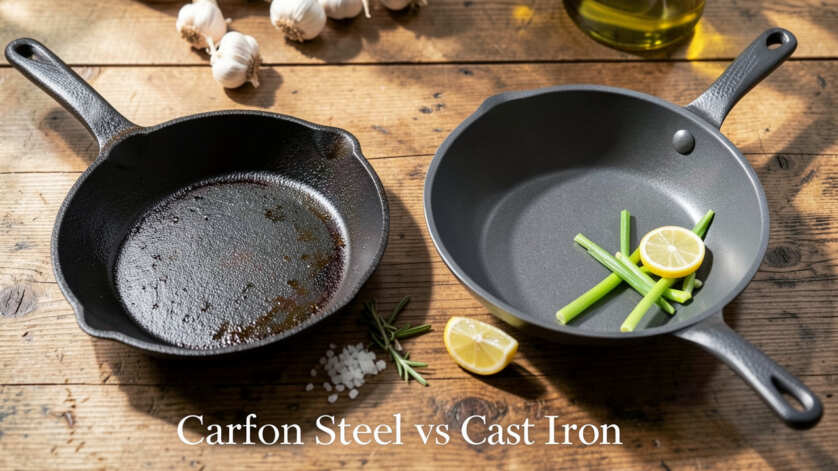
Carbon steel vs cast iron cookware both require seasoning for non-stick properties but differ significantly in weight and heat behavior. Carbon steel heats faster and is lighter, making it more responsive for quick cooking, while cast iron excels at holding steady heat for slow cooking and searing. Your choice should match your cooking style—carbon steel for agility, cast iron for heat retention—and both can last a lifetime with proper care.
Picking the right pot or pan can make a big difference in your cooking. You want something that heats well and lasts a long time. When you’re looking at durable cookware, you’ll often see two main types: carbon steel and cast iron.
Understanding the difference between Carbon Steel vs Cast Iron Cookware helps you choose the best tool for your kitchen. This choice impacts how your food cooks, how easy cleanup is, and how long your pans will serve you well.
Key Takeaways
- Carbon steel is lighter and heats up faster than cast iron.
- Cast iron holds heat longer and is great for slow cooking and searing.
- Both require seasoning to build a non-stick surface.
- Carbon steel is more responsive to temperature changes.
- Cast iron is heavier but can be a “forever” piece of cookware.
- Your cooking style will help decide which is the better fit.

Why Choosing Matters: The Core Differences
When you’re in the kitchen, the tools you use really matter. They can make cooking easier and help your food turn out better. Two popular choices for serious cooks are carbon steel and cast iron.
They look similar and both get better with age, but they behave differently. Knowing these differences will help you pick the right one for your favorite meals.
The main thing to remember is how they handle heat. Carbon steel vs cast iron cookware have different strengths. Carbon steel is great when you need to change the heat quickly.
Cast iron is better when you want to keep the heat steady for a long time. This guide will break down what makes each one special so you can make a smart choice for your cooking needs.

Carbon Steel: The Lightweight Champion
Carbon steel pans are often thought of as a chef’s secret weapon. They are made of a blend of iron and a bit of carbon, usually around 1-2%. This makes them strong but also lighter than cast iron.
They heat up very fast, which is handy when you’re in a hurry or need to adjust the heat on the fly.
One of the best things about carbon steel is how it responds to heat. If you turn up the flame, the pan gets hotter quickly. If you turn it down, it cools down fast too.
This makes them perfect for dishes that need quick, precise temperature control. Think of searing a steak or making a delicate sauce.
Building Your Carbon Steel’s Non-Stick Surface
Like cast iron, carbon steel needs to be seasoned. Seasoning means baking oil into the metal. This creates a natural non-stick layer.
You’ll need to do this before you first use it and then again now and then to keep it in good shape. The more you cook with oil or fat, the better the seasoning will get.
A well-seasoned carbon steel pan can be just as non-stick as any coated pan. It takes a little effort to build up that surface, but it’s worth it. This natural layer is more durable than many artificial coatings.
It won’t chip or peel off.
Versatility in the Kitchen
Carbon steel cookware is very versatile. You can use it on the stovetop, in the oven, and even over a campfire. Its lightweight nature makes it easy to move around.
You can flip pancakes easily or toss vegetables in a wok.
Many chefs prefer carbon steel for tasks like making omelets, stir-frying, and searing. The quick heat-up and cool-down make it ideal for these fast-paced cooking methods. It’s a workhorse that can handle a lot of different cooking styles.

Cast Iron: The Heat-Holding King
Cast iron pans are known for their incredible heat retention. They are made mostly of iron, with very little carbon, making them dense and heavy. This density is what allows them to absorb and hold heat for a long time.
Once a cast iron pan is hot, it stays hot.
This slow, steady heat release is fantastic for many types of cooking. It’s perfect for getting a deep, even sear on meats. It’s also great for dishes that need to cook slowly at a consistent temperature, like braises or cornbread.
The weight also helps it sit firmly on the stovetop, preventing wobbling.
The Art of Cast Iron Seasoning
Cast iron cookware also requires seasoning. This process creates a protective layer that prevents rust and makes the pan naturally non-stick. When you buy a new cast iron pan, it might come pre-seasoned, but it’s always a good idea to add a few layers yourself.
Over time, with regular use and re-seasoning, the non-stick surface on cast iron becomes truly remarkable. It can last for generations. Many families pass down cast iron skillets as treasured heirlooms.
This makes it a very economical choice in the long run.
Durability and Longevity
Cast iron is incredibly durable. It’s hard to damage a cast iron pan. You can even use metal utensils on it without worrying about scratching.
It’s resistant to warping and can withstand high temperatures.
Because of its toughness, cast iron is often seen as a “forever” piece of cookware. With proper care, it can last a lifetime and beyond. This makes it an excellent investment for anyone who loves to cook.
The “Carbon Steel vs Cast Iron Cookware” debate often comes down to this long-term value.

Comparing the Two: A Direct Look
To really see the difference between carbon steel and cast iron, let’s look at them side-by-side. Both are excellent choices, but they shine in different areas. Your cooking habits will help you decide which one is the better fit for your kitchen.
As you can see from the table, the choice between Carbon Steel vs Cast Iron Cookware isn’t about which is “better,” but which is “better for you.” If you love to stir-fry quickly or need a pan that won’t make you work too hard to lift, carbon steel might be your pick. If you want a pan that stays hot for a long sear or can go from stovetop to oven with ease, cast iron is a strong contender.
When to Choose Carbon Steel
You should consider carbon steel if you enjoy cooking that requires quick heat adjustments. For example, if you love making stir-fries, carbon steel pans are excellent. Their ability to heat up fast means your ingredients cook quickly and evenly.
This is crucial for maintaining the crispness of vegetables.
Another reason to choose carbon steel is its lighter weight. If you have trouble lifting heavy pots and pans, carbon steel is much easier to handle. This makes tasks like tossing food in the pan or transferring it to the oven much simpler.
It’s also great for making delicate dishes like crepes or omelets where you need to slide the food out cleanly.
Perfect for High-Heat Searing
Carbon steel excels at high-heat searing. When you want to get a beautiful crust on a steak or chicken, a hot carbon steel pan can deliver. It gets hot quickly and can handle the intense heat needed for a perfect sear.
This creates delicious flavor and texture in your food.
The responsiveness of carbon steel means you can control the searing process very precisely. If the pan gets too hot, you can quickly reduce the heat. This prevents burning while still achieving that desirable golden-brown crust.
It’s a tool that allows for a lot of control.

When to Choose Cast Iron
Cast iron is the ideal choice for cooks who value slow, steady heat. If you often make dishes that require long cooking times, like stews or braises, cast iron is perfect. It holds heat so well that the food cooks evenly throughout the entire process.
This even heating is also fantastic for baking. Many people use cast iron skillets to bake cornbread or even cakes. The pan gets hot all over, creating a wonderful crust on the outside of your baked goods.
It’s a reliable tool for consistent results.
The Ultimate for Oven-to-Table Serving
Cast iron is a star when it comes to going from the oven to the table. A hot skillet can keep your food warm for a long time. You can bake a dish in the oven, then bring the same sizzling skillet right to the table.
It looks impressive and keeps your meal hot for everyone.
This dual functionality makes cast iron very practical. You can cook your meal in it, and then serve it from the same pan. This means fewer dishes to wash, which is always a bonus.
The beauty of cast iron is its ability to serve multiple purposes.

Seasoning and Care: Keeping Them Happy
Both carbon steel and cast iron require specific care to perform their best. The key to both is proper seasoning and gentle cleaning. Neglecting them can lead to rust or a sticky surface.
Seasoning Your Pans
First, always wash new pans by hand with soap and water to remove any factory coatings. Then, dry them thoroughly. Apply a thin layer of cooking oil (like vegetable or flaxseed oil) all over the pan, inside and out.
Wipe off any excess oil so the pan looks dry. Place the pan upside down in a hot oven (around 400-450°F or 200-230°C) for about an hour. Let it cool completely.
Repeat this process several times for both types of cookware to build a strong seasoning layer.
For carbon steel vs cast iron cookware, the seasoning builds up over time with use. The more you cook with fats and oils, the better the non-stick surface becomes. Avoid cooking acidic foods like tomatoes or citrus for the first few uses, as they can strip away the seasoning.
Cleaning and Maintenance
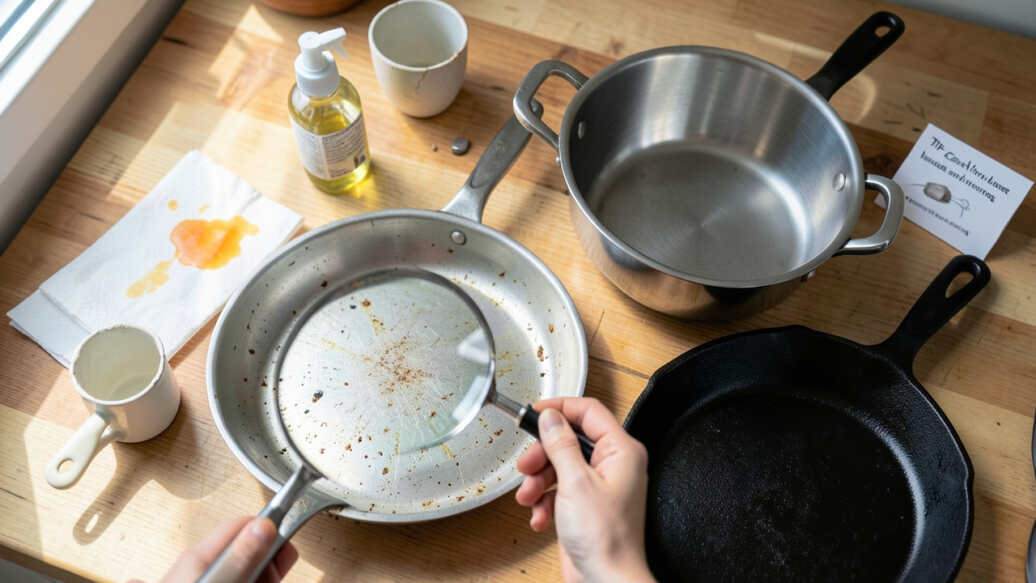
Second, after cooking, let the pan cool slightly. For most messes, you can clean it with hot water and a stiff brush or a non-abrasive sponge. If food is stuck, you can simmer a little water in the pan for a few minutes to loosen it.
Avoid using harsh dish soap or abrasive scrubbers, especially on well-seasoned pans, as they can remove the seasoning.
Next, always dry your pans immediately and completely after washing. You can even place them on a low heat on the stovetop for a minute to ensure all moisture is gone. This is especially important for cast iron to prevent rust.
For cast iron, after drying, you might want to apply a very thin layer of oil to the surface to protect it.
Then, store your pans in a dry place. If you stack them, place a paper towel or cloth between them to protect the surface and absorb any lingering moisture. For cast iron, if you see any rust spots, you can scrub them off with steel wool and then re-season the affected area.
Finally, remember that both carbon steel and cast iron will develop a patina over time. This is a dark, slightly glossy layer that comes from polymerized oils. This patina is a sign of a well-loved pan and contributes to its non-stick properties.
Embrace it!

Common Myths About Carbon Steel and Cast Iron
There are a lot of ideas out there about these types of cookware. Some are true, but others are just myths. Let’s clear up a few common ones about Carbon Steel vs Cast Iron Cookware.
Myth 1: They are the same
This is perhaps the biggest myth. While they are both iron-based and require seasoning, their properties are quite different. Carbon steel is lighter and heats faster.
Cast iron is heavier and holds heat longer. This fundamental difference affects how they cook.
Myth 2: You can’t use metal utensils
This is mostly true for non-stick coated pans. However, both seasoned carbon steel and cast iron can handle metal utensils. They are tough enough to withstand spatulas and whisks.
Just be mindful of aggressive scraping that could damage a newly formed seasoning layer.
Myth 3: They are too hard to care for
While they do require a bit more care than non-stick pans, it’s not difficult. The seasoning and cleaning process becomes second nature with practice. Many cooks find the effort rewarding because of the excellent cooking results and the longevity of the pans.
Myth 4: They are not non-stick
Both carbon steel and cast iron become naturally non-stick as their seasoning builds up. A well-seasoned pan can perform just as well as, if not better than, many coated pans. The key is consistent seasoning and proper care.
Frequently Asked Questions
Question: Is carbon steel or cast iron better for everyday use?
Answer: For everyday use, carbon steel is often preferred due to its lighter weight and faster heating, making it more convenient for quick meals. However, cast iron is also a great everyday pan if you don’t mind the weight and value its heat retention.
Question: Can I use my carbon steel or cast iron pan in the dishwasher?
Answer: No, you should never put carbon steel or cast iron cookware in the dishwasher. The harsh detergents and prolonged moisture will strip away the seasoning and cause rust.
Question: Which is better for searing steaks: Carbon Steel vs Cast Iron Cookware?
Answer: Both are excellent for searing steaks. Carbon steel heats up faster for a quick sear, while cast iron holds heat longer for a deep, even crust. Your preference for heat response will determine which you like more.
Question: Do I need to season a new cast iron skillet?
Answer: Most new cast iron skillets come pre-seasoned, but it’s always a good idea to add a few extra layers of seasoning yourself. This will help build a stronger non-stick surface and protect the pan.
Question: Can I use oil other than vegetable oil for seasoning?
Answer: Yes, many oils work for seasoning, including flaxseed oil, canola oil, grapeseed oil, and even lard. Flaxseed oil is often recommended for its ability to polymerize well, but any high smoke point oil will work.
Question: Will my carbon steel pan rust?
Answer: Yes, carbon steel can rust if it’s not dried properly after washing or if the seasoning wears off. Regular seasoning and immediate drying after washing will prevent rust.
Final Thoughts
Choosing between carbon steel and cast iron cookware depends on what you cook most often and how you like to cook. Both are fantastic, durable options that get better with age. Consider how quickly you need your pan to heat up and how much heat you need it to hold to make the best choice for your kitchen.