Cast Iron Vs Stainless Steel Vs Nonstick: Complete Guide
At a Glance Cast iron, stainless steel, and nonstick pans each serve distinct cooking purposes: cast iron excels at high-heat searing and even heat retention, stainless steel offers durability and sup…
Cast iron, stainless steel, and nonstick pans each serve distinct cooking purposes: cast iron excels at high-heat searing and even heat retention, stainless steel offers durability and superior deglazing for crispy textures, and nonstick provides effortless release for delicate foods like eggs and fish. The choice depends on the dish and maintenance commitment, as cast iron requires seasoning, stainless steel demands proper heat management to prevent sticking, and nonstick coatings need gentle care to avoid scratching. Understanding these performance and upkeep differences allows home cooks to select the best pan for consistent results and long-term value.
Picking the right cookware can make a big difference in your kitchen. You want pans that cook food well and last a long time. This guide will help you understand the main types of pans: cast iron, stainless steel, and nonstick.
Knowing the pros and cons of each helps you choose what’s best for your cooking style and needs, making your meals turn out great every time. We’ll cover all you need to know in this Cast Iron vs Stainless Steel vs Nonstick: Complete Guide.
Key Takeaways
- Cast iron is great for searing and even heating, developing a natural nonstick surface with proper care.
- Stainless steel is durable, versatile, and excellent for deglazing and achieving crispy textures.
- Nonstick pans are ideal for delicate foods like eggs and fish, offering easy cleanup.
- Each material has different maintenance needs and cooking performance, affecting how your food turns out.
- Choosing the right pan type depends on the specific dish you are preparing and your personal cooking habits.

Why Your Pan Choice Matters
The type of pan you use directly impacts how your food cooks. A pan that heats evenly prevents hot spots and burnt bits. One that releases food easily makes cooking delicate items much simpler.
This Cast Iron vs Stainless Steel vs Nonstick: Complete Guide is here to show you how these differences matter for everyday cooking.
Understanding your cookware helps you avoid common cooking frustrations. You’ll get better results, from perfectly seared steaks to fluffy scrambled eggs. This guide will help you make smarter choices for your kitchen.

Cast Iron Cookware: The Classic Choice
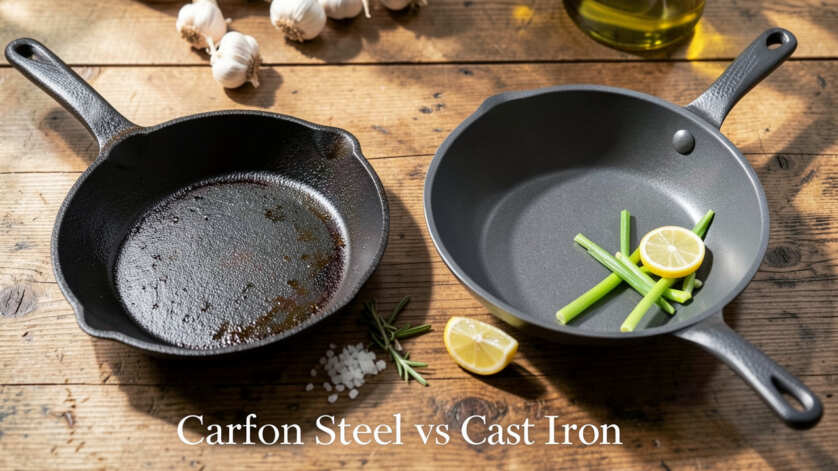
Cast iron pans are a kitchen staple for a reason. They are incredibly durable and can last for generations if cared for properly. Their weight provides excellent heat retention, making them perfect for searing meats and getting a beautiful crust.
The key to cast iron is its ability to develop a natural nonstick surface over time through a process called seasoning. This involves baking oil into the pan’s surface. With regular use and proper maintenance, your cast iron pan will become a joy to cook with.
Benefits of Cast Iron
Even Heating: Cast iron distributes heat very well. This means your food cooks uniformly without frustrating hot spots. It holds heat for a long time, keeping your food warm.
Durability: These pans are built to last. They are tough and can withstand high temperatures and rough handling. You can even use metal utensils on them without worry.
Natural Nonstick: Once seasoned, cast iron acts like a nonstick pan. This is great for foods that tend to stick, like fried eggs or pancakes. The nonstick quality improves with age.
Versatility: You can use cast iron on the stovetop, in the oven, and even over a campfire. It’s a true workhorse in the kitchen.
Caring for Cast Iron
Caring for cast iron is different from other pans. You should avoid using harsh soaps, as they can strip away the seasoning. Instead, clean it with hot water and a stiff brush or scraper.
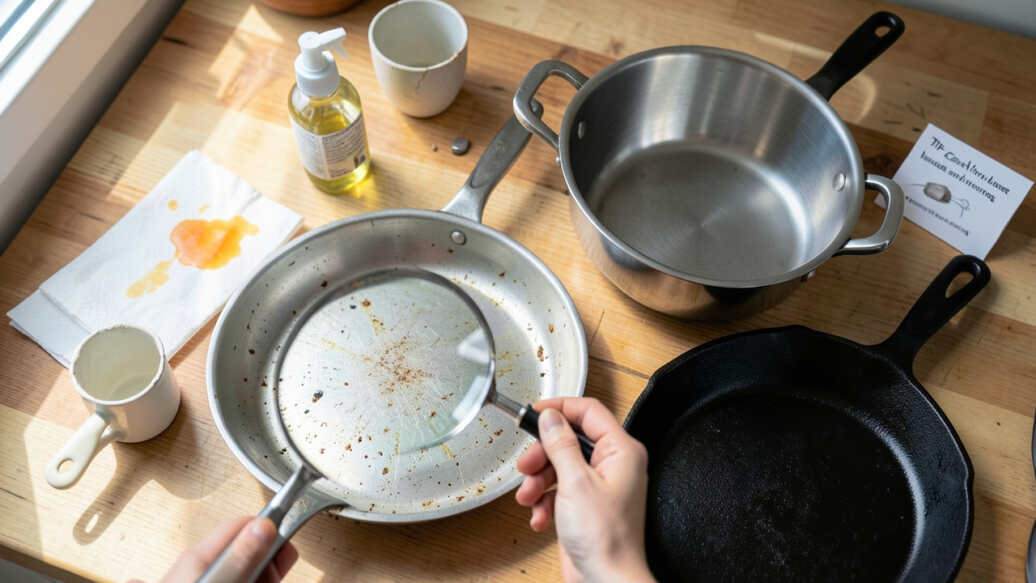
First, after cleaning, always dry your cast iron pan thoroughly. Water can cause rust. Next, apply a very thin layer of cooking oil to the inside surface.
Then, heat the pan gently on the stove for a few minutes to bake the oil in. This process is called re-seasoning and keeps it in good shape.
Avoid letting cast iron soak in water. Also, try not to cook highly acidic foods like tomato sauce for long periods, as this can also affect the seasoning. Proper care ensures your cast iron pan will be a lifelong cooking companion.

Stainless Steel Cookware: The All-Rounder
Stainless steel pans are another popular choice in kitchens worldwide. They are known for their durability, resistance to rust and corrosion, and their ability to handle high heat. They don’t react with acidic foods, which is a big plus.
Stainless steel is fantastic for achieving crispy textures and browning. It’s also excellent for deglazing, which is when you add liquid to a hot pan to lift up those tasty browned bits left from cooking. These bits form the base for delicious sauces.
Why Choose Stainless Steel?
Non-Reactive: Unlike some other materials, stainless steel won’t change the flavor of your food. This makes it ideal for cooking with tomatoes, wine, or citrus.
Excellent Browning: Stainless steel heats up well and is great for getting a good sear on meats. It helps create those desirable crispy edges on food.
Durable and Long-Lasting: These pans are very tough. They resist scratches, dents, and warping. They are a smart investment for any kitchen.
Easy Maintenance: While they don’t develop a natural nonstick surface, stainless steel pans are relatively easy to clean. Most can go in the dishwasher, though handwashing is often recommended to keep them looking their best.
Cooking with Stainless Steel
To get the best results with stainless steel, preheating is key. Let the pan get hot before adding oil. Once the oil shimmers, add your food.
This helps prevent sticking.
For delicate foods like fish or eggs, you might need to add a bit more oil and be patient with the cooking process. Stainless steel requires a bit more attention to prevent sticking compared to nonstick pans. However, the browning and caramelization you can achieve are unmatched.
The ability to deglaze is a major advantage. After cooking meat, you can pour in broth or wine to scrape up all the flavorful bits stuck to the bottom. This is the foundation of many amazing sauces and gravies.

Nonstick Cookware: For Delicate Dishes
Nonstick pans are famous for their ability to release food easily. They have a special coating that prevents food from sticking. This makes them perfect for cooking delicate items like eggs, pancakes, and flaky fish.
Cleanup is usually a breeze with nonstick pans. A quick wipe or wash is often all that’s needed. This is a huge benefit for busy cooks who want to spend less time scrubbing pots and pans.
The Appeal of Nonstick
Effortless Food Release: This is the main selling point. Food slides right off the surface. This means less frustration and less wasted food stuck to the pan.
Less Oil Needed: You can cook with very little or no added oil or butter. This is great for healthier cooking. It’s also easier to manage fat content in your meals.
Easy Cleanup: Nonstick pans are the easiest to clean. Most spills and residue wipe away with minimal effort. Many are also dishwasher safe.
Great for Beginners: If you’re new to cooking, nonstick pans can boost your confidence. They make it easier to achieve good results without sticking issues.
Caring for Nonstick Coatings
Nonstick coatings are not as durable as cast iron or stainless steel. They can be scratched or damaged if not treated with care. This can reduce their effectiveness and lifespan.
First, always use gentle cooking utensils. Wooden, silicone, or plastic utensils are best. Never use metal on nonstick surfaces.
Next, avoid using cooking sprays that contain lecithin, as they can build up and damage the coating. Then, let the pan cool down before washing it. Sudden temperature changes can harm the coating.
Handwashing is generally recommended to extend the life of your nonstick pan. While many are dishwasher safe, the harsh detergents and high heat can degrade the coating over time. Proper care is crucial for maintaining its nonstick properties.

Cast Iron vs Stainless Steel vs Nonstick: Direct Comparison
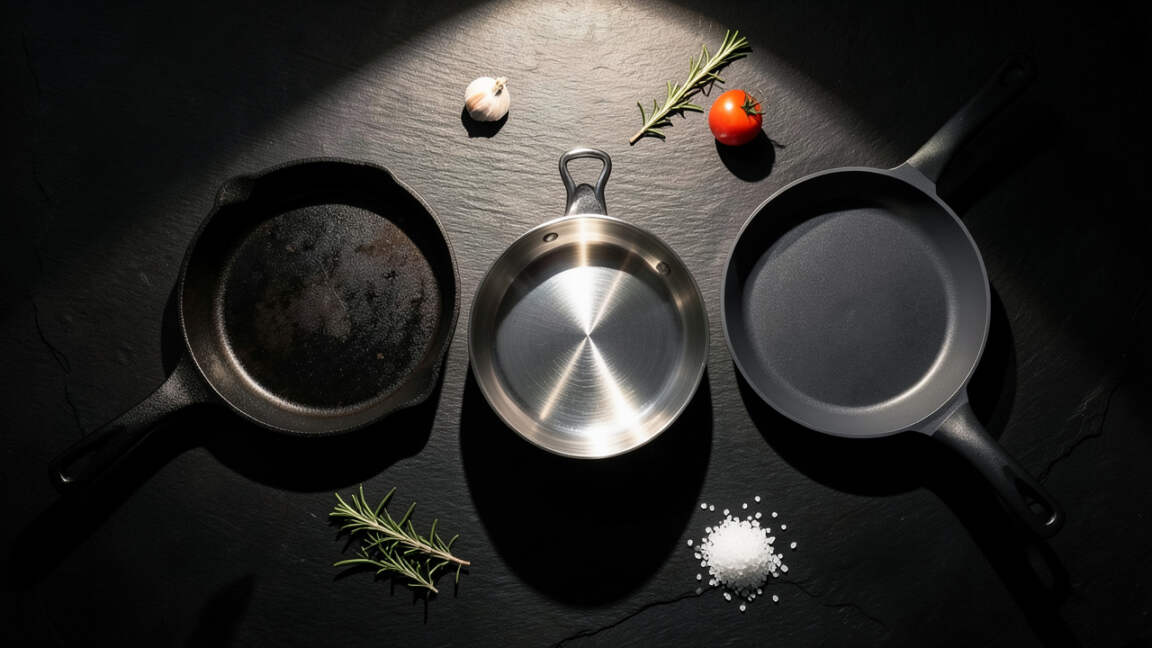
When deciding between these pan types, it helps to see them side-by-side. Each has strengths and weaknesses that make them better suited for different tasks. This comparison helps clarify the Cast Iron vs Stainless Steel vs Nonstick: Complete Guide.
As you can see, there’s no single “best” pan for everything. Your cooking needs will guide your choice. This Cast Iron vs Stainless Steel vs Nonstick: Complete Guide aims to simplify that decision.

Choosing the Right Pan for Your Needs
To truly make the most of your cooking, consider what you make most often. If you love crispy-skinned chicken or a perfectly seared steak, cast iron or stainless steel will be your go-to. Their ability to handle high heat and create a great crust is unmatched.
For delicate foods like eggs or fish that tend to break apart, nonstick is your best friend. It makes cooking these items foolproof and cleanup a breeze. Many cooks find it useful to have a combination of pan types in their kitchen.
When to Use Each Pan Type
Use Cast Iron when: You want to sear meats, bake cornbread, or cook dishes that go from stovetop to oven. It’s also great for foods that benefit from long, slow cooking at consistent temperatures.
Use Stainless Steel when: You need to brown ingredients thoroughly, make pan sauces, or cook acidic foods. It’s the most versatile pan for everyday cooking tasks.
Use Nonstick when: You are cooking eggs, pancakes, crepes, or delicate fish. It’s perfect for meals where sticking is a major concern and easy cleanup is a priority.
Think about your cooking style and the types of recipes you enjoy. This will help you decide which pan material is the best fit for your kitchen. This Cast Iron vs Stainless Steel vs Nonstick: Complete Guide emphasizes that the right tool makes all the difference.
Frequently Asked Questions
Question: Is cast iron truly nonstick?
Answer: Yes, cast iron can become naturally nonstick after it has been seasoned properly and with regular use. The more you use it, the better its nonstick properties become.
Question: Can I use metal utensils on stainless steel pans?
Answer: Yes, stainless steel pans are very durable and can handle metal utensils without being damaged. This makes them great for scraping up browned bits for sauces.
Question: How often should I re-season my cast iron pan?
Answer: You should re-season your cast iron pan if you notice food starting to stick more, or if the surface looks dull or dry. Regular maintenance, like a quick oiling after each wash, can prevent the need for frequent full re-seasoning.
Question: Are nonstick pans safe to use?
Answer: Modern nonstick pans are generally safe to use, especially those made without PFOA. Always follow the manufacturer’s guidelines for use and care to ensure safety and longevity.
Question: Which type of pan is best for beginners?
Answer: Nonstick pans are often recommended for beginners because they are forgiving and make it easier to cook delicate foods without sticking. However, learning to cook with stainless steel is also very beneficial.
Question: Can I use a Cast Iron vs Stainless Steel vs Nonstick: Complete Guide to decide on just one pan?
Answer: While this guide helps you understand each type, most kitchens benefit from having a mix of pans. Different cooking tasks are best suited for different materials.

Final Thoughts
Choosing between cast iron, stainless steel, and nonstick pans comes down to your cooking needs. Each material offers unique benefits, from cast iron’s searing power to nonstick’s easy release. A well-equipped kitchen often includes a variety of these pans to handle any recipe with ease.