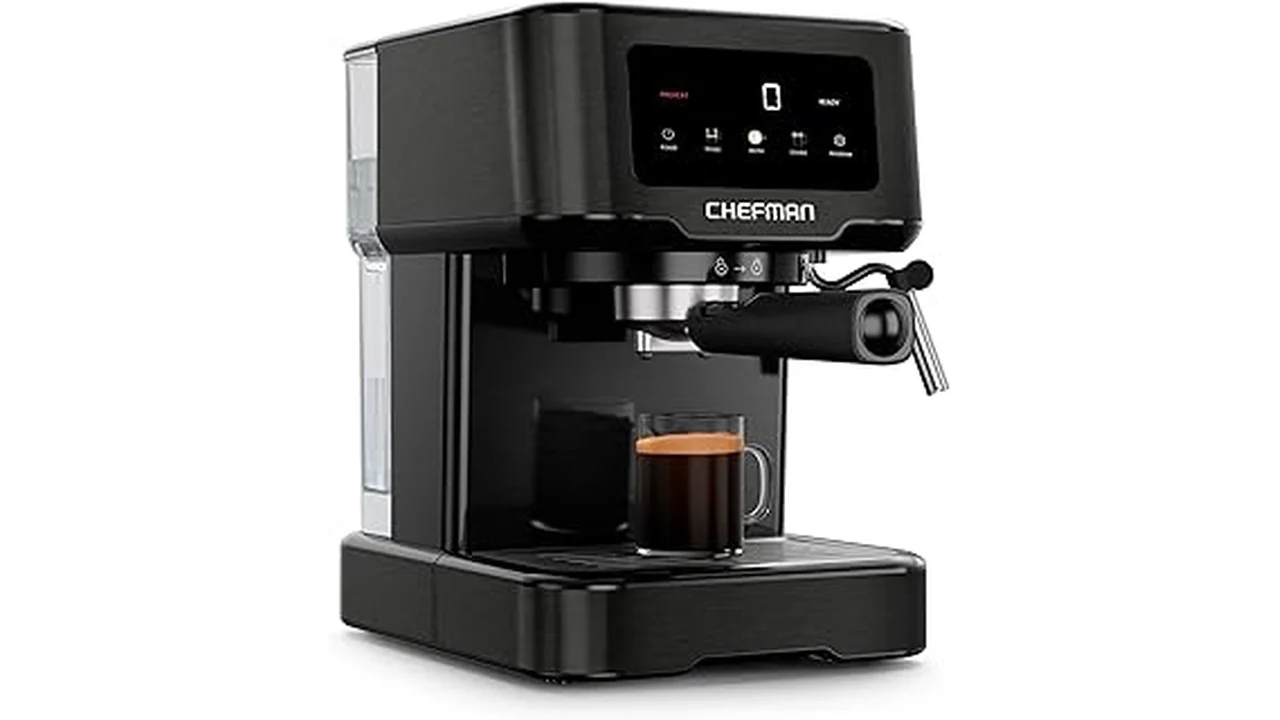
Best 6 Best Coffee Maker for Espresso Lovers Who Can’t Affor
At a Glance For espresso lovers who cannot afford a traditional espresso machine, the best coffee makers are affordable alternatives like moka pots or…
Read Review →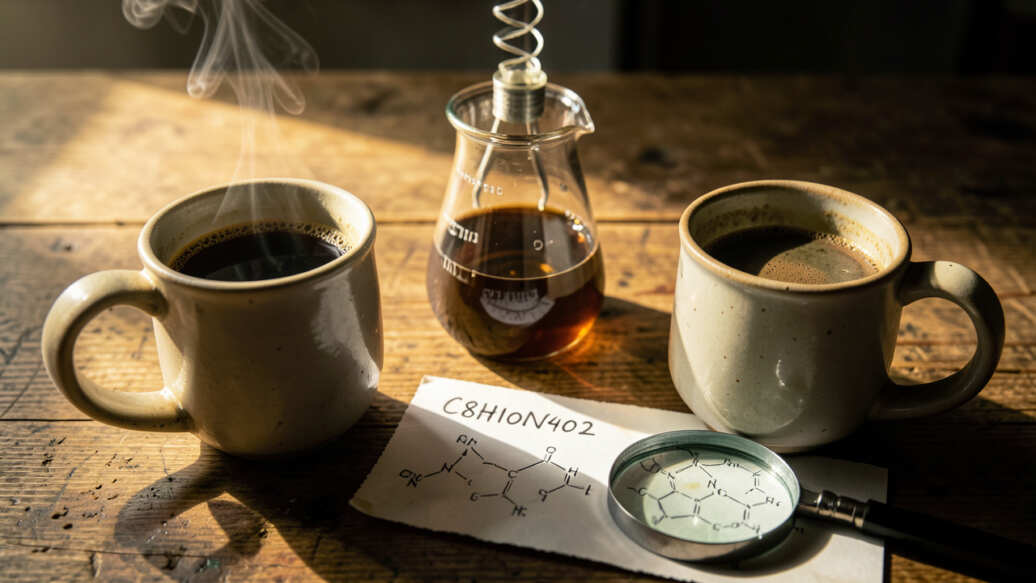
Why Reheated Coffee Tastes Bitter (Chemistry)
At a Glance Reheated coffee tastes bitter due to the chemical processes of oxidation and acid breakdown that intensify existing bitter compounds. The…
Read Review →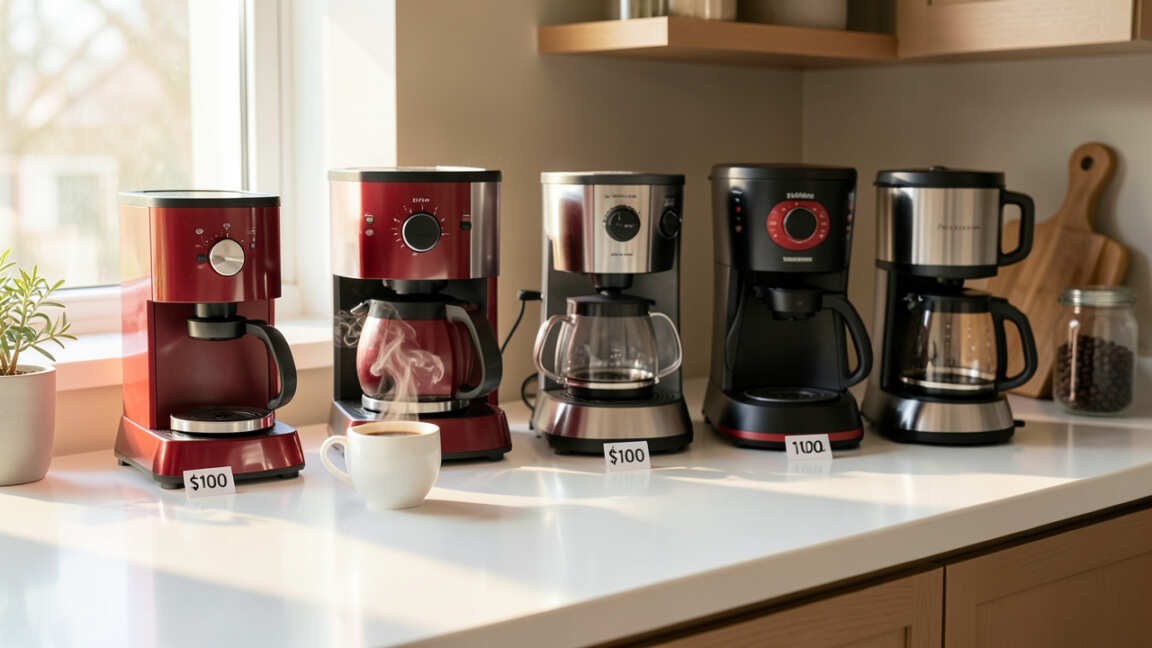
Best Selling 6 Best Coffee Maker Under $100 That Actually Ta
At a Glance The best coffee makers under $100 that actually taste like café coffee use hot water pressure and precise temperature control to extract b…
Read Review →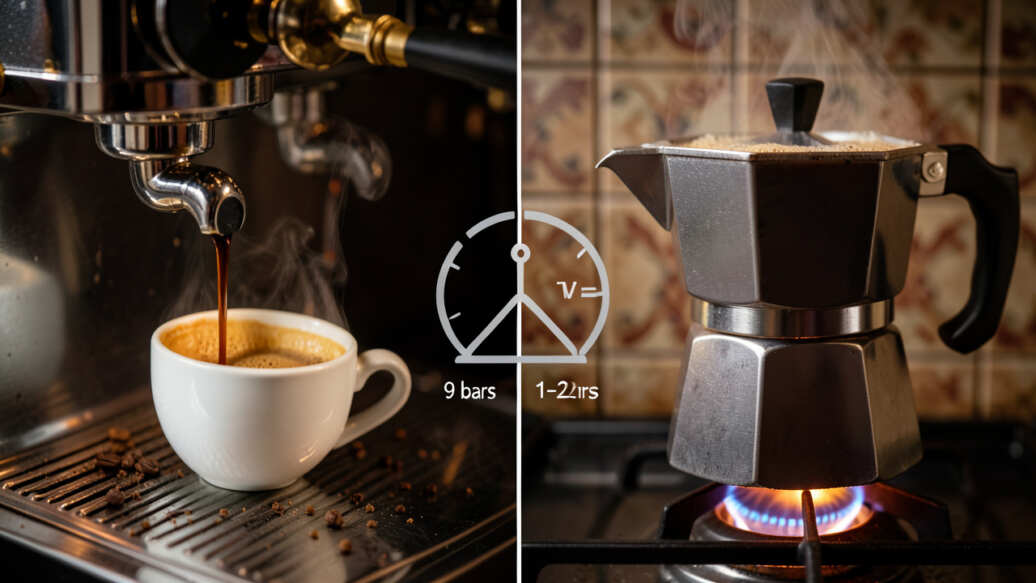
Espresso Vs Moka Pot: Pressure, Taste, And Technique
At a Glance Espresso and moka pot differ primarily in brewing pressure: espresso machines use 9 bars of pressure to produce a concentrated shot with t…
Read Review →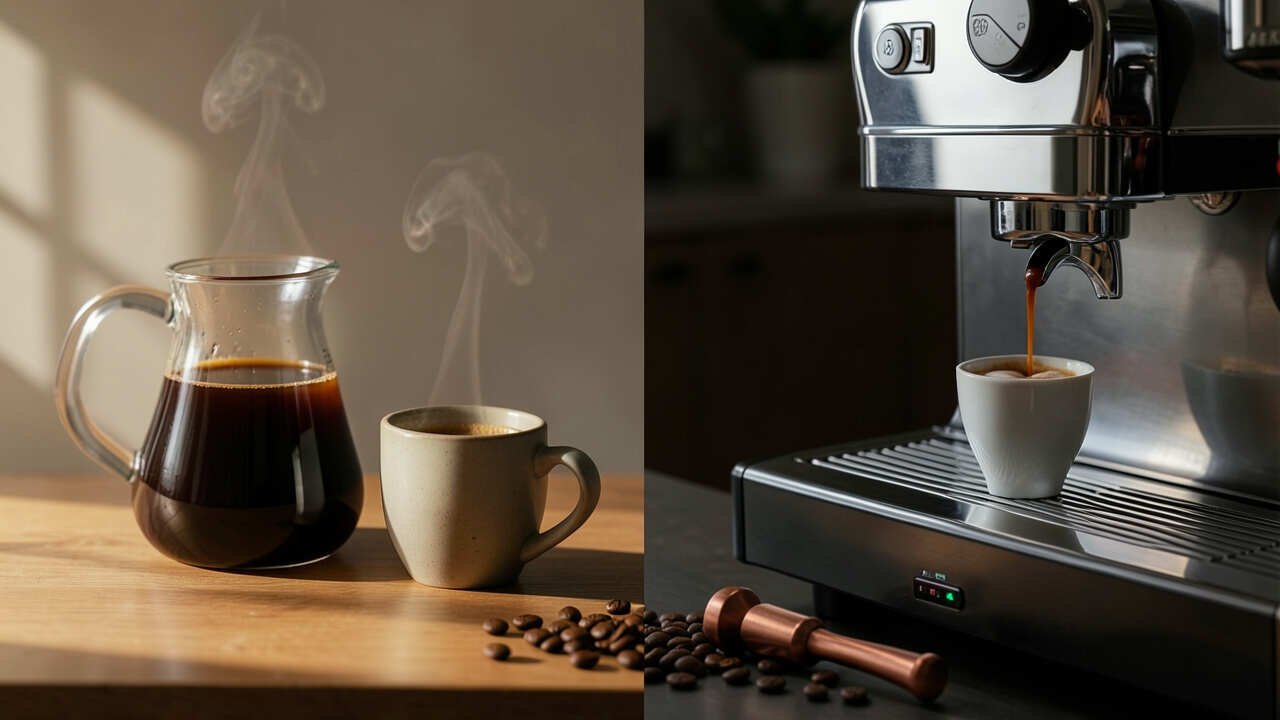
Drip Coffee Vs Espresso: Caffeine And Flavor Compared
At a Glance Drip coffee and espresso differ significantly in brewing method, caffeine concentration, and flavor profile, with drip producing a milder,…
Read Review →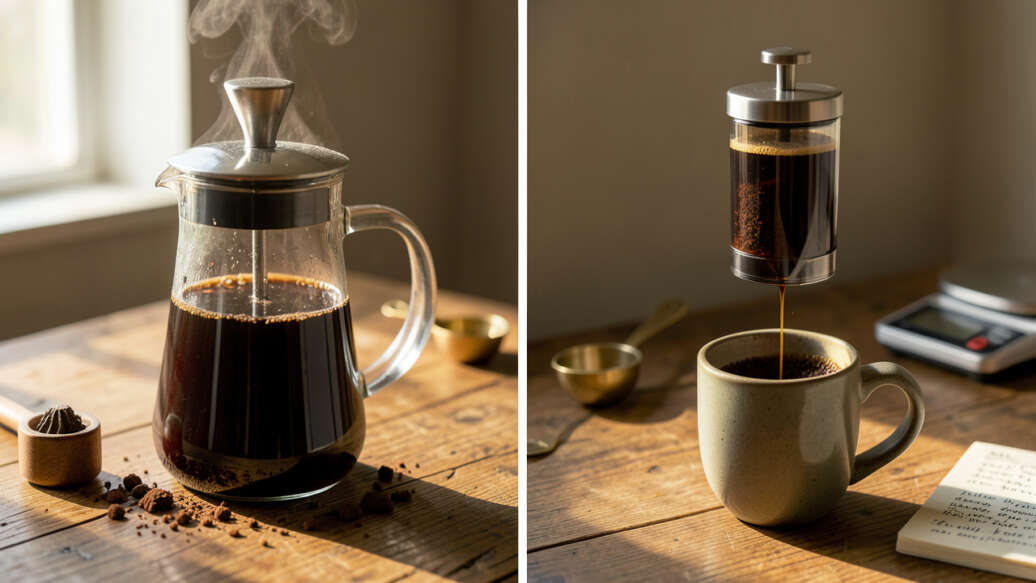
French Press Vs Aeropress: Brew Style Differences
At a Glance The French Press and Aeropress differ fundamentally in brew style: the French Press uses full immersion to extract a rich, full-bodied cof…
Read Review →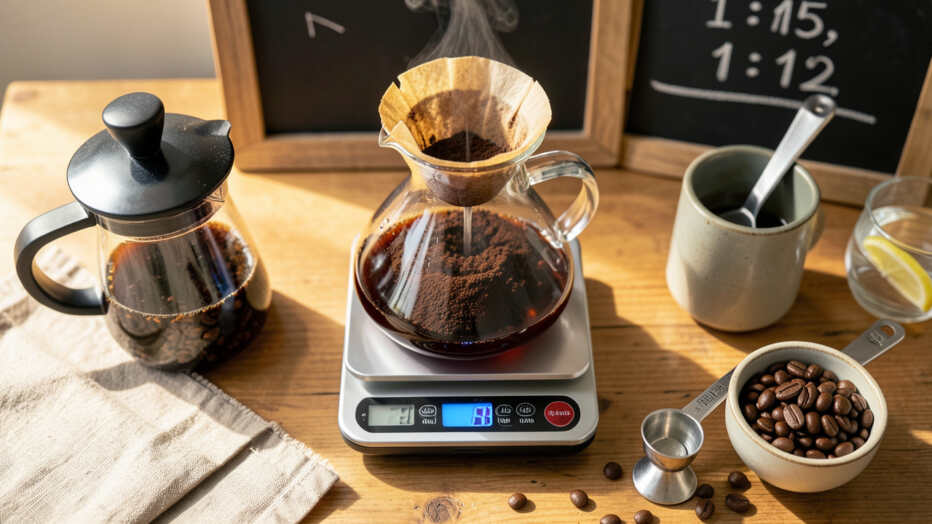
Coffee To Water Ratios For Every Brew Method
At a Glance The optimal coffee to water ratio varies by brew method, with pour-over and drip coffee typically using 1:15 to 1:18 by weight, while espr…
Read Review →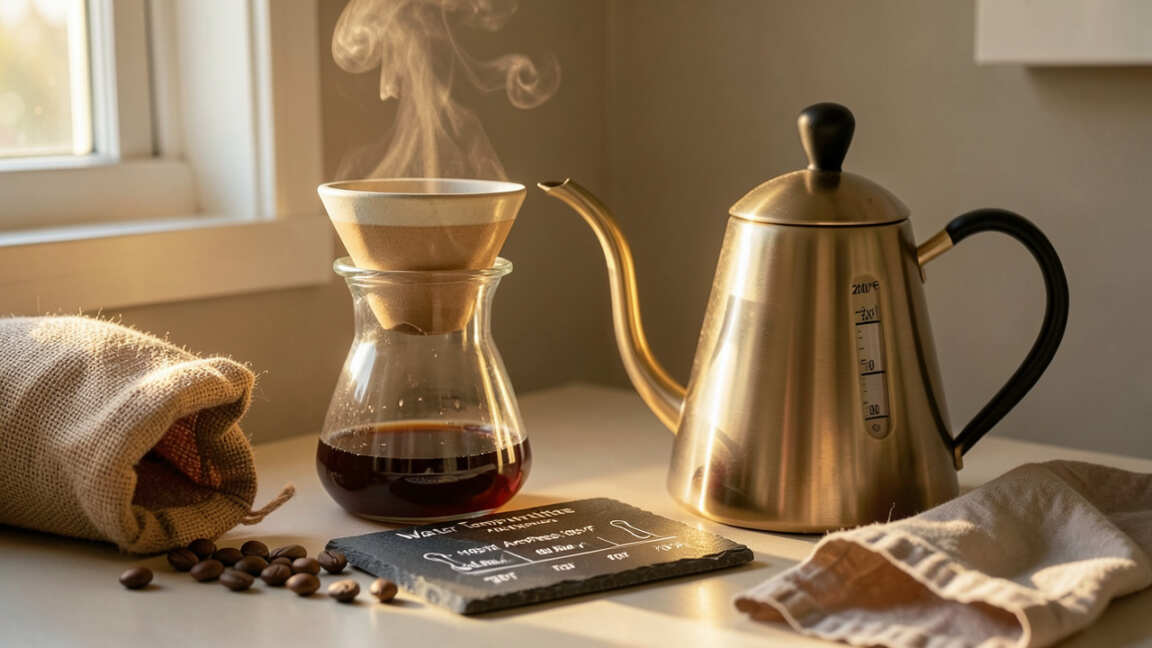
Water Temperature For Coffee Brewing (Method Chart)
At a Glance The water temperature for coffee brewing varies by method, with the generally accepted ideal range of 195°F to 205°F (90.5°C to 96°C) for…
Read Review →
Water Hardness And Coffee Flavor (Mineral Targets)
At a Glance Water hardness directly influences coffee flavor by determining how effectively calcium and magnesium extract desirable compounds from the…
Read Review →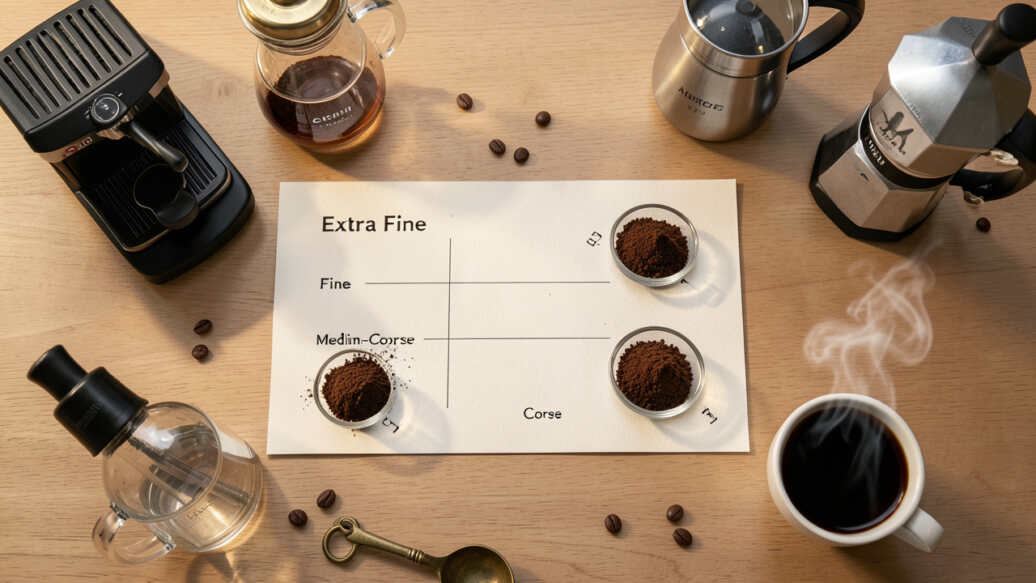
Coffee Grind Size Chart For Each Brew Method
At a Glance The coffee grind size chart for each brew method outlines seven specific grind levels from extra coarse to extra fine, each tailored to th…
Read Review →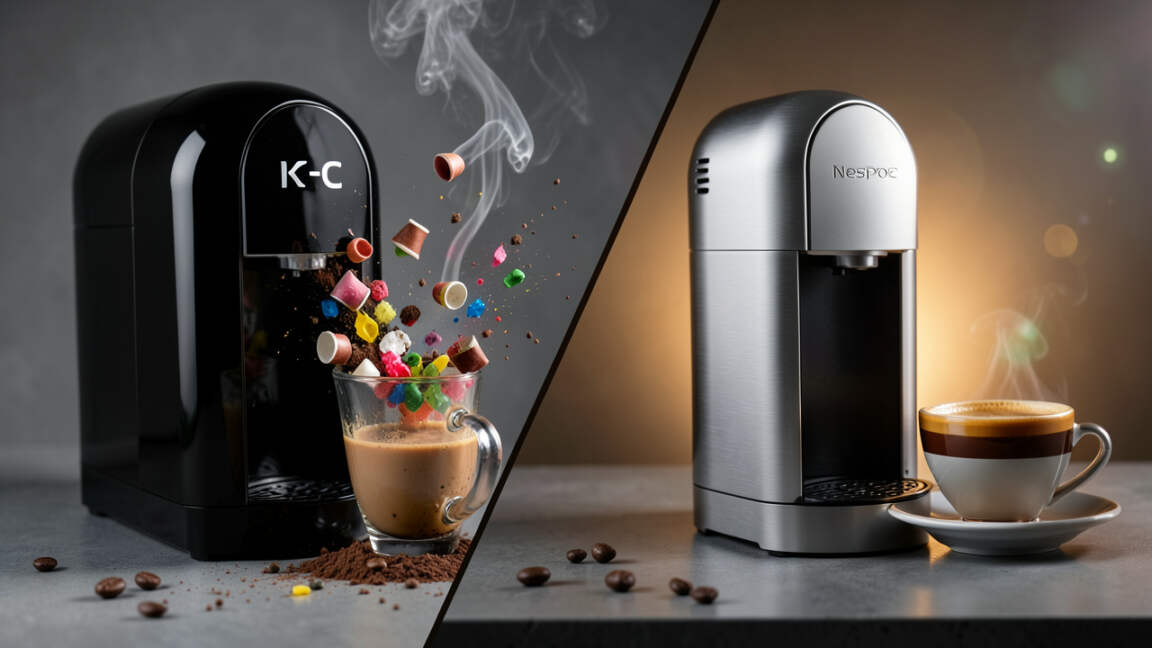
Pod Vs Capsule Coffee Makers: K-Cup Vs Nespresso Logic
At a Glance The core distinction between K-Cup and Nespresso systems is that K-Cup pods brew standard filtered coffee with broad flavor variety, while…
Read Review →
Coffee Bloom Explained: Why It Matters For Flavor
At a Glance Coffee bloom is the release of trapped carbon dioxide from freshly roasted coffee grounds upon first contact with hot water, a direct sign…
Read Review →