Water Temperature For Coffee Brewing (Method Chart)
At a Glance The water temperature for coffee brewing varies by method, with the generally accepted ideal range of 195°F to 205°F (90.5°C to 96°C) for most pour-over, drip, and immersion techniques. Wa…
The water temperature for coffee brewing varies by method, with the generally accepted ideal range of 195°F to 205°F (90.5°C to 96°C) for most pour-over, drip, and immersion techniques. Water that is too hot extracts bitter compounds, while water that is too cool yields weak, sour coffee. For precise results, use a thermometer or temperature-controlled kettle and adjust based on roast level and personal taste.
Getting your coffee just right often comes down to small details. One of the most important, yet often overlooked, is the water you use. The right heat makes a huge difference in how your coffee tastes, bringing out the best flavors.
Too hot, and it can taste bitter. Too cool, and it might be weak. Understanding the perfect Water Temperature For Coffee Brewing (Method Chart) helps you avoid these problems.
This guide will show you exactly how hot your water needs to be for different ways of making coffee, so you can enjoy a delicious cup every time.
Key Takeaways
- Different coffee brewing methods require specific water temperatures for optimal flavor extraction.
- Using water that is too hot can lead to bitter, over-extracted coffee.
- Water that is too cool results in under-extracted coffee, tasting weak and sour.
- A general range of 195°F to 205°F (90.5°C to 96°C) is ideal for most brewing methods.
- Specific tools like thermometers or temperature-controlled kettles are helpful for accuracy.
- Adjusting water temperature can help fine-tune the taste of your coffee based on bean roast and personal preference.
Why Water Temperature Matters So Much
Coffee is made by dissolving soluble compounds from coffee grounds into water. The heat of the water plays a big role in how fast and how much of these compounds get dissolved. Think of it like cooking.
If you cook something too fast at too high a heat, it burns on the outside and is raw inside. Coffee is similar. The right temperature ensures a balanced extraction.
Use a reliable thermometer to verify water temperature and prevent scalding the grounds, which causes bitterness.
When water is too hot, it can scald the coffee grounds. This releases bitter compounds too quickly. You end up with a sharp, unpleasant taste.
On the other hand, if the water is not hot enough, it won’t pull out the desirable flavors. This results in a coffee that tastes flat, sour, or watery.
Finding the sweet spot for Water Temperature For Coffee Brewing (Method Chart) is key to unlocking the full potential of your coffee beans. It allows the nuanced flavors, like fruity notes or chocolatey undertones, to shine through. This careful control over heat is what separates a good cup from a truly great one.
The Ideal Range for Most Coffee Brewing
Most coffee experts agree that the ideal water temperature range for brewing coffee is between 195°F and 205°F (90.5°C and 96°C). This is a broad guideline that works well for many popular brewing methods. Within this range, you get a good balance of dissolving both the easily extracted flavors and the slightly harder-to-get ones.
Boiling water is 212°F (100°C). Water at this temperature is usually too hot for coffee. It can burn the grounds and lead to that bitter taste we talked about.
Darker roasts are more brittle and benefit from slightly cooler water, so aim for the lower end of the 195°F–205°F range to avoid extracting bitter compounds.
Letting boiling water cool for about 30 seconds to a minute is often enough to bring it into the ideal brewing range.
However, this is just a starting point. The exact temperature can be adjusted based on a few factors. These include the type of coffee bean, how dark it’s roasted, and your personal taste preferences.
For example, darker roasts might do better with slightly cooler water to avoid bitterness.
Water Temperature For Coffee Brewing (Method Chart) Breakdown
Different brewing methods have different needs. Some methods involve longer contact times between water and coffee, while others are very quick. This impacts the ideal water temperature.
Understanding these differences is crucial for consistent results. Let’s look at some common methods and their specific temperature needs.
Drip Coffee Makers
Automatic drip coffee makers are very common. Most good ones heat water to the right temperature automatically. They aim for that 195°F to 205°F range.
If your drip machine doesn’t seem to make good coffee, the water temperature could be a reason.
Some older or cheaper machines may not get hot enough. This leads to weak coffee. Others might overheat.
If you can, check your machine’s manual or look for reviews that mention its brewing temperature. For a standard drip brew, stick to the 195°F-205°F rule.
Pour Over Coffee (V60, Chemex, Kalita)
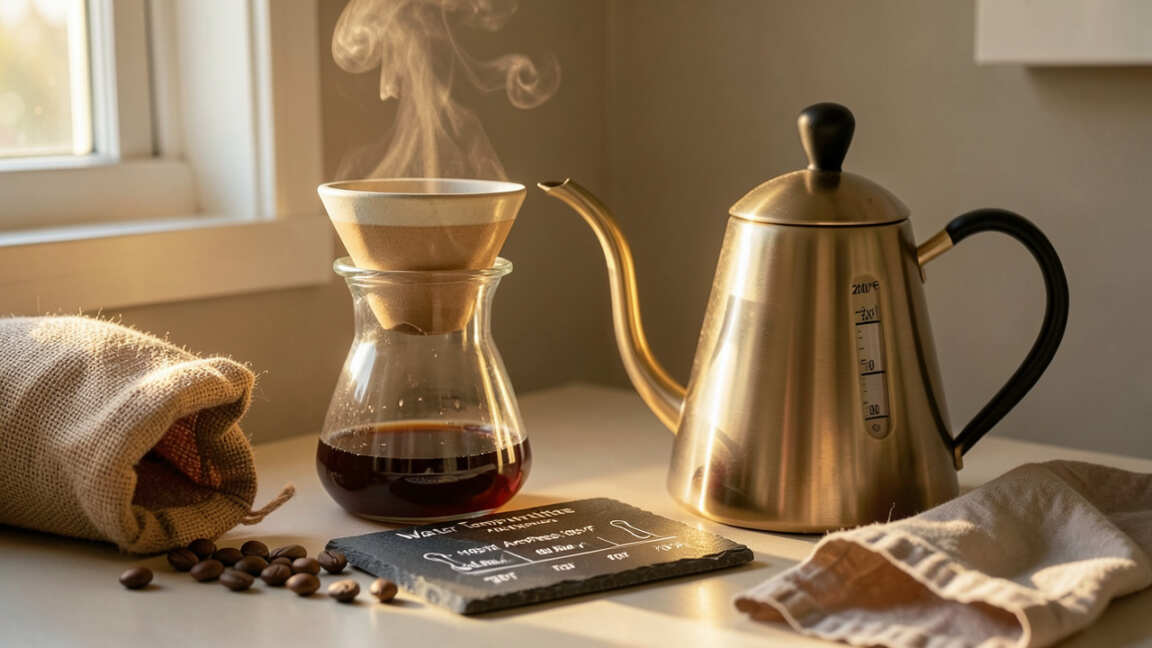
Pour over methods give you a lot of control. This is where precise water temperature really shines. For pour over, the 195°F to 205°F range is excellent.
Many baristas aim for the lower end, around 195°F to 200°F (90.5°C to 93°C), especially for lighter roasts.
The bloom phase, the initial wetting of the grounds, is important. Using water at the correct temperature helps release gases from the coffee. This leads to a more even extraction later on.
Control is key here, so a gooseneck kettle with temperature control is very helpful.
French Press
The French press uses a longer immersion time. Coffee grounds steep directly in the hot water. For this method, many people use water that’s just off the boil, around 200°F to 205°F (93°C to 96°C).
The optimal water temperature shifts with each brewing method; while a French press is forgiving, getting it right still makes a noticeable difference in flavor.
The longer steep time allows for good extraction even at this slightly higher temperature.
If you use water that’s too cool, your French press coffee might taste weak. If it’s too hot, you risk bitterness. Letting boiling water sit for about 30 seconds usually brings it to the perfect point for a French press.
The Water Temperature For Coffee Brewing (Method Chart) for French press is forgiving but still important.
Aeropress
The Aeropress is very versatile. You can use it with different recipes, which means different temperatures. For a standard brew, temperatures between 175°F and 205°F (79°C to 96°C) can work.
Many people find that lower temperatures, like 175°F to 185°F (79°C to 85°C), work well for lighter roasts or when using the inverted method.
Using cooler water with the Aeropress can help reduce acidity and bitterness. This makes it a great tool for experimenting. The shorter brew time in many Aeropress recipes means you can get away with lower temperatures than methods that steep for longer.
Espresso
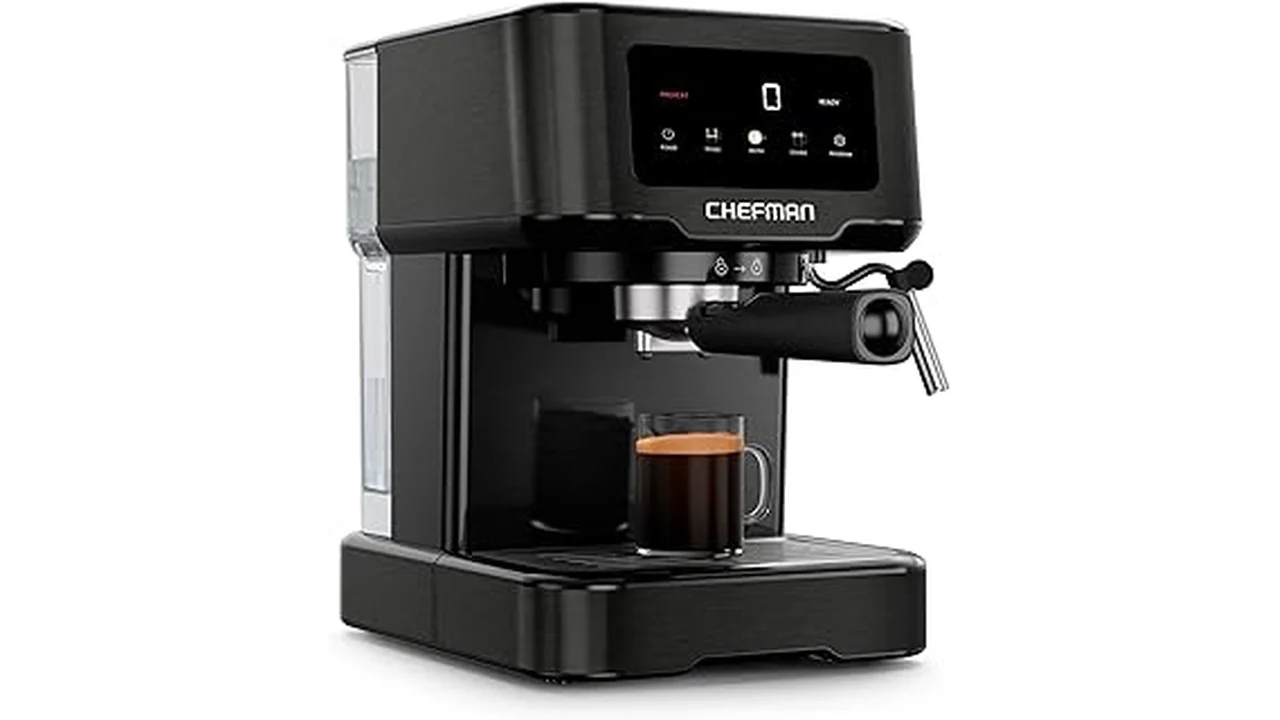
Espresso machines are designed to heat water to a very specific temperature. This is typically between 195°F and 205°F (90.5°C to 96°C), often closer to 200°F (93°C). The high pressure of an espresso machine also plays a role, but the water temperature is fundamental.
If your espresso machine’s temperature is off, your shots will suffer. Too hot leads to burnt, bitter espresso. Too cool results in sour, under-extracted espresso.
This is why professional espresso machines are carefully calibrated. Getting the right Water Temperature For Coffee Brewing (Method Chart) is critical for espresso.
Cold Brew
Cold brew coffee is an exception to the hot water rule. As the name suggests, it uses cold or room temperature water. This method relies on time, not heat, to extract flavor.
Coffee grounds steep in cold water for 12 to 24 hours. This process yields a smooth, low-acid coffee concentrate.
Because there’s no heat involved, the Water Temperature For Coffee Brewing (Method Chart) is simply ‘cold’. Room temperature water is fine, or even chilled water. The key is the long steeping period, which allows the flavors to develop slowly without extracting bitter compounds.
Tools to Help You Get the Temperature Right
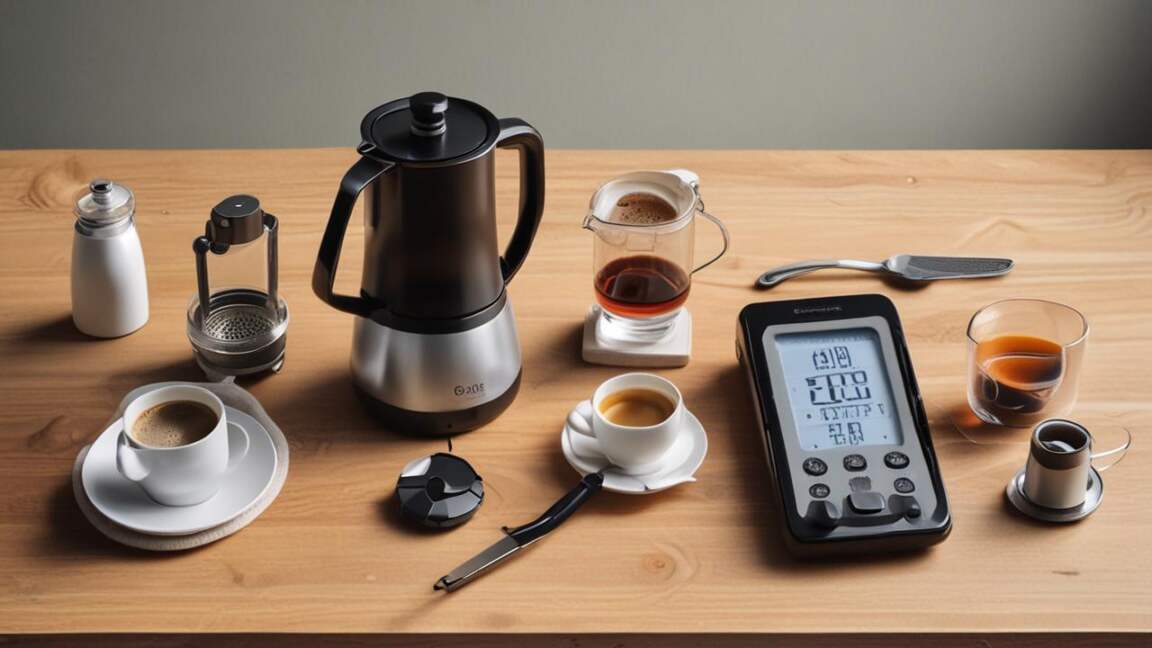
Measuring water temperature accurately is easier than you might think. You don’t need to be a coffee scientist to get it right. Simple tools can make a big difference in your daily cup.
Thermometers
A simple kitchen thermometer is a good start. You can get digital or analog ones. Heat your water, then check the temperature before you pour.
This is especially useful if you’re using a standard kettle and want to be sure.
There are also clip-on thermometers that you can attach to your kettle or brewing vessel. These give you a constant reading as your water heats or cools. This is very handy for pour over brewing.
Temperature-Controlled Kettles
For those who love precision, a temperature-controlled kettle is a fantastic investment. These electric kettles allow you to set the exact temperature you want. Many even hold the water at that temperature for a period of time.
A simple clip-on thermometer attached to your kettle or brewing vessel gives you real-time temperature readings for consistent results.
This takes all the guesswork out of heating water for your coffee.
These kettles are especially popular with pour over enthusiasts. They ensure you can consistently hit the perfect temperature for your brew. They also often have a gooseneck spout for controlled pouring.
The “Wait and See” Method (Less Precise)
If you don’t have a thermometer or special kettle, you can use a timing method. Boil your water. Then, let it sit for about 30 seconds to a minute.
For most stovetop kettles, this will bring the water down to the ideal brewing range of 195°F to 205°F. This is a good approximation.
Altitude can affect boiling point, so this method might be slightly less accurate at very high altitudes. However, for most home brewers, it’s a decent way to get close without special equipment. The Water Temperature For Coffee Brewing (Method Chart) doesn’t always require fancy gear.
Factors Affecting Your Ideal Coffee Water Temperature
While there are general guidelines, your perfect coffee water temperature isn’t always fixed. Several factors can influence what works best for you.
Coffee Bean Roast Level
The roast level of your coffee beans is a significant factor. Lighter roasts are denser and have more complex, often brighter or more acidic flavors. They can benefit from slightly hotter water within the ideal range (closer to 205°F) to help extract these delicate flavors fully.
Darker roasts are more brittle and have had more of their compounds caramelized during roasting. They tend to have bolder, sometimes smokier or more bitter flavors. Using water that is too hot can easily over-extract these beans, leading to an unpleasant bitterness.
For dark roasts, aim for the lower end of the spectrum, around 195°F to 200°F.
Grind Size
The grind size of your coffee beans also plays a role. A finer grind has more surface area exposed to the water. This means it extracts faster.
If you’re using a finer grind, you might want to use slightly cooler water or a shorter brew time to avoid over-extraction.
Water that is too hot can easily over-extract dark roasts, so stick to 195°F–200°F to avoid an unpleasant, bitter taste.
A coarser grind has less surface area. It extracts more slowly. This often requires hotter water or a longer brew time to get all the good flavors out.
Matching your grind size to your brewing method and water temperature is part of dialing in your perfect cup.
Brewing Method (Revisited)
As we’ve seen, the brewing method itself is a major factor. Immersion methods like the French press, where coffee grounds are fully submerged for a longer period, can handle hotter water. This is because the longer contact time allows for thorough extraction.
Methods with shorter contact times or where water flows through the grounds, like pour over or Aeropress, might benefit from slightly more precise temperature control. The goal is to get the most flavor out of the limited contact time. The Water Temperature For Coffee Brewing (Method Chart) is a guide, but the method dictates how you apply it.
Water Quality
While not directly about temperature, water quality is vital for coffee flavor. Filtered water is generally best. It removes impurities that can interfere with taste and can also affect how efficiently flavors are extracted by the water.
The mineral content of your water can also influence extraction. However, focusing on temperature is a more direct way to control flavor extraction for most home brewers. Start with good quality water, then focus on temperature.
Tips for Perfect Coffee Temperature
Here are some practical tips to help you consistently brew coffee at the right temperature.
Let boiling water rest for 30–60 seconds before pouring; this simple step drops the temperature into the ideal range for most brewing methods.
- Start with the right tools: A thermometer or temperature-controlled kettle makes a big difference.
- Know your beans: Adjust temperature slightly based on roast level. Lighter roasts might need hotter water, darker roasts cooler.
- Time your cooling: If using a standard kettle, let boiling water sit for about 30-60 seconds to cool to the ideal range.
- Observe your brew: If your coffee consistently tastes bitter, try slightly cooler water. If it’s weak or sour, try slightly hotter water.
- Experiment: Don’t be afraid to test temperatures slightly above or below the recommended range for your specific beans and method.
- Consistency is key: Once you find a temperature that works well, try to replicate it each time for consistent results.
Frequently Asked Questions
What is the best water temperature for coffee brewing in general?
The generally accepted ideal range for most coffee brewing methods is between 195°F and 205°F (90.5°C to 96°C). This range allows for optimal flavor extraction without scalding the coffee grounds.
Should I use boiling water for coffee?
No, boiling water (212°F or 100°C) is usually too hot for coffee. It can burn the coffee grounds and lead to a bitter taste. It’s best to let boiling water cool for about 30-60 seconds before brewing.
How does water temperature affect coffee taste?
Water that is too hot can extract bitter compounds, making coffee taste bitter. Water that is too cool will not extract enough flavor, resulting in coffee that tastes weak, sour, or flat.
What is the ideal Water Temperature For Coffee Brewing (Method Chart) for a French Press?
For a French Press, a temperature around 200°F to 205°F (93°C to 96°C) is often recommended. The longer immersion time allows for good extraction at this slightly higher heat.
Do I need a special kettle for the correct Water Temperature For Coffee Brewing (Method Chart)?
While not strictly necessary, a temperature-controlled kettle or a simple thermometer can greatly help you achieve the correct water temperature consistently. Otherwise, timing boiled water cooling is a good alternative.
How does roast level influence the ideal Water Temperature For Coffee Brewing (Method Chart)?
Lighter roasts often benefit from slightly hotter water (near 205°F) to extract their complex flavors, while darker roasts might taste better with cooler water (near 195°F) to avoid bitterness.
Final Thoughts
Getting the water temperature right is a simple step that makes a big impact on your coffee. Aiming for the 195°F to 205°F range, and adjusting slightly for your specific method and beans, will help you brew delicious coffee every time. Enjoy exploring the perfect temperature for your next cup!