Why Reheated Coffee Tastes Bitter (Chemistry)
At a Glance Reheated coffee tastes bitter due to the chemical processes of oxidation and acid breakdown that intensify existing bitter compounds. The heat accelerates the degradation of chlorogenic ac…
Reheated coffee tastes bitter due to the chemical processes of oxidation and acid breakdown that intensify existing bitter compounds. The heat accelerates the degradation of chlorogenic acids into harsh-tasting quinic and caffeic acids, while also promoting the release of bitter molecules from previously extracted coffee grounds. To minimize bitterness, store leftover coffee in an airtight container, reheat gently at low temperatures, and avoid prolonged heating or reusing old grounds.
Many coffee lovers have noticed that their leftover coffee doesn’t taste as good when reheated. It often develops a bitter, unpleasant flavor that can ruin the morning pick-me-up. Understanding Why Reheated Coffee Tastes Bitter (Chemistry) helps you avoid this disappointment and enjoy your coffee better.
This knowledge allows you to make smarter choices about how you store and reheat your coffee, ensuring a more enjoyable cup every time. We’ll break down the science behind this common kitchen frustration.
Key Takeaways
- Reheating coffee causes chemical changes that lead to bitterness.
- Oxidation and the breakdown of acids are primary causes of bitter reheated coffee.
- Over-extraction during brewing can worsen bitterness upon reheating.
- Storing coffee improperly speeds up the process of flavor degradation.
- Simple reheating methods can minimize bitterness.
- Preventative measures before reheating can improve the taste.
The Science of Coffee Flavor: Why Fresh is Best
Freshly brewed coffee is a complex beverage. It contains hundreds of aromatic compounds that contribute to its rich flavor and aroma. These compounds are delicate and can change over time, especially when exposed to heat and air.
The initial brewing process extracts these flavors from the coffee grounds. This extraction is a chemical reaction where hot water dissolves soluble compounds from the coffee bean particles.
To preserve fresh coffee flavor, minimize exposure to heat and air after brewing. Store coffee in an airtight container immediately.
When coffee is first brewed, the balance of these compounds is just right. You get the intended acidity, sweetness, and bitterness. However, after brewing, these compounds continue to react.
They interact with oxygen and heat, leading to a transformation of the coffee’s chemical makeup. This is why coffee left sitting for too long, even without reheating, can start to taste stale or off.
Why Reheated Coffee Tastes Bitter (Chemistry): Oxidation Takes Hold
One of the main culprits behind bitter reheated coffee is oxidation. When coffee cools, its components are still exposed to the air. Oxygen reacts with many of the compounds in coffee.
This process breaks down certain acids and oils, creating new compounds. Some of these new compounds have a distinctly bitter taste.
Think of it like an apple turning brown after you cut it. That’s oxidation happening. In coffee, it’s not as visually obvious, but the chemical changes are significant.
Oxidation is the primary chemical process that creates bitterness in reheated coffee. The longer coffee is exposed to air, the more bitter compounds form.
The more time coffee spends exposed to air, the more oxidation occurs. This is especially true if the coffee is stored in an open container.
The chemical compounds responsible for desirable flavors are often more complex molecules. As they oxidize, they break down into simpler, often more bitter-tasting substances. This is a key reason Why Reheated Coffee Tastes Bitter (Chemistry).
The longer coffee sits, the more these undesirable reactions can take place.
Acid Breakdown and the Bitter Turn
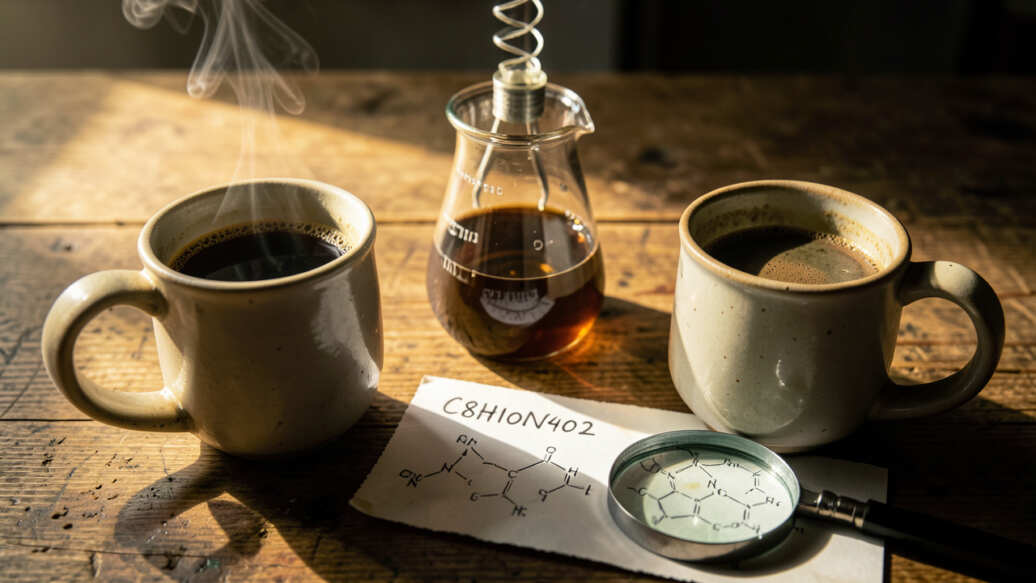
Coffee contains several types of acids, like chlorogenic acids. These acids contribute to coffee’s bright, sometimes fruity, notes when brewed correctly. However, when coffee is heated and then cooled, and especially when reheated, these acids can break down.
This breakdown process can release compounds that taste bitter.
Reheating coffee accelerates the breakdown of acids that give coffee its pleasant brightness, releasing bitter-tasting compounds instead.
The heat from reheating can accelerate these chemical reactions. It essentially speeds up the degradation process that started when the coffee cooled. The original acids that provided a pleasant tang are converted into other substances.
These new substances often lack the complexity of the original acids and can taste harsh or bitter.
Understanding the role of acid breakdown is crucial for grasping Why Reheated Coffee Tastes Bitter (Chemistry). It’s not just about adding bitterness; it’s about losing the flavors that balanced the natural bitterness of coffee in the first place. This leaves the coffee tasting one-dimensional and unpleasantly sharp.
The Role of Over-Extraction During Brewing
Sometimes, the problem starts even before you reheat the coffee. If your coffee was over-extracted during the initial brewing, it might already have a tendency towards bitterness. Over-extraction happens when too much of the coffee’s soluble material is dissolved into the water.
This often occurs with too fine a grind, too long a brew time, or water that is too hot.
Over-extracted coffee already has a higher concentration of bitter compounds. When you reheat this coffee, these compounds are further concentrated and their bitter flavors are amplified. So, a coffee that was slightly bitter when fresh can become intensely bitter when reheated.
Avoid over-extraction by using the correct grind size and brew time. This prevents an inherently bitter cup that only worsens upon reheating.
This means the brewing method itself plays a significant role in Why Reheated Coffee Tastes Bitter (Chemistry).
It’s important to brew your coffee correctly from the start. Using the right grind size, water temperature, and brew time ensures a balanced flavor profile. This balance makes the coffee more forgiving if it needs to be reheated later.
A well-brewed cup is less likely to turn into a bitter mess.
Storage Matters: How You Keep Coffee Affects Taste
How you store your leftover coffee significantly impacts its taste when reheated. Coffee is sensitive to light, air, and temperature. Leaving coffee in an open pot on a warming plate for hours is a recipe for disaster.
This constant heat and air exposure accelerates chemical changes.
The best way to store leftover coffee is in an airtight container. A glass or ceramic container is ideal. Keeping it in the refrigerator can slow down oxidation and other degradation processes.
Refrigeration slows but does not stop flavor degradation. For best results, store coffee in an airtight container and consume within a few hours.
However, even refrigerated coffee will change over time. The goal is to minimize exposure to the elements that cause flavor loss.
This is why understanding Why Reheated Coffee Tastes Bitter (Chemistry) also involves looking at storage. Proper storage is the first line of defense against bitterness. It preserves the coffee’s flavor for longer, making reheating a less problematic option.
Even a few hours can make a difference in how the coffee tastes later.
Reheating Methods: Gentle is Key
The way you reheat your coffee also affects the final taste. Simply dumping it back on a hot plate is one of the worst methods. This intense, direct heat can scorch the coffee and further break down its compounds.
It’s a quick way to ensure bitterness.
A gentler approach is much better. Using a microwave on a lower power setting for shorter bursts can work. Stirring the coffee halfway through helps it heat evenly.
Gentle reheating methods, such as low-power microwave or stovetop on low heat, minimize further chemical breakdown. Avoid high heat to prevent scorching.
Another good option is to heat the coffee gently on the stovetop in a saucepan over low heat. Avoid letting it boil.
These methods are preferred because they minimize the harshness of reheating. They aim to bring the coffee back to a drinkable temperature without causing excessive chemical breakdown. This is a practical application of understanding Why Reheated Coffee Tastes Bitter (Chemistry).
Choosing the right method can save your cup.
Comparing Coffee Storage and Reheating
To better understand how these factors influence taste, let’s look at them side-by-side.
A holistic approach—proper brewing, airtight storage, and gentle reheating—can significantly reduce bitterness when enjoying leftover coffee.
This table highlights how different elements contribute to the final taste. It shows that addressing each of these points can help prevent the bitter taste associated with reheated coffee. Understanding Why Reheated Coffee Tastes Bitter (Chemistry) means looking at the whole picture, from brewing to storage to reheating.
Tips to Minimize Bitterness in Reheated Coffee
Fortunately, there are several easy ways to make your reheated coffee taste better. These tips build on the scientific understanding of Why Reheated Coffee Tastes Bitter (Chemistry).
Brew only what you will drink to avoid reheating altogether. If you have leftovers, cool them quickly and store in an airtight container.
- Brew Less Coffee: The simplest solution is to brew only what you plan to drink. This avoids the need for reheating altogether.
- Cool Quickly: If you have leftover coffee, let it cool down before storing it. This can help reduce the rate of degradation.
- Airtight Storage: As mentioned, always store leftover coffee in a sealed, airtight container. This is a crucial step.
- Refrigerate: Keep the sealed container in the refrigerator. This significantly slows down chemical reactions.
- Gentle Reheating: Use a microwave on low power or reheat slowly on the stovetop. Avoid boiling.
- Add a Pinch of Salt: A tiny pinch of salt added to coffee can actually neutralize some of the bitterness. It sounds strange, but it works by reducing the perception of bitterness.
- Add Milk or Cream: Dairy or non-dairy creamers can mask some of the bitter notes.
- Sweeten Appropriately: A touch of sweetener can also help balance out any remaining bitterness.
- Don’t Over-Reheat: Only heat the amount you plan to drink. Reheating the same coffee multiple times is worse.
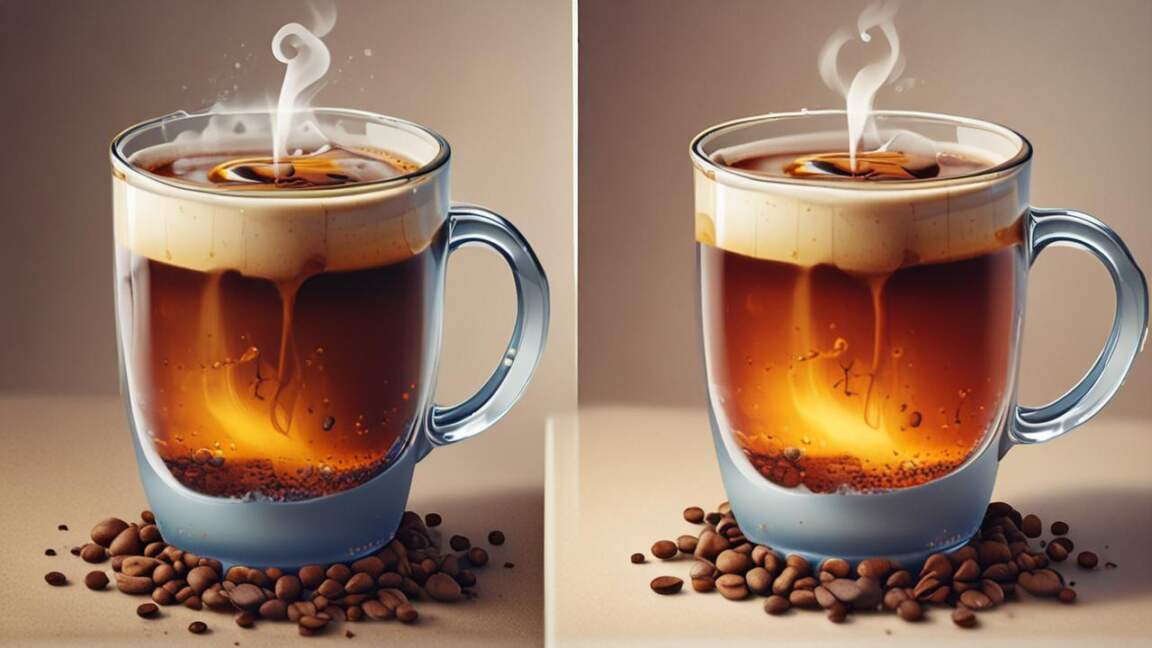
The Chemistry of Stale Coffee vs. Bitter Reheated Coffee
It’s worth noting that stale coffee and bitter reheated coffee share some causes but are distinct. Stale coffee often results from prolonged exposure to air at room temperature. This leads to a flat, dull flavor and loss of aromatics.
It’s more about evaporation of volatile compounds and slow oxidation.
Bitter reheated coffee, however, is more about accelerated chemical reactions caused by repeated heating. The intense heat forces chemical changes that create specific bitter compounds. While oxidation is still a factor, the act of reheating itself is the primary driver of that particular bitterness.
Understanding Why Reheated Coffee Tastes Bitter (Chemistry) often focuses on these heat-induced changes.
So, while both are undesirable, the chemical pathways are slightly different. Staling is a slow degradation. Reheating bitterness is a more rapid, heat-driven transformation.
Both underline the delicate nature of coffee’s flavor compounds.
Frequently Asked Questions
Why does my coffee taste bitter after reheating, even if it was good when fresh?
Reheating coffee causes chemical changes. Acids break down and new, bitter compounds can form due to oxidation and heat. This is the core of Why Reheated Coffee Tastes Bitter (Chemistry).
Is it safe to drink reheated coffee?
Yes, it is generally safe to drink reheated coffee. The taste is the main issue, not safety, as long as it was stored properly. Reheating does not typically create harmful substances.
How long can I store leftover coffee before reheating?
For the best taste, try to drink leftover coffee within 2-4 hours. If refrigerated in an airtight container, it might be acceptable for up to 24 hours, but the flavor will degrade.
Can I prevent coffee from tasting bitter when reheated?
You can minimize bitterness by brewing correctly, storing it properly in an airtight container, refrigerating it, and reheating it gently. Adding a pinch of salt can also help.
Does the type of coffee bean affect how bitter reheated coffee tastes?
Yes, darker roasts tend to have more inherent bitterness and can become even more bitter when reheated. Lighter roasts may hold up slightly better, but all coffee is susceptible to taste changes upon reheating.
What are the main chemical compounds that cause bitterness in reheated coffee?
While specific compounds are complex, the bitterness stems from the breakdown of acids like chlorogenic acids and the formation of new, bitter-tasting compounds through oxidation and thermal degradation.
Final Thoughts
The bitterness in reheated coffee is a result of chemical reactions. Oxidation and acid breakdown, accelerated by heat, change the flavor profile. By understanding Why Reheated Coffee Tastes Bitter (Chemistry), you can take simple steps like proper storage and gentle reheating to enjoy a better cup.