Espresso Vs Moka Pot: Pressure, Taste, And Technique
At a Glance Espresso and moka pot differ primarily in brewing pressure: espresso machines use 9 bars of pressure to produce a concentrated shot with thick crema, while moka pots rely on steam pressure…
Espresso and moka pot differ primarily in brewing pressure: espresso machines use 9 bars of pressure to produce a concentrated shot with thick crema, while moka pots rely on steam pressure around 1.5 bars to create a strong, bold coffee without crema. This pressure difference directly impacts taste and texture, giving espresso a smoother, creamier body and moka pot a more intense, slightly bitter profile. Mastering the respective techniques—fine grind and precise tamping for espresso versus coarser grind and careful heat control for moka—is essential to achieving optimal results from each method.
Many coffee lovers wonder about the best way to get that rich, intense coffee flavor at home. You might be curious about the differences between brewing with a fancy espresso machine and using a classic stovetop moka pot. Understanding the Espresso Vs Moka Pot: Pressure, Taste, And Technique is key to enjoying your daily cup.
This knowledge helps you pick the right brewing method for your taste and get the most out of your coffee beans, ensuring a delicious brew every time.
Key Takeaways
- Pressure is the main difference, with espresso machines using much higher pressure than moka pots.
- This pressure difference greatly affects the taste and texture of the final coffee.
- Espresso machines create a thicker, creamier shot with more crema, while moka pots yield a stronger, bolder brew.
- The technique for each brewer varies significantly, impacting grind size, heat control, and tamping.
- Choosing between an espresso machine and a moka pot depends on your preference for coffee style, budget, and desired complexity.
- Both methods can produce excellent coffee if you understand their unique characteristics and how to use them effectively.
How Pressure Shapes Your Coffee
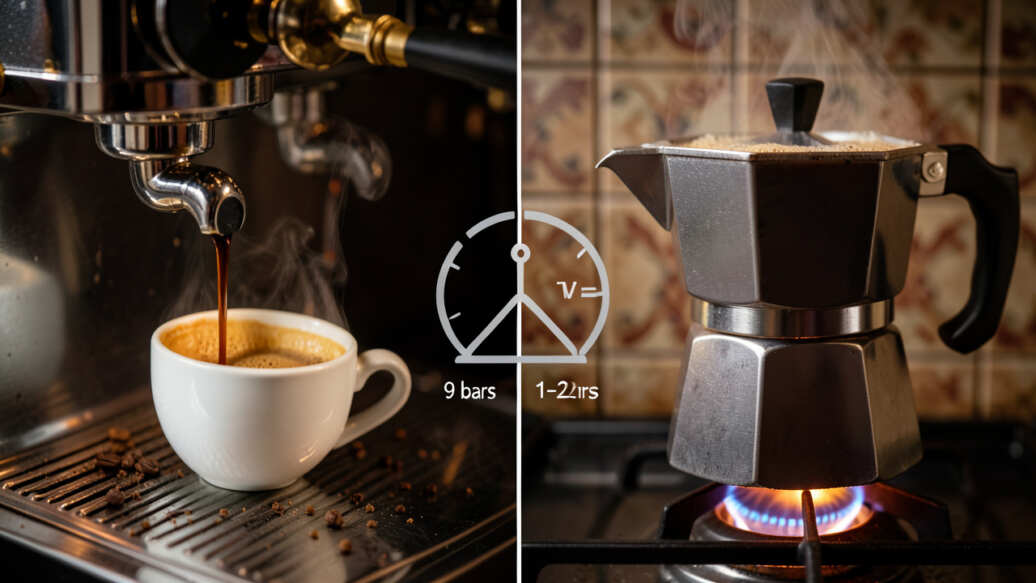
The heart of the difference between espresso and moka pot coffee lies in pressure. Espresso machines are built to force hot water through finely ground coffee at very high pressures, typically 9 bars or more. This high pressure is what creates the signature crema, a rich, reddish-brown foam on top of the espresso shot.
It also extracts oils and flavors very quickly, resulting in a concentrated, intense coffee. This high-pressure brewing is a core part of the Espresso Vs Moka Pot: Pressure, Taste, And Technique discussion.
Because moka pots extract at only 1-2 bars of pressure, use a slightly coarser grind than espresso to avoid over-extraction and bitterness.
A moka pot, on the other hand, uses steam pressure generated by boiling water in the lower chamber. As the water heats up, it turns into steam, which then pushes the hot water up through the coffee grounds in the middle chamber and into the upper chamber. The pressure in a moka pot is much lower, usually around 1 to 2 bars.
This lower pressure means the extraction process is slower and less intense compared to espresso. It doesn’t create true crema, but it does produce a strong, flavorful coffee that many people enjoy.
Exploring the Taste and Texture
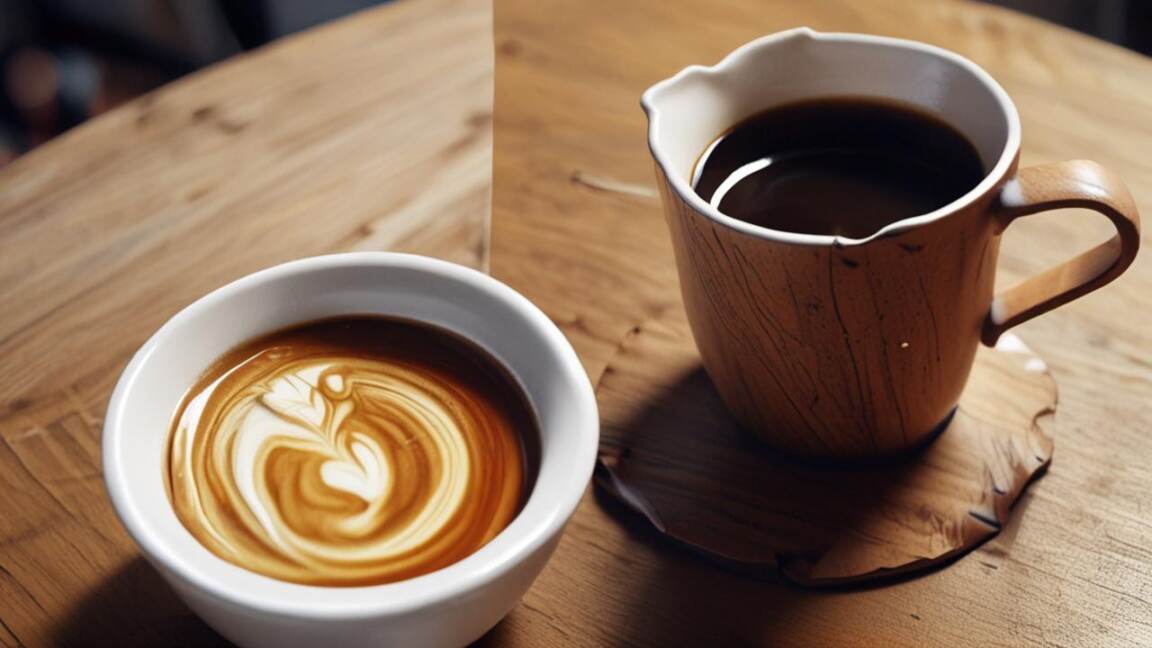
The distinct pressures used in espresso machines and moka pots directly translate to noticeable differences in taste and texture. Espresso is known for its thick, syrupy body and intense, complex flavor profile. It often has notes of chocolate, caramel, and fruit, depending on the coffee beans used.
The crema adds a velvety mouthfeel and contributes to the overall richness. This is why understanding the Espresso Vs Moka Pot: Pressure, Taste, And Technique is so important for coffee lovers.
Espresso's high pressure creates a thick, syrupy body and complex flavor notes like chocolate and caramel, while moka pot coffee offers a bold but thinner brew without the velvety crema.
Moka pot coffee, while strong and flavorful, has a different character. It’s often described as bold, robust, and sometimes a bit bitter. The texture is typically less viscous than espresso, more akin to strong drip coffee but with a more concentrated flavor.
It lacks the creamy mouthfeel of true espresso because of the lower pressure and absence of crema. However, for many, this robust, full-bodied brew is exactly what they seek in their morning coffee.
Mastering the Brewing Techniques
The techniques for using an espresso machine and a moka pot are quite different and require practice to perfect. With an espresso machine, the technique involves grinding coffee beans to a fine consistency, tamping the grounds evenly into the portafilter, and then initiating the brew cycle. Precise control over grind size, dose, and tamp pressure is crucial for achieving a balanced shot.
Learning the nuances of machine operation is key to successful espresso brewing.
The moka pot technique is simpler but still requires attention. You’ll need to grind your coffee beans to a medium-fine consistency, slightly coarser than for espresso. Fill the lower chamber with hot water (not boiling) up to the safety valve.
The precision required for espresso pulling—grind size, dose, and tamp pressure—is the single most important skill for achieving a balanced shot.
Then, fill the filter basket with coffee grounds, leveling them gently without tamping. Screw the top chamber on tightly and place the pot on a medium heat source. The Espresso Vs Moka Pot: Pressure, Taste, And Technique guide emphasizes that careful heat management prevents the coffee from tasting burnt.
First, ensure your moka pot is clean. Residue can affect the taste. Second, use hot water in the base to speed up brewing and prevent the coffee grounds from getting too hot before extraction begins.
Next, fill the coffee basket loosely. Overfilling or tamping can create too much resistance. Then, use medium heat.
Too high heat will scorch the coffee and produce bitter flavors. Finally, remove the pot from the heat as soon as the coffee starts to gurgle and bubble, before it starts sputtering aggressively. This prevents over-extraction and bitterness.
Espresso Machines: The High-Tech Approach
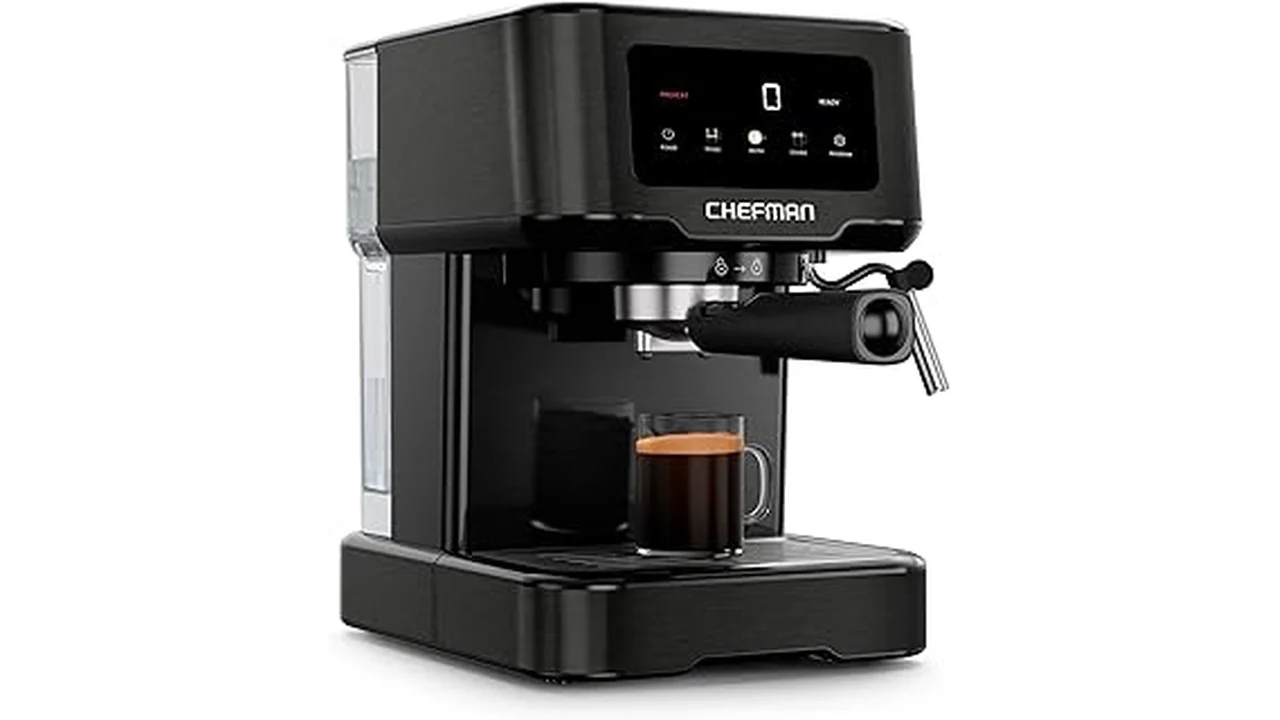
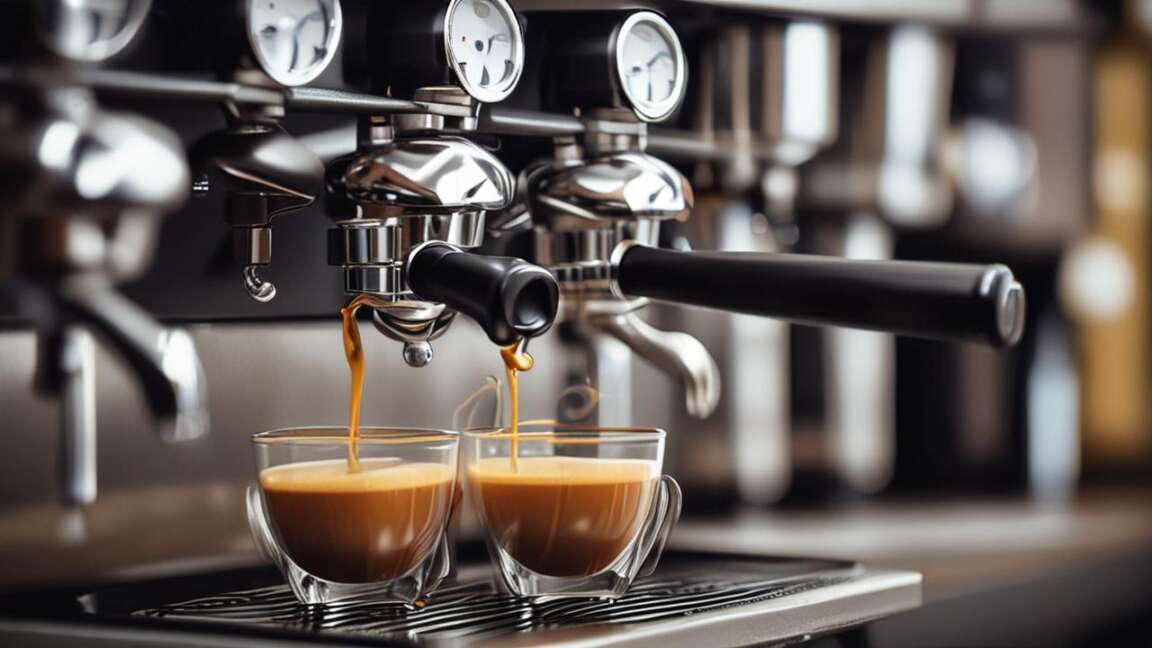
Espresso machines range from simple manual lever machines to sophisticated super-automatic models. Manual machines offer the most control over the brewing process, requiring the user to physically apply pressure. Semi-automatic machines allow users to control the brew time, while automatic machines stop the shot at a pre-set volume.
Super-automatic machines grind, tamp, and brew with the push of a button, offering convenience but less hands-on control.
When choosing an espresso machine, consider how much control you want—manual levers offer full artistry, while super-automatic machines prioritize convenience with push-button operation.
The advantage of an espresso machine is its ability to produce true espresso with rich crema and a concentrated flavor profile. They are ideal for making milk-based drinks like lattes and cappuccinos, where the espresso forms the base. However, they typically come with a higher price tag and a steeper learning curve, especially for manual and semi-automatic models.
Understanding the Espresso Vs Moka Pot: Pressure, Taste, And Technique reveals that espresso machines are engineered for precision and consistency.
Moka Pots: The Classic Stovetop Brew
Moka pots, often called stovetop espresso makers, have been around for decades. They are simple, durable, and relatively inexpensive. The brewing process is straightforward: water in the bottom, coffee in the middle, heat on the stove.
Avoid expecting true espresso from a moka pot; while it delivers a strong, concentrated brew, the lower pressure means it lacks the crema and intensity of an espresso machine.
The steam pressure then forces the brewed coffee into the top chamber. They are a popular choice for those who want a strong, concentrated coffee without the expense and complexity of an espresso machine.
While moka pots don’t produce true espresso, they offer a satisfyingly robust and flavorful coffee that stands well on its own or can be used as a base for other drinks. They are a great entry point for exploring stronger coffee brews at home. The Espresso Vs Moka Pot: Pressure, Taste, And Technique comparison shows that moka pots offer a different, yet equally enjoyable, coffee experience.
Choosing the Right Grind Size
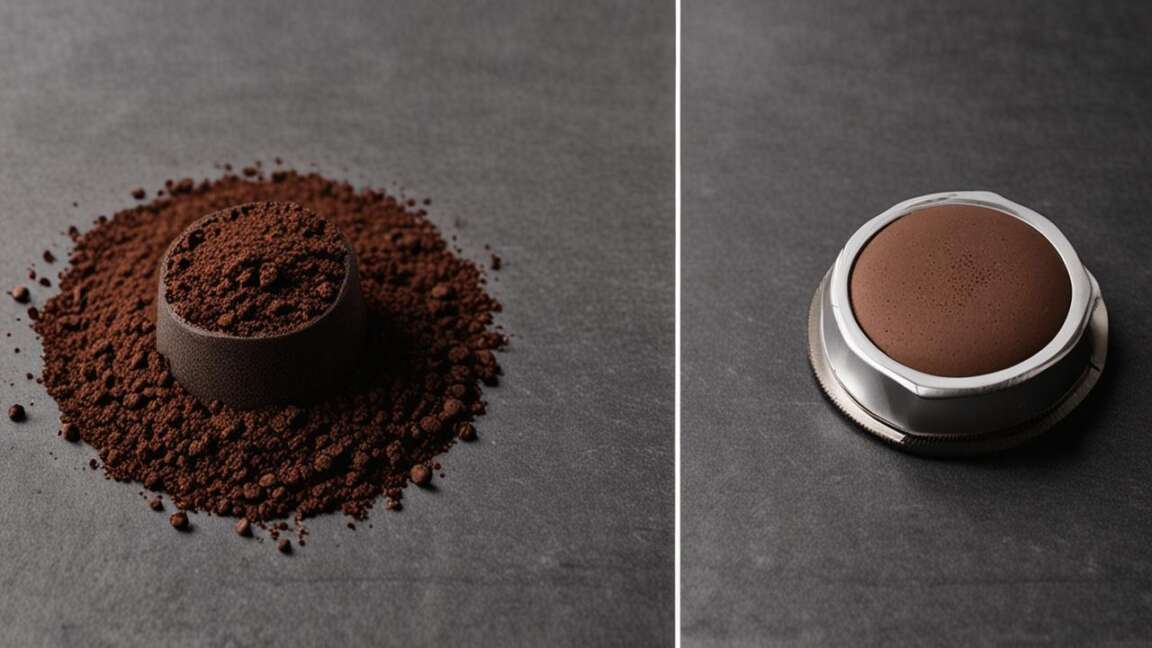
Grind size is a critical factor in both espresso and moka pot brewing, and it’s a key element in understanding their Espresso Vs Moka Pot: Pressure, Taste, And Technique. For espresso machines, a very fine grind is essential. It needs to be fine enough to create resistance against the high pressure, allowing for proper extraction.
If the grind is too coarse, the water will flow through too quickly, resulting in a weak, under-extracted shot. If it’s too fine, it can clog the machine and lead to an over-extracted, bitter shot.
For moka pot brewing, use a grind slightly finer than drip but coarser than espresso—too fine can clog the filter, while too coarse leads to watery coffee.
For moka pots, the grind size is typically medium-fine. It should be finer than drip coffee but coarser than espresso. This consistency allows the steam pressure to push the water through the grounds effectively without causing excessive resistance or clogging.
A grind that is too fine for a moka pot can lead to over-extraction and a burnt taste, while a grind that is too coarse will result in a weak, watery coffee. Experimentation with your specific moka pot and coffee beans is often needed to find the sweet spot.
Heat Control: A Crucial Element
Heat control is paramount for both brewing methods, but it plays out differently in their respective Espresso Vs Moka Pot: Pressure, Taste, And Technique. Espresso machines have precise temperature control systems. They heat water to a specific range (usually 90-96°C or 195-205°F) and maintain it during the brewing cycle.
This stable temperature is vital for consistent extraction and optimal flavor development. Some higher-end machines even allow for temperature surfing, where the user manually adjusts the temperature slightly.
The key to moka pot success is medium heat—high heat boils water too rapidly, creating excessive steam that scorches the grounds and ruins the flavor with bitterness.
With a moka pot, heat control is more manual and often more challenging. The heat source is typically a stovetop burner. It’s important to use medium heat.
If the heat is too high, the water will boil too rapidly, creating excessive steam pressure that can scorch the coffee grounds and lead to a bitter, metallic taste. If the heat is too low, the brewing process will be too slow, potentially resulting in under-extracted coffee. Watching the brewing process and being ready to remove the pot from the heat is a key skill for moka pot users.

Milk-Based Drinks: Espresso’s Domain
When it comes to crafting milk-based coffee drinks like lattes, cappuccinos, and flat whites, espresso machines have a distinct advantage. The high-pressure extraction of an espresso machine produces a concentrated shot with a rich, stable crema. This crema emulsifies beautifully with steamed milk, creating the smooth, velvety texture that is characteristic of these drinks.
The intense flavor of espresso also stands up well to the milk, preventing the drink from tasting diluted.
Using moka pot coffee as a base for milk drinks often results in a less creamy texture and a more bitter or unbalanced flavor compared to true espresso.
While you can use moka pot coffee as a base for milk drinks, it won’t achieve the same result as true espresso. The coffee from a moka pot is strong, but it lacks the crema and the specific flavor profile that makes espresso so suitable for lattes and cappuccinos. The texture will be less creamy, and the flavor might be more bitter or less balanced when mixed with milk.
This is a significant factor when comparing the Espresso Vs Moka Pot: Pressure, Taste, And Technique for versatility.
Cleaning and Maintenance
Proper cleaning and maintenance are essential for any coffee brewing device to ensure the best taste and longevity. Espresso machines, especially more complex ones, require regular descaling, backflushing (cleaning the group head), and cleaning of the portafilter and steam wand. The frequency of these tasks depends on usage and water hardness.
Neglecting maintenance can lead to poor-tasting coffee and damage to the machine.
Moka pots are much simpler to clean. First, after each use, disassemble the pot and rinse all parts with warm water. Avoid using soap, as it can strip the seasoned patina that builds up inside the pot, which contributes to the coffee’s flavor.
Second, ensure all parts are completely dry before reassembling to prevent oxidation or corrosion. Periodically, check the rubber gasket and filter screen for wear and tear, replacing them if they are damaged. This simplicity is a major advantage of the moka pot.
When to Choose Which Brewer
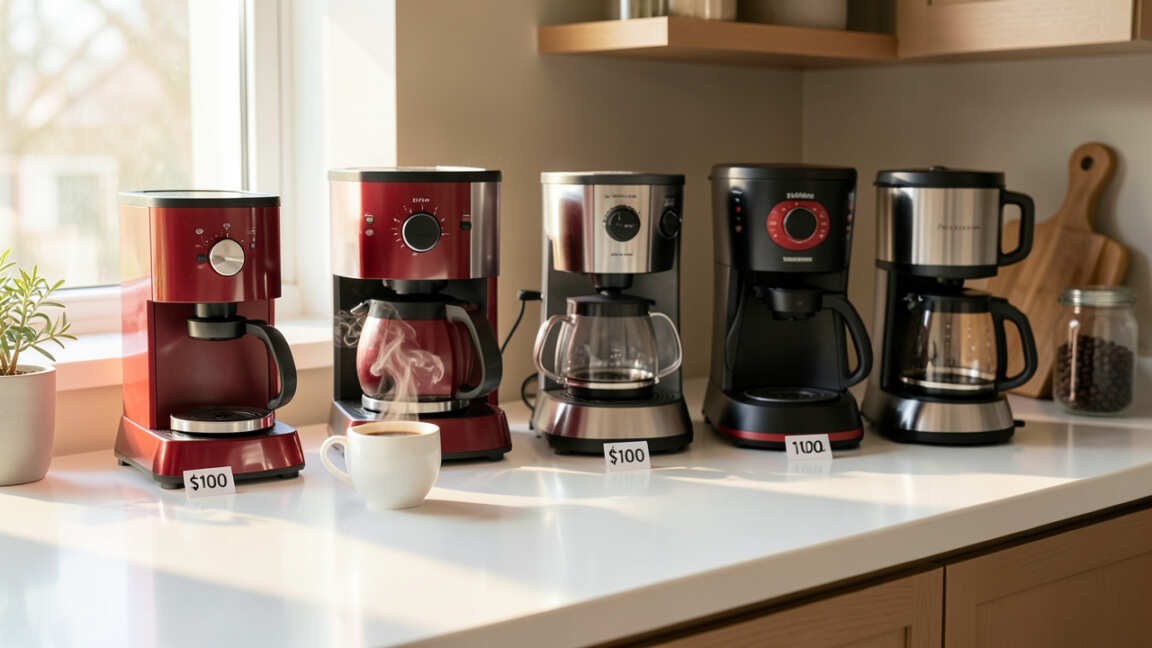
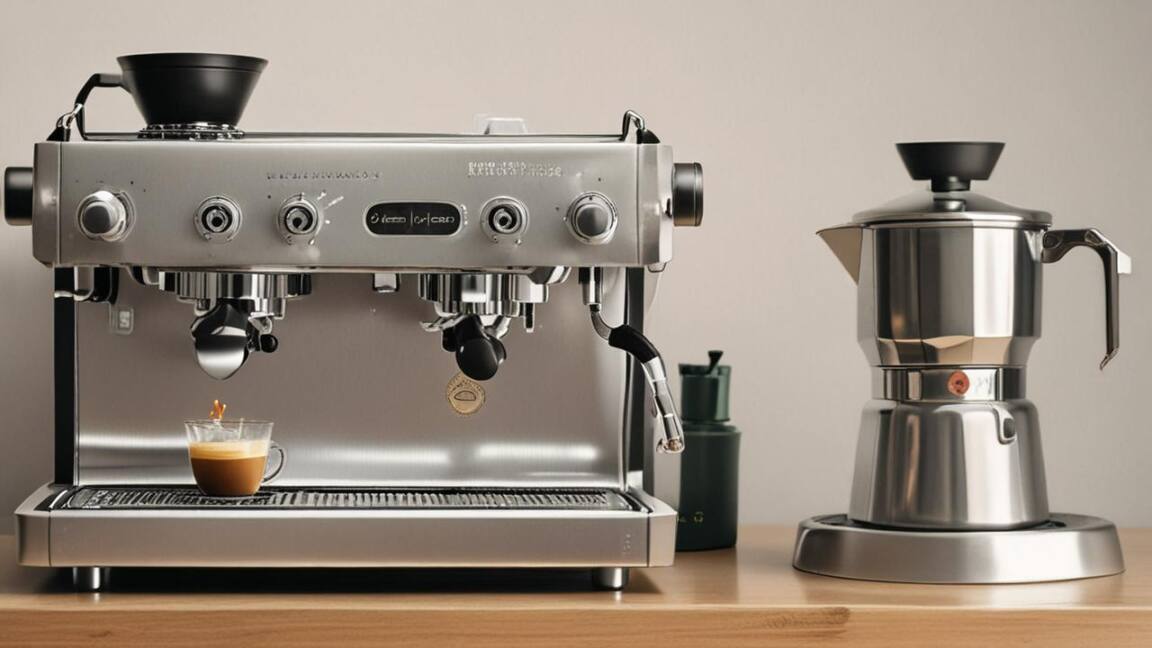
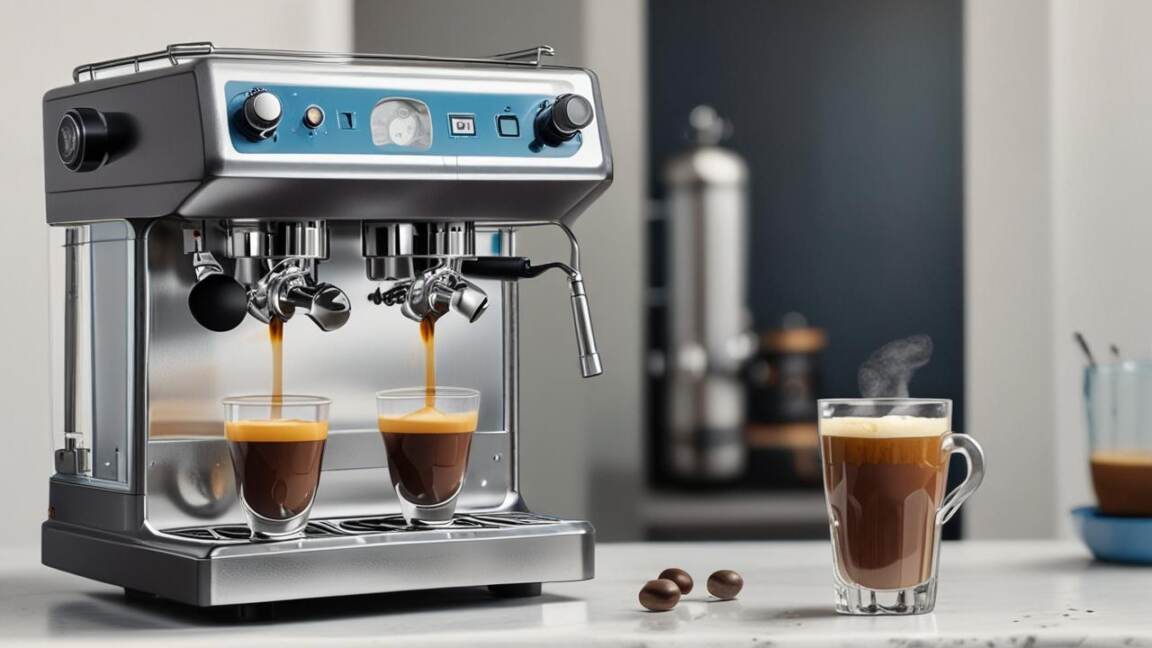
Deciding between an espresso machine and a moka pot depends on your personal preferences and priorities. If you dream of making authentic espresso shots, rich cappuccinos, and lattes at home, and you’re willing to invest in equipment and learn the technique, an espresso machine is likely your best bet. It offers the highest quality and versatility for true espresso-based drinks.
If you prefer a strong, bold cup of coffee that’s flavorful and satisfying, enjoy a simpler brewing process, and have a tighter budget, a moka pot is an excellent choice. It provides a robust brew that’s a step above regular drip coffee and is a classic way to enjoy a concentrated coffee experience. Understanding the Espresso Vs Moka Pot: Pressure, Taste, And Technique empowers you to make the right choice for your coffee ritual.
Frequently Asked Questions
What is the main difference in pressure between an espresso machine and a moka pot?
Espresso machines operate at much higher pressures (9+ bars) to force water through coffee, while moka pots use lower steam pressure (1-2 bars) generated by boiling water.
Can a moka pot make true espresso?
No, a moka pot cannot make true espresso because it lacks the high pressure needed to create the characteristic crema and rich, syrupy texture of espresso.
Which method offers more versatility for milk-based drinks?
Espresso machines offer significantly more versatility for milk-based drinks due to the quality of the espresso and crema they produce, which blends perfectly with milk.
Is the grind size the same for both espresso machines and moka pots?
No, espresso machines require a very fine grind, while moka pots typically use a medium-fine grind for optimal results.
Which brewing method is generally more expensive?
Espresso machines are generally much more expensive than moka pots, both in initial purchase cost and potential maintenance.
How does the taste differ between espresso and moka pot coffee?
Espresso is intensely flavored, rich, and syrupy with crema. Moka pot coffee is strong, bold, and robust, but typically less smooth and without crema.
Is one method easier to use than the other?
The moka pot is generally considered easier and quicker to learn and use than most espresso machines, especially those requiring manual operation.
Final Thoughts
Choosing between an espresso machine and a moka pot comes down to your desired coffee intensity, texture, and willingness to learn new techniques. Both methods produce delicious, strong coffee, but understanding the role of pressure, taste, and technique will help you achieve the perfect cup for your palate.