Coffee To Water Ratios For Every Brew Method
At a Glance The optimal coffee to water ratio varies by brew method, with pour-over and drip coffee typically using 1:15 to 1:18 by weight, while espresso requires a much higher 1:2 ratio. French pres…
The optimal coffee to water ratio varies by brew method, with pour-over and drip coffee typically using 1:15 to 1:18 by weight, while espresso requires a much higher 1:2 ratio. French press benefits from a 1:12 to 1:15 ratio for a full body, and cold brew uses a concentrated 1:5 to 1:8 ratio for dilution. Measuring by weight with a scale ensures consistency and allows adjustments to achieve preferred strength and flavor.
Making a great cup of coffee at home is easier than you think. It all comes down to getting the right balance of coffee grounds and water. This balance, known as the coffee to water ratio, is super important.
Getting it right means your coffee will taste just how you want it – not too weak, not too strong. We’ll show you the best Coffee To Water Ratios For Every Brew Method so you can enjoy delicious coffee every single time. You’ll learn how to adjust your coffee maker for fantastic flavor.
Key Takeaways
- Understanding coffee to water ratios is key to a delicious cup.
- Different brewing methods require different ratios for optimal taste.
- A common starting point is a 1:15 to 1:18 ratio (coffee to water by weight).
- Using a scale is the most accurate way to measure coffee and water.
- Adjusting the ratio can help you achieve your preferred coffee strength and flavor.
Why Coffee To Water Ratio Matters for Flavor
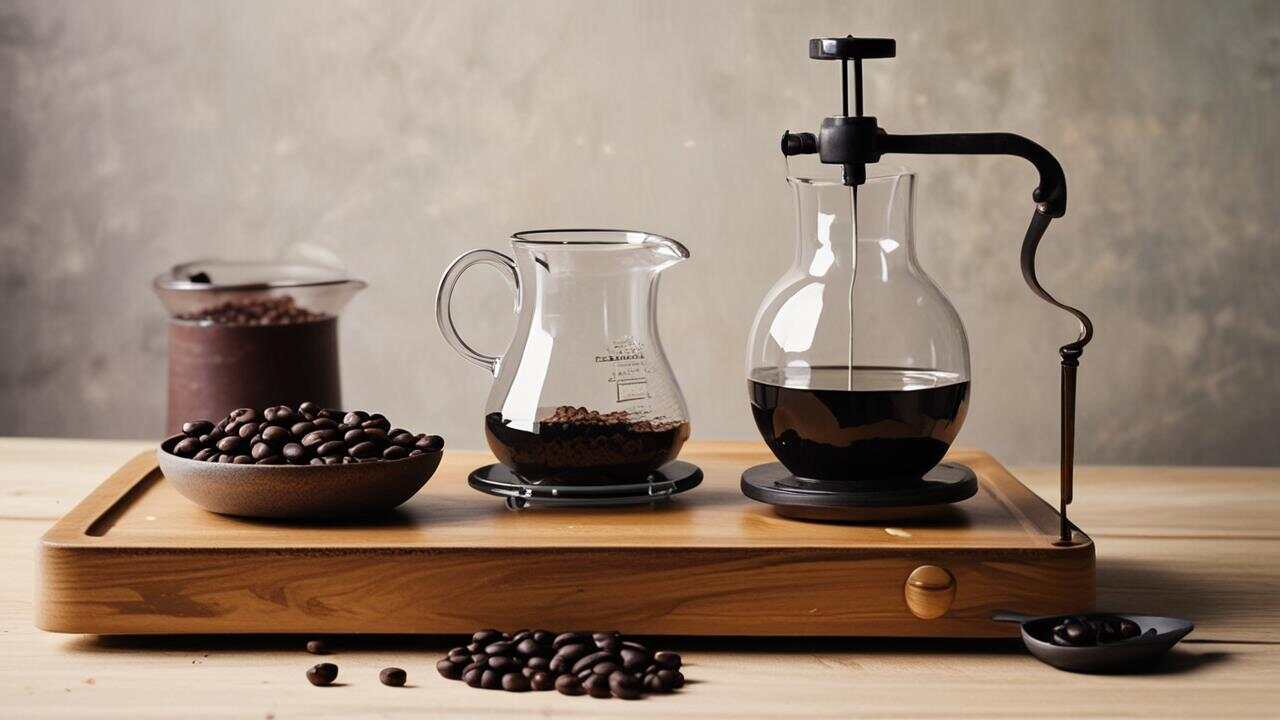
The amount of coffee grounds you use compared to the amount of water is like the secret sauce for good coffee. Too little coffee and your drink will be watery and bland. Too much coffee, and it can taste bitter or too strong.
The perfect ratio brings out the best flavors from your coffee beans. It helps you taste all the subtle notes, like chocolate, fruit, or nuts, that the roaster intended. Getting this right means you can consistently make coffee that tastes amazing, no matter what brewing method you choose.
Start with a 1:17 ratio and adjust based on your preference for strength and flavor clarity.
Think of it like baking. If a recipe calls for two cups of flour and one cup of sugar, and you accidentally use four cups of flour, the cake won’t turn out right. Coffee is similar.
The coffee to water ratio is crucial for extracting the right amount of flavor from the grounds. It ensures you get a balanced, smooth, and enjoyable drink every time you brew.
Finding Your Ideal Coffee To Water Ratio
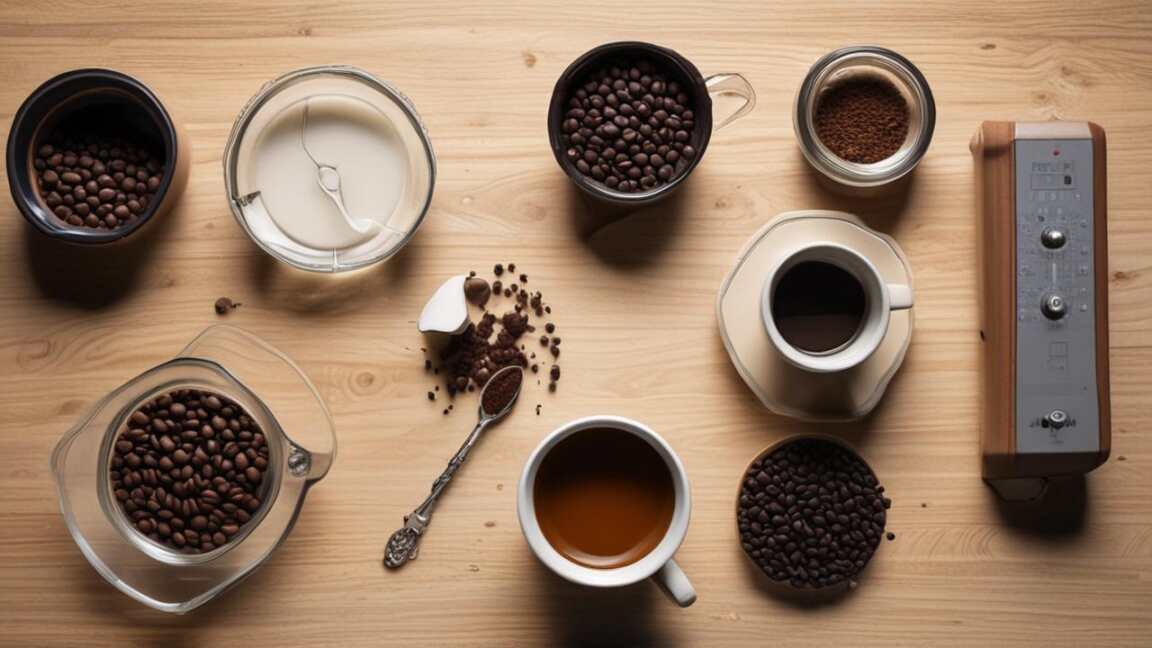
The “best” coffee to water ratio isn’t a one-size-fits-all answer. It really depends on your personal taste. Some people like their coffee a bit lighter, while others prefer it bold and intense.
The Specialty Coffee Association (SCA) recommends a “golden ratio” as a starting point. This is often cited as 1:18, meaning 1 gram of coffee for every 18 grams of water. Many coffee lovers find a ratio between 1:15 and 1:17 to be excellent.
The Specialty Coffee Association recommends 1:18 as a starting point, but many enthusiasts prefer ratios between 1:15 and 1:17 for a more balanced cup.
To find your perfect ratio, you can start with the 1:17 guideline. Brew a cup and taste it. If it’s too weak, try using a little more coffee or less water next time, perhaps moving to a 1:16 ratio.
If it’s too strong, use less coffee or more water, like a 1:18 ratio. Experimenting is key to discovering what you love most. This exploration is a fun part of mastering your home brewing.
Understanding coffee to water ratios for every brew method allows for this fine-tuning.
The Importance of Measuring by Weight
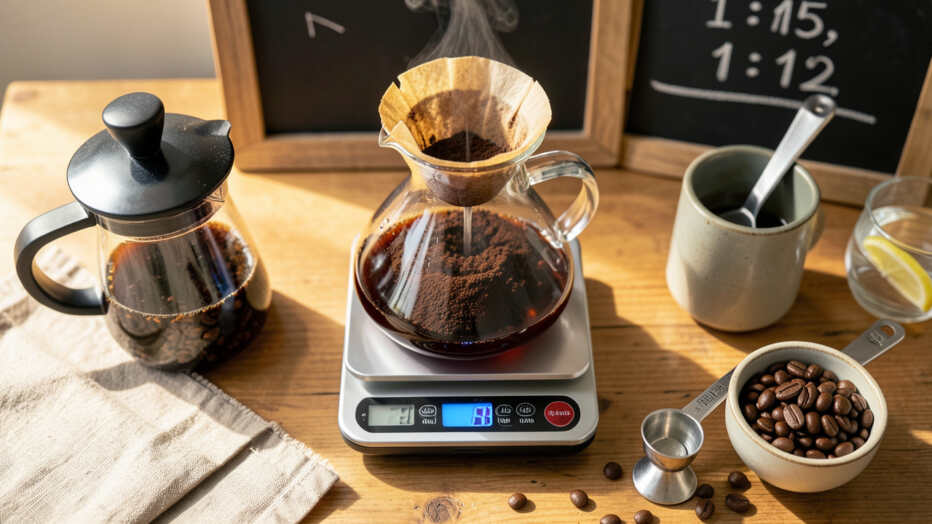
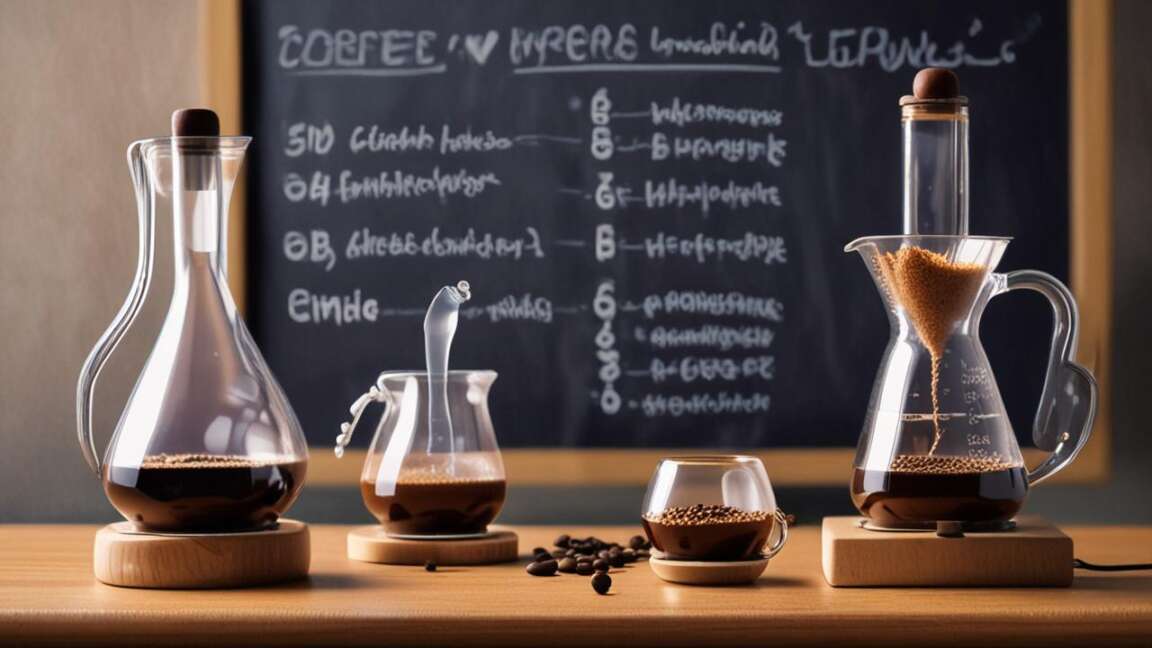
When we talk about coffee to water ratios, it’s always best to measure by weight. This is because coffee beans and grounds can vary in density and size. A scoop of whole beans might weigh differently than a scoop of finely ground coffee.
Water, on the other hand, is pretty consistent. One milliliter of water weighs approximately one gram. Using a digital kitchen scale is the most accurate way to get your ratios right, every single time.
Using a scale to measure coffee and water by weight eliminates guesswork and delivers a consistently delicious cup every time.
For example, if you want to brew 300 grams of coffee (a good amount for one or two people), and you’re aiming for a 1:17 ratio, you would calculate the coffee needed like this: 300 grams of water / 17 = about 17.6 grams of coffee. So, you’d use 17.6 grams of coffee and 300 grams of water. This precision makes a huge difference in the final taste.
Relying on scoops can lead to inconsistent results, which is why weight is preferred for accurate coffee to water ratios.
Coffee To Water Ratios For Every Brew Method
Different brewing methods extract coffee differently. This means the ideal coffee to water ratios can vary. What works perfectly for a pour-over might be too strong or too weak for a French press.
Let’s look at some common brew methods and their recommended ratios.
Pour-Over Coffee
Pour-over methods like the Hario V60, Chemex, or Kalita Wave are known for producing clean, bright cups of coffee. They allow for a lot of control over the brewing process. For pour-over, a common and effective ratio is between 1:15 and 1:17.
This range helps bring out the nuanced flavors of single-origin beans. A 1:16 ratio is a great starting point.
For example, if you’re using 20 grams of coffee for a pour-over, you would use 320 grams of water (20 x 16). The bloom phase, where you pour a small amount of hot water over the grounds to let them release CO2, is also important here. Getting the ratio right ensures this bloom is effective and leads to even extraction.
French Press Coffee
The French press uses a metal filter and steeps the coffee grounds directly in hot water. This method tends to produce a fuller-bodied coffee with more oils and sediment. Because of this, slightly different coffee to water ratios are often used.
A ratio of 1:12 to 1:15 is common for French press. This slightly stronger ratio helps create that rich, robust flavor associated with this brew style.
If you’re making French press with 30 grams of coffee, you might use between 360 and 450 grams of water. Starting with 1:14 (30 grams of coffee to 420 grams of water) is a good experiment. You’ll notice that the grounds are fully submerged and allowed to steep for about four minutes, which is typical for this method.
The coarser grind used in French press also plays a role in extraction.
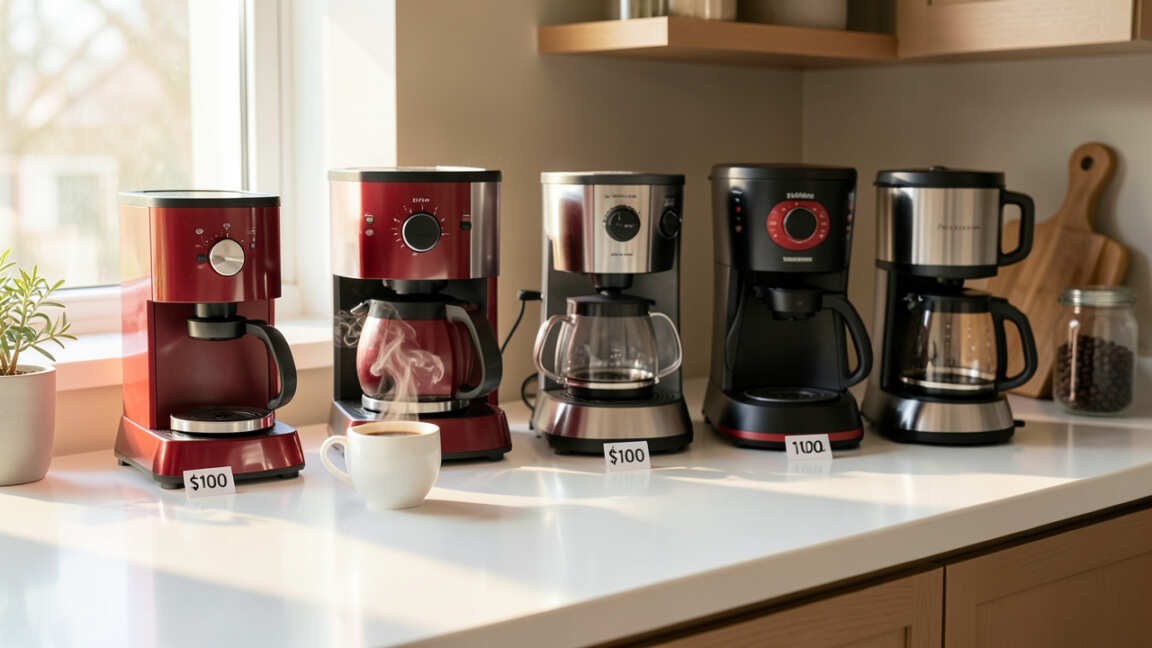
Drip Coffee Maker
Automatic drip coffee makers are very popular for their convenience. Many people use them daily. The general guideline for automatic drip is similar to pour-over, often falling between 1:15 and 1:18.
However, the quality of your drip machine can influence extraction. Some machines don’t heat water to the optimal temperature or distribute it evenly.
For pour-over methods like V60 or Chemex, a ratio of 1:15 to 1:17 works well, and don't forget the bloom phase to release CO2 for even extraction.
If your machine has a 10-cup capacity, it usually means it can brew about 50-60 ounces of coffee. If you’re aiming for a 1:17 ratio, you’d need to convert ounces to grams. 1 fluid ounce of water is about 29.57 grams.
So, 50 ounces is about 1478 grams of water. Divided by 17, this means you’d use roughly 87 grams of coffee. Many people eyeball this, but using a scale with your drip machine can dramatically improve the taste.
Understanding coffee to water ratios for every brew method applies even to these automatic machines.
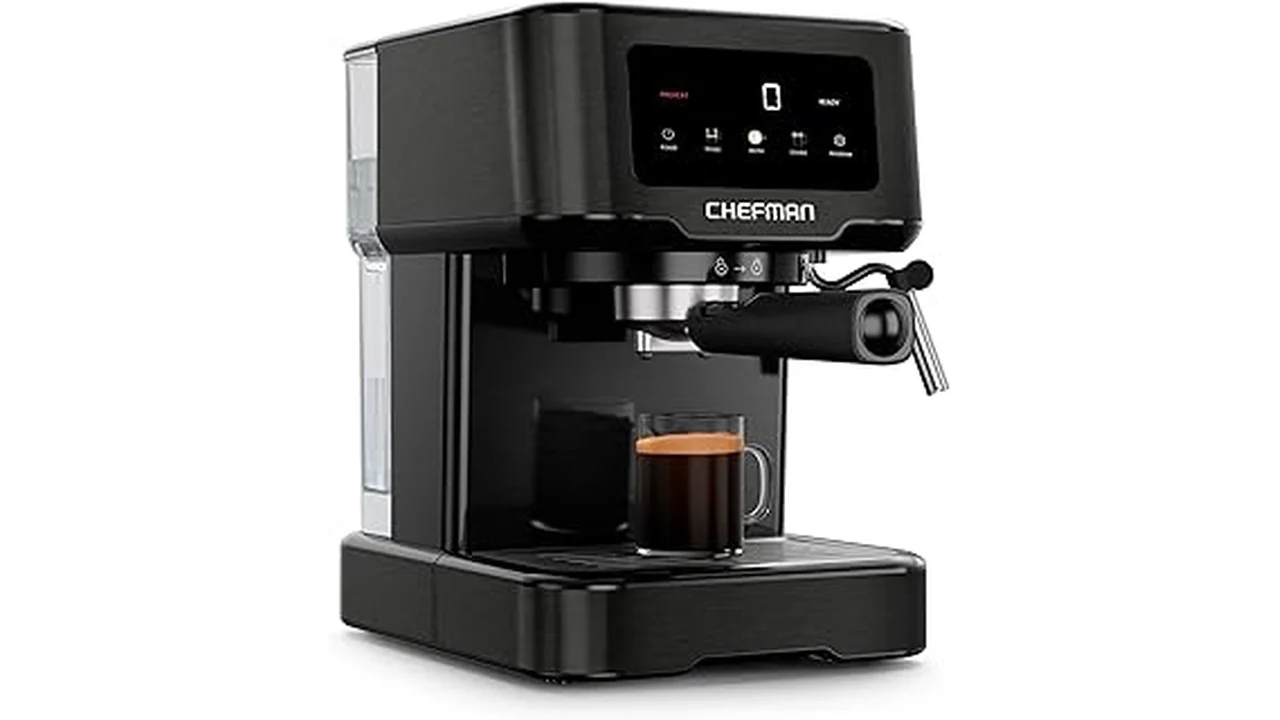
Espresso
Espresso is a concentrated coffee beverage made by forcing hot water under high pressure through finely-ground coffee. The ratios for espresso are much different and are often expressed as a brew ratio from dry coffee grounds to liquid espresso. A standard espresso ratio is typically between 1:1 and 1:3.
This means for every 1 gram of dry coffee grounds, you get 1 to 3 grams of liquid espresso.
A common starting point for a double shot of espresso is a 1:2 ratio. So, if you use 18 grams of coffee grounds, you would aim for 36 grams of liquid espresso. The exact time it takes to pull a shot (usually 25-30 seconds) is also critical.
Espresso brewing is very sensitive to grind size, tamping pressure, and water temperature, in addition to the ratio. Getting the coffee to water ratios right is fundamental to a good shot.
Cold Brew Coffee
Cold brew coffee is made by steeping coffee grounds in cold water for an extended period, usually 12-24 hours. Because it’s brewed without heat, it extracts differently and results in a smoother, less acidic coffee. Cold brew is typically made as a concentrate, which is then diluted with water or milk.
The ratios for cold brew are generally stronger, often ranging from 1:4 to 1:8 (coffee to water by weight).
A good starting ratio for cold brew concentrate is 1:5. If you use 100 grams of coffee grounds, you would add 500 grams of cold water. After steeping and filtering, you’ll have a strong concentrate.
You can then dilute this concentrate with water or milk in a ratio of 1:1 or 1:2, depending on how strong you like your finished drink. This allows for great flexibility and control over the final beverage. Mastering coffee to water ratios for every brew method includes understanding these concentrates.
Adjusting Ratios for Personal Preference
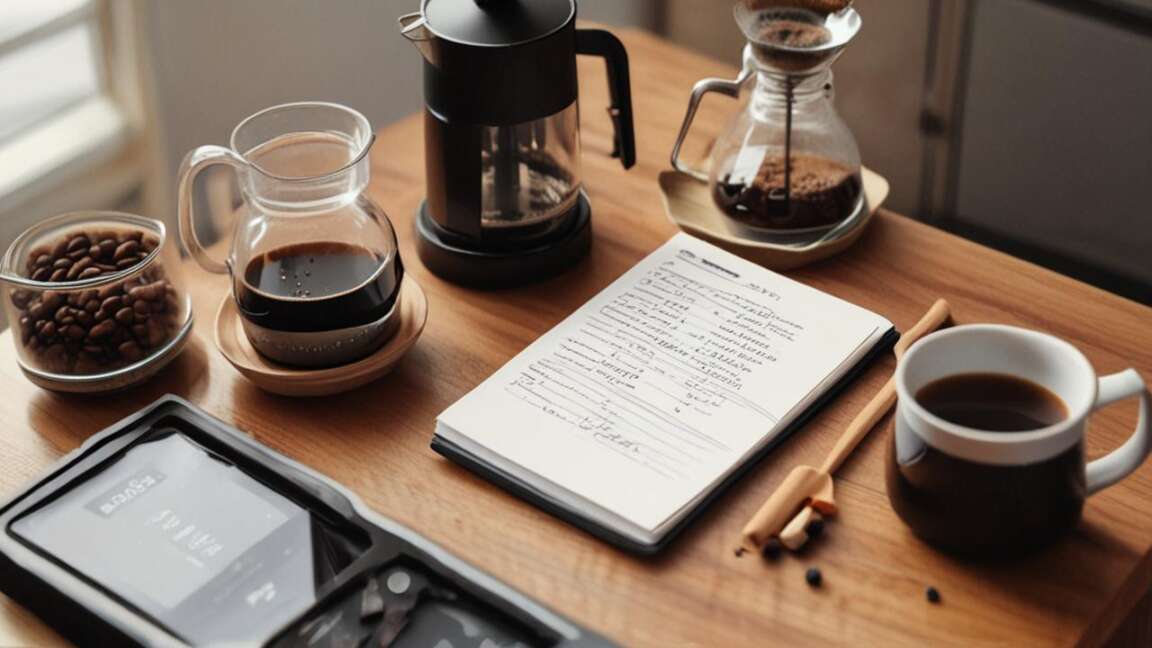
While there are recommended starting points for each brew method, your personal preference is the ultimate guide. Don’t be afraid to tweak the ratios. If you find a pour-over recipe too weak, try using a little more coffee next time, moving from 1:17 to 1:16.
If your French press coffee is too intense, try increasing the water to coffee ratio, perhaps from 1:12 to 1:13.
Be cautious: lighter roasts often require a slightly higher coffee-to-water ratio to extract their complex flavors, while darker roasts may need less.
Consider the type of coffee bean you are using as well. Lighter roasts might benefit from a slightly higher coffee-to-water ratio to extract their delicate flavors, while darker roasts can sometimes handle a stronger ratio without becoming overly bitter. Tasting is the most important step.
Keep notes on what you try and what you like best. This iterative process helps you achieve your perfect cup consistently.
Common Mistakes to Avoid
One of the most common mistakes is not measuring accurately. Relying on scoops for coffee grounds is unreliable because the density of coffee varies. Using a scale for both coffee and water is the best way to ensure consistency.
Another mistake is using the wrong grind size for your brewing method. A grind that’s too fine for a French press will result in over-extraction and bitterness. Conversely, a grind that’s too coarse for espresso will lead to weak, watery shots.
The most common mistake is relying on scoops instead of a scale; coffee density varies, so weight ensures precision and repeatability.
Not preheating your brewing equipment can also affect the final taste, especially for methods like pour-over or espresso. Cold equipment can lower the water temperature too quickly, leading to under-extraction. Finally, not tasting and adjusting is a missed opportunity.
Coffee brewing is a skill that improves with practice and attention to detail. Understanding coffee to water ratios for every brew method is a foundational step in this learning process.
The Golden Ratio: A Starting Point
The concept of a “golden ratio” in coffee brewing is a widely accepted guideline, often attributed to the Specialty Coffee Association (SCA). While the exact number can vary slightly depending on who you ask, it generally hovers around 1:17 to 1:18. This ratio represents a balanced extraction, aiming to get the most flavor out of the coffee without it being too sour (under-extracted) or too bitter (over-extracted).
The golden ratio of 1:17 to 1:18 is a balanced extraction starting point that avoids sourness or bitterness.
Using the golden ratio as your baseline is a smart move. From there, you can make small adjustments based on your taste preferences and the specific characteristics of your coffee beans and brewing equipment. It’s a reliable way to ensure a good cup, even if you’re trying a new coffee or a new brewing device.
It simplifies the process of dialing in your brew.
Frequently Asked Questions
What is the best coffee to water ratio for a beginner?
For beginners, a good starting point is the “golden ratio,” which is typically between 1:17 and 1:18 (coffee to water by weight). This provides a balanced flavor profile that’s generally pleasing.
Should I use grams or scoops for my coffee to water ratio?
Using grams (weight) is much more accurate than using scoops (volume). Coffee beans and grounds can vary in density, so weighing ensures consistent results every time you brew.
How do I adjust my coffee to water ratio if my coffee tastes too bitter?
If your coffee is too bitter, it might be over-extracted. Try using a slightly higher water-to-coffee ratio (e.g., move from 1:16 to 1:17) or a coarser grind. This will help extract less from the coffee grounds.
What is the ideal coffee to water ratio for a strong cup of coffee?
To make a stronger cup of coffee, you’ll want to use a lower water-to-coffee ratio, meaning more coffee for the same amount of water. Ratios like 1:14 or 1:15 will result in a bolder brew. This is common for French press or when making a strong pour-over.
Does the type of coffee bean affect the coffee to water ratio?
Yes, the roast level can influence how you adjust your ratio. Lighter roasts might benefit from a slightly higher ratio to bring out their delicate flavors, while darker roasts can often handle a lower ratio without becoming too bitter.
How can I use coffee to water ratios to make my coffee taste better?
By carefully measuring your coffee and water, you ensure proper extraction. This brings out the best flavors of your beans, avoiding the sourness of under-extraction or the bitterness of over-extraction, leading to a more enjoyable and balanced cup.
Final Thoughts
Mastering coffee to water ratios for every brew method is the simplest way to improve your home coffee. Start with the recommended ratios, use a scale for accuracy, and taste your results. Adjust slightly to find what tastes best to you.
Enjoy making consistently delicious coffee!