Coffee Grind Size Chart For Each Brew Method
At a Glance The coffee grind size chart for each brew method outlines seven specific grind levels from extra coarse to extra fine, each tailored to the extraction time and mechanics of different brewi…
The coffee grind size chart for each brew method outlines seven specific grind levels from extra coarse to extra fine, each tailored to the extraction time and mechanics of different brewing devices. Selecting the correct grind size prevents under-extraction, which results in weak coffee, and over-extraction, which leads to bitterness. Adjusting grind size allows precise flavor control, with coarser grinds for longer brew times like French press and finer grinds for shorter methods like espresso.
Getting your coffee grounds just right can make a huge difference in how your coffee tastes. If your grounds are too fine, your coffee might taste bitter. If they’re too coarse, it might taste weak.
Knowing the right size for your coffee maker is super important. We’ll show you exactly what to aim for with a handy Coffee Grind Size Chart For Each Brew Method. This will help you get the best flavor out of your beans every single time.
Key Takeaways
- Understanding the correct coffee grind size is essential for optimal flavor extraction.
- Different brewing methods require specific grind sizes to prevent under-extraction (weak coffee) or over-extraction (bitter coffee).
- A coarser grind is best for methods with longer brew times, like French press.
- A finer grind is needed for methods with shorter brew times, like espresso.
- Using a burr grinder offers more consistent grind sizes than a blade grinder.
- Adjusting grind size can help fine-tune the taste of your coffee.
Why Grind Size Matters for Your Coffee
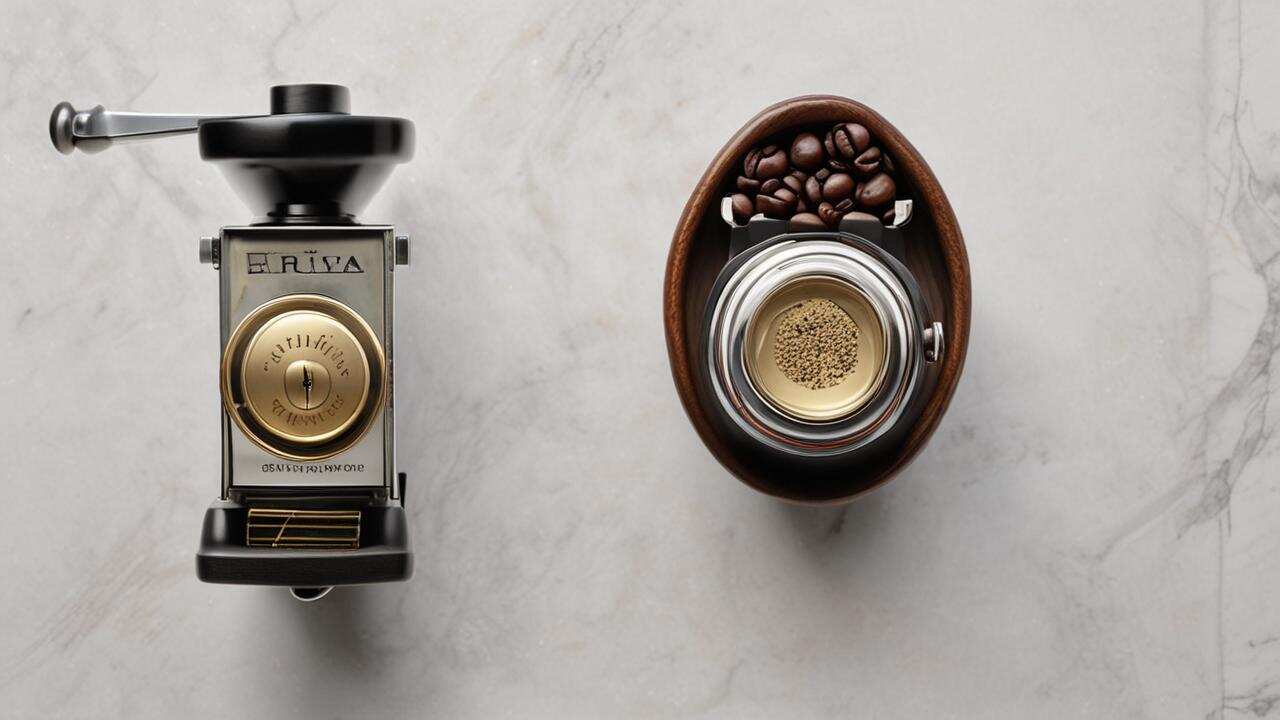
The size of your coffee grounds plays a critical role in how water extracts flavor from them. Think of it like steeping tea. If you use tiny tea leaves in a big pot of hot water for a long time, you’ll get a strong, maybe even bitter, brew.
If you use big leaves for a short time, it will be weak.
Coffee works the same way. Water flows through the grounds, pulling out the tasty bits. If the grounds are too small, water can’t flow through easily.
Think of coffee extraction like steeping tea: small grounds with long contact lead to bitterness, while large grounds with short contact lead to weak flavor. Adjust your grind size to match your brew time for balanced extraction.
This makes the water sit too long with the coffee, pulling out too much and making it bitter. This is called over-extraction.
If the grounds are too big, water flows through too quickly. It doesn’t have enough time to pull out all the good flavors. This results in coffee that tastes weak and sour.
This is called under-extraction.
A Coffee Grind Size Chart For Each Brew Method helps you avoid these problems. It ensures you get a balanced and delicious cup of coffee every time you brew.
Understanding Coffee Grind Sizes
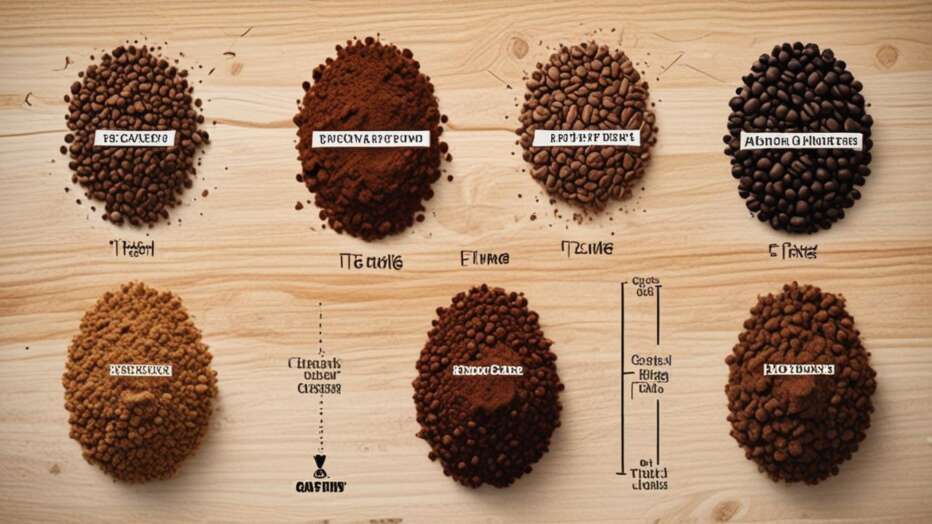
Coffee grind sizes are usually described using terms that relate to common materials. This helps people visualize the size without needing a microscope. Each size has a specific purpose in brewing.
Extra Coarse Grind
This is the coarsest grind you’ll find. The grounds look like rough sea salt. They are very large and irregular.
This size is rarely used for typical coffee makers.
Use For: Cold brew coffee, cowboy coffee (where grounds are steeped directly in water and then settled).
Coarse Grind
This grind size resembles coarse sea salt or breadcrumbs. The particles are large and distinct. It’s ideal for brewing methods where the coffee grounds have a long contact time with water.
Use For: French press, percolator, pour-over with a long bloom time.
Medium-Coarse Grind
This grind is a bit finer than coarse but still has visible texture. It looks like rough sand. It’s a good choice for brewing methods that use a filter but allow for a moderate amount of contact time.
Use For: Chemex, clever dripper, siphon brewers.
Visualizing grind sizes by everyday materials like sea salt or breadcrumbs helps you dial in consistency without specialized tools.
Medium Grind
This is probably the most common grind size. It looks like regular sand. It’s versatile and works well for many drip coffee makers and some pour-over methods.
Use For: Drip coffee makers, Aeropress (with longer steep times), some pour-over methods.
Medium-Fine Grind
This grind is getting closer to powder. It’s a bit finer than sand but not quite flour. It allows for quicker extraction, which is good for faster brewing methods.
Use For: Aeropress (with shorter steep times), some cone-shaped pour-over brewers.
Fine Grind
This grind is much smaller, resembling table salt. It’s the size most people think of for espresso. It allows for very rapid extraction under pressure.
Use For: Espresso machines, Moka pot (stovetop espresso maker).
Extra Fine Grind
This is the finest grind available. It’s almost like powder or flour. It’s used for specific brewing methods that require very quick extraction and can handle the fine particles.
Use For: Turkish coffee, espresso (sometimes, depending on the machine and preference).
The Importance of Consistency: Burr vs. Blade Grinders
When looking at a Coffee Grind Size Chart For Each Brew Method, consistency is key. The grind size needs to be uniform for even extraction. This is where the type of grinder you use makes a big difference.
Blade Grinders
Blade grinders work like a blender. They chop the coffee beans. This results in grounds of many different sizes.
You’ll get some fine powder, some medium pieces, and some large chunks all at once.
Consistency is king: uneven grind leads to uneven extraction, with fine particles over-extracting and large ones under-extracting.
This inconsistency is a problem. The fine particles can over-extract, making your coffee bitter. The large particles might under-extract, making it weak.
This is why blade grinders are generally not recommended for serious coffee brewing.
Burr Grinders
Burr grinders crush coffee beans between two abrasive surfaces called burrs. You can adjust the distance between these burrs to control the grind size. This process creates much more uniform grounds.
A consistent grind from a burr grinder means water flows through the coffee bed evenly. This leads to a balanced extraction and a better-tasting cup. For anyone serious about their coffee, a burr grinder is a worthwhile investment.
Coffee Grind Size Chart For Each Brew Method
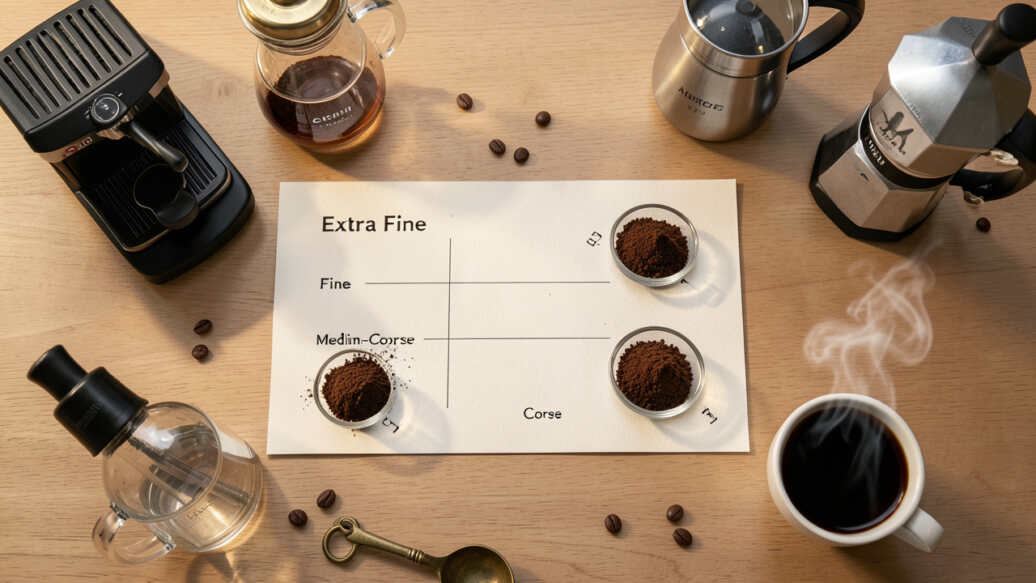
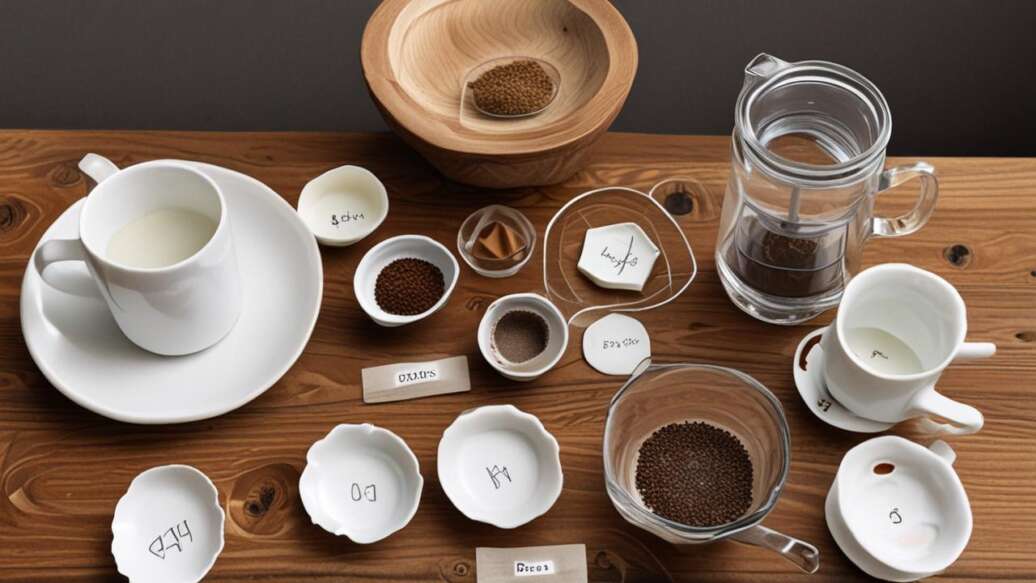
Here’s a quick guide to help you match your grind size to your brewing method. This Coffee Grind Size Chart For Each Brew Method will be your best friend in the kitchen.
For cold brew, use an extra coarse grind resembling rough sea salt to prevent bitterness during the long steeping time.
Adjusting Your Grind for Perfect Coffee
Even with a Coffee Grind Size Chart For Each Brew Method, sometimes you need to tweak things. Your coffee beans, your grinder, and even your water can affect the taste. Don’t be afraid to experiment a little.
Troubleshooting Common Coffee Problems
If your coffee tastes too bitter, it might be over-extracted. Try a slightly coarser grind. If your coffee tastes weak or sour, it might be under-extracted.
Even with a proper grind chart, factors like bean freshness and water quality can throw off your extraction, so be ready to tweak your grind.
Try a slightly finer grind.
- Bitter Coffee: Grind coarser.
- Weak/Sour Coffee: Grind finer.
- Muddy Coffee (French Press): Grind coarser.
- Watery Coffee (Espresso): Grind finer.
The Role of Water Temperature and Brew Time
Grind size is just one piece of the puzzle. Water temperature and brew time also play a big role. Most brewing methods work best with water between 195°F and 205°F (90°C and 96°C).
Longer brew times generally need coarser grinds. Shorter brew times need finer grinds. For example, a French press might brew for 4 minutes with a coarse grind.
An espresso shot brews in about 25 seconds with a fine grind.
Tips for Grinding Your Coffee Beans
To get the most out of your coffee beans, follow these simple tips for grinding.
Small adjustments in your grinder settings can fine‑tune flavor even within the same brew method.
- Start with Fresh Beans: Always use freshly roasted coffee beans. The flavor degrades over time.
- Grind Just Before Brewing: Coffee starts losing its flavor as soon as it’s ground. Grind only what you need for your current brew.
- Use a Burr Grinder: As mentioned, a burr grinder provides the most consistent results. It’s a key tool for achieving the perfect grind.
- Clean Your Grinder: Coffee oils can build up in your grinder. Clean it regularly to prevent stale flavors from affecting your fresh coffee.
- Experiment with Your Grinder Settings: Even within a recommended grind size, slight adjustments can make a difference.
When to Use a Coarser Grind
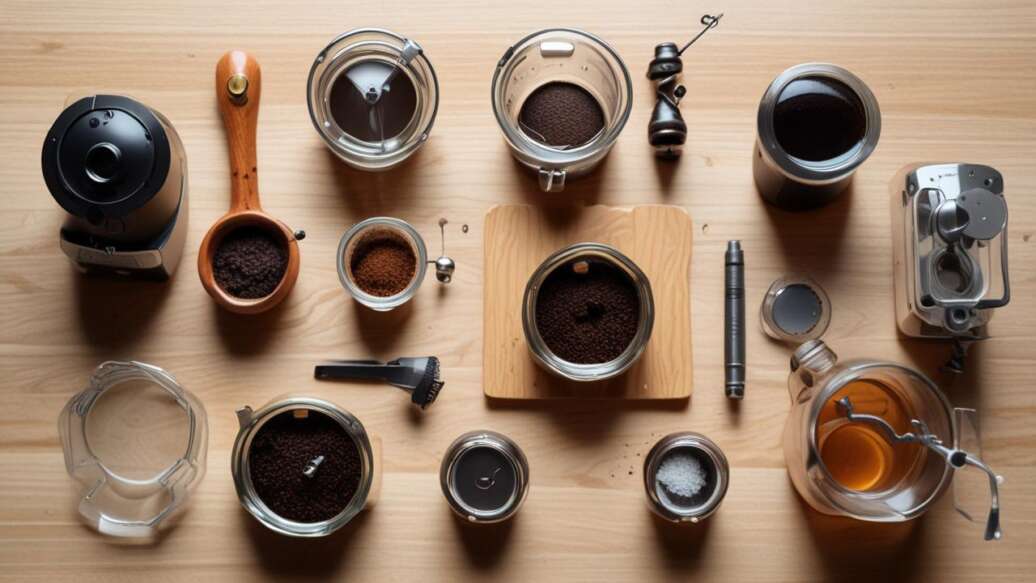
A coarser grind is your friend when you want less flavor extracted quickly. This is usually for brewing methods that involve steeping the coffee for a longer period. The large particles slow down the extraction process.
This prevents the coffee from becoming too strong or bitter.
Coarse grounds prevent sediment in French press and allow long steeps like cold brew without over‑extraction.
The Coffee Grind Size Chart For Each Brew Method shows that methods like French press and cold brew benefit most from a coarse grind. In French press, the coffee sits in hot water for several minutes. Coarse grounds let you plunge the filter down easily and avoid sediment in your cup.
For cold brew, the beans steep for many hours. A coarse grind ensures you get a smooth, rich flavor without any bitterness.
When to Use a Finer Grind
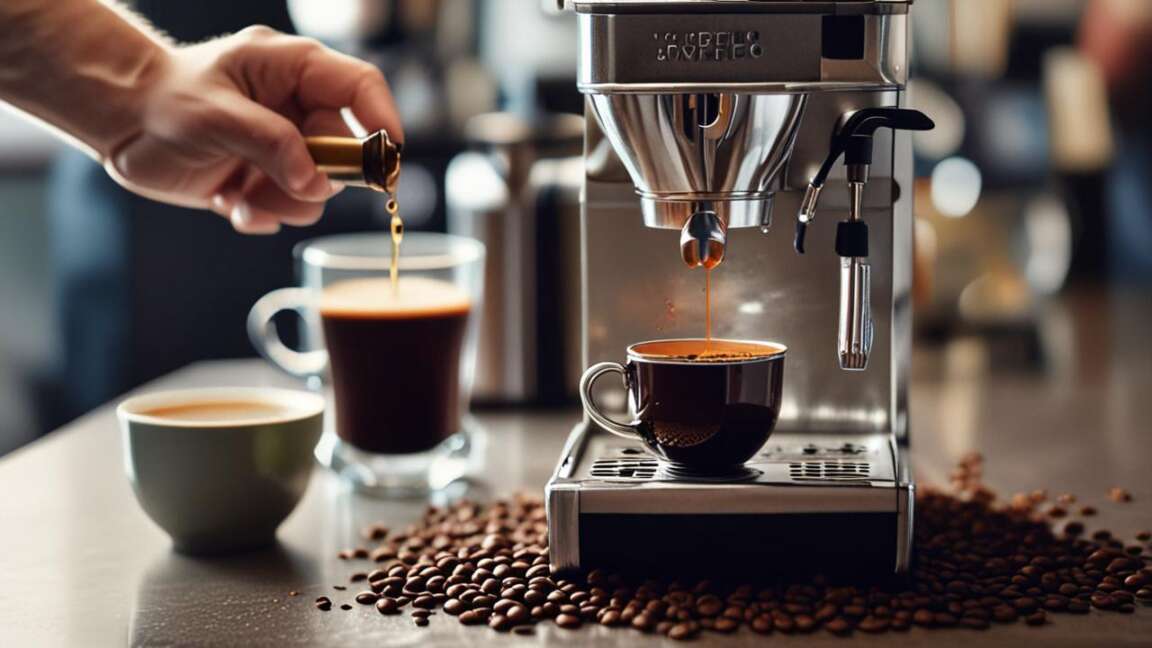
A finer grind is necessary when you need to extract flavor quickly. This is common in methods that use pressure or have a very short contact time between water and coffee. The small particles offer a larger surface area for the water to interact with.
For espresso, a fine grind is essential for rapid extraction and to produce the signature crema.
This speeds up the extraction process.
Espresso and Moka pots are prime examples. Espresso machines use high pressure to force hot water through finely ground coffee in under 30 seconds. A fine grind is crucial for this rapid extraction and for creating the signature crema.
Moka pots use steam pressure to push water through fine grounds, producing a strong, concentrated coffee similar to espresso. A Coffee Grind Size Chart For Each Brew Method will always point to a fine grind for these.
Frequently Asked Questions
What is the best grind size for drip coffee?
For most automatic drip coffee makers, a medium grind size, similar to regular sand, works best. This allows for a good balance of flavor extraction during the typical brew time.
Can I use an espresso grind for my French press?
No, you should not use an espresso grind for your French press. An espresso grind is too fine. It will pass through the metal filter of your French press, creating a muddy and over-extracted, bitter cup of coffee.
How often should I clean my coffee grinder?
It’s a good idea to clean your coffee grinder every few weeks, especially if you notice coffee oils building up or if your coffee starts tasting off. Regular cleaning ensures the best flavor from your beans.
My coffee tastes weak. What grind size should I use?
If your coffee tastes weak, it’s likely under-extracted. You should try using a finer grind size. This will allow the water to extract more flavor from the coffee grounds.
What is the difference between a medium and medium-fine grind?
A medium grind is like regular sand. A medium-fine grind is slightly finer than sand, almost like very fine sand or coarse salt. The medium-fine grind allows for quicker extraction, suitable for faster brewing methods like some Aeropress recipes.
Is there a universal coffee grind size?
No, there isn’t a universal coffee grind size. Different brewing methods require different grind sizes to achieve optimal flavor extraction. Consulting a Coffee Grind Size Chart For Each Brew Method is the best approach.
Final Thoughts
Using the right coffee grind size is one of the easiest ways to improve your coffee. Refer to this Coffee Grind Size Chart For Each Brew Method to get it right for your specific brewer. Experimenting with your grind can unlock even better flavors from your favorite beans.