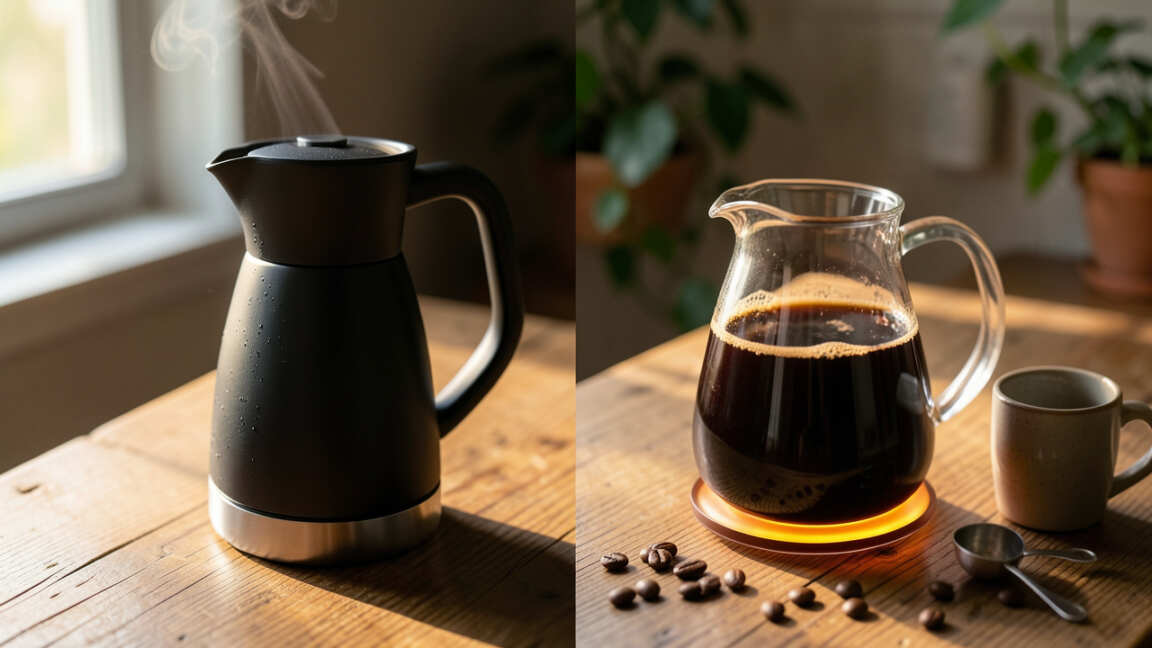
Thermal Vs Glass Carafe Coffee Makers: Real Differences
At a Glance Thermal carafes and glass carafe coffee makers differ primarily in heat retention and flavor preservation: thermal carafes use double-wall…
Read Review →
Tds And Brew Strength: What The Numbers Really Mean
At a Glance Total Dissolved Solids (TDS) quantifies the concentration of dissolved coffee compounds in water, directly indicating brew strength. A hig…
Read Review →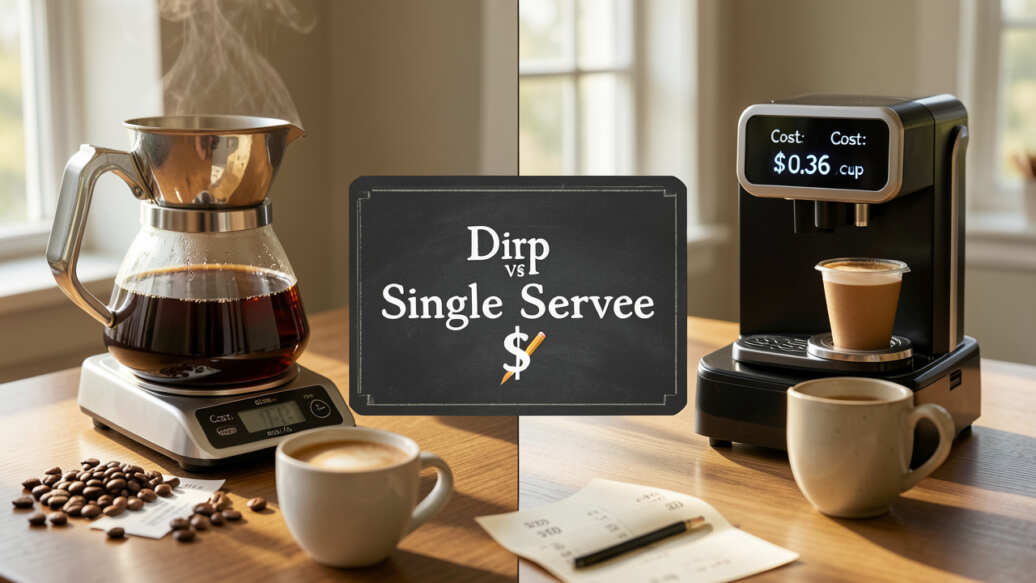
Drip Coffee Maker Vs Single Serve: Cost Per Cup Math
At a Glance The cost per cup for a drip coffee maker is significantly lower than for a single-serve machine, typically ranging from $0.10 to $0.20 per…
Read Review →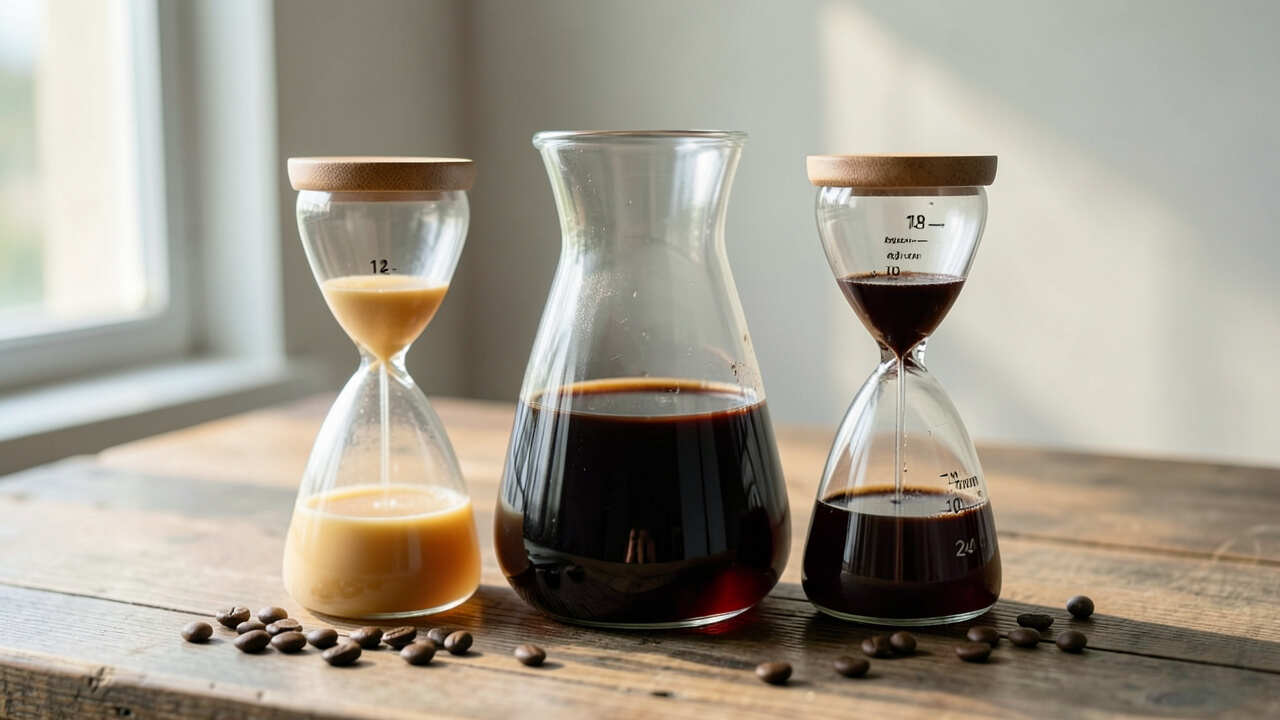
Cold Brew Steeping Time: 12, 18, Or 24 Hours Compared
At a Glance Cold brew steeping time between 12, 18, and 24 hours produces distinctly different flavor profiles: 12 hours yields a lighter, milder brew…
Read Review →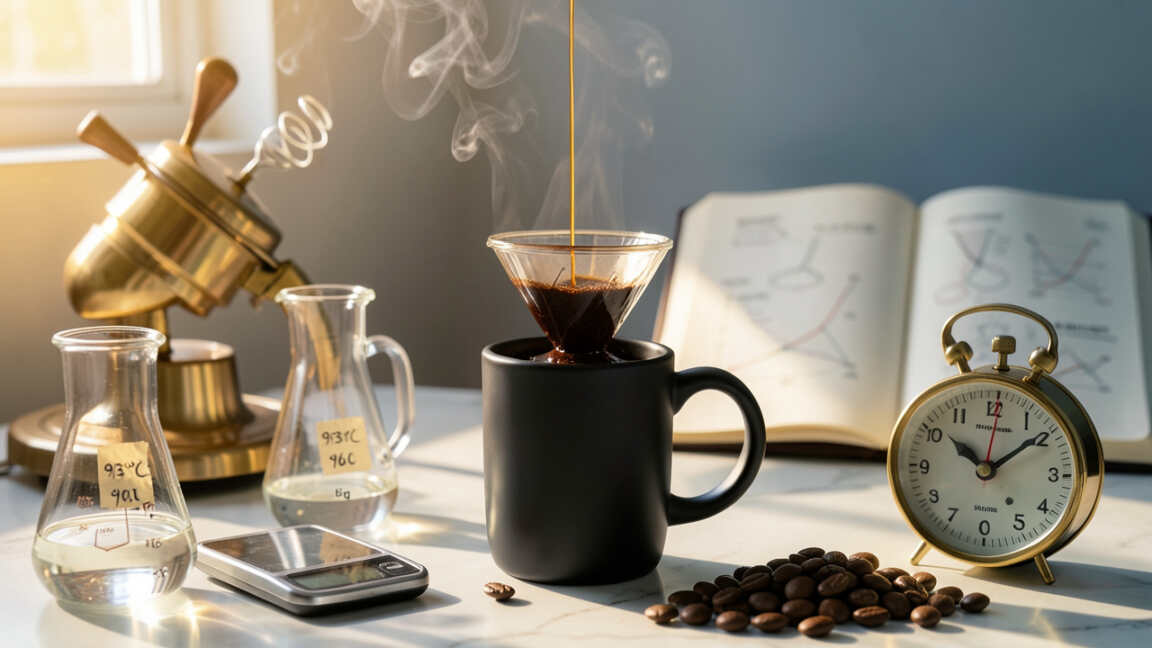
Coffee Extraction Explained: Time, Temperature And Ratio
At a Glance Coffee extraction relies on the precise coordination of time, temperature, and coffee-to-water ratio to achieve optimal flavor from ground…
Read Review →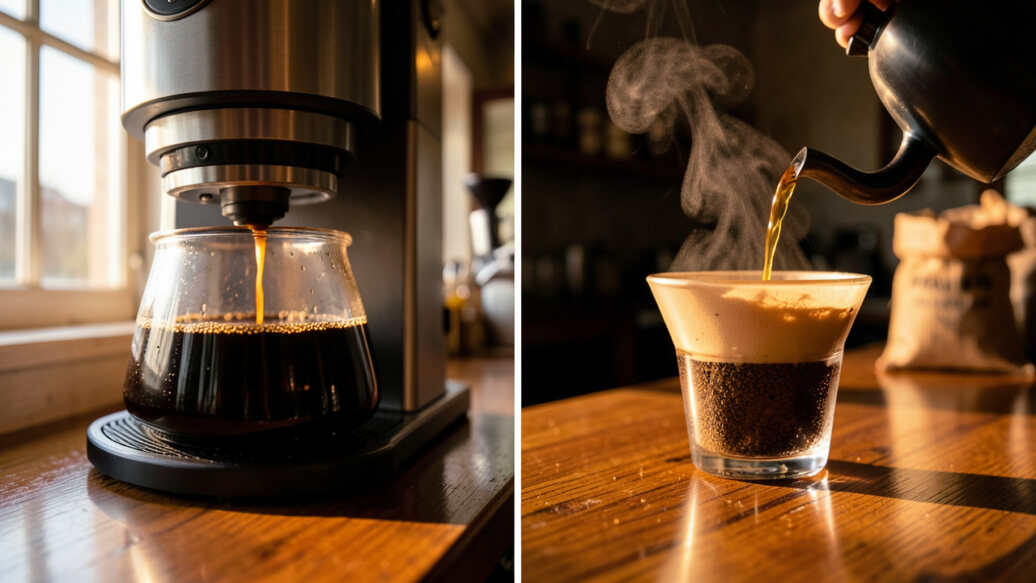
Drip Vs Pour-Over Coffee: Why They Taste Different
At a Glance The taste difference between drip and pour-over coffee arises from the degree of control over brewing variables such as water temperature,…
Read Review →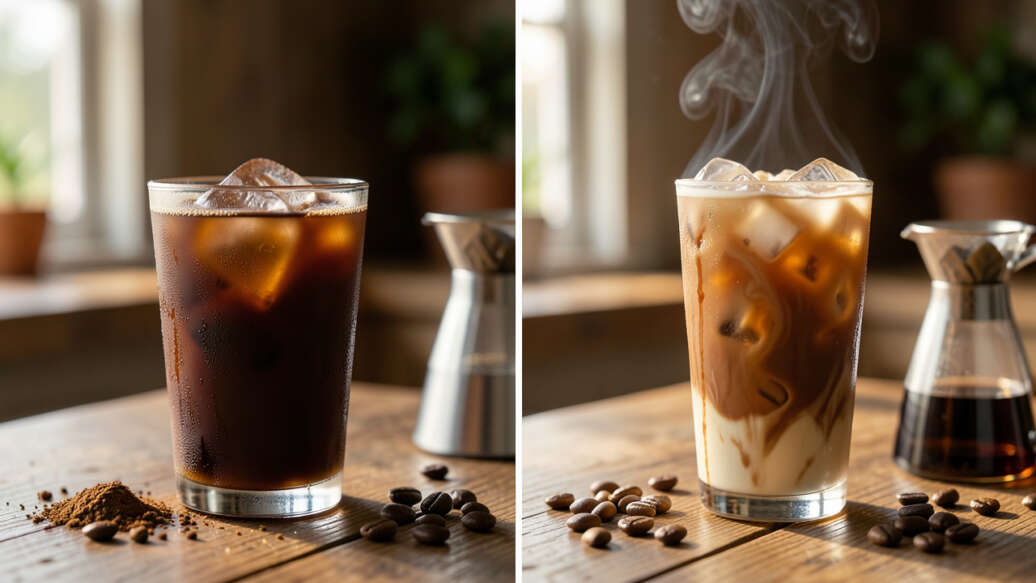
Cold Brew Vs Iced Coffee: Method And Flavor Compared
At a Glance When comparing cold brew versus iced coffee, the method defines the flavor: cold brew steeps coarsely ground beans in cold water for 12–24…
Read Review →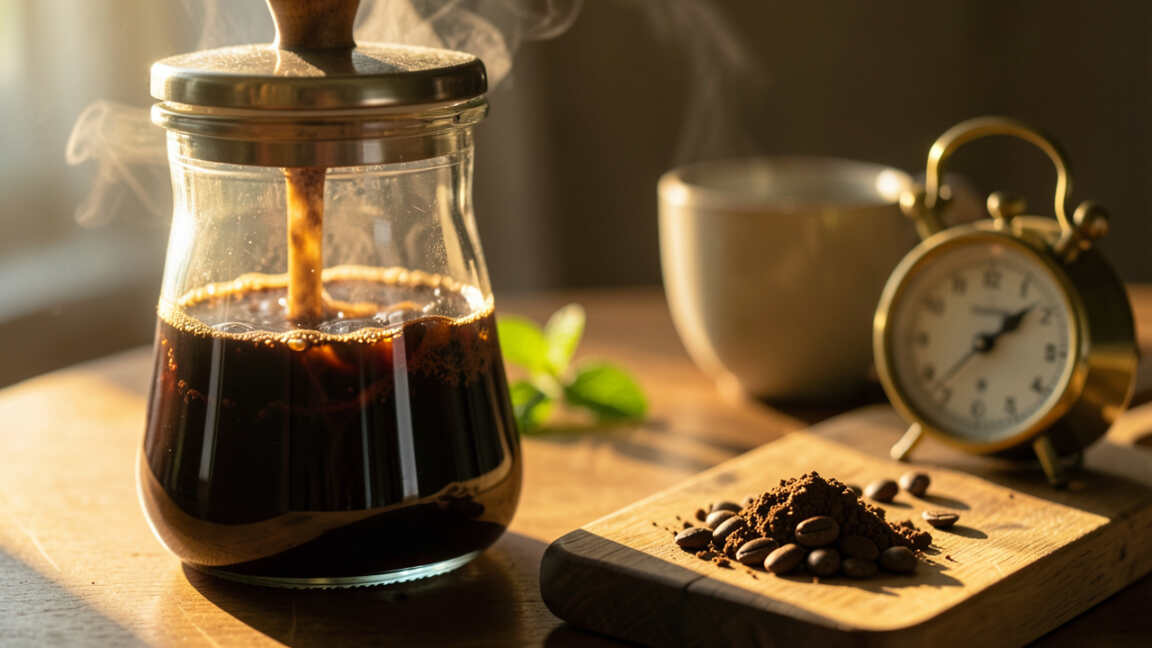
French Press Brewing Time And Plunger Technique Guide
At a Glance The ideal French press brewing time is 4 minutes, with the correct plunger technique requiring a slow and steady press to prevent over-ext…
Read Review →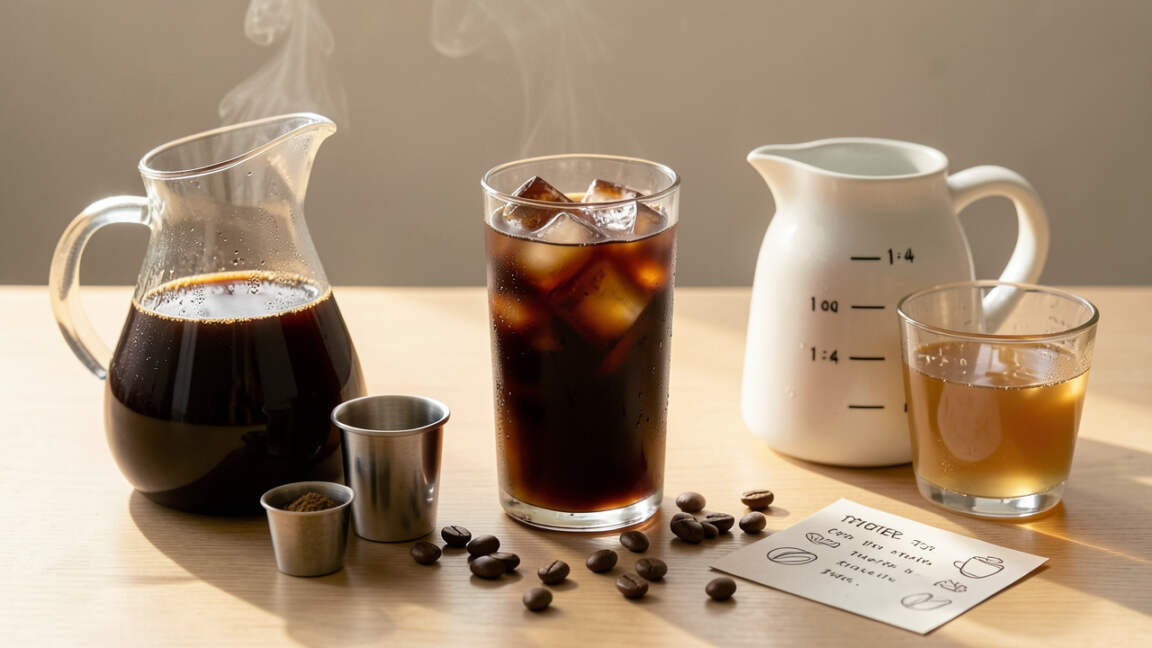
Cold Brew Coffee Ratios For Concentrate Vs Ready-To-Drink
At a Glance Cold brew coffee ratios for concentrate typically use a 1:3 to 1:4 coffee-to-water ratio by weight, while ready-to-drink cold brew uses a…
Read Review →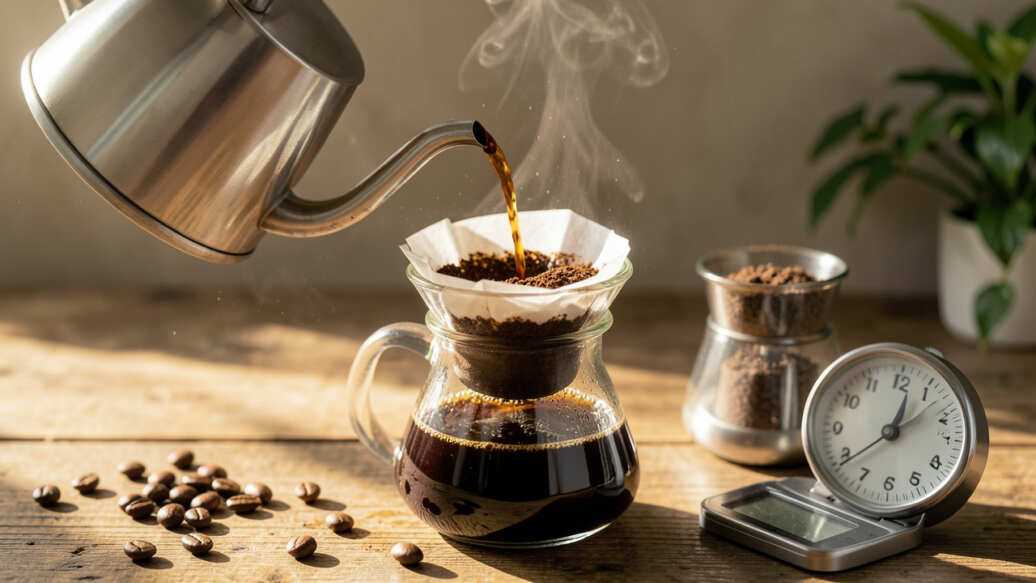
Pour-Over Brewing Steps For Beginners (V60 Method)
At a Glance The V60 pour-over brewing method is a cone-shaped drip brewer that requires a gooseneck kettle, a paper filter, and freshly ground coffee…
Read Review →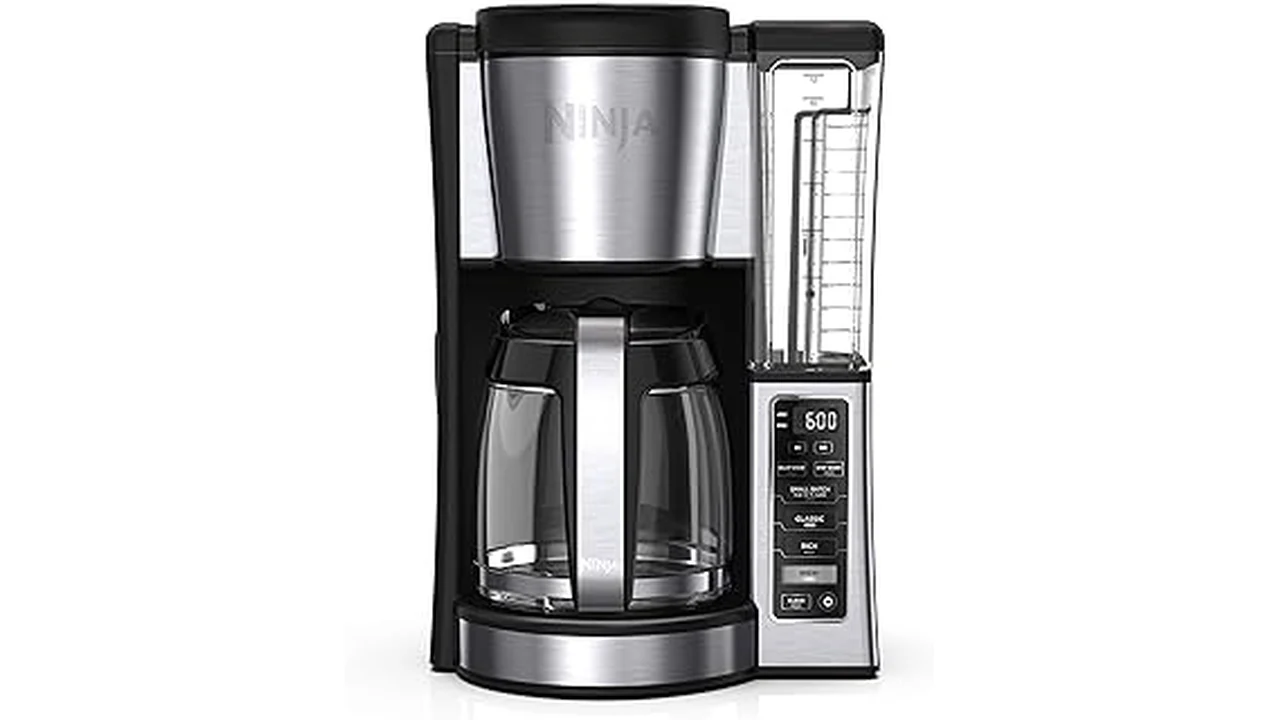
Best Coffee Maker That’s Easy To Clean (No Descaling Headache)
At a Glance The best coffee makers easy to clean eliminate descaling headaches through removable brew baskets, auto-rinse cycles, or built-in descalin…
Read Review →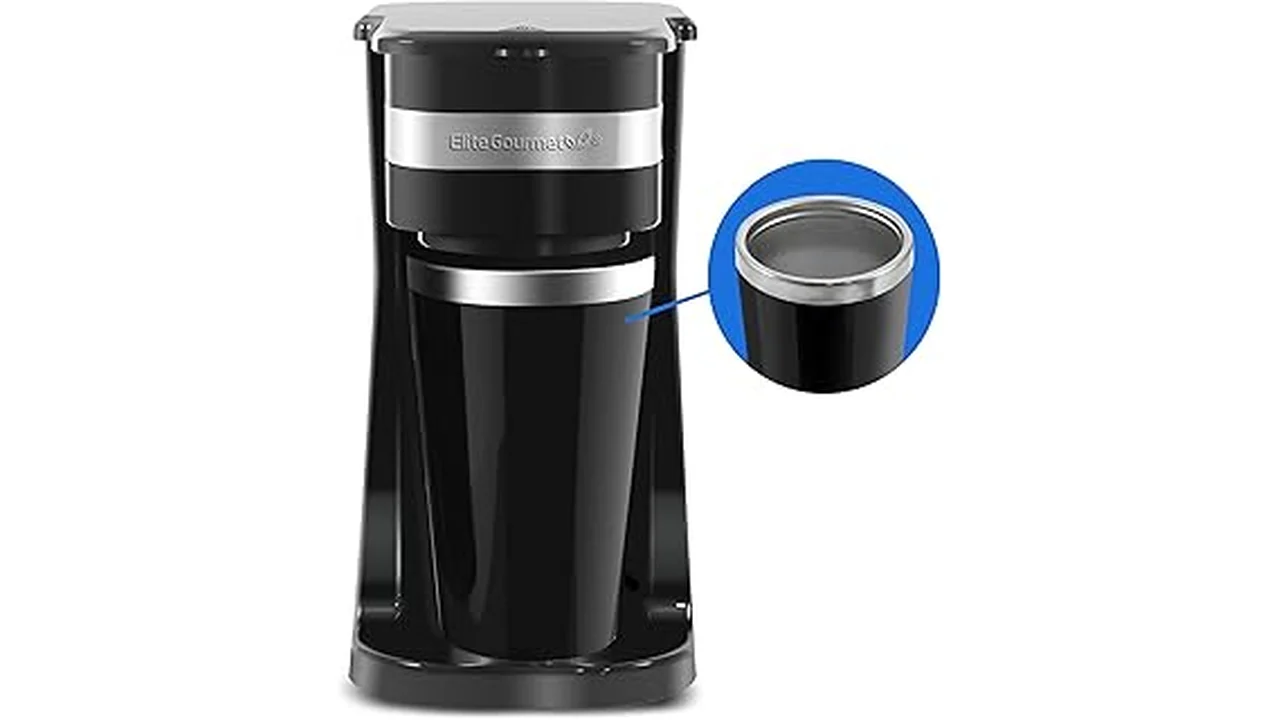
Best Single-Serve Coffee Maker For Small Apartments (No Counter Space Needed)
At a Glance The best single-serve coffee makers for small apartments with no counter space are ultra-compact models like the Keurig K-Mini and Elite G…
Read Review →