Cold Brew Vs Iced Coffee: Method And Flavor Compared
At a Glance When comparing cold brew versus iced coffee, the method defines the flavor: cold brew steeps coarsely ground beans in cold water for 12–24 hours to produce a smooth, low-acid concentrate,…
When comparing cold brew versus iced coffee, the method defines the flavor: cold brew steeps coarsely ground beans in cold water for 12–24 hours to produce a smooth, low-acid concentrate, whereas iced coffee is brewed hot and then chilled, retaining higher acidity and often a brighter, more bitter taste. This difference in extraction means cold brew offers a mellow, chocolatey profile while iced coffee maintains the sharpness of hot-brewed coffee. Understanding these method-driven flavor outcomes helps you choose or replicate the perfect style at home.
Choosing between a refreshing glass of cold brew and a classic iced coffee can be tricky. They both offer a cool caffeine boost, but they’re made very differently, and that affects how they taste. Understanding the Cold Brew Vs Iced Coffee: Method And Flavor Compared helps you pick the perfect drink for your mood and preference.
This knowledge means you can make your coffee at home just right, saving money and enjoying your favorite flavors more often. We’ll break down exactly how each is made and what makes their flavors so unique.
Key Takeaways
- Cold brew uses time and cold water to extract flavor, resulting in a smoother, less acidic drink.
- Iced coffee is typically hot coffee cooled down, which can lead to a more bitter taste.
- The brewing method directly impacts the final taste profile of both cold brew and iced coffee.
- Making cold brew requires patience, while iced coffee can be prepared relatively quickly.
- Understanding the differences allows you to choose the best option for your personal taste preferences.
- You can adapt home brewing methods to get closer to your desired cold brew or iced coffee result.

What Makes Cold Brew So Smooth?
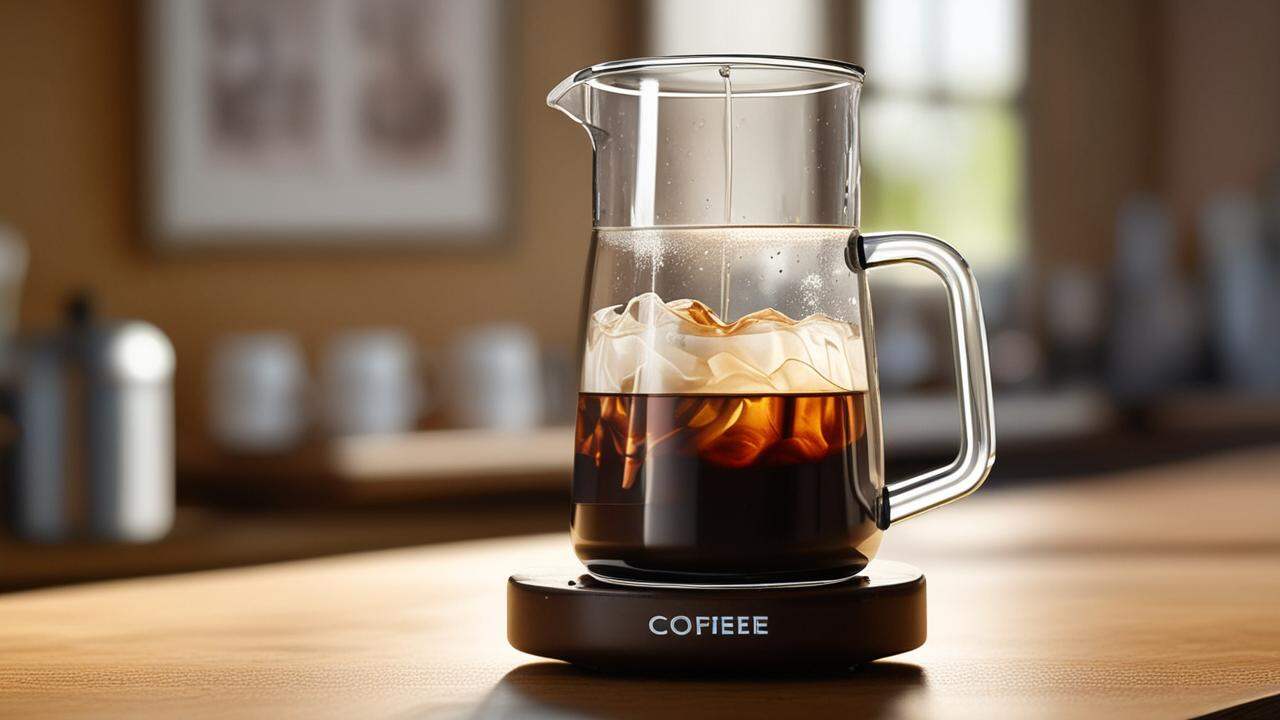
Cold brew coffee is made by steeping coffee grounds in cold or room temperature water for a long time. This process usually takes 12 to 24 hours. The slow, cold extraction pulls out less acid and fewer bitter compounds from the coffee beans.
This is why cold brew often tastes naturally sweet and smooth. It’s a patient method that rewards you with a rich, low-acid beverage.
The longer steeping time allows the water to gently draw out the coffee’s oils and flavors. Think of it like a slow soak rather than a quick dunk. This difference in extraction is a key factor in the Cold Brew Vs Iced Coffee: Method And Flavor Compared.
Because there’s no heat involved, the volatile aromatic compounds that can contribute to bitterness in hot coffee are preserved.
The Cold Brew Process Explained
Making cold brew at home is quite simple. You’ll need coarse coffee grounds and cold water. The ratio is usually around 1 part coffee to 4 to 8 parts water, depending on how strong you want it.
You mix them together in a jar or container. Then, you let it sit at room temperature or in the refrigerator.
For a naturally sweet and smooth cold brew, steep coarsely ground coffee in cold water for 12 to 24 hours to minimize acidity and bitterness.
After the long steep, you filter out the grounds. You can use a fine-mesh sieve, cheesecloth, or a special cold brew maker. The result is a coffee concentrate.
This concentrate is often diluted with water or milk before serving over ice. This step is important because the concentrate is very strong.
Flavor Profile of Cold Brew
Cold brew has a distinctive flavor. It’s often described as chocolatey, nutty, or caramel-like. Because it’s less acidic, it feels smoother on your stomach.
Many people who find regular hot coffee too harsh enjoy cold brew. The low acidity also means the coffee’s natural sweetness can really shine through.
The flavor is also less bright or acidic than hot brewed coffee. It’s more mellow and rounded. This makes it a great base for creamy drinks or when you want a less sharp coffee taste.
The Cold Brew Vs Iced Coffee: Method And Flavor Compared really highlights this smoothness.
How Iced Coffee Gets Its Kick
Iced coffee starts its life as hot coffee. It’s brewed using hot water, just like your regular morning cup. The key difference comes after brewing.
Instead of serving it hot, it’s cooled down and poured over ice. This cooling process can change the coffee’s flavor.
Sometimes, iced coffee is made by brewing hot coffee directly over ice. This is called Japanese-style iced coffee. It cools the coffee rapidly, locking in aromas.
Other times, hot coffee is brewed and then chilled in the fridge before being served. Each method has a slightly different outcome.
The Iced Coffee Brewing Methods
There are a few common ways to make iced coffee. One popular method is to brew hot coffee and then chill it. You can brew it strong so that when it melts some ice, it’s still flavorful.
Japanese-style iced coffee, where hot coffee is brewed directly over ice, rapidly cools the coffee and locks in delicate aromatic compounds for a brighter flavor.
Another method, Japanese iced coffee, involves brewing hot coffee directly onto ice.
This rapid cooling helps preserve the fresh, bright flavors of the coffee. It can also prevent some of the oxidation that happens when hot coffee cools slowly. The brewing strength and cooling speed are crucial for the final taste when comparing Cold Brew Vs Iced Coffee: Method And Flavor Compared.
Flavor Profile of Iced Coffee
Because iced coffee is made with hot water, it can retain more of the acidity and bitterness of the coffee beans. When hot coffee cools, especially slowly, some of its bright notes can fade. Bitterness can also become more pronounced.
This is why some people find iced coffee to be more bitter than cold brew.
However, iced coffee can also have a more complex flavor profile. The hot brewing process extracts a wider range of compounds. This can lead to brighter, more acidic notes, which some coffee lovers prefer.
The taste can be more vibrant and less mellow than cold brew. The Cold Brew Vs Iced Coffee: Method And Flavor Compared shows this contrast clearly.
Comparing the Brewing Methods
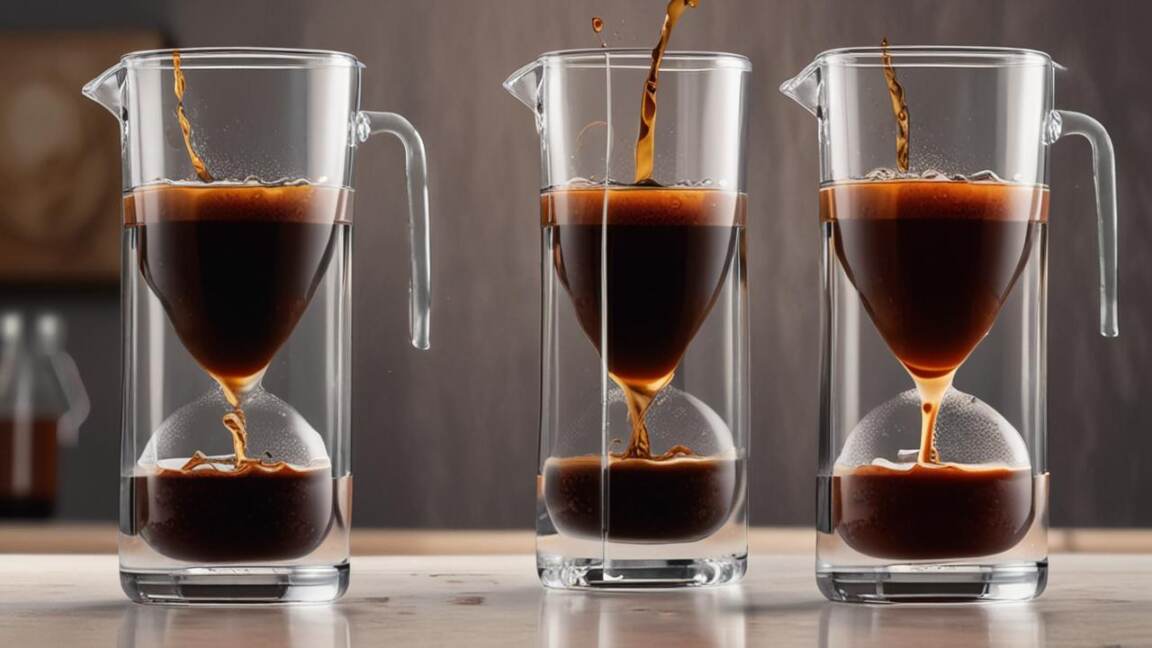
The fundamental difference lies in the brewing temperature and time. Cold brew uses cold water and a long steep. Iced coffee uses hot water and a short brew time, then cools down.
The brewing temperature determines the coffee's character: cold extraction yields smoothness, while hot extraction brings out complexity and acidity.
This leads to distinct differences in flavor and acidity.
The goal of cold brew is smooth, low-acid flavor. The goal of iced coffee is a chilled version of hot coffee’s flavor. The table below highlights these key differences.
Why the Method Matters for Taste
The brewing method is everything when it comes to coffee flavor. Heat is a powerful solvent. Hot water extracts compounds from coffee grounds much faster than cold water.
This rapid extraction pulls out acids and bitter compounds more readily.
Cold water extracts these compounds more slowly and gently. This results in a less bitter and less acidic cup. The Cold Brew Vs Iced Coffee: Method And Flavor Compared is largely a story of how temperature affects extraction.
The slower process of cold brew allows for a more nuanced and mellow flavor to develop.
The Role of Acidity
Acidity in coffee is not necessarily a bad thing. It can contribute to bright, lively flavors. Think of the fruity or citrusy notes in some coffees.
To reduce bitterness in your coffee, choose cold brew's slow extraction over hot brewing methods, as heat rapidly pulls out bitter compounds.
However, too much acidity can make coffee taste sour or sharp. It can also be harsh on sensitive stomachs.
Cold brew’s lower acidity makes it a great option for those who experience stomach upset from regular coffee. The smooth, mellow taste is a direct result of this reduced acidity. This is a major point in the Cold Brew Vs Iced Coffee: Method And Flavor Compared discussion.
Bitterness and Extraction
Bitterness in coffee often comes from over-extraction. When coffee is brewed too hot or for too long, bitter compounds are released. Hot brewing is more prone to this if not done carefully.
Cold brewing, with its long but gentle extraction, tends to avoid these overly bitter notes.
The result is a cleaner tasting coffee. Even if you use the same beans, the final taste will be different. This is why many people prefer cold brew when they want a smooth, consistent flavor.
The Cold Brew Vs Iced Coffee: Method And Flavor Compared shows how method dictates bitterness.

Making Cold Brew vs. Iced Coffee at Home
You don’t need fancy equipment to make either at home. For cold brew, a large jar, coffee grounds, and a filter are usually enough. Coarse grounds work best for cold brew to prevent over-extraction and make filtering easier.
You can use a French press, a cheesecloth, or even a coffee filter.
For iced coffee, you can simply brew your favorite hot coffee and let it cool. Or, brew it double strength and pour it directly over ice. Japanese-style iced coffee is also achievable with a pour-over setup and ice in the carafe.
The key is to control the cooling process.
Tips for Better Cold Brew at Home
First, use good quality, coarse-ground coffee beans. Freshly ground beans will always give you the best flavor. Second, experiment with your coffee-to-water ratio.
Start with 1:4 for a concentrate and adjust from there. Next, let it steep for at least 12 hours, but 18-24 hours often yields the best results.
Avoid using fine coffee grounds for cold brew; coarse grounds prevent over-extraction and ensure a clean, smooth final cup.
Then, filter it thoroughly. Double filtering can help ensure no grounds end up in your cup. Finally, dilute your concentrate to your liking.
Start with a 1:1 ratio of concentrate to water or milk and add more if needed. This approach to making cold brew is key to its smooth taste.
Tips for Better Iced Coffee at Home
First, brew your coffee hot and strong. This ensures it won’t be watered down by melting ice. Second, chill your coffee completely in the refrigerator before pouring it over ice.
This prevents excessive dilution. Next, consider brewing directly over ice (Japanese style) for a fresher flavor.
Then, use good quality coffee beans. The flavor of the hot coffee will carry through to the iced version. Finally, add your favorite sweeteners or creamers.
The comparison of Cold Brew Vs Iced Coffee: Method And Flavor Compared is often about personal preference for these additions too.

When to Choose Which
Your choice between cold brew and iced coffee often comes down to what you’re looking for in a drink. If you prefer a smooth, mellow, and naturally sweet taste with low acidity, cold brew is likely your winner. It’s also a great choice if you have a sensitive stomach.
If you have a sensitive stomach, cold brew's low acidity makes it a more comfortable daily coffee choice compared to iced coffee.
If you enjoy a brighter, more vibrant coffee flavor with a touch of acidity and bitterness, then iced coffee might be more your style. It’s also the quicker option if you need a caffeine fix without the long wait. The Cold Brew Vs Iced Coffee: Method And Flavor Compared helps you make this decision.
Who Should Drink Cold Brew?
Cold brew is ideal for people who:
- Prefer a smooth, less acidic coffee.
- Experience stomach discomfort from regular hot coffee.
- Enjoy naturally sweet coffee flavors without added sugar.
- Like a mellow, rounded taste profile.
- Have the patience to wait for their coffee to brew.
Who Should Drink Iced Coffee?
Iced coffee is a good choice for those who:
- Enjoy the brighter, more acidic notes of hot-brewed coffee.
- Want a quick and easy way to cool down their coffee.
- Prefer a more traditional coffee flavor that’s served cold.
- Like to experiment with different brewing methods like Japanese iced coffee.
- Don’t mind a bit of bitterness in their cold coffee.

Common Questions About Cold Brew and Iced Coffee
What is the main difference between cold brew and iced coffee?
The main difference is the brewing method: cold brew uses cold water and a long steep time (12-24 hours), while iced coffee is typically hot coffee that has been cooled down and served over ice. Kitchentoolslab
Is cold brew less acidic than iced coffee?
Yes, cold brew is significantly less acidic than iced coffee because the cold water extraction process pulls out fewer acidic compounds from the coffee grounds.
Which one has more caffeine, cold brew or iced coffee?
Generally, cold brew concentrate has more caffeine than a typical serving of iced coffee because it’s brewed with a higher coffee-to-water ratio. However, this can vary based on how you dilute the cold brew concentrate.
Cold brew is significantly less acidic than iced coffee because the cold water extraction process pulls out fewer acidic compounds from the grounds.
Can I make cold brew from regular hot coffee?
No, you cannot turn regular hot coffee into cold brew. Cold brew requires a specific brewing process using cold water and time to achieve its unique flavor and low acidity.
Does the bean type matter for Cold Brew Vs Iced Coffee: Method And Flavor Compared?
Yes, the type of coffee bean and its roast level will affect the flavor of both cold brew and iced coffee. However, the brewing method will still be the primary factor dictating the final taste difference between the two.
Is cold brew healthier than iced coffee?
Cold brew is often considered healthier due to its lower acidity, which can be easier on the digestive system. It also tends to taste naturally sweet, meaning you might use less added sugar.
Final Thoughts
Understanding the Cold Brew Vs Iced Coffee: Method And Flavor Compared helps you make a more informed choice. Cold brew offers a smooth, low-acid taste from a long, cold steep, while iced coffee provides a brighter, more traditional coffee flavor from hot brewing. Both are delicious ways to enjoy your coffee cold, and now you know how to make them just right.