French Press Brewing Time And Plunger Technique Guide
At a Glance The ideal French press brewing time is 4 minutes, with the correct plunger technique requiring a slow and steady press to prevent over-extraction and sediment in the cup. Timing should be…
The ideal French press brewing time is 4 minutes, with the correct plunger technique requiring a slow and steady press to prevent over-extraction and sediment in the cup. Timing should be adjusted by roast level—lighter roasts benefit from a slightly longer steep, while darker roasts extract faster and may need a shorter brew. Water temperature between 195°F and 205°F is crucial for optimal flavor extraction, and consistent timing and press speed reliably produce a smooth, sediment-free cup.
Getting your morning coffee just right can make a big difference in your day. Many people love the rich flavor that a French press offers, but sometimes it’s tricky to get it perfect every time. You might wonder about the best way to time your brew or how to push the plunger down.
This French Press Brewing Time And Plunger Technique Guide is here to help you master those details. Knowing the right brewing time and plunger technique means you can enjoy a smoother, tastier cup of coffee with less fuss. Let’s look at how to make your French press coffee the best it can be.
Key Takeaways
- Understanding the ideal French press brewing time for your coffee beans is crucial for optimal flavor extraction.
- Proper plunger technique prevents over-extraction and ensures a clean, sediment-free cup.
- Adjusting grind size can significantly impact brewing time and the final taste of your coffee.
- The water temperature plays a vital role in extracting the best flavors without burning the coffee grounds.
- Consistent application of these techniques leads to a reliably delicious cup of coffee every morning.
Perfecting Your French Press Brewing Time
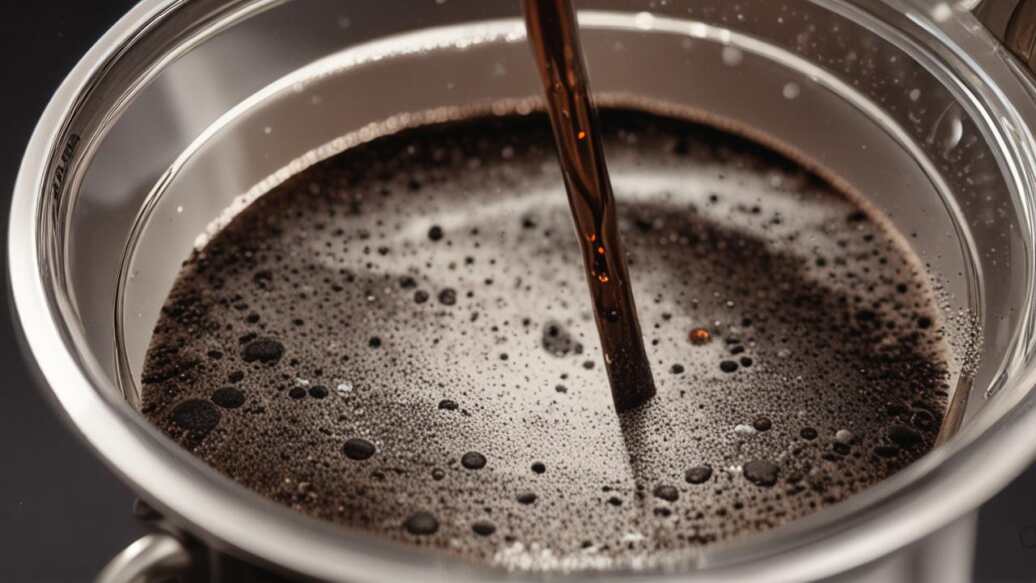
Brewing time is super important for French press coffee. It’s how you get the most flavor out of your coffee beans. If you brew too short, your coffee might taste weak and watery.
If you brew too long, it can taste bitter and burnt. Finding that sweet spot is key to a great cup.
For most medium to dark roast coffees, a brewing time of around 4 minutes is a good starting point. Lighter roasts, which have more complex flavors, might benefit from a slightly longer steep, perhaps 4.5 to 5 minutes, to fully develop their nuances. Very dark roasts, however, can become bitter quickly, so sticking closer to 3.5 to 4 minutes might be better.
This timing isn’t just a random number. It’s based on how long it takes for the hot water to fully extract the delicious oils and flavors from the coffee grounds. This process is called extraction.
A good extraction gives you a balanced taste with sweetness, acidity, and body. It’s a core part of the French Press Brewing Time And Plunger Technique Guide.
When you’re first starting out, it’s a good idea to experiment. Use a timer on your phone or watch. Try a 4-minute brew and taste it.
Then, try a 5-minute brew with the same coffee and water. See which one you like better. Your personal preference is the most important factor.
Why Timing Matters for Flavor
Coffee beans contain hundreds of flavor compounds. When hot water hits them, these compounds start to dissolve. This is extraction.
For medium to dark roasts, start with a 4-minute steep; light roasts may need 4.5 to 5 minutes for full flavor development.
Different compounds dissolve at different rates. Some are quick and give you bright, fruity flavors. Others take longer and give you deeper, richer, or even bitter notes.
A French press brewing time that’s too short means you only get the quick-dissolving compounds. This results in a weak, sour, or underdeveloped taste. You’re missing out on the full range of flavors the coffee has to offer.
It’s like only hearing the first few notes of a song.
On the other hand, a brew that’s too long extracts too many of the slower-dissolving compounds. These often include tannins, which can make coffee taste bitter and dry in your mouth. You might also get a muddy or harsh flavor profile.
This over-extraction can hide the unique characteristics of the beans.
The goal is to hit the peak extraction point. This is where you get the best balance of flavors. It’s a delicate dance between time, temperature, and grind size.
Understanding this is a big step in mastering the French Press Brewing Time And Plunger Technique Guide.
Adjusting Time Based on Roast Level
The roast level of your coffee beans plays a big role in how they extract. This is why a one-size-fits-all brewing time isn’t always perfect. You need to consider the roast when deciding on your French press brewing time. Kitchentoolslab
- Light Roasts: These beans are less dense and have more moisture. They require a bit more time for the water to penetrate and extract their flavors. Aim for 4.5 to 5 minutes.
- Medium Roasts: These are often considered the sweet spot for French press. They offer a good balance of acidity and body. 4 minutes is usually ideal.
- Dark Roasts: These beans are more porous and brittle. They extract very quickly and can easily become bitter. Stick to 3.5 to 4 minutes.
Remember, these are just starting points. The specific origin of the bean and how it was processed can also affect extraction. Don’t be afraid to adjust by 30 seconds here or there to find what tastes best to you.
Mastering the Plunger Technique
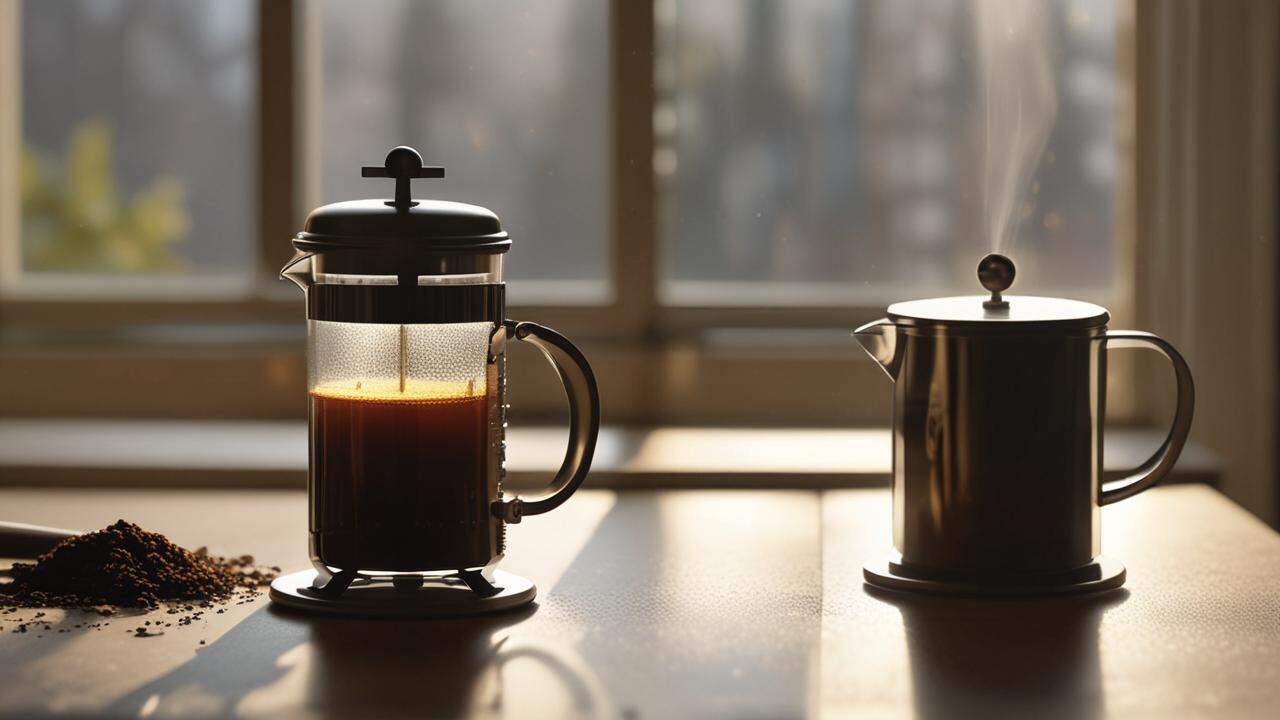
Once your coffee has steeped for the right amount of time, it’s time to press the plunger. This step might seem simple, but your plunger technique can actually affect the clarity and taste of your coffee. Pressing too fast or too hard can stir up fine coffee particles, leading to a muddier cup and potentially over-extraction.
The plunger’s job is to separate the brewed coffee from the grounds. It has a fine mesh filter that catches most of the solids. When you press it down slowly and steadily, you allow the filter to do its job effectively.
This results in a cleaner brew with fewer silts at the bottom of your cup.
A common mistake is to rush this part. People are eager to drink their coffee! However, taking your time here is crucial.
It’s a vital part of the French Press Brewing Time And Plunger Technique Guide that many overlook.
The Slow and Steady Press
First, make sure you have placed the lid on the French press with the plunger pulled all the way up. Then, when your brewing time is complete, gently press down on the plunger knob. You should feel a slight resistance.
If it’s too easy, your grind might be too coarse. If it’s very hard to push, your grind might be too fine, or you might have too much coffee.
Apply steady, even pressure. Imagine you are gently pushing through a thick liquid. You don’t need to use a lot of force.
The weight of your hand should be enough. This steady descent allows the mesh filter to efficiently separate the grounds from the liquid.
Aim for a press that takes about 20 to 30 seconds. This slow, controlled movement is the ideal plunger technique. It minimizes the disturbance of the coffee grounds at the bottom.
This helps prevent bitterness and a gritty texture in your final cup.
Press the plunger slowly and steadily to avoid stirring up fine particles that can muddy the taste.
What to Do If the Plunger is Hard to Press
If you find the plunger is very difficult to push down, don’t force it. This usually means your coffee grounds are too fine. They have created a dense cake at the bottom of the press.
This can also happen if you’ve used too much coffee for the amount of water.
In this situation, you have a few options. You can try to gently lift the plunger back up a little and then press down again. Sometimes this releases a bit of pressure.
If it’s still too hard, it might be best to carefully remove the plunger, stir the grounds slightly to break up the compacted cake, and then try pressing again. Be very careful not to spill hot coffee.
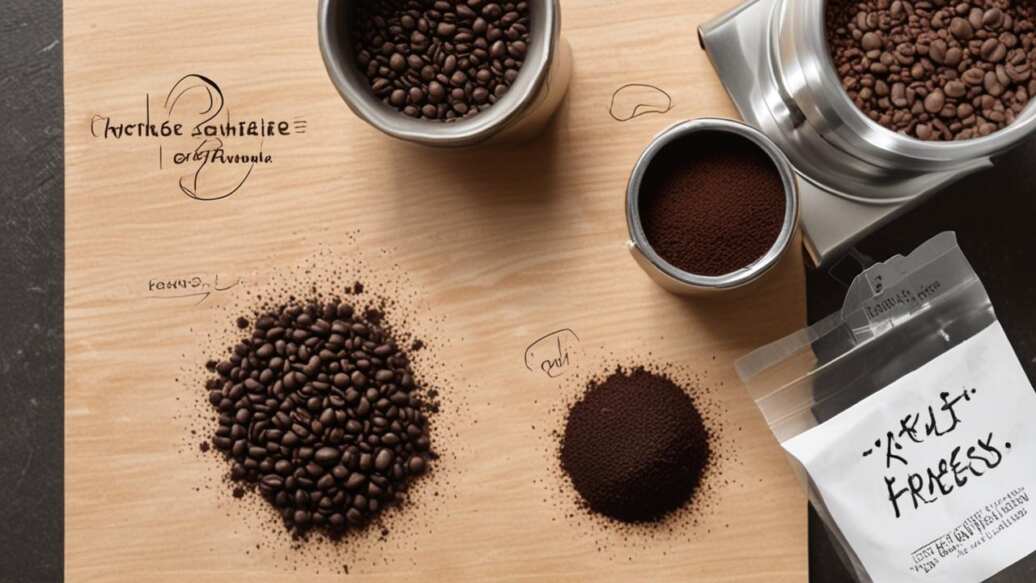
The best way to avoid this is to use the correct grind size. For French press, you want a coarse, even grind. It should look like breadcrumbs or coarse sea salt.
If your grounds are too fine, they will clog the filter and make pressing difficult. This is a key aspect of any good French Press Brewing Time And Plunger Technique Guide.
Avoiding Sediment in Your Cup
Even with the best technique, a few fine coffee particles might make their way into your cup. This is normal for French press coffee. However, excessive sediment usually points to an issue with either the grind size or the plunger technique.
Using a coarse grind is the primary defense against sediment. If your coffee maker has a double-filter system, that helps even more. After pressing, let the coffee sit for about 30 seconds before pouring.
This gives any remaining fine particles a chance to settle to the bottom of the press.
When you pour your coffee, pour slowly and steadily. Try not to agitate the grounds at the bottom. Stop pouring when you see the fine sediment starting to come out of the spout.
This ensures a cleaner, smoother drinking experience. This attention to detail is what separates a good cup from a great one, and it’s a vital part of the French Press Brewing Time And Plunger Technique Guide.
The Role of Water Temperature
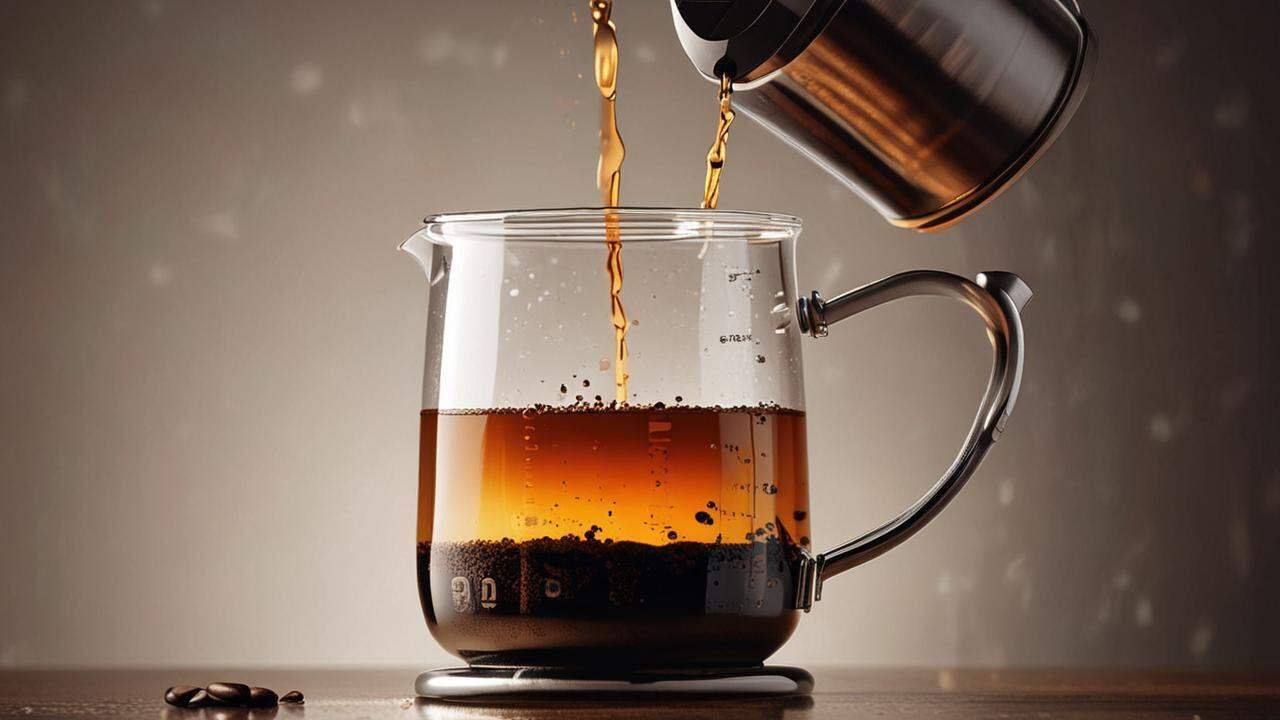
Water temperature is another crucial element that works hand-in-hand with brewing time and plunger technique. The ideal temperature ensures that you extract the flavors efficiently without scorching the coffee grounds. Scorched grounds lead to a burnt, unpleasant taste.
For French press, the optimal water temperature is generally between 195°F and 205°F (90°C to 96°C). This is just off the boil. If you boil water and immediately pour it over your coffee, it’s likely too hot.
Boiling water (212°F or 100°C) is too aggressive. It can scald the coffee grounds, releasing bitter compounds too quickly. This over-extraction can happen even with the correct brewing time and plunger technique.
It’s another piece of the puzzle in the French Press Brewing Time And Plunger Technique Guide.
How to Achieve the Right Temperature
The easiest way to get the right temperature is to let your kettle come to a boil, then let it sit for about 30 to 60 seconds before pouring. This usually brings it into the ideal range.
Water temperature between 195°F and 205°F is the sweet spot—just off the boil—to extract flavors without scorching the grounds.
If you have a variable temperature kettle, you can simply set it to your desired temperature. For most people, this is around 200°F (93°C).
Using a thermometer is the most accurate way to ensure your water is at the perfect temperature. This level of precision can make a noticeable difference in the consistency and quality of your coffee.
Impact of Water Temperature on Extraction
Water temperature directly affects the rate of extraction. Hotter water extracts flavors faster and more efficiently. This is why cooler water needs a longer brewing time, and hotter water needs a shorter one.
At the ideal temperature range (195-205°F), the water is hot enough to dissolve the desirable flavor compounds but not so hot that it aggressively extracts bitter ones. This balance is critical for achieving a smooth, rich, and well-rounded cup of coffee.
If your water is too cool, you will end up with under-extracted coffee that tastes weak and sour. If it’s too hot, you’ll get over-extracted coffee that is bitter and harsh. Getting the temperature right is a vital part of the French Press Brewing Time And Plunger Technique Guide.
Grind Size: The Foundation of Good Brewing
The grind size of your coffee beans is perhaps the most fundamental factor influencing your French press experience. It dictates how quickly water can interact with the coffee, directly affecting your French press brewing time and the final taste. For French press, a coarse grind is almost universally recommended.
Why coarse? Because the French press method involves a longer immersion time. The coffee grounds sit in hot water for several minutes.
A coarse grind means the water can flow through and extract flavors evenly without becoming too bitter. It also makes the plunger press much easier.
If you use a fine grind, like you would for espresso, the coffee will over-extract very quickly. This leads to bitterness. Also, the fine particles will pass through the French press filter, creating a muddy, silty cup.
This is why understanding grind size is a cornerstone of the French Press Brewing Time And Plunger Technique Guide.
Coarse Grind: The French Press Standard
A coarse grind looks like coarse sea salt or breadcrumbs. It’s not powdery at all. When you rub it between your fingers, you should feel distinct, large particles.
Always use a coarse grind for French press to ensure proper extraction during the longer immersion time.
This size allows for proper diffusion of flavor over the 4-minute brewing period.
Using a burr grinder is highly recommended for achieving a consistent coarse grind. Blade grinders tend to produce inconsistent particle sizes, with a mix of fine dust and large chunks. This inconsistency can lead to uneven extraction.
When you get your grind size right, you’ll notice a significant improvement in your coffee. It will be less bitter, less sludgy, and much more enjoyable. This consistency is key to reliable results.
How Grind Size Affects Brewing Time
The finer the coffee grind, the larger the surface area exposed to water. This means faster extraction. A fine grind might only need 1 to 2 minutes of brewing before it becomes over-extracted.
Conversely, a coarse grind has less surface area. It requires more time for the water to penetrate and extract the desirable compounds. This is why the 4-minute brewing time is so commonly associated with French press.
It’s the ideal duration for a coarse grind to achieve optimal extraction.
If you experiment with different grind sizes, you’ll need to adjust your brewing time accordingly. For example, if you accidentally use a medium grind, you might want to reduce your brewing time to 3 minutes to avoid bitterness. This interplay between grind and time is central to the French Press Brewing Time And Plunger Technique Guide.
Putting It All Together: A Step-by-Step Guide
Now that we’ve covered the key elements, let’s walk through the process of making a perfect cup of French press coffee. This step-by-step approach integrates brewing time, plunger technique, water temperature, and grind size for a delicious result.
For a standard 8-cup press, use 55-60 grams of coarse coffee to achieve the ideal strength and balance.
- Prepare Your Coffee: Start with fresh, whole coffee beans. Grind them to a coarse consistency just before brewing. For a standard 8-cup French press (about 1 liter), use about 55-60 grams of coffee (roughly 8-10 tablespoons).
- Heat Your Water: Heat fresh, filtered water to just off the boil, aiming for 195°F to 205°F (90°C to 96°C). Let it sit for 30-60 seconds after boiling.
- Bloom the Coffee: Add the coarse coffee grounds to your French press. Pour just enough hot water to saturate the grounds. Let it sit for 30 seconds. This is called blooming, and it releases carbon dioxide, preparing the grounds for better extraction.
- Add Remaining Water: Gently pour the rest of the hot water over the grounds. Make sure all grounds are submerged. Place the lid on top, but do not press the plunger down yet.
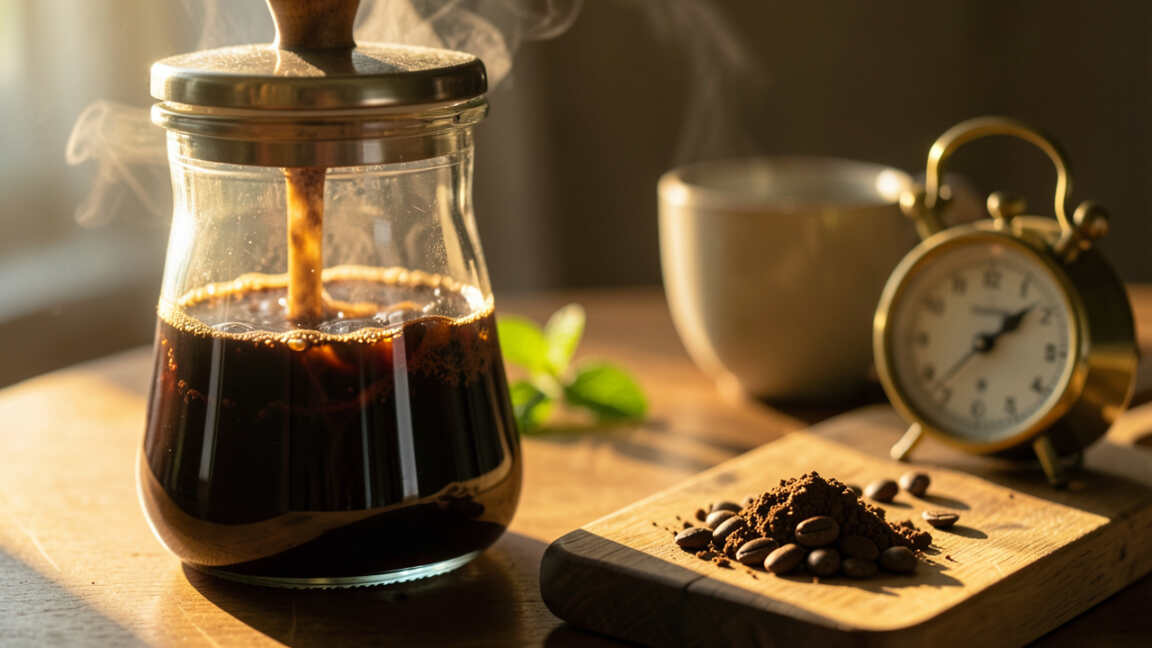
- Steep for 4 Minutes: Start your timer. Let the coffee steep for 4 minutes. This is the crucial French press brewing time. Adjust slightly based on your roast level and preference.
- Press the Plunger: Once the 4 minutes are up, slowly and steadily press the plunger down. Use even pressure. This is your perfected plunger technique.
- Serve Immediately: Pour the coffee into your mug right away. Don’t let it sit in the French press with the grounds, as it will continue to extract and can become bitter.
Following these steps ensures you get the most out of your coffee beans. It’s the culmination of all the knowledge from this French Press Brewing Time And Plunger Technique Guide.
Frequently Asked Questions
What is the best French press brewing time?
For most coffees, a French press brewing time of 4 minutes is ideal. You can adjust this slightly based on the roast level of your beans, with lighter roasts sometimes benefiting from a bit longer and darker roasts from a bit less.
How do I know if my grind size is correct for French press?
The correct grind size for French press is coarse, resembling coarse sea salt or breadcrumbs. It should not feel powdery. A coarse grind is essential for proper extraction and an easy plunger technique.
What happens if I press the French press plunger too fast?
Pressing the plunger too fast can stir up fine coffee particles, leading to a muddy cup and potential over-extraction. A slow, steady press is the recommended plunger technique for a cleaner brew.
Can I leave coffee in the French press after plunging?
It’s best to pour all the coffee out of the French press immediately after plunging. Leaving it in contact with the grounds will cause it to continue extracting and can result in a bitter taste.
Does water temperature really matter for French press?
Yes, water temperature is very important. Aim for 195°F to 205°F (90°C to 96°C), just off the boil. Water that is too hot can scorch the grounds, leading to bitterness, while water that is too cool will result in under-extraction.
Final Thoughts
Mastering your French Press Brewing Time And Plunger Technique Guide is simpler than you think. By paying attention to brewing time, water temperature, grind size, and a gentle plunger press, you can consistently enjoy a rich, flavorful cup of coffee. Experiment a little to find what tastes best to you and savor that perfect brew.