Cold Brew Steeping Time: 12, 18, Or 24 Hours Compared
At a Glance Cold brew steeping time between 12, 18, and 24 hours produces distinctly different flavor profiles: 12 hours yields a lighter, milder brew with higher acidity, 18 hours offers a balanced s…
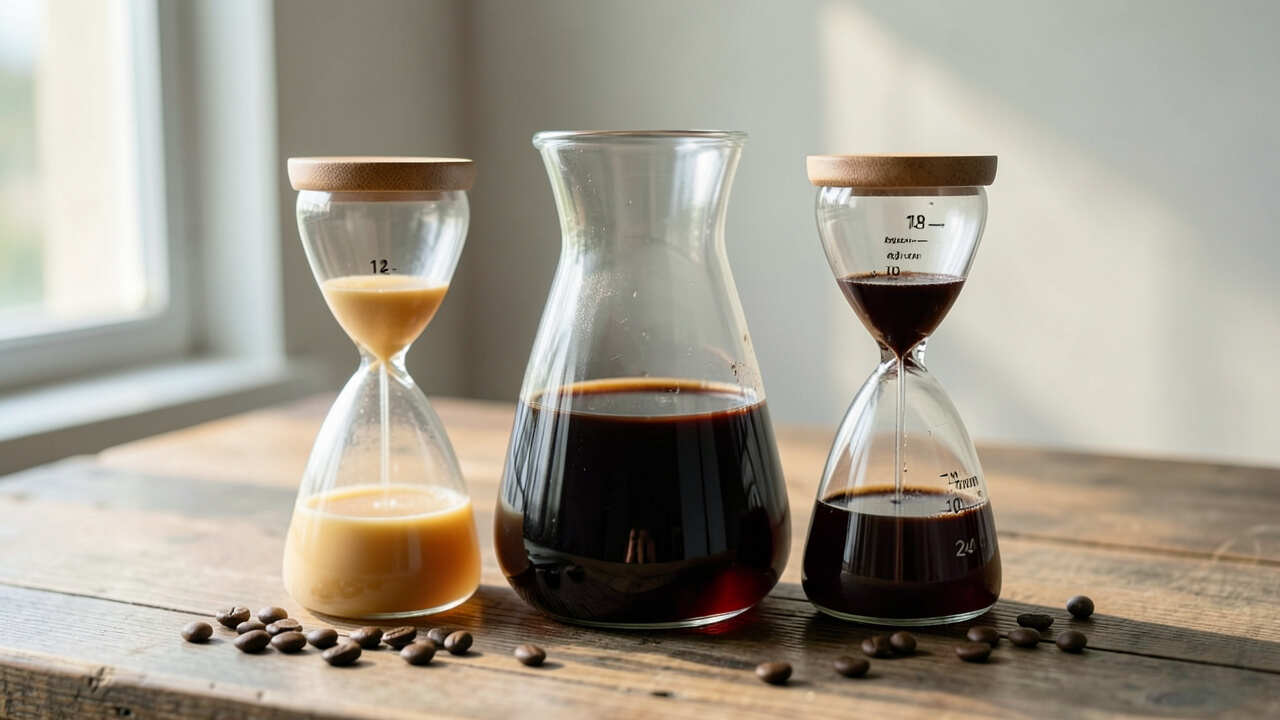
Cold brew steeping time between 12, 18, and 24 hours produces distinctly different flavor profiles: 12 hours yields a lighter, milder brew with higher acidity, 18 hours offers a balanced smoothness and sweetness, and 24 hours extracts a bold, intense concentrate with low acidity. The optimal duration depends on the coffee bean type, roast level, grind size, and coffee-to-water ratio, with the 18-hour mark providing the most versatile and commonly preferred balance for most drinkers. Adjusting steeping time gives precise control over extraction strength and taste, allowing a customized cold brew result tailored to personal preference.
Making great cold brew at home can be really simple. You just need coffee and water. But how long should you let it sit?
This is where things can get a little tricky. Getting the Cold Brew Steeping Time: 12, 18, Or 24 Hours Compared right makes a big difference. It affects how strong and smooth your coffee tastes.
We’ll look at how different times change your brew so you can pick the perfect one for you. You’ll learn what to expect from each steeping duration and how to get the best flavor out of your coffee grounds.
Key Takeaways
- You’ll learn how steeping time directly impacts the strength and flavor profile of your cold brew.
- Discover the subtle differences in taste and acidity between 12, 18, and 24-hour cold brew steeps.
- Understand how different coffee bean types might perform best with specific steeping durations.
- Gain insights into achieving the perfect balance of coffee and water for each steeping period.
- Learn how to adjust your cold brew process to get your desired taste and texture.
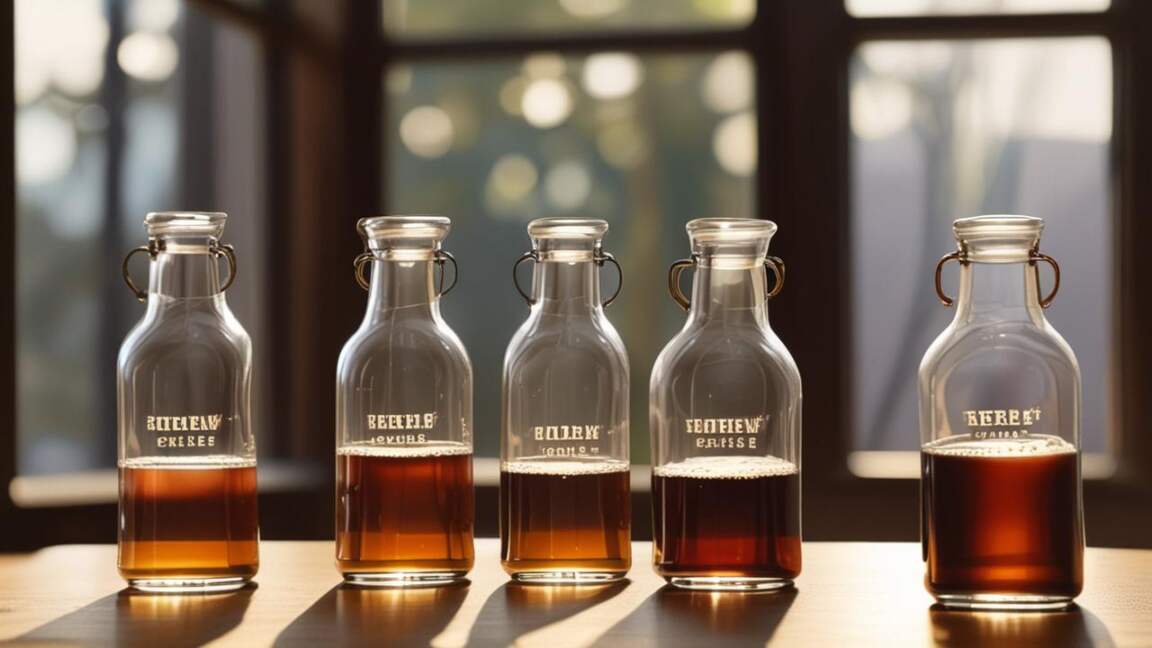
Finding Your Perfect Cold Brew Flavor
Cold brew coffee is loved for its smooth, low-acid taste. It’s made by steeping coffee grounds in cold water for a long time. This process is very different from hot brewing.
Hot water extracts flavors quickly but can also pull out bitter compounds. Cold water works much more slowly. This slow extraction gives cold brew its signature mellow flavor.
The exact time you let the coffee steep is super important. It’s the main thing that changes how your final drink tastes. Understanding the Cold Brew Steeping Time: 12, 18, Or 24 Hours Compared helps you make coffee exactly how you like it.
Adjust your steeping time to tailor the flavor—shorter times produce a milder, less bitter brew, while longer times unlock deeper richness.
Many people wonder about the best steeping time. Is there a magic number? Not really, but there are clear differences.
Shorter times give you a lighter, brighter coffee. Longer times give you a richer, more intense flavor. It’s about finding the sweet spot for your taste buds.
This guide will help you figure out which steeping time works best for you. We’ll break down what happens during each brewing period.
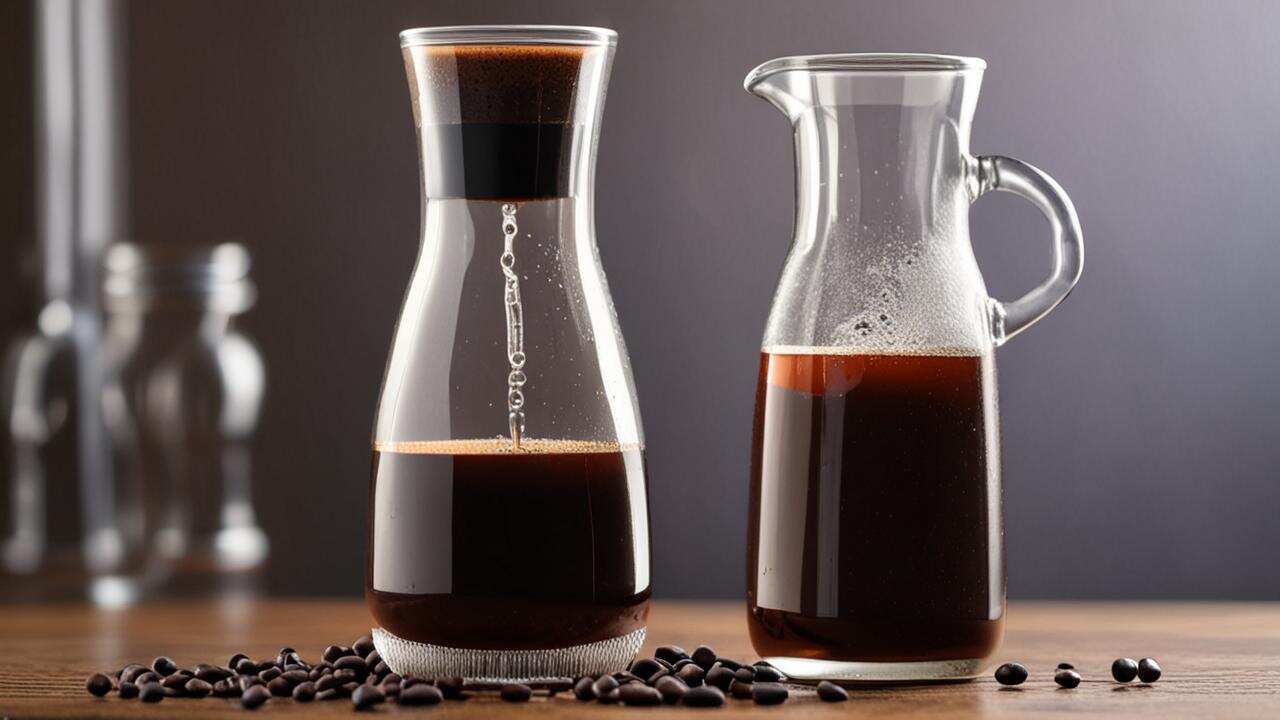
The 12-Hour Cold Brew Experience
Starting with a 12-hour steep is a good way to begin. It’s one of the shorter times you can use for cold brew. This method is great if you’re in a bit of a hurry or prefer a lighter coffee taste.
A 12-hour steep will give you a less intense flavor than longer methods. You’ll get a clean, bright cup. It’s often less bitter.
This time is also good for lighter roast coffees. They can sometimes become too strong or bitter with very long steeps.
The coffee grounds have enough time to release some of their flavor. However, they don’t extract all the deeper notes. Think of it as a quick dip.
A 12-hour steep is a great starting point, offering a clean, bright cup with noticeably lighter flavor—perfect for beginners.
You get the refreshing parts of the coffee. The acids are still present but less so than hot coffee. This makes it easy on your stomach.
It’s a great starting point for many coffee lovers. The difference in flavor compared to longer steeps is noticeable. You get a coffee that’s easy to drink straight or with a little milk.
When you choose a 12-hour steep, you get a coffee that’s ready sooner. This is a big plus for busy mornings. You can start your brew the night before and have it ready by lunchtime.
The flavor will be noticeable lighter. It won’t have the deep, syrupy body that longer steeps can offer. But for many, this is exactly what they want.
It’s a refreshing coffee drink.
Exploring the 18-Hour Cold Brew Sweet Spot
An 18-hour steep is often considered the sweet spot for cold brew. This time allows for a more complete extraction of flavors. You’ll notice a richer taste.
The coffee will be smoother and have more body than a 12-hour brew. This duration is a popular choice because it balances strength and smoothness well. It’s a great middle ground for most people.
With 18 hours of steeping, the coffee grounds have more time to work. They release more of the oils and soluble solids. This results in a more complex flavor profile.
You might taste chocolatey notes or nutty undertones. The acidity is further reduced. This makes the coffee very easy to drink.
Eighteen hours of steeping unlocks a harmonious balance of rich flavor and silky texture—the sweet spot for most palates.
It’s less likely to cause stomach upset. Many find this time perfect for medium to dark roast beans.
The difference between 12 and 18 hours is significant. The 18-hour brew will feel fuller in your mouth. It will have a deeper aroma.
It’s a step up in richness and intensity. This is the time many cafes use for their cold brew. It offers a great balance.
It’s a robust coffee that still remains incredibly smooth. The Cold Brew Steeping Time: 12, 18, Or 24 Hours Compared really shows its value here. You get a more developed coffee flavor.
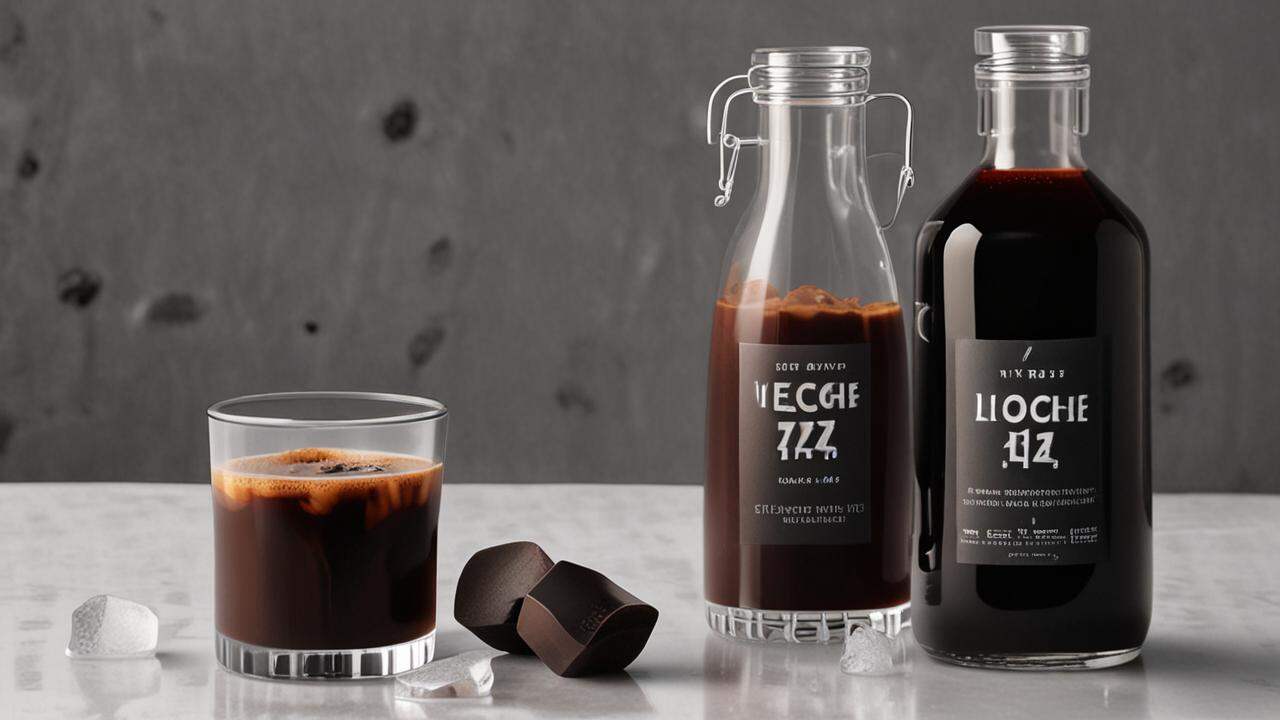
The 24-Hour Cold Brew: Deep Flavors
Steeping for 24 hours takes cold brew to another level. This is the longest duration we’re comparing. It allows for maximum extraction from the coffee grounds.
You’ll get a very rich, bold, and intense coffee. Some people love this deeply concentrated flavor. It can be almost syrupy.
This is a great option if you like your coffee strong.
However, there’s a catch with very long steeps. If you steep for too long, or use too much coffee, you can over-extract. Over-extraction can lead to bitter flavors.
To prevent over-extraction and bitterness, use a coarser grind and a conservative coffee-to-water ratio when steeping for 24 hours.
It can also make the coffee taste a bit muddy. This is especially true if you don’t use good quality beans. For a 24-hour steep, it’s important to use the right coffee-to-water ratio.
You might also want to use a coarser grind. This helps prevent over-extraction.
The flavor profile of a 24-hour cold brew is very deep. It has a full body and a lingering finish. It’s a coffee that can stand up to a lot of additions like milk or cream.
Some people even dilute it with water to make it more drinkable. The Cold Brew Steeping Time: 12, 18, Or 24 Hours Compared shows that 24 hours offers the most intense experience. It’s for those who want the deepest possible coffee flavor.
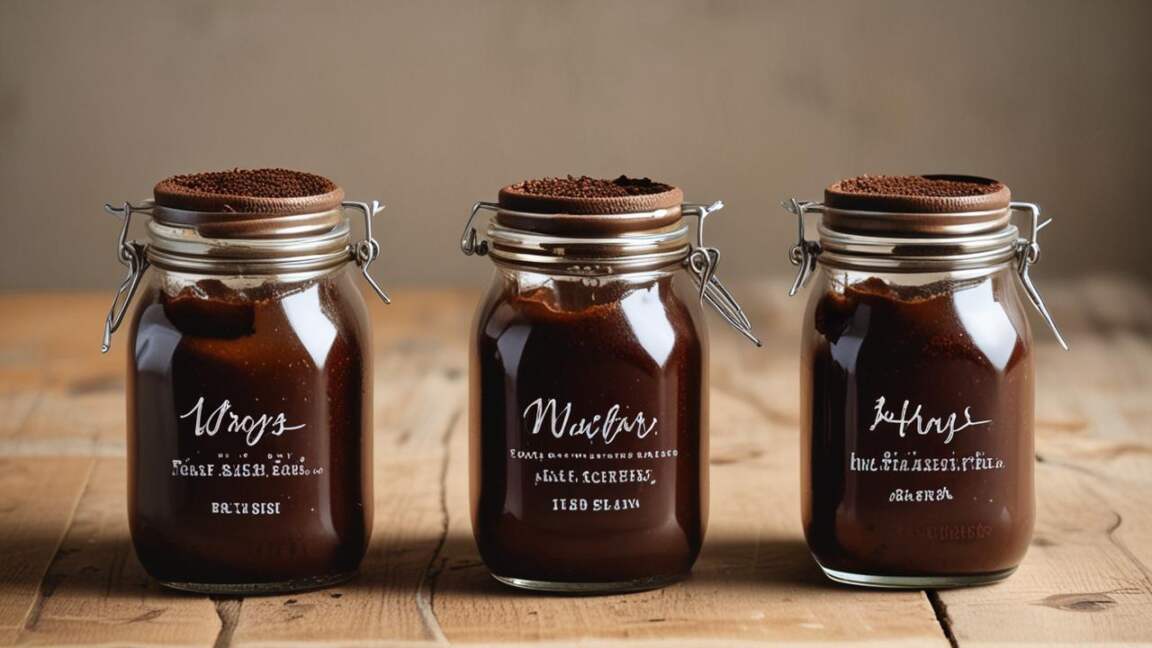
Comparing the Steeping Times
To really see the differences, let’s put it side-by-side. The Cold Brew Steeping Time: 12, 18, Or 24 Hours Compared highlights how time affects the outcome. Each duration offers a unique taste.
Your personal preference is the key to choosing the best one.
A common mistake is assuming longer steeping always yields better flavor—over-extraction can produce bitter notes, so always let your personal taste guide you.
As you can see, each steeping time has its own advantages. The 12-hour option is quick and refreshing. The 18-hour option provides a great balance of flavor and smoothness.
The 24-hour option delivers the most intense coffee experience. Deciding between them depends on what you like in your coffee.
Factors That Influence Your Cold Brew Steeping Time
While we’re comparing 12, 18, and 24 hours, other things matter too. The Cold Brew Steeping Time: 12, 18, Or 24 Hours Compared isn’t the only factor. The type of coffee beans you use is very important.
Also, how finely you grind your coffee makes a difference. The ratio of coffee to water also plays a big role. Let’s look at these.
Coffee Bean Type and Roast Level
Different beans react differently to the cold brew process. Light roasts tend to have brighter, more acidic notes. Dark roasts have deeper, more chocolatey or smoky flavors.
For a 12-hour steep, a light roast might work well. It will give you a bright, less bitter cup. For longer steeps like 18 or 24 hours, medium to dark roasts often shine.
Their deeper flavors can come out more fully without becoming too bitter. However, some people enjoy the intense fruitiness of a light roast with a longer steep. It’s all about experimentation.
Grind Size Matters
The grind size of your coffee beans is crucial. For cold brew, a coarse grind is generally recommended. This is like coarse sea salt.
A coarse grind allows for slow extraction. It also makes it much easier to filter out the grounds later. If you use a fine grind, like for espresso, you risk over-extraction.
The coffee will extract too quickly. This can lead to a bitter, muddy taste. It also makes filtering a nightmare.
Coffee bean origin and grind size significantly affect extraction—light roasts often shine with shorter steeps, while dark roasts can withstand longer durations.
You’ll end up with sludge in your cold brew. So, First, make sure your grind is coarse.
A coarser grind is especially important for longer steeping times like 18 or 24 hours. It helps control the extraction rate. This prevents the coffee from becoming too strong or bitter.
If you’re using a pre-ground coffee, check the label. It should say “coarse” or “French press” grind. If you grind your own beans, set your grinder to its coarsest setting.
The Coffee-to-Water Ratio
The ratio of coffee to water is fundamental to cold brew. A common starting point is a 1:4 ratio for a concentrate. This means 1 part coffee to 4 parts water.
You can use this ratio for any steeping time. If you want a less intense brew, you can use more water. A 1:8 ratio is for a ready-to-drink cold brew.
You can adjust this ratio based on your preferred strength. Remember that longer steeping times can extract more flavor, so you might need to adjust your ratio accordingly.
For example, if you’re aiming for a 24-hour steep, you might start with a 1:4 ratio. You can then dilute it with water or milk later. If you find it too strong, use a 1:5 or 1:6 ratio for your next batch.
The Cold Brew Steeping Time: 12, 18, Or 24 Hours Compared is best understood when you also consider your coffee ratio. A good ratio ensures you get the best flavor from your chosen steep time.
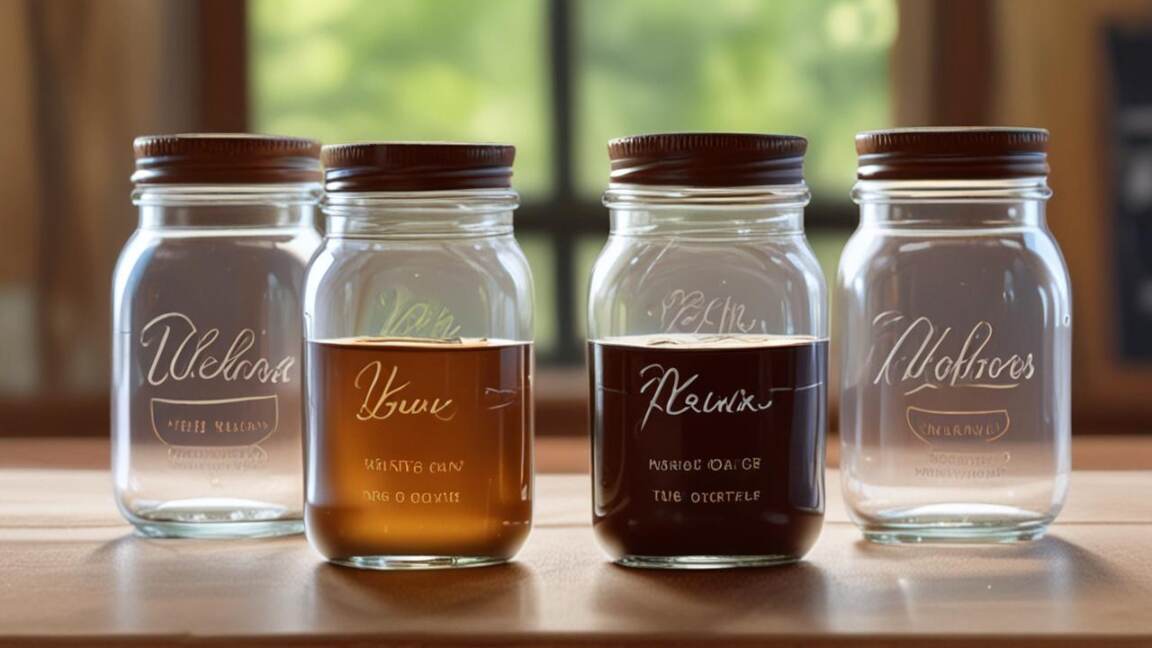
How to Brew Cold Brew at Home
Making cold brew at home is straightforward. You don’t need fancy equipment. Here’s a simple method:
The foundation of excellent cold brew lies in a coarse grind—it ensures proper extraction without bitterness.
- Grind your coffee: Use a coarse grind. For a 1:4 concentrate, use about 1 cup of coffee grounds for every 4 cups of water.
- Combine coffee and water: Place the grounds in a large jar, pitcher, or French press. Pour the cold, filtered water over the grounds.
- Stir gently: Make sure all the grounds are wet. Stir gently to ensure even saturation.
- Steep: Cover the container. Let it steep at room temperature or in the refrigerator for your chosen time (12, 18, or 24 hours).
- Filter: This is an important step. If using a jar, pour the mixture through a fine-mesh sieve lined with cheesecloth or a coffee filter. If using a French press, slowly press the plunger down.
- Dilute and serve: The resulting liquid is a cold brew concentrate. Dilute it with water or milk to your liking. Add ice and enjoy.
Experiment with the Cold Brew Steeping Time: 12, 18, Or 24 Hours Compared to find your favorite. You might want to try 12 hours one week, and 18 hours the next. This hands-on approach is the best way to discover what you prefer.
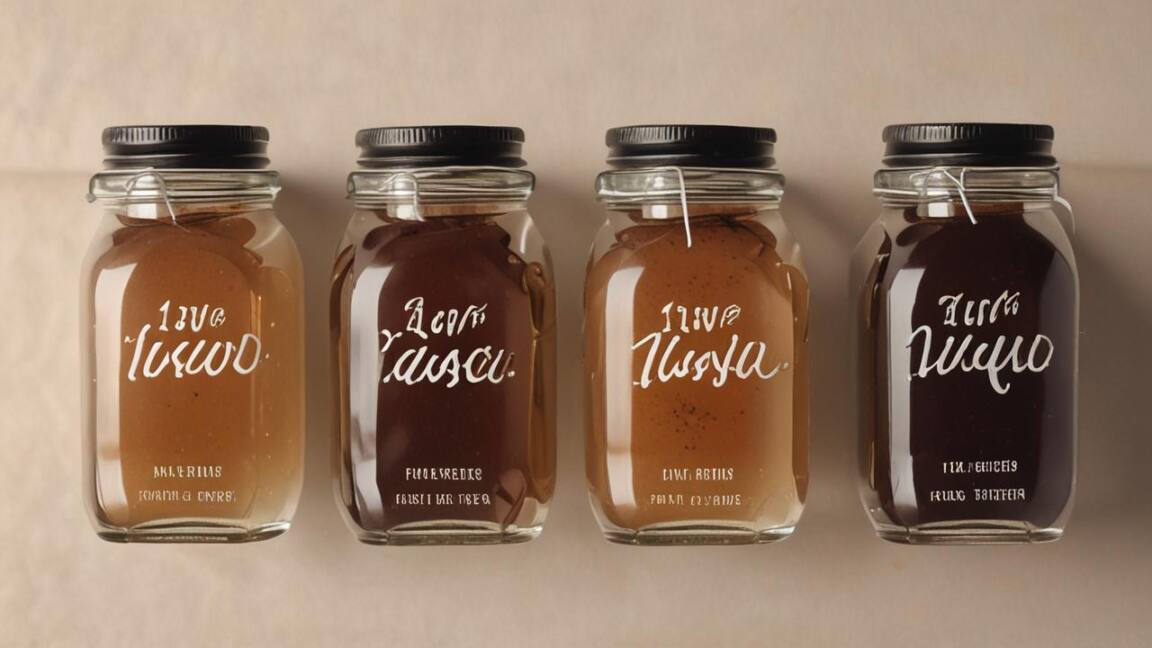
Tips for Perfecting Your Cold Brew
To get the best results every time, keep these tips in mind. They will help you make consistently delicious cold brew, no matter your chosen steep time. Good preparation leads to great coffee.
Always use freshly roasted, whole bean coffee for the most flavorful cold brew; pre-ground coffee loses essential oils over time.
- Use filtered water: Good water makes good coffee. Tap water can have flavors that affect your cold brew.
- Start with quality beans: Freshly roasted, whole bean coffee will always taste better.
- Store your concentrate properly: Cold brew concentrate can last in the refrigerator for up to two weeks. Keep it in an airtight container.
- Clean your equipment: Make sure your jars, filters, and presses are clean. Old coffee oils can go rancid and affect the taste.
- Adjust to your taste: The best steeping time is the one you like the most. Don’t be afraid to try slightly longer or shorter times.
The Cold Brew Steeping Time: 12, 18, Or 24 Hours Compared is a guide, not a strict rule. Your personal preference is what matters most. Enjoy the process of finding your perfect cup.
Frequently Asked Questions
What is the main difference between 12 and 24-hour cold brew?
A 12-hour cold brew is lighter and brighter, while a 24-hour cold brew is much richer, bolder, and more intense in flavor. The longer steep extracts more coffee solids.
Can I use any coffee beans for cold brew?
Yes, you can use most coffee beans. However, lighter roasts might taste best with shorter steeps, and darker roasts with longer steeps, to avoid bitterness.
Will a 24-hour cold brew be too bitter?
It can be if over-extracted. Using a coarse grind, the right coffee-to-water ratio, and good quality beans helps prevent bitterness with a 24-hour steep.
How do I know if my cold brew is ready?
The best way is to taste it! For the Cold Brew Steeping Time: 12, 18, Or 24 Hours Compared, taste a small sample after the minimum time. If it’s not strong enough, let it steep longer.
Should I steep cold brew in the fridge or at room temperature?
Both methods work. Steeping at room temperature is usually faster and extracts more flavor. Steeping in the fridge is slower and results in a milder, cleaner taste.
How do I dilute cold brew concentrate?
Start with a 1:1 ratio of concentrate to water or milk. Adjust to your preference. You can always add more liquid if it’s too strong.
Final Thoughts
Choosing the right steeping time for your cold brew is key. Whether you pick 12, 18, or 24 hours, each offers a unique flavor. Experiment to find your perfect balance of strength and smoothness.
Enjoy your delicious homemade cold brew!