Cold Brew Coffee Ratios For Concentrate Vs Ready-To-Drink
At a Glance Cold brew coffee ratios for concentrate typically use a 1:3 to 1:4 coffee-to-water ratio by weight, while ready-to-drink cold brew uses a milder 1:8 to 1:10 ratio for immediate consumption…
Cold brew coffee ratios for concentrate typically use a 1:3 to 1:4 coffee-to-water ratio by weight, while ready-to-drink cold brew uses a milder 1:8 to 1:10 ratio for immediate consumption. The concentrate is designed to be diluted with water or milk, giving the drinker control over final strength and flavor. Understanding these ratios ensures consistently smooth, non-bitter cold brew coffee tailored to personal taste preferences.
Making great cold brew coffee at home is simpler than you think, and getting the right mix is key to enjoying it. You might be wondering about the difference between making a strong concentrate and a ready-to-drink batch. Knowing the right Cold Brew Coffee Ratios For Concentrate Vs Ready-To-Drink matters because it directly affects the taste, strength, and how you’ll serve your coffee.
Getting this right means you can enjoy a smooth, delicious cup every time, saving money and getting your perfect coffee fix without the guesswork.
Key Takeaways
- Understanding cold brew coffee ratios helps you control the strength and flavor of your coffee.
- Making a cold brew concentrate requires a higher coffee-to-water ratio for a strong base.
- A ready-to-drink cold brew ratio uses less coffee, creating a milder beverage meant for immediate enjoyment.
- The best ratios depend on your personal taste preferences and the brewing method used.
- Diluting concentrate is essential to achieve the desired strength for a ready-to-drink experience.
Why Cold Brew Coffee Ratios Matter So Much
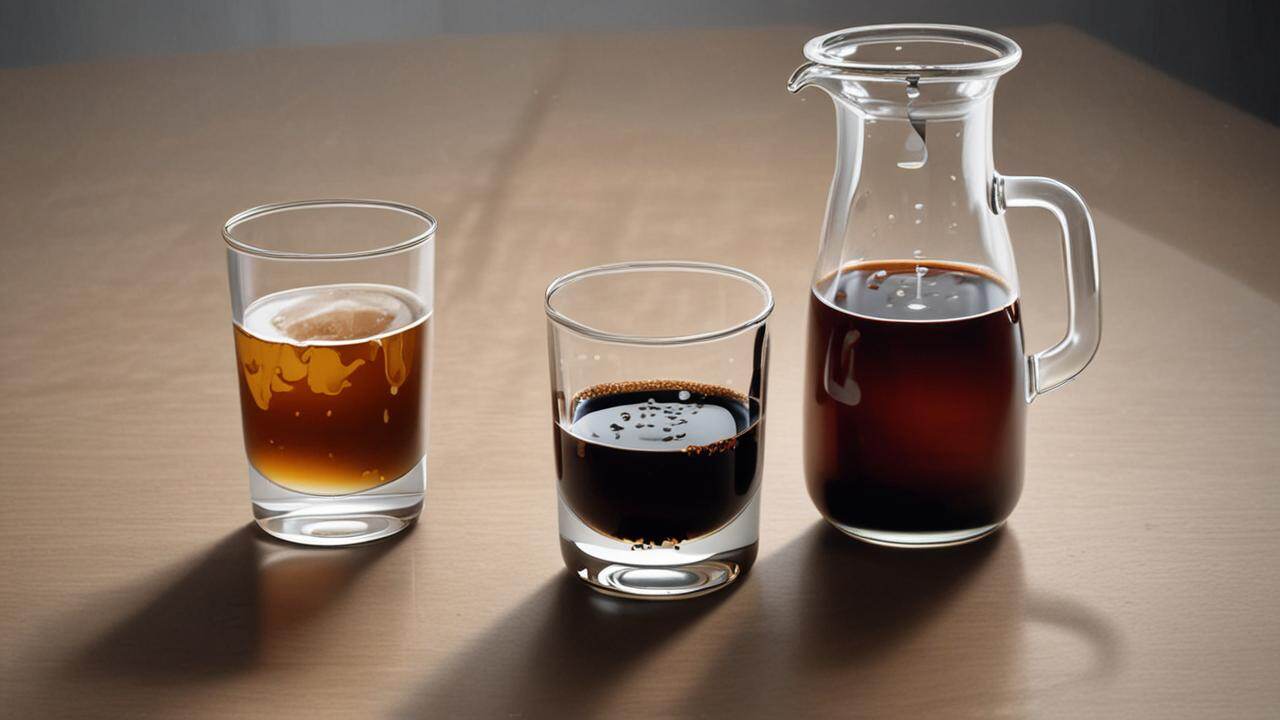
The magic of cold brew coffee lies in its smooth, low-acid taste. This comes from brewing coffee with cold water over a long period. But the real secret to getting that perfect cup every time is mastering your cold brew coffee ratios for concentrate vs ready-to-drink.
It’s not just about throwing coffee and water together. The amount of coffee grounds you use compared to the water makes a huge difference in how strong, flavorful, and enjoyable your brew turns out.
Cold brew concentrate brewed at a 1:4 ratio can be stored in the refrigerator for up to two weeks, providing a ready-to-dilute base for quick morning coffee.
A 1:5 coffee-to-water ratio by weight is a reliable starting point for a balanced concentrate that extracts maximum flavor without bitterness.
Getting the ratio right means you get consistent results. You won’t end up with coffee that’s too weak or so strong it makes your teeth hurt. It helps you make the most of your coffee beans, too.
Using the correct proportions ensures you extract the best flavors without bitterness. This knowledge is your first step to brewing delicious cold brew that rivals your favorite coffee shop.
Defining Cold Brew Concentrate
A cold brew concentrate is like a super-strong coffee base. Think of it as the pure essence of coffee, made by using a lot more coffee grounds than water. This creates a very potent liquid.
It’s not meant to be drunk straight from the jar. Instead, it’s designed to be diluted later with water, milk, or ice.
Ready-to-drink cold brew eliminates the dilution step, making it ideal for immediate consumption with a lighter, smoother taste than diluted concentrate.
The primary goal of making a concentrate is to maximize the extraction of coffee flavor and caffeine. Because it’s so strong, it has a longer shelf life when stored properly. This makes it a great option for busy mornings.
You can make a big batch of concentrate and have perfectly brewed coffee ready for days, just by adding your favorite liquid. Kitchentoolslab
Defining Ready-to-Drink Cold Brew
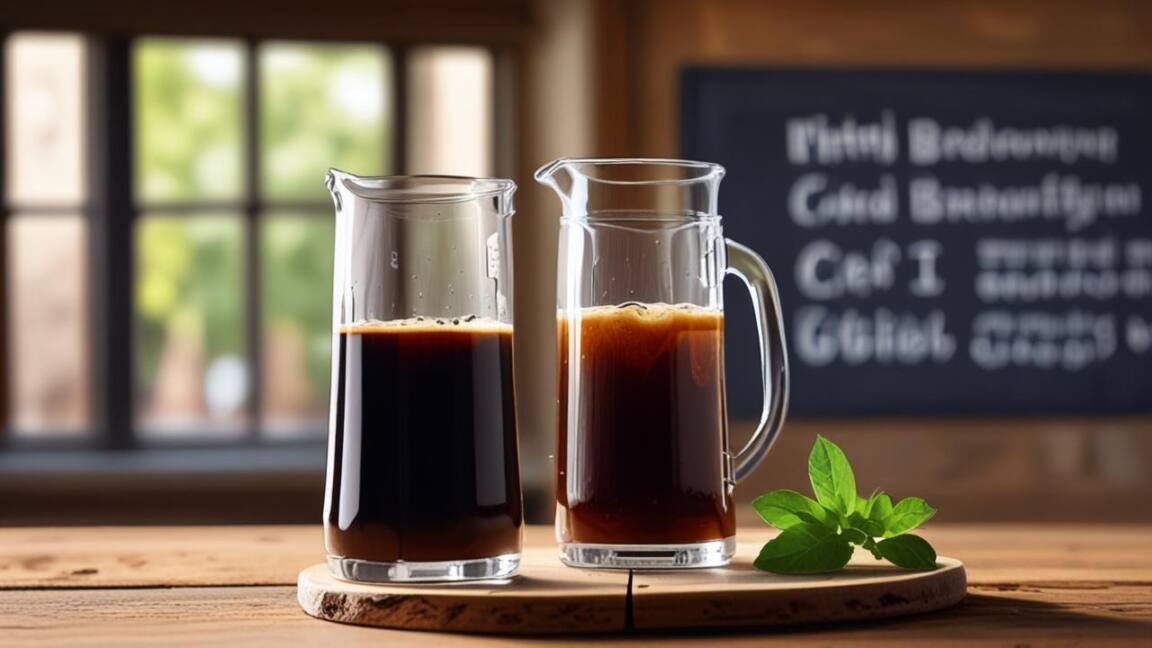
Ready-to-drink cold brew is exactly what it sounds like: coffee that’s brewed to be enjoyed immediately. The cold brew coffee ratios for concentrate vs ready-to-drink are different here. You use a much lower ratio of coffee grounds to water.
This means the coffee is already at a drinkable strength, similar to a regular iced coffee. There’s no need for further dilution.
For a ready-to-drink cold brew, use a ratio of 1:15 to 1:18 by weight to achieve a drinkable strength without needing further dilution.
This method is simpler if you plan to drink your cold brew right away or within a day or two. You brew it, chill it, and pour. It’s perfect for those who prefer a less intense coffee flavor or want a quicker brewing process without the extra step of diluting concentrate.
The taste is often lighter and less rich than a diluted concentrate.
Understanding Cold Brew Coffee Ratios For Concentrate Vs Ready-To-Drink
The core difference in Cold Brew Coffee Ratios For Concentrate Vs Ready-To-Drink comes down to the amount of coffee you use per unit of water. For concentrate, you typically use a ratio of 1:4 to 1:8 (coffee to water by weight or volume). This means for every 1 gram of coffee, you use 4 to 8 grams of water.
This high coffee-to-water ratio pulls out a lot of flavor and caffeine.
Avoid using a ratio stronger than 1:4 for concentrate, as it can over-extract and produce a bitter, overly caffeinated base that is difficult to balance.
On the other hand, a ready-to-drink ratio is much lower, often around 1:15 to 1:18. Here, for every 1 gram of coffee, you use 15 to 18 grams of water. This results in a smoother, less intense brew that’s perfect for drinking as is.
The choice between these two depends on how you like your coffee and how you plan to use it.
Achieving the Perfect Cold Brew Concentrate Ratio
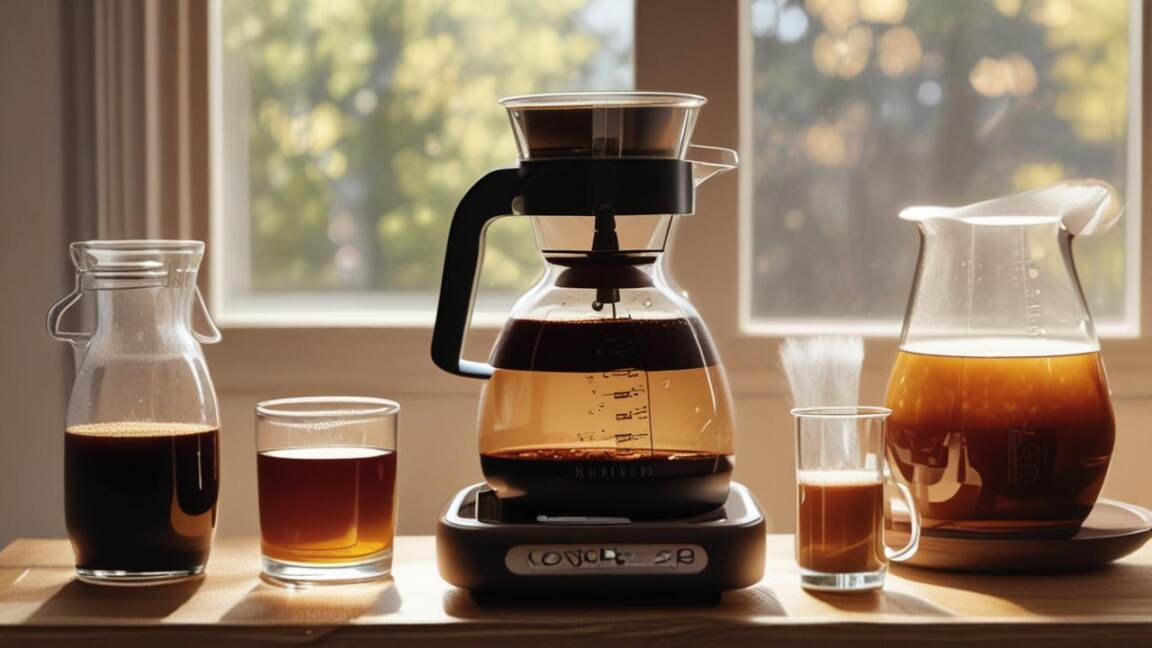
To make a true cold brew concentrate, you need to pack in a lot of coffee. A common starting point is a 1:5 ratio by weight. This means if you use 100 grams of coffee beans, you’ll use 500 grams (or milliliters) of water.
Some people go even stronger, using 1:4, especially if they want a really robust base.
Using a scale is the best way to ensure accuracy. Grind your coffee beans coarsely. Add the grounds to your brewing vessel, then pour the measured cold water over them.
Make sure all the grounds are saturated. Let it steep for 12 to 24 hours. The longer it steeps, the stronger and more flavorful it will become.
Steeping ready-to-drink cold brew for 18 to 24 hours at a 1:15 ratio yields a smooth, full-bodied flavor without the need for post-brew adjustment.
After steeping, filter out the grounds thoroughly.
Factors Influencing Concentrate Ratios
Your personal preference plays a big role in deciding the exact cold brew coffee ratios for concentrate vs ready-to-drink. If you find a 1:5 concentrate too strong, try 1:6 or 1:7 next time. If it’s not strong enough, you can try 1:4.
The type of coffee bean and its roast level also matter. Darker roasts can be more bitter, so you might use a slightly weaker ratio. Lighter roasts might need a bit more coffee to bring out their full flavor.
Experimentation is key to finding your ideal ratio.
Crafting Your Ideal Ready-to-Drink Cold Brew
Brewing ready-to-drink cold brew is more straightforward for immediate consumption. A good starting ratio is 1:15 by weight. So, for 100 grams of coffee, you would use 1500 grams (or milliliters) of water.
This ratio gives you a balanced, smooth coffee that’s ready to go.
The brewing process is the same as for concentrate: coarse grind, cold water, long steep time (12-24 hours), and thorough filtering. The main difference is simply the amount of coffee used relative to the water. This results in a less intense flavor profile, perfect for those who don’t want a super-strong coffee.
The beauty of concentrate is its versatility: a simple 1:1 dilution with water or milk can be adjusted to suit any taste preference.
Adjusting Ready-to-Drink Ratios
If your 1:15 brew tastes too weak, try increasing the coffee amount slightly, perhaps to a 1:14 or 1:13 ratio. If it’s too strong for your liking, use less coffee, moving towards a 1:16 or 1:17 ratio. Remember, the goal here is a pleasant, drinkable coffee without needing to add much else.
Consider the grind size too. A finer grind might extract more flavor, so if you’re using a slightly coarser grind, you might need a bit more coffee to achieve the same strength. The steeping time also impacts the final result.
Shorter times yield a lighter brew, while longer times can increase strength and flavor.
Dilution: The Key to Enjoying Cold Brew Concentrate
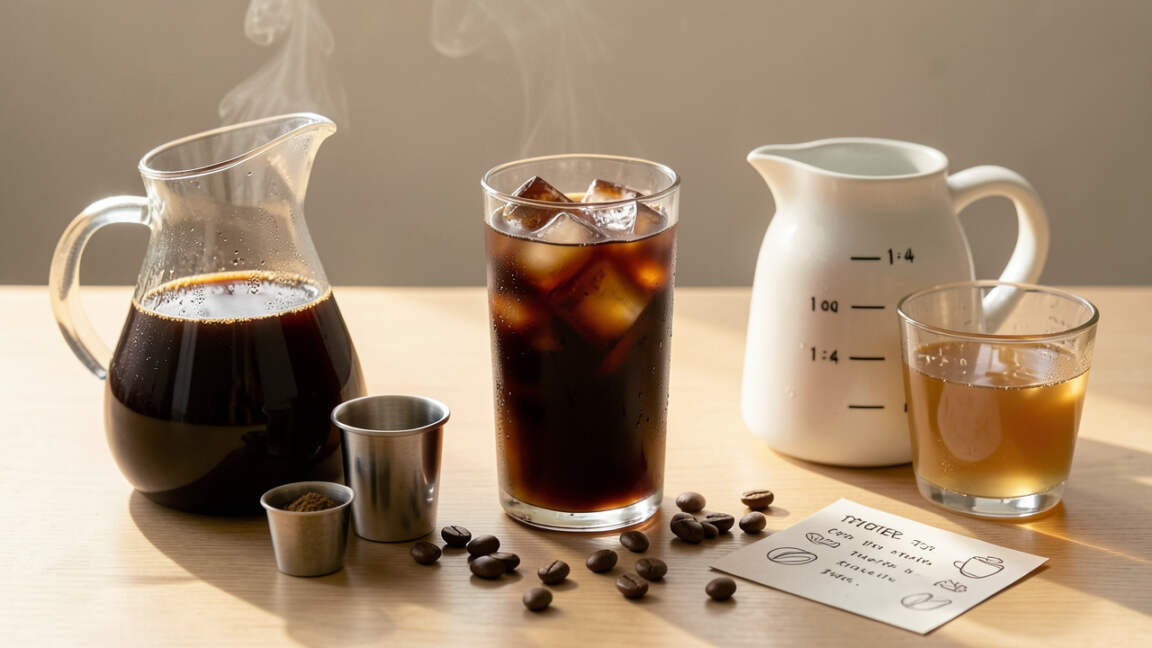
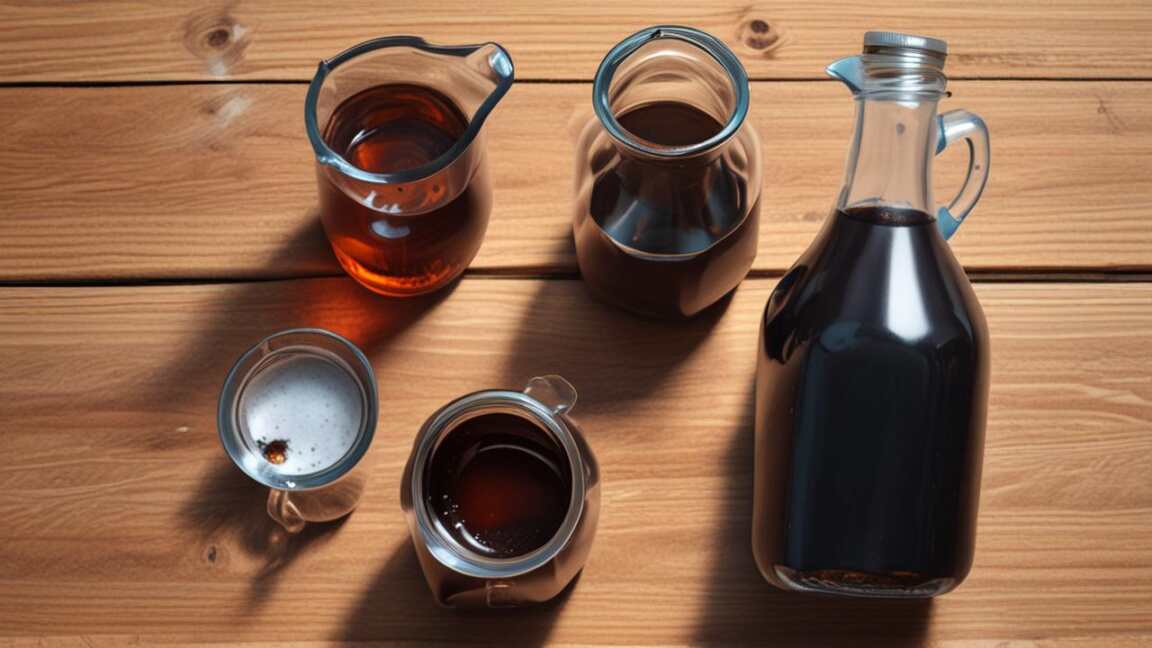
Once you have your cold brew concentrate, the next crucial step is diluting it. This is where you turn that super-strong base into a delicious drink. The most common way to serve concentrate is by mixing it with water or milk.
A good starting point for dilution is a 1:1 ratio.
This means for every part of concentrate, you add one part of your chosen liquid. So, if you have 4 ounces of concentrate, you’d add 4 ounces of cold water or milk. Pour it over ice for the best experience.
This dilutes the coffee to a strength that’s enjoyable and balanced.
Always use a coarse grind for cold brew to ensure proper extraction and easy filtering, avoiding the sludge and bitterness caused by fine grinds.
Experimenting with Dilution Ratios
The 1:1 dilution ratio is just a suggestion. Many people find they prefer their cold brew stronger or weaker. If you like your coffee a bit more mellow, try a 1:2 ratio (one part concentrate to two parts water or milk).
If you want it still quite potent, you might stick to 1:1 or even slightly less water.
The type of milk you use also affects the final taste. Dairy milk adds richness, while plant-based milks like almond or oat milk can add their own subtle flavors. Don’t be afraid to play around with different liquids and ratios until you find what tastes best to you.
This flexibility is a major benefit of making cold brew concentrate.
Choosing the Right Coffee Beans and Grind
The type of coffee beans you use significantly impacts the flavor of your cold brew, regardless of your chosen ratio. Arabica beans are generally preferred for their complex flavors and lower acidity. You can use beans from various regions, each offering unique notes like fruity, chocolatey, or nutty profiles.
The roast level also plays a part. Light roasts tend to highlight the bean’s origin flavors, often resulting in brighter, more acidic notes. Medium roasts offer a balance, while dark roasts produce a bolder, richer, and sometimes smoky flavor.
For cold brew, medium to dark roasts are very popular because they yield a smooth, chocolatey, and less acidic cup.
The Importance of Coarse Grind
For both cold brew concentrate and ready-to-drink batches, a coarse grind is essential. This means the coffee grounds should be about the size of sea salt or breadcrumbs. Why coarse?
Cold brew uses a long steeping time. A fine grind would over-extract, leading to a bitter, muddy, and unpleasant taste.
A coarse grind allows for a slower, more even extraction. It also makes filtering much easier. If you grind your coffee too finely, you’ll end up with sludge in your brew and potentially a clogged filter.
Most coffee grinders have a setting for coarse grind, or you can use a burr grinder to achieve consistent particle size.
Brewing Equipment and Methods
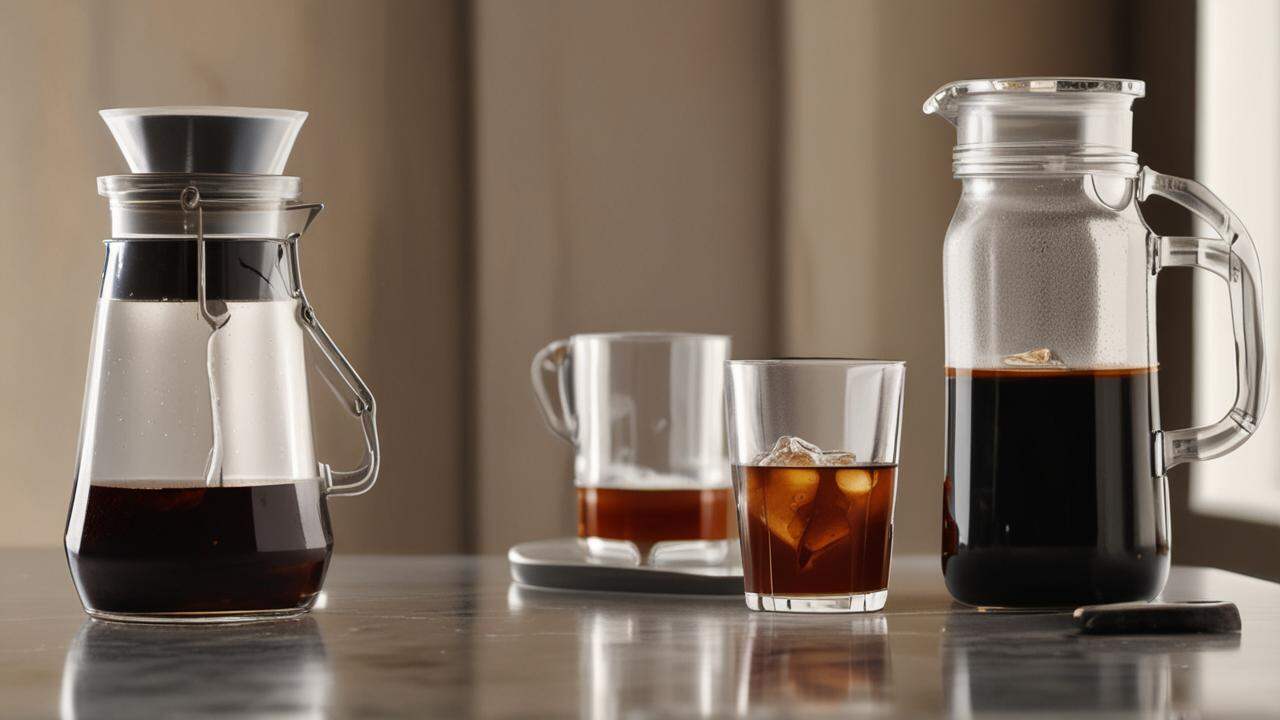
You don’t need fancy equipment to make cold brew. Many common kitchen items work well. A large jar or pitcher is perfect for steeping.
For filtering, you can use a fine-mesh sieve lined with cheesecloth, a paper coffee filter, or a dedicated cold brew maker.
There are several popular methods for brewing cold brew. The immersion method is the most common, where coffee grounds are fully submerged in water for the steeping period. This is what most home brewers use.
There are also slow-drip methods, which are more complex and often used by commercial brewers, but immersion is great for beginners.
Cold Brew Makers vs. DIY Methods
Dedicated cold brew makers simplify the process. They often have built-in filters, making separation of grounds and liquid very easy. These range from simple mason jar attachments to more elaborate pitchers.
They are designed to give you consistent results with minimal fuss.
However, you can achieve excellent cold brew using just a jar and a sieve. For a DIY approach, place your coarse coffee grounds in a jar, add cold water according to your chosen ratio, stir gently, cover, and let it steep. After steeping, pour the mixture through a fine-mesh sieve lined with cheesecloth or a coffee filter into another container.
Storing Your Cold Brew
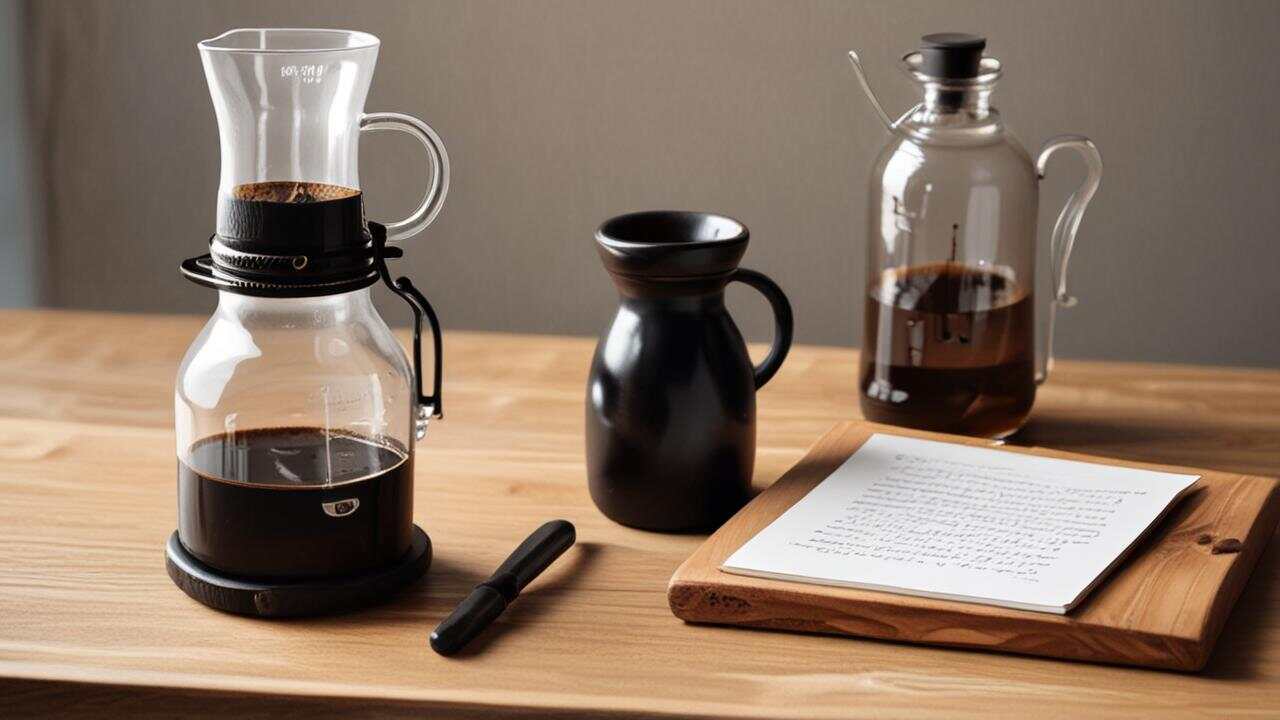
Proper storage is key to enjoying your cold brew for longer. Once brewed and filtered, store your cold brew in an airtight container in the refrigerator. This prevents it from absorbing other odors from the fridge and keeps it fresh.
Cold brew concentrate, due to its high coffee concentration, can last longer in the fridge, typically up to two weeks. Ready-to-drink cold brew, being less concentrated and closer to regular brewed coffee, is best consumed within 7 to 10 days. Always check for any signs of spoilage, such as off smells or mold, though this is rare with proper refrigeration.
Troubleshooting Common Cold Brew Issues
Sometimes, cold brew doesn’t turn out quite right. If your cold brew tastes weak or watery, you likely used too little coffee for the amount of water. Try increasing the coffee grounds in your next batch.
Ensure you are using the correct cold brew coffee ratios for concentrate vs ready-to-drink.
If your cold brew is too bitter or sour, it might be due to over-extraction. This can happen with a grind that’s too fine, steeping for too long, or using water that’s too hot (though cold brew uses cold water, temperature fluctuations can occur). Adjusting your grind size to be coarser and ensuring your steeping environment is cool can help.
Also, check that you are using fresh, quality coffee beans.
Frequently Asked Questions
What is the best coffee-to-water ratio for cold brew concentrate?
A common and effective ratio for cold brew concentrate is 1:4 to 1:8 by weight. Many start with 1:5 and adjust based on their taste preference for strength.
How much water should I add to cold brew concentrate?
A good starting point for diluting cold brew concentrate is a 1:1 ratio with water or milk. You can adjust this to 1:2 or even 1:3 if you prefer a milder drink.
Can I use any coffee beans for cold brew?
Yes, you can use most coffee beans, but medium to dark roasts often yield a smoother, richer flavor profile ideal for cold brew. Always use a coarse grind.
How long does cold brew concentrate last?
Properly stored in an airtight container in the refrigerator, cold brew concentrate can last up to two weeks.
What is the main difference in Cold Brew Coffee Ratios For Concentrate Vs Ready-To-Drink?
The primary difference is the amount of coffee grounds used. Concentrate uses a much higher coffee-to-water ratio (e.g., 1:5) for a strong base, while ready-to-drink uses a lower ratio (e.g., 1:15) for immediate consumption.
Is it better to make concentrate or ready-to-drink cold brew?
It depends on your preference. Concentrate offers flexibility for dilution and a longer shelf life, while ready-to-drink is simpler for immediate enjoyment.
Final Thoughts
Mastering cold brew coffee ratios for concentrate vs ready-to-drink is the key to consistently delicious coffee. Whether you prefer a strong, dilutable concentrate or a smooth, ready-to-drink brew, adjusting your coffee-to-water ratio will give you the perfect cup every time.