Tds And Brew Strength: What The Numbers Really Mean
At a Glance Total Dissolved Solids (TDS) quantifies the concentration of dissolved coffee compounds in water, directly indicating brew strength. A higher TDS percentage means more extracted solids per…
Total Dissolved Solids (TDS) quantifies the concentration of dissolved coffee compounds in water, directly indicating brew strength. A higher TDS percentage means more extracted solids per unit volume, yielding a stronger and more intense coffee flavor. Understanding your coffee’s TDS reading allows you to precisely adjust brewing parameters like ratio and grind size for consistent, reproducible results.
When you’re making coffee, getting that perfect taste can feel like a puzzle. You might wonder if the numbers you see on your equipment actually mean something important for your cup. Understanding TDS And Brew Strength: What The Numbers Really Mean can help you make better coffee every time.
This knowledge lets you control how strong and flavorful your coffee is, so you get exactly the taste you love, consistently. We’ll break down what these numbers tell you and how you can use them to improve your home brewing.
Key Takeaways
- TDS measures the dissolved solids in your coffee, directly impacting its strength and flavor.
- Brew strength is influenced by both TDS and the ratio of coffee to water.
- Higher TDS generally means a stronger, more concentrated coffee.
- Knowing TDS helps you achieve consistent results and troubleshoot brewing issues.
- You can measure TDS using a refractometer, a tool commonly used by coffee professionals.
- Adjusting grind size, brew time, and water temperature can affect TDS and brew strength.

What Does TDS Actually Mean in Coffee?
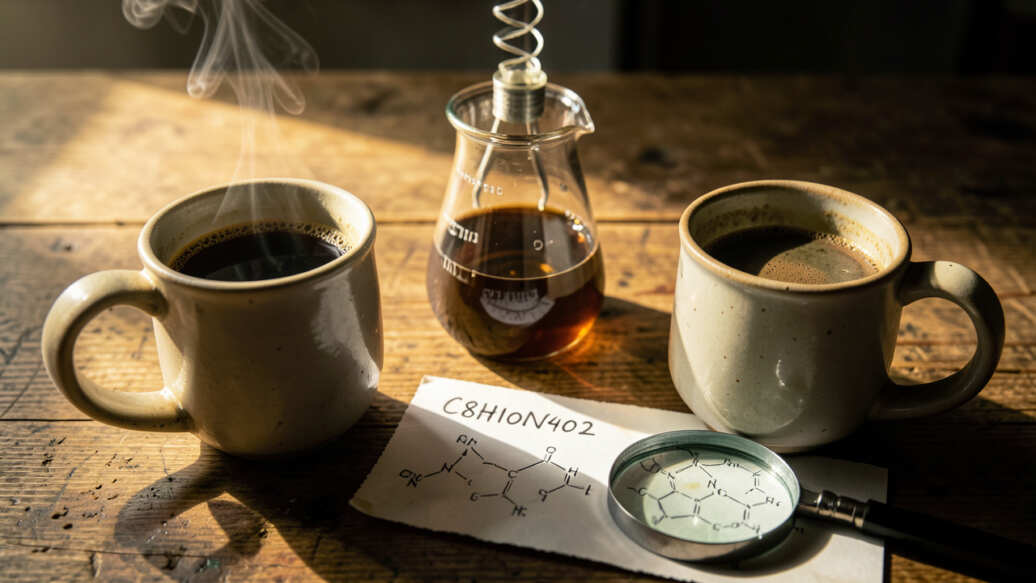
TDS stands for Total Dissolved Solids. In coffee, this refers to all the tiny bits of coffee that dissolve into the water during brewing. These solids include oils, acids, sugars, and other compounds that give coffee its flavor and aroma.
The more solids that dissolve, the more concentrated your coffee will be. This is a key factor in understanding TDS And Brew Strength: What The Numbers Really Mean.
Think of it like making tea. If you use a lot of tea leaves and steep them for a long time, you get a strong, rich tea. If you use just a little tea and steep it briefly, it will be weak.
Think of TDS like tea strength: more dissolved solids mean stronger coffee. Control TDS by adjusting coffee dose and brew time.
TDS is the coffee version of that measurement. It tells you how much “stuff” from the coffee grounds has made its way into your liquid cup.
The percentage of TDS in your brewed coffee is a direct indicator of its strength. A typical range for good coffee is between 1.15% and 1.35% TDS. If your coffee is below this range, it might taste weak or watery.
If it’s above, it could be too strong or even bitter.
Understanding Brew Strength vs. Extraction
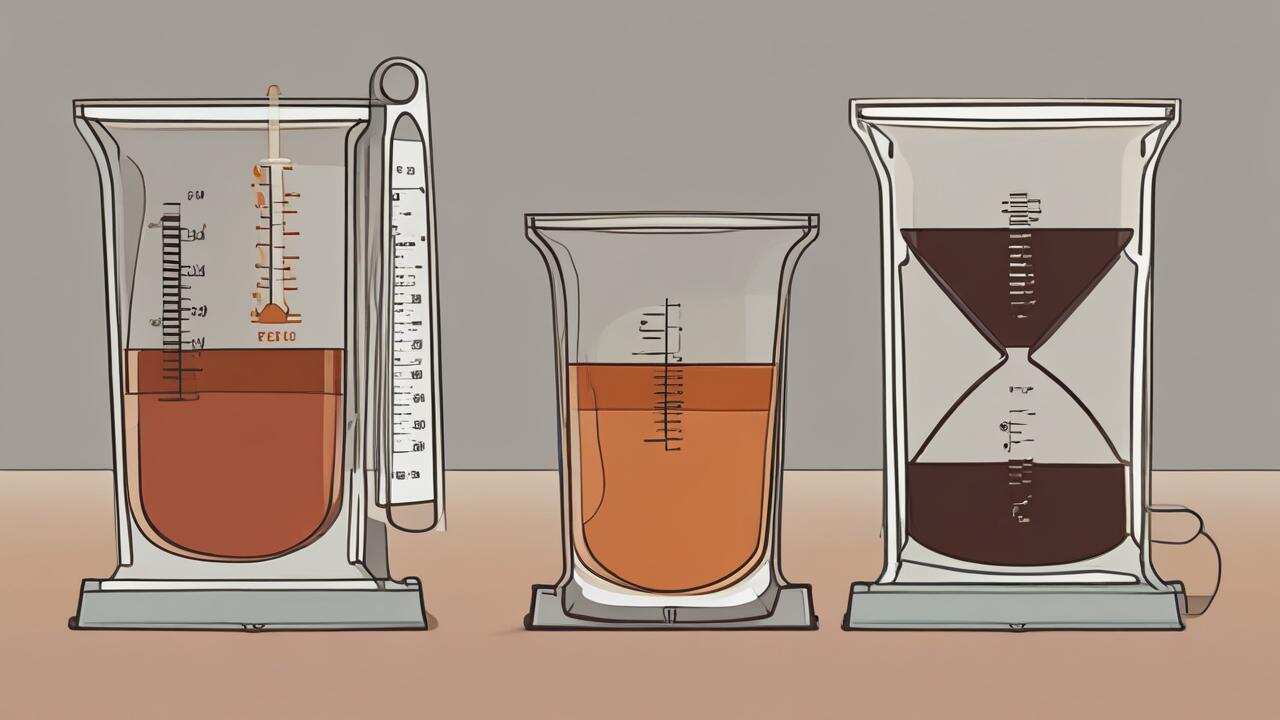
It’s easy to confuse brew strength with extraction, but they are different. TDS And Brew Strength: What The Numbers Really Mean involves understanding this difference. Brew strength is about how concentrated your coffee tastes.
It’s the ratio of dissolved coffee solids to water in your final cup.
Extraction, on the other hand, is the process of dissolving those solids from the coffee grounds into the water. You can have a well-extracted coffee that is still weak if you used too much water. Or, you could have a very strong coffee that is under-extracted, meaning it tastes sour or thin because not enough good stuff dissolved.
The goal is usually to achieve both a good extraction and the desired brew strength. This means getting the right amount of desirable compounds out of the coffee grounds and into the water, resulting in a balanced and flavorful cup.
A coffee can be strong yet under-extracted, resulting in sour or thin flavors. Focus on both strength and extraction for balanced taste.
How Extraction Affects Your Coffee
Extraction is a complex process. Water acts like a solvent, pulling soluble compounds from the coffee grounds. The speed and amount of extraction depend on several factors.
These include the size of your coffee grounds, the temperature of the water, how long the coffee and water are in contact, and how much agitation occurs.
If your coffee is under-extracted, it will likely taste sour, acidic, or thin. This happens when not enough soluble compounds have dissolved. You might need to grind your coffee finer, use hotter water, or brew for longer.
This leads to a higher TDS and a more robust flavor.
If your coffee is over-extracted, it can taste bitter, harsh, or dry. This occurs when too many soluble compounds, including some less desirable ones, have dissolved. You might need to grind coarser, use cooler water, or brew for a shorter time.
This generally results in a lower TDS.
Measuring TDS: The Science Behind Your Sip
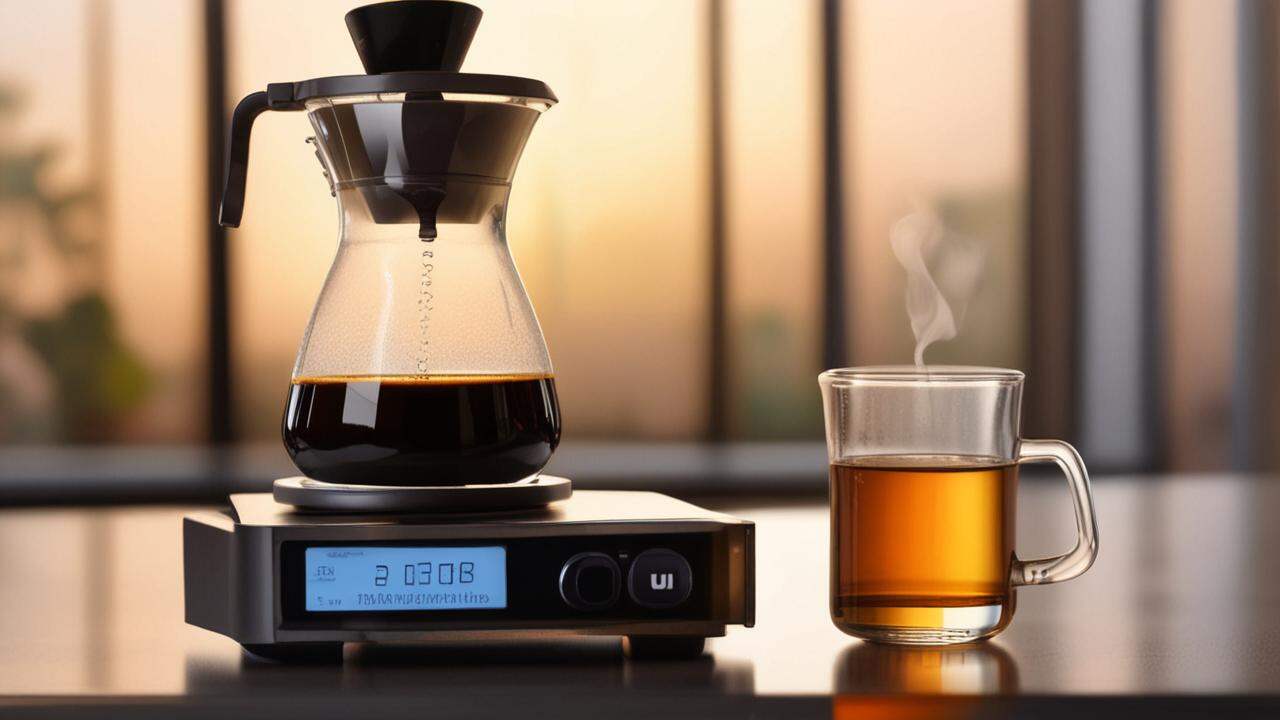
To truly understand TDS And Brew Strength: What The Numbers Really Mean, you need a way to measure TDS. The most common tool for this is a refractometer. This device shines a light through your brewed coffee and measures how much the light bends.
The bending of light is caused by the dissolved solids in the coffee.
There are two main types of refractometers used for coffee: optical and digital. Optical refractometers are older and require you to look through an eyepiece. Digital refractometers are more modern and display the reading on a screen, making them easier to use and read.
Using a refractometer is straightforward. You brew your coffee as you normally would. Then, you place a small drop of the brewed coffee onto the refractometer’s prism.
Digital refractometers offer easier readings, making TDS measurement accessible for home brewers.
You then look through the eyepiece (for optical) or read the screen (for digital) to get a TDS reading. This reading is usually expressed as a percentage.
What a TDS Reading Tells You
A TDS reading gives you objective data about your coffee. Instead of guessing if your coffee is strong enough, you have a number. For example, a TDS of 1.20% means that 1.20% of your brewed coffee’s weight is made up of dissolved coffee solids.
The remaining 98.80% is water.
This number is incredibly useful for consistency. If you brew coffee that tastes great and has a TDS of 1.25%, you can aim for that number every time. If you have a bad cup that tastes weak and reads 1.00% TDS, you know you need to make adjustments.
Many coffee professionals use TDS to dial in their espresso machines and pour-over setups. It helps them understand if they are brewing too strong or too weak, and how to fix it. It’s a powerful tool for anyone serious about their coffee.
Brew Ratio and Its Impact on Strength
While TDS measures what’s in your cup, the brew ratio is what you use to get there. The brew ratio is simply the proportion of dry coffee grounds to water used in brewing. It’s a fundamental aspect of TDS And Brew Strength: What The Numbers Really Mean.
A common starting point for many brewing methods is a 1:15 to 1:18 ratio. This means for every 1 gram of coffee, you use 15 to 18 grams of water. A ratio of 1:15 is generally considered stronger than a ratio of 1:18.
For example, if you use 20 grams of coffee and 1000 grams of water, your ratio is 1:50. That’s a lot of water for that amount of coffee, resulting in a very weak brew. If you use 20 grams of coffee and 300 grams of water, your ratio is 1:15.
For a stronger cup, use a 1:15 coffee-to-water ratio; for lighter, aim for 1:18.
This will produce a much stronger coffee.
How Ratio Connects to TDS
The brew ratio directly influences the potential TDS you can achieve. If you use a lot of coffee relative to water (a lower ratio like 1:15), you have more coffee solids available to dissolve. This makes it easier to reach a higher TDS, resulting in a stronger brew.
Conversely, if you use a lot of water relative to coffee (a higher ratio like 1:18 or 1:20), there’s more water to dilute the dissolved solids. Even with good extraction, it will be harder to achieve a very high TDS. This leads to a weaker brew.
However, the ratio isn’t the only factor. You still need proper extraction. A 1:15 ratio with poor extraction will still result in a weak, sour cup, not a strong, flavorful one.
The ratio sets the stage for potential strength, while extraction determines what flavors actually get into the water.
Factors Influencing TDS and Brew Strength
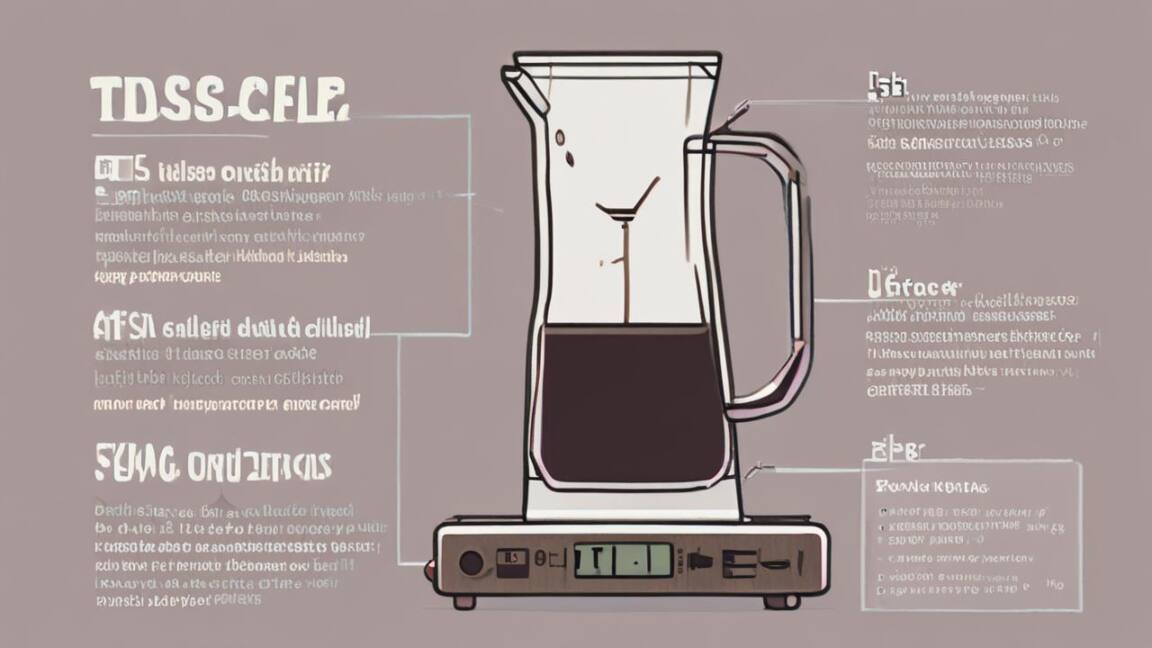
Several variables come into play when trying to control TDS and brew strength. Understanding these helps you make informed adjustments to your brewing process. This is crucial for mastering TDS And Brew Strength: What The Numbers Really Mean.
Grind Size: Finer grinds have more surface area, allowing water to extract solids more quickly. This can lead to a higher TDS if extraction is controlled. Coarser grinds have less surface area and extract slower, potentially leading to a lower TDS if not brewed long enough.
Water Temperature: Hotter water is a more effective solvent. It can extract more solids faster. Using water that is too hot can lead to over-extraction and bitterness, while water that is too cool can result in under-extraction and sourness.
Brew Time: The longer coffee grounds are in contact with water, the more time there is for solids to dissolve. Longer brew times can increase TDS, but also increase the risk of over-extraction if other factors aren’t adjusted.
Water temperature extremes can ruin your brew: too hot causes bitterness, too cool leads to sourness.
Water Quality: The minerals in your water can affect how well coffee compounds dissolve. Water that is too soft might not extract as efficiently, while water that is too hard can sometimes lead to over-extraction or mineral buildup.
Agitation: Stirring or swirling the coffee and water during brewing increases contact and can speed up extraction. This can lead to a higher TDS.
Optimizing Your Brew for the Perfect TDS
Achieving your ideal TDS often involves tweaking these variables. If your coffee tastes weak and your TDS reading is low (e.g., below 1.15%), you might try grinding your coffee a bit finer. This increases the surface area for extraction.
If your coffee tastes too strong or bitter and your TDS reading is high (e.g., above 1.35%), you might try grinding coarser. This slows down extraction. You could also try reducing your brew time or using slightly cooler water.
The key is to make one change at a time. This way, you can isolate what adjustment had the biggest impact. For example, if you change grind size and water temperature at the same time, you won’t know which one was responsible for the change in taste or TDS.
TDS and Brew Strength: A Practical Comparison
To truly grasp TDS And Brew Strength: What The Numbers Really Mean, let’s compare different scenarios. Imagine you are brewing a pour-over coffee. You have a recipe that usually works well for you.
This table shows how adjusting the brew ratio or the extraction variables can change both the TDS and the final taste. A lower ratio (more coffee to water) generally leads to a higher potential TDS, and vice versa. However, the extraction process is what truly dictates the quality of the flavor at any given TDS level.
Use a refractometer to diagnose brew issues: it helps you adjust grind size or brew time to hit your desired TDS.
When to Use a Refractometer
A refractometer is most useful when you want to achieve consistency or troubleshoot problems. If you’re happy with your coffee but can’t replicate it exactly, a refractometer can help you hit the same TDS target. If your coffee suddenly tastes off, measuring the TDS can tell you if the strength has changed.
It’s also valuable if you’re experimenting with new beans or brewing methods. You can quickly see how different variables affect the TDS and adjust accordingly. For the home brewer who wants to elevate their craft, a refractometer can be a powerful, albeit specialized, tool.
The Importance of Consistent Brewing
Consistency is what many coffee enthusiasts strive for. They want that perfect cup every single morning. Understanding TDS And Brew Strength: What The Numbers Really Mean is a direct path to achieving this consistency.
It moves you from guesswork to data-driven brewing.
Knowing your TDS target transforms brewing from guesswork into a reproducible process.
When you know your target TDS and the brew ratio that helps you get there, you can replicate your results. This means less wasted coffee and more enjoyable mornings. It’s about having control over the final outcome.
This knowledge also empowers you to communicate better with baristas or coffee roasters. You can describe what you like in terms of strength and flavor, and they can understand it through the lens of TDS and extraction. It builds a shared language for great coffee.
Frequently Asked Questions
What is the ideal TDS for coffee?
The Specialty Coffee Association (SCA) recommends a TDS range of 1.15% to 1.35% for brewed coffee. This range generally produces a balanced and flavorful cup. However, personal preference can lead some to prefer slightly higher or lower TDS.
Can I measure TDS without a refractometer?
Without a refractometer, it’s very difficult to get an accurate TDS measurement. You can estimate brew strength based on your coffee-to-water ratio and taste, but this is subjective. A refractometer provides objective data.
Does TDS affect the bitterness of coffee?
Yes, TDS can indirectly affect perceived bitterness. If your TDS is too high, it often means you’ve over-extracted. Over-extraction pulls out bitter compounds, leading to a bitter taste.
However, a high TDS alone doesn’t guarantee bitterness; it’s the combination of dissolved solids and what those solids are.
How does TDS relate to coffee flavor?
TDS is a measure of concentration, which directly impacts flavor intensity. A higher TDS means more dissolved coffee solids, leading to a stronger, more intense flavor. However, the specific flavors (sweet, sour, bitter) depend on which compounds have been extracted, not just the total amount.
What is the difference between TDS and Total Acidity?
TDS And Brew Strength: What The Numbers Really Mean is different from acidity measurements. TDS measures all dissolved solids, including acids, sugars, and oils. Total Acidity is a specific measurement of the acids present in the coffee, which contribute to brightness and fruitiness.
Can I use TDS to compare different coffee beans?
You can use TDS to compare how you brewed different beans, but it doesn’t directly tell you about the inherent qualities of the beans themselves. Different beans will extract differently, and what tastes good at a certain TDS for one bean might not for another. It’s a tool for brewing consistency, not bean comparison.
Final Thoughts
Understanding TDS And Brew Strength: What The Numbers Really Mean gives you the power to make consistently delicious coffee. By knowing how to measure and adjust TDS, you can move beyond guesswork. This leads to more enjoyable cups tailored exactly to your taste preferences, every single time.