Drip Vs Pour-Over Coffee: Why They Taste Different
At a Glance The taste difference between drip and pour-over coffee arises from the degree of control over brewing variables such as water temperature, grind size, and contact time, which directly affe…
The taste difference between drip and pour-over coffee arises from the degree of control over brewing variables such as water temperature, grind size, and contact time, which directly affect extraction. Pour-over methods allow precise manipulation of these factors, producing a clean, nuanced cup with distinct flavor notes, while drip machines prioritize convenience with automated, consistent cycles that often result in a more balanced, less complex profile. Understanding that filtration type—paper versus metal—also alters body and oil content helps explain why the same beans can taste markedly different depending on the brewing method.
Many coffee lovers wonder about the subtle (and sometimes not so subtle) differences in taste between coffee made with a drip machine and coffee made using a pour-over method. It’s more than just personal preference; the way coffee is brewed directly impacts its flavor. Understanding Drip Vs Pour-Over Coffee: Why They Taste Different can help you brew a cup that perfectly suits your palate.
You’ll learn how brewing affects extraction, what that means for your morning cup, and how to get more enjoyment from your coffee routine.
Key Takeaways
- The brewing method significantly impacts coffee flavor.
- Pour-over coffee offers more control, leading to nuanced flavors.
- Drip coffee machines are convenient but offer less control over brewing variables.
- Water temperature and flow rate are key factors in taste differences.
- Filter type also plays a role in the final taste profile.
- Understanding these differences helps you make better coffee at home.
Why Your Coffee Tastes Different: The Science of Brewing
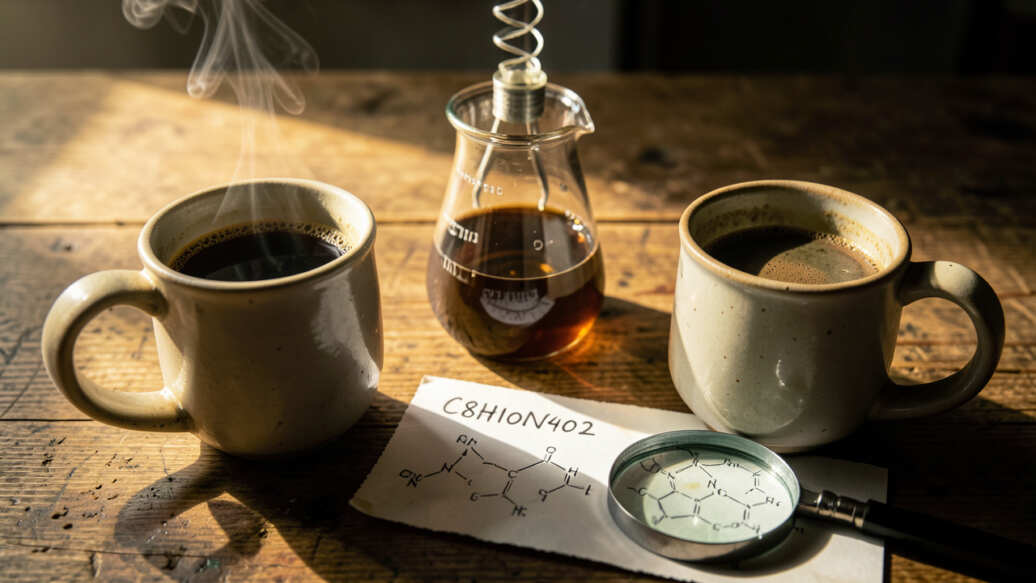
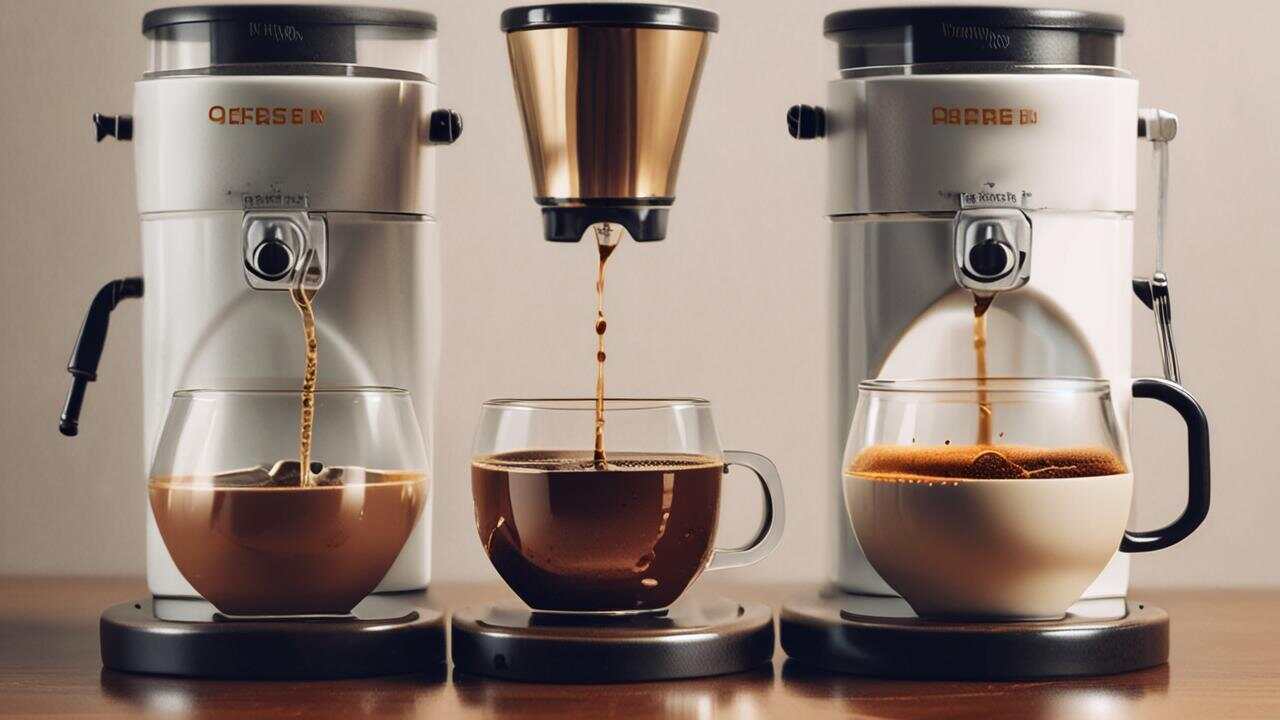
Coffee is made by dissolving soluble compounds from coffee grounds into water. This process is called extraction. The taste of your coffee depends on what compounds are extracted and how much of them.
Different brewing methods change how water interacts with coffee grounds. This leads to different levels of extraction. This is the core reason for the differences you notice.
For a lighter, more delicate cup, aim for a shorter brew time; for a bolder flavor, extend the contact time.
Think of it like making tea. You can steep a tea bag for a short time or a long time. A short steep might give you a light, delicate flavor. Kitchentoolslab
A long steep might give you a strong, bitter taste. Coffee brewing works in a similar way. The goal is to extract the good flavors without over-extracting or under-extracting.
The Control Factor: Pour-Over Coffee’s Precision
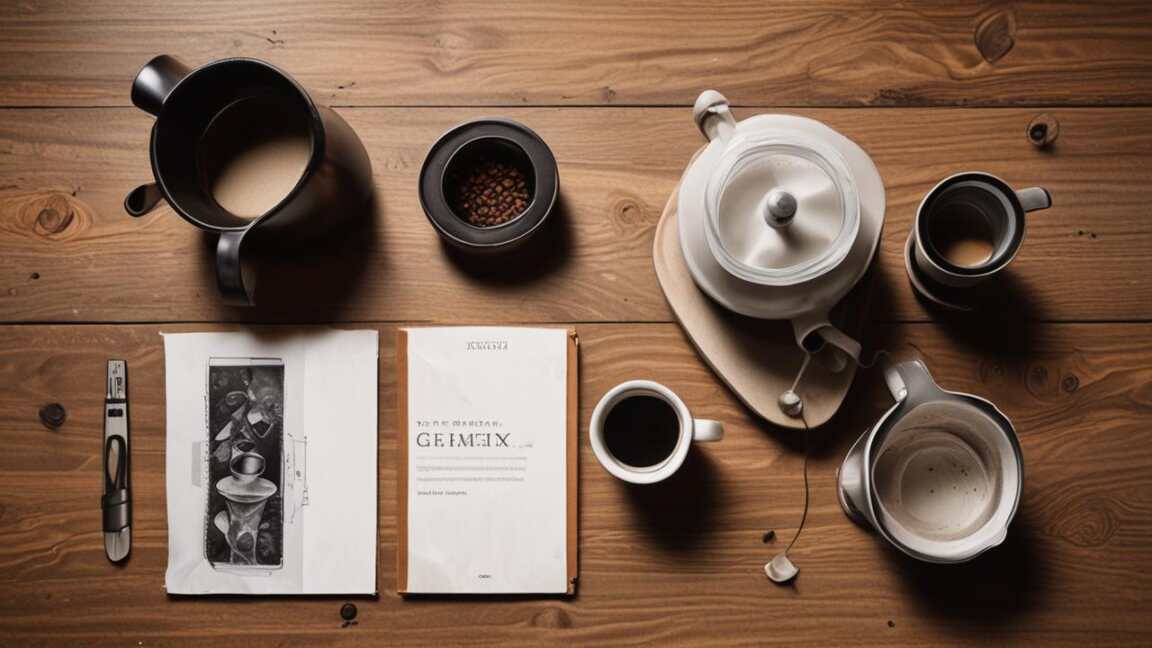
Pour-over coffee brewing gives you a lot of control. You control the water temperature. You control how fast the water flows over the grounds.
You also control how long the water stays in contact with the grounds. This level of control allows you to fine-tune the extraction process. You can bring out specific flavors in the coffee bean.
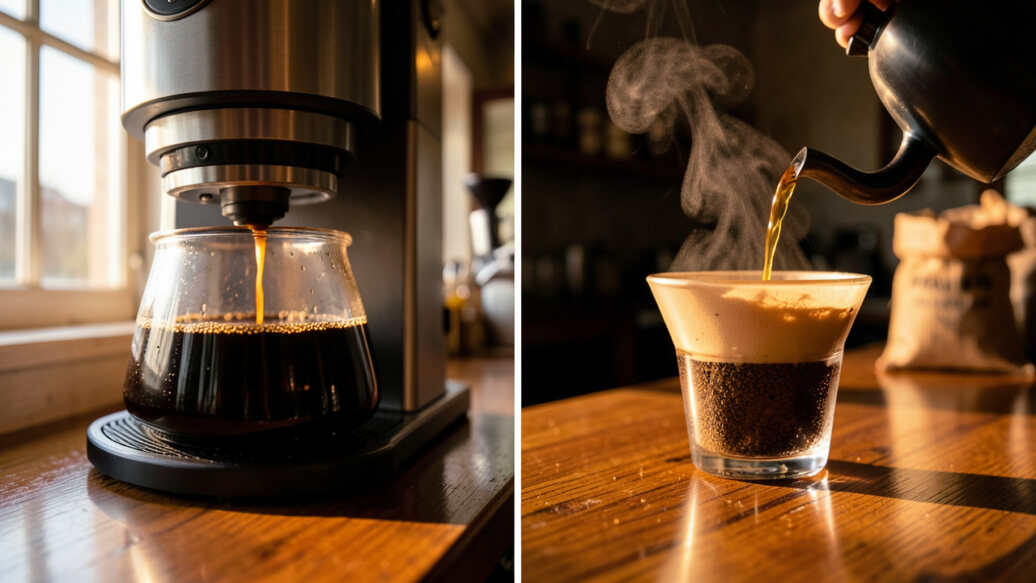
With a pour-over, you pour hot water slowly and evenly over the coffee grounds. This allows for a more consistent saturation of the grounds. It helps ensure that every particle of coffee is exposed to water in a controlled way.
Pour-over brewing allows you to adjust water temperature, flow rate, and contact time to highlight specific flavor notes in the bean.
This leads to a cleaner, brighter cup of coffee. You can often taste more delicate notes like fruit or floral aromas.
The type of pour-over device also matters. Devices like the V60, Chemex, or Kalita Wave each have unique designs. These designs affect water flow and extraction.
For example, the V60 has large spiral ribs and a big hole at the bottom. This allows for a faster flow rate. The Chemex, with its thick paper filters, produces a very clean cup.
These details contribute to the nuanced taste experienced with Drip Vs Pour-Over Coffee: Why They Taste Different.
The Convenience Factor: Drip Coffee Machines
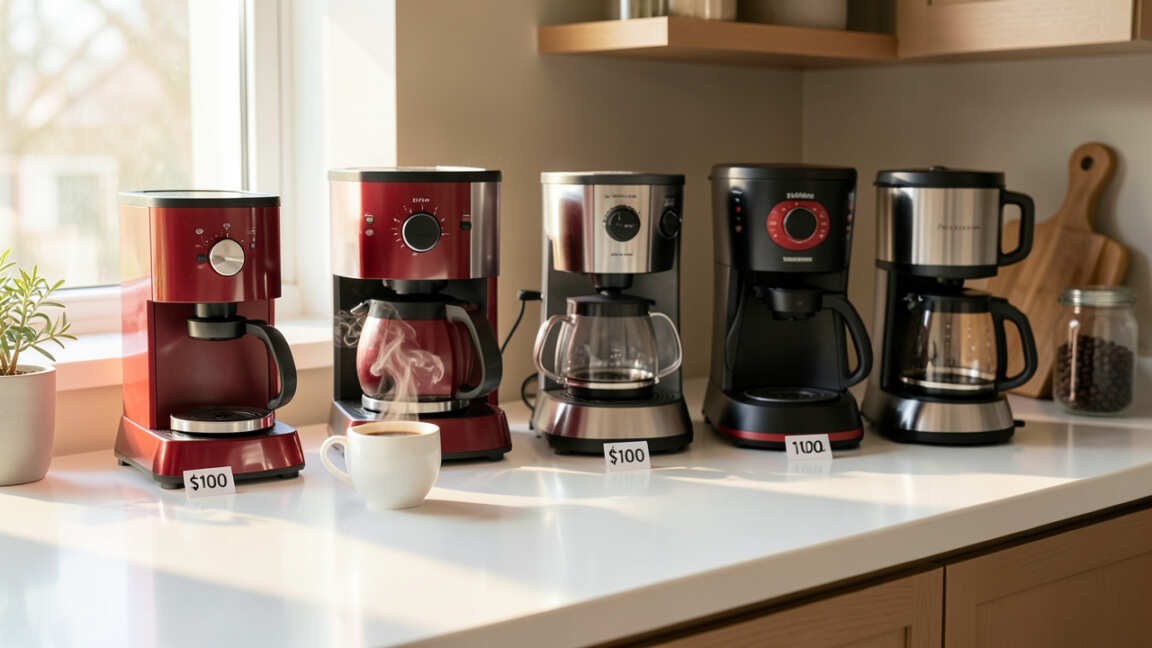
Drip coffee machines are popular because they are easy to use. You put coffee grounds and water in. You press a button.
The machine does the rest. This convenience comes at the cost of control. Most drip machines have pre-set water temperatures and flow rates.
They are designed to work with a wide range of coffees.
The ease of a drip machine often sacrifices the precision needed to fully customize extraction for different coffee beans.
The water in a drip machine is heated and then showered over the grounds. The water often flows through the grounds quickly. This can lead to uneven extraction.
Some grounds might get too much water, making the coffee bitter. Other grounds might not get enough water, making the coffee weak. This is a common reason why Drip Vs Pour-Over Coffee: Why They Taste Different.
While many home drip machines are not as precise, some higher-end models offer more control. They might have features like adjustable brew strength or specific water temperature settings. However, even these machines generally offer less hands-on control than a pour-over setup.
Water Temperature: A Critical Element
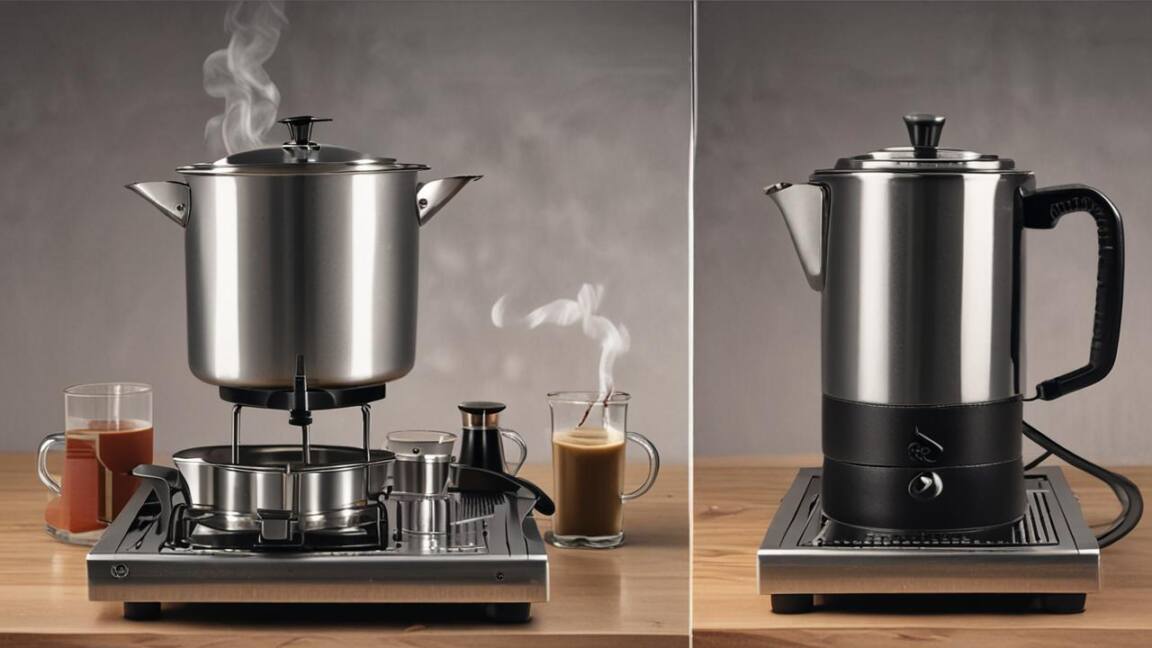
Water temperature is one of the most important factors in coffee brewing. The ideal temperature range for brewing coffee is typically between 195°F and 205°F (90°C to 96°C). This temperature range is hot enough to extract the desired flavors from the coffee grounds.
If the water is too cool, it won’t extract enough flavor. This results in a weak, sour, or underdeveloped coffee. If the water is too hot, it can over-extract the coffee.
Always use water between 195°F and 205°F to avoid under-extraction (sour) or over-extraction (bitter).
This can lead to a bitter, harsh, or burnt taste. The difference in how well a machine or a pour-over method controls temperature directly affects the taste.
Pour-over brewers allow you to heat water to a precise temperature using a gooseneck kettle. You can then pour it at that exact temperature. Drip machines heat water internally.
The temperature might fluctuate during the brewing cycle. This fluctuation can cause variations in extraction and, therefore, taste. This is a key point in understanding Drip Vs Pour-Over Coffee: Why They Taste Different.
Grind Size Matters for Extraction
The size of your coffee grounds also plays a huge role in how your coffee tastes. Finer grinds have more surface area. This means water can extract flavors from them more quickly.
Coarser grinds have less surface area. Water extracts flavors from them more slowly.
For pour-over coffee, a medium to medium-fine grind is often recommended. This allows for a good balance of extraction over the controlled pour. If the grind is too fine for a pour-over, the water might not flow through properly.
Using too fine a grind in a drip machine can clog the filter and lead to over-extraction, resulting in a bitter taste.
This can lead to over-extraction and bitterness. If it’s too coarse, the coffee might taste weak and sour.
Drip coffee machines often work best with a medium grind. The brewing cycle is usually faster than a pour-over. A medium grind provides enough surface area for adequate extraction within that time frame.
If you use a grind that’s too fine for your drip machine, it can clog the filter and lead to over-extraction and a bitter taste. If it’s too coarse, you’ll get a weak brew.
The Role of Filtration: Paper vs. Metal vs. Cloth
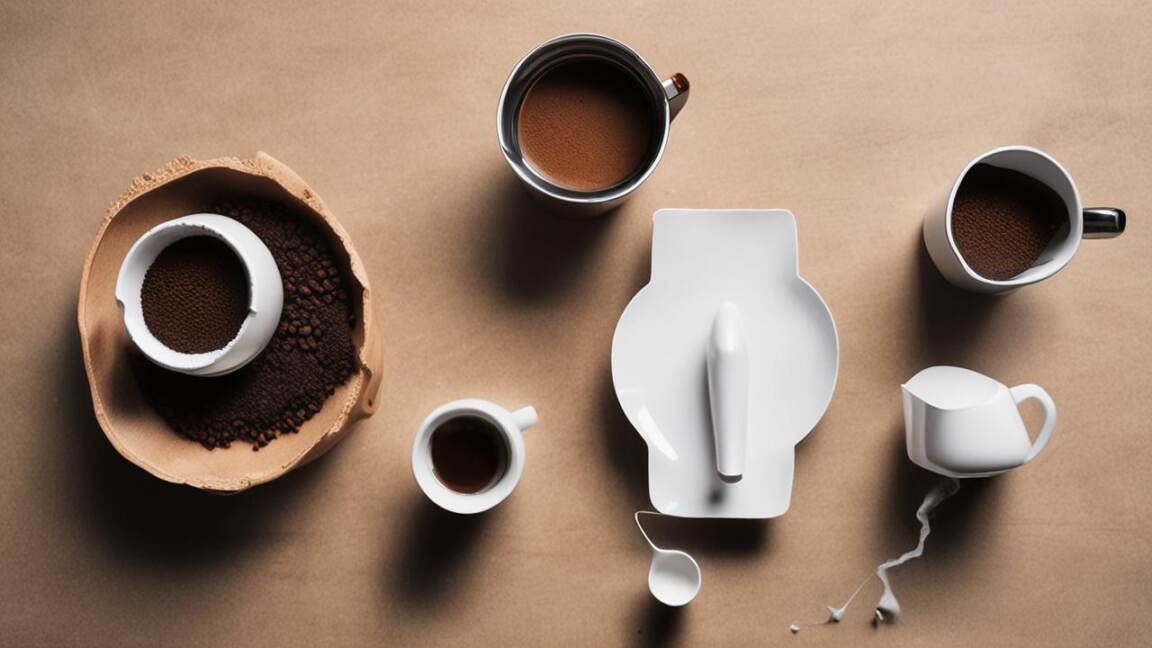
The type of filter used in brewing is another significant factor in the final taste. Filters do more than just separate grounds from liquid; they also trap oils and fine particles. These oils and fines contribute to the coffee’s body, aroma, and flavor.
Paper filters are the most common for both drip machines and pour-over. They are very effective at trapping oils and fine sediment. This results in a very clean, bright cup with a lighter body.
Unbleached paper filters are preferred by some to avoid any potential paper taste. The thickness of the paper filter also matters. Thicker filters absorb more oils, leading to an even cleaner cup.
Metal filters allow more oils and some fine particles to pass through into the coffee. This results in a cup with more body and a richer mouthfeel. The flavors can be more intense.
Paper filters produce a clean, bright cup with less body by trapping oils and fine sediment, ideal for highlighting delicate flavors.
Some pour-over devices and some drip coffee makers offer metal filter options.
Cloth filters offer a middle ground. They allow some oils through but are better at filtering out fine sediment than metal filters. They can produce a balanced cup with good body and clarity.
Cloth filters require more maintenance, as they need to be cleaned thoroughly after each use.
The choice of filter can dramatically alter the taste. This is another reason why there’s a noticeable difference when comparing Drip Vs Pour-Over Coffee: Why They Taste Different.
Brewing Time and Contact: How Long is Too Long?
The amount of time water is in contact with coffee grounds, known as brew time or contact time, is crucial. The longer the water is in contact with the grounds, the more compounds can be extracted.
For pour-over coffee, the ideal brew time is typically between 2 to 4 minutes. This allows for controlled extraction. You can adjust the pour rate and grind size to achieve this.
If the brew time is too short, the coffee will be under-extracted, tasting sour and weak. If the brew time is too long, the coffee will be over-extracted, tasting bitter and harsh.
A uniform brew time of 2 to 4 minutes is key to balanced extraction, directly influencing the taste difference between drip and pour-over.
Drip coffee machines usually have a brewing cycle that is also in a similar range, but the process is automated. The water flows through the grounds at a set pace. The machine is designed to get a decent extraction in that fixed time.
However, as mentioned, the flow can be less consistent than a manual pour-over.
The consistent, controlled flow rate in a good pour-over setup ensures that you don’t have parts of the coffee bed extracting for too long while others are too short. This uniformity is a key factor in achieving a balanced flavor profile, contributing to the distinct taste when considering Drip Vs Pour-Over Coffee: Why They Taste Different.
Coffee Bean Quality and Roast Level
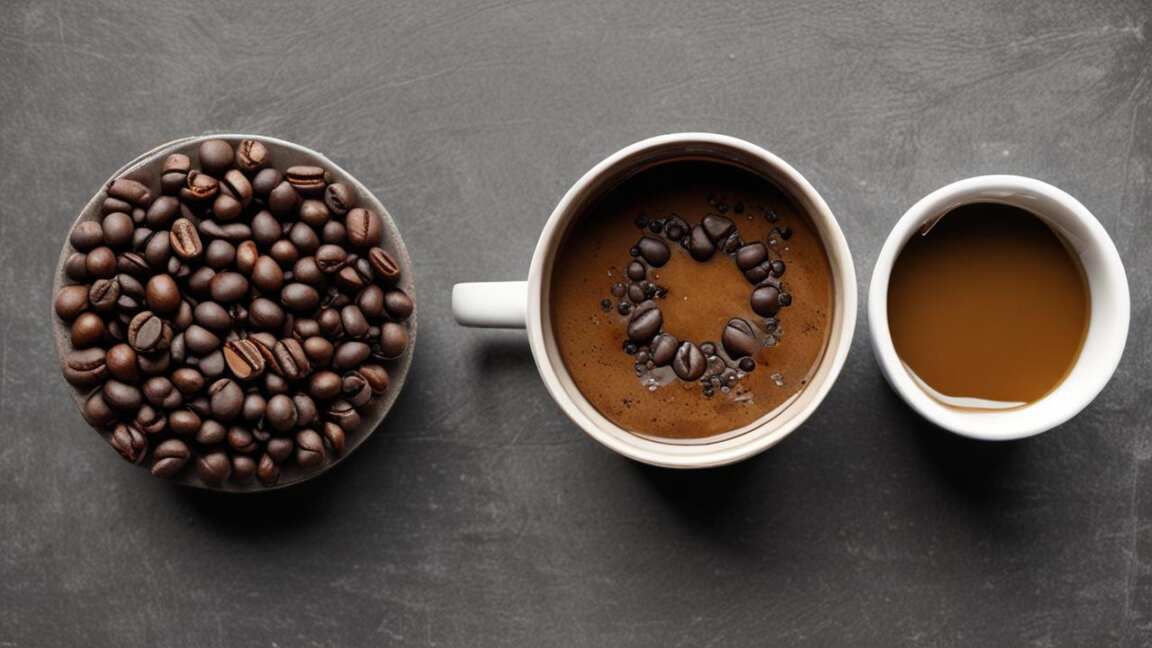
While brewing method is a huge factor, it’s important to remember that the coffee bean itself is the foundation of flavor. High-quality beans and the roast level will significantly influence the taste, regardless of the brewing method.
Light roasts tend to preserve more of the original characteristics of the coffee bean. You might taste more floral notes, fruity acidity, and subtle complexities. These delicate flavors are often best showcased with brewing methods that offer precision, like pour-over.
Medium roasts offer a balance between the bean’s origin flavors and the roast’s characteristics. They can have a fuller body and a more rounded sweetness. These are versatile and can taste great with both drip and pour-over methods.
High-quality beans and light roasts preserve floral and fruity notes, which are best showcased with precise pour-over methods.
Dark roasts develop deeper, bolder flavors. You’ll often taste notes of chocolate, nuts, and caramel, with less of the original bean’s acidity. The roasty flavors can sometimes mask some of the subtler nuances, making them forgiving for drip machines.
The brewing method can either highlight or mask these inherent qualities. A well-executed pour-over can reveal the intricate details of a light roast. A good drip machine can produce a rich, satisfying cup from a medium or dark roast.
The interplay between bean quality, roast, and brewing method is what makes Drip Vs Pour-Over Coffee: Why They Taste Different so fascinating.
Comparing Drip and Pour-Over Coffee Taste Profiles
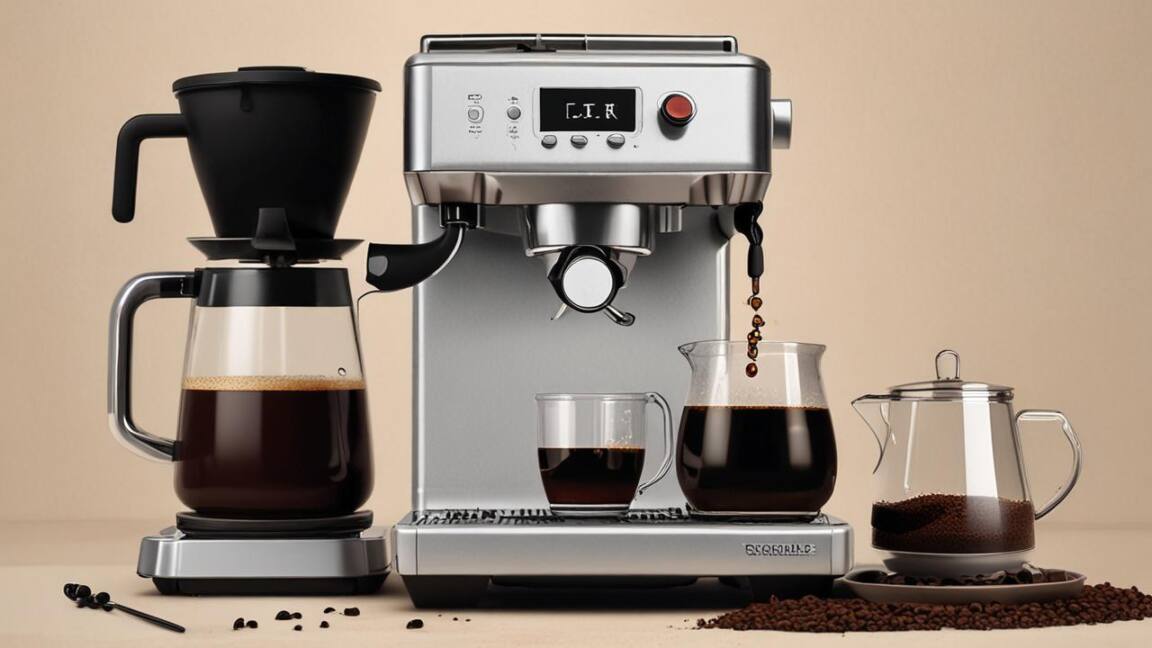
To really understand the differences, let’s look at what you can expect from each method.
The table above shows how the brewing methods generally lead to different taste experiences. The pour-over method, with its emphasis on control, tends to produce a cup that is cleaner, brighter, and more nuanced. This allows the unique characteristics of the coffee bean to shine through.
The drip machine, while convenient, often results in a more uniform, sometimes less complex, flavor profile.
This comparison helps to clarify why you might prefer one over the other. If you enjoy tasting the subtle fruity or floral notes in your coffee, a pour-over might be your go-to. If you prefer a straightforward, rich cup with less fuss, a good drip machine can be perfect.
The understanding of Drip Vs Pour-Over Coffee: Why They Taste Different empowers you to make informed choices.
Tips for Improving Your Drip or Pour-Over Coffee
No matter which method you prefer, a few simple tips can make a big difference in your coffee’s taste.
- Start with fresh, quality beans. Buy whole beans and grind them just before brewing.
- Use filtered water. Tap water can contain minerals that affect flavor.
- Get your grind size right. Experiment to find the perfect grind for your specific brewer.
- Pay attention to water temperature. Aim for 195-205°F (90-96°C) for optimal extraction.
- Clean your equipment regularly. Coffee oils can build up and make your coffee taste stale.
- For pour-over, practice your pouring technique. Aim for a slow, steady, circular motion.
- For drip machines, consider a model certified by the Specialty Coffee Association (SCA). These machines meet strict standards for brewing.
By focusing on these details, you can significantly improve the quality of your home-brewed coffee. You’ll start to notice the subtle differences and appreciate the craftsmanship involved in making a great cup.
Frequently Asked Questions
Does pour-over coffee taste better than drip coffee?
“Better” is subjective, but pour-over coffee often tastes cleaner and more nuanced because of the brewer’s precise control over the brewing process. Drip coffee is more about convenience and can produce a very satisfying cup, but typically with less flavor complexity.
Why is my drip coffee bitter?
Bitter drip coffee is often caused by over-extraction. This can happen if the grind is too fine, the water is too hot, or the brew time is too long. Using stale coffee or a dirty machine can also contribute to bitterness.
Can I use the same coffee beans for drip and pour-over?
Yes, you can use the same beans. However, you might need to adjust the grind size and water temperature slightly for each method to get the best results. Some beans’ characteristics are better highlighted by one method over the other.
How does filter type affect Drip Vs Pour-Over Coffee: Why They Taste Different?
Paper filters create a clean cup by trapping oils and fines. Metal filters let more oils through, resulting in a fuller body. Cloth filters offer a balance.
This difference in what the filter allows through directly impacts the mouthfeel and flavor profile.
Is pour-over coffee healthier than drip coffee?
Both methods produce healthy coffee. Some studies suggest that paper filters in drip coffee can remove more cafestol and kahweol, compounds that can raise cholesterol. However, the difference is generally considered minimal for most people.
Why is my pour-over coffee sour?
Sour coffee usually means it’s under-extracted. This could be because your grind is too coarse, your water wasn’t hot enough, or the brew time was too short. Try a finer grind or slightly hotter water.
Final Thoughts
The way your coffee is brewed truly changes how it tastes. Pour-over offers control for nuanced flavors, while drip provides easy convenience. By understanding how water temperature, grind size, and filtration affect extraction, you can make better coffee at home.
Experimenting with both methods helps you discover what you enjoy most.