Drip Coffee Vs Espresso: Caffeine And Flavor Compared
At a Glance Drip coffee and espresso differ significantly in brewing method, caffeine concentration, and flavor profile, with drip producing a milder, higher-volume beverage and espresso yielding a co…
Drip coffee and espresso differ significantly in brewing method, caffeine concentration, and flavor profile, with drip producing a milder, higher-volume beverage and espresso yielding a concentrated, bold shot. While a typical 8-ounce cup of drip coffee contains about 95 milligrams of caffeine, a 1-ounce espresso shot packs roughly 63 milligrams, making espresso more caffeine-dense per ounce but drip coffee higher per serving. Understanding these differences allows you to choose between a smooth, slower-caffeinating drip and an intense, quick-hit espresso to match your energy needs and taste preferences.
Many coffee lovers wonder about the differences between their morning cup and a strong shot of espresso. Understanding how these two popular coffee styles stack up is key to enjoying your daily brew just right. Knowing the details of Drip Coffee Vs Espresso: Caffeine And Flavor Compared can help you pick the perfect drink for your energy needs and taste preferences.
It matters because it directly impacts your coffee experience, from how awake you feel to the flavors you savor. We’ll break down what makes them distinct, so you can make a more informed choice every time you head to the coffee maker.
Key Takeaways
- Drip coffee and espresso use different brewing methods that affect taste and caffeine.
- Espresso is concentrated and bold, while drip coffee is milder and more diluted.
- Caffeine content can be surprisingly similar per serving, but espresso has more per ounce.
- The brewing process for espresso requires high pressure and finely ground beans.
- Drip coffee is brewed by gravity, using a coarser grind and hot water.
- Your personal preference for flavor intensity and caffeine kick will guide your choice.
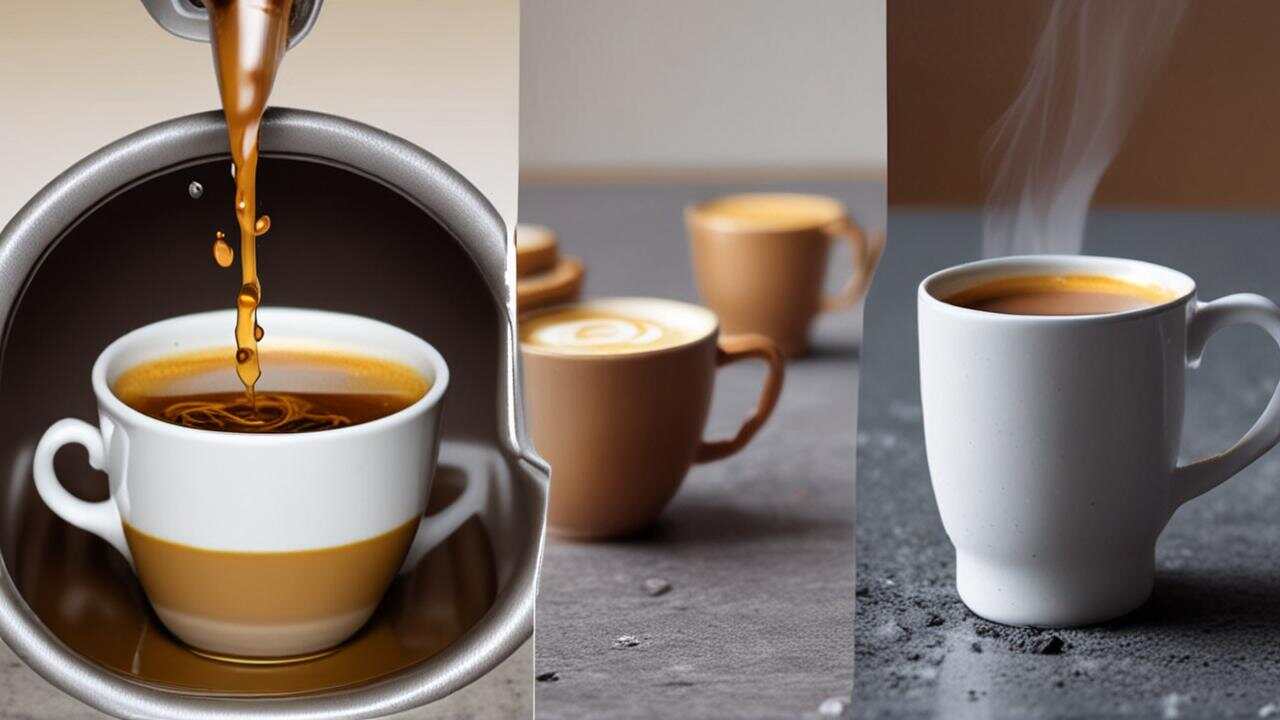
How Brewing Method Shapes Your Coffee’s Taste
The way coffee is made has a huge impact on how it tastes. This is the main reason why your morning drip coffee tastes so different from a shot of espresso. It’s not just about the beans; the process itself is the big difference-maker.The Magic of Drip Coffee Brewing
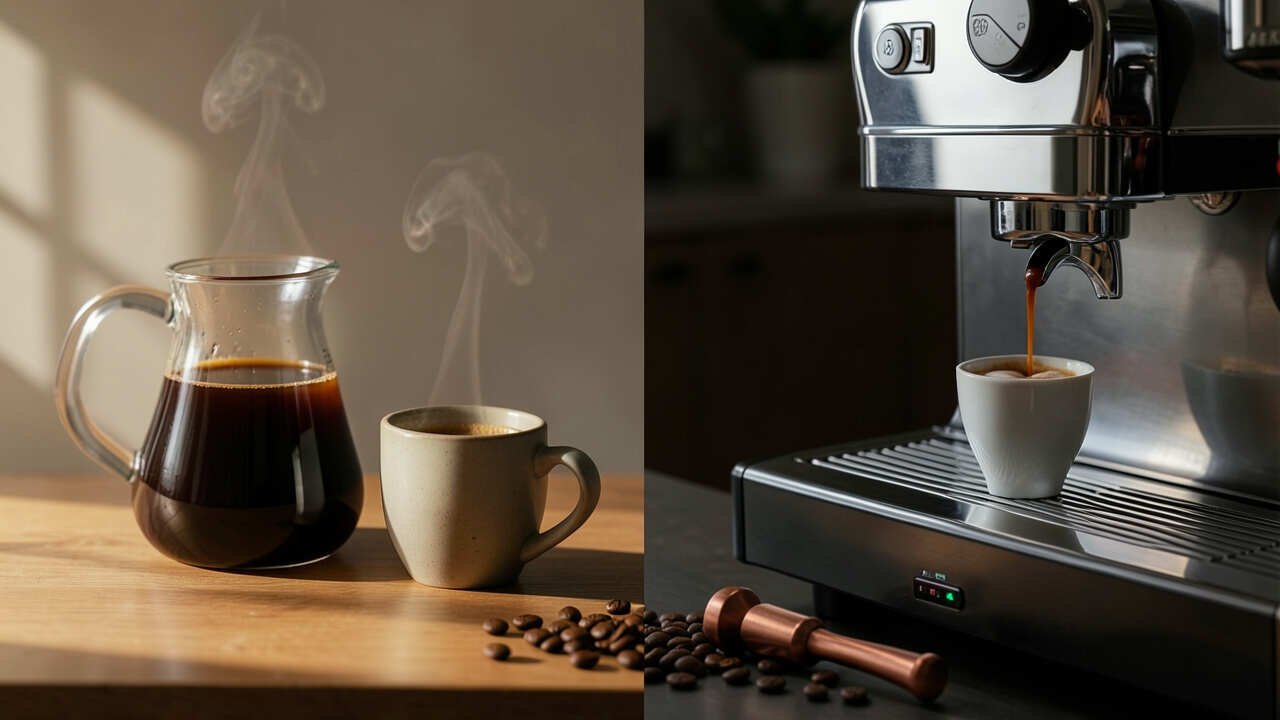
Drip coffee, also known as filter coffee, is what most people think of when they picture a standard cup of coffee. It’s a simple process. Hot water is poured over coffee grounds that are sitting in a filter.
Gravity does the work, pulling the water through the grounds and into a pot below. This method extracts a wide range of flavors from the coffee bean. Because the water is in contact with the grounds for a longer time, it can pull out more of the coffee’s oils and soluble solids.
This results in a smoother, often less intense flavor profile. The final cup is typically lighter in body and color.
Allow drip coffee to brew for the full 3–5 minutes to extract the oils and soluble solids that give it a smooth, balanced taste.
The Power of Espresso Extraction
Espresso is made very differently. It uses a high-pressure machine to force a small amount of nearly boiling water through finely ground coffee beans. This process is very fast, usually taking only about 20 to 30 seconds.
The high pressure is crucial. It pushes the water through the coffee grounds with force, extracting a concentrated amount of flavor and oils. This creates a rich, syrupy liquid with a layer of reddish-brown foam on top called crema.
The crema is a hallmark of good espresso and contributes to its unique texture and aroma. The intense pressure means less water is used, leading to a much stronger, bolder taste.
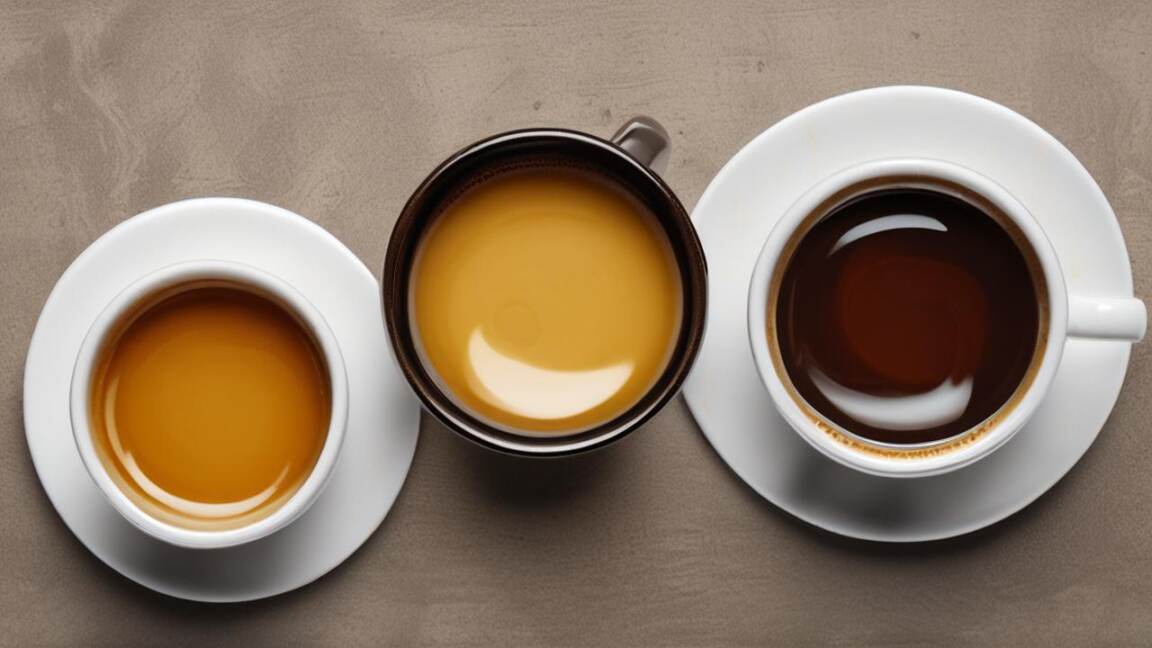
Flavor Profiles: Bold Espresso vs. Smooth Drip
When we talk about flavor, the contrast between drip coffee and espresso is quite stark. It’s all about intensity and the specific notes that come through. This is a key part of understanding Drip Coffee Vs Espresso: Caffeine And Flavor Compared.What Makes Espresso So Intense?
Espresso’s flavor is known for its boldness and complexity. Because it’s so concentrated, you can taste the nuances of the coffee bean much more clearly. You might notice notes of chocolate, nuts, or even fruit, depending on the beans used.
The crema adds a slightly bitter, toasty flavor and a velvety texture that coats your tongue. Espresso is often described as having a strong, rich, and sometimes slightly bitter taste. It’s a powerful flavor experience that can be enjoyed on its own or as the base for many other coffee drinks like lattes and cappuccinos.
Drip coffee's longer contact time with water often highlights brighter acidity and subtle flavor notes, making it a more approachable choice for those new to specialty coffee.
The Mellow Character of Drip Coffee
Drip coffee, on the other hand, offers a more mellow and balanced flavor. The longer brewing time and lower pressure allow for a broader spectrum of flavors to emerge, but they are less concentrated. This means that the acidity might be more apparent, and the overall taste can be brighter.
Many people find drip coffee to be more approachable and less intense than espresso. It’s the perfect choice for a comforting morning drink or when you want to sip on something without a strong flavor punch. The flavor can vary widely depending on the beans, roast level, and even the water temperature used in the brewing process.
Caffeine Content: A Surprising Comparison
One of the biggest questions people have when comparing Drip Coffee Vs Espresso: Caffeine And Flavor Compared is about caffeine. Many assume espresso has way more caffeine, but the reality is a bit more nuanced.Caffeine Per Serving: The Standard Cup
Let’s look at a typical serving size. A standard 8-ounce cup of drip coffee usually contains about 95 mg of caffeine. This is a good amount to give you a solid energy boost for your day.
It’s a familiar level for most coffee drinkers, providing a steady lift without being overwhelming. The caffeine is released gradually as the water steeps with the coffee grounds.
Caffeine Per Serving: The Espresso Shot
Now, consider an espresso. A single shot of espresso, which is typically about 1 ounce, has around 64 mg of caffeine. So, ounce for ounce, espresso is much more caffeinated than drip coffee.
Despite popular belief, a standard drip coffee actually has more caffeine per serving than a single shot of espresso, offering a steady lift without the intensity.
However, because the serving size is so much smaller, a single shot of espresso actually has less caffeine than a full cup of drip coffee. This is a common point of confusion. The rapid extraction process in espresso machines pulls out caffeine very efficiently.
Caffeine Per Ounce: The Real Difference
To truly compare Drip Coffee Vs Espresso: Caffeine And Flavor Compared regarding caffeine, we must look at it by volume. As mentioned, a 1-ounce shot of espresso has about 64 mg of caffeine. An 8-ounce cup of drip coffee has about 95 mg of caffeine.
If you were to have 8 ounces of espresso (which is a lot!), you would be consuming around 512 mg of caffeine. This shows how potent espresso is when you consider its concentration. This is why a single espresso shot can give you a quick, intense jolt, even if a larger cup of drip coffee has more total caffeine.
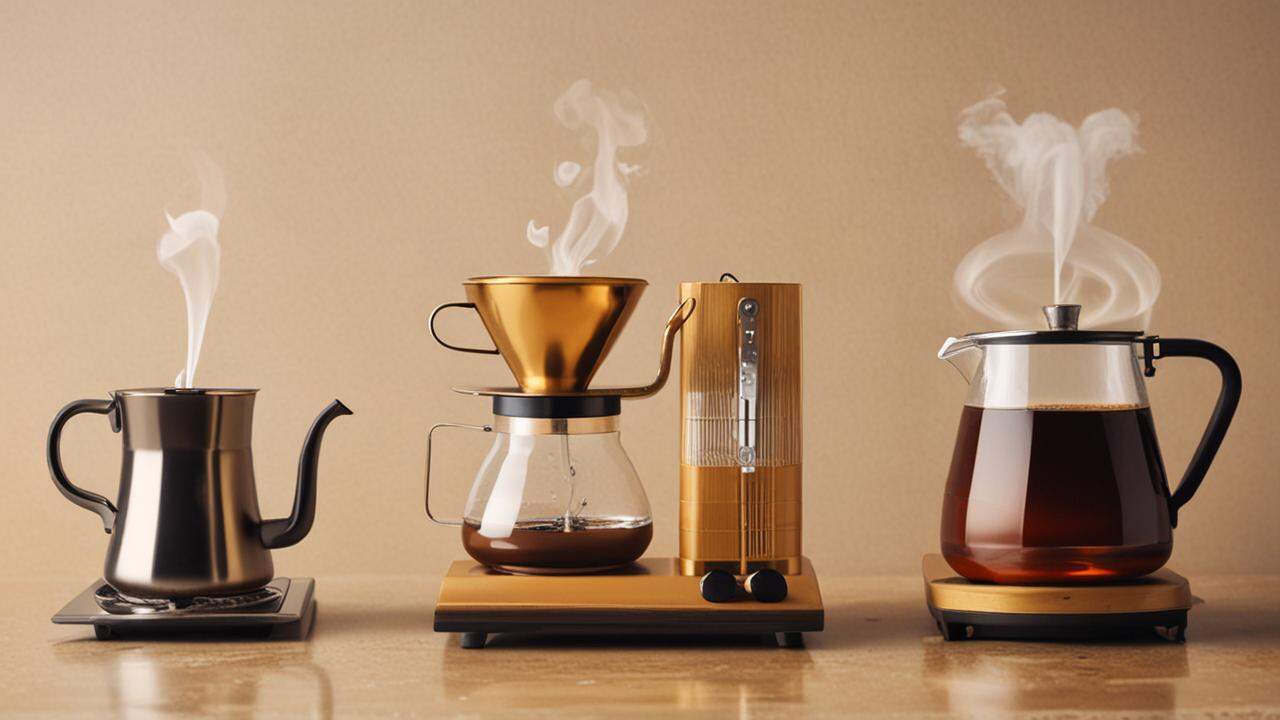
The Brewing Process: Pressure vs. Gravity
The fundamental difference in how these coffees are made is the key to their distinct characteristics. Understanding these processes helps clarify the Drip Coffee Vs Espresso: Caffeine And Flavor Compared.Drip Coffee: The Gentle Approach
Drip coffee relies on gravity and time. The hot water slowly filters through the coffee grounds. This allows for a more gentle extraction of flavors and compounds.
The coarser grind used in drip coffee also plays a role. It prevents the grounds from clogging the filter and allows water to pass through at a steady rate. This method is forgiving and doesn’t require specialized equipment beyond a coffee maker and filters.
For an easy entry into coffee brewing, use a standard drip coffee maker — it requires no special skills and reliably produces a consistent cup.
It’s a widely accessible and simple way to make coffee at home or in an office setting.
Espresso: The High-Pressure Method
Espresso demands precision and power. The espresso machine uses a pump to generate around 9 bars of pressure. This high pressure forces hot water through a tightly packed puck of very finely ground coffee.
This rapid, high-pressure extraction is what gives espresso its unique texture, intense flavor, and crema. The fine grind is essential to create resistance against the water flow, allowing for proper extraction. Without the correct grind size and pressure, you won’t get true espresso.
Making Your Choice: Which Coffee Is Right for You?
Deciding between drip coffee and espresso often comes down to personal preference and what you’re looking for in a coffee experience. The Drip Coffee Vs Espresso: Caffeine And Flavor Compared discussion helps guide this choice.When to Choose Drip Coffee
Drip coffee is a great choice if you enjoy a smoother, less intense flavor and a larger serving size. It’s perfect for sipping throughout the morning. If you’re sensitive to strong flavors or need a sustained energy boost without a sudden rush, drip coffee is likely your best bet.
It’s also more budget-friendly for daily consumption as it requires less specialized equipment.
Be aware that if you are sensitive to strong flavors or caffeine spikes, espresso’s concentrated nature may cause discomfort; drip coffee is a safer daily choice.
When to Choose Espresso
Espresso is ideal if you prefer a strong, concentrated coffee flavor and a quick caffeine hit. It’s the foundation for many popular coffee drinks and is perfect for those who enjoy rich, complex tastes in a small, potent dose. If you need a fast pick-me-up or love the taste and texture of crema, espresso is the way to go.
It’s also a good option if you want to control your caffeine intake by having just one or two small shots.
A Quick Comparison Table
The comparison table clearly shows that the key differences lie in brewing method, grind size, and serving size, which directly impact flavor concentration and caffeine per ounce.
Frequently Asked Questions
Is espresso stronger than drip coffee in terms of caffeine?
Espresso has more caffeine per ounce, but a standard 8-ounce cup of drip coffee typically contains more total caffeine than a single 1-ounce shot of espresso.
Which coffee has a bolder flavor, drip or espresso?
Espresso has a much bolder and more intense flavor due to its concentrated brewing method. Drip coffee is generally milder and smoother.
Can I make espresso at home without a special machine?
While you can get close with methods like a Moka pot, true espresso requires high pressure that only an espresso machine can provide. Other methods will yield strong coffee, but not technically espresso.
Does the bean type affect the caffeine in drip coffee vs. espresso?
Yes, bean type, roast level, and even how the beans are ground can influence caffeine content in both drip coffee and espresso.
Why does espresso have crema?
Crema is formed by the emulsification of coffee oils and carbon dioxide under high pressure during the espresso brewing process. It contributes to espresso’s flavor and texture.
Is it better to choose drip coffee or espresso for less acidity?
Espresso is often perceived as less acidic due to its concentrated nature and the oils present. However, acidity can vary greatly based on the beans and roast. Some darker roasts of drip coffee can also be less acidic.
Final Thoughts
Understanding the differences in Drip Coffee Vs Espresso: Caffeine And Flavor Compared helps you pick your perfect cup. Espresso offers intense flavor and concentrated caffeine in a small dose, while drip coffee provides a larger, smoother, and more balanced experience. Choose based on your taste and energy needs.