Coffee Bloom Explained: Why It Matters For Flavor
At a Glance Coffee bloom is the release of trapped carbon dioxide from freshly roasted coffee grounds upon first contact with hot water, a direct sign of bean freshness that directly impacts the final…
Coffee bloom is the release of trapped carbon dioxide from freshly roasted coffee grounds upon first contact with hot water, a direct sign of bean freshness that directly impacts the final flavor by allowing for even water saturation. This degassing process prevents uneven extraction, which would otherwise produce sour or bitter tastes, and instead enables the full aromatic and flavor compounds to develop in the cup. Managing the bloom with a short pre-wet phase of 20 to 30 seconds is a practical step that gives brewers greater control over extraction quality and a richer, more balanced result.
When you open a fresh bag of coffee beans, you might see them puff up and bubble a bit. This is called coffee bloom, and it’s a sign of fresh, good-quality coffee. Understanding Coffee Bloom Explained: Why It Matters For Flavor helps you get the best taste from your coffee.
It shows the coffee is releasing gases trapped inside since roasting, which is key to unlocking its full aroma and taste. Learning about this simple process means you’ll brew a tastier cup every time.
Key Takeaways
- Coffee bloom is the release of gases from fresh coffee beans after roasting.
- It’s a sign of freshness and indicates that the coffee will likely have better flavor.
- The bloom process is essential for allowing the full aroma and taste of the coffee to develop.
- Proper blooming before brewing can lead to a more even extraction and a richer cup.
- Observing and understanding coffee bloom helps you appreciate the quality of your beans.
- You can easily see and manage coffee bloom when you brew at home.
What Is Coffee Bloom?
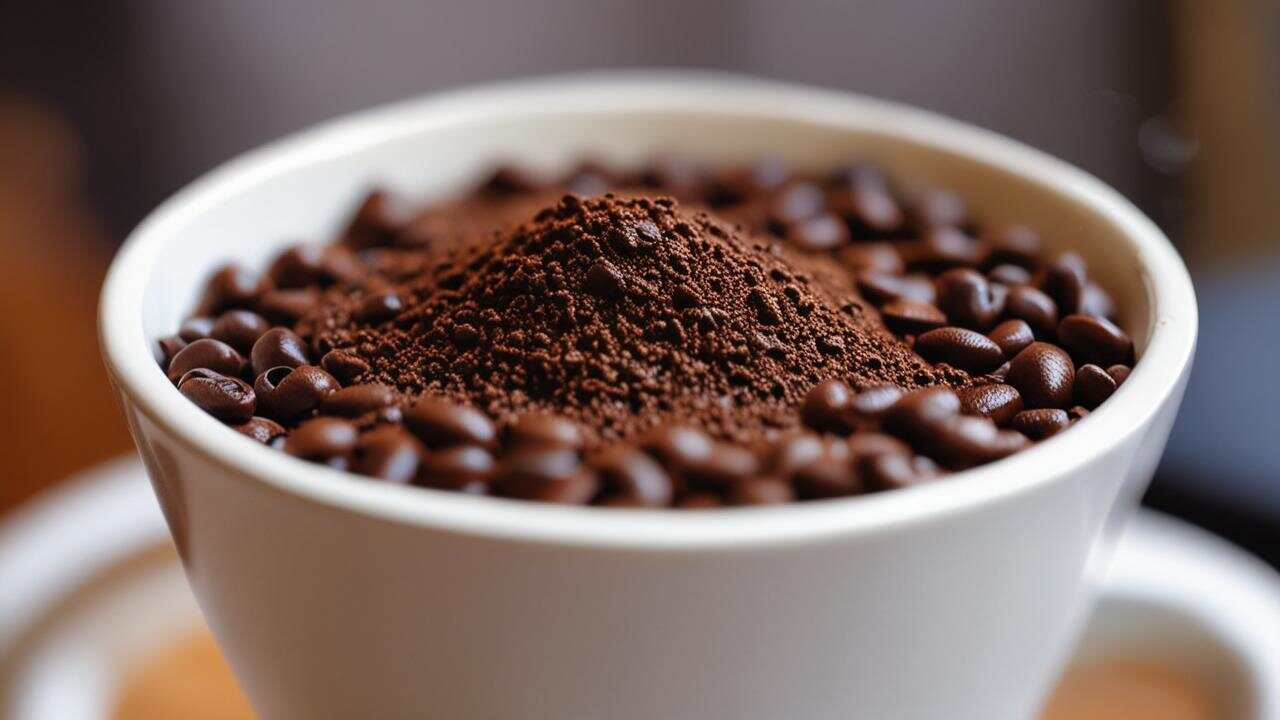
Coffee bloom is a fascinating natural process that happens when hot water meets freshly roasted coffee grounds. As soon as coffee is roasted, it starts to release carbon dioxide (CO2) gas. This gas is trapped inside the bean’s cellular structure.
When you add water, especially hot water, it reacts with these trapped gases, causing them to expand and escape. This escape creates the bubbling and foaming you see on the surface of the coffee grounds.
For a visible bloom, use water just off the boil and freshly roasted coffee grounds to trigger the CO2 release.
The intensity and duration of the bloom are good indicators of the coffee’s freshness. Newer roasts will have a more vigorous bloom. Older beans will have released most of their CO2, resulting in little to no bloom.
This visual cue is a simple way for any coffee drinker to gauge how recently their beans were roasted.

Why Coffee Bloom Matters For Flavor
The primary reason Coffee Bloom Explained: Why It Matters For Flavor is so important is its direct impact on taste. When coffee beans release CO2, they are also releasing volatile aromatic compounds. These compounds are what give coffee its incredible smell and complex flavors.
If you brew coffee without allowing it to bloom, these gases can interfere with the water’s ability to extract the desirable flavors from the coffee grounds. The trapped CO2 can create tiny pockets of air, preventing water from fully saturating the grounds, leading to an uneven extraction.
Blooming allows trapped CO2 to escape, ensuring water can fully extract flavor compounds without interference from gas pockets.
An even extraction means the water is in contact with all the coffee particles for the right amount of time. This allows the water to dissolve all the good stuff – the sugars, acids, and oils that make coffee taste delicious. When bloom is allowed to happen, the CO2 escapes, making way for the water to interact directly with the coffee.
This results in a more balanced, richer, and more flavorful cup of coffee. You get to taste the true character of the bean, not a muted or sour version.
The Science Behind The Bloom
The process of coffee blooming is rooted in chemistry. Roasting coffee beans causes a chemical reaction that creates a significant amount of carbon dioxide. This gas gets trapped within the porous structure of the bean.
Think of it like a sponge filled with air. When you pour water onto the coffee grounds, the water acts as a catalyst. It not only wets the grounds but also begins to dissolve some of the coffee solids.
The CO2 barrier must be broken by blooming, or it will block full extraction of coffee's soluble flavors.
The water also causes the CO2 trapped inside to rapidly expand. This expansion creates the visible bubbling and foaming. This release of CO2 is a degassing process.
It’s crucial because CO2, while natural, can create a barrier. If this barrier isn’t broken down before brewing starts in earnest, it can hinder the extraction of soluble coffee compounds. The bloom essentially clears the way for better water-to-coffee contact.
How To Observe And Manage Coffee Bloom
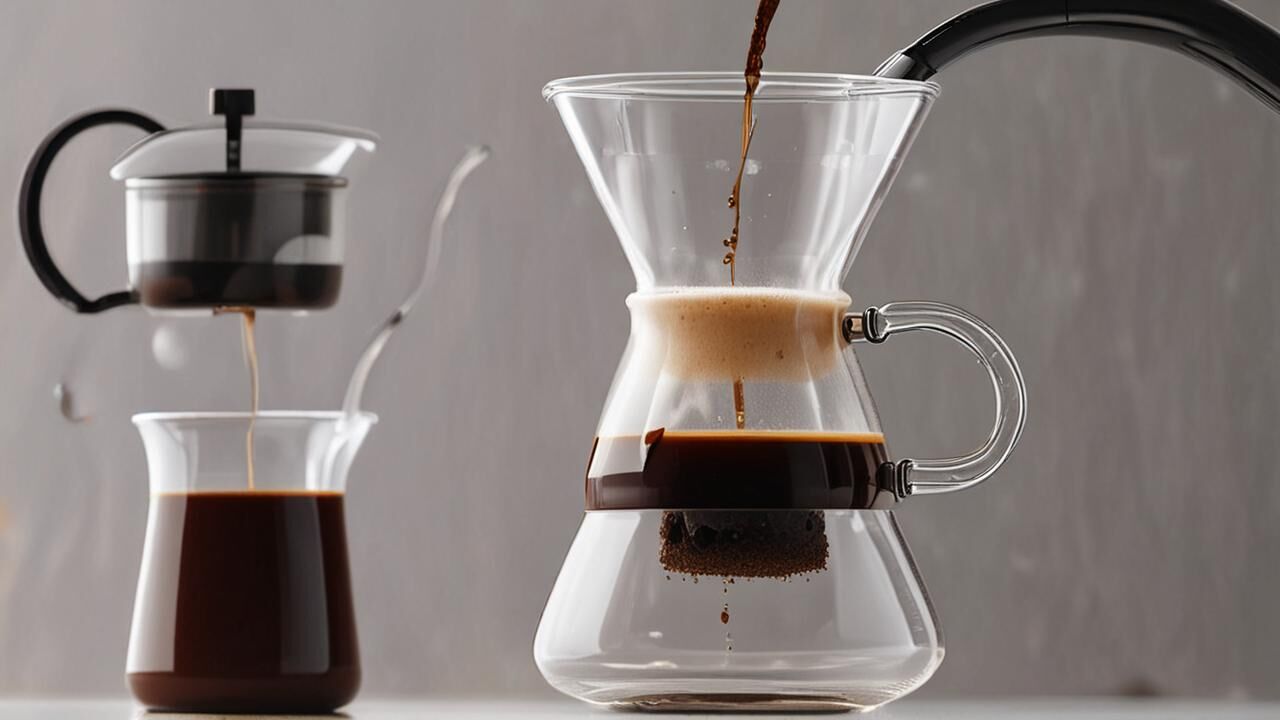
Observing coffee bloom is easy, especially when you brew coffee at home using methods like pour-over, French press, or even a simple drip machine. The most common way to manage bloom is by pre-wetting your coffee grounds before starting the main brewing process. This is often called the “bloom phase” of brewing.
First, measure your coffee grounds and place them in your brewer. If you’re using a pour-over cone, place a filter in it and rinse it with hot water. Discard the rinse water.
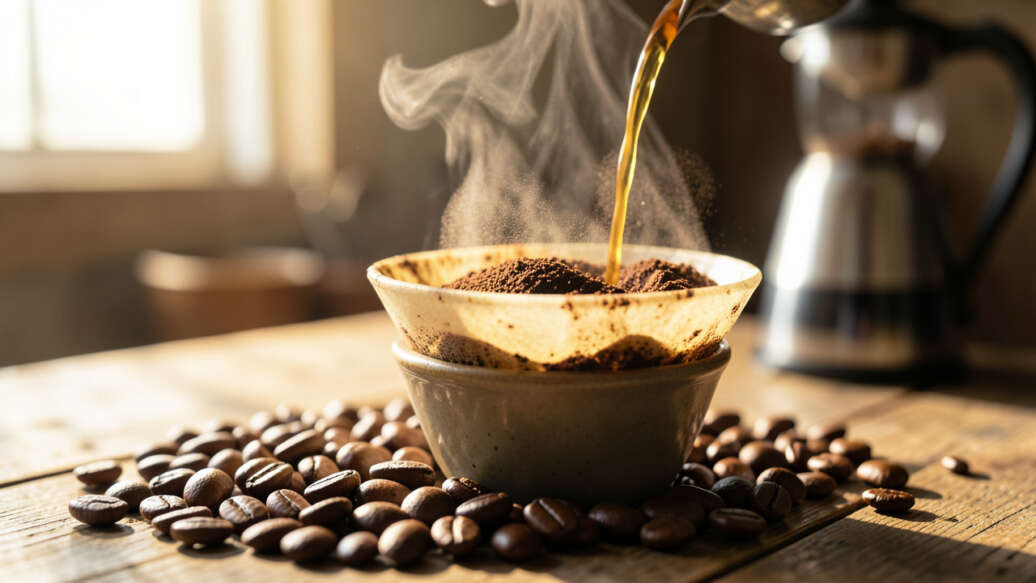
Then, add your coffee grounds. Start a timer and slowly pour just enough hot water (around twice the weight of your coffee grounds) over the grounds to saturate them evenly. You should see the grounds puff up and bubble.
Start your bloom by pouring just enough hot water to saturate the grounds, then wait 30 seconds before continuing.
Let this sit for about 30 to 45 seconds. This is the bloom.
Second, after the bloom, you can continue with your regular brewing method. The pre-wetting ensures that most of the CO2 has escaped. This allows for a more controlled and even extraction when you add the rest of your water.
If you don’t see much bloom, it might mean your coffee is older, but it doesn’t necessarily mean it’s bad – it just won’t have the same vibrant aroma and flavor profile.
What A Vigorous Bloom Tells You
A strong, noticeable bloom is a positive sign for your coffee. It tells you a few important things about the beans you’re about to brew. Primarily, it signifies that the coffee is very fresh.
The more vigorous the bloom, the more CO2 is being released, which means the roasting process happened relatively recently. This is good because coffee flavor and aroma are at their peak shortly after roasting, and then gradually diminish over time.
A weak bloom may indicate stale coffee; always check the roast date if you see little bubbling.
Furthermore, a good bloom suggests that the beans were roasted with care. While all freshly roasted coffee will bloom, a consistent and energetic bloom across all your grounds indicates quality and uniformity from the roaster. It means the degassing process is happening as expected, setting the stage for optimal flavor development during brewing.
For those who appreciate nuanced flavors, a lively bloom is a promise of that complexity.
When Coffee Bloom Might Be Less Noticeable
There are several reasons why you might not see a significant coffee bloom, and it’s important to know these so you don’t mistake a lack of bloom for poor coffee quality. The most common reason is simply that the coffee is not as fresh. Coffee beans continue to degas over time.
After a few weeks or months post-roast, most of the CO2 will have naturally escaped. In this case, you’ll likely see little to no bubbling when you add water.
Dark roasts degas faster than light roasts, so they often show a less dramatic bloom even when fresh.
Another factor can be the type of roast. Darker roasts tend to degas faster than lighter roasts because the roasting process breaks down the bean’s structure more. So, a dark roast might show less bloom than a light roast, even if they were roasted at the same time.
Also, some processing methods can affect degassing. For instance, washed coffees often degas more quickly than natural or honey-processed coffees.
The Role of Bloom in Different Brewing Methods
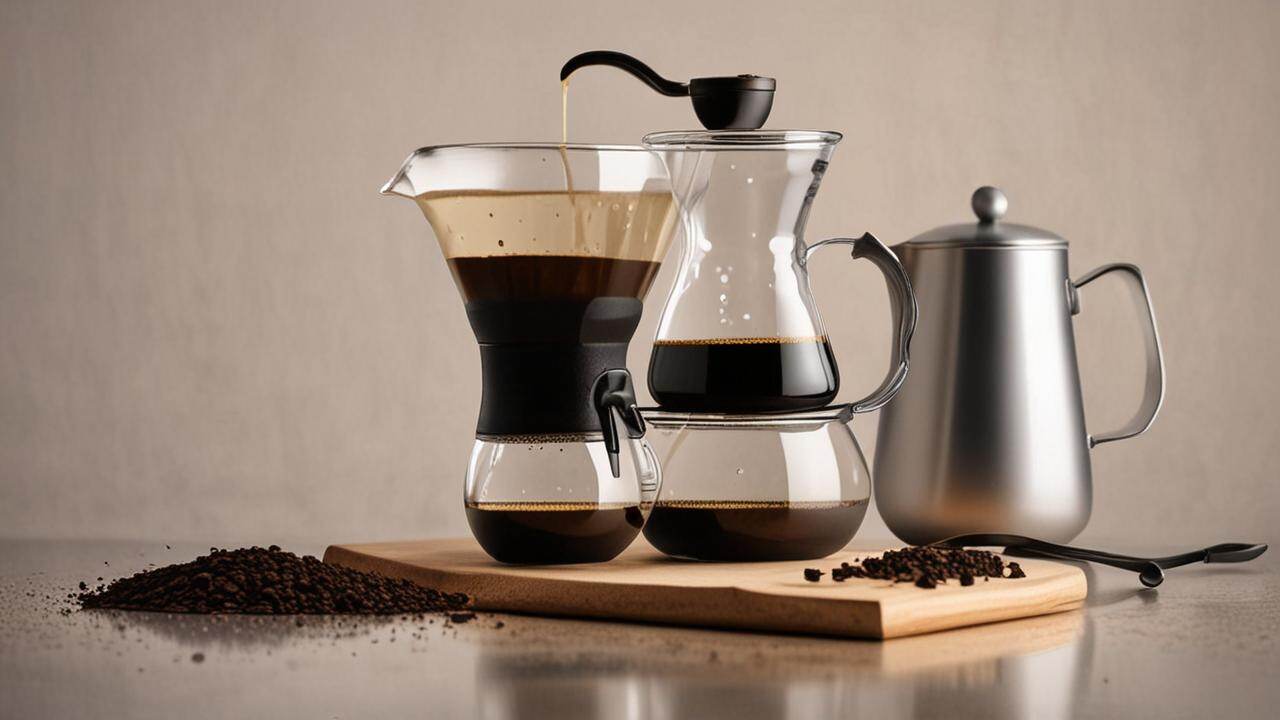
The importance of understanding Coffee Bloom Explained: Why It Matters For Flavor is consistent across most brewing methods, but how you manage it can vary. For pour-over methods like Hario V60 or Chemex, the bloom phase is a critical step. It’s where you deliberately pre-wet the grounds to allow for an even saturation and extraction.
Without this step, the water might channel through the grounds, leading to an under-extracted and weak cup.
For espresso, the bloom is less visible due to pressure, but the principle of degassing remains critical for flavor.
With a French press, the bloom is also important. After adding your grounds and hot water, you’ll see the bloom. Stirring gently after the bloom can help ensure all grounds are saturated.
For espresso, the pressure involved can sometimes mask the visual bloom, but the principle remains the same: fresh, properly degassed coffee is key to a good shot. Even in automatic drip machines, the initial water flow over the grounds acts as a bloom, contributing to the final taste.
Comparing Bloom with Different Bean Types
The visual aspect of coffee bloom can differ based on the origin and processing of the coffee beans. This is a subtle but interesting part of Coffee Bloom Explained: Why It Matters For Flavor. For example, Arabica beans, known for their complex flavor profiles, often exhibit a more pronounced bloom than Robusta beans, which are typically bolder and more bitter.
When using washed-process beans, expect a quick, intense bloom; natural-process beans may bloom more slowly.
This is due to differences in their cellular structure and density.
Processing methods also play a role. Washed coffees, where the fruit pulp is removed before drying, tend to degas more quickly and thus show a more immediate and sometimes shorter bloom. Natural or dry-processed coffees, where the fruit is left on during drying, retain more moisture and can take longer to degas, sometimes leading to a more sustained but less explosive bloom.
Here’s a simple comparison:

When Bloom Isn’t the Only Factor
While coffee bloom is a fantastic indicator of freshness and a crucial step for optimal flavor, it’s not the only thing that determines how good your coffee tastes. Many other factors contribute to the final cup. The quality of the beans themselves, their origin, the varietal, and the specific processing method all have a significant impact.
Even the way the beans were roasted – the roast profile and duration – plays a huge role in developing their unique flavors.
Beyond the beans, your brewing technique is paramount. The grind size, water temperature, water quality, and the brewing ratio (how much coffee to water) all affect extraction. Even the cleanliness of your brewing equipment matters.
So, while a good bloom is a great starting point, remember that a truly exceptional cup of coffee is the result of a combination of great beans and skillful brewing. Understanding Coffee Bloom Explained: Why It Matters For Flavor is one piece of a larger delicious puzzle.
Frequently Asked Questions
Is coffee bloom bad for my coffee?
No, coffee bloom is not bad. It’s a sign of freshness and a necessary step for unlocking the best flavors. The bubbling is just the release of trapped CO2 gas.
How long does coffee bloom typically last?
The visible bloom usually lasts for about 30 to 45 seconds after hot water is first introduced to the grounds. The degassing process itself continues for days or weeks.
What if my coffee has no bloom?
If your coffee has no bloom, it likely means it’s older and has already released most of its CO2. The flavor might be less vibrant, but you can still brew a good cup.
Can I brew coffee without blooming it?
Yes, you can brew coffee without a distinct bloom phase, but you might miss out on some of the best flavors. Pre-wetting the grounds helps ensure a more even extraction and a tastier cup.
Does the bloom affect the caffeine content?
The bloom itself doesn’t directly affect caffeine content. Caffeine is a stable compound. However, by improving extraction, a good bloom can lead to a more complete extraction of all coffee solubles, including caffeine.
How does Coffee Bloom Explained: Why It Matters For Flavor relate to brewing time?
Allowing coffee to bloom for about 30-45 seconds before continuing the brew can lead to a more even extraction. This might slightly affect the overall brew time if you’re used to rushing, but it’s worth it for the flavor.
Final Thoughts
Seeing your coffee bubble is a good thing. It means your beans are fresh and ready to give you their best taste. By understanding coffee bloom, you’re one step closer to brewing a truly delicious cup.
Don’t skip that initial pour of water when you brew – it makes a big difference.