How To Test If Your Cookware Is Still Safe To Use
At a Glance To test if your cookware is still safe to use, inspect non-stick coatings for peeling, flaking, or deep scratches, as damaged coatings can release harmful particles into food. Check metal…
To test if your cookware is still safe to use, inspect non-stick coatings for peeling, flaking, or deep scratches, as damaged coatings can release harmful particles into food. Check metal cookware for warped bottoms, dents, or corrosion, which affect heat distribution and may leach metals during cooking. Cast iron should be examined for cracks and rust, with proper seasoning maintaining its safety and performance over time.
Your kitchen is the heart of your home, and the pots and pans you use every day play a big role in your meals. Over time, even the best cookware can show signs of wear that might make it unsafe to cook with. Knowing how to spot these issues is important for keeping your food healthy and your family safe.
This guide will show you How to Test If Your Cookware is Still Safe to Use, helping you make smart choices about what stays on your stovetop and what needs to be replaced.
Key Takeaways
- Learn to identify common signs of wear and tear that make cookware unsafe.
- Understand the specific risks associated with damaged non-stick coatings.
- Discover how to check for warping and damage in metal cookware.
- Recognize when cast iron needs attention or replacement.
- Find out how to safely dispose of old cookware.
- Gain confidence in choosing and maintaining safe kitchen tools.

Signs Your Non-Stick Pans Need Replacing
Non-stick pans are a kitchen favorite for a reason. Food slides right off, making cooking and cleaning a breeze. However, their special coating doesn’t last forever.
When this coating starts to break down, it can be a health concern. Understanding how to test if your cookware is still safe to use is especially important for these types of pans.
Peeling or Flaking Coating
The most obvious sign of a worn-out non-stick pan is a coating that is peeling or flaking off. You might see small pieces of the coating coming away from the pan’s surface. This is a clear indicator that the pan is no longer safe for cooking.
These flakes can get into your food, which is not good for your health.
Deep Scratches
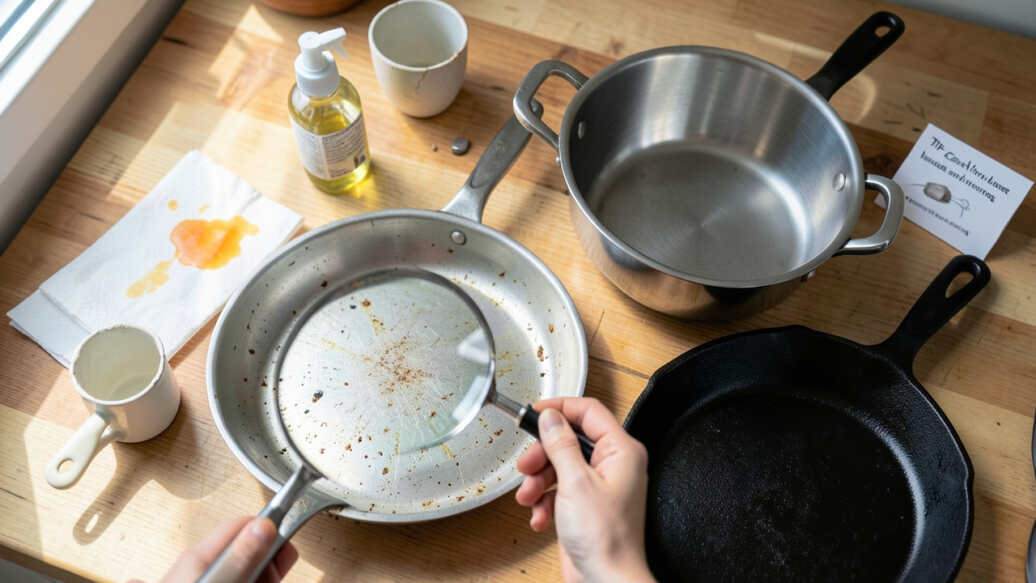
Even if the coating isn’t flaking, deep scratches can also compromise the non-stick surface. These scratches can happen from using metal utensils or from stacking pans without protection. If you can easily see the metal or the layer beneath the non-stick coating through the scratches, it’s time for a change.
Discoloration and Bubbling
Sometimes, non-stick pans can develop strange discolored spots or even start to bubble. This often happens if the pan gets too hot or has been used for a long time. These signs mean the coating is degrading and may be releasing harmful substances.
It’s a good idea to consider replacing the pan when you see these changes.

Checking Metal Cookware for Safety
Metal cookware, like stainless steel, aluminum, and copper, is generally quite durable. However, even these materials can become unsafe if they are damaged. Knowing How to Test If Your Cookware is Still Safe to Use involves looking for specific signs of wear and tear on these metals.
Warped Bottoms
A common issue with metal pots and pans is a warped bottom. This happens when the pan is heated unevenly or subjected to extreme temperature changes. A warped bottom means the pan won’t sit flat on your stovetop.
This leads to uneven heating, making your food cook poorly and potentially burning in spots.
If your pan wobbles on a flat surface, it’s a sign it’s warped. This uneven contact can also be a fire hazard on gas stoves. It’s important to replace warped metal cookware for consistent cooking and safety.
Dents and Holes
Look for any significant dents or, worse, holes in your metal cookware. Dents, especially on the cooking surface, can create uneven cooking areas. Holes are a more serious problem.
They mean the structural integrity of the pan is compromised, and it’s no longer suitable for holding food or heating.
Corrosion and Pitting
Some metals can corrode or become pitted over time, especially if they are not cared for properly. For stainless steel, you might see rust spots. For aluminum, you might notice a chalky white or gray residue, which is oxidation.
While minor pitting might not always make a pan immediately unsafe, it can affect food taste and hygiene. Significant corrosion or pitting is a clear sign that it’s time to replace the cookware.
Stainless Steel: What to Watch For
Stainless steel is popular because it’s tough. But it’s not invincible. Check for deep scratches that go all the way through to a different metal layer, although this is rare.
More common is pitting or discoloration from certain foods or cleaning agents. If you see rust, it’s usually a sign of damage to the protective layer. You can often scrub off surface rust with a non-abrasive cleaner.
If it’s deep or recurring, the pan may be compromised.
Aluminum: Potential Concerns
Uncoated aluminum cookware can react with acidic foods. This can cause pitting and discoloration. While small amounts of aluminum leaching into food are generally considered safe by most health organizations, significant pitting indicates the pan is degrading.
Anodized aluminum is more durable, but still check for deep scratches or warping.
Copper: Signs of Trouble
Copper cookware, often lined with tin or stainless steel, needs careful inspection of its lining. If the tin lining is worn away, exposing the copper, it can react with food, especially acidic ones, and is no longer safe. Copper itself is safe in small amounts, but its reactivity means a damaged lining is a problem.

Caring for and Testing Cast Iron Cookware
Cast iron cookware is a long-term investment. When cared for properly, it can last for generations. However, it does have its own set of issues that can make it unsafe or difficult to use.
Learning How to Test If Your Cookware is Still Safe to Use includes knowing these cast iron specifics.
Rust is the Enemy
The biggest enemy of cast iron is rust. If your cast iron pan has significant rust spots, especially deep ones, it needs attention. Light surface rust can often be scrubbed off with steel wool and then re-seasoned.
However, if the rust has eaten away at the metal, making it thin or brittle, the pan is no longer safe.
Cracks and Chips
Cast iron can crack or chip, especially if it’s dropped or subjected to extreme temperature changes (like putting a hot pan in cold water). A cracked or chipped cast iron pan is dangerous. The cracks can harbor bacteria, and pieces of the pan could break off into your food.
Any cracks or significant chips mean the pan should be retired.
Uneven Surfaces
Over time, the seasoning on cast iron can become uneven, creating sticky spots or a rough surface. While this is more of a cooking performance issue, very rough or uneven patches that cannot be smoothed out through re-seasoning might be a sign of underlying damage or excessive wear. If the pan feels too rough to cook on safely and cleaning doesn’t help, it might be time to consider its age.

Assessing Glass and Ceramic Cookware
Glass and ceramic cookware are often seen as safe alternatives. They don’t react with food and can look very elegant. However, they also have their own vulnerabilities.
Chips and Cracks
The most critical safety concern for glass and ceramic cookware is chips and cracks. Even a small chip on the rim can be a weak point. If the material is cracked, it can shatter unexpectedly, especially when exposed to heat or cold.
Always inspect these items for any signs of damage before use. A cracked glass or ceramic pot or dish is never safe.
Thermal Shock Damage
Both glass and ceramic can be susceptible to thermal shock. This is when a sudden temperature change causes the material to crack or break. For example, placing a hot glass dish on a cold countertop or vice versa.
While this is more about how you use them, repeated thermal shock can weaken the material over time, making it more prone to damage.

When to Consider Replacing Other Cookware Types
Beyond the common types, other cookware materials and specialized items also have lifespans and safety considerations.
Enameled Cast Iron: Check the Enamel
Enameled cast iron offers the benefits of cast iron with a non-reactive surface. The main thing to check here is the condition of the enamel coating. If the enamel is chipped, cracked, or heavily scratched, it exposes the cast iron underneath.
This can lead to rust and potential leaching of nickel or iron into your food. A chipped enamel coating is a significant safety concern.
Silicone Cookware: Wear and Tear
Silicone bakeware and utensils are generally safe. However, look for signs of degradation. If the silicone starts to feel sticky, becomes brittle, or develops a strange odor, it might be time to replace it.
Also, check for tears or cuts, which can harbor bacteria.
Wooden Utensils and Cutting Boards
Wooden items can develop deep cuts and gouges. These can trap food particles and bacteria, making them difficult to clean properly. If your wooden spoon or cutting board is deeply scored and cannot be cleaned thoroughly, it’s best to replace it to avoid cross-contamination.

The Importance of Proper Maintenance
One of the best ways to ensure your cookware remains safe is through diligent maintenance. Following manufacturer instructions for cleaning and care can significantly extend the life of your pots and pans. This is key to understanding How to Test If Your Cookware is Still Safe to Use because well-maintained cookware is less likely to develop dangerous flaws.
Cleaning Techniques
Always use the recommended cleaning methods for your cookware. For non-stick, avoid abrasive scrubbers and metal utensils. For cast iron, never use harsh detergents or put it in the dishwasher.
Proper cleaning prevents damage that can lead to unsafe conditions.
Storage Matters
How you store your cookware can also prevent damage. Use pan protectors or a soft cloth between stacked pans to prevent scratches on non-stick surfaces. Avoid cramming pots and pans into a space where they can get dented or warped.
Gentle storage helps maintain the integrity of the cookware.
Re-seasoning Cast Iron
Regularly re-seasoning your cast iron cookware is crucial. This process builds up the protective, non-stick layer. It also helps prevent rust and keeps the surface smooth.
A well-seasoned pan is not only easier to cook with but also safer.

Making the Decision to Replace
Sometimes, it can be hard to let go of a favorite pot or pan. However, when it comes to safety, it’s essential to make the right call. If you’re unsure about How to Test If Your Cookware is Still Safe to Use, err on the side of caution.
When in Doubt, Throw It Out
This is a simple but effective rule. If you notice significant damage, or if you’re questioning the safety of your cookware, it’s often best to replace it. The cost of new cookware is minimal compared to potential health risks or accidents.
Consider the Material Lifespan
Different materials have different lifespans. Non-stick coatings typically wear out after a few years of regular use. High-quality stainless steel or cast iron, with proper care, can last decades.
Understanding these lifespans can help you proactively assess your cookware.
The Cost of Not Replacing
Ignoring damaged cookware can lead to several problems. You might experience food sticking and burning, making meals less enjoyable. You could also expose yourself and your family to potentially harmful chemicals.
In extreme cases, damaged cookware can pose a fire hazard or cause injury. Replacing is often the most economical choice in the long run.
Frequently Asked Questions
How often should I check my cookware for safety?
It’s a good idea to give your cookware a quick visual check every few uses, especially non-stick pans. A more thorough inspection can be done every few months or when you notice a cooking issue.
Is it safe to cook with a scratched non-stick pan if the scratches are small?
No, even small scratches can compromise the non-stick surface and potentially release harmful particles. It’s best to
Can I still use my warped stainless steel pan?
While a slightly warped pan might still function, it’s not ideal. It leads to uneven cooking and can be a safety concern on gas stoves. For best results and safety, it’s recommended to replace warped stainless steel cookware.
What if my cast iron pan has a little surface rust?
A little surface rust on cast iron is usually fixable. You can scrub it off with steel wool and then re-season the pan thoroughly. If the rust is deep or has weakened the metal, then it’s time to replace it.
Are there any DIY tests for cookware safety?
The best “tests” are visual inspections and performance checks. If food sticks excessively, if the pan is visibly damaged, or if you notice any flaking or chipping, these are your indicators. Learning How to Test If Your Cookware is Still Safe to Use relies on careful observation.
When should I replace my favorite old pot?
If your favorite old pot shows any signs of significant wear like deep scratches, warping, rust, cracks, or flaking coatings, it’s time to consider replacing it. Safety and health are more important than sentimentality.
Final Thoughts
Keeping your kitchen safe means knowing when your pots and pans have served their time. Regularly checking for damage like peeling coatings, rust, or cracks ensures your meals are healthy. Replacing worn-out cookware protects your family and makes cooking more enjoyable.