Essential Cookware: What A Beginner Actually Needs
At a Glance A beginner actually needs only four versatile pieces of cookware to start cooking efficiently: a 10- or 12-inch skillet, a 5- to 6-quart stockpot or Dutch oven, a 2- to 3-quart saucepan, a…
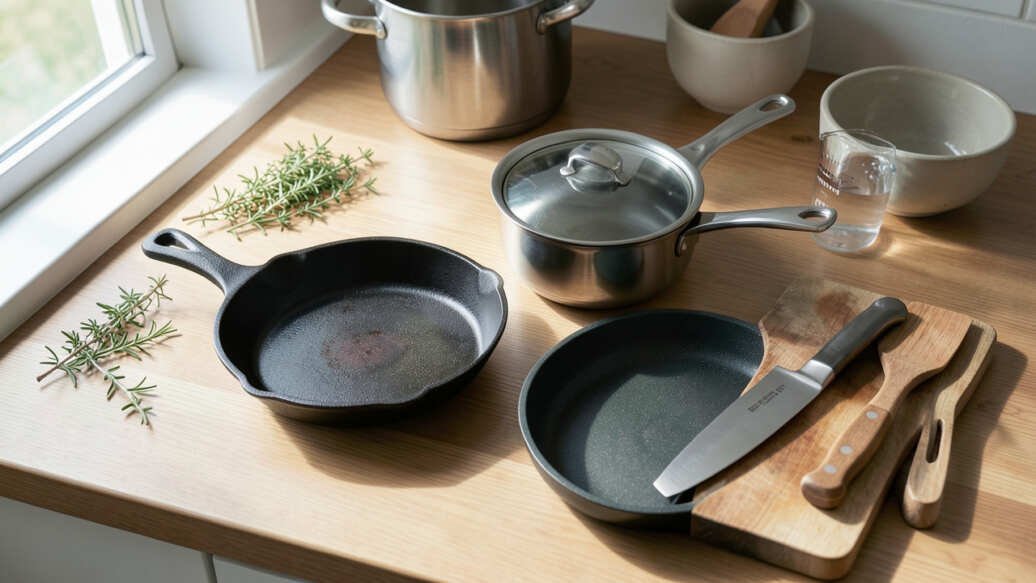
A beginner actually needs only four versatile pieces of cookware to start cooking efficiently: a 10- or 12-inch skillet, a 5- to 6-quart stockpot or Dutch oven, a 2- to 3-quart saucepan, and a rimmed baking sheet. These items handle nearly every fundamental cooking technique, from searing and sautéing to boiling, braising, and roasting, while eliminating unnecessary clutter and expense. Complementing these with a good chef’s knife, a sturdy cutting board, and basic measuring tools completes a practical, budget-friendly foundation that builds confidence and skill in the kitchen.
Getting started in the kitchen can feel a little overwhelming, especially when you’re looking at all the different pots and pans. You just want to make good food without buying a ton of stuff you’ll never use. Understanding Essential Cookware: What a Beginner Actually Needs means you can focus on learning to cook, not on organizing a mountain of kitchen gadgets.
This will save you money and frustration, leading to more enjoyable meals and a smoother cooking experience from day one.
Key Takeaways
- You’ll learn the must-have pots and pans that form the foundation of any home kitchen.
- We’ll explain why choosing the right size and material matters for different cooking tasks.
- Discover versatile pieces that can handle many different recipes, saving you money.
- Understand which tools are helpful but not strictly necessary when you’re just starting out.
- You’ll gain confidence in building a practical and efficient cookware collection.
Building Your Foundation: The Must-Have Pots and Pans
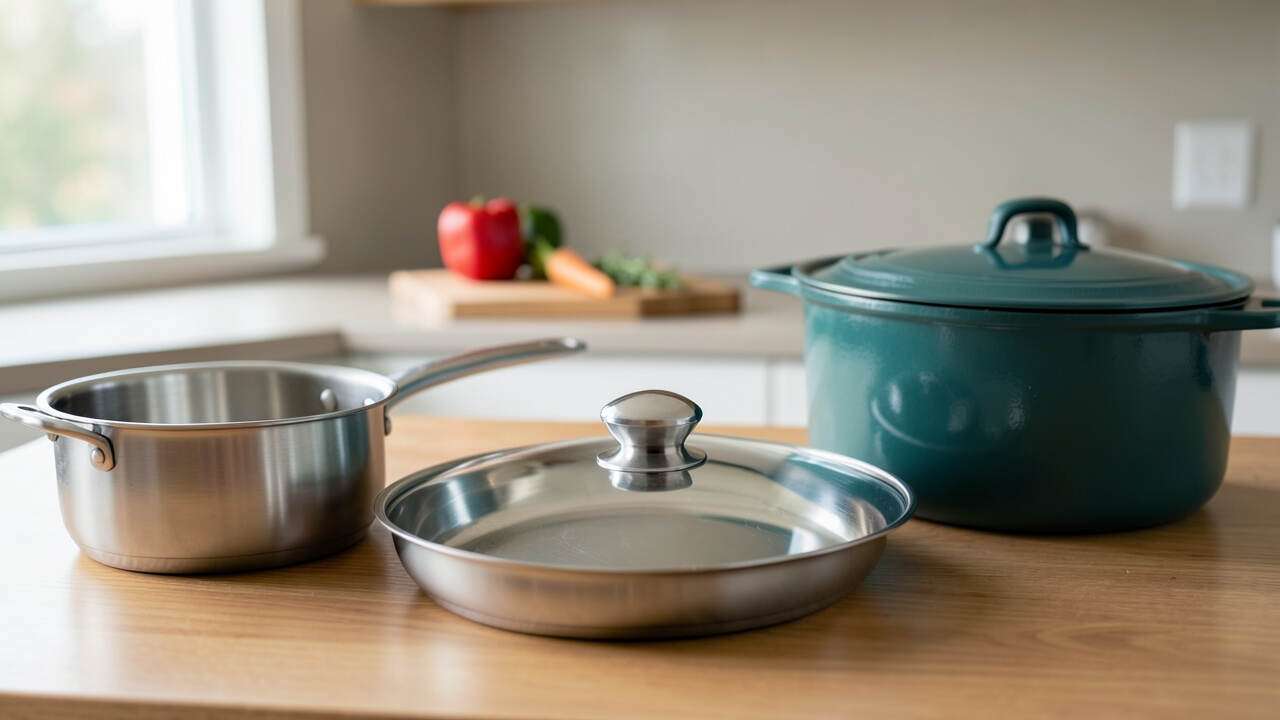
Starting your cooking journey means getting the right tools. You don’t need a whole professional kitchen, but a few key items make a big difference. These are the pieces that will see you through most recipes and help you learn quickly. Focusing on these Essential Cookware: What a Beginner Actually Needs means you’ll be set up for success.
The Workhorse: A Good Skillet
A skillet, often called a frying pan, is probably the most used item in any kitchen. For beginners, a 10-inch or 12-inch skillet is a great size. It’s big enough to cook a few chicken breasts or sauté vegetables for a family.
Material Matters for Your Skillet
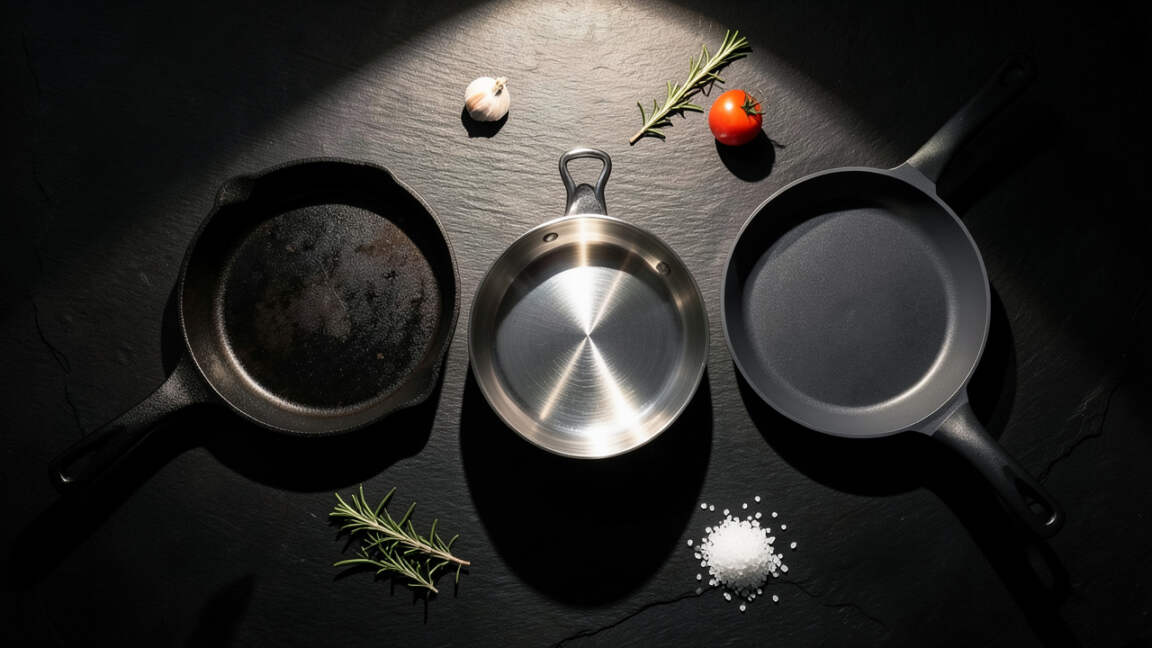
- Stainless Steel: These are durable, don’t react with acidic foods, and can go from stovetop to oven. They are a fantastic all-around choice for learning.
- Nonstick: Great for delicate foods like eggs and fish. However, they can scratch easily and don’t brown food as well as stainless steel. A good nonstick skillet is still a valuable addition for specific tasks.
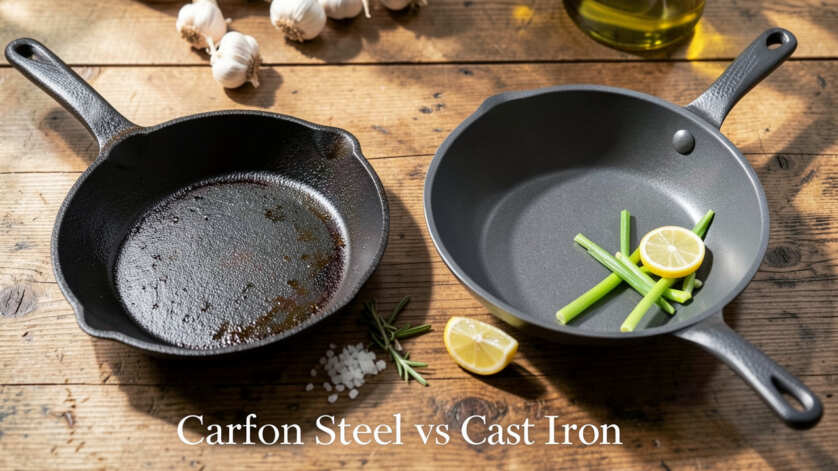
- Cast Iron: Very durable and heats evenly. It needs a bit more care (seasoning and cleaning) but is excellent for searing and can last a lifetime. Many beginners find stainless steel or a good nonstick easier to start with.
The All-Rounder: A Stockpot or Dutch Oven
You need something for making soups, stews, pasta, or boiling large amounts of water. A stockpot or a Dutch oven can do this. A 6-quart size is a good starting point.
Stockpot vs. Dutch Oven
A stockpot is usually tall and narrow, perfect for boiling pasta or making stocks. A Dutch oven is shorter and wider, with a heavy lid. It’s amazing for braising meats, making chili, or baking bread. For Essential Cookware: What a Beginner Actually Needs, a Dutch oven offers more versatility.
The Sauce Maker: A Saucepan
A saucepan is crucial for making sauces, heating up leftovers, or cooking smaller portions of grains like rice. A 2-quart or 3-quart saucepan with a lid is ideal. It’s a smaller, more controlled version of a stockpot.
Why a Lid is Important
A lid helps food cook faster by trapping heat and steam. It also prevents splattering, keeping your stovetop cleaner. For Essential Cookware: What a Beginner Actually Needs, a good saucepan is a simple but vital piece.
The Baking Buddy: A Baking Sheet
Even if you don’t bake cakes, a baking sheet is useful for roasting vegetables, baking cookies, or reheating pizza. A standard half-sheet pan is a great size. Look for sturdy aluminum ones that won’t warp.
Beyond Baking
A baking sheet can also be used to catch drips under a roasting pan. It’s a multi-purpose item that belongs in every kitchen.
Beyond the Basics: Helpful Additions
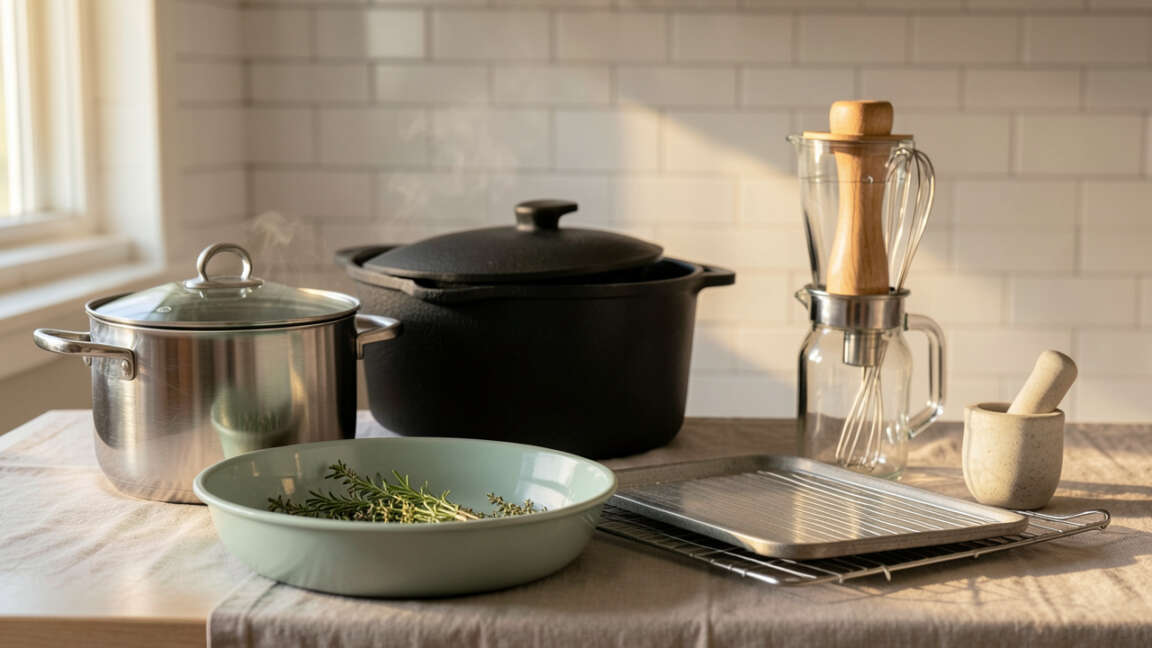
Once you have the core items, there are a few other pieces that can make your cooking life even easier. These aren’t strictly necessary for your first few meals, but they add a lot of value as you grow as a cook. These are good additions to your Essential Cookware: What a Beginner Actually Needs list as you get more comfortable.
A Good Chef’s Knife
While not technically cookware, a good knife is as important as any pot or pan. A single, sharp chef’s knife can handle most chopping, slicing, and dicing tasks. Invest in one good quality knife rather than a block full of mediocre ones.
Knife Care is Key
- Keep it sharp: A sharp knife is safer and more effective than a dull one.
- Hand wash: Never put a good knife in the dishwasher; it can damage the blade and handle.
- Store it safely: Use a knife block or magnetic strip to protect the edge.
A Cutting Board
You need a stable surface to chop on. A large wooden or plastic cutting board is essential. Wooden boards are gentle on knives, while plastic ones are easier to sanitize. It’s best to have at least two – one for raw meat and one for vegetables and fruits.
Measuring Cups and Spoons
Cooking often involves precise measurements, especially when baking. A set of dry measuring cups and liquid measuring cups, along with measuring spoons, will help you follow recipes accurately.
Mixing Bowls
A set of mixing bowls in various sizes is handy for preparing ingredients, tossing salads, or holding prepped items. Stainless steel or glass bowls are durable and easy to clean.
What to Avoid When Starting Out
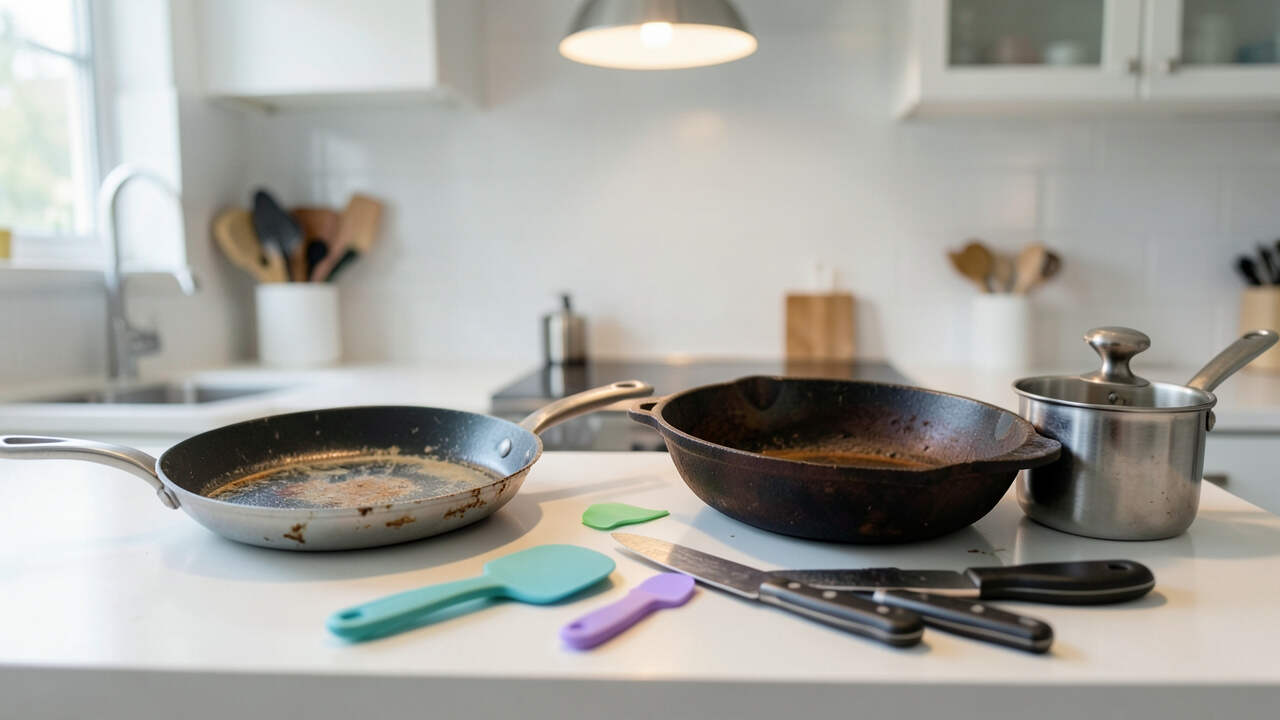
When you’re figuring out Essential Cookware: What a Beginner Actually Needs, it’s also smart to know what you can skip for now. Some items are very specialized or only useful for a few specific recipes.
Specialty Pans
Things like egg poachers, bundt pans, or fondue pots are fun but not necessary for basic cooking. You can usually find ways to make similar dishes using your core set of pans.
Extremely Cheap Sets
While you don’t need the most expensive gear, very cheap cookware sets often perform poorly. They can warp, scratch easily, and don’t heat evenly, making cooking frustrating. It’s better to buy a few good quality individual pieces than a cheap set.
Too Many Gadgets
Avoid buying every single kitchen gadget you see. Stick to the basics and add items only when you find yourself needing them for a specific, recurring task.
Making Your Cookware Last
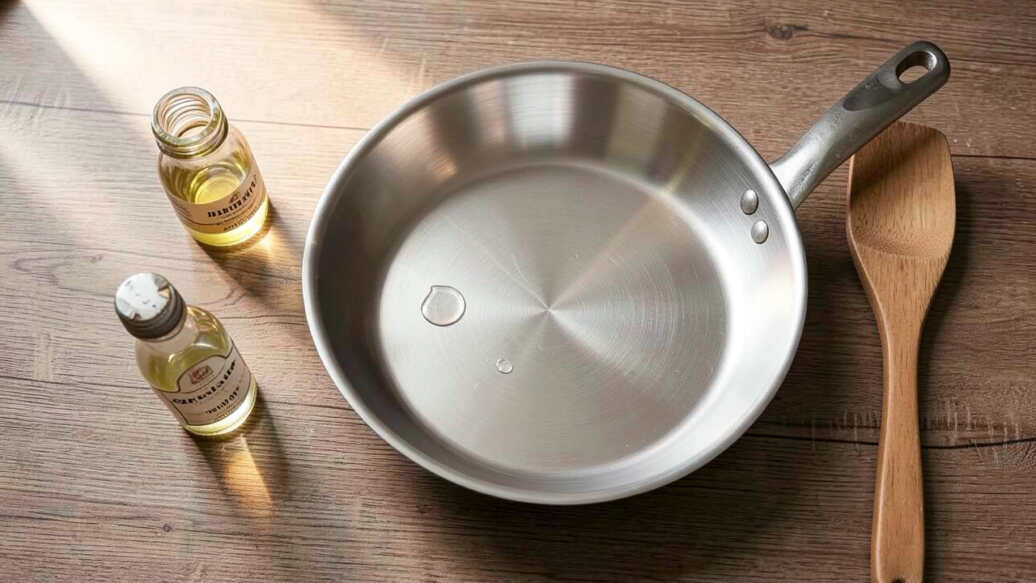
Once you’ve got your Essential Cookware: What a Beginner Actually Needs, taking care of it means it will last longer and perform better.
Cleaning Tips
Follow manufacturer instructions: Always check the care labels for your specific pots and pans.
Avoid harsh scrubbers on nonstick: Use soft sponges or cloths.
Soak stuck-on food: For stubborn bits, soak the pan in warm, soapy water before scrubbing.
Dry thoroughly: This prevents water spots and rust, especially on cast iron.
Storage Smartly
Avoid stacking nonstick pans directly: Place a cloth or paper towel between them to prevent scratches.
Use pan protectors: These are soft pads designed to prevent damage when stacking.
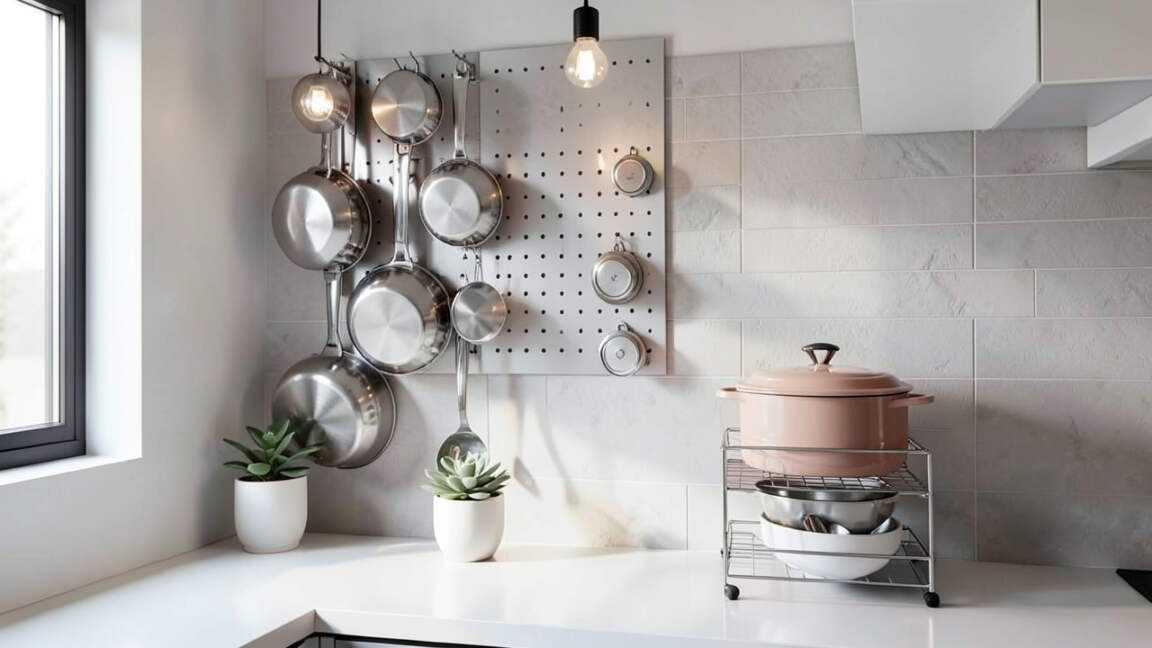
Hang pots and pans: If you have space, a pot rack can be a great way to store them and keep them accessible.
The Importance of Material and Size
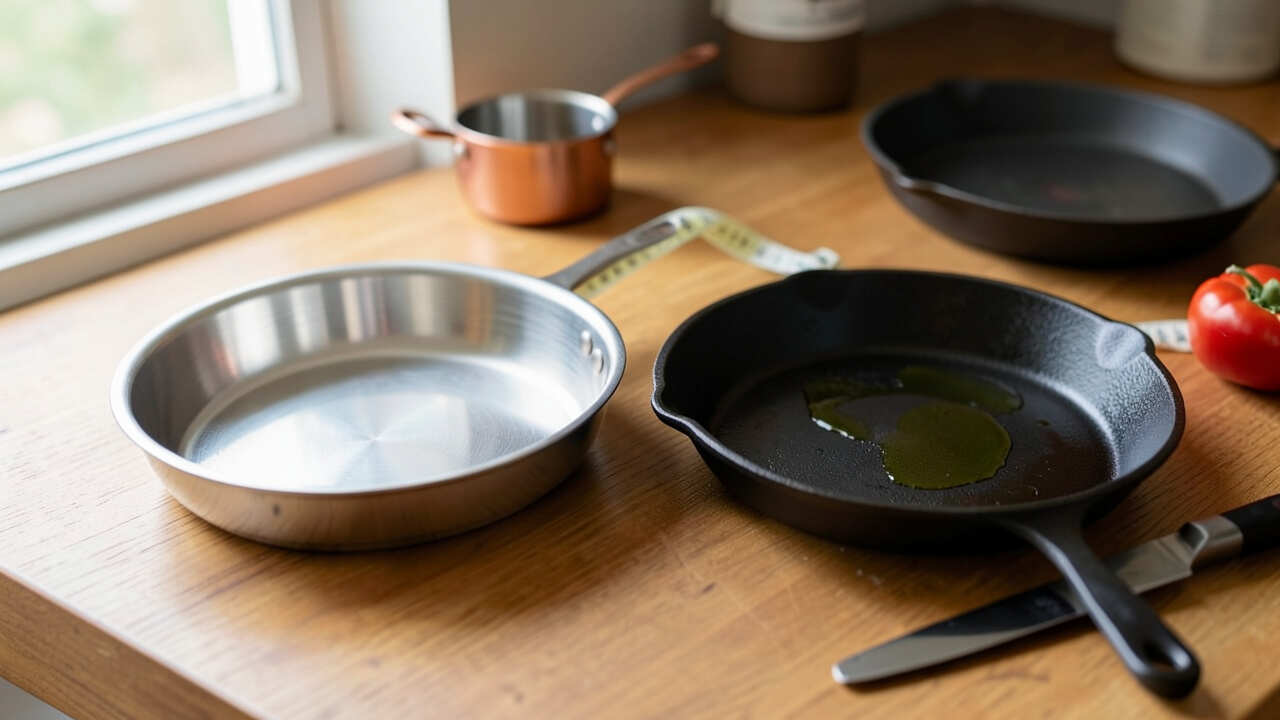
Choosing the right material and size for your cookware is key to successful cooking. It affects how evenly food cooks, how quickly it heats up, and how easy it is to clean. Understanding these factors helps you make informed decisions when building your collection of Essential Cookware: What a Beginner Actually Needs.
Material Breakdown
- Stainless Steel: Durable, non-reactive, good for searing and sautéing. Can sometimes stick if not preheated properly.
- Nonstick: Great for eggs, fish, and delicate items. Less durable and can’t handle high heat as well.
- Cast Iron: Excellent heat retention, perfect for searing and slow cooking. Requires seasoning and careful cleaning.
- Copper: Heats very quickly and evenly, offering precise temperature control. It’s expensive and can react with acidic foods if not lined.
- Aluminum: Lightweight and heats up fast, often used in nonstick pans as a base. Can warp if thin.
Size Considerations
- Too Small: Food will crowd the pan, leading to steaming instead of searing and uneven cooking.
- Too Large: Liquids can evaporate too quickly, and smaller portions might burn.
- The Sweet Spot: For most beginner tasks, 10-12 inch skillets and 6-quart pots are versatile.
Common Cooking Tasks and Their Best Cookware
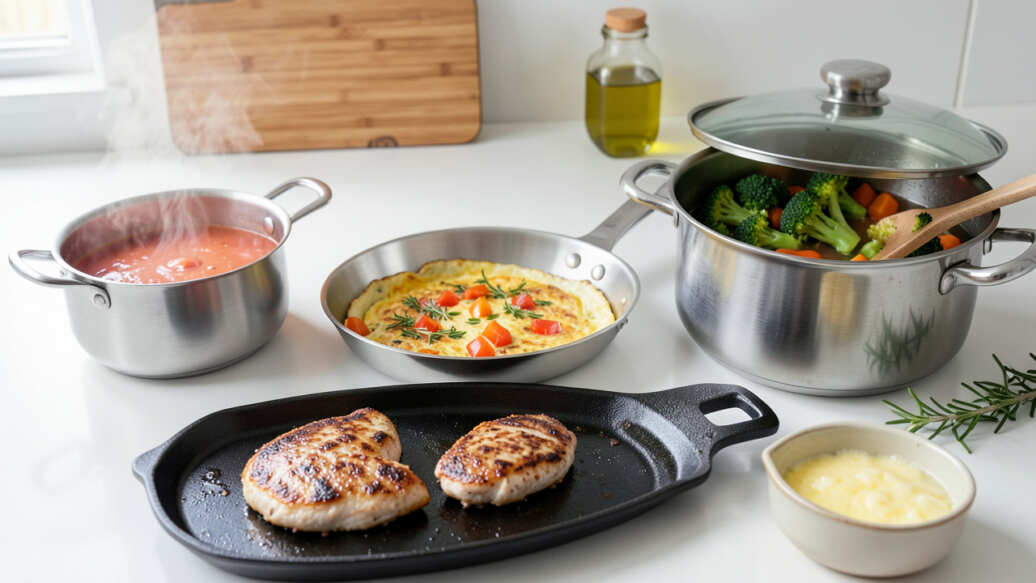
Knowing what to use for what task makes cooking much simpler. Here’s a quick guide to help you pair your Essential Cookware: What a Beginner Actually Needs with common cooking jobs.
- Searing Meat: A cast iron skillet or a heavy-bottomed stainless steel skillet works best for getting a good crust.
- Making Sauces: A medium saucepan with a lid provides control and even heating.
- Boiling Pasta: A large stockpot is ideal for giving pasta plenty of room to cook.
- Sautéing Vegetables: A 10-12 inch skillet is perfect for tossing and cooking veggies quickly.
- Making Soup/Stew: A Dutch oven or a large stockpot is needed to hold all the ingredients.
- Roasting: A sturdy baking sheet is your go-to for oven-cooked items.
Frequently Asked Questions
Question: What are the absolute must-have pots and pans for a beginner?
Answer: For absolute beginners, the core essentials include a good 10-12 inch skillet, a 2-3 quart saucepan with a lid, and a 6-quart stockpot or Dutch oven. These cover most basic cooking needs.
Question: Should I buy a cookware set or individual pieces?
Answer: For beginners, buying individual pieces is often better. You can choose high-quality items that fit your needs and budget, rather than a large set with items you might not use. This helps build your Essential Cookware: What a Beginner Actually Needs collection wisely.
Question: How important is the material of my cookware?
Answer: Material is very important as it affects how your food cooks, how easy the pan is to clean, and how long it will last. Stainless steel, nonstick, and cast iron are good materials for beginners to start with.
Question: What size pots and pans are best for a single person?
Answer: For a single person, smaller sizes like an 8-inch skillet and a 1-2 quart saucepan are often sufficient. However, a 10-inch skillet and a 3-4 quart pot still offer some flexibility for cooking for guests or making larger batches.
Question: Is a Dutch oven really necessary for beginner cookware?
Answer: A Dutch oven is very versatile and can replace several other pots. While not strictly essential for your very first meal, it’s a highly recommended piece for Essential Cookware: What a Beginner Actually Needs because of its ability to braise, stew, and even bake.
Question: How do I choose a good nonstick pan?
Answer: Look for pans with a thick, even base and a comfortable handle. Higher-quality nonstick coatings tend to be more durable. Remember to always use low to medium heat and avoid metal utensils to protect the surface.
Final Thoughts
Building your kitchen starts with understanding Essential Cookware: What a Beginner Actually Needs. Focus on a few versatile pieces like a good skillet, saucepan, and stockpot. This practical approach saves you money and frustration, letting you enjoy the process of learning to cook.