Pan Anatomy: Every Part Explained
At a Glance Pan anatomy covers the distinct parts of a cooking pan—body, rim, handle, and base—each engineered for specific cooking functions. The material of the pan body, such as stainless steel, ca…
Pan anatomy covers the distinct parts of a cooking pan—body, rim, handle, and base—each engineered for specific cooking functions. The material of the pan body, such as stainless steel, cast iron, or aluminum, directly affects heat distribution and responsiveness. Understanding how rim design, handle attachment, and base flatness influence performance allows cooks to select the right pan for their tasks.
Understanding the different parts of your pans can make cooking much easier and more enjoyable. Knowing what each piece does helps you choose the right tool for the job, leading to better meals. This guide breaks down Pan Anatomy: Every Part Explained so you can cook with confidence.
You’ll learn how the design of each pan part affects heat, food, and how you use it. Let’s get started and make your kitchen adventures smoother!
Key Takeaways
- Learn to identify and understand the function of every part of a pan.
- Discover how different pan materials affect cooking performance.
- Understand the purpose of various handle types and their benefits.
- Recognize how lid designs impact cooking methods like steaming and braising.
- Gain confidence in selecting the right pan for specific culinary tasks.

The Body of the Pan: What It’s Made Of
The main part of any pan is its body. This is where the food actually cooks. What the pan body is made from makes a big difference.
Different materials heat up and cool down at different rates. They also react differently to heat sources and foods.
Common Pan Body Materials
Many pans use a variety of materials. Each has its own strengths and weaknesses for cooking.
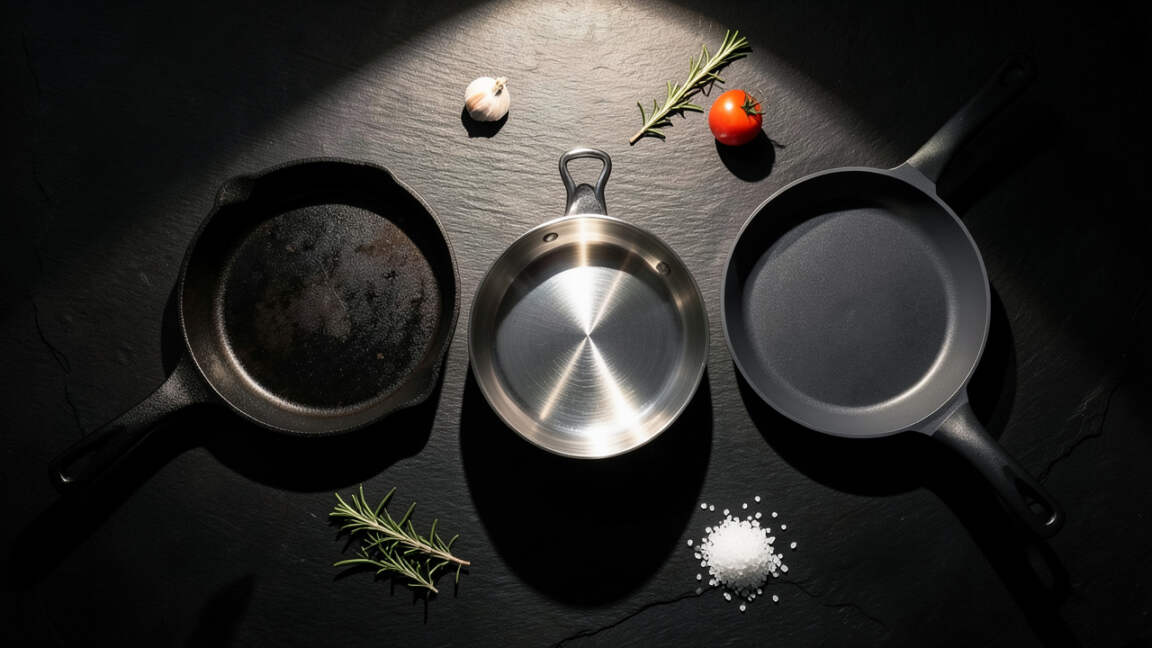
Stainless Steel
Stainless steel is super popular. It’s tough, doesn’t react with food, and is easy to clean. However, plain stainless steel doesn’t always heat evenly on its own.
That’s why many stainless steel pans have a core of aluminum or copper inside.
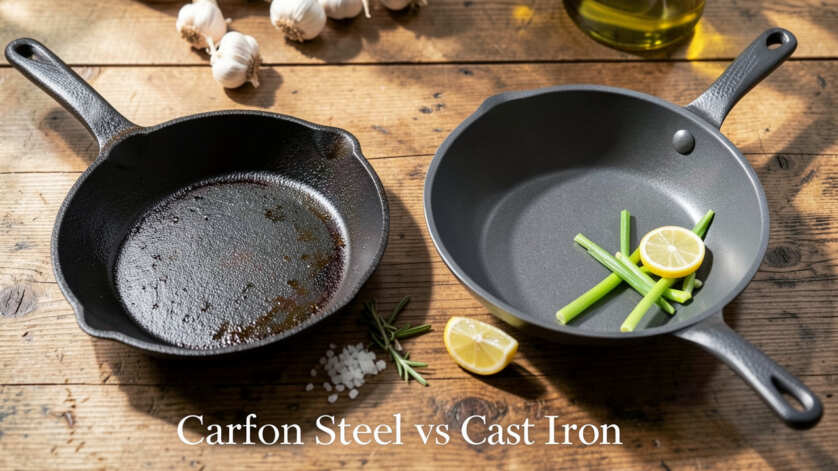
Cast Iron
Cast iron is a champion for holding heat. It gets very hot and stays hot, which is great for searing meats. Cast iron needs a bit of care.
It can rust if not seasoned properly. It’s also quite heavy.
Aluminum
Aluminum heats up very fast. This makes it good for quick cooking. It’s also usually lighter than cast iron.
Anodized aluminum is treated to make it harder and less reactive with food. Non-anodized aluminum can sometimes react with acidic foods.
Copper
Copper is the king of heat control. It heats up and cools down super fast. This gives cooks precise control over cooking temperatures.
Copper pans are often lined with stainless steel or tin inside. This is because copper can react with food and change its color or taste.
Nonstick Coatings
Many pans have a nonstick coating. This makes it easy to cook delicate foods like eggs or fish. It also means less oil is needed for cooking.
Nonstick coatings can wear out over time. It’s important to use nonstick-safe utensils to protect the coating.

The Rim: Edge of Your Cooking Domain
The rim is the very top edge of the pan. It’s not just a border; it plays a role in how you pour and how the pan lid fits. The shape of the rim can also add to the pan’s strength.
Rolled Rims
Some pans have a rolled rim. This is a smooth, rounded edge. It makes pouring liquids easier and safer.
It also prevents sharp edges.
Flared Rims
Other pans have flared or sloped rims. These are often found on skillets. They make it easier to flip food or slide it out of the pan onto a plate.
This design helps when you’re cooking things that need tossing or turning.
Handles: Gripping Your Culinary Tool
Handles are how you hold and move your pan. Their design affects comfort, safety, and how the pan can be stored. A good handle makes cooking feel secure.
Types of Handles
Handles come in many shapes and materials.
Cast Iron Handles
Cast iron pans often have handles made from the same material as the pan body. These handles get very hot. They are usually sturdy and can be used in the oven.
You’ll often need a pot holder or oven mitt when using them.
Stainless Steel Handles
Many pans have stainless steel handles. They are durable and can often go from the stovetop into the oven. Some are hollow to stay cooler longer.
Others are solid for extra strength.
Silicone or Rubber Handles
These handles are great because they stay cooler than metal. They offer a comfortable, non-slip grip. However, they usually cannot go into a hot oven.
Always check the manufacturer’s instructions for oven-safe limits.
Riveted vs. Welded Handles
Handles can be attached in different ways. Riveted handles use metal pins to attach the handle to the pan. These are very strong and durable.
Welded handles are fused directly to the pan. They offer a smooth surface on the inside of the pan, making cleaning easier.

The Base: Foundation of Heat Transfer
The base of the pan is crucial for how it interacts with your stovetop. It needs to be flat and designed to absorb and transfer heat efficiently.
Flat Bases
Most modern pans have flat bases. This ensures good contact with electric, ceramic, or induction cooktops. Good contact means even heating.
Induction Compatibility
For induction stoves, the pan base must be made of a magnetic material. This includes cast iron and most stainless steel pans. Aluminum or copper pans won’t work on induction unless they have a magnetic layer added to the base.
Heat Distribution Layers
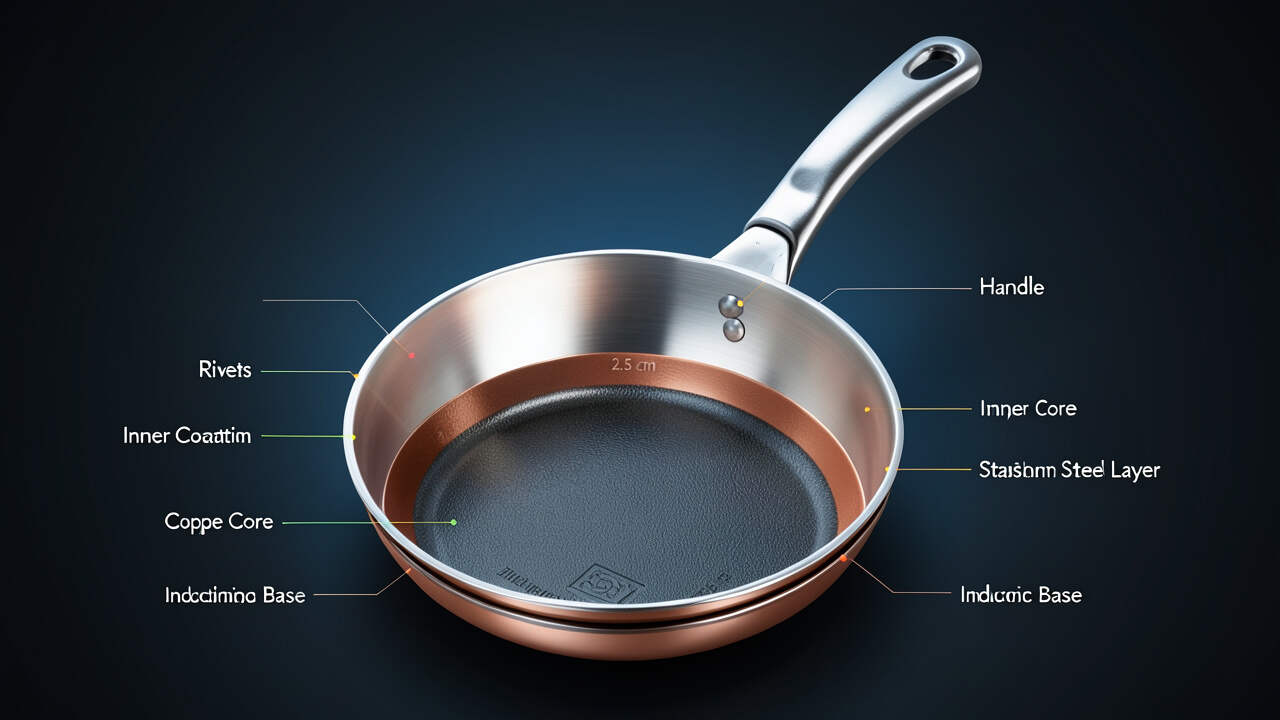
Some pans have special layers in their base. These are often aluminum or copper disks sandwiched between stainless steel. This sandwich construction helps to spread heat evenly across the entire bottom of the pan.
This prevents hot spots where food can burn.

Lids: Trapping Heat and Moisture
Lids are vital for many cooking methods. They trap heat and moisture inside the pan. This is essential for braising, steaming, and simmering.
The design of a lid affects how well it seals and how easy it is to handle.
Material of Lids
Lids can be made of glass, metal, or silicone.
- Glass lids let you see your food cooking without lifting the lid. This is great for keeping heat and moisture in.
- Metal lids are usually heavier and more durable.
They can often go into the oven with the pan.
- Silicone lids are flexible and can create a good seal. They are good for covering pots and pans on the stovetop.
Fit and Seal
A good lid fits snugly on the pan. This creates a tight seal. A tight seal prevents steam from escaping too quickly.
This is important for cooking food evenly and efficiently.
Vents
Some lids have small holes called vents. These vents let out a little bit of steam. This can prevent liquids from boiling over.
It’s useful when you’re simmering sauces or cooking things that can bubble up a lot.
Rivets and Connections: Holding It All Together
Rivets are small metal pins that attach handles to the pan body. They are often made of stainless steel. While they are strong, they can sometimes create little crevices.
Food and grease can get stuck in these spots. This makes cleaning a bit trickier.
Smooth Interiors
Some pans are designed with welded handles or seamless interiors. This means there are no rivets inside the pan. This makes cleaning much easier.
You can simply wipe the inside clean without worrying about hidden food bits.

The Anatomy of a Skillet: A Closer Look
A skillet, or frying pan, is a common tool in any kitchen. Its design is specific for frying, sautéing, and searing. Understanding its parts helps you use it best.
Skillet Body
The body is usually wide and relatively shallow. The sides are often sloped outwards. This makes it easy to flip food or slide it out.
Skillet Handle
Skillet handles are typically long. This helps to keep your hand away from the heat. They are designed for balance, as skillets are often tilted when food is removed.
Skillet Lid
Many skillets come with lids. These are useful for steaming vegetables or finishing dishes that need covered heat. The lid helps to lock in moisture.

The Anatomy of a Saucepan: Simmering Success
Saucepans are designed for liquids. They are perfect for making sauces, boiling water, and simmering soups.
Saucepan Body
The body of a saucepan is usually deep. It has straight sides. This depth helps to prevent liquids from splashing out.
It also holds a good amount of liquid.
Saucepan Handle
Saucepans typically have one long handle. This makes them easy to stir with one hand. It also keeps your hand away from the heat.
Some larger saucepans might have a helper handle for extra support.
Saucepan Lid
Saucepan lids fit snugly. They trap steam and heat. This is essential for simmering and boiling.
The lid helps food cook faster and more evenly.
The Anatomy of a Stockpot: Big Batches, Big Flavor
Stockpots are large, deep pots. They are ideal for making large quantities of stocks, broths, soups, and stews. They are also used for boiling large items like pasta or corn on the cob.
Stockpot Body
The body is very tall and has straight sides. This allows for large volumes of liquid and ingredients. The wide base helps distribute heat evenly, even with a lot of contents.
Stockpot Handles
Stockpots usually have two loop handles on the sides. These are designed for a secure grip. They help you lift and carry the heavy pot, often with two hands.
These handles are very strong.
Stockpot Lid
The lid is usually made of metal. It fits tightly to keep heat in. This is important for long simmering times.
The lid helps to reduce evaporation, keeping your stock flavorful.

Understanding Pan Anatomy: Every Part Explained for Better Cooking
When you understand Pan Anatomy: Every Part Explained, you can make better choices in the kitchen. Knowing how the material affects heat, how the handle provides grip, and how the lid seals moisture helps you cook more effectively. This knowledge empowers you to choose the right pan for every recipe.
It leads to tastier food and a more enjoyable cooking experience. Mastering the details of Pan Anatomy: Every Part Explained is a key step for any home cook.
Every curve, material, and connection on a pan has a purpose. From the base that meets the heat to the rim that helps you pour, each element contributes to your cooking success. Even the rivets that hold handles in place have an impact on cleaning.
By paying attention to the specifics of Pan Anatomy: Every Part Explained, you gain a deeper appreciation for your tools. This understanding allows you to use them to their fullest potential.
The way a pan is constructed directly influences how your food cooks. A thick, even base prevents burning. A well-fitting lid ensures moist cooking.
A comfortable handle makes maneuvering easier. All these components work together. When you know the role of each part, you can troubleshoot cooking problems more easily.
This comprehensive look at Pan Anatomy: Every Part Explained is designed to give you that confidence. It’s about making your time in the kitchen more productive and rewarding.
Learning about Pan Anatomy: Every Part Explained isn’t just about knowing names. It’s about understanding function. This knowledge helps you select pans that suit your cooking style and your stovetop.
It also helps you care for your cookware properly, making it last longer. The goal is to equip you with the information needed to make informed decisions. This will improve your cooking results significantly.
Frequently Asked Questions
What is the most important part of pan anatomy for heat control?
The material and thickness of the pan’s base are most important for heat control. Materials like copper and aluminum heat up quickly and distribute heat evenly, while cast iron holds heat very well.
Why do some pan handles get hotter than others?
Handles made of solid metal, especially cast iron or stainless steel that are directly attached, will conduct heat more readily than hollow metal handles or those with silicone or rubber grips.
Does the shape of the pan’s rim matter?
Yes, the rim’s shape affects pouring. Rolled rims offer smooth pouring, while flared rims can help with sliding food out of the pan, making tasks like flipping easier.
What is the benefit of a vented lid in pan anatomy?
A vented lid allows some steam to escape, which helps prevent liquids from boiling over. This is especially useful for simmering or cooking foods that produce a lot of moisture.
Is it important to understand Pan Anatomy: Every Part Explained for induction cooking?
Absolutely. For induction cooking, the pan’s base must be magnetic. Understanding the materials used in the base is crucial to ensure your pan will work on an induction cooktop.
How does the material of the pan body affect cooking?
The pan body material impacts heat conductivity, heat retention, and reactivity with food. For example, copper offers excellent control, while cast iron retains heat for searing.
Final Thoughts
Knowing the function of each pan part, from the base to the lid, helps you cook better. Understanding Pan Anatomy: Every Part Explained means you can choose the right pan and use it effectively. This knowledge leads to more successful and enjoyable meals in your kitchen.