What Cookware Works On Induction Cooktops
At a Glance Induction cooktops require cookware with a magnetic base, such as cast iron, carbon steel, and many stainless steel pans, to generate heat through direct electromagnetic energy. Non-magnet…
Induction cooktops require cookware with a magnetic base, such as cast iron, carbon steel, and many stainless steel pans, to generate heat through direct electromagnetic energy. Non-magnetic materials like aluminum and copper will not work unless they have a bonded magnetic layer, and a flat, smooth bottom is essential for maximum contact and efficiency. Choosing correctly magnetic, flat-bottomed cookware guarantees fast, precise heating and noticeable energy savings over unsuitable alternatives.
Are you excited about your new induction cooktop but unsure about your pots and pans? It’s a common question, and getting it right makes a big difference in how well your food cooks. Using the correct cookware means your induction stove will heat up fast and efficiently, saving you time and energy.
We’ll show you exactly What Cookware Works on Induction Cooktops so you can enjoy cooking without any guesswork. Let’s find the perfect match for your kitchen!
Key Takeaways
- Induction cooktops require magnetic cookware to work.
- Cast iron and many stainless steel pots and pans are ideal.
- Cookware with a flat bottom works best for efficient heating.
- Aluminum, copper, and glass cookware generally don’t work unless they have a magnetic layer.
- Testing for magnetism is a simple way to check compatibility.
- Proper cookware ensures faster cooking and energy savings.

Why Your Cookware Matters on Induction
Induction cooking is different from other stovetops. It uses magnetism to heat your cookware directly. This means not all pots and pans will work. If your cookware isn’t magnetic, the cooktop won’t heat it up. This is why knowing What Cookware Works on Induction Cooktops is so important.
Using the right pots and pans means your food will cook faster. It also means less energy is wasted. You get precise temperature control. This helps you avoid burned food or undercooked meals. It makes cooking more enjoyable and less frustrating.

The Magic of Magnetism: What Makes Cookware Work
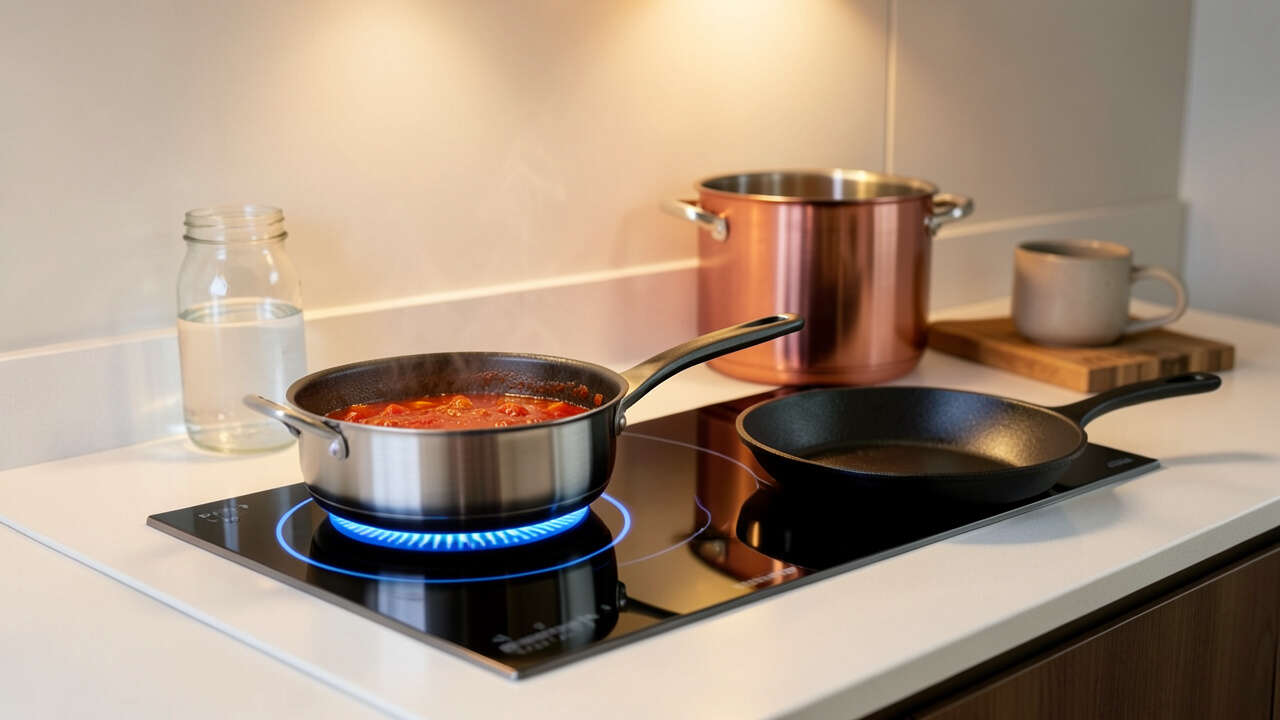
Induction cooktops create an electromagnetic field. This field causes the metal in your cookware to heat up. For this to happen, the cookware must be made of or contain a ferromagnetic material. Think of it like a magnet – it needs to attract something.
This magnetic property is key. It’s what allows the energy from the cooktop to transfer directly into your pan. Without this, the heat simply won’t transfer. This is the fundamental principle behind What Cookware Works on Induction Cooktops.
Best Materials for Induction Cooktops
Several types of cookware are perfect for induction. They all share that essential magnetic quality.
Cast Iron Cookware
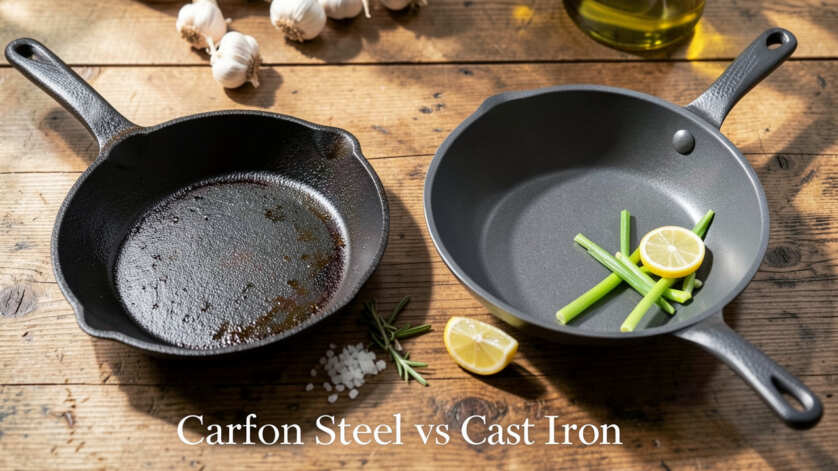
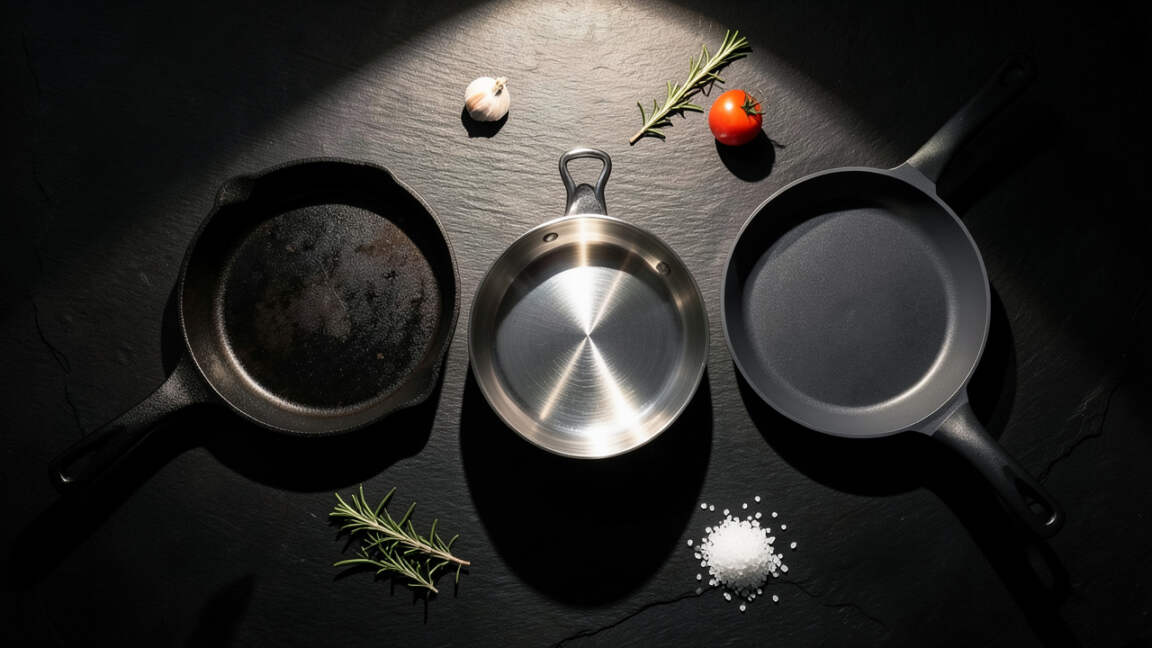
Cast iron is a fantastic choice for induction. It’s naturally magnetic. It heats up evenly and holds heat very well. This makes it great for searing, frying, and slow cooking. You can find both seasoned cast iron and enameled cast iron pots and pans that work.
Stainless Steel Cookware
Many types of stainless steel work on induction. The key is that the stainless steel must be magnetic. Look for cookware that is labeled as “induction compatible” or “magnetic.” Often, stainless steel cookware with a magnetic base or core is designed for induction.
Carbon Steel Cookware
Similar to cast iron, carbon steel is very magnetic. It heats up quickly and is durable. It’s often used for woks and skillets. Ensure your carbon steel pan has a flat bottom for best results.
Enameled Cast Iron
This is a popular choice. Enameled cast iron combines the magnetic properties of cast iron with a non-stick, easy-to-clean enamel coating. Brands like Le Creuset and Staub are excellent examples.

Cookware That Usually Doesn’t Work (But Can Be Adapted)
Some common cookware materials won’t work directly on an induction cooktop. However, there are ways to make them compatible.
Aluminum Cookware
Pure aluminum is not magnetic. So, most aluminum pots and pans won’t work on their own. However, many aluminum cookware sets have a stainless steel or magnetic base added. This makes them induction-ready. Check the product description or test with a magnet.
Copper Cookware
Copper is an excellent conductor of heat. But, it’s not magnetic. So, solid copper cookware will not work on induction. Like aluminum, some copper pots have a magnetic stainless steel bottom. These will function correctly.
Glass and Ceramic Cookware
These materials are not magnetic at all. They are also poor conductors of heat for induction. Therefore, glass and ceramic pots and pans generally do not work on induction cooktops. You cannot use them unless they have a special magnetic insert.
Non-Stick Cookware
Many non-stick pans are made from aluminum. Whether they work depends on their base. If the non-stick pan has a magnetic base, it will work. Always check for an “induction compatible” label.
How to Test if Your Cookware Works
You don’t need to buy all new cookware right away. You can easily test your existing pots and pans. This is a crucial step in understanding What Cookware Works on Induction Cooktops.
The Magnet Test
First, grab a magnet. A refrigerator magnet works fine.
Second, try sticking the magnet to the bottom of your pot or pan.
If the magnet sticks firmly, your cookware is magnetic and should work on an induction cooktop. If the magnet doesn’t stick at all, it’s likely not compatible.
Check the Manufacturer’s Label
Most cookware designed for induction will clearly state it. Look for labels like “induction compatible,” “induction ready,” or a symbol that looks like a coil. This is the easiest way to be sure.

The Importance of a Flat Bottom
Beyond the material, the shape of your cookware’s bottom matters. For induction, a flat bottom is essential.
Induction works by creating a magnetic field that transfers energy. If the bottom of your pan is not flat, it won’t make full contact with the cooktop. This leads to uneven heating. It can also reduce the efficiency of the cooktop. Warped or rounded bottoms are problematic. Always aim for cookware with a smooth, flat base. This ensures optimal performance and is a key part of knowing What Cookware Works on Induction Cooktops.
Understanding Cookware Layers
Many modern cookware pieces are made with multiple layers. These layers are designed to combine the benefits of different materials.
Clad Cookware
This type often has layers of stainless steel and aluminum. For induction, the outer layer that touches the cooktop needs to be magnetic. So, look for stainless steel on the outside bottom.
Sandwich Bottoms
Some pans have a “sandwich” construction. This typically means a layer of aluminum or copper between two layers of stainless steel. If the outer stainless steel layers are magnetic, the pan will work.

A Comparison: Induction-Friendly Materials
Here’s a quick look at common materials and their compatibility with induction.
Choosing the Right Cookware Set for Induction
When buying a new set, look for specific features. This will save you time and money.
Look for the “Induction Compatible” Label
This is the most straightforward way to know. Manufacturers make it easy for you.
Consider the Base Material
As we’ve discussed, a magnetic base is key. For stainless steel, ensure it’s the magnetic type.
Check for a Flat Bottom
Warped pans are a no-go. A perfectly flat bottom is a must for efficient cooking.
Think About Your Cooking Needs
Do you need a heavy-duty skillet for searing? Or a lighter pot for boiling pasta? Choose materials that suit your typical cooking tasks. Cast iron is great for searing, while thinner stainless steel is good for sauces.

Tips for Using Induction Cookware
Once you have the right cookware, follow these tips for the best experience.
Clean Your Cookware and Cooktop
First, ensure both the bottom of your pan and the cooktop surface are clean. Any debris can cause scratching or prevent good contact.
Second, wipe them dry. A clean, dry surface ensures maximum magnetic contact.
Avoid Dragging Pans
Next, lift pots and pans instead of sliding them. Sliding can scratch the glass surface of the induction cooktop. This is especially important with cast iron.
Handle with Care
While induction is efficient, remember your cookware will get hot. Use oven mitts or pot holders.
Test New Cookware
Even if labeled “induction compatible,” a quick magnet test doesn’t hurt. It confirms what you need to know about What Cookware Works on Induction Cooktops.
Common Misconceptions About Induction Cookware
There are a few things people often get wrong about induction.
Myth: All Stainless Steel Works
This is not true. Only magnetic stainless steel works. Non-magnetic stainless steel will not heat up.
Myth: Only Special, Expensive Cookware is Needed
While some high-end brands are induction-ready, many affordable options exist. Look for the magnetic base and flat bottom. You can often find great deals on compatible cookware.
Myth: Induction is Dangerous Because It’s Magnetic
Induction is safe. The magnetic field is contained within the cooktop and only activates when magnetic cookware is present. It does not affect pacemakers or other electronic devices. The cooktop surface itself does not get as hot as other stovetops, reducing burn risks.

Why Induction Cookware is Worth the Investment
Switching to induction-compatible cookware offers significant benefits.
Energy Efficiency
Induction is one of the most energy-efficient cooking methods. It heats the pan directly, losing very little heat to the air. This means faster cooking times and lower energy bills.
Precise Temperature Control
Induction allows for incredibly precise temperature adjustments. You can go from a rapid boil to a gentle simmer instantly. This level of control leads to better cooking results.
Faster Cooking
Because the heat is transferred directly to the pan, induction heats up much faster than gas or electric. This can significantly cut down your cooking time.
Safety
The cooktop surface only heats up from the hot pan, not from the element itself. This reduces the risk of burns. Plus, the cooktop often has auto-shutoff features.
Frequently Asked Questions
Question: Do I need to replace all my pots and pans if I get an induction cooktop?
Answer: Not necessarily. You can test your existing cookware with a magnet. If the magnet sticks firmly to the bottom, your cookware will likely work on an induction cooktop.
Question: How can I tell if my stainless steel cookware is induction compatible?
Answer: The best way is to check the packaging or the bottom of the pan for an “induction compatible” label. You can also use a magnet; if it sticks, it’s compatible.
Question: What is the best material for induction cookware?
Answer: Cast iron and magnetic stainless steel are among the best materials for induction cookware due to their magnetic properties and excellent heat distribution.
Question: Can I use aluminum or copper cookware on an induction cooktop?
Answer: Pure aluminum and copper cookware typically do not work. However, many aluminum and copper pans have a magnetic stainless steel base, making them induction compatible.
Question: What does “induction ready” mean for cookware?
Answer: “Induction ready” means the cookware has the necessary magnetic properties to be heated by an induction cooktop. It ensures efficient and direct heat transfer.
Question: Is it okay if my induction cookware has a slightly rounded bottom?
Answer: It’s best to use cookware with a completely flat bottom on an induction cooktop. A rounded or warped bottom reduces contact and can lead to uneven heating and reduced efficiency.
Final Thoughts
Knowing What Cookware Works on Induction Cooktops is simple once you understand the magnetic principle. Look for magnetic materials like cast iron and magnetic stainless steel, always with a flat bottom. Testing your current pans with a magnet is an easy first step.
With the right cookware, you’ll enjoy faster, more efficient, and more enjoyable cooking on your induction stove.