Stainless Steel Pan Care 101
At a Glance Proper stainless steel pan care involves regular cleaning with gentle tools and avoiding thermal shock to prevent warping and discoloration. Everyday use of a mild dish soap and non-abrasi…
Proper stainless steel pan care involves regular cleaning with gentle tools and avoiding thermal shock to prevent warping and discoloration. Everyday use of a mild dish soap and non-abrasive sponge preserves the finish, while stubborn stains respond well to vinegar or dedicated stainless steel cleaners. Mastering these techniques extends pan lifespan and ensures consistent cooking performance by maintaining even heat distribution.
Keeping your stainless steel pans looking and performing their best doesn’t have to be a chore. Many people worry about scratches, stubborn food bits, or dullness, but with a few simple tips, you can easily maintain their shine and functionality. Understanding the basics of Stainless Steel Pan Care 101 means your pans will last longer, cook better, and make your time in the kitchen more enjoyable.
You’ll learn how to prevent common problems and bring back that original gleam.
Key Takeaways
- Proper cleaning prevents food from sticking and makes future cooking easier.
- Using the right tools and techniques protects your pans from damage.
- Specific methods can remove tough stains and restore shine.
- Regular care ensures your stainless steel pans last for years.
- Knowing how to handle heat prevents warping and discoloration.

Why Your Stainless Steel Pans Deserve Good Care
Stainless steel cookware is a favorite in kitchens everywhere. It’s durable, heats evenly, and doesn’t react with food. But without proper attention, these great qualities can fade.
Stains can appear, food might start sticking more, and the beautiful shine can dim. This isn’t just about looks; it affects how well your pans cook. Sticking food burns easily, making cleanup harder and ruining your meal.
Learning Stainless Steel Pan Care 101 helps you avoid these issues.
Taking a little time to care for your pans means they’ll perform better for you. You’ll get more consistent cooking results. Plus, well-maintained pans are a joy to use.
They don’t just cook food; they contribute to a pleasant cooking experience. This guide will show you simple ways to keep them in top shape.

Everyday Cleaning for Shining Results
The best way to keep stainless steel looking good is through simple, everyday cleaning. After each use, let the pan cool down a bit. This prevents thermal shock, which can warp the metal.
Then, use warm water and a soft sponge or cloth with a little dish soap. Gently scrub away any food residue. Rinse thoroughly and dry immediately with a soft towel.
Drying is a key step in preventing water spots. Water contains minerals that can leave marks on the surface. Wiping the pan dry right after rinsing ensures a streak-free finish.
For most daily messes, this method is all you need for effective Stainless Steel Pan Care 101.
Avoid using steel wool or abrasive scouring pads. These can scratch the surface of your pans, creating dull spots. Even though stainless steel is tough, it can still show scratches from harsh cleaning tools.
Stick to soft sponges, nylon scrubbers, or microfiber cloths for regular cleaning.

Tackling Stubborn Food and Stains
Sometimes, food bits can bake onto the pan, making them hard to remove. Don’t panic. For stuck-on food, fill the pan with warm water and a drop of dish soap.
Let it soak for about 10-15 minutes. This usually loosens most residues.
If soaking isn’t enough, try simmering a little water in the pan on low heat. Gently scrape the stuck bits with a wooden spoon or a plastic spatula. Never use metal utensils to scrape, as they can scratch the pan.
This gentle approach is a core part of good Stainless Steel Pan Care 101.
For tougher stains, like those caused by boiling starchy foods or burnt sugar, you can use a paste of baking soda and water. Apply the paste to the stained area and let it sit for a few minutes. Then, gently scrub with a soft cloth or sponge.
Baking soda is a mild abrasive that can lift stains without damaging the metal.
Another effective method for discoloration or stubborn marks is using a stainless steel cleaner. Follow the product instructions carefully. Apply the cleaner to a soft cloth and rub in the direction of the grain of the stainless steel.
Rinse thoroughly and dry immediately to avoid new spots.
Dealing with Discoloration and Heat Marks
Stainless steel can sometimes develop rainbow-colored stains or dull gray marks, especially if overheated or cleaned with harsh chemicals. These are usually cosmetic and don’t affect the pan’s cooking ability. They often come from minerals in water or overheating.
To remove these heat tints or rainbow stains, you can use white vinegar. Pour a small amount of white vinegar into the pan, enough to cover the discolored areas. Let it sit for a few minutes, then gently scrub with a soft sponge.
The acid in the vinegar helps break down the mineral deposits and restore the original look.
Rinse the pan thoroughly with water after using vinegar. Make sure to dry it completely with a soft towel to prevent water spots. This simple vinegar trick is a lifesaver for many users practicing Stainless Steel Pan Care 101.
For more stubborn discoloration, you can try a commercial stainless steel cleaner. These products are formulated to remove tough stains and polish the metal. Always choose a cleaner specifically designed for cookware and follow the directions precisely.
Test a small, inconspicuous area first if you’re unsure.

The Importance of Proper Heating and Cooling
How you heat and cool your stainless steel pans matters a lot. Always start with medium heat. High heat can cause food to burn quickly and can lead to discoloration or warping.
Stainless steel heats up efficiently, so you usually don’t need the highest setting.
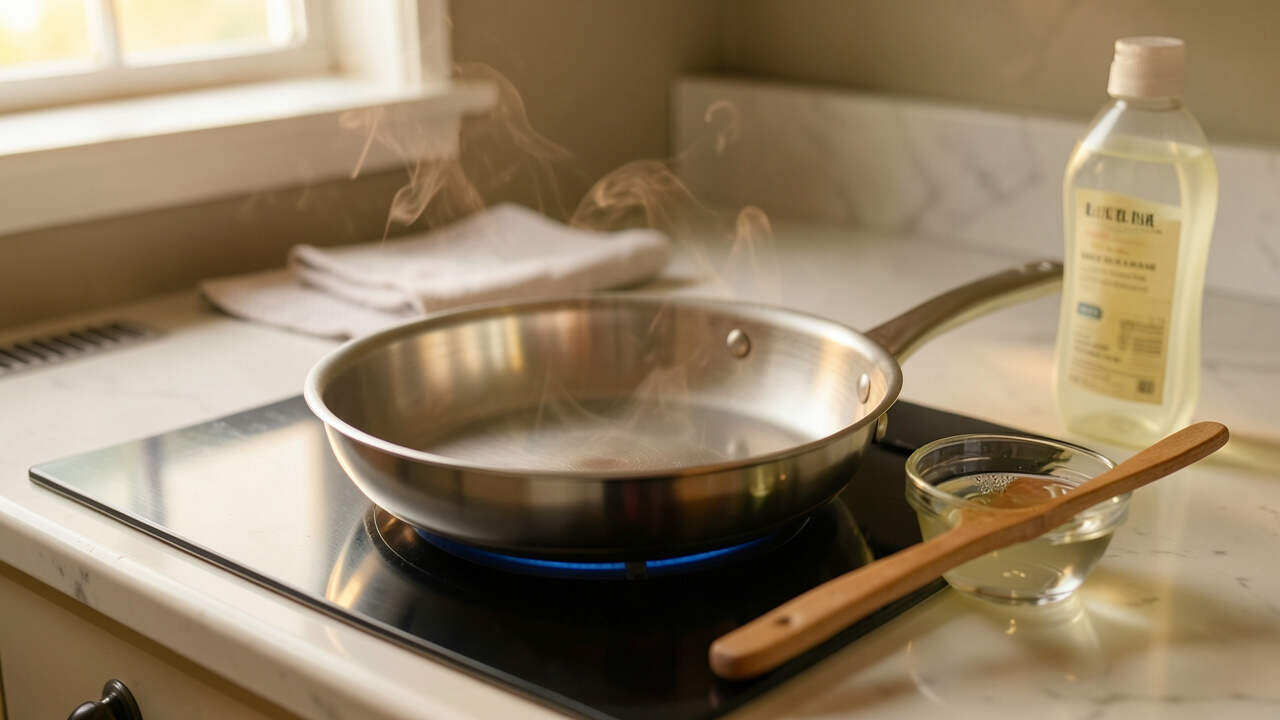
Preheating the pan is important, but do it gradually. Add a little oil or butter once the pan is warm. Let the oil heat up before adding your food.
A properly preheated pan with hot oil helps prevent food from sticking. This is a crucial part of Stainless Steel Pan Care 101 for non-stick performance.
When cleaning, always let the pan cool down before adding water. Pouring cold water into a very hot pan can cause it to warp. This sudden temperature change puts stress on the metal.
Allowing the pan to cool to a warm temperature first is much safer for its structure.

Choosing the Right Tools for the Job
The tools you use for cooking and cleaning have a big impact on your pans. For cooking, use wooden spoons, silicone spatulas, or nylon utensils. These materials are gentler on the stainless steel surface.
Avoid metal utensils like forks, knives, or metal spatulas, as they can easily scratch the pan.
When it comes to cleaning, stick to soft sponges, dishcloths, or non-scratch scrubbers. These are perfect for removing food residue without causing damage. If you need something a bit more abrasive for tough spots, look for scrubbers specifically labeled as safe for stainless steel.
Never use steel wool, abrasive scouring pads, or harsh cleaning powders. These can permanently scratch and dull your pans. Proper tool selection is a fundamental aspect of Stainless Steel Pan Care 101 and helps maintain the longevity and appearance of your cookware.
Advanced Techniques for Restoring Shine
If your pans have lost their luster over time, there are ways to bring back their shine. One effective method is using a lemon. Cut a lemon in half and rub the cut side over the surface of the pan.
The natural acidity of the lemon can help lift light stains and bring out the shine.
After rubbing with the lemon, rinse the pan thoroughly with water and dry it completely. You’ll be surprised how much brighter your pan looks. This natural method is a great addition to your Stainless Steel Pan Care 101 routine for a quick polish.
For a deeper clean and polish, you can use a specialized stainless steel polish. These products are designed to remove tough grime, water spots, and dullness, leaving a brilliant shine. Apply a small amount of polish to a soft cloth and rub in the direction of the grain.
Buff with a clean, dry cloth afterward.
Another option for a deep clean is a mixture of cream of tartar and water. Make a paste with these two ingredients and apply it to the pan. Let it sit for a few minutes, then gently scrub and rinse.
This can help remove tough stains and restore a uniform finish.

Common Mistakes to Avoid
Many common mistakes can shorten the life of your stainless steel pans or make them harder to use. One of the biggest is using high heat too often. This can lead to burnt food, warping, and discoloration.
Always start with medium heat and adjust as needed.
Another mistake is not preheating the pan properly before adding oil and food. Cold pans lead to sticking. Ensure the pan is warm, then add oil, let it heat, and then add your ingredients.
This simple step is a cornerstone of effective Stainless Steel Pan Care 101.
Using abrasive cleaners or tools is also a common error. Steel wool and harsh scouring pads will scratch your pans. This damage is permanent and affects both appearance and performance.
Always opt for gentle cleaning methods.
Not drying the pans immediately after washing is another mistake. This leads to water spots and mineral buildup, making the pans look dull. A quick wipe-down with a soft towel makes a big difference.
Finally, some people try to clean a hot pan by immediately running cold water over it. This can cause the metal to warp. Always let the pan cool down to a safe temperature before washing.

Maintaining Your Pans for Longevity
Consistent, gentle care is the key to making your stainless steel pans last a lifetime. By incorporating simple cleaning habits into your routine, you ensure they remain functional and beautiful. Remember that prevention is easier than repair.
Regularly inspecting your pans for any signs of wear or damage allows you to address issues early. For instance, if you notice food starting to stick more, it might be time for a deeper clean or a check of your heating technique. Good Stainless Steel Pan Care 101 is an ongoing practice.
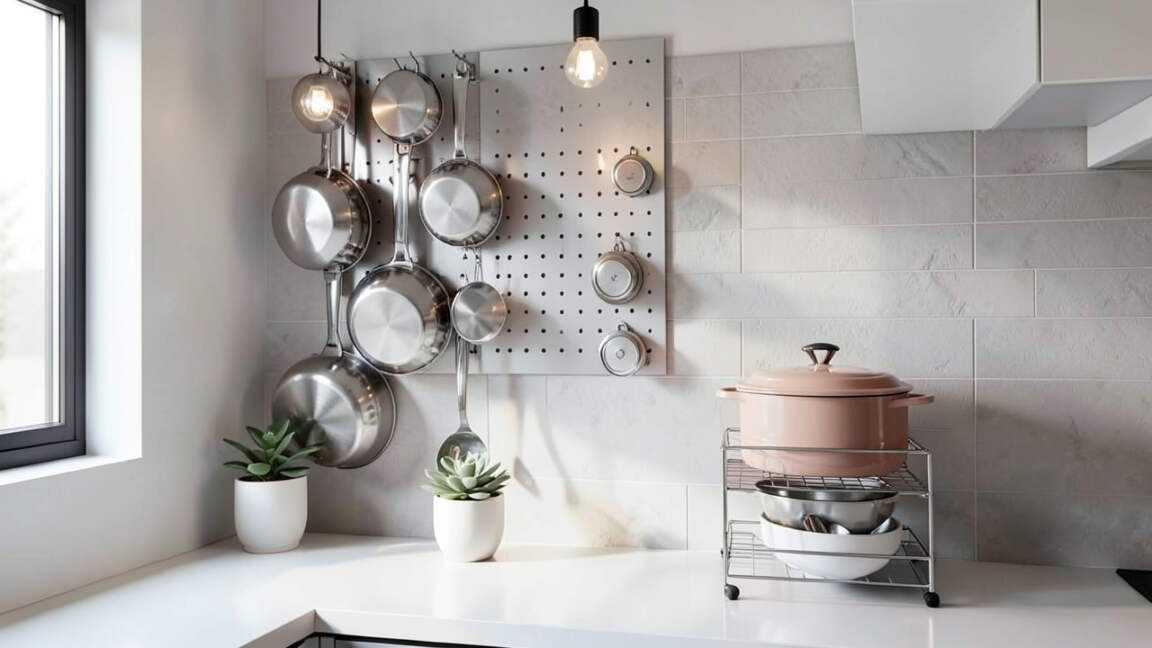
Storing your pans properly also helps. Avoid stacking heavy pots directly on top of them without protection. Use pan protectors or towels between pans to prevent scratches.
If you hang your pans, ensure they are secure and not banging against each other.
By following these tips, you’re not just cleaning your pans; you’re investing in their longevity. You’ll enjoy cooking with them for many years to come, and they’ll continue to deliver great results.
Frequently Asked Questions
Question: Can I use my dishwasher for stainless steel pans?
Answer: While many stainless steel pans are dishwasher safe, handwashing is recommended to maintain their shine and prevent potential dulling or water spots from harsh detergents and high heat cycles.
Question: How do I remove burnt-on food from my stainless steel pan?
Answer: For burnt-on food, try soaking the pan with warm water and dish soap, then gently simmering water in the pan and scraping with a wooden spoon. A baking soda paste can also help lift tough residue.
Question: What is the best way to prevent food from sticking to stainless steel?
Answer: Proper preheating of the pan and oil is key. Ensure the pan is warm, add oil, let it heat up, and then add your food. This creates a barrier and helps food release easily.
Question: My stainless steel pans have a rainbow-like discoloration. How can I fix it?
Answer: This is usually caused by overheating or mineral deposits. You can often remove it by wiping the pan with white vinegar, rinsing, and drying thoroughly. This is a common part of Stainless Steel Pan Care 101.
Question: Are there any cleaners I should absolutely avoid for stainless steel?
Answer: Yes, you should avoid abrasive cleaners like steel wool, harsh scouring pads, and abrasive powders. These can scratch the surface and cause permanent damage.
Question: How often should I deep clean my stainless steel pans?
Answer: Deep cleaning is usually only necessary when you notice stubborn stains or dullness. For everyday use, regular washing with soap and water is sufficient for good Stainless Steel Pan Care 101.
Final Thoughts
Keeping your stainless steel pans in great shape is simple with the right approach. Follow these easy tips for cleaning, heating, and care. Your pans will stay shiny, cook food beautifully, and last for a very long time.