Reviewer & contributor
533 reviews published

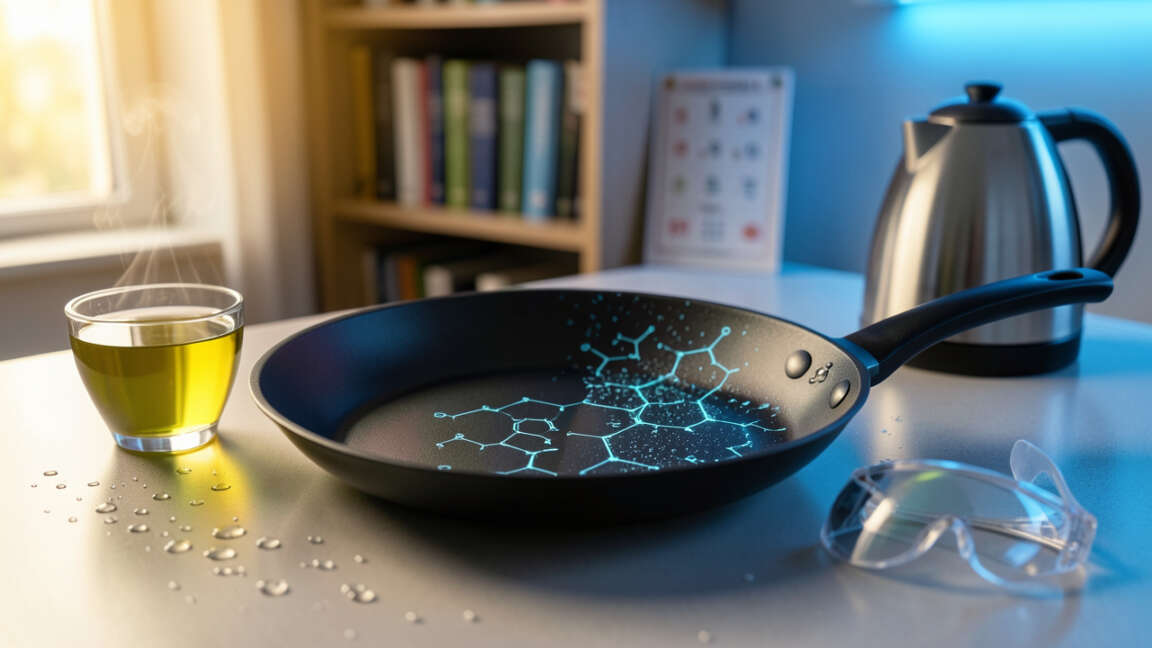
At a Glance According to current scientific consensus, Teflon and PFAS-based non-stick cookware is considered safe for everyday cooking when used belo…
Read Review →
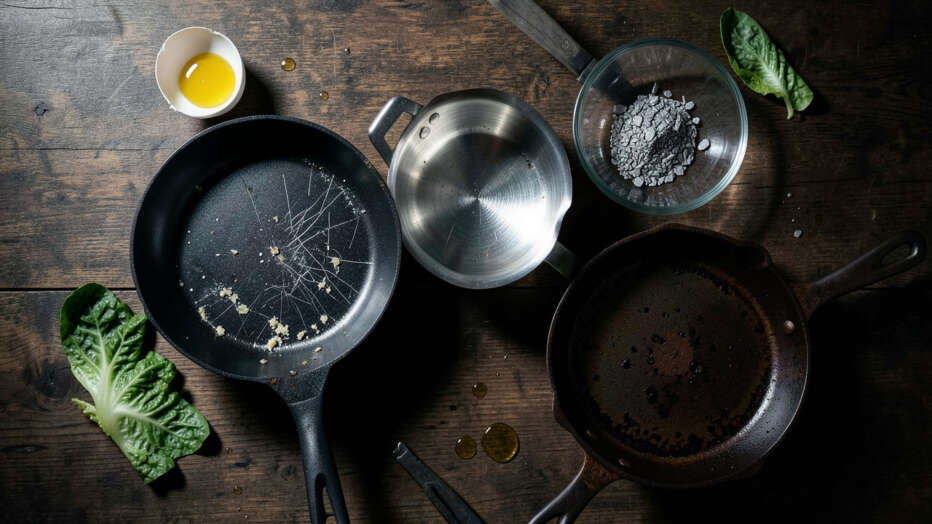
At a Glance For health reasons, avoid cookware made from non-stick materials with scratched or damaged coatings, unlined copper, certain types of alum…
Read Review →
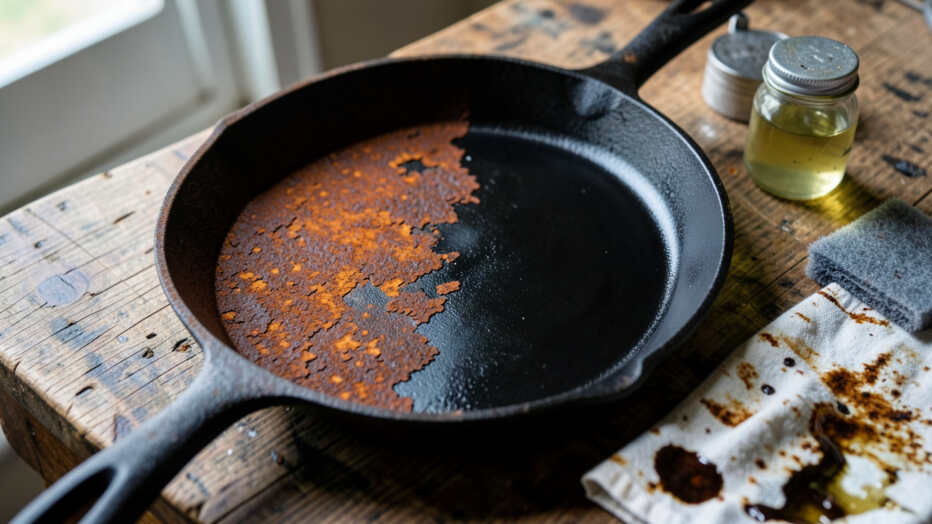
At a Glance Rusted cast iron can be fully restored using common household items like vinegar and baking soda, depending on the severity of the rust. A…
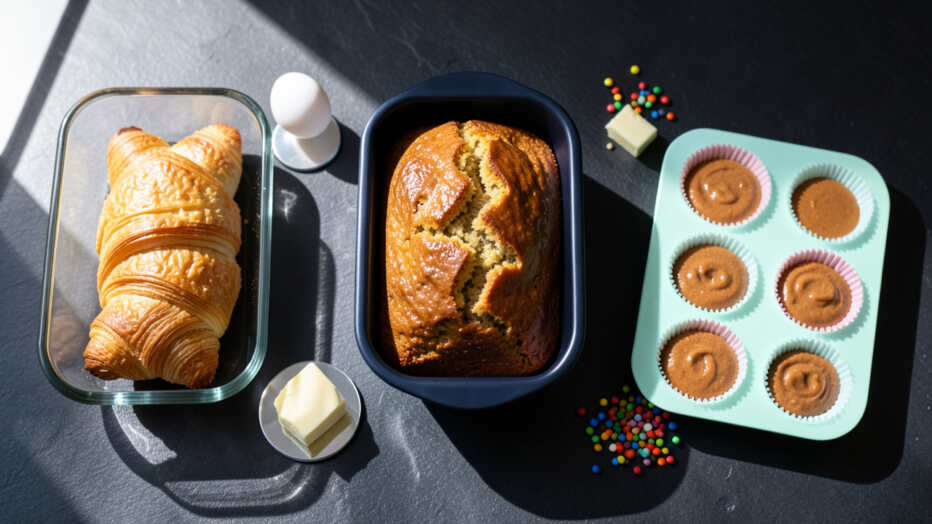
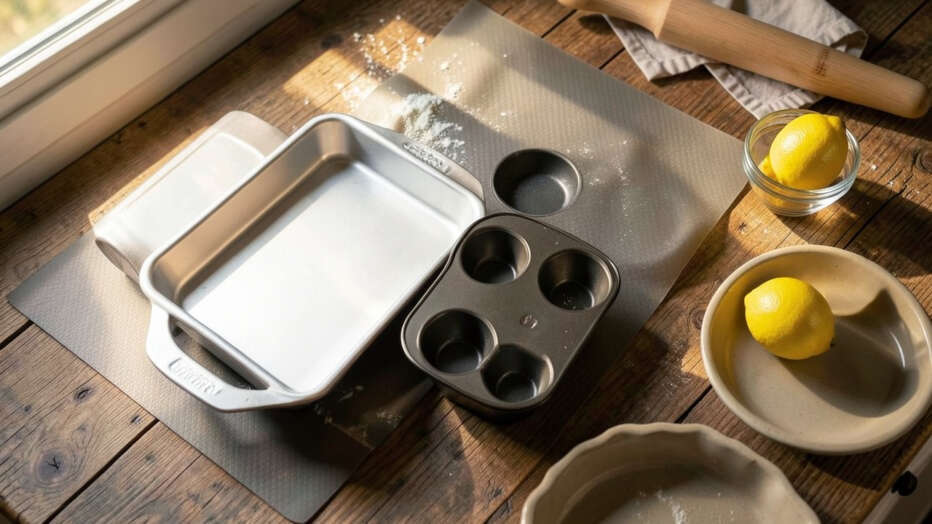
Read Review →At a Glance Glass bakeware offers even heat retention and non-reactive surfaces ideal for casseroles, but it heats slowly and can shatter; metal bakew…
Read Review →
At a Glance Choosing bakeware for even browning involves selecting materials like aluminum or steel, considering pan color (lighter for less browning,…
Read Review →
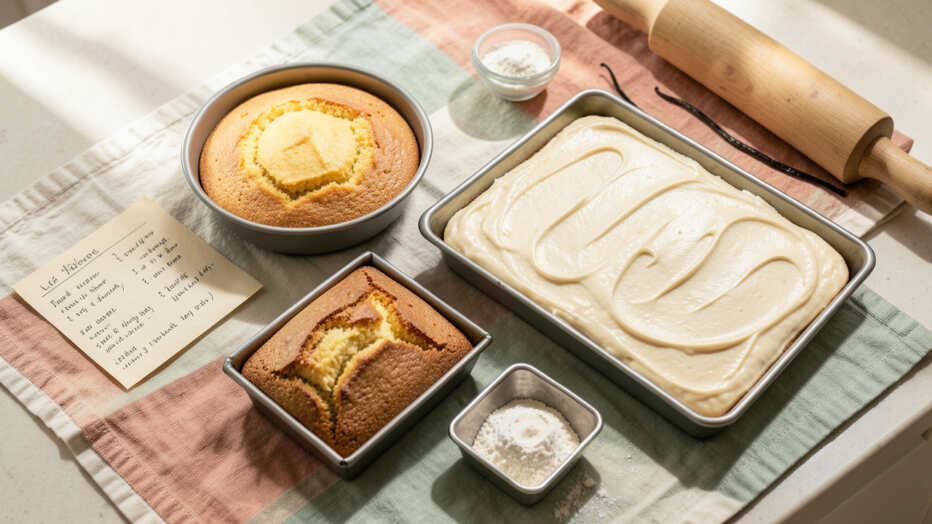
At a Glance Baking pan substitution depends on knowing a pan’s true volume, not just its nominal size, because volume determines batter capacity…
Read Review →
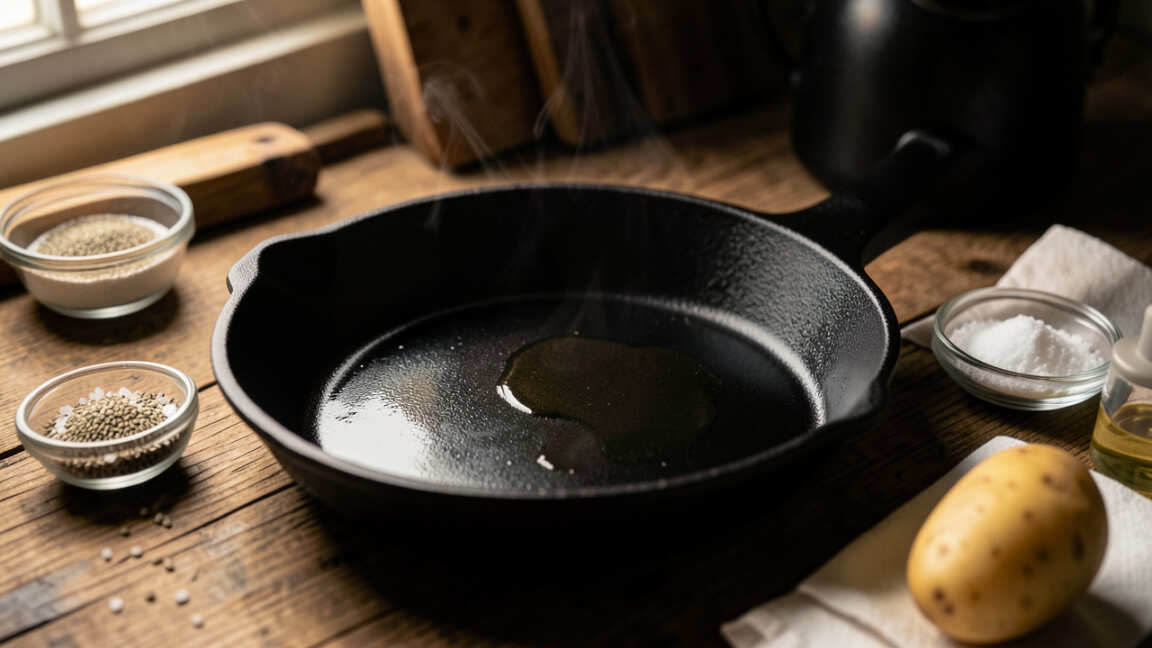
At a Glance Seasoning cast iron the right way creates a durable non-stick surface that protects the pan from rust and damage while improving cooking p…
Read Review →
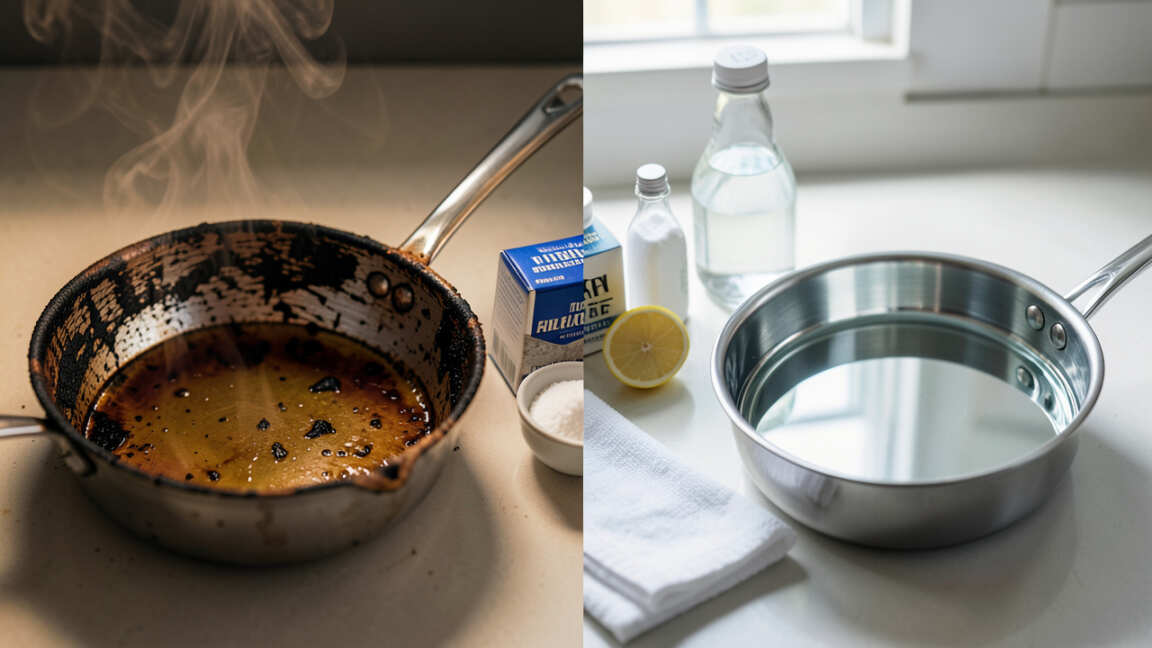
At a Glance To clean burnt pans of any material, use material-specific methods such as baking soda and vinegar for stainless steel, salt scrubbing for…
Read Review →
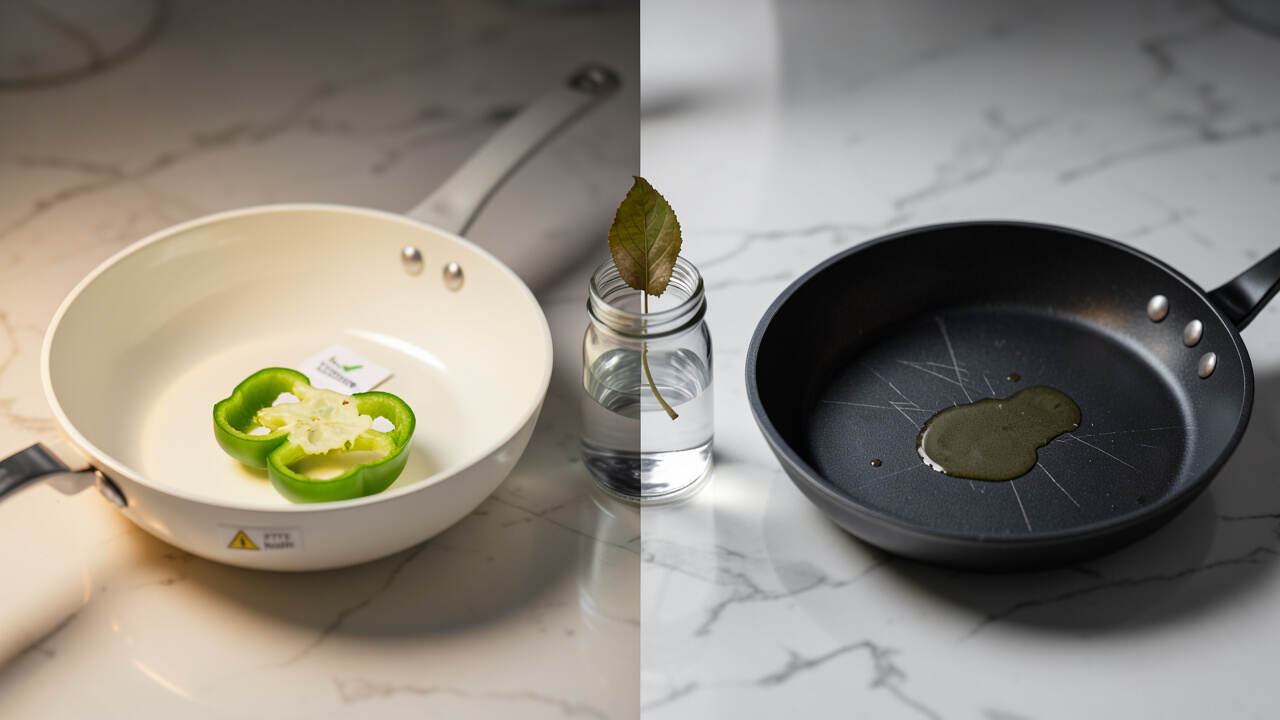
At a Glance When comparing ceramic coated versus PTFE nonstick cookware for safety, ceramic coatings derived from sand are generally considered safer…
Read Review →
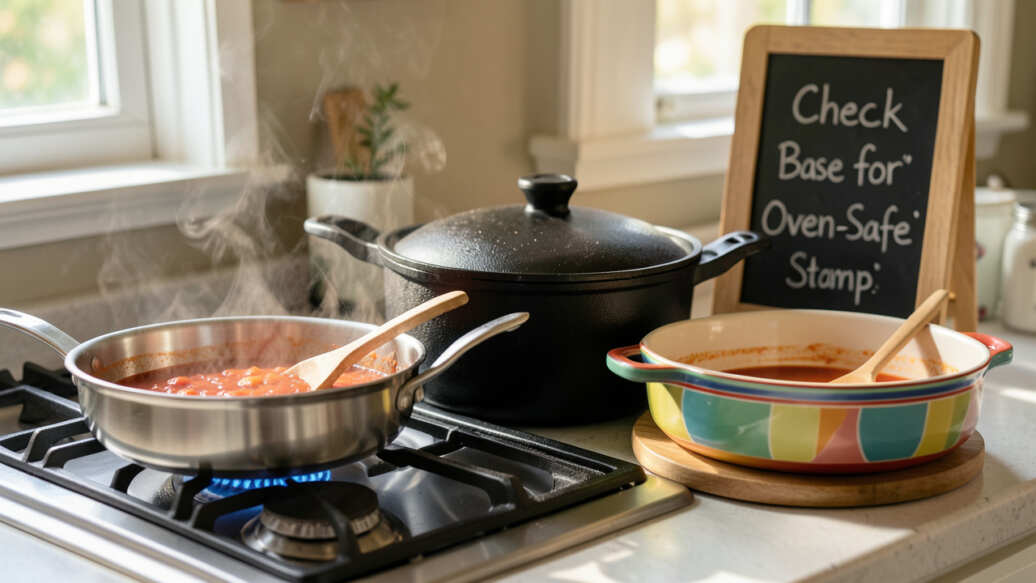
At a Glance To determine if your cookware is oven-safe, first check for markings or symbols on the bottom or handle, and if none exist, consult the or…
Read Review →
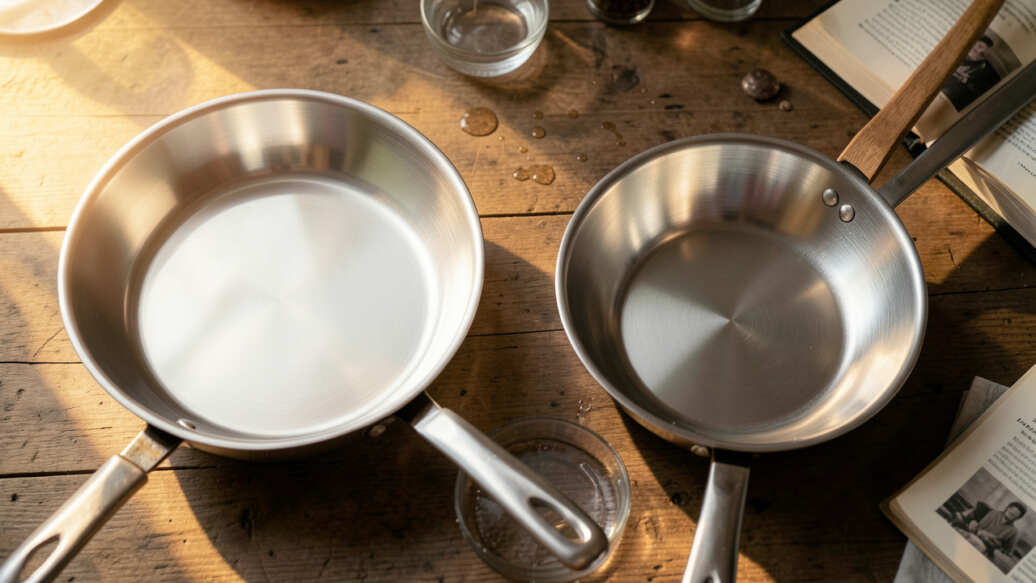
At a Glance Pans warp primarily due to sudden temperature changes and uneven heating, which cause the metal to expand and contract at different rates.…
Read Review →
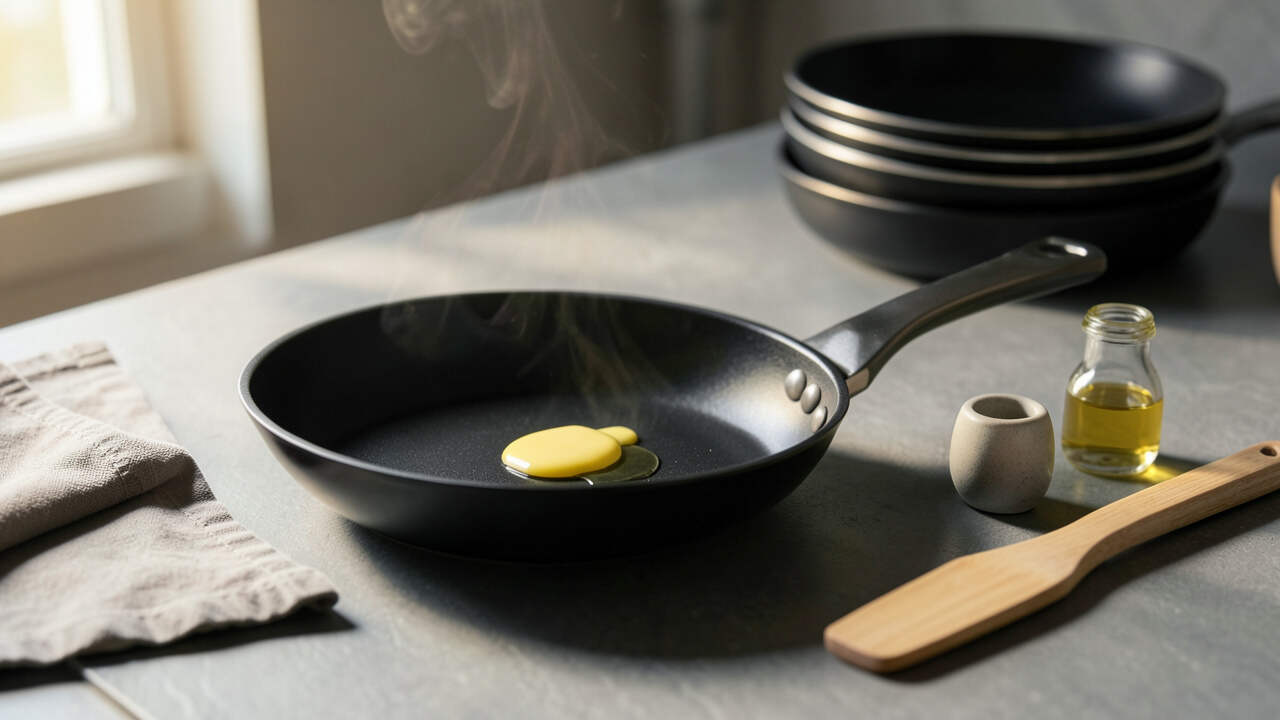
At a Glance To make nonstick cookware last for years, use only silicone or wooden utensils, hand wash immediately with a soft sponge and mild dish soa…
Read Review →