Is Teflon / Pfas Cookware Safe? What Science Says
At a Glance According to current scientific consensus, Teflon and PFAS-based non-stick cookware is considered safe for everyday cooking when used below 500°F and kept free of scratches or damage. Over…
According to current scientific consensus, Teflon and PFAS-based non-stick cookware is considered safe for everyday cooking when used below 500°F and kept free of scratches or damage. Overheating can release fumes harmful to birds and cause flu-like symptoms in humans, while damaged pans may shed particles into food. For safe use, avoid high heat and metal utensils, or choose alternatives like stainless steel, cast iron, or ceramic to eliminate PFAS exposure entirely.
Many people wonder if their everyday cooking tools are safe. You’ve probably seen different opinions and heard concerns about non-stick pans. Understanding Is Teflon / PFAS Cookware Safe?
What Science Says is important for making smart choices in your kitchen. Knowing the facts helps you choose cookware that’s best for your family’s health and keeps your cooking enjoyable. We’ll look at what the science tells us and what that means for your daily meals.
Key Takeaways
- PFAS chemicals, including those in Teflon, have been linked to health concerns.
- Non-stick coatings are generally safe when used correctly at recommended temperatures.
- Overheating non-stick cookware can release fumes that are harmful to birds and can cause flu-like symptoms in humans.
- Scratched or damaged non-stick pans are more likely to release particles.
- Safer alternatives to PFAS-based non-stick cookware exist, such as cast iron, stainless steel, and ceramic.
- The scientific community continues to study the long-term effects of PFAS exposure.

Understanding PFAS and Non-Stick Coatings
PFAS, or per- and polyfluoroalkyl substances, are a group of man-made chemicals. They are often used to make products water and grease-resistant. One of the most well-known uses is in non-stick cookware, like Teflon.
Teflon is a brand name for a type of plastic called polytetrafluoroethylene (PTFE). For many years, the manufacturing of these coatings involved a chemical called PFOA. PFOA has been phased out of production in many countries due to health concerns.
The primary concern with PFAS in cookware is related to their ability to break down under high heat. When PTFE is heated to very high temperatures, it can start to degrade. This degradation can release fumes.
While most everyday cooking doesn’t reach these extreme temperatures, it’s something to be aware of.

The Science Behind Overheating and Fumes
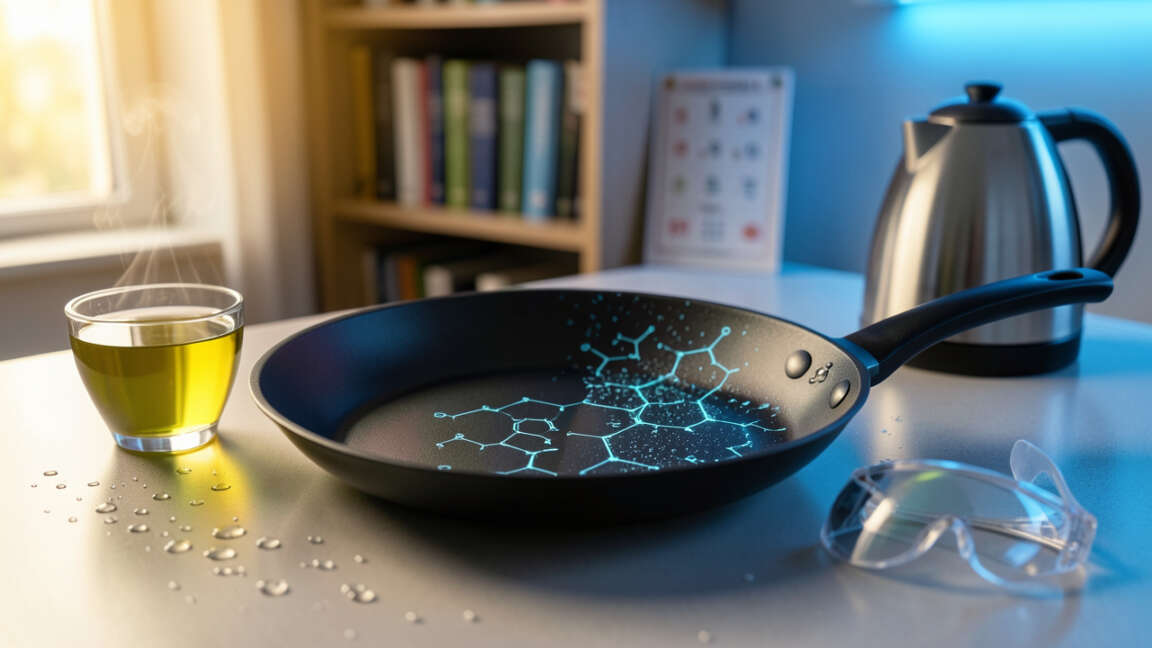
Scientific studies have shown that PTFE cookware can start to break down at temperatures above 500°F (260°C). At these high temperatures, the coating can release various gases and particles. These fumes are often referred to as “polymer fume fever” or “Teflon flu.” Symptoms can include chills, fever, headache, and body aches.
These symptoms are usually temporary and go away within a day or two.
For pet birds, these fumes can be deadly. Birds have very sensitive respiratory systems. Even low levels of fumes can be fatal to them.
This is why keeping birds out of the kitchen when cooking with non-stick pans is strongly recommended. The question of Is Teflon / PFAS Cookware Safe? What Science Says often circles back to how the cookware is used.

When Is Non-Stick Cookware Considered Safe?
When used as intended, non-stick cookware is generally considered safe. This means using it for normal cooking tasks like frying eggs, making pancakes, or sautéing vegetables. It’s important to avoid preheating empty non-stick pans for extended periods.
Also, using lower to medium heat settings is best. This prevents the pan from reaching the critical temperatures where fumes can be released.
The key to safe use is to follow the manufacturer’s instructions. Most modern non-stick coatings are designed to be durable and safe for daily use. The science suggests that the risk is low if you avoid extreme heat.
Understanding Is Teflon / PFAS Cookware Safe? What Science Says means looking at both the material and how you cook with it.
The Impact of Scratches and Damage
Over time, non-stick coatings can get scratched, especially if metal utensils are used. When the coating is scratched or peeling, it’s more likely to release small particles. While these particles are generally considered inert and might pass through the body without causing harm, it’s still best to avoid them.
A scratched non-stick pan is a sign that it’s time to replace it.
The science indicates that the integrity of the coating matters. A smooth, intact surface is less likely to release anything into your food. Therefore, treating your non-stick cookware with care, using soft utensils like silicone or wood, can help extend its life and maintain its safety.
This is a practical way to address the question of Is Teflon / PFAS Cookware Safe? What Science Says.

PFAS in the Environment and Health Concerns
Beyond cookware, PFAS chemicals are found in many other products, like food packaging, carpets, and firefighting foam. Because they are so persistent, they don’t break down easily in the environment. This has led to widespread contamination of soil and water.
This environmental presence means people can be exposed to PFAS through various sources, not just their kitchen.
Research has linked exposure to certain PFAS with a range of health issues. These include increased cholesterol levels, changes in liver enzymes, a decreased immune response to vaccines, and an increased risk of certain cancers. The scientific community is actively studying these links.
The debate around Is Teflon / PFAS Cookware Safe? What Science Says is part of a larger conversation about the impact of these “forever chemicals.”

Safer Alternatives to Non-Stick Cookware
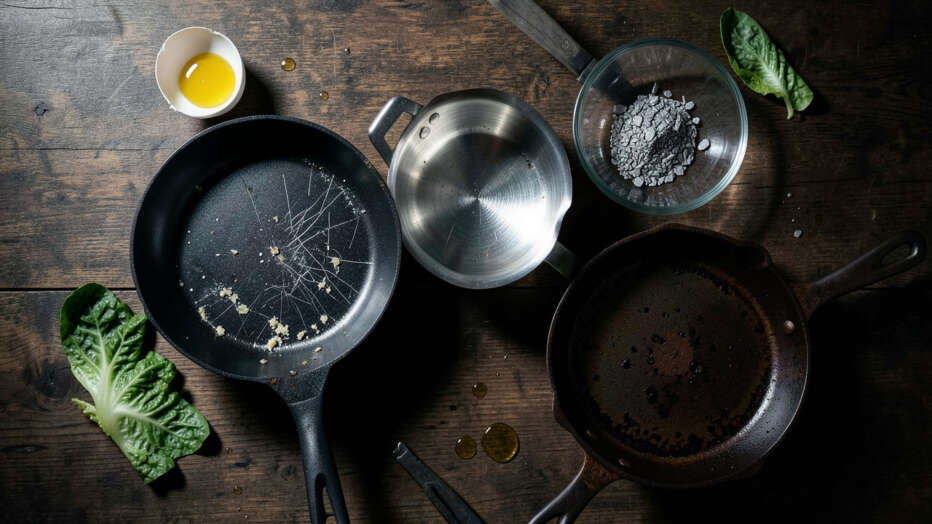
If you are concerned about PFAS, there are many excellent alternatives available. These materials offer good non-stick properties without the use of PFAS chemicals. Choosing these alternatives can give you peace of mind about your kitchenware.
Here are some popular and safe options:
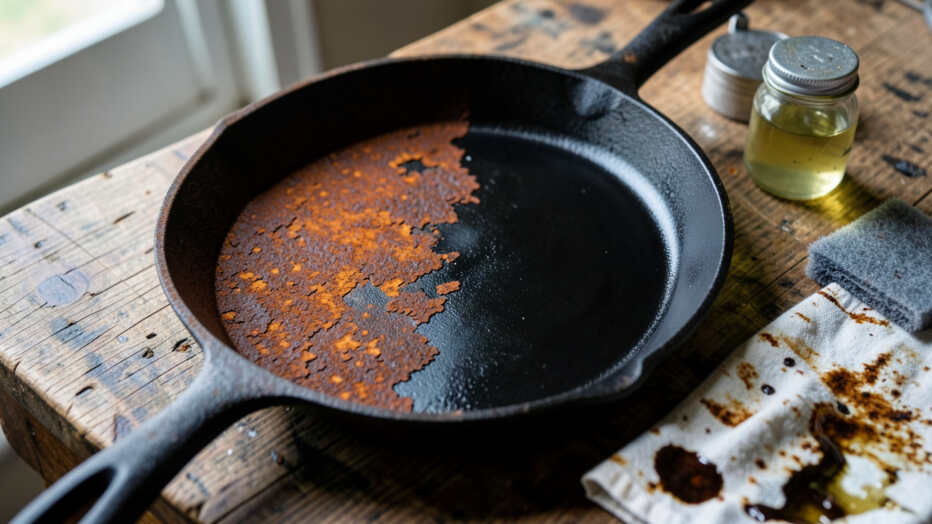
- Cast Iron: When properly seasoned, cast iron develops a natural non-stick surface. It’s durable and can last for generations. It also adds a small amount of iron to your food.
- Stainless Steel: This is a very popular choice for its durability and versatility. While not naturally non-stick, with proper heating and a little oil, you can achieve good results and prevent sticking.
- Ceramic Cookware: Many ceramic pans have a non-stick coating that is PFAS-free. They are lightweight and easy to clean. However, the non-stick properties may not last as long as other materials.
- Enameled Cast Iron: This offers the benefits of cast iron with a smooth, non-reactive enamel coating. It’s easy to clean and doesn’t require seasoning.
Comparing these options can help you decide what fits your cooking style. The question of Is Teflon / PFAS Cookware Safe? What Science Says becomes less about the specific brand and more about the material composition.
Regulatory Actions and Consumer Awareness
Governments and regulatory bodies worldwide are paying more attention to PFAS. In many regions, the use of PFOA in cookware manufacturing has been restricted or banned. This is a positive step towards reducing exposure.
However, other PFAS chemicals are still in use, and the science is still evolving on their safety.
Consumer awareness is also growing. Many people are actively seeking out PFAS-free products for their homes. This demand is driving manufacturers to develop and offer safer alternatives.
When you ask Is Teflon / PFAS Cookware Safe? What Science Says, you are part of this larger movement towards informed consumer choices.

How to Safely Use Your Existing Non-Stick Cookware
If you have non-stick cookware and want to continue using it, there are ways to do so more safely. Following these tips can help minimize potential risks.
- Avoid High Heat: Never preheat an empty non-stick pan. Use medium or low heat for most cooking. If you need high heat, use a different type of pan.
- Use Proper Utensils: Stick to wooden, silicone, or plastic utensils. Avoid metal ones that can scratch the surface.
- Ventilate Your Kitchen: Always cook in a well-ventilated area. Open a window or turn on your range hood.
- Replace Damaged Pans: If your non-stick pan is scratched, chipped, or peeling, it’s time to replace it.
- Wash by Hand: Most manufacturers recommend hand washing non-stick cookware to preserve the coating.
By being mindful of these practices, you can extend the life of your cookware and cook with greater confidence, even when considering Is Teflon / PFAS Cookware Safe? What Science Says.

Current Scientific Consensus on Teflon/PFAS Cookware
The current scientific consensus is that modern non-stick cookware, when used correctly, poses a low risk to human health. The phase-out of PFOA has significantly reduced concerns related to older manufacturing processes. However, the broader issue of PFAS exposure from other sources remains a significant area of research and public health concern.
For cookware specifically, the primary risk is linked to overheating. The scientific community continues to monitor and research the long-term effects of exposure to various PFAS compounds. So, while the direct risk from using intact, correctly-handled non-stick pans is considered low, awareness about the broader PFAS issue is crucial.
This nuanced understanding is what Is Teflon / PFAS Cookware Safe? What Science Says aims to provide.
Frequently Asked Questions
Question: Are all non-stick pans made with PFAS?
Answer: Most non-stick pans use PTFE, which is a type of PFAS. However, the manufacturing process for many modern pans has eliminated PFOA, a chemical previously used that raised significant concerns.
Question: Is it safe to eat small flakes of Teflon that might come off a scratched pan?
Answer: While the flakes are generally considered inert and likely to pass through the body, it’s best to avoid them. A scratched pan should be replaced to prevent further flaking.
Question: How hot does a Teflon pan need to get before it releases harmful fumes?
Answer: PTFE cookware can start to break down and release fumes when heated above 500°F (260°C). Normal cooking temperatures are usually well below this limit.
Question: Should I be worried about PFAS from my cookware if I don’t have pets?
Answer: While pet birds are particularly vulnerable, the fumes released from overheating can cause flu-like symptoms in humans. So, avoiding overheating is important for everyone.
Question: What is the main difference between old Teflon and new Teflon regarding safety?
Answer: Older Teflon often contained PFOA in its manufacturing. Modern Teflon has phased out PFOA, making it generally safer, but the core PTFE material is still present.
Question: How can I be sure a new non-stick pan is PFAS-free?
Answer: Look for pans specifically advertised as PFAS-free or PFOA-free. Many brands now offer ceramic or other non-stick coatings that do not use these chemicals.
Question: What does science say about the long-term effects of using Teflon/PFAS cookware?
Answer: Science suggests that when used correctly and not overheated, the risk from modern Teflon cookware is low. However, broader PFAS exposure from other sources is a growing concern.
Final Thoughts
Modern non-stick cookware is generally safe when used as directed, especially by avoiding high heat and damage. If you’re still concerned, switching to PFAS-free alternatives like cast iron or stainless steel offers peace of mind. Making informed choices about your kitchenware supports a healthier home environment.