What Cookware To Avoid For Health Reasons
At a Glance For health reasons, avoid cookware made from non-stick materials with scratched or damaged coatings, unlined copper, certain types of aluminum lacking protective anodization, and enameled…
For health reasons, avoid cookware made from non-stick materials with scratched or damaged coatings, unlined copper, certain types of aluminum lacking protective anodization, and enameled cast iron with chipped enamel, as these can leach potentially harmful substances into food. Damaged non-stick coatings may release toxic fumes and particles, unlined copper can transfer excess copper ions, and chipped enamel exposes underlying cast iron that can rust or release metals. Choosing safer alternatives like stainless steel and well-seasoned cast iron minimizes these risks and supports a healthier kitchen.
Making good choices about the food we eat is super important for staying healthy. But did you know that the pots and pans you use can also play a big role? Some materials can actually leach tiny bits into your food, which isn’t ideal.
Learning about What Cookware to Avoid for Health Reasons helps you pick safer options. This way, you can cook delicious meals without worrying about unwanted extras, giving you peace of mind and a healthier kitchen. Let’s find out which cookware is best to skip.
Key Takeaways
- Some cookware materials can release harmful substances into your food when heated.
- Non-stick pans with scratched coatings can be a health concern.
- Certain types of aluminum cookware might pose risks if not properly coated.
- Older or damaged enameled cast iron can chip and release small particles.
- Choosing cookware made from safe materials supports a healthier lifestyle.
- Understanding cookware risks helps you make informed shopping decisions.

Why Your Cookware Choices Matter for Your Health
Picking the right pots and pans is more than just about how your food cooks. It’s about what you’re adding to your diet without even realizing it. Some materials can break down when they get hot, especially if they’re scratched or old.
These tiny pieces can end up in your meals. This is why knowing What Cookware to Avoid for Health Reasons is a smart move for anyone who cares about their well-being and their family’s health. Making informed choices means you can enjoy your cooking and eating with more confidence.

Steer Clear of These Potentially Harmful Cookware Materials
When you’re in the kitchen, your cookware is your partner in creating delicious meals. But not all partners are good for your health. Some common types of cookware can pose risks if they’re not made or used carefully.
It’s good to be aware of these so you can choose safer alternatives and protect yourself and your loved ones. Let’s look at some materials that might be best to avoid or use with extra caution.
Non-Stick Cookware with Damaged Coatings
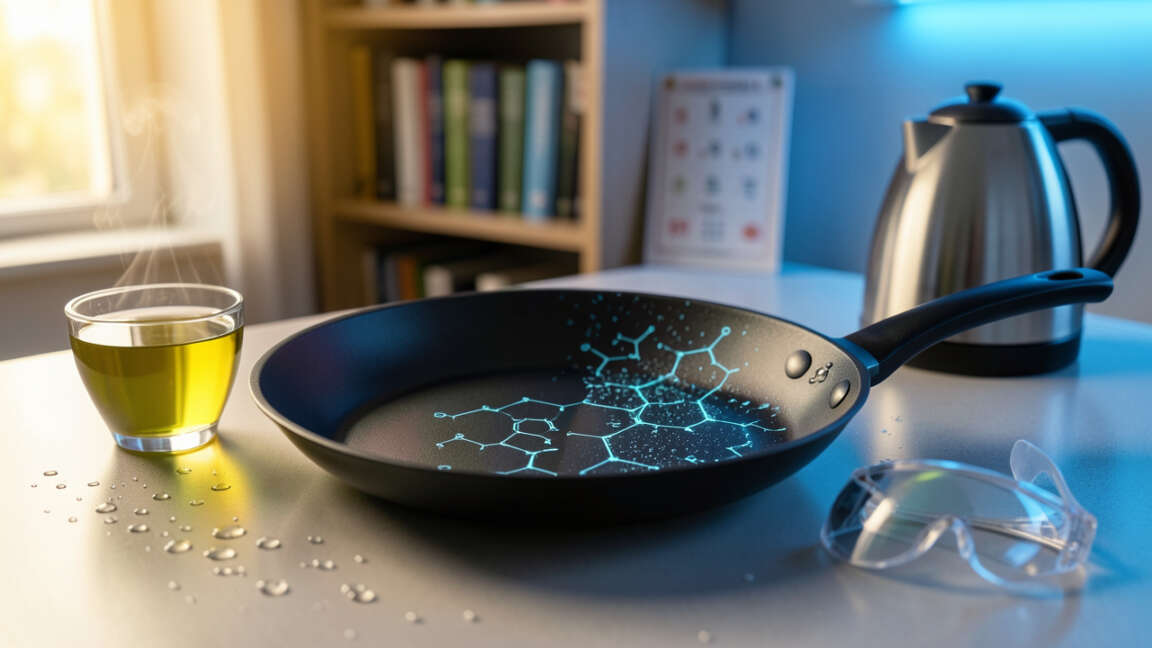
Non-stick pans are popular because food slides right off them. This makes cooking and cleaning much easier. However, most non-stick surfaces are made using chemicals called PFAS.
When these pans get scratched, overheated, or are very old, these chemicals can start to break down. They can then get into your food. This is a major reason why many people ask What Cookware to Avoid for Health Reasons.
Even if the coating looks okay, very high heat can still cause issues over time.
The Risks of Scratched Non-Stick Surfaces
Once the smooth, non-stick layer on your pan gets scratched, it’s not as safe anymore. Tiny bits of the coating can flake off into your food. These flakes might not taste or feel like anything, but they contain the chemicals used for the non-stick effect.
It’s best to stop using non-stick pans as soon as you notice any scratches or wear. Replacing them with new ones is a good idea, but eventually, you might want to switch to a different type of cookware altogether to avoid this issue.
Overheating Non-Stick Pans
Non-stick coatings are often sensitive to very high temperatures. When you heat them up too much, they can release fumes that are not good to breathe. These fumes can cause flu-like symptoms, sometimes called “polymer fume fever.” While this is usually temporary, it’s a sign that the pan is overheating and potentially degrading.
To keep your non-stick pans safe, always use them on medium heat and never preheat an empty non-stick pan. This is an important part of understanding What Cookware to Avoid for Health Reasons.
Certain Types of Aluminum Cookware
Aluminum is a popular material for cookware because it’s lightweight and heats up quickly. However, plain aluminum can react with acidic foods, like tomatoes or lemon juice. This reaction can cause small amounts of aluminum to transfer into your food.
For most people, this isn’t a major concern with occasional use. But for those who cook a lot of acidic foods or are sensitive to aluminum, it’s something to consider.
Anodized vs. Non-Anodized Aluminum
There are different types of aluminum cookware. Anodized aluminum goes through a special process that makes it harder and less reactive. This type is generally considered safer than regular aluminum.
Non-anodized aluminum is the plain, untreated kind. If you’re using non-anodized aluminum, it’s best to avoid cooking highly acidic foods in it. This helps reduce the amount of aluminum that might get into your meals.
Being aware of this distinction is key when thinking about What Cookware to Avoid for Health Reasons.
The Debate Around Aluminum Cookware
While research on aluminum and health is ongoing, some people prefer to minimize their exposure. The amount of aluminum that leaches into food is usually very small. However, if you’re concerned, you can opt for cookware that doesn’t have this potential issue.
Many modern aluminum pans have non-stick or enamel coatings, which act as a barrier. But if the coating wears off, you’re back to dealing with the aluminum itself.
Enameled Cast Iron with Chipped Enamel
Enameled cast iron pots and pans are beautiful and work well for many types of cooking. They offer the even heating of cast iron with a non-reactive, easy-to-clean surface. The enamel coating is usually made of glass.
However, if the enamel chips or cracks, it can create problems.
What Happens When Enamel Chips
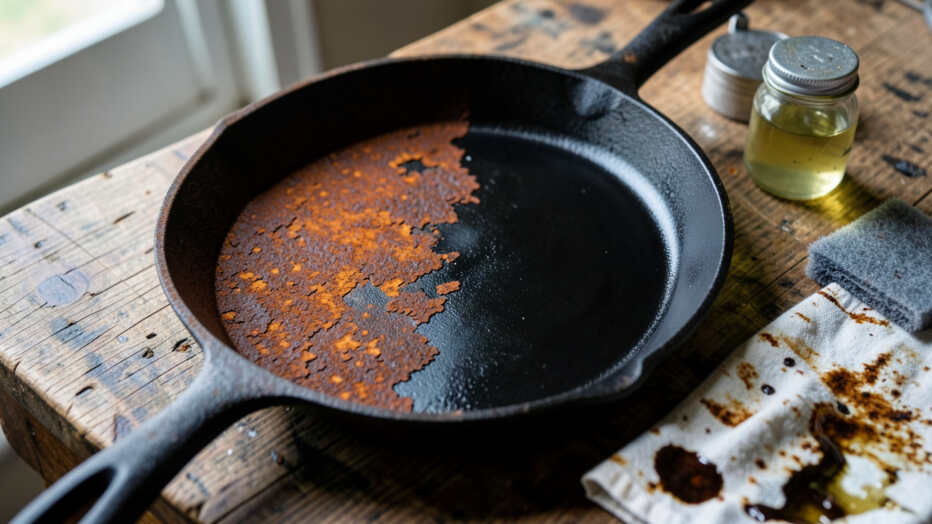
When the enamel on your cast iron cookware chips, it exposes the raw cast iron underneath. This exposed area can rust. More importantly, small chips of enamel can break off into your food.
While these chips are usually small and might pass through the body without harm, it’s still not ideal. It’s another item on the list of What Cookware to Avoid for Health Reasons if not maintained properly. Always inspect your enameled cast iron for chips before using it.
Proper Care for Enameled Cookware
To prevent chipping, it’s important to care for your enameled cast iron properly. Avoid using metal utensils that can scratch the surface. Also, don’t drop it or bang it against hard surfaces, as this can cause cracks.
If you notice a chip, it’s best to stop using that part of the pan. For significant damage, you might need to consider replacing the cookware.
Copper Cookware (Unlined)
Copper cookware heats up very evenly and quickly, making it a favorite among professional chefs. However, pure copper can react with acidic foods and is toxic in large amounts. Because of this, most copper cookware today is lined with another metal, usually stainless steel or tin.
This lining acts as a barrier between the copper and your food.
The Importance of a Lining
If you have copper cookware that is not lined, or if the lining is damaged, it’s a good idea to be cautious. Unlined copper can leach copper into your food, especially when cooking acidic dishes. While copper is an essential nutrient in small amounts, too much can cause health problems like nausea, vomiting, and liver damage.
This is why unlined copper is often mentioned when discussing What Cookware to Avoid for Health Reasons.
When Copper is Usually Safe
When copper cookware has a good, intact lining of stainless steel or tin, it’s generally safe to use. The lining prevents direct contact between the copper and your food. Just like with non-stick and enameled cookware, keep an eye on the condition of the lining.
If it’s scratched or worn, it’s time to consider replacement.

Safer Cookware Options for a Healthier Kitchen
Now that we’ve looked at what to avoid, let’s talk about the good stuff! There are many excellent cookware materials that are known for their safety and durability. Choosing these options means you can cook with confidence, knowing your pots and pans are helping you eat well, not harming you.
Stainless Steel Cookware
Stainless steel is a very popular choice for good reason. It’s durable, doesn’t react with food, and is easy to clean. Most high-quality stainless steel cookware is made from an alloy that includes chromium and nickel, which makes it resistant to rust and corrosion.
It heats evenly, especially when it has a core of aluminum or copper sandwiched between the stainless steel layers. It’s a solid, safe choice for everyday cooking.
Cast Iron Cookware (Seasoned)
Well-seasoned cast iron is fantastic. The seasoning is a layer of polymerized oil that creates a natural, non-stick surface. As you cook with it, this layer gets better and better.
It heats evenly and holds heat very well. Some people even say that cooking with cast iron can add a small amount of iron to your food, which can be beneficial for those who are iron deficient. Just be sure to maintain the seasoning and avoid cooking very acidic foods for long periods if your seasoning isn’t perfect.
Ceramic Cookware (Pure Ceramic)
Cookware made from pure ceramic (not ceramic coatings on metal) is a great option. It’s made from natural materials and doesn’t contain any harsh chemicals. Ceramic heats evenly and is non-reactive.
It’s a good choice for those looking for a natural and safe cooking surface. Make sure you’re buying cookware that is solid ceramic, rather than just a ceramic coating on another material.
Glass Cookware
Glass cookware, like Pyrex or Visions cookware, is made from tempered glass. It’s completely non-reactive and doesn’t leach anything into your food. It’s excellent for baking and can be used on the stovetop for some types of cooking.
It’s a very safe and inert material to cook with.

Tips for Using Your Cookware Safely
No matter what type of cookware you choose, using it correctly is key to keeping it safe and making it last. Even the safest materials can become a problem if they’re not used properly.
- Read the Manufacturer’s Instructions: Always check the care and usage guidelines that come with your cookware. This will tell you the best way to use and clean it.
- Avoid Overheating: High heat can damage many types of cookware, especially non-stick surfaces. Use medium heat whenever possible.
- Use the Right Utensils: For non-stick and enameled cookware, use wood, silicone, or plastic utensils. Metal utensils can scratch and damage the surface.
- Inspect Regularly: Before each use, check your cookware for any signs of damage, like scratches, chips, or worn coatings.
- Clean Gently: Use soft sponges and mild dish soap. Avoid abrasive cleaners or steel wool, which can scratch surfaces.
- Replace Damaged Cookware: If your cookware is significantly scratched, chipped, or worn, it’s time to replace it. This is a crucial step in understanding What Cookware to Avoid for Health Reasons and acting on that knowledge.
Frequently Asked Questions
Question: What is the safest type of cookware for health reasons?
Answer: Generally, stainless steel, seasoned cast iron, pure ceramic, and glass cookware are considered very safe. They are non-reactive and don’t leach harmful substances into food when used properly.
Question: Should I throw away my non-stick pans if they have a few scratches?
Answer: Yes, if your non-stick pans have noticeable scratches or peeling coating, it’s best to replace them. Scratches mean the non-stick chemicals can flake into your food, which is a key concern when asking What Cookware to Avoid for Health Reasons.
Question: Is aluminum cookware bad for your health?
Answer: Plain aluminum cookware can leach small amounts of aluminum into food, especially acidic foods. Anodized aluminum and aluminum cookware with a good coating are generally safer. If you’re concerned, opt for other materials.
Question: Can chipped enameled cast iron be dangerous?
Answer: Yes, small chips of enamel can break off into your food, which is not ideal. It’s also a sign that the cookware is damaged and might be rusting underneath. Inspect your enameled cast iron regularly.
Question: How do I know if my cookware is safe?
Answer: Look for materials like stainless steel, cast iron, ceramic, or glass. Avoid cookware with damaged non-stick coatings, chipped enamel, or unlined copper. Always follow manufacturer guidelines for use and care.
Question: What are the health risks of using old cookware?
Answer: Old cookware, especially non-stick or enameled types, can degrade over time. This can lead to the release of chemicals or particles into your food, posing potential health risks. Regular inspection and replacement are important.

Final Thoughts
Choosing cookware wisely means you can cook healthy meals without worry. By understanding What Cookware to Avoid for Health Reasons, you can select safer options like stainless steel or cast iron. Prioritizing your kitchen tools is a simple yet effective way to support your family’s well-being and enjoy every meal.