Oven-Safe Cookware: How To Tell If Yours Is
At a Glance To determine if your cookware is oven-safe, first check for markings or symbols on the bottom or handle, and if none exist, consult the original packaging or manufacturer's instructio…
To determine if your cookware is oven-safe, first check for markings or symbols on the bottom or handle, and if none exist, consult the original packaging or manufacturer's instructions. Understanding the material is crucial—cast iron and stainless steel are typically oven-safe up to high temperatures, while non-stick and cookware with plastic handles often have lower limits or are not safe at all. Knowing these factors prevents damage to your cookware and ensures safe cooking, allowing you to confidently transfer pots from stovetop to oven for recipes like seared steak or baked casseroles.
When you’re busy cooking, the last thing you want is a surprise. Knowing if your pots and pans can go from the stovetop straight into a hot oven gives you so much more freedom to create delicious meals. It means you can sear a steak on the stove and then finish it perfectly in the oven, or bake a casserole without needing to transfer it.
Understanding Oven-Safe Cookware: How to Tell If Yours Is is key to avoiding damaged dishes and ensuring your kitchen adventures are safe and successful. We’ll walk through the simple ways to check, so you can cook with confidence.
Key Takeaways
- Look for markings on the cookware itself, like symbols or text.
- Check the original packaging or instruction manual for details.
- Understand how different materials, like cast iron and stainless steel, behave in heat.
- Be aware of parts that might not be oven-safe, such as plastic handles.
- Learn about temperature limits for your specific pieces.

Why Knowing If Your Cookware is Oven-Safe Matters
It’s really important to know if your pots and pans can handle oven heat. Using cookware that isn’t designed for the oven can lead to melted handles, cracked materials, or even a fire hazard. This can ruin your cooking and damage your oven.
When you know your cookware is Oven-Safe Cookware: How to Tell If Yours Is, you can cook more complex dishes. You can sear food on the stove and then move it to the oven to finish cooking. This makes for better flavor and texture.
This knowledge also saves you money. You won’t have to

Checking for Oven-Safe Markings
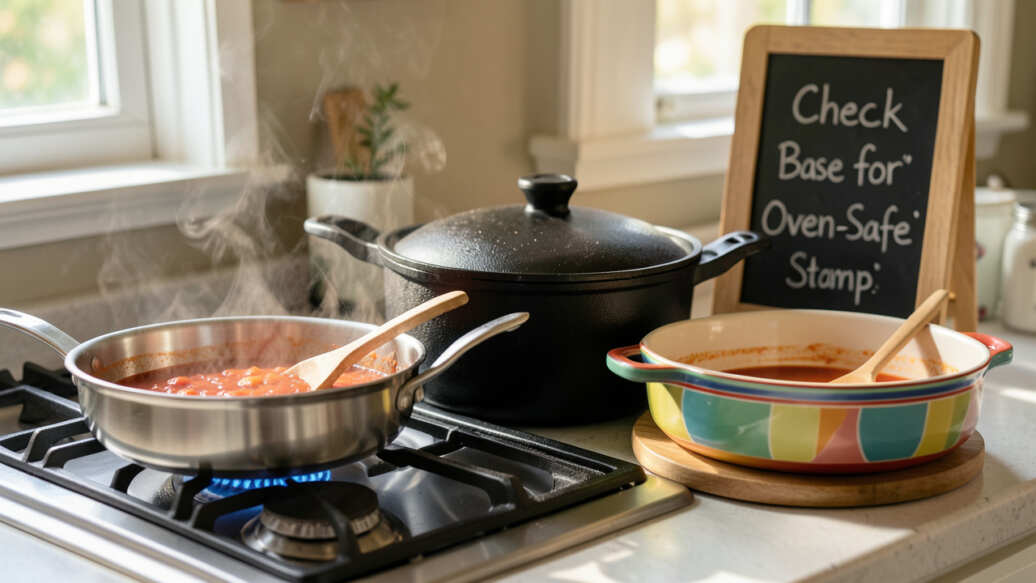
The easiest way to know if your cookware is oven-safe is to look for specific markings. Many manufacturers put symbols or text right on the bottom of the pot or pan. These markings are like a stamp of approval.
They tell you that the item has been tested and is safe for oven use.
Keep an eye out for a symbol that looks like an oven with wavy lines coming out of it. Sometimes, you’ll see text that clearly states “oven safe” or lists a maximum temperature. If you see these, you’re good to go.
This is the most direct way to confirm Oven-Safe Cookware: How to Tell If Yours Is. Always check the underside of the cookware. That’s where these important details are usually found.
What to Do If There Are No Markings
If you can’t find any markings on your cookware, don’t worry just yet. There are other steps you can take. The first thing to do is look for the original packaging.
The box or any paper inserts that came with the cookware often have this information. Sometimes, the manufacturer’s website will have details about their products. You might need to search by the brand and the specific item name.
If you still can’t find confirmation, it’s best to err on the side of caution. Assume the cookware is not oven-safe. It’s better to be safe than to risk damaging your cookware or your oven.
This is especially true for older pots and pans where information might be hard to find.

Understanding Different Cookware Materials
The material your cookware is made from plays a big role in whether it’s oven-safe. Some materials are naturally more heat-resistant than others. Knowing these differences helps you make smart choices in the kitchen.
This is a crucial part of understanding Oven-Safe Cookware: How to Tell If Yours Is.
Cast Iron Cookware
Cast iron is almost always oven-safe. It’s designed to withstand very high temperatures. This makes it perfect for searing meats and then finishing them in the oven.
Cast iron pots and pans can generally go into the oven without any issues. Just make sure any handles are also cast iron or have no plastic parts.
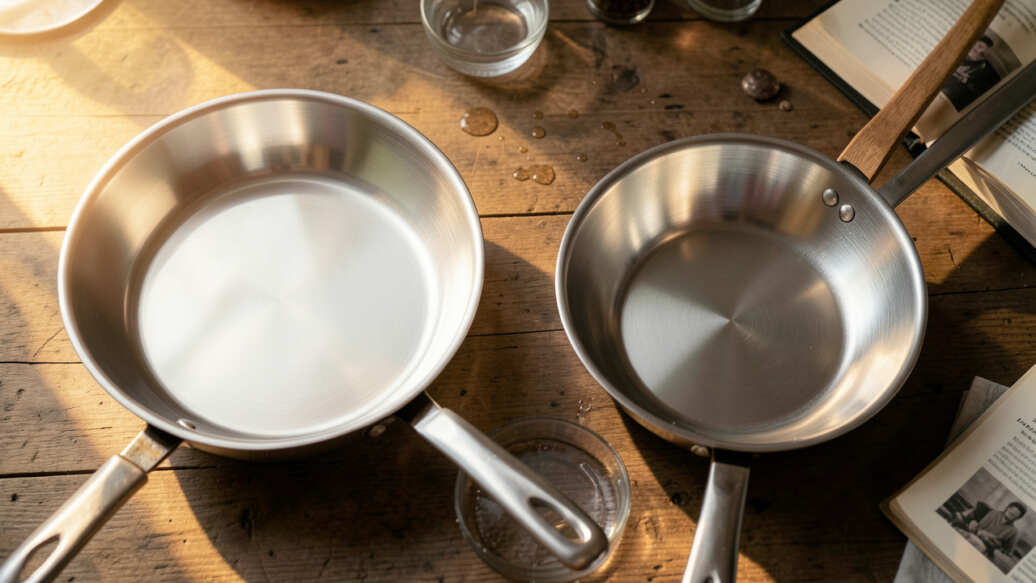
Stainless Steel Cookware
Most stainless steel cookware is also oven-safe. It can typically handle temperatures up to 500°F (260°C). However, there can be exceptions.
Always check for markings or manufacturer information. Some stainless steel pieces might have handles made of materials that can’t go in the oven.
Non-Stick Cookware
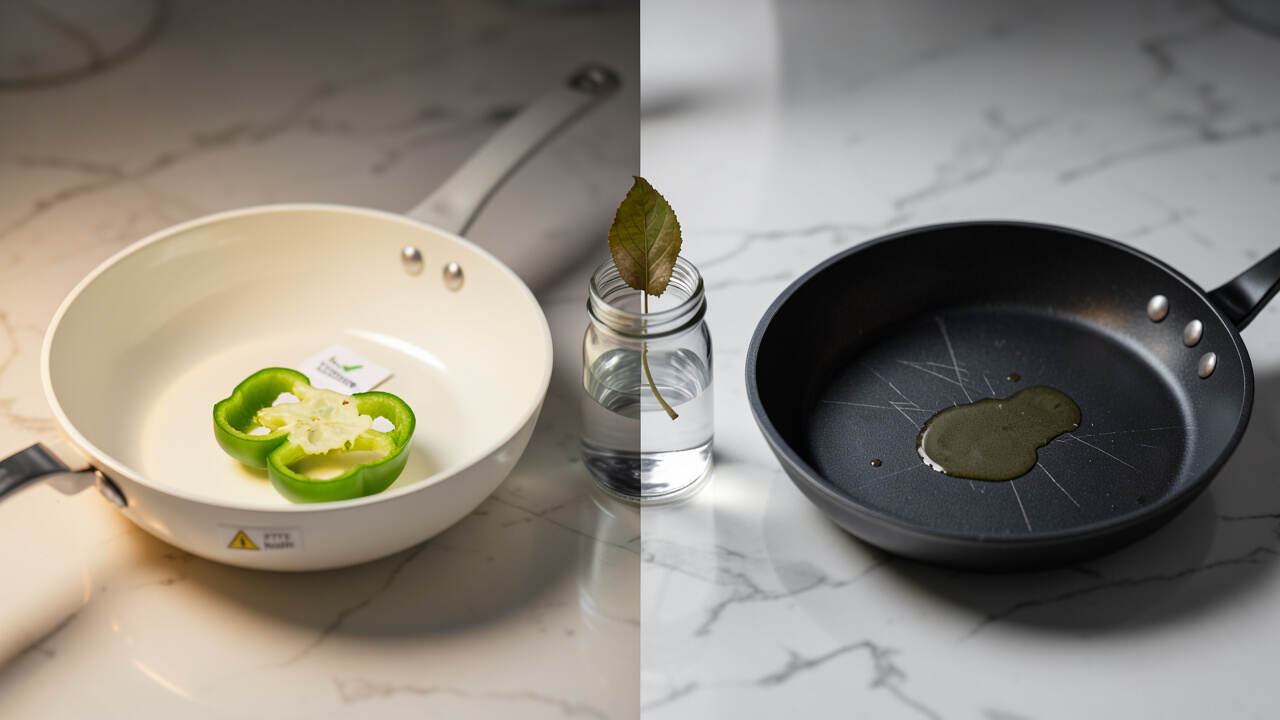
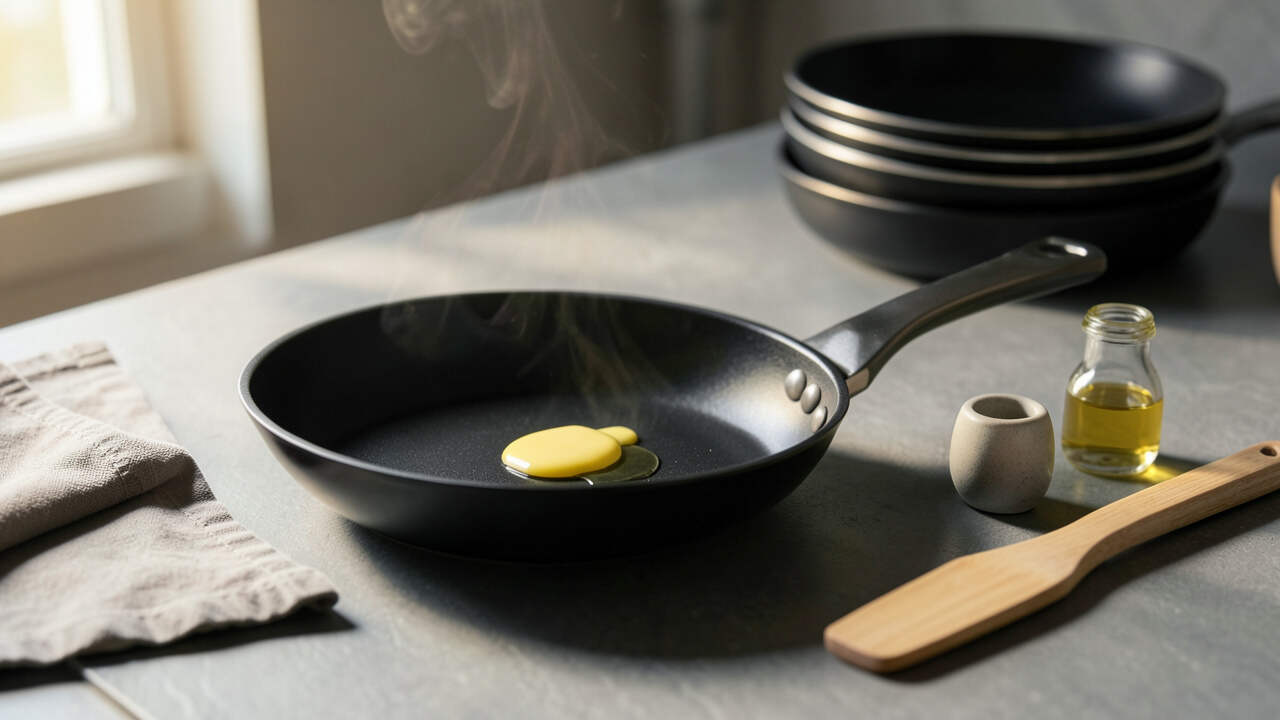
Non-stick cookware is a bit trickier. Many non-stick pans are oven-safe, but they have temperature limits. These limits are usually lower than for stainless steel or cast iron.
The non-stick coating itself can degrade at very high heat. Always check the manufacturer’s recommendations for your specific non-stick pan.
Enameled Cast Iron
Enameled cast iron, like Dutch ovens from Le Creuset or Staub, is generally oven-safe. The enamel coating is very durable. However, the lids might have plastic or metal knobs that are not oven-safe.
Always check the knob on the lid. If it’s plastic, it might melt or warp in high heat.
Copper Cookware
Copper cookware can be oven-safe, but it depends on the construction. If the pan is solid copper with metal handles, it’s likely safe. If it has other materials or coatings, you need to check.
Some copper pans have linings that might not withstand oven temperatures.
Glass and Ceramic Cookware
Glass (like Pyrex or Anchor Hocking) and ceramic bakeware are designed for oven use. They are excellent for baking casseroles and other dishes. However, avoid sudden temperature changes.
Don’t put a hot glass dish on a cold surface, as it might crack. Also, check for any plastic lids or handles.
Aluminum Cookware
Aluminum cookware can be oven-safe, but it varies. Anodized aluminum is generally more durable. However, plain aluminum can sometimes warp at high temperatures.
It’s best to check the manufacturer’s guidelines for aluminum pots and pans.

Checking Handles and Lids
It’s not just the main body of the cookware that matters. The handles and lids also need to be oven-safe. This is a common oversight when people are trying to figure out Oven-Safe Cookware: How to Tell If Yours Is.
Plastic handles can melt or warp in the oven. Metal handles can get very hot, but they are usually oven-safe unless they have plastic inserts.
Handles to Watch Out For
Plastic handles are the biggest concern. If your cookware has plastic handles, it’s probably not oven-safe. Some handles might have a heat-resistant coating, but it’s still best to check the temperature limits.
Wooden handles can also be an issue. They can dry out, crack, or even catch fire at very high temperatures. Always assume cookware with wooden handles is not oven-safe.
Lid Considerations
Lids can also be a problem. Metal lids are usually fine. However, lids with plastic knobs or handles are not oven-safe.
Some glass lids have metal rims or knobs that might not be suitable for high oven heat. Always remove any parts that are not oven-safe before placing the cookware in the oven.

Temperature Limits and What They Mean
Even if your cookware is marked as oven-safe, it has a temperature limit. This limit is usually stated in degrees Fahrenheit (°F) or Celsius (°C). For example, many stainless steel pans are safe up to 500°F (260°C).
Non-stick pans might have a lower limit, like 350°F (175°C) or 400°F (200°C).
Why Temperature Limits Are Important
Exceeding the temperature limit can damage your cookware. For non-stick coatings, high heat can break down the coating, making it less effective and potentially releasing fumes. For other materials, extreme heat can cause warping or even cracking.
Understanding these limits is a critical part of knowing Oven-Safe Cookware: How to Tell If Yours Is.
How to Find Temperature Information
The best place to find temperature limits is on the product packaging or in the instruction manual. If you no longer have these, check the manufacturer’s website. They usually have detailed product specifications available.
If you still can’t find the information, it’s safest to assume a lower temperature limit, around 350°F (175°C).

Testing Your Cookware (With Caution)
If you’re really unsure about a piece of cookware and have no markings or information, you can do a small test. This should be done with extreme caution. First, remove any plastic or wooden parts.
Then, place the cookware in a cold oven. Turn the oven on to a low temperature, like 250°F (120°C). Leave it there for about 30 minutes.
What to Look For During the Test
After 30 minutes, carefully check the cookware. Look for any signs of damage, such as melting, warping, or cracking. If you see any of these issues, the cookware is definitely not oven-safe.
If it looks fine, you can then try increasing the temperature slightly, but never go above what you think is a reasonable limit for cookware. This method is not foolproof and should only be used as a last resort when you’ve exhausted all other options for determining Oven-Safe Cookware: How to Tell If Yours Is.

When in Doubt, Don’t Put It in the Oven
The golden rule is simple: if you are unsure, do not put the cookware in the oven. It’s not worth the risk of damaging your kitchenware, your oven, or causing a safety hazard. There are many great oven-safe options available if you need to replace something.
Investing in cookware that is clearly marked as oven-safe will give you peace of mind.
Frequently Asked Questions
Question: What is the most common symbol for oven-safe cookware?
Answer: The most common symbol is an icon of an oven with wavy lines coming out of it, indicating heat. Sometimes, text like “oven safe” is also present.
Question: Can all stainless steel pots and pans go in the oven?
Answer: Most stainless steel cookware is oven-safe, but always check for markings or manufacturer information, especially regarding handles and lids.
Question: Are plastic handles on cookware oven-safe?
Answer: No, plastic handles are generally not oven-safe. They can melt, warp, or even catch fire at oven temperatures.
Question: How do I know if my Dutch oven lid is oven-safe?
Answer: Check the knob on the lid. If it’s plastic or a material not rated for high heat, it’s best to remove it or use a different lid for oven cooking.
Question: What happens if I put non-oven-safe cookware in the oven?
Answer: You risk damaging the cookware, melting handles, cracking materials, or even starting a fire. It can also damage your oven.
Question: Is it safe to use cookware with a temperature limit above that limit?
Answer: No, exceeding the stated temperature limit can damage the cookware, compromise its non-stick properties, or cause warping and other issues.
Question: How can I confirm Oven-Safe Cookware: How to Tell If Yours Is if there are no markings?
Answer: Check the original packaging, instruction manual, or the manufacturer’s website. If information is unavailable, assume it is not oven-safe.
Final Thoughts
Knowing if your cookware can go in the oven makes cooking easier and safer. Always look for clear markings or check the manufacturer’s details. Pay close attention to handles and lids, and respect temperature limits.
When in doubt, it’s always best to choose cookware that is definitely oven-safe.