How To Care For Nonstick Cookware To Make It Last Years
At a Glance To make nonstick cookware last for years, use only silicone or wooden utensils, hand wash immediately with a soft sponge and mild dish soap, and cook exclusively on low to medium heat. Avo…
To make nonstick cookware last for years, use only silicone or wooden utensils, hand wash immediately with a soft sponge and mild dish soap, and cook exclusively on low to medium heat. Avoid cooking sprays, highly acidic foods, high-heat searing, and dishwasher cycles because they erode the nonstick coating. Store pans with protective liners or cloth separators, allow them to cool completely before washing, and dry thoroughly before stacking to prevent scratches.
Want your favorite nonstick pans to keep performing their best, meal after meal? You’ve come to the right place. Learning How to Care for Nonstick Cookware to Make It Last Years isn’t just about saving money; it’s about ensuring your cooking is always a joy, without food sticking or the coating wearing out too soon.
We’ll show you simple tricks that make a big difference, so your pans stay reliable and your kitchen adventures are always smooth sailing. Get ready to discover how easy it is to extend the life of your cookware.
Key Takeaways
- Understand the best ways to clean nonstick cookware without damaging the coating.
- Learn what cooking tools are safe to use on nonstick surfaces.
- Discover the right cooking temperatures to preserve nonstick properties.
- Find out how to properly store nonstick pans to prevent scratches.
- Know which foods to avoid or cook with caution on nonstick surfaces.
- Identify common mistakes that shorten the lifespan of nonstick cookware.

Protecting Your Pans: The Gentle Touch
Nonstick cookware makes cooking and cleanup so much easier. But that special coating needs a little care to stay effective. Treating your nonstick pans with a gentle hand is the first step in How to Care for Nonstick Cookware to Make It Last Years.
Think of it like being kind to a delicate surface. The goal is to avoid anything that could scratch, chip, or wear away that nonstick layer. This simple approach ensures your pans work well for a very long time.
Choosing the Right Utensils
One of the biggest enemies of nonstick cookware is the wrong cooking tool. Using metal utensils can quickly scratch and ruin the nonstick surface. This damage is permanent and will make your pans stick.
It’s important to always use tools made from materials that won’t harm the coating.
- Silicone utensils are a fantastic choice. They are heat-resistant and gentle on nonstick surfaces.
- Wooden spoons are also safe and widely available. Just be aware they can sometimes stain or absorb odors.
- Nylon or plastic spatulas and spoons are another good option. Make sure they are rated for high heat if you plan to use them in hot pans.
Avoid using metal forks, knives, whisks, or spatulas directly on the nonstick surface. Even seemingly harmless metal can cause micro-scratches that build up over time. This is a key part of How to Care for Nonstick Cookware to Make It Last Years.
Temperature Control is Key
Nonstick coatings are designed to work best at medium heat. High heat can break down the nonstick compounds over time. It can also cause the coating to discolor or warp.
For most everyday cooking, medium heat is perfectly sufficient. This is especially true for things like sautéing vegetables or cooking eggs.
Some nonstick pans are advertised as “oven-safe.” Always check the manufacturer’s instructions for the maximum oven temperature. Exceeding this limit can damage the nonstick coating and the pan’s handle. For example, many are safe up to 350°F or 400°F, but some might have lower limits.
Preheating your pan is also important, but do it gradually. Don’t blast the heat on high to get it hot quickly. Instead, start on medium heat and let it warm up for a few minutes.
This slow, steady heating helps preserve the nonstick qualities. This practice is fundamental to How to Care for Nonstick Cookware to Make It Last Years.
The Art of Washing Nonstick Pans
Cleaning your nonstick pans correctly is vital for their longevity. The goal is to remove food residue without scrubbing or using abrasive materials. A gentle approach will keep the nonstick surface smooth and effective.
- Always let pans cool down before washing. Putting a hot pan under cold water can cause thermal shock, leading to warping or damage.
- Use a soft sponge or cloth. Never use steel wool or abrasive scrub pads. These will scratch the nonstick coating immediately.
- Use mild dish soap. Harsh detergents can strip away the nonstick properties. A small amount of standard dish soap is usually all you need.
- Avoid the dishwasher if possible. While some nonstick pans are labeled dishwasher safe, the harsh detergents and high heat can degrade the coating over time. Handwashing is always the gentler option.
If you have stubborn bits of food stuck to the pan, don’t scrape them off aggressively. Try soaking the pan in warm, soapy water for a while. You can also gently simmer a bit of water in the pan for a few minutes to loosen residue.
This method is much safer for the nonstick surface. Following these washing tips is a core part of How to Care for Nonstick Cookware to Make It Last Years.

Storing Your Nonstick Cookware Properly
Even when not in use, your nonstick pans can get damaged. Improper storage is a common reason why nonstick coatings wear out prematurely. Protecting the surface when the pans are stacked is essential.
Scratches from stacking can ruin the nonstick ability.
- Use pan protectors or cloths between stacked pans. These soft layers prevent metal rims or rough bottoms from scratching the nonstick surface.
- Hang your pans if you have the space. Hanging avoids any contact with other cookware, offering the best protection.
- Avoid overcrowding. Don’t cram pans into a cabinet where they might rub against each other. Give them a little breathing room.
If you don’t have pan protectors, even a layer of paper towel can help. The idea is to create a buffer zone. This simple step is a crucial part of How to Care for Nonstick Cookware to Make It Last Years.

What to Avoid for Maximum Lifespan
Certain cooking habits and ingredients can shorten the life of your nonstick pans. Being mindful of these can make a big difference in how long your cookware lasts.
Avoid Cooking Sprays (Sometimes)
While cooking sprays seem convenient, they can actually build up on nonstick surfaces over time. This build-up can become difficult to remove and may interfere with the nonstick performance. It can create a sticky residue that even careful washing doesn’t get rid of.
This is a common pitfall for those wondering How to Care for Nonstick Cookware to Make It Last Years.
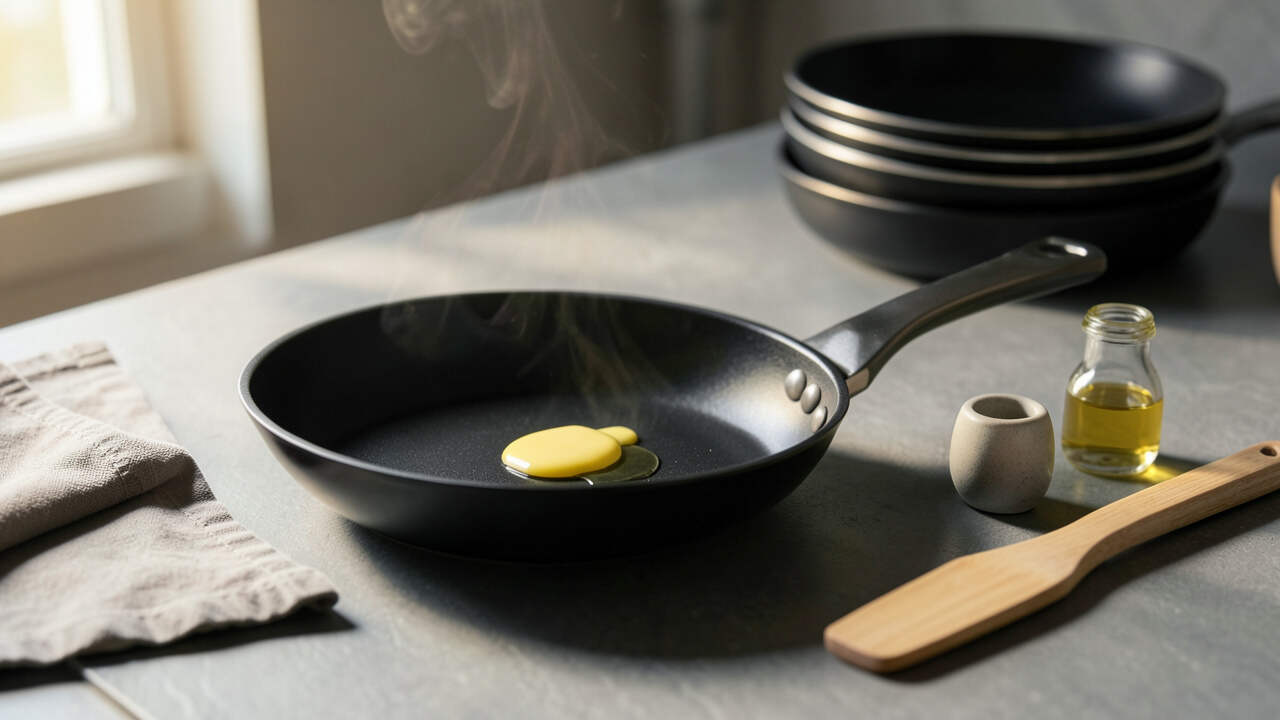
Many manufacturers recommend avoiding cooking sprays altogether. If you must use a spray, opt for one that is specifically designed for nonstick cookware and use it sparingly. A light coating of oil or butter applied with a brush or paper towel is often a better alternative.
This ensures you get the lubrication you need without the sticky residue.
Limit Acidic Foods
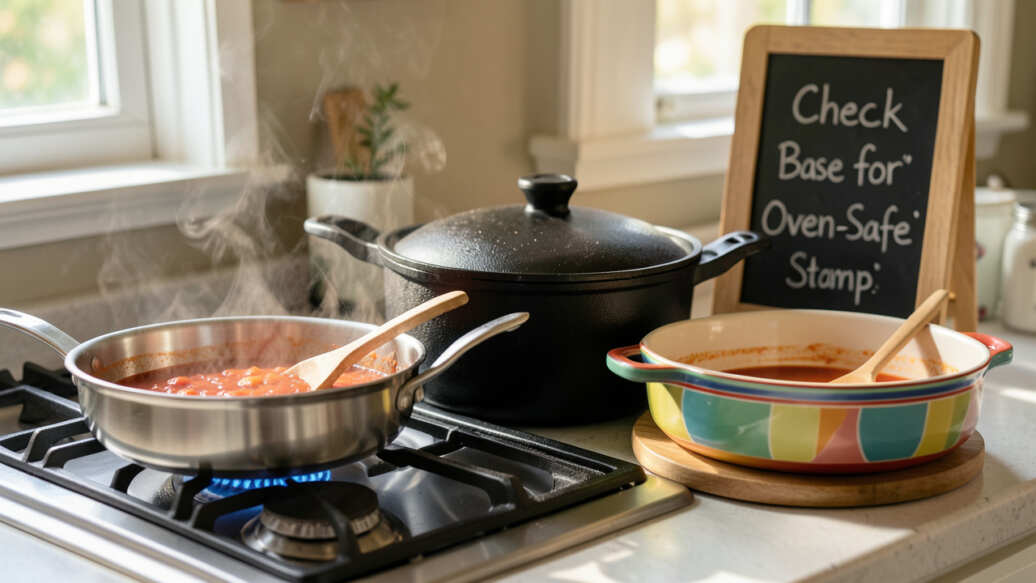
Cooking highly acidic foods like tomatoes, citrus, or vinegar for long periods can affect the nonstick coating. While most modern nonstick pans are more resilient, prolonged exposure to strong acids can still degrade the surface over time. If you’re making a long-simmering tomato sauce, it might be best to use a stainless steel or cast iron pot.
For shorter cooking times, most nonstick pans will be fine. The key is to avoid leaving acidic leftovers sitting in the pan for hours. Transferring food to a storage container promptly is a good habit.
Don’t Use Nonstick Cookware for High-Heat Searing
While nonstick is great for many things, it’s not ideal for achieving a deep, hard sear on meats. High-heat searing can push the nonstick coating beyond its limits. It can lead to discoloration and faster wear.
For tasks that require very high heat, like searing a steak to perfection, stainless steel or cast iron pans are better choices.
Using nonstick pans for their intended purpose – gentle cooking where food is less likely to stick – will help them last longer. This is a crucial piece of advice for anyone seeking to understand How to Care for Nonstick Cookware to Make It Last Years.

When It’s Time to Replace
Even with the best care, nonstick cookware doesn’t last forever. There are signs that indicate it’s time to retire your pans and invest in new ones. Recognizing these signs helps you ensure you’re always cooking with the safest and most effective tools.
- Visible scratches or peeling: If you see deep scratches, chips, or if the coating is peeling away, it’s time for new pans. These imperfections can harbor bacteria and release tiny particles into your food.
- Food starts sticking: The most obvious sign is when food begins to stick despite proper cleaning and cooking techniques. This means the nonstick properties have significantly degraded.
- Discoloration or warping: If your pans are heavily discolored or have warped bottoms, their performance may be compromised, and they might not heat evenly anymore.
A good quality nonstick pan might last anywhere from 2 to 5 years with proper care. Cheaper pans may have a shorter lifespan. Prioritizing these care tips can help you reach the longer end of that spectrum.
This knowledge is fundamental to How to Care for Nonstick Cookware to Make It Last Years.

Comparing Nonstick Care Needs
Different types of nonstick coatings exist, and while the core principles of care remain the same, there are minor variations to consider. Understanding these can help you tailor your approach for optimal results.
As you can see, while the general guidelines for How to Care for Nonstick Cookware to Make It Last Years apply broadly, understanding the specific type of nonstick you have can help you maximize its performance. Always refer to the manufacturer’s specific care instructions for the most accurate advice.
Frequently Asked Questions
Question: Can I use metal utensils on my nonstick pans?
Answer: No, it’s best to avoid metal utensils. They can scratch and damage the nonstick coating, reducing its effectiveness and lifespan.
Question: Is it okay to put nonstick pans in the dishwasher?
Answer: While some pans are labeled dishwasher safe, handwashing with mild soap and a soft sponge is always recommended. Dishwasher detergents and high heat can degrade the nonstick coating over time.
Question: How do I get stubborn food off my nonstick pan?
Answer: Gently simmer some water in the pan for a few minutes to loosen stuck-on food. Then, wash with a soft sponge and mild soap. Never scrape aggressively.
Question: Should I use cooking spray on my nonstick pans?
Answer: Many manufacturers advise against cooking sprays as they can create a sticky buildup. A light coating of oil or butter applied directly is a better alternative.
Question: How hot can I get my nonstick pan?
Answer: Most nonstick pans perform best on medium heat. Avoid high heat, as it can damage the nonstick coating and cause it to wear out faster. Always check manufacturer guidelines for specific temperature limits.
Question: When should I replace my nonstick cookware?
Answer: Replace your nonstick pans when you notice deep scratches, peeling coating, or when food starts sticking regularly, as these indicate the nonstick properties have significantly diminished.
Question: Does seasoning nonstick cookware help?
Answer: Unlike cast iron, nonstick cookware does not need to be seasoned. The nonstick coating is already designed to prevent sticking, and seasoning it could potentially damage the surface.

Final Thoughts
Taking good care of your nonstick cookware means using the right tools and gentle cleaning methods. By avoiding high heat and abrasive scrubbers, and by storing them carefully, you can ensure your pans remain nonstick for years. Enjoy easier cooking and cleanup every day.