Ceramic Coated Vs Ptfe Nonstick: Which Is Safer?
At a Glance When comparing ceramic coated versus PTFE nonstick cookware for safety, ceramic coatings derived from sand are generally considered safer because they do not release toxic fumes even when…
When comparing ceramic coated versus PTFE nonstick cookware for safety, ceramic coatings derived from sand are generally considered safer because they do not release toxic fumes even when overheated. However, PTFE nonstick pans are safe under normal cooking temperatures below 500°F, but overheating can emit harmful fumes. The key takeaway is that for high-heat cooking or those concerned about chemical risks, ceramic offers peace of mind, though it may require more frequent replacement due to durability issues.
When you’re cooking up a storm in the kitchen, you want to know your cookware is safe. You might be wondering about the difference between those slick ceramic-coated pans and the classic PTFE nonstick ones. Understanding Ceramic Coated vs PTFE Nonstick: Which is Safer? really matters because it affects what’s going into your food and your family’s health.
By the end of this, you’ll know which type of pan is the better choice for your cooking needs and peace of mind.
Key Takeaways
- PTFE nonstick pans use a chemical coating that is very effective at preventing food from sticking.
- Ceramic nonstick pans use a coating derived from sand, making them a mineral-based option.
- Concerns about PTFE nonstick pans often relate to overheating, which can release fumes.
- Well-maintained ceramic pans are generally considered safe, but their nonstick properties can wear out faster.
- Choosing the right cookware depends on your cooking habits and priorities for health and durability.

Understanding Nonstick Cookware Options
Cookware that makes food slide right off is a game-changer. It means less scrubbing and often less oil needed for cooking. Two popular types you’ll see everywhere are ceramic-coated and PTFE nonstick pans.
They both promise easy cooking. But they get made in different ways. This difference is key when we talk about Ceramic Coated vs PTFE Nonstick: Which is Safer?.
Knowing how they work helps you pick the best one for your kitchen.
What is PTFE Nonstick?
PTFE stands for Polytetrafluoroethylene. You might know it better as Teflon. It’s a synthetic chemical.
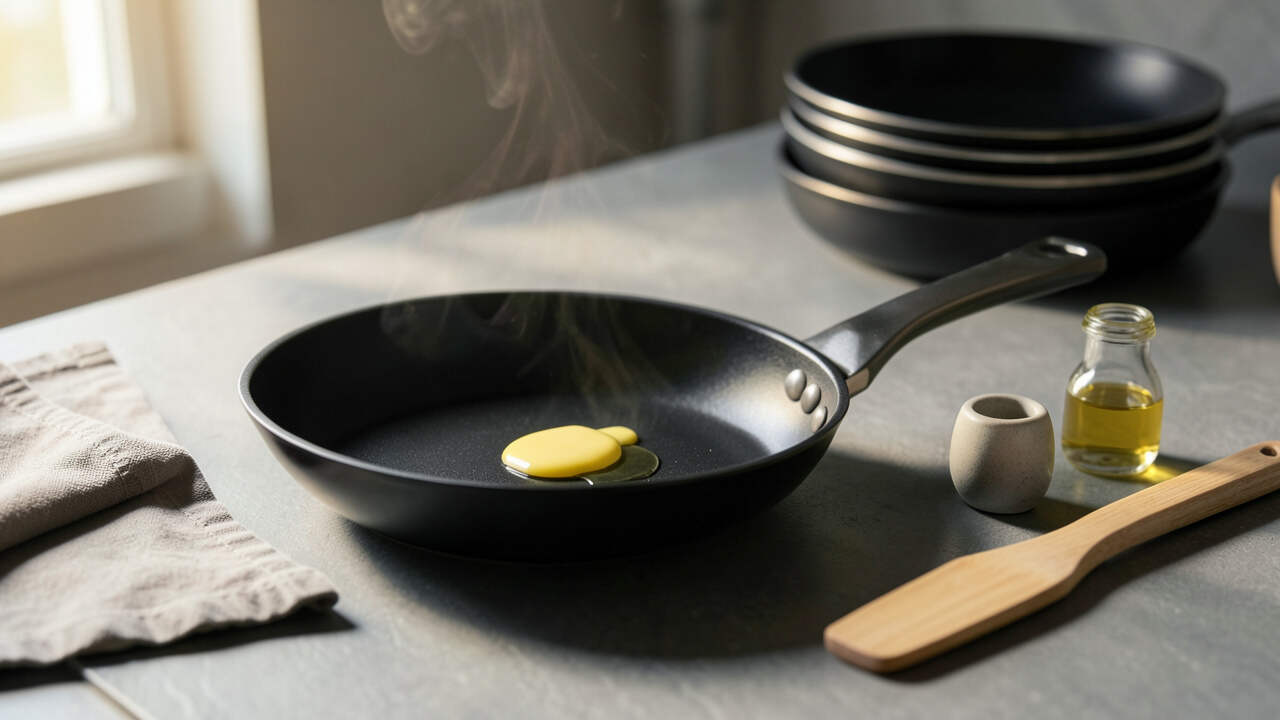
It creates a very smooth surface. This surface is what stops food from sticking. When made and used correctly, PTFE nonstick pans are very effective.
They are a long-time favorite for many home cooks because they work so well.
The technology behind PTFE has been around for decades. It’s designed to be durable and provide excellent nonstick performance. Many people appreciate how little oil they need to use with these pans.
This can be a plus for healthier eating. The smooth, inert nature of PTFE means it doesn’t react with most foods. This makes it a reliable choice for everyday cooking tasks.
What is Ceramic Nonstick?
Ceramic nonstick coatings are different. They are made from natural materials. The main ingredient comes from sand.
This means they are mineral-based. The coating is often applied as a liquid. Then it’s baked onto the pan.
This creates a hard, nonstick surface. Many brands offer ceramic nonstick pans. They often market them as a more “green” or “natural” option.
These pans aim to offer a good nonstick experience without using chemicals like PTFE. The coating is usually a light color. It’s known for its smooth finish.
When new, ceramic pans can be very slick. They make cooking and cleanup easy. The appeal of ceramic is its natural origin.
This draws in people looking for alternatives to synthetic coatings.

Safety Concerns: The Big Question
The main reason people ask Ceramic Coated vs PTFE Nonstick: Which is Safer? is due to safety. We want to make sure our cookware doesn’t harm us. Both types have had questions raised about them.
It’s important to look at these concerns closely. This helps you make an informed choice for your home.
PTFE Safety: Overheating Risks
The biggest concern with PTFE nonstick is overheating. When PTFE pans get very hot, much hotter than normal cooking temperatures, they can break down. This breakdown can release fumes.
These fumes are not good to breathe. They can cause flu-like symptoms. This is often called “polymer fume fever.” For most cooking, where pans don’t get extremely hot, PTFE is considered safe.
The key is to avoid preheating an empty PTFE pan on high heat for too long.
Manufacturers have worked to make PTFE safer over the years. Modern PTFE coatings are more stable. They require much higher temperatures to break down.
Still, it’s a good habit to use medium heat. Avoid using metal utensils that can scratch the surface. Scratches can make the coating less durable and potentially release small particles.
Using wood or silicone tools is best. This helps maintain the integrity of the nonstick layer.
Ceramic Safety: Durability and Performance
Ceramic nonstick pans are generally seen as very safe. Since they are made from natural materials and don’t contain PTFE, they don’t release harmful fumes when overheated. This is a big plus for many cooks.
However, ceramic coatings can be less durable than PTFE. They can scratch more easily. Once scratched, their nonstick ability can decrease.
This means food might start to stick.
The durability of ceramic nonstick can vary greatly by brand. Some high-quality ceramic pans perform well for a long time. Others might lose their nonstick power after only a few months.
When the nonstick surface starts to wear down, it might be time to replace the pan. While not dangerous, a worn-out ceramic pan just doesn’t do its job as well. This can lead to frustration in the kitchen.

Comparing Performance and Durability
When deciding between Ceramic Coated vs PTFE Nonstick: Which is Safer?, performance and how long the pan lasts are important. We want cookware that makes cooking easy. We also want it to last a good while.
Let’s compare how these two types stack up in real-world use.
How Well Do They Prevent Sticking?
PTFE nonstick pans are famous for their incredible ability to prevent sticking. Food truly slides off. This is why they became so popular.
They work well for delicate foods like fish and eggs. Even without much oil, you can cook with confidence. The slick surface is very reliable for everyday use.
Ceramic nonstick pans also offer good nonstick performance. When they are new, they can be just as slick as PTFE. However, this nonstick quality can fade over time.
It’s not as consistently strong as PTFE over the long haul. For many people, the initial nonstick power is enough. But serious cooks might notice a difference in performance as the pans age.
How Long Do They Last?
This is where PTFE often has an edge in durability. A well-cared-for PTFE pan can last for many years. The coating is tough and can withstand regular use.
The key is to avoid high heat and sharp utensils. If you treat your PTFE pans well, they will likely serve you for a long time. They are a good investment for frequent cooks.
Ceramic pans tend to have a shorter lifespan. Their nonstick properties can wear out faster. This is especially true if the pan is used frequently or cleaned aggressively.
Some ceramic pans might start to lose their nonstick ability within a year or two. This means you might need to replace them more often than PTFE pans. This can add up in cost over time.

Factors to Consider for Your Kitchen
Choosing between Ceramic Coated vs PTFE Nonstick: Which is Safer? involves looking at more than just safety. Think about your cooking style. Also, consider how you care for your cookware.
These personal factors play a big role in which pan is best for you.
Your Cooking Habits
If you love to cook at high temperatures or often sear meats, a pan that can handle heat is important. PTFE pans can handle higher temperatures than some ceramic ones, as long as they are not empty. However, if you are prone to forgetting a pan on the stove or cooking on very high heat often, you need to be extra careful with PTFE.
Ceramic pans are a safer bet if you’re worried about accidental overheating.
For everyday cooking, like making eggs or pancakes, both types work well. If you want to minimize oil use, both are good choices. Think about what you cook most often.
Do you need a pan that is super forgiving? Or one that can handle a bit more heat? Your daily cooking routine will guide your choice.
Maintenance and Care
How you care for your pans directly impacts their lifespan and safety. For PTFE pans, the golden rules are: avoid metal utensils, avoid abrasive cleaners, and avoid extreme heat, especially when the pan is empty. Hand washing is usually recommended to protect the coating.
Using a little oil or butter, even on nonstick, can help maintain the surface.
Ceramic pans also need gentle care. While they are often marketed as dishwasher safe, hand washing is still the best way to preserve their nonstick qualities. Avoid harsh scrubbers or scouring pads.
They can damage the ceramic surface. Treat both types of pans with care, and they will perform better for longer.

Making the Choice: Ceramic vs PTFE
So, when we look at Ceramic Coated vs PTFE Nonstick: Which is Safer?, there’s no single “right” answer for everyone. Both have pros and cons. Your personal preference and cooking habits will help you decide.
Here’s a simple way to think about it.
If your top priority is extreme nonstick performance that lasts for many years, and you are diligent about not overheating your pans, PTFE might be your choice. It’s proven and effective. If you prefer a pan made from natural materials and want to avoid PTFE fumes altogether, even at the risk of the nonstick wearing out sooner, ceramic is a great option.
It offers peace of mind regarding chemical exposure.
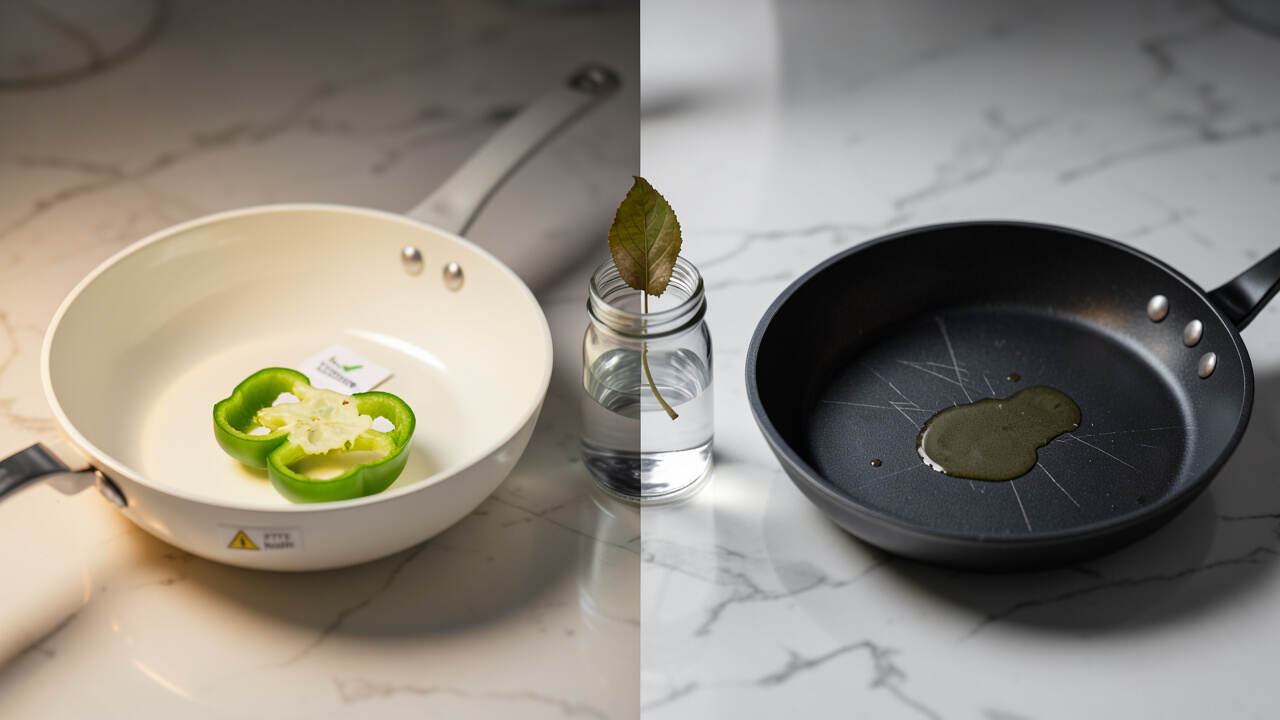
Consider a comparison to help visualize the differences:

When to Replace Your Nonstick Pans
No matter which type of nonstick pan you choose, they don’t last forever. Knowing when to replace them is part of safe cooking. A worn-out nonstick surface can be less effective and might start to flake.
This is a sign it’s time for a new pan.
For PTFE pans, if the coating looks deeply scratched, discolored, or is peeling, it’s best to replace it. Even if it still seems nonstick, the integrity of the coating may be compromised. For ceramic pans, if food starts sticking regularly, even after proper cleaning and oiling, the nonstick properties have likely diminished.
A pan that requires a lot of oil to prevent sticking defeats the purpose of nonstick cookware.
Frequently Asked Questions
Question: Are ceramic pans truly PFOA and PTFE-free?
Answer: Yes, most ceramic nonstick pans are advertised as being free of PFOA, PFOS, and PTFE. They use a silicon-based or mineral-based coating.
Question: Can I use metal utensils on my ceramic nonstick pan?
Answer: It’s generally not recommended. While some ceramic pans are more scratch-resistant, metal utensils can still damage the coating over time, reducing its effectiveness.
Question: What is the main danger of PTFE nonstick pans?
Answer: The primary concern is overheating. When PTFE reaches very high temperatures (above 500°F or 260°C), it can release fumes that are harmful to inhale.
Question: Which type of nonstick pan lasts longer?
Answer: Typically, PTFE nonstick pans tend to be more durable and can last longer than ceramic nonstick pans with proper care.
Question: Is it safe to cook with a scratched nonstick pan?
Answer: It’s best to avoid cooking with scratched nonstick pans, whether they are PTFE or ceramic. Scratches can compromise the coating and potentially release small particles into your food.
Question: Which is better for health: Ceramic Coated vs PTFE Nonstick?
Answer: Both are considered safe when used correctly. Ceramic is often preferred by those wanting to avoid any synthetic chemicals, as it doesn’t produce fumes when overheated. PTFE is safe as long as it’s not overheated.

Final Thoughts
Choosing between ceramic and PTFE nonstick cookware comes down to your personal cooking habits and safety preferences. Both can make cooking easier when used properly. Opt for ceramic if you prioritize avoiding chemical fumes, even if it means replacing pans more often.
Stick with PTFE if you value long-lasting, superior nonstick performance and commit to careful temperature control.