How To Choose Bakeware For Even Browning
At a Glance Choosing bakeware for even browning involves selecting materials like aluminum or steel, considering pan color (lighter for less browning, darker for faster), and ensuring heavy-gauge cons…
Choosing bakeware for even browning involves selecting materials like aluminum or steel, considering pan color (lighter for less browning, darker for faster), and ensuring heavy-gauge construction for consistent heat distribution. Proper bakeware prevents burnt edges and undercooked centers by conducting heat evenly across the surface. The key takeaway is that pan thickness and finish directly control browning results, making informed material selection essential for reliable baking outcomes.
Getting your baked goods to turn out just right, with a beautiful golden-brown color all over, is something many home bakers strive for. It’s not just about looks; even browning means your cake or cookies are cooked perfectly through. Understanding How to Choose Bakeware for Even Browning can make a big difference in your results.
We’ll look at what makes certain pans better for this and what you’ll gain by picking the right ones for your kitchen. This guide will help you avoid common baking mishaps and achieve consistently delicious outcomes every time you bake.
Key Takeaways
- Different materials conduct heat differently, affecting how evenly your baked goods brown.
- Darker pans absorb more heat, leading to quicker browning, sometimes too much.
- Lighter pans reflect heat, which can result in paler bottoms and edges.
- The thickness of bakeware plays a role in heat distribution and even cooking.
- Shiny surfaces reflect heat, while matte or non-stick surfaces absorb it.
- Choosing the right bakeware helps prevent burnt edges and undercooked centers.

Why Even Browning Matters So Much
When you bake something, you want it to look as good as it tastes. Even browning is key to that perfect appearance. It means the heat is reaching all parts of your food equally.
This leads to a delightful texture and flavor. Imagine a batch of cookies where the edges are burnt but the center is still pale and soft. That’s not ideal.
Or a cake that’s dark on the bottom but pale on top. Achieving even browning ensures your creations are cooked through without any burnt spots.
This consistency is what separates good baking from great baking. It shows care and attention to detail. When you know How to Choose Bakeware for Even Browning, you’re setting yourself up for success.
You’ll have fewer baking disappointments and more consistent, beautiful results to share. This skill is fundamental for anyone who loves to bake, from simple muffins to elaborate cakes.

Understanding Bakeware Materials and Heat
The material your bakeware is made from is the biggest factor in how heat moves around. Different metals and materials heat up and cool down at different rates. They also conduct heat differently.
Some materials are excellent at spreading heat evenly, while others can create hot spots. This directly impacts How to Choose Bakeware for Even Browning.
Metal Matters: The Heat Conductors
Most bakeware is made of metal because metals are great at conducting heat. This means they quickly get hot and transfer that heat to your food. However, not all metals are the same.
Some are much better at distributing heat evenly than others.
Aluminum: The Classic Choice
Aluminum is a very popular material for bakeware. It heats up quickly and evenly. This makes it a good choice for achieving consistent browning.
Anodized aluminum is even better because it’s harder and less likely to react with acidic foods. It also provides a more durable, non-stick surface.
One of the main benefits of aluminum is its excellent heat conductivity. It allows for a rapid and uniform transfer of heat. This is crucial for preventing hot spots that can cause uneven browning.
When you’re thinking about How to Choose Bakeware for Even Browning, aluminum is a material worth considering for its performance.
Stainless Steel: Durable but Different
Stainless steel is very durable and doesn’t react with food. However, it’s not the best heat conductor on its own. Many stainless steel pans have a layer of aluminum or copper sandwiched in the bottom.
This core helps to improve heat distribution. Without this core, stainless steel can lead to uneven cooking and browning. Look for multi-ply or clad stainless steel for better results.
Carbon Steel: Professional Performance
Carbon steel is a favorite among professional bakers. It heats up quickly and can withstand very high temperatures. It also develops a natural non-stick patina over time with proper seasoning.
Carbon steel is known for its excellent heat retention and even cooking. However, it requires care to prevent rust and maintain its surface.
Cast Iron: The Slow and Steady Cooker
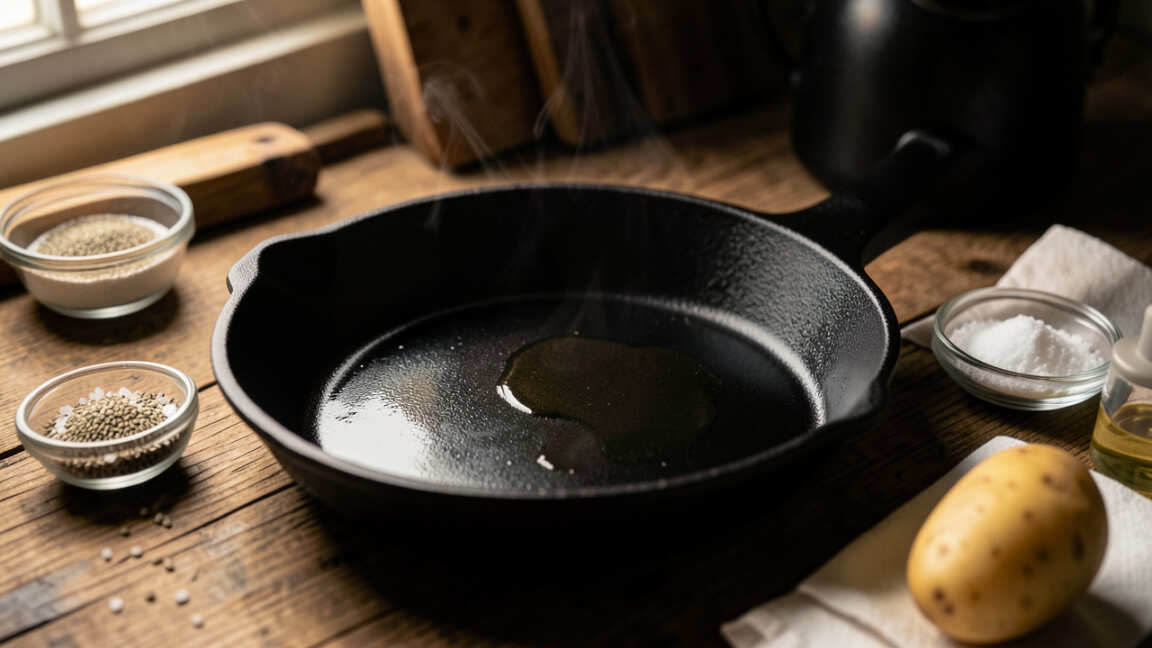
Cast iron bakeware, like skillets and Dutch ovens, heats up slowly but retains heat exceptionally well. This makes it fantastic for achieving a deep, even crust on breads and pies. It’s also great for dishes that cook for a long time.
The slow, consistent heat prevents sudden temperature spikes that can cause burning.
For those wondering How to Choose Bakeware for Even Browning, cast iron offers a unique advantage for specific types of baking. Its ability to hold and distribute heat steadily ensures a uniform cook. This is particularly beneficial for rustic loaves of bread or deep-dish pizzas where a solid, browned crust is desired.
Beyond Metal: Other Materials
While metals are common, other materials also play a role in how your food browns.
Glass and Ceramic: Gentle Heat
Glass and ceramic bakeware heat up more slowly than metal. They also tend to retain heat longer. This can lead to more even cooking, especially for dishes like casseroles and pies.
However, they can sometimes cause darker browning on the bottom because they hold heat so effectively. If using glass, you might need to lower the oven temperature slightly or use a baking sheet underneath for protection.
The gentle, even heat distribution of glass and ceramic is a key consideration when learning How to Choose Bakeware for Even Browning. They offer a different kind of heat transfer that can be beneficial for certain recipes, providing a softer browning effect.
Silicone: Flexible but Tricky
Silicone bakeware is flexible and easy to clean. However, it’s not a great heat conductor. This means it doesn’t promote browning well.
Baked goods made in silicone pans often come out paler. If browning is your goal, silicone might not be the best choice. It’s better suited for items where texture and shape are more important than a golden crust.

The Impact of Pan Color and Finish
The color and surface finish of your bakeware have a significant effect on how light and heat interact with it. This is a crucial aspect when understanding How to Choose Bakeware for Even Browning.
Dark vs. Light Pans
Dark-colored pans absorb more heat. This means they get hotter faster and can lead to quicker, more intense browning. This is great for achieving a deep crust on bread or well-browned cookies.
However, dark pans can also cause your baked goods to brown too quickly on the outside while the inside is still undercooked. You might need to reduce your oven temperature by about 25°F (15°C) when using dark pans.
Light-colored or shiny metal pans reflect heat. They absorb less heat, which results in gentler, more even browning. This is often ideal for cakes and delicate pastries where you want a light golden color.
If your cookies or cakes are consistently pale, switching to a lighter pan might be the answer.
Non-Stick Coatings
Most non-stick bakeware has a dark, matte finish. This dark finish absorbs heat efficiently, which can lead to faster browning. While convenient for easy release, the dark color can sometimes cause over-browning on the edges and bottoms.
If you find your non-stick pans are browning too quickly, consider using them at a slightly lower temperature or lining them with parchment paper.
When learning How to Choose Bakeware for Even Browning, always consider the finish. A shiny, reflective surface will behave differently than a dark, absorbent one. This difference in heat interaction is fundamental to achieving your desired results.

Pan Thickness and Construction
The thickness of your bakeware and how it’s constructed also play a vital role in heat distribution. Thicker pans tend to heat more evenly and retain heat better than thin ones. This leads to more consistent results and reduces the risk of hot spots.
Heavy Gauge is Better
Look for bakeware that feels substantial. Heavy-gauge metal distributes heat more uniformly. Thin, flimsy pans can warp easily and create uneven cooking surfaces.
This can lead to areas that burn while others remain undercooked. A good quality, heavy-gauge pan is an investment that pays off in better baking.
Seamless Construction
Pans with seamless construction are generally better. This means they are formed from a single piece of metal or have minimal seams. Welded seams or rolled edges can sometimes create weak points or areas where heat distribution is less consistent.
For optimal results, especially when mastering How to Choose Bakeware for Even Browning, opt for well-made, seamless pieces.

Size and Shape Considerations
The size and shape of your bakeware can also influence how evenly your food browns. This is especially true for items like cookies or small cakes.
Cookie Sheets
When baking cookies, using a baking sheet that isn’t overcrowded is important. If cookies are too close together, they can steam rather than bake, leading to less browning. Also, the material of the cookie sheet matters.
Heavy-gauge aluminum cookie sheets are excellent for even browning. Some bakers prefer to use two thin baking sheets stacked together to prevent bottoms from burning too quickly.
Cake Pans
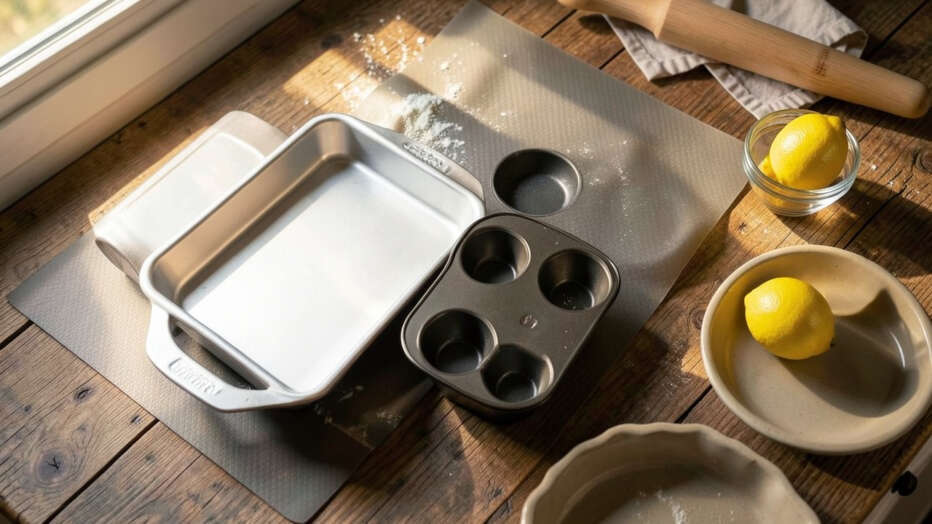
The shape of a cake pan can affect browning. For example, Bundt pans with their intricate designs can create areas that brown more intensely due to the increased surface area exposed to heat. Standard round or square cake pans are generally good for even browning, especially when made from quality materials.
For cakes that are prone to burning on the bottom, using a light-colored pan or placing a baking sheet underneath can help.
Deciding How to Choose Bakeware for Even Browning involves looking at more than just the material. The shape can influence how heat circulates and where it concentrates, so it’s worth considering for different types of baking.

Putting it All Together: Making the Right Choice
When you’re in the store or shopping online, remember these key points to help you make the best choice for your baking needs.
For Cookies and Brownies
For cookies and brownies that you want to be golden brown all over, consider using anodized aluminum or heavy-gauge aluminum baking sheets or pans. A light to medium gray color is often ideal. If using dark non-stick pans, watch your baking times closely and consider lowering the oven temperature by about 25°F.
Using a baking sheet under your dark pan can also help diffuse heat.
For Cakes and Muffins
For cakes and muffins where you want a tender crumb and a light golden hue, light-colored aluminum or stainless steel (with a heat-conducting core) are excellent choices. Avoid very dark pans unless the recipe specifically calls for it. If using glass or ceramic, be mindful of potential over-browning on the bottom and adjust your baking time or temperature as needed.
For Breads and Pies
For rustic breads, pies, and other items where a crispy, well-browned crust is desired, cast iron or carbon steel can be fantastic. Their excellent heat retention and conductivity promote deep browning. If you find your pie crusts are browning too quickly, you can always use a pie shield or strips of aluminum foil around the edges.
Ultimately, How to Choose Bakeware for Even Browning depends on what you’re baking. Understanding the properties of different materials and finishes will guide you to success. Investing in a few versatile, high-quality pieces will serve you well in the long run.

Tips for Achieving Even Browning
Even with the right bakeware, a few extra tips can ensure your baked goods turn out perfectly browned every time.
- Preheat your oven properly: A fully preheated oven is essential for consistent heat.
- Use parchment paper: This can help regulate heat and prevent sticking and over-browning on the bottom.
- Rotate your pans: Halfway through baking, rotate your pans 180 degrees to ensure even cooking.
- Adjust oven temperature: If using dark pans, consider lowering the temperature by 25°F (15°C).
- Use a baking sheet: Placing a baking sheet under your pan can diffuse heat and prevent bottoms from burning.
- Don’t overcrowd the pan: Allow space between items like cookies for air to circulate.
Frequently Asked Questions
Question: What is the best material for even browning in bakeware?
Answer: Generally, aluminum and anodized aluminum are excellent for even browning because they conduct heat quickly and evenly. Heavy-gauge materials are also preferred.
Question: Should I use dark or light bakeware for cakes?
Answer: For cakes, it’s usually best to use light-colored or shiny metal bakeware. Dark pans absorb more heat and can lead to over-browning on the outside before the inside is cooked.
Question: How does non-stick coating affect browning?
Answer: Non-stick coatings are often dark, which absorbs more heat. This can lead to faster browning. You might need to adjust your oven temperature or baking time when using non-stick bakeware.
Question: Does the thickness of bakeware matter for even browning?
Answer: Yes, thicker bakeware, often called heavy-gauge, distributes heat more uniformly than thin pans. This helps prevent hot spots and promotes even cooking and browning.
Question: How can I prevent my cookies from burning on the bottom?
Answer: To prevent burnt cookie bottoms, use lighter-colored pans, place a baking sheet under your cookie sheet, or try using two thin cookie sheets stacked together.
Question: Is glass bakeware good for even browning?
Answer: Glass bakeware heats evenly but can sometimes cause darker browning on the bottom due to its heat retention. It’s often best for dishes where a deep crust isn’t the primary goal.
Question: How to choose bakeware for even browning when baking bread?
Answer: For bread, especially crusty loaves, cast iron or carbon steel are excellent choices because they promote deep, even browning and excellent crust development.
Final Thoughts
Choosing the right bakeware is a simple yet powerful way to improve your baking. By understanding how different materials, colors, and finishes affect heat, you can ensure your cakes, cookies, and breads bake to a perfect golden brown every time. Focus on quality materials and consider the specific needs of your recipes to achieve consistently delicious results.