Tri-Ply Vs 5-Ply Stainless Steel: Is The Upgrade Worth It?
At a Glance The upgrade from tri-ply to 5-ply stainless steel cookware is worth it for cooks who prioritize exceptional heat control and evenness for delicate dishes, as the additional layers of alumi…
The upgrade from tri-ply to 5-ply stainless steel cookware is worth it for cooks who prioritize exceptional heat control and evenness for delicate dishes, as the additional layers of aluminum and stainless steel reduce hot spots and improve heat retention. Tri-ply cookware, with its three-layer construction of stainless steel over an aluminum core, delivers reliable performance and excellent value for everyday cooking, making it a sufficient choice for most home kitchens. Ultimately, 5-ply provides measurable gains in thermal performance, but tri-ply remains a highly effective and cost-efficient option for general use.
Choosing the right cookware can make a big difference in your kitchen. You want pots and pans that cook food evenly and last a long time. When looking at stainless steel, you’ll see options like tri-ply and 5-ply.
Understanding the difference helps you decide if spending a bit more for Tri-Ply vs 5-Ply Stainless Steel: Is the Upgrade Worth It? really matters for your cooking needs. This guide breaks down what each type offers, so you can make a smart choice for better meals and a more enjoyable cooking experience.
Key Takeaways
- Tri-ply cookware has three layers: an inner stainless steel layer, a core of aluminum or copper, and an outer stainless steel layer.
- 5-ply cookware adds more layers, typically alternating between stainless steel and aluminum/copper, for even better heat distribution and retention.
- The extra layers in 5-ply offer superior heat control, reducing hot spots and allowing for more precise cooking, especially for delicate dishes.
- Tri-ply cookware is often a good balance of performance and price, suitable for everyday cooking tasks.
- Upgrading to 5-ply is worth it for serious cooks who need maximum heat consistency and durability, particularly for complex recipes or frequent use.
- Consider your cooking style, budget, and the types of food you prepare when deciding between tri-ply and 5-ply.

Understanding the Layers: What Makes Stainless Steel Cookware Different?
Stainless steel cookware is popular because it’s durable and doesn’t react with food. But not all stainless steel is the same. The magic happens in the layers.
A single layer of stainless steel isn’t great at heating evenly. That’s why manufacturers add other metals, usually aluminum or copper, to create a “clad” construction. These metals are much better at conducting heat.
The number of layers, like in tri-ply or 5-ply, tells you how many metals are pressed together to form the base and sides of the pan. More layers generally mean better heat performance.
When we talk about Tri-Ply vs 5-Ply Stainless Steel: Is the Upgrade Worth It?, we’re really talking about how well these layers work together. The core layers are what conduct heat. The outer stainless steel layers protect the core and provide a non-reactive surface for cooking.
The way these layers are bonded and the number of them directly impact how quickly your pan heats up, how evenly it distributes heat, and how well it holds that heat.

Tri-Ply Stainless Steel: The Reliable Everyday Choice
Tri-ply cookware is a common and excellent option for many home cooks. It features three distinct layers bonded together. First, there’s an inner layer of stainless steel, which is what you cook on.
Second, a core layer of aluminum or copper runs through the base and often up the sides. Third, an outer layer of magnetic stainless steel completes the construction. This design is a significant step up from cookware with just a thick bottom.
The aluminum or copper core in tri-ply cookware allows heat to spread quickly and evenly across the entire cooking surface. This means you’re less likely to have hot spots that burn your food. It also helps the pan heat up faster than plain stainless steel.
For most cooking tasks, like sautéing vegetables, searing meats, or simmering sauces, tri-ply performs very well. It offers a good balance of heat conductivity, durability, and affordability.
Benefits of Tri-Ply
- Even Heating: The aluminum or copper core reduces hot spots.
- Durability: Stainless steel is tough and resists scratches.
- Versatility: Works on all stovetops, including induction.
- Affordability: Generally less expensive than 5-ply.
- Good Responsiveness: Heats up and cools down reasonably quickly.

5-Ply Stainless Steel: The Performance Upgrade
Moving up to 5-ply stainless steel means you’re getting even more layers of metal working together. Think of it as a more advanced sandwich of materials. Typically, a 5-ply pan will have alternating layers of stainless steel and aluminum or copper.
For example, it might be stainless steel, aluminum, stainless steel, aluminum, and then another layer of stainless steel. The exact configuration can vary between brands, but the goal is always enhanced heat performance.
This increased layering allows for superior heat distribution and retention. The extra layers of conductive material, combined with the insulating stainless steel, create a pan that heats up very evenly and holds its temperature with incredible stability. This is where the question of Tri-Ply vs 5-Ply Stainless Steel: Is the Upgrade Worth It? really comes into play for home chefs who demand precision.
The enhanced heat control can prevent scorching and allow for more delicate cooking techniques.
Advantages of 5-Ply
- Superior Heat Distribution: Heat spreads incredibly evenly across the entire pan.
- Excellent Heat Retention: The pan stays hot for longer, providing consistent cooking.
- Precise Temperature Control: Ideal for delicate tasks like making hollandaise or tempering chocolate.
- Enhanced Durability: Often built with thicker materials for long-lasting use.
- Professional-Level Performance: Mimics the performance of high-end cookware.
The Crucial Difference: Heat Performance and Control
The core difference between tri-ply and 5-ply cookware lies in their heat performance. Both are designed to heat better than single-layer stainless steel, but 5-ply takes it a step further. With tri-ply, you get good heat distribution, which is great for most everyday cooking.
You’ll notice fewer hot spots than with a basic pan. This means your food cooks more evenly, reducing the risk of burning in one area while another is undercooked.
However, 5-ply cookware offers a more refined level of heat control. The additional layers create a more uniform temperature gradient from edge to edge and up the sides of the pan. This means that when you adjust the heat on your stove, the pan responds more predictably and evenly.
For tasks that require very specific temperatures, like gently simmering delicate sauces, poaching eggs, or cooking flaky fish without drying it out, the enhanced stability of 5-ply can be a game-changer. This level of heat control is a major factor when considering Tri-Ply vs 5-Ply Stainless Steel: Is the Upgrade Worth It?

Comparing Tri-Ply and 5-Ply: A Side-by-Side Look
To truly understand the benefits, let’s break down how tri-ply and 5-ply compare across key factors. This comparison will help you see where each shines and if the upgrade makes sense for your kitchen.
As you can see from the table, both are excellent choices compared to basic cookware. The 5-ply offers a more refined experience, especially for those who are particular about cooking temperatures. When you ask yourself Tri-Ply vs 5-Ply Stainless Steel: Is the Upgrade Worth It?, consider if these subtle but significant performance gains align with your culinary ambitions.

Who Benefits Most from 5-Ply Cookware?
While tri-ply is a fantastic workhorse for most kitchens, 5-ply cookware is designed for those who push their culinary boundaries. If you find yourself frequently making delicate sauces like béarnaise or hollandaise, or if you love to cook fish and other proteins that can easily dry out or break, the superior heat control of 5-ply will be incredibly beneficial. It allows for a gentler, more consistent application of heat.
Professional chefs and serious home cooks often opt for 5-ply because consistency is key. They need cookware that responds predictably to every adjustment of the burner. If you’re someone who enjoys experimenting with complex recipes, wants to master advanced techniques, or simply desires the best possible performance from your kitchen tools, then the upgrade to 5-ply is likely worth the investment.
It’s about achieving that extra level of perfection in your dishes.
When Tri-Ply is Perfectly Sufficient
It’s important to note that tri-ply stainless steel is far from a compromise. For the vast majority of home cooks and for a wide range of everyday cooking tasks, tri-ply cookware provides excellent performance. If you’re preparing family meals, sautéing vegetables, browning meats, or simmering stews, your tri-ply pans will serve you exceptionally well.
They heat evenly, are easy to clean, and are built to last.
The cost difference between tri-ply and 5-ply can be substantial. If your budget is a primary concern, or if you’re just starting to build your cookware collection, tri-ply offers a fantastic entry into high-quality, durable stainless steel. You get all the benefits of clad construction without the premium price tag associated with the most advanced multi-ply designs.
For many, the performance of tri-ply is more than enough to achieve delicious results every time.

Factors to Consider Beyond Ply Count
While the number of layers is important, it’s not the only factor determining cookware quality. When evaluating Tri-Ply vs 5-Ply Stainless Steel: Is the Upgrade Worth It?, also think about these other aspects:
- Material of the Core: Both aluminum and copper are excellent heat conductors, but copper is generally faster and more responsive than aluminum. However, copper is also more expensive and can require more maintenance.
- Thickness of the Metal: Thicker gauge metal generally means better heat retention and less warping. A thick tri-ply pan might outperform a thin 5-ply pan in some aspects.
- Handle Design: Comfortable, ergonomic handles that stay cool on the stovetop are crucial for a good cooking experience.
- Construction Method: Look for fully clad construction (layers running up the sides) rather than just a bonded disk at the bottom.
- Brand Reputation: Established brands often have rigorous quality control and better warranties.
- Your Cooking Habits: Are you a beginner, an enthusiast, or a professional? Your needs will dictate the level of performance required.
Considering these points alongside the ply count will give you a more complete picture of what makes a great piece of cookware.

Maintaining Your Stainless Steel Cookware
Regardless of whether you choose tri-ply or 5-ply, proper care will ensure your cookware lasts for years. First, always preheat your pan gently before adding oil or food. This helps prevent sticking.
Second, avoid using metal utensils that can scratch the surface, opting for wood, silicone, or plastic instead. Third, clean your cookware promptly after use. For stubborn residue, a paste of baking soda and water can work wonders.
Next, avoid extreme temperature changes, such as plunging a hot pan into cold water, as this can cause warping. For tough, stuck-on food, soak the pan in warm, soapy water. Avoid abrasive cleaners or steel wool, as these can damage the stainless steel finish over time.
Regular cleaning and gentle use are key to maintaining the performance and appearance of both tri-ply and 5-ply stainless steel cookware.
Frequently Asked Questions
Question: What is the main difference between tri-ply and 5-ply stainless steel?
Answer: The main difference is the number of metal layers. Tri-ply has three layers (steel-conductive core-steel), while 5-ply has five layers, offering more advanced heat distribution and retention.
Question: Is 5-ply stainless steel truly better than tri-ply for home cooks?
Answer: For most home cooks, tri-ply offers excellent performance. 5-ply is better for those who need superior heat control and precision, like professional chefs or serious enthusiasts.
Question: Will 5-ply cookware cook food faster than tri-ply?
Answer: Not necessarily. Both heat up efficiently. The benefit of 5-ply is more about how evenly and consistently it cooks, not just speed.
Question: Which type of stainless steel is better for searing meat: Tri-Ply vs 5-Ply Stainless Steel: Is the Upgrade Worth It?
Answer: Both perform well for searing. 5-ply might offer a slight edge in maintaining a consistent high temperature across the entire surface for a more even sear.
Question: Can I use metal utensils with tri-ply and 5-ply stainless steel?
Answer: While stainless steel is durable, it can be scratched. It’s best to use wood, silicone, or plastic utensils to protect the finish of both tri-ply and 5-ply cookware.
Question: How much more expensive is 5-ply compared to tri-ply stainless steel?
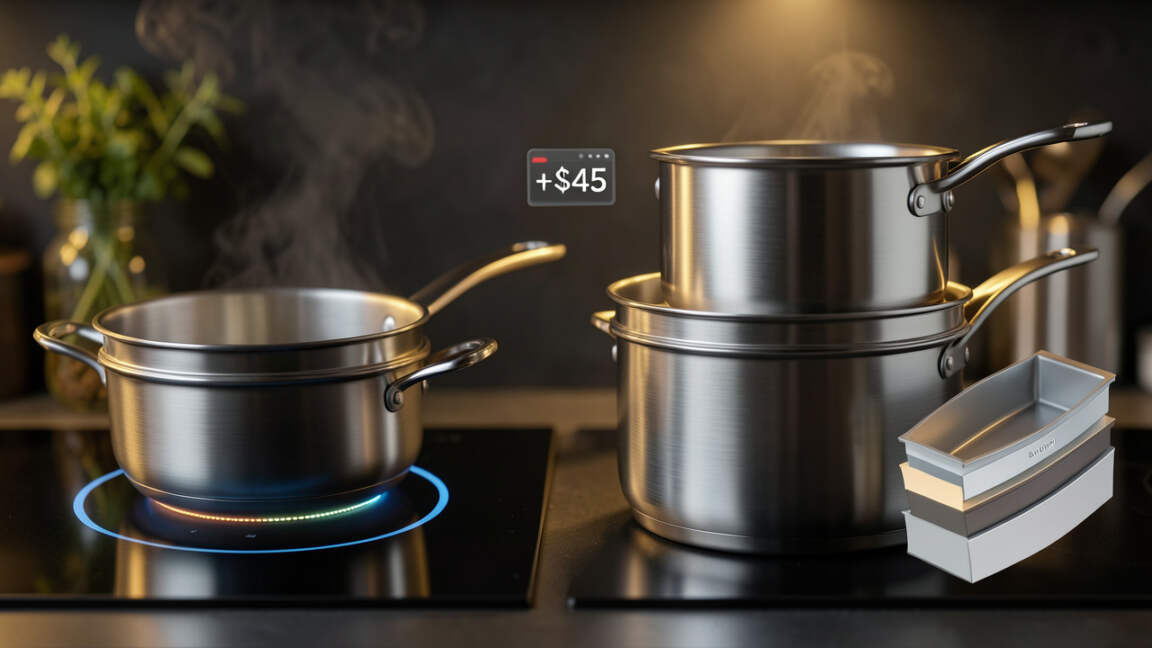
Answer: 5-ply cookware is generally more expensive, often by 30-50% or more, due to the increased materials and manufacturing complexity.
Final Thoughts
When deciding between tri-ply and 5-ply stainless steel, consider your cooking style and budget. Tri-ply offers excellent, reliable performance for everyday meals. For those seeking the ultimate in heat control and precision, 5-ply is a worthwhile investment that can elevate your cooking to a new level.