Reviewer & contributor
143 reviews published

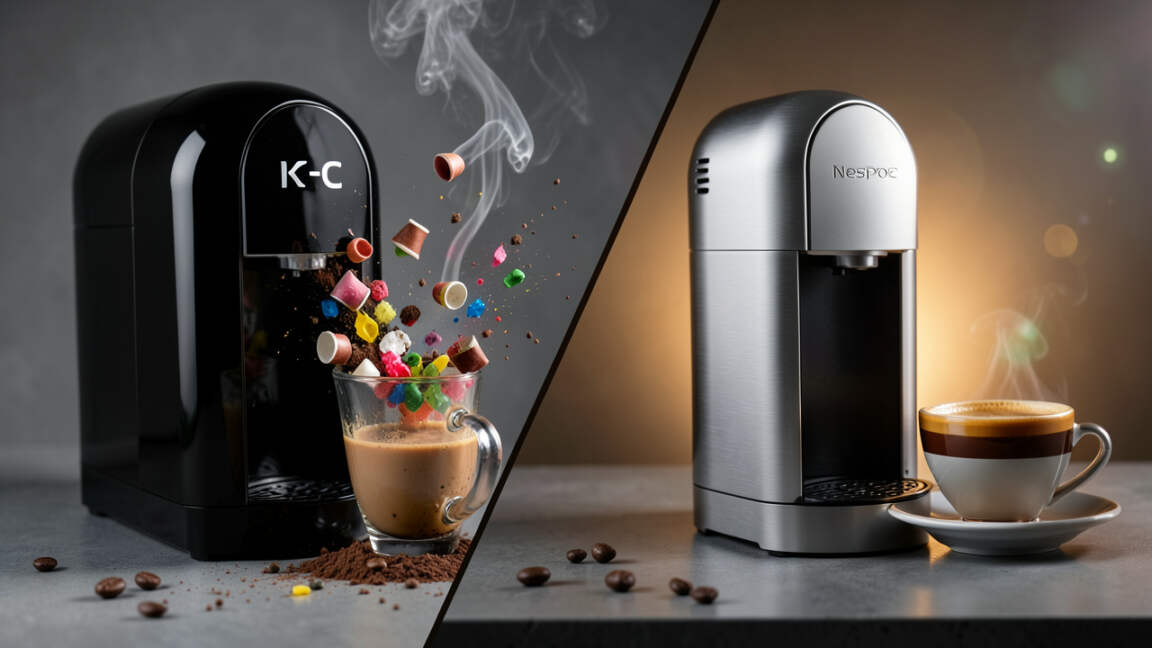
At a Glance The core distinction between K-Cup and Nespresso systems is that K-Cup pods brew standard filtered coffee with broad flavor variety, while…
Read Review →
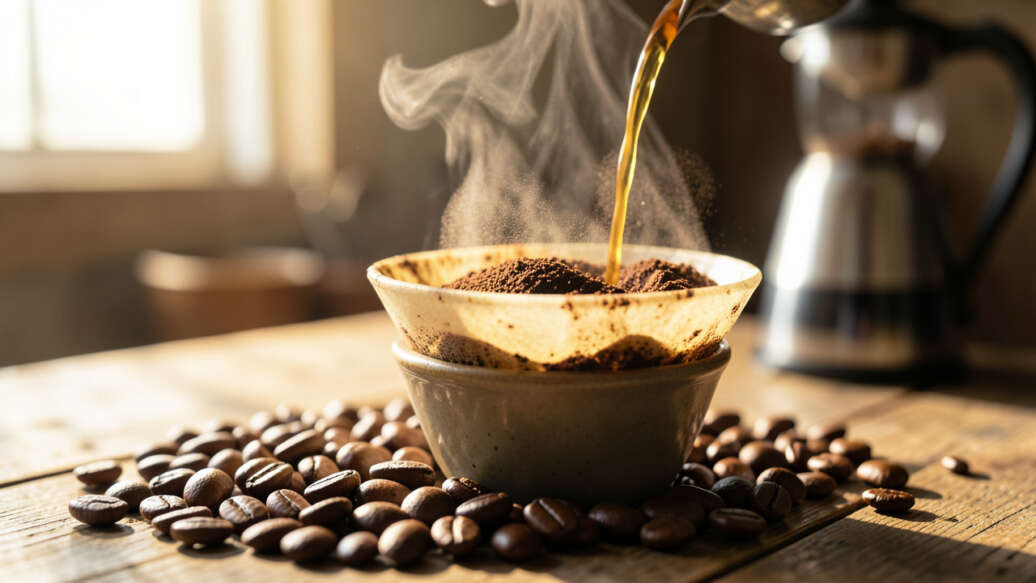
At a Glance Coffee bloom is the release of trapped carbon dioxide from freshly roasted coffee grounds upon first contact with hot water, a direct sign…
Read Review →
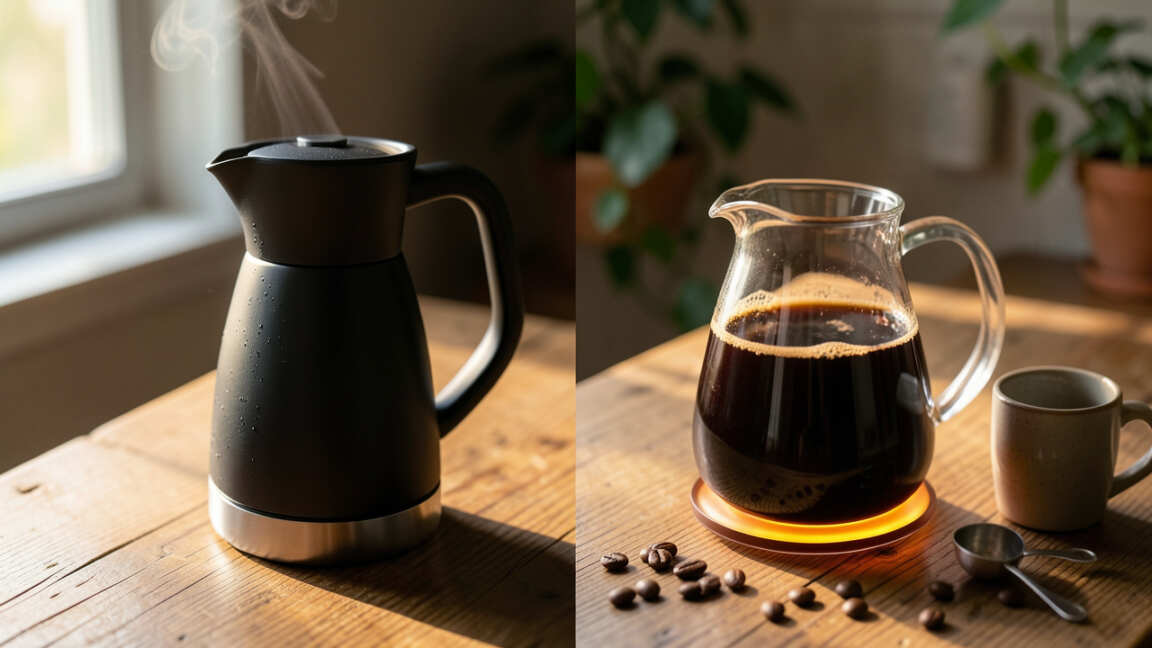
At a Glance Thermal carafes and glass carafe coffee makers differ primarily in heat retention and flavor preservation: thermal carafes use double-wall…
Read Review →
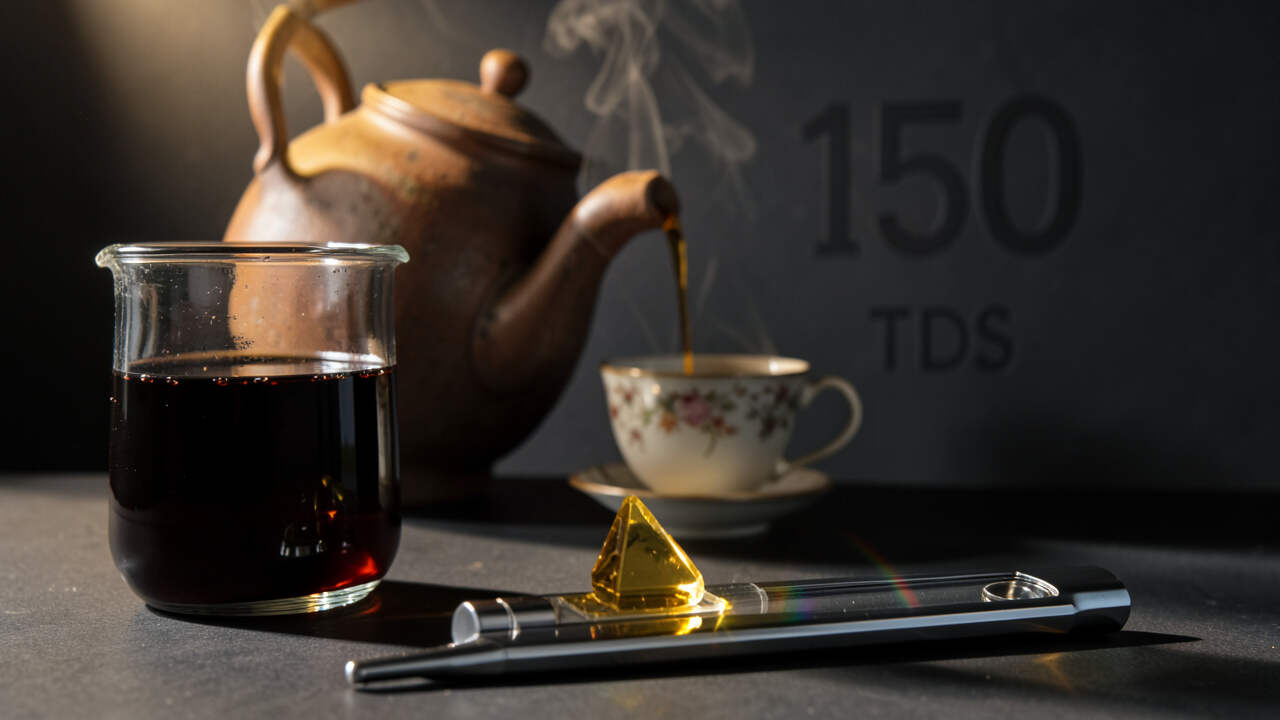
At a Glance Total Dissolved Solids (TDS) quantifies the concentration of dissolved coffee compounds in water, directly indicating brew strength. A hig…
Read Review →
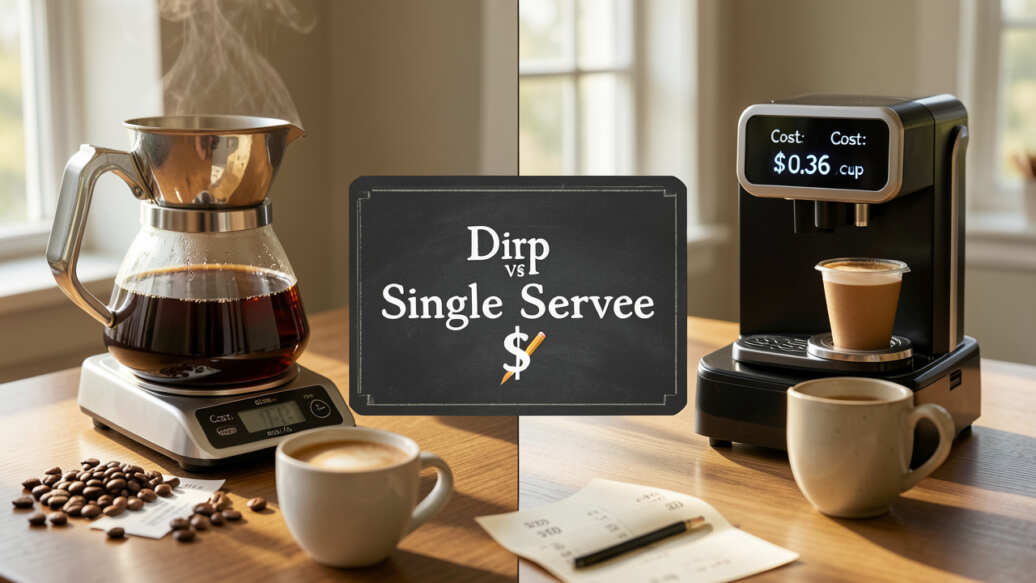
At a Glance The cost per cup for a drip coffee maker is significantly lower than for a single-serve machine, typically ranging from $0.10 to $0.20 per…
Read Review →
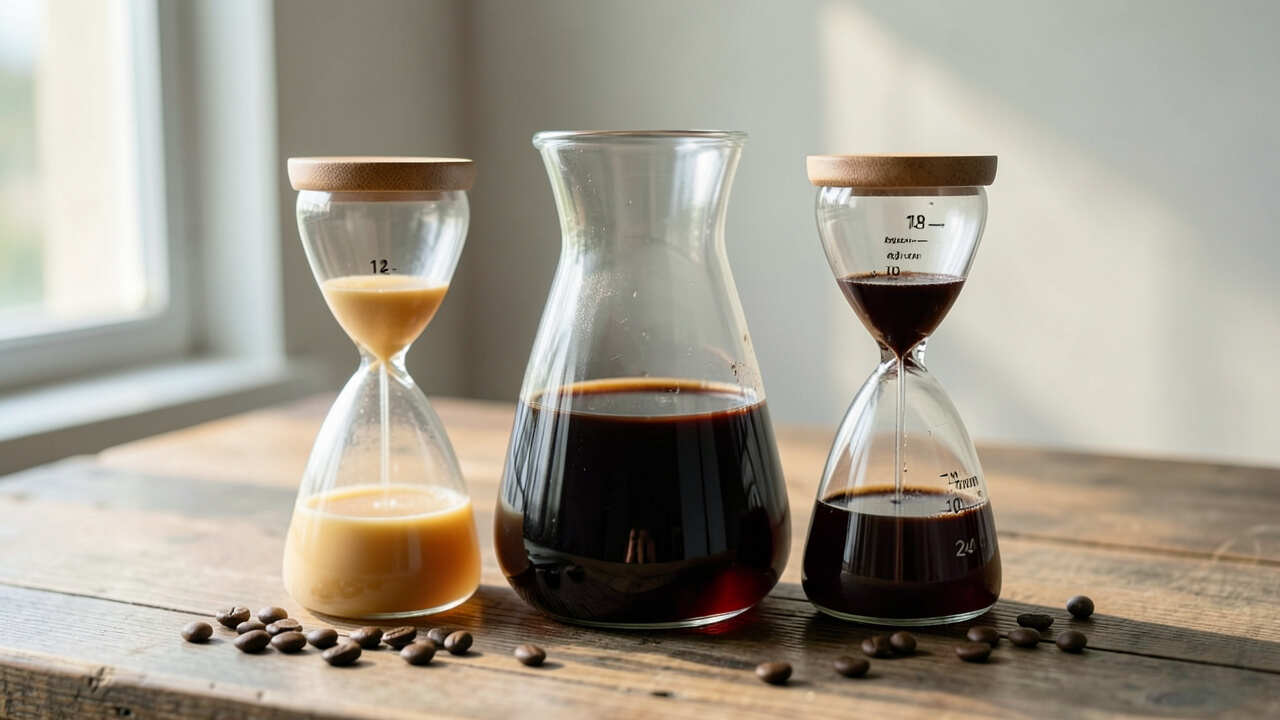
At a Glance Cold brew steeping time between 12, 18, and 24 hours produces distinctly different flavor profiles: 12 hours yields a lighter, milder brew…
Read Review →
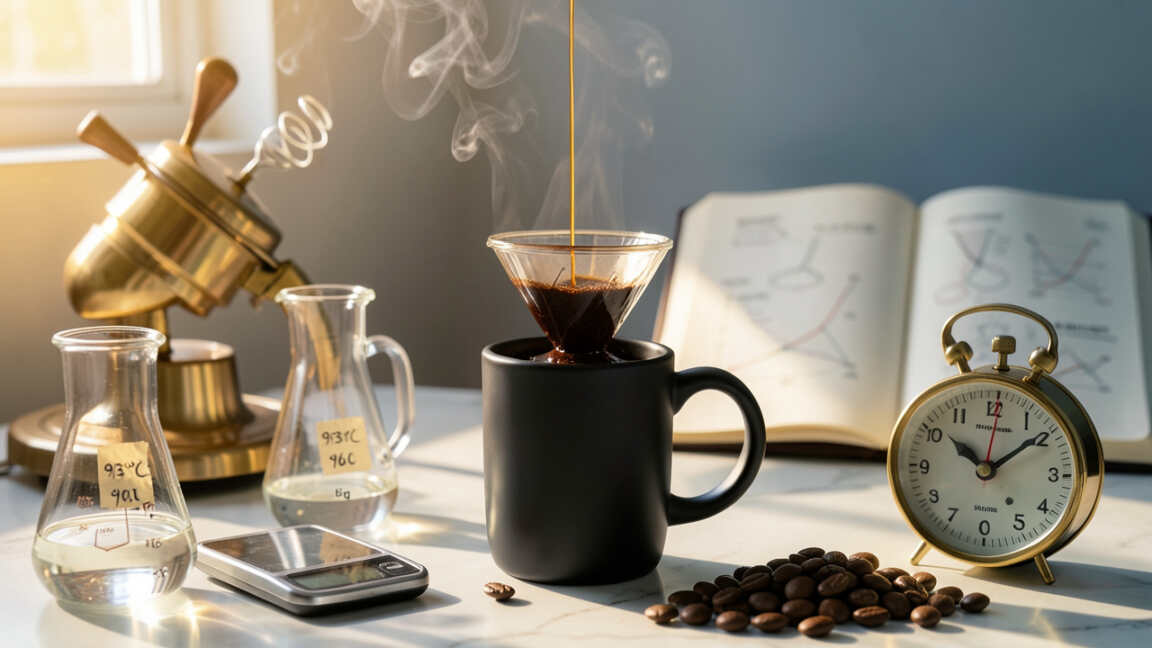
At a Glance Coffee extraction relies on the precise coordination of time, temperature, and coffee-to-water ratio to achieve optimal flavor from ground…
Read Review →
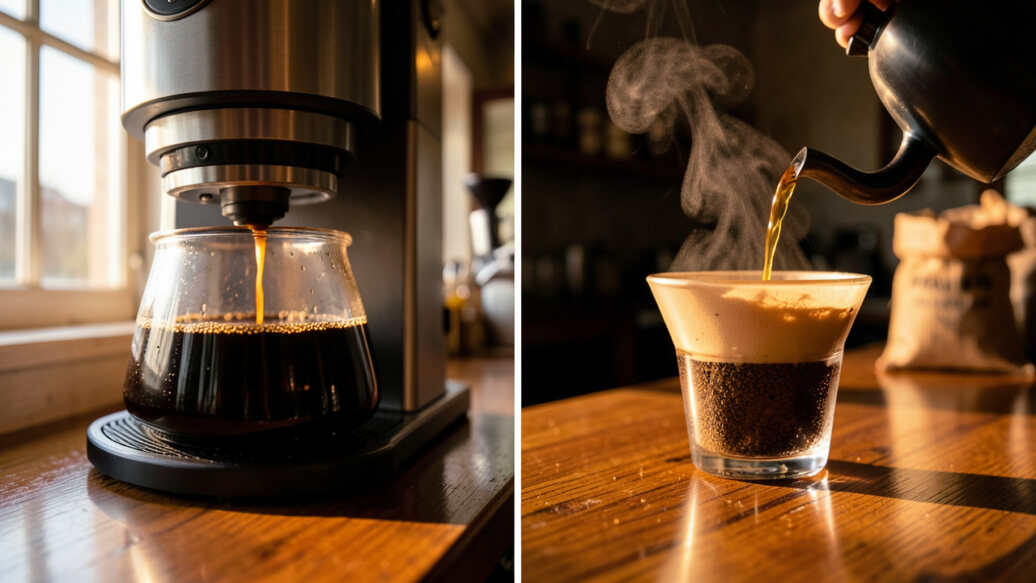
At a Glance The taste difference between drip and pour-over coffee arises from the degree of control over brewing variables such as water temperature,…
Read Review →
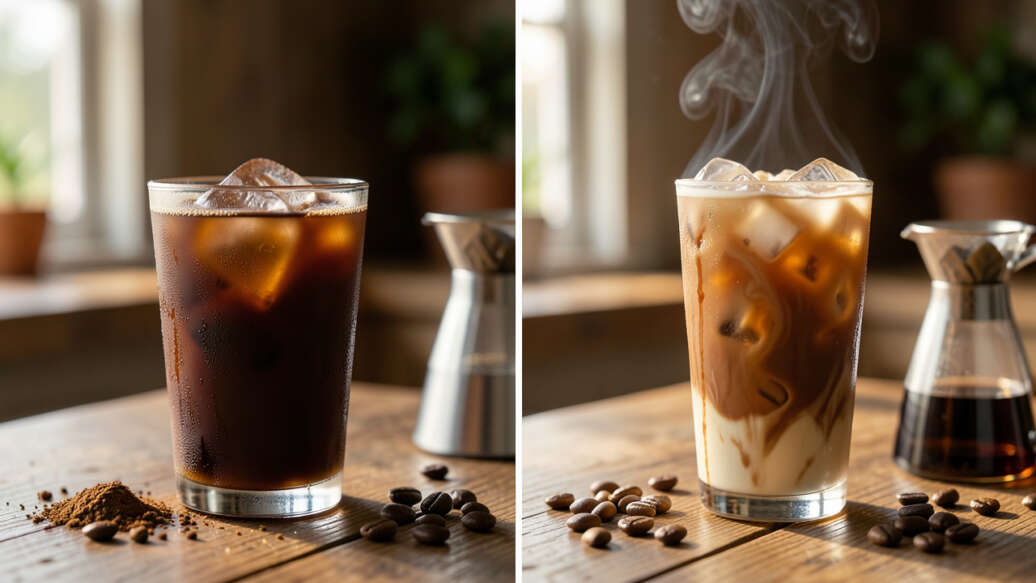
At a Glance When comparing cold brew versus iced coffee, the method defines the flavor: cold brew steeps coarsely ground beans in cold water for 12–24…
Read Review →
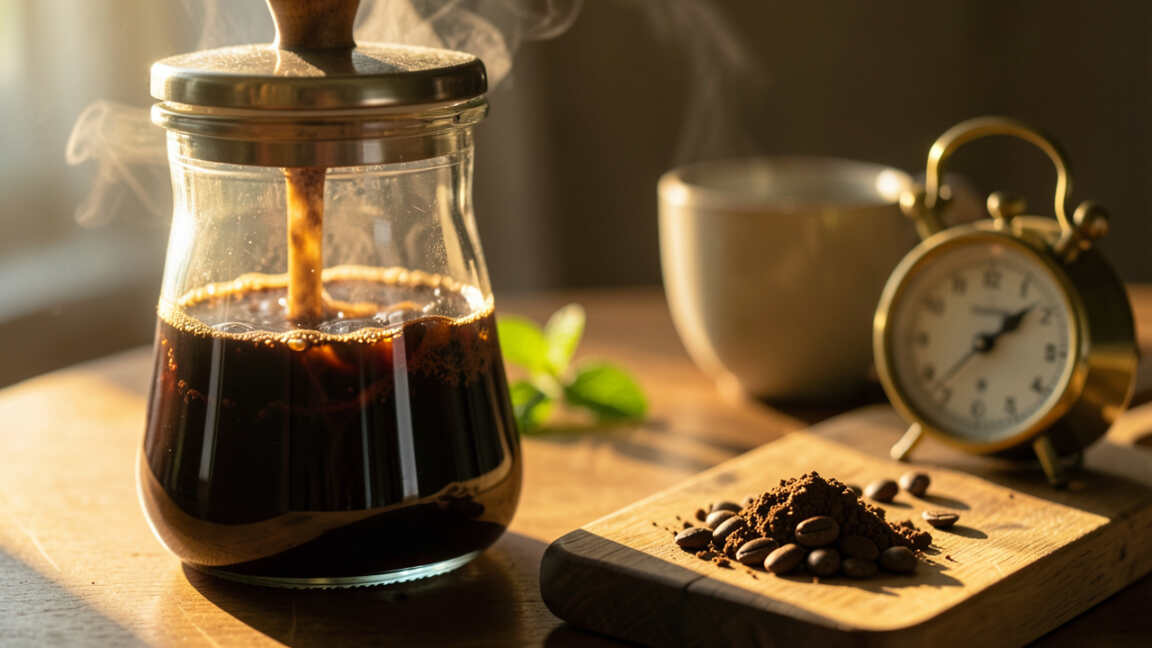
At a Glance The ideal French press brewing time is 4 minutes, with the correct plunger technique requiring a slow and steady press to prevent over-ext…
Read Review →
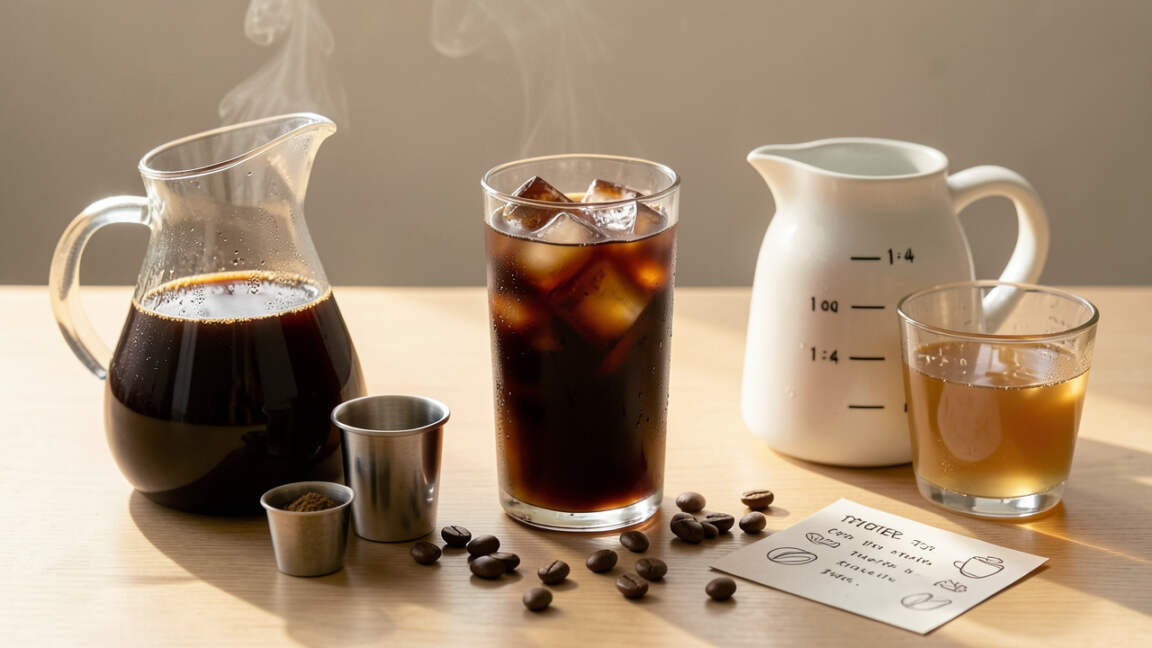
At a Glance Cold brew coffee ratios for concentrate typically use a 1:3 to 1:4 coffee-to-water ratio by weight, while ready-to-drink cold brew uses a…
Read Review →
At a Glance Ice maker slime removal involves cleaning all ice-contact surfaces with a vinegar or commercial cleaner to break down biofilm, while preve…
Read Review →