Why Nugget Ice (Sonic Ice) Is So Chewable
At a Glance Nugget ice achieves its distinctive chewable texture through a manufacturing process that compresses and flakes ice, creating a porous, soft structure that crushes easily under pressure. T…
Nugget ice achieves its distinctive chewable texture through a manufacturing process that compresses and flakes ice, creating a porous, soft structure that crushes easily under pressure. This unique texture results from the ice being formed into small, irregular pellets with many tiny air pockets, which give it a light, crunchy consistency unlike traditional hard ice cubes. The porous nature of nugget ice also allows it to absorb and hold the flavor of the beverage, enhancing the drinking experience in a way that solid cubes cannot. Understanding this science explains why nugget ice is so popular for chewing and why it is considered a safer, more enjoyable alternative to regular ice for those who crave that satisfying crunch.
That satisfying crunch and soft chew of nugget ice is something many people love. It’s not just about cooling down a drink; it’s a whole sensory experience. But have you ever wondered Why Nugget Ice (Sonic Ice) Is So Chewable?
Understanding this unique quality can explain why it’s so popular and why people crave it. This article will break down the science behind its texture and what makes it different from other ice types, so you can appreciate your next cup of ice even more.
Key Takeaways
- Nugget ice gets its chewable texture from its small, irregular shape and porous structure.
- The manufacturing process, which involves compressing and flaking ice, creates these unique characteristics.
- Its softness makes it safer and more enjoyable to chew compared to harder ice cubes.
- The porous nature of nugget ice allows it to absorb flavors, enhancing beverages.
- Consumer preference for its texture is a major factor in its widespread popularity.
The Science Behind Nugget Ice’s Unique Texture
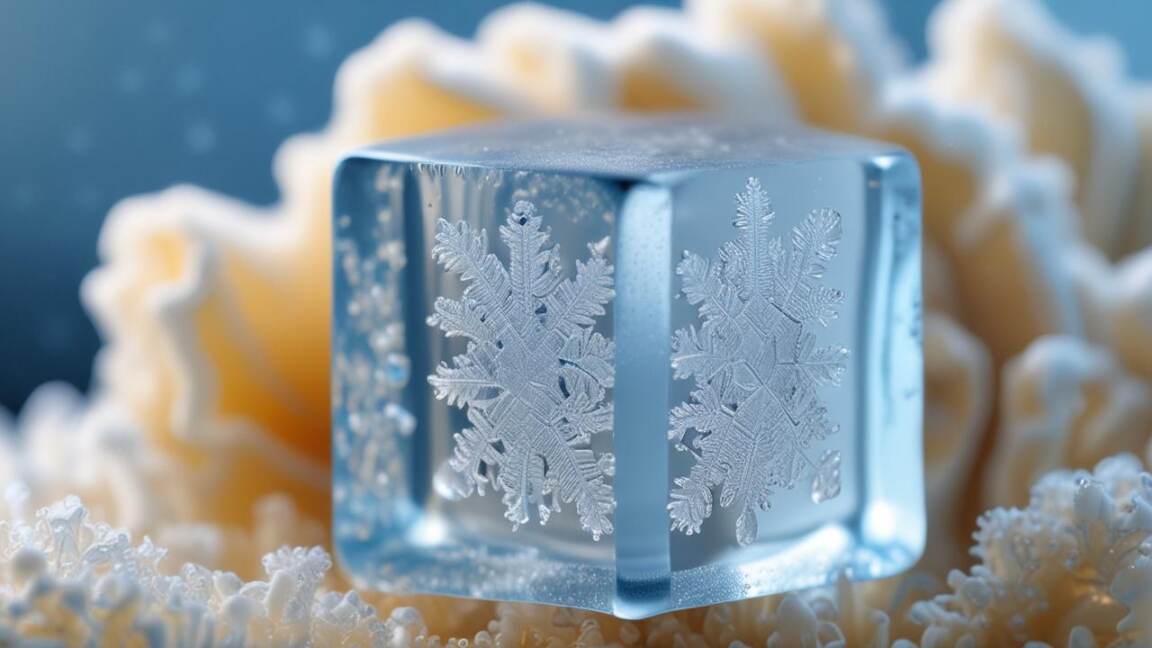
The magic behind nugget ice, often called Sonic ice, lies in its creation. Unlike standard ice cubes, nugget ice is made through a special process. This process results in small, irregular pieces that are soft enough to bite into.
This texture is key to its appeal. Many people find regular ice too hard to chew safely. Nugget ice offers a pleasant alternative that satisfies the urge to chew without the risk of dental damage.
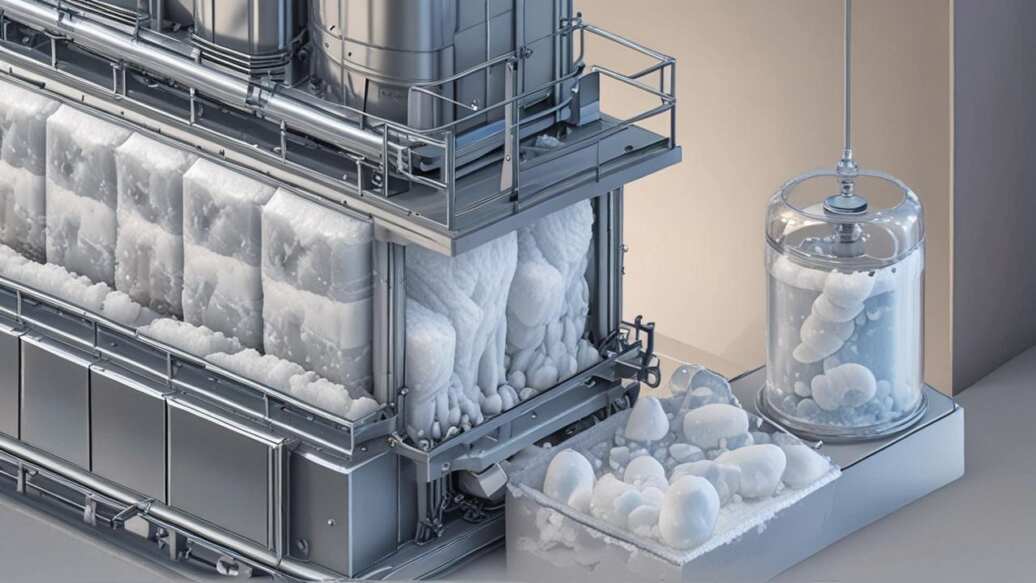
The manufacturing of nugget ice involves a machine that scrapes ice from a freezing cylinder. This creates small flakes. These flakes are then compressed together.
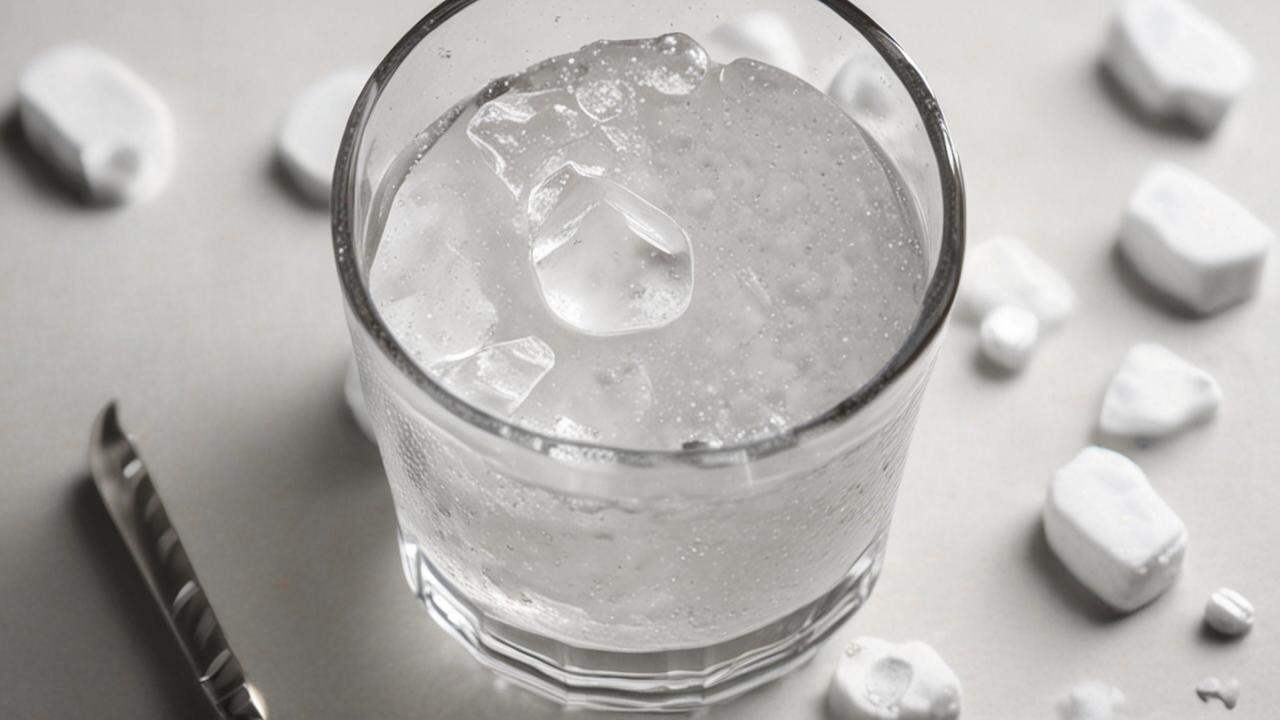
This compression forms the signature irregular shapes. The resulting ice is not solid and dense like a cube. Instead, it has tiny air pockets and a slightly porous surface.
Use nugget ice in cocktails or soft drinks to enjoy a softer chew that won't damage your teeth like standard cubes.
This porous quality is a big part of why nugget ice is so chewable. It gives the ice a softer, more yielding feel when you bite down on it.
This difference in structure explains Why Nugget Ice (Sonic Ice) Is So Chewable. It’s a deliberate design that caters to consumer preference. The ice has a lower density than hard ice.
This lower density means less force is needed to break it. It also means the ice melts more quickly. This quick melting can be a pro or con depending on how you use it.
But for chewers, it means a satisfying break with every bite.
How Nugget Ice Is Made: A Closer Look
The way nugget ice is produced is quite different from making ice cubes in a tray. Standard ice makers often use molds to create uniform shapes. Nugget ice machines, however, use a continuous process.
They scrape ice off a freezing surface. This scraped ice is then compacted. This compaction is what gives it its characteristic nugget shape.
It’s not a perfect sphere or cube. It’s more like a small, soft pebble.
The machines that make nugget ice are often called “ice makers” or “flakers.” They work by circulating water over a very cold, rotating drum. As the water freezes onto the drum, it forms a layer of ice. Then, a metal blade or scraper moves against the drum.
This blade shaves off the ice. The shaved ice falls into a collection bin. Often, this ice is then slightly compacted.
This step is crucial for creating the “nugget” texture.
The resulting ice pieces are small and irregular. They have a lot of surface area compared to their volume. This increased surface area allows them to absorb flavors better.
It also means they melt faster than denser ice. This rapid melting can be ideal for certain drinks. For those who enjoy chewing ice, this texture is perfect.
It offers a satisfying resistance that isn’t too hard.
The Role of Compression in Texture
The compression step is vital. It takes the fine ice flakes and presses them together. This forms larger, irregular chunks.
The continuous scraped-ice process creates porous nuggets with a larger surface area, allowing them to absorb flavors and melt faster than dense cubes.
These chunks are not solid blocks of ice. They still contain air pockets. They also have a somewhat crumbly structure.
This is the secret to Why Nugget Ice (Sonic Ice) Is So Chewable. The ice breaks apart easily under pressure. It doesn’t shatter like hard ice.
Think of it like pressing snow together to make a snowball. You’re taking small particles and binding them. But the snow still has air between the crystals.
Nugget ice is similar. The compression binds the ice flakes but leaves internal voids. These voids make the ice less dense.
They also make it easier to break and chew. This is a key difference from the solid structure of a standard ice cube.
Porous Structure: The Key to Softness
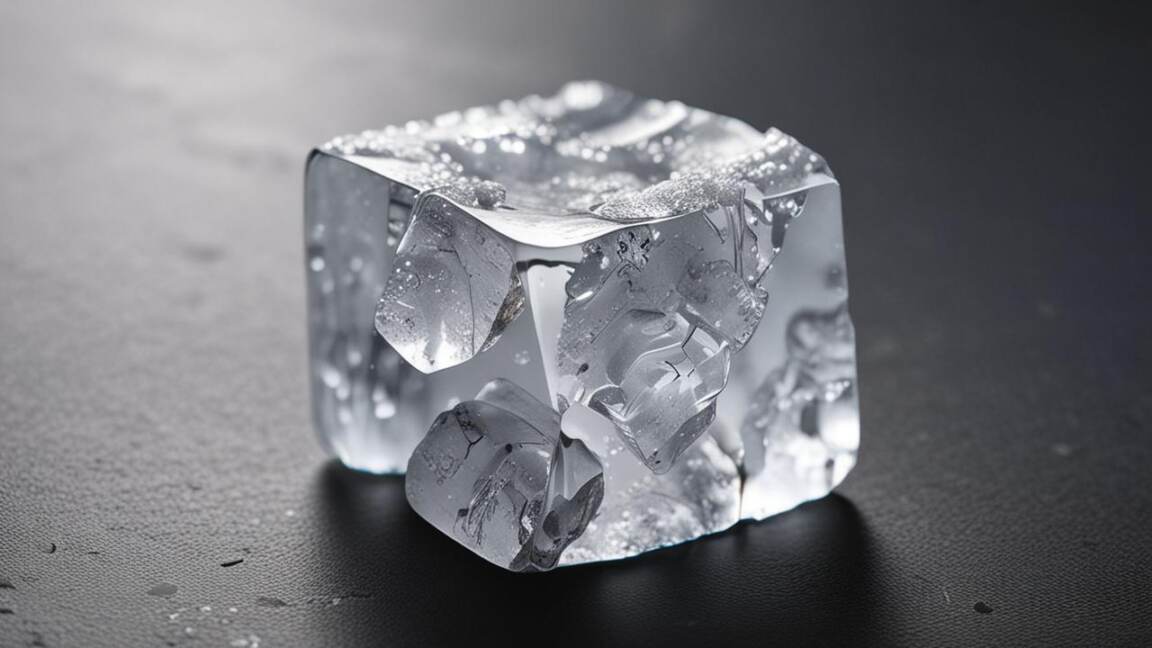
The porous nature of nugget ice is a direct result of its manufacturing. The freezing and scraping process creates tiny air bubbles within the ice. When these flakes are compressed, these bubbles are trapped.
This gives the ice a unique structure. It’s not a solid, uniform block. Instead, it’s like a collection of many small, interconnected ice crystals with air spaces.
This porous structure is what makes the ice feel soft. When you bite into it, the ice gives way easily. The air pockets compress.
The ice crystals break apart gently. This is a stark contrast to the dense, hard structure of regular ice cubes. Those cubes are typically made by freezing water slowly in a mold.
This allows air to escape, creating a more solid, less porous block. Understanding this structure helps answer Why Nugget Ice (Sonic Ice) Is So Chewable.
Why People Love Chewing Nugget Ice
Chewing ice is a habit for many people. It can be a way to stay hydrated. It can also be a sensory experience.
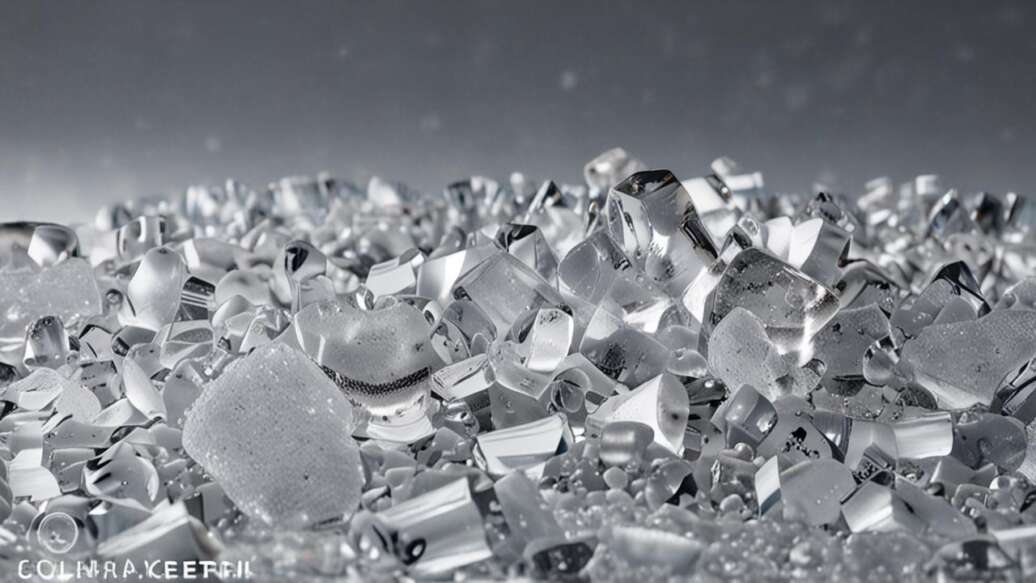
For some, it’s a way to cope with stress or boredom. The specific texture of nugget ice makes it ideal for this habit. It provides a satisfying crunch followed by a soft chew.
This combination is very appealing.
The appeal isn’t just about the texture itself. It’s also about the safety factor. Chewing on hard ice can damage teeth.
It can lead to chips, cracks, or sensitivity. Nugget ice is much softer. It’s less likely to cause dental problems.
This makes it a more enjoyable and safer option for ice chewers. People can satisfy their craving without as much worry.
The sensory aspect is also important. The cold sensation is refreshing. The sound of crunching ice can be satisfying.
The way nugget ice breaks apart in your mouth is unique. It melts relatively quickly, providing a cooling sensation. This entire experience is why many people seek out nugget ice specifically.
It offers a delightful sensory interaction that other ice types don’t provide.
The Psychological Aspect of Ice Chewing
For some individuals, chewing ice can be a sign of pica. Pica is a disorder characterized by eating non-food items. In the case of ice, it’s called pagophagia.
Chewing nugget ice provides a satisfying crunch followed by a soft chew, making it a safer sensory alternative to hard ice that can crack teeth.
This craving for ice can sometimes be linked to iron deficiency anemia. If someone has an intense, persistent urge to chew ice, they should consult a doctor. This is an important consideration when discussing ice chewing habits.
However, for most people, chewing ice is a harmless habit. It’s a way to engage their senses. The act of chewing can be comforting.
It can provide a small distraction. The specific texture of nugget ice amplifies this comfort. It offers a pleasant, low-risk way to engage in this habit.
This explains part of Why Nugget Ice (Sonic Ice) Is So Chewable and desirable.
Flavor Absorption and Enhanced Beverages
Nugget ice isn’t just about the chew. Its porous structure makes it excellent for drinks. When you add nugget ice to a beverage, it doesn’t just cool it down.
It also starts to absorb the flavors. The ice slowly dissolves, releasing the water. This water is now infused with the taste of your drink.
This means that as the ice melts, your drink gets even more flavorful. This is different from hard ice. Hard ice is dense and less absorbent.
It primarily just dilutes your drink as it melts. Nugget ice, with its many small holes, acts like a tiny sponge. It soaks up the beverage.
This contributes to a richer drinking experience. It’s another reason why nugget ice is so popular for sodas and other drinks.
Comparing Nugget Ice to Other Ice Types
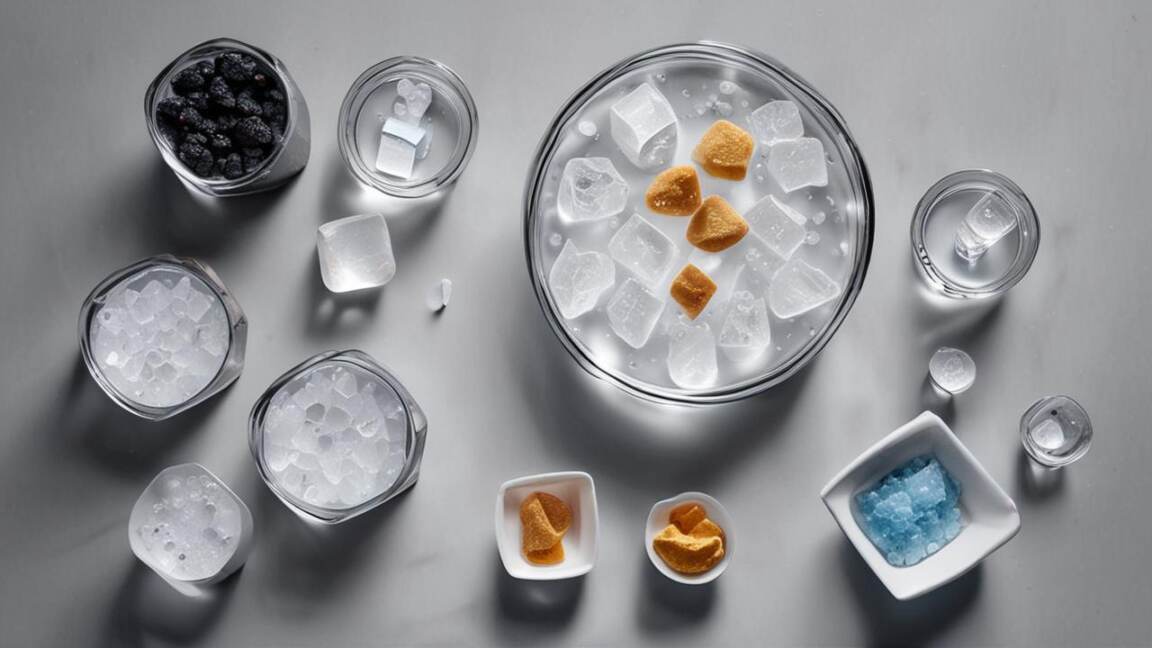
To truly appreciate nugget ice, it helps to compare it to other common types of ice. Each type has its own characteristics and uses. Understanding these differences highlights what makes nugget ice special.
As the table shows, nugget ice stands out. Its chewability is its defining feature. While crushed ice is also small, it can be sharp.
Nugget ice is designed to be soft. Cubed ice is too hard for chewing. Ice flakes are too fine and melt almost instantly, making them unsuitable for chewing.
Why Cubed Ice Isn’t Chewable
Cubed ice is made by freezing water in molds. This process often allows air to escape. This results in a solid, dense block of ice.
When you try to bite into a cube, you’re biting into a hard, uniform structure. There are few air pockets. This means it requires significant force to break.
Choose nugget ice over crushed ice or cubes when you want a chewable texture without sharp edges or extreme hardness.
This force can be harmful to your teeth.
The density of cubed ice also means it melts slowly. This is good for keeping drinks cold for a long time. However, it doesn’t offer the satisfying break that nugget ice does.
The hard edges can be uncomfortable in the mouth. This is why people who enjoy chewing ice almost always prefer nugget ice. The difference in structure directly answers Why Nugget Ice (Sonic Ice) Is So Chewable.
The Difference Between Nugget and Crushed Ice
Both nugget ice and crushed ice are small. They both melt quickly. However, their textures are quite different.
Crushed ice is made by breaking larger ice pieces into smaller shards. This often results in sharp, jagged edges. While you can bite into crushed ice, it’s not as pleasant as nugget ice.
Nugget ice, on the other hand, is formed by compressing flakes. This process creates softer, more rounded edges. The overall texture is less abrasive.
It feels more like biting into a soft candy. This is a significant difference that appeals to chewers. The manufacturing method is key to this textural distinction.

The Popularity of Nugget Ice in Restaurants and Homes
Nugget ice, often associated with fast-food chains like Sonic Drive-In, has gained immense popularity. This popularity stems directly from its unique texture. Many consumers actively seek out places that serve this type of ice.
Restaurants and convenience stores often invest in nugget ice machines. This is because customers associate it with a better beverage experience. The appeal of chewing the ice or enjoying its texture in a drink drives demand.
This demand has led to more home-use nugget ice makers becoming available.
The desire for this specific ice type highlights how much texture can matter. It’s not just about the drink itself. The ice plays a significant role in the overall enjoyment.
The question of Why Nugget Ice (Sonic Ice) Is So Chewable is central to its widespread appeal in both commercial and domestic settings.
Not all home nugget ice makers replicate the exact soft, porous texture that made Sonic ice famous, so research models thoroughly before purchasing.
Why Sonic Ice is So Famous
Sonic Drive-In is perhaps the most famous proponent of nugget ice. They have built a reputation around their “chewy ice.” This has created a loyal following. Customers often visit Sonic specifically for the ice.
This brand recognition has made “Sonic ice” a common term for nugget ice.
The company understood the appeal of this ice type early on. They leveraged it as a unique selling point. This strategy has been very successful.
It shows how a simple product feature, like the chewability of ice, can become a major draw. It’s a testament to the satisfaction it brings.
Nugget Ice Makers for Home Use
The growing demand for nugget ice has led to the development of home nugget ice makers. These machines allow people to enjoy their favorite ice at home. They mimic the commercial process, creating the same soft, chewable ice.
While these machines can be an investment, they are popular among ice enthusiasts. They offer convenience and the satisfaction of having fresh nugget ice anytime. This availability further cements the popularity of this unique ice form.
Tips for Enjoying Your Nugget Ice
Once you understand Why Nugget Ice (Sonic Ice) Is So Chewable, you can better enjoy it. Here are a few tips:
For best flavor absorption, let nugget ice sit in your beverage for a few moments before drinking—its porous structure quickly integrates with the liquid.
- Use it in your favorite drinks: Nugget ice is perfect for sodas, teas, and cocktails. Its ability to absorb flavors enhances the taste.
- Savor the chew: If you enjoy chewing ice, do so mindfully. Enjoy the texture and the cold sensation.
- Keep your machine clean: For home nugget ice makers, regular cleaning is important. This ensures fresh-tasting ice and proper machine function.
- Store it properly: If you make a large batch, store it in a well-insulated container. This will help it last longer.
- Stay hydrated: The refreshing nature of nugget ice can encourage you to drink more fluids throughout the day.
Frequently Asked Questions
Why is nugget ice called Sonic ice?
Nugget ice is often called Sonic ice because the Sonic Drive-In fast-food chain famously serves this type of ice, making it widely recognized by that name.
Is it safe to chew nugget ice?
Yes, it is generally considered safer to chew nugget ice compared to hard ice cubes because of its softer, more porous texture, which reduces the risk of dental damage.
Can I make nugget ice at home?
Yes, you can make nugget ice at home using a dedicated nugget ice maker machine, which replicates the commercial process to produce this unique ice.
Does nugget ice melt faster than cubed ice?
Yes, due to its smaller size, irregular shape, and porous structure, nugget ice typically melts faster than dense cubed ice.
Why is nugget ice so addictive?
The unique, satisfying chewable texture, combined with its ability to absorb flavors and provide a refreshing sensation, makes nugget ice highly appealing and sometimes described as addictive.
Final Thoughts
The satisfying crunch and soft chew of nugget ice come from its unique manufacturing process. This process creates a porous, less dense structure that is easy to bite into. This inherent chewability makes it a favorite for drinks and a delightful sensory experience for many.