Ice Maker Making Small Ice Cubes: Real Causes
At a Glance Small ice cubes from an ice maker are typically caused by restricted water flow or improper freezer conditions. Low water pressure, a clogged water filter, or a faulty water inlet valve ca…
Small ice cubes from an ice maker are typically caused by restricted water flow or improper freezer conditions. Low water pressure, a clogged water filter, or a faulty water inlet valve can reduce the amount of water reaching the mold. An incorrectly set freezer temperature that is too warm also prevents full ice formation, while mineral buildup over time further limits mold fill. Checking water supply components and adjusting the freezer temperature are the two most effective steps to restore normal-sized cubes.
Is your ice maker producing smaller cubes than usual? It’s a common issue that can be frustrating, especially when you’re expecting full-sized ice for your drinks. Understanding the Ice Maker Making Small Ice Cubes: Real Causes can help you quickly fix the problem and get back to enjoying perfectly sized ice.
We’ll explore the most frequent reasons for this happening so you can identify the fix and avoid lukewarm drinks.
Key Takeaways
- Low water pressure is a frequent culprit behind small ice cubes.
- A clogged water filter can restrict water flow, leading to smaller ice.
- The freezer temperature needs to be cold enough for proper ice formation.
- Issues with the water inlet valve can cause insufficient water to reach the ice maker.
- Mineral buildup can affect the ice maker’s ability to fill molds correctly.
- Some ice makers have settings that can be adjusted to control ice size.
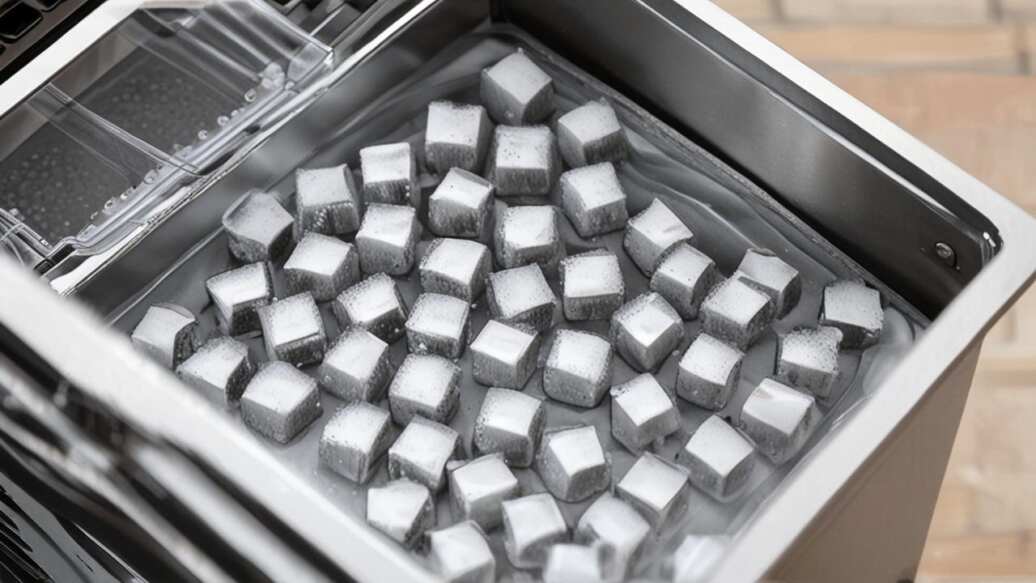
Why Your Ice Maker Might Be Producing Small Cubes
It can be puzzling when your ice maker suddenly starts making ice cubes that are much smaller than they used to be. This isn’t usually a sign of a major breakdown, but rather a few common issues that can be fixed. Knowing the Ice Maker Making Small Ice Cubes: Real Causes helps you troubleshoot effectively.
You want ice that chills your drink properly, and small cubes melt too fast. Let’s look at what could be going wrong.
Water Supply Issues Affecting Ice Size
The most common reason for smaller ice cubes is a problem with the water supply. The ice maker needs a steady stream of water to fill its molds completely. If that stream is weak or inconsistent, the molds won’t fill up, resulting in smaller ice.
This is a primary factor in Ice Maker Making Small Ice Cubes: Real Causes.
Low Water Pressure
Your home’s water pressure plays a big role. If the pressure is too low, the ice maker simply won’t get enough water to make full-sized cubes. This can happen if your main water line has issues or if there are many water-using appliances running at once.
You might notice other water fixtures in your home also have weak flow.
Clogged Water Filter
Most ice makers have a water filter to remove impurities. Over time, this filter can become clogged with sediment. A blocked filter acts like a dam, slowing down the water flow to the ice maker.
This reduced flow is a direct cause of small ice. Replacing a dirty filter is often a simple fix.
Faulty Water Inlet Valve
The water inlet valve is like a gatekeeper for water entering your ice maker. It opens to let water in and closes when the mold is full. If this valve isn’t opening fully or is partially blocked, it restricts the amount of water that gets through.
This can lead to consistently small ice cubes.
Temperature and Freezer Environment
The temperature inside your freezer is critical for ice formation. If it’s not cold enough, the water won’t freeze properly or quickly enough to form solid, full-sized cubes. Checking and adjusting your freezer’s temperature is an important step in understanding Ice Maker Making Small Ice Cubes: Real Causes.
Start by checking your home water supply pressure; low pressure is one of the most common and easily fixable reasons for undersized ice cubes.
Freezer Temperature Too High
Ice makers typically need the freezer to be at 0°F (-18°C) or colder. If your freezer is set warmer than this, the water in the molds might not freeze solid before the harvest cycle begins. This can result in cubes that are small, soft, or even partially melted.
Frost Buildup
Excessive frost inside the freezer can also interfere with ice production. Thick frost can block air vents, preventing cold air from reaching the ice maker properly. It can also insulate the ice maker itself, making it harder for water to freeze quickly.
Defrosting your freezer can often resolve this.
Ice Maker Mechanism and Settings
Sometimes, the issue isn’t with the water or temperature, but with the ice maker’s own components or settings. These internal factors are key to understanding Ice Maker Making Small Ice Cubes: Real Causes.
Worn-Out Ice Molds
Over many years of use, ice molds can wear down. They might develop small cracks or their surfaces can become rough. This can affect how evenly water fills and freezes, leading to misshapen or smaller cubes.
Ice Size Adjustment Settings
Many modern ice makers have a setting to control the size of the ice cubes. If this setting has been accidentally changed, it could be producing smaller cubes. Check your appliance manual to see if your model has this feature and how to adjust it.
Issues with the Ice Maker Arm or Sensor
The ice maker often has an arm or sensor that tells it when the ice bin is full. If this arm is stuck in the “up” position or the sensor is malfunctioning, it might signal the ice maker to stop producing ice prematurely, or to produce smaller batches. This can indirectly lead to smaller cubes if it’s not harvesting properly.
Mineral Buildup and Water Quality
The quality of your water can also contribute to the problem. Hard water, which contains high levels of minerals like calcium and magnesium, can cause buildup inside the ice maker. This buildup is another of the Ice Maker Making Small Ice Cubes: Real Causes.
Scale Buildup in Water Lines
Minerals can form scale inside the water lines leading to the ice maker. This scale narrows the passages, restricting water flow just like a clogged filter. Over time, this buildup can significantly reduce the amount of water reaching the molds.
Impact on Ice Mold Filling
Mineral deposits can also form directly on the ice molds. This can create an uneven surface that prevents water from spreading out properly to fill the mold evenly. The result is often smaller, irregularly shaped ice cubes.
Troubleshooting Steps for Small Ice Cubes
When faced with small ice cubes, a systematic approach can help you pinpoint the problem. By working through these steps, you can address many of the common Ice Maker Making Small Ice Cubes: Real Causes yourself.
- Check Water Pressure: Ensure your home’s water pressure is adequate. Test other faucets to see if they have strong flow.
- Replace Water Filter: If your ice maker has a filter, replace it if it’s old or clogged. This is a simple maintenance task.
- Verify Freezer Temperature: Make sure your freezer is set to 0°F (-18°C) or colder. Adjust the thermostat if needed.
- Inspect Ice Maker Arm/Sensor: Ensure the ice maker arm is in the correct position and not obstructed.
- Look for Ice Size Settings: Consult your appliance manual for any ice size adjustment options and set them correctly.
- Check for Frost Buildup: If there’s excessive frost, manually defrost your freezer.
- Clean Mineral Buildup: If you suspect mineral buildup, you may need to descale the water lines or ice maker. Consult your manual or a technician.
When to Call a Professional
While many issues related to Ice Maker Making Small Ice Cubes: Real Causes can be fixed with simple maintenance, some problems require professional help. If you’ve tried the basic troubleshooting steps and the problem persists, it might be time to call a qualified appliance repair technician. They have the tools and expertise to diagnose more complex issues, such as a faulty water inlet valve, internal ice maker component failure, or electrical problems.
Common Issues Requiring a Technician
- Persistent low water flow despite a clean filter and good home water pressure.
- The ice maker is not cycling at all or is making strange noises.
- Visible damage or leaks from the ice maker unit.
- The freezer temperature is correct, but ice still isn’t forming properly.
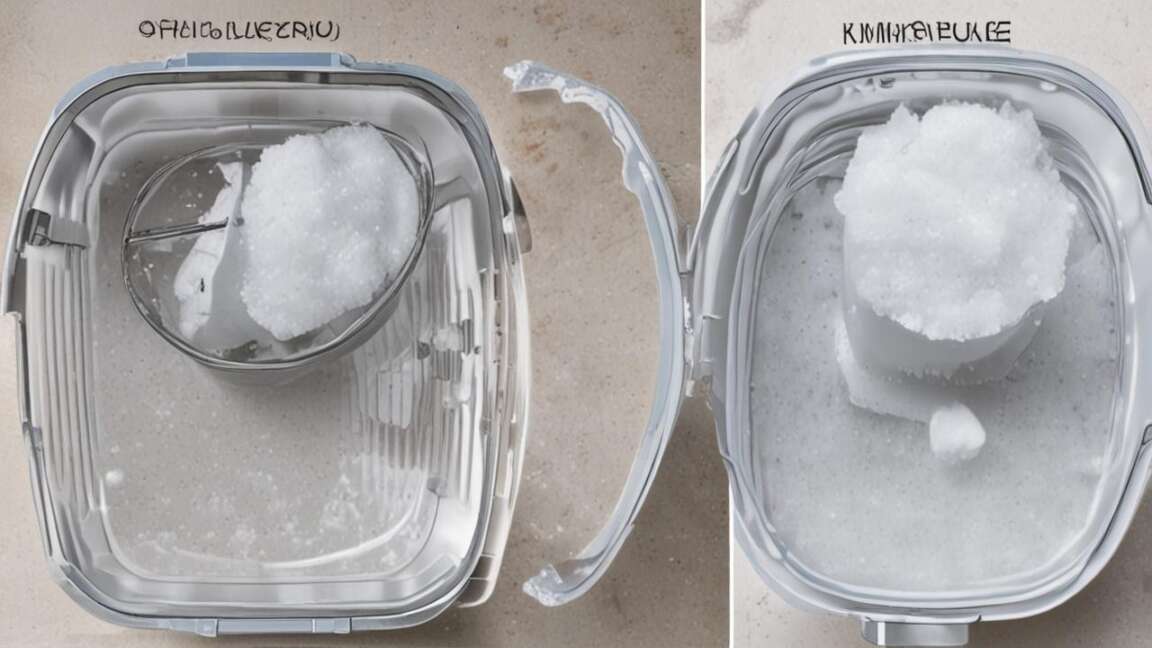
Comparing Ice Maker Issues and Solutions
Understanding the various reasons for small ice cubes helps in choosing the right fix. Here’s a quick look at common causes and their solutions.
A clogged water filter often restricts flow and leads to small cubes; replacing it every six months typically resolves the issue without professional help.
Frequently Asked Questions
Why is my ice maker suddenly making smaller ice cubes?
This often happens due to low water pressure, a clogged water filter, or the freezer temperature being too high. These are common Ice Maker Making Small Ice Cubes: Real Causes that affect water flow or freezing efficiency.
Can a dirty water filter cause small ice?
Yes, a dirty or clogged water filter significantly restricts water flow to the ice maker. This reduced flow means the ice molds don’t get enough water to form full-sized cubes.
How does freezer temperature affect ice cube size?
The freezer needs to be cold enough for water to freeze properly. If it’s too warm, the water may not freeze solid before the ice maker cycles, resulting in smaller or softer ice cubes.
Is it normal for ice maker ice cubes to change size over time?
While some minor variation can occur, a significant and sudden decrease in ice cube size usually indicates an underlying issue. Investigating the Ice Maker Making Small Ice Cubes: Real Causes is recommended.
What should I do if my ice maker makes hollow ice cubes?
Hollow ice cubes can also be a sign of low water pressure or a partially blocked water line. Ensure adequate water supply and check for any obstructions.
Can I clean mineral buildup in my ice maker myself?
For minor buildup, you can often use a descaling solution recommended by the manufacturer. For extensive buildup in water lines, a professional might be needed.
Final Thoughts
Addressing why your ice maker is making small ice cubes often comes down to simple checks. Ensure good water flow and the correct freezer temperature. By understanding these common Ice Maker Making Small Ice Cubes: Real Causes, you can often resolve the issue yourself and enjoy perfectly sized ice again.