Why Your Ice Tastes Or Smells Bad (Real Causes)
At a Glance Ice tastes or smells bad primarily due to odor absorption from the freezer environment, poor water quality, or contamination in the ice maker and storage. Freezer odors from foods like oni…
Ice tastes or smells bad primarily due to odor absorption from the freezer environment, poor water quality, or contamination in the ice maker and storage. Freezer odors from foods like onions and garlic can leach into ice if the unit is not sealed properly or if ice is stored uncovered. Water impurities such as chlorine, minerals, or organic compounds directly affect ice flavor, with hard water or unfiltered tap water being common culprits. Regular cleaning of the ice maker and using filtered water are the most effective solutions for restoring fresh-tasting ice.
It’s a simple pleasure: a cold drink with clear ice cubes. But sometimes, that ice can ruin your beverage with a strange taste or smell. You might be wondering, Why Your Ice Tastes Or Smells Bad (Real Causes).
This happens more often than you think and can be a real bummer. Knowing the reasons behind it can help you enjoy your drinks without that off-putting flavor. We’ll look at the common culprits and how to fix them so your ice is always fresh.
Key Takeaways
- Your freezer’s environment can transfer odors to your ice.
- Water quality is a primary factor in ice taste and smell.
- Contaminated ice maker parts can cause unpleasant flavors.
- Improper storage of ice leads to taste and smell issues.
- Simple cleaning and maintenance solve most ice taste problems.
Is Your Freezer the Culprit? Odors Leaching into Ice
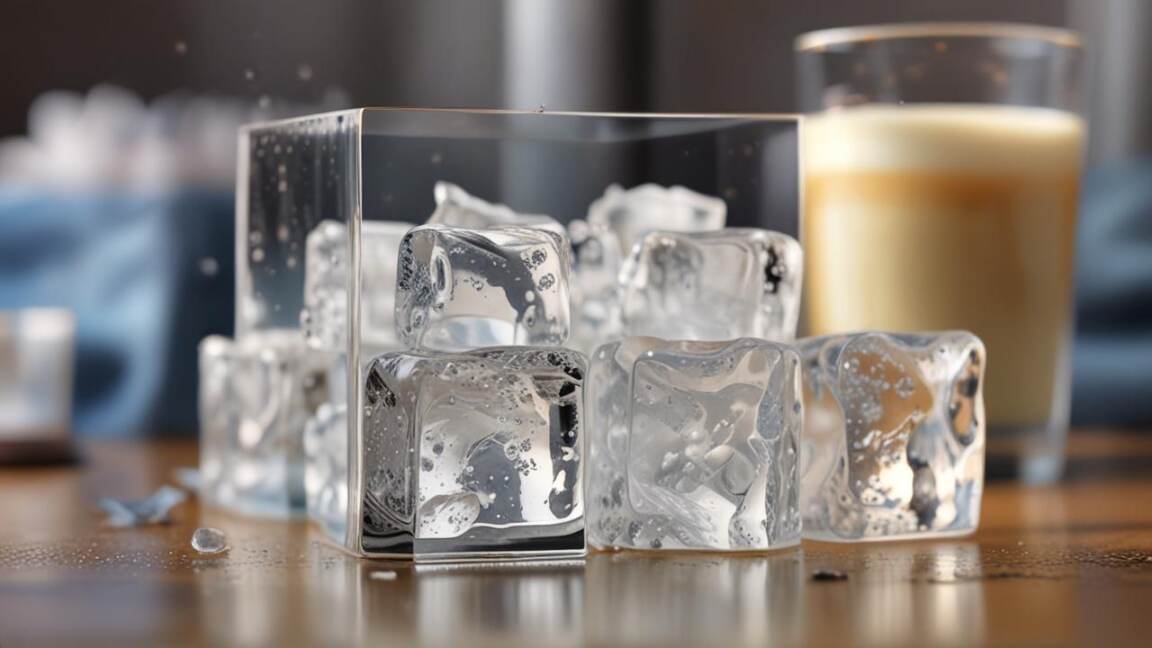
Freezers are designed to keep food cold, but they can also become a breeding ground for smells. Many foods stored in your freezer, like onions, garlic, or even leftovers, release odors. Ice cubes are essentially frozen water, and water is very good at absorbing surrounding smells.
When your ice maker is exposed to these airborne particles, those flavors and scents can seep into the water before it freezes.
To prevent odors from leaching into your ice, store strong-smelling foods like onions and garlic in sealed containers within the freezer. This simple step can significantly reduce the absorption of airborne flavors.
This is a common reason Why Your Ice Tastes Or Smells Bad (Real Causes). Think of it like a sponge. If you leave a sponge near strong-smelling food, it will eventually smell like that food.
Ice cubes work the same way. The longer ice sits in a freezer with strong odors, the more it will absorb them.
The Importance of Water Quality for Fresh-Tasting Ice
The most direct ingredient in your ice is, of course, water. If the water going into your ice maker isn’t clean, your ice won’t be either. Tap water can contain various minerals, chemicals, and even microscopic particles that affect taste and smell.
Chlorine, often added to municipal water supplies for disinfection, can leave a distinct chemical taste and smell in your ice.
Tap water often contains chlorine and minerals like sulfur, which can create chemical or rotten egg tastes in your ice. Using a high-quality water filter can remove these impurities and improve ice flavor.
Minerals like sulfur can create a “rotten egg” smell and taste. Even impurities you can’t see or smell in tap water can become concentrated when the water freezes, leading to unpleasant ice. Understanding Why Your Ice Tastes Or Smells Bad (Real Causes) often starts with looking at your water source.
Common Water Impurities Affecting Ice
Several things in your water can cause problems:
- Chlorine: Used for disinfection, it can give ice a chemical taste.
- Sulfur compounds: These create a noticeable “rotten egg” smell and taste.
- Minerals: High levels of dissolved solids can make ice taste flat or metallic.
- Organic matter: Small bits of plants or soil can affect clarity and flavor.
If you’re experiencing Why Your Ice Tastes Or Smells Bad (Real Causes), consider using filtered water. A good water filter can remove many of these impurities before the water even reaches your ice maker.
Is Your Ice Maker to Blame? Contaminated Parts
Ice makers are machines with moving parts, water lines, and storage bins. Over time, these components can accumulate residue, mold, or mildew. This buildup is a frequent cause of Why Your Ice Tastes Or Smells Bad (Real Causes), especially if the machine isn’t cleaned regularly.
Over time, the internal components of your ice maker can accumulate particles that degrade and directly affect the taste of your ice cubes.
The water lines that carry water to the ice maker can become clogged with mineral deposits. The ice bin itself can harbor bacteria or mold if not emptied and cleaned. Even the ice maker’s internal mechanisms can trap particles that degrade over time and impart a bad taste to the ice.
Signs of a Contaminated Ice Maker
Look out for these indicators:
- Visible grime or mold inside the ice bin or chute.
- Slow ice production, which can mean clogged lines.
- Ice that looks cloudy or discolored, beyond normal frost.
Regular cleaning is key to preventing these issues and addressing Why Your Ice Tastes Or Smells Bad (Real Causes).
Storage and Handling: How Ice Gets Contaminated After Freezing
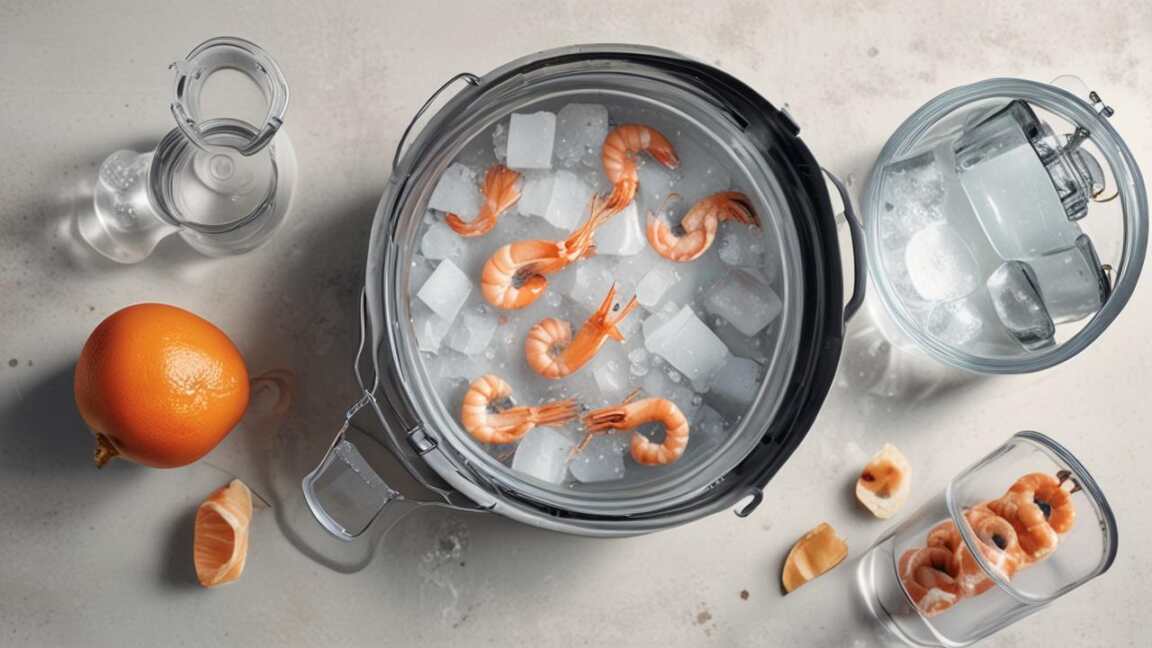
Even if your water is pure and your ice maker is clean, how you store and handle the ice can still lead to taste and smell problems. If you scoop ice with your bare hands, you can transfer oils and dirt from your skin. If you use an ice scoop that has touched other foods or surfaces, it can contaminate the ice.
Avoid scooping ice with bare hands or using a dirty scoop, as oils and bacteria can transfer to the ice and cause off-flavors.
Leaving the ice bin lid open for extended periods allows freezer odors to enter. Also, if ice sits in the bin for too long, it can start to pick up smells from the surrounding air. This is another important aspect of understanding Why Your Ice Tastes Or Smells Bad (Real Causes).
Best Practices for Ice Storage
Keep these tips in mind:
- Use a clean ice scoop specifically for your ice bin.
- Keep the ice bin lid closed tightly when not in use.
- Empty and clean the ice bin regularly.
- Avoid storing uncovered food near the ice maker.
Proper handling ensures your ice stays fresh and doesn’t develop off-flavors after it’s made.
The Role of the Refrigerator Itself
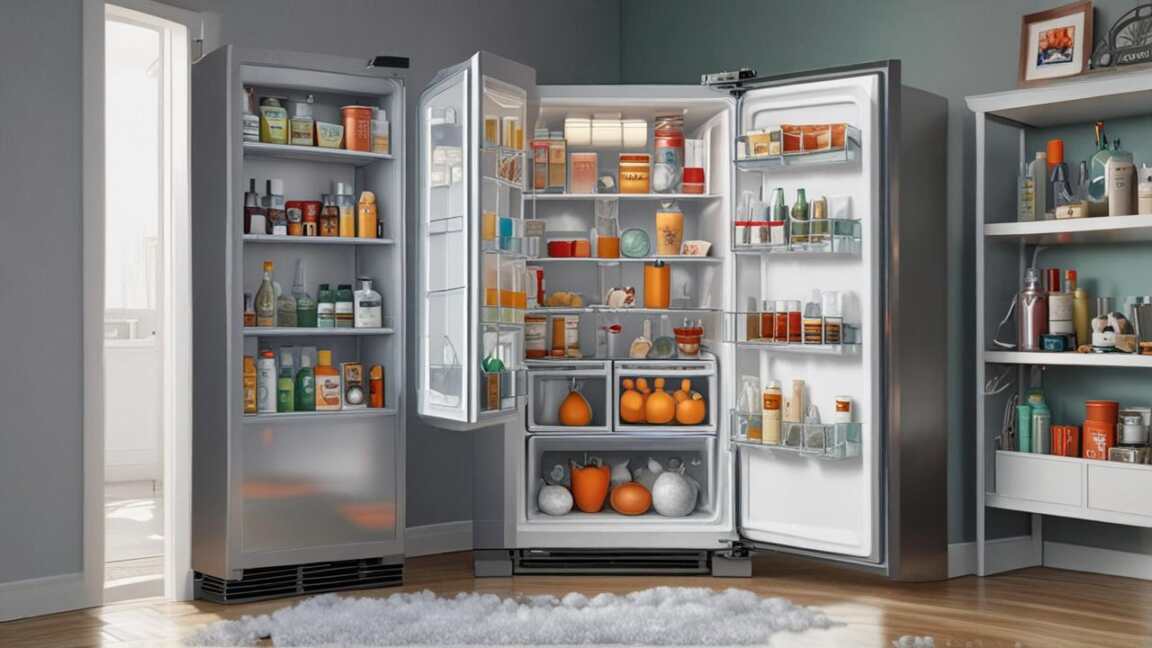
Sometimes, the issue isn’t just the ice maker but the entire refrigerator. Modern refrigerators often have built-in water filters and ice makers. If the refrigerator’s water filter is old or clogged, it won’t effectively clean the water going to the ice maker, leading to bad-tasting ice.
The refrigerator’s air filter, if it has one, also plays a role. These filters help to neutralize odors within the fridge. If the air filter is past its prime, strong food smells can circulate more freely, eventually reaching the ice maker.
A neglected air filter in your refrigerator can allow strong food odors to circulate and reach the ice maker, contaminating your ice. Replace the filter according to the manufacturer's schedule to prevent this.
This connects directly to Why Your Ice Tastes Or Smells Bad (Real Causes).
Refrigerator Maintenance and Ice Quality
To maintain good ice quality:
- Replace the refrigerator’s water filter according to the manufacturer’s recommendations.
- Check and replace the refrigerator’s air filter if applicable.
- Clean the refrigerator’s interior regularly to remove odor sources.
A clean and well-maintained refrigerator is crucial for fresh ice.
Troubleshooting Common Ice Taste Issues
When you discover Why Your Ice Tastes Or Smells Bad (Real Causes), troubleshooting becomes easier. Let’s break down some common problems and their solutions.
Problem 1: Chemical or Chlorine Taste
Cause: High chlorine levels in tap water or an old refrigerator water filter.
Solution:
- First, try using filtered water from a pitcher or a dedicated faucet filter.
- Next, check the replacement schedule for your refrigerator’s water filter and replace it if it’s due.
- Then, flush the ice maker system by discarding the first few batches of ice after changing the filter.
Problem 2: “Rotten Egg” or Sulfur Smell
Cause: Sulfur compounds in the water supply or bacteria in the water lines.
New ice maker parts can temporarily impart a plastic taste, which typically fades after several cycles of ice production and disposal.
Solution:
- First, contact your local water utility to inquire about sulfur levels in your water.
- Next, thoroughly clean your ice maker and the entire water line system. Some manufacturers offer cleaning cycles.
- Finally, consider installing a whole-house water filter designed to remove sulfur if the problem persists.
Problem 3: Musty or Moldy Taste
Cause: Mold or mildew buildup in the ice maker, bin, or water lines.
Solution:
- First, empty the ice bin and wash it thoroughly with warm, soapy water.
- Next, follow your refrigerator manufacturer’s instructions for cleaning the ice maker. This often involves running a cleaning cycle or using a mild bleach solution followed by thorough rinsing.
- Then, ensure the ice bin and surrounding areas are completely dry before refilling.
Problem 4: Plastic or New Appliance Taste
Cause: New ice maker parts can sometimes impart a temporary plastic taste.
Solution:
- First, discard the first few batches of ice made by a new appliance.
- Next, continue to use the ice maker. The taste usually dissipates after a week or two of regular use.
- Then, ensure no plastic wrapping or protective materials are left inside the ice maker mechanism.
Addressing these specific issues helps pinpoint Why Your Ice Tastes Or Smells Bad (Real Causes) and provides a clear path to fixing it.
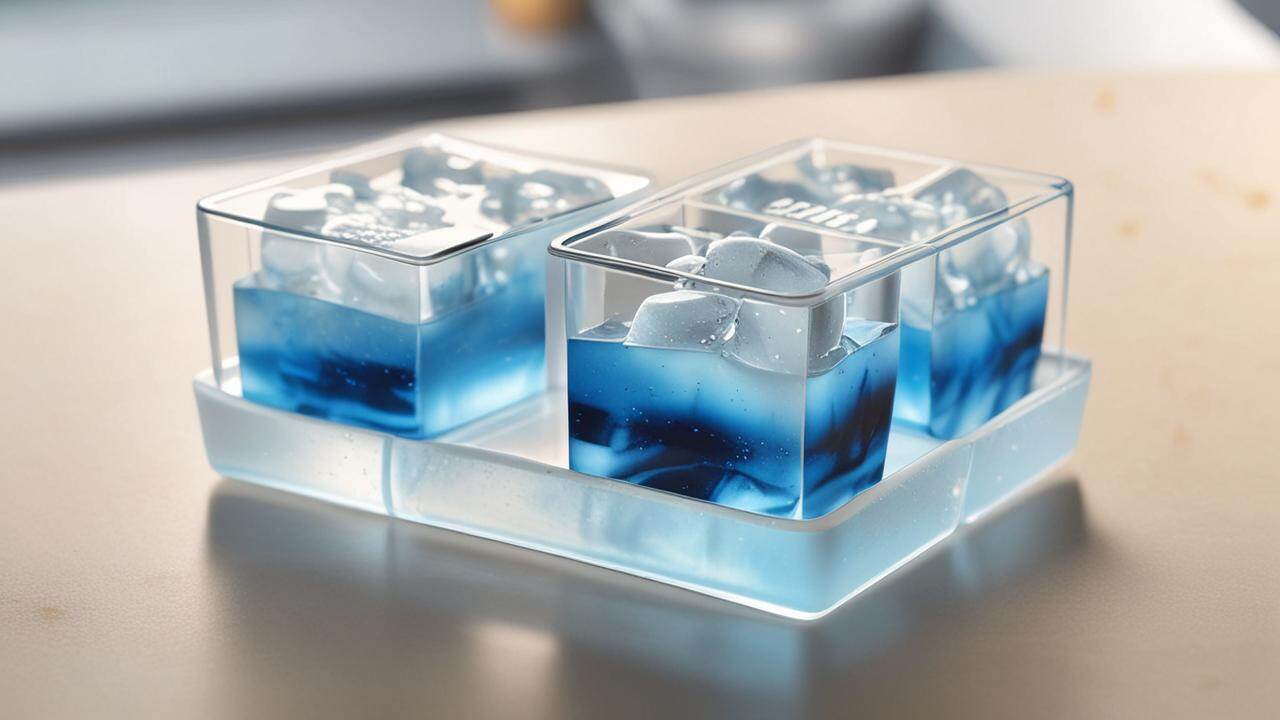
Comparison: Tap Water vs. Filtered Water for Ice
The difference in ice quality between using plain tap water and filtered water can be significant. Here’s a look at how they compare:
Filtered water produces ice with a cleaner, neutral taste compared to tap water, which often carries chlorine, mineral, or sulfur flavors.
For many, the improvement in ice taste and smell makes filtered water the preferred choice, especially when addressing Why Your Ice Tastes Or Smells Bad (Real Causes).
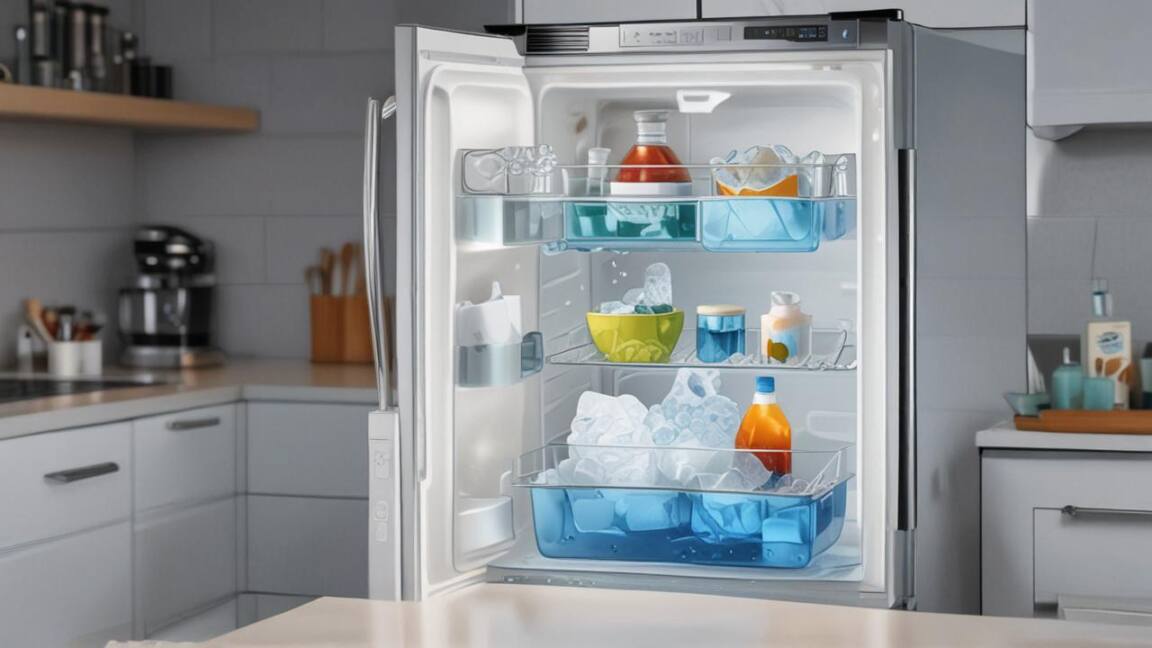
Preventative Maintenance for Consistently Fresh Ice
The best way to avoid bad-tasting ice is through consistent preventative maintenance. Regularly cleaning and checking your ice maker and refrigerator can save you from unpleasant surprises.
Monthly cleaning of the ice bin with mild soap and water, followed by thorough air drying, is essential for preventing mold and odor buildup.
Your Ice Maker Cleaning Checklist
Make these tasks part of your routine:
- Monthly: Empty and wash the ice bin with mild soap and water. Let it air dry completely.
- Quarterly: Run a cleaning cycle on your ice maker if your model has one. Follow manufacturer instructions, often involving a vinegar or bleach solution, followed by thorough rinsing.
- Every 6 Months: Clean the ice maker’s water lines and dispenser chute. You can often use a soft brush or pipe cleaner for this.
- As Needed: Wipe down the exterior of the ice maker and surrounding areas.
These steps are vital for understanding and preventing Why Your Ice Tastes Or Smells Bad (Real Causes).
Frequently Asked Questions
Why does my ice smell like freezer paper?
This smell often comes from packaging materials in your freezer. Ice absorbs odors, so if you store items like frozen meats or other packaged goods near the ice maker, the ice can pick up those scents.
Can old ice make my drinks taste bad?
Yes, old ice can start to absorb odors from the freezer over time. It’s best to discard ice that has been sitting for more than a few weeks and make a fresh batch.
Is it safe to drink ice that tastes bad?
While it might be unappetizing, ice that tastes bad is usually not dangerous. However, it indicates a problem that needs addressing, as it suggests contamination or poor water quality.
How often should I change my refrigerator’s water filter?
Most refrigerator manufacturers recommend changing the water filter every six months, or when the filter indicator light comes on. Always check your appliance’s manual for specific guidance.
Why does my ice taste like plastic after buying a new fridge?
New appliances can sometimes have a slight plastic taste from manufacturing materials. Discarding the first few batches of ice and continuing to use the machine usually resolves this issue within a week or two.
What’s the easiest way to improve my ice’s taste?
The simplest and most effective step is to use a water filter, either a pitcher filter or your refrigerator’s built-in system, to remove impurities before freezing.
Final Thoughts
Understanding Why Your Ice Tastes Or Smells Bad (Real Causes) is mostly about checking your water source and keeping your ice maker and freezer clean. Simple steps like using filtered water and regular cleaning will ensure your ice is always fresh and doesn’t spoil your drinks. Enjoy perfectly tasting ice in every glass.