Ice Maker Not Making Ice: 8 Common Causes
At a Glance Ice makers stop producing ice due to eight common causes, ranging from a simple switch being turned off to a defective thermistor or thermostat that controls temperature. Frozen water line…
Ice makers stop producing ice due to eight common causes, ranging from a simple switch being turned off to a defective thermistor or thermostat that controls temperature. Frozen water lines and a clogged water filter frequently restrict water flow, while a malfunctioning water inlet valve can prevent water from reaching the ice maker at all. The freezer temperature must be set to the ice-making sweet spot, typically between 0°F and 5°F, or the mold will not freeze; mechanical issues in the ice maker mold or fill tube also halt production. Immediate checks include verifying the ice maker is on, thawing frozen lines, and replacing old filters to restore ice output without a service call.
It can be frustrating when your ice maker stops working, especially when you’re hosting guests or just want a cold drink. Understanding the common reasons why your ice maker is not making ice is key to getting it fixed quickly. This guide covers 8 common issues, helping you pinpoint the problem and get your ice supply back on track.
You’ll learn what might be going wrong and how to fix it, saving you time and the cost of a service call. Let’s get started on figuring out why your ice maker is not making ice.
Key Takeaways
- Your ice maker might not be making ice due to simple issues like a turned-off switch or blocked water line.
- Frozen water lines are a frequent culprit that can easily be fixed.
- Problems with the water filter or the water inlet valve can prevent ice production.
- Temperature settings in your freezer play a crucial role in ice making.
- Mechanical failures in the ice maker itself can also cause it to stop producing ice.
- Regular maintenance can prevent many common ice maker problems.
Is Your Ice Maker Turned Off? A Simple Check
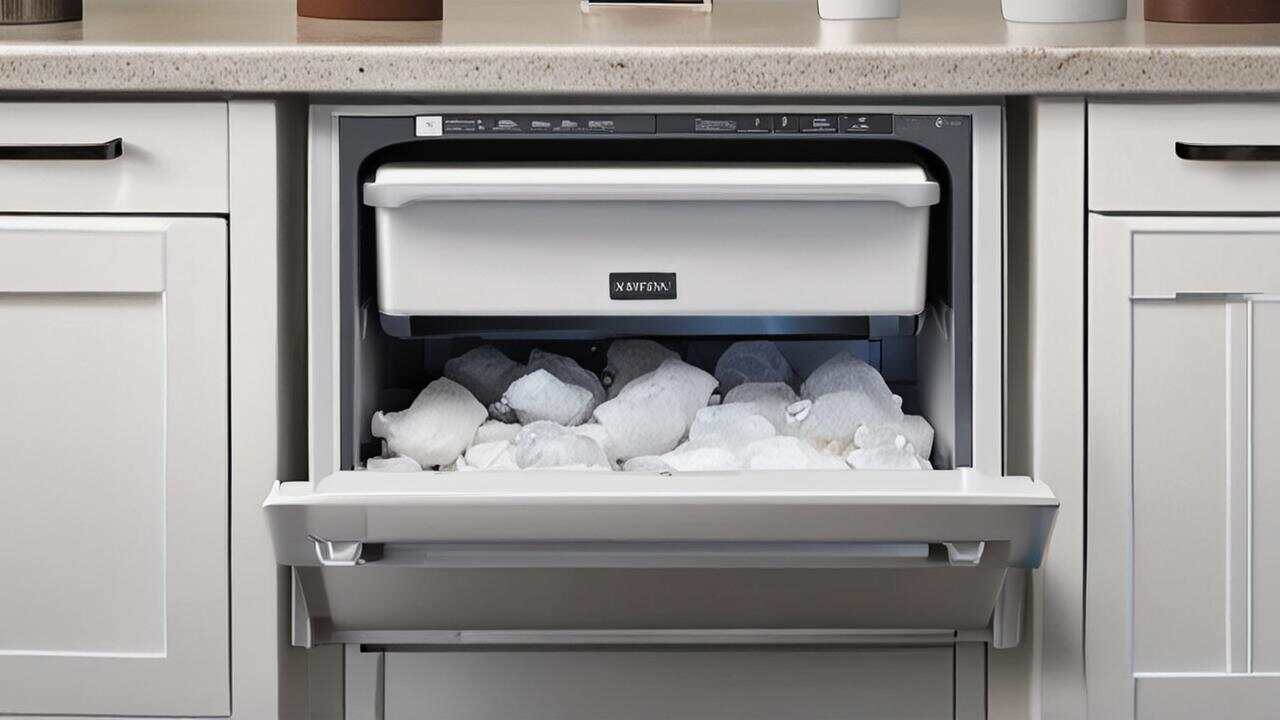
Sometimes, the simplest solution is the right one. Many ice makers have a control arm or a switch that can be manually turned off. This is often done to prevent overflow or during cleaning.
Before diving into complex repairs, check if the ice maker's control arm is in the raised position—this signals it to produce ice.
If your ice maker is not making ice, First, check if this arm is in the “off” position. It’s usually a metal bar that lowers into the ice bin. When it’s down, it signals the ice maker to stop producing.
Make sure the arm is in the “on” position, which is typically when it’s raised up and held in place or flipped to the side. If you recently moved your freezer or cleaned it, this arm might have been bumped. This is one of the most common reasons for an Ice Maker Not Making Ice: 8 Common Causes, and it’s the easiest to fix.
Frozen Water Lines: A Common Ice Blocker
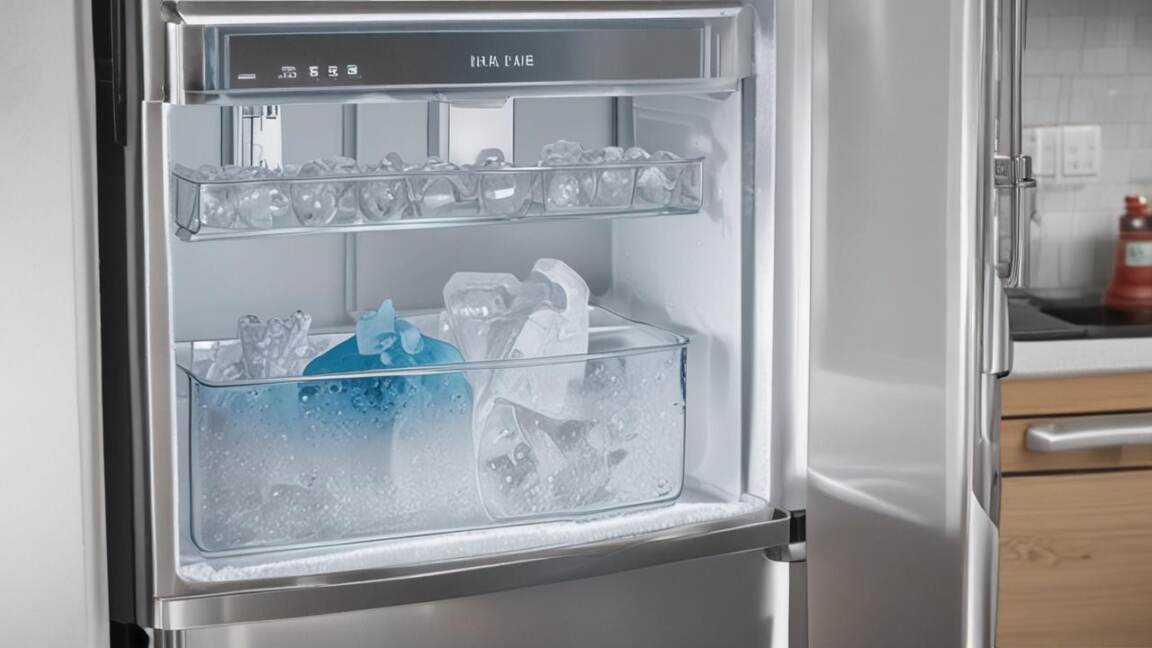
A frozen water line is a very frequent reason for an Ice Maker Not Making Ice: 8 Common Causes. The water line that supplies your ice maker can freeze up if the freezer compartment isn’t cold enough. This prevents water from reaching the ice maker mold.
To check for this, you’ll need to locate the water line. It’s usually a thin plastic or copper tube running from your home’s water supply to the back of the refrigerator. If you suspect it’s frozen, you can try gently thawing it.
A frozen water line often results when the freezer compartment is not cold enough, causing the thin supply tube to ice up and block water flow.
Unplug the refrigerator and open the freezer door. You can use a hairdryer on a low setting to warm the area around the water line. Be patient and avoid overheating any plastic parts.
Another way to address a frozen water line is to ensure your freezer is set to the correct temperature. Most freezers need to be at 0°F (-18°C) or colder to keep the water line from freezing. If your freezer temperature is too high, it can lead to this issue.
Water Filter Clogs: Restricting Flow
Your refrigerator’s water filter is designed to remove impurities from the water before it reaches your ice maker. Over time, these filters can become clogged with sediment. A clogged filter restricts water flow, meaning not enough water can get to the ice maker to produce cubes.
This is a common cause for an Ice Maker Not Making Ice: 8 Common Causes.
A clogged water filter restricts water flow to the ice maker, making regular filter changes every six months essential for consistent ice production.
Most manufacturers recommend replacing the water filter every six months. If you haven’t replaced yours recently, or if you have hard water, it might be clogged. Replacing the filter is usually a straightforward process.
Check your refrigerator’s manual for specific instructions on how to change the filter. You can usually find replacement filters at appliance stores or online.
Sometimes, even a new filter can cause issues if it’s not installed correctly. Ensure the filter is seated properly and all seals are in place. A loose filter can lead to leaks and reduced water pressure to the ice maker.
The Water Inlet Valve: Is It Getting Water?
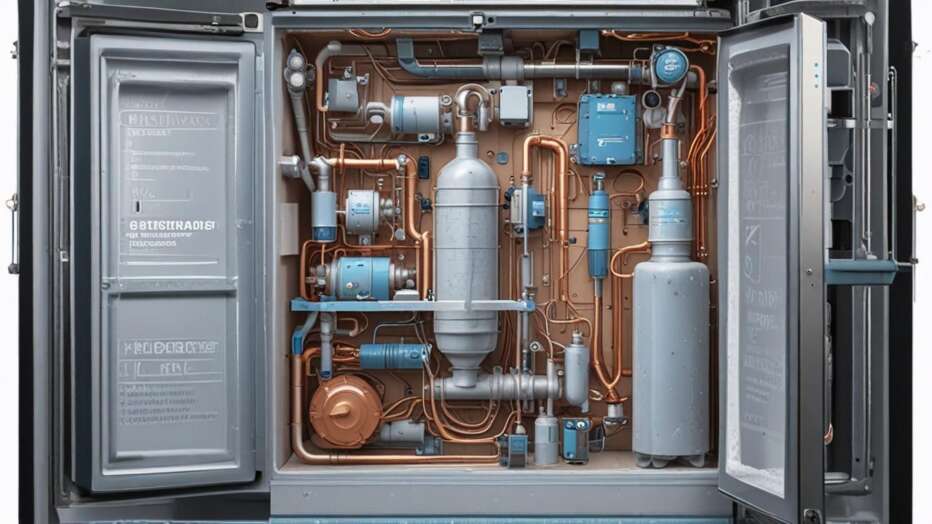
The water inlet valve is a crucial component that controls the flow of water into your refrigerator and then to the ice maker. It’s essentially a gatekeeper for your water supply. If this valve is faulty or blocked, it won’t allow water to pass through, leading to an Ice Maker Not Making Ice: 8 Common Causes.
This valve is usually located at the back of the refrigerator where the water line connects. Sometimes, mineral deposits can build up and block the valve. If you can access it, you might be able to try cleaning it.
If you suspect a faulty water inlet valve, try cleaning mineral deposits from it, but if the valve itself is broken, replacement is necessary.
However, if the valve itself is broken, it will need to be replaced. This is often a job best left to a qualified technician.
Symptoms of a bad water inlet valve can include a humming sound when the refrigerator tries to fill with water, or no water at all. If you suspect the valve is the problem, it’s a good idea to consult your appliance manual or call a professional.
Freezer Temperature Too High: The Ice-Making Sweet Spot
For an ice maker to work correctly, your freezer needs to be at the right temperature. If the freezer is too warm, the water won’t freeze properly, and the ice maker won’t cycle. A typical freezer temperature for ice production is around 0°F (-18°C).
This is a critical factor in the Ice Maker Not Making Ice: 8 Common Causes.
Setting your freezer too warm can prevent ice from freezing; allow several hours after adjusting to 0°F before expecting ice production.
Check the temperature setting on your freezer. If it’s set higher than recommended, adjust it to a colder setting. It might take several hours for the freezer to reach the optimal temperature after you change the setting.
Other factors can affect freezer temperature, such as a faulty door seal or frequently opening the door. Ensure the door is closing properly and not being held open by anything. If your freezer consistently struggles to maintain a cold temperature, there might be a problem with the thermostat or the compressor.
The Ice Maker Mold or Mechanism: A Mechanical Issue
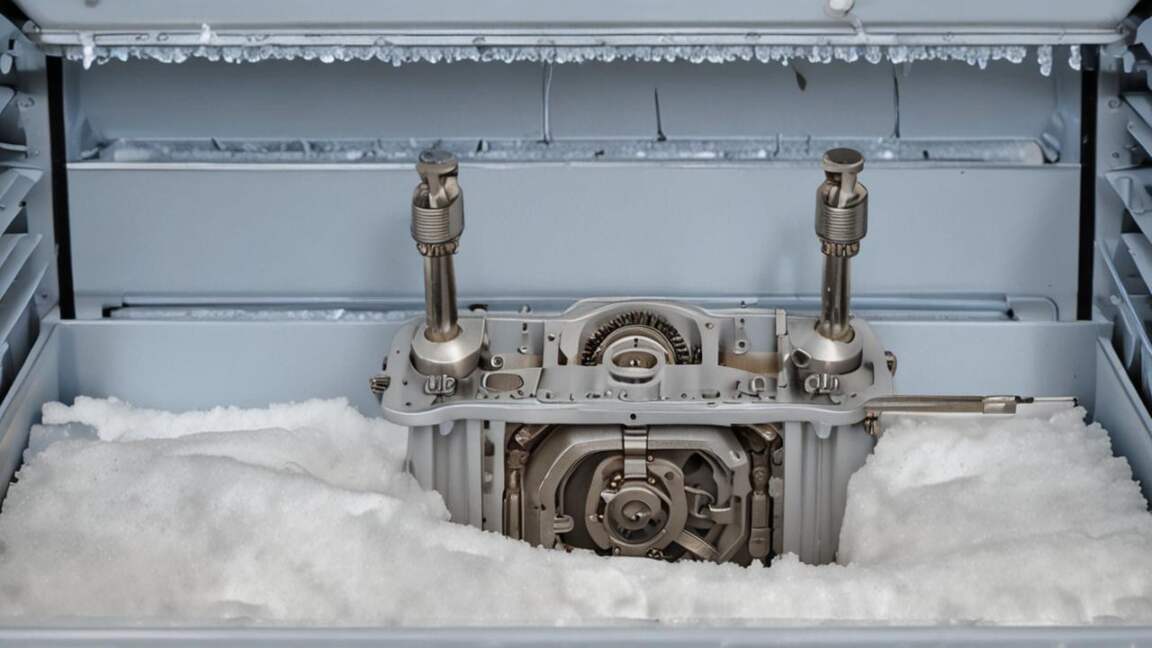
The ice maker itself has a mechanism that fills the molds with water, freezes it, and then ejects the ice. If this mechanism is jammed or broken, it won’t produce ice. This is a mechanical failure that falls under the umbrella of Ice Maker Not Making Ice: 8 Common Causes.
Ice can sometimes get stuck in the mold or ejector arm, jamming the mechanism; gently removing visible ice may restore operation.
Sometimes, ice can get stuck in the mold or ejector arm, preventing the cycle from completing. You might be able to gently remove any visible ice jams. However, if the motor or gears within the ice maker are damaged, the entire unit may need to be replaced.
If your ice maker has a sensor that detects if the ice bin is full, a faulty sensor could also stop production. It might think the bin is full even when it’s empty, preventing more ice from being made.
Blocked Ice Maker Fill Tube: A Small Obstruction
The fill tube is the small opening that delivers water to the ice maker mold. If this tube gets blocked, water can’t get into the mold, and you won’t get ice. This is another common issue in the list of Ice Maker Not Making Ice: 8 Common Causes.
A blocked fill tube can be cleared with a toothpick or soft brush, but take care to avoid damaging the tube during the process.
Blockages can occur due to mineral deposits or ice buildup. If you can see the fill tube, inspect it for any visible obstructions. You might be able to clear a minor blockage with a toothpick or a small, soft brush.
Be very gentle to avoid damaging the tube.
If you suspect ice buildup, you might need to let the ice maker defrost for a while. Unplugging the refrigerator and leaving the freezer door open for a few hours can help melt any ice that’s blocking the tube.
Defective Thermistor or Thermostat: Temperature Control Failure
The thermistor and thermostat are responsible for monitoring and regulating the temperature inside your freezer. If either of these components fails, the freezer might not get cold enough to freeze water into ice. This is a significant reason for an Ice Maker Not Making Ice: 8 Common Causes.
A faulty thermistor can send incorrect temperature readings to the control board, causing the cooling system to malfunction and stop ice production.
A faulty thermistor can send incorrect temperature readings to the control board, causing the cooling system to malfunction. Similarly, a broken thermostat won’t signal the compressor to run when needed. Diagnosing these issues typically requires testing the electrical resistance of the components.
If you suspect a problem with the thermistor or thermostat, it’s best to consult your appliance manual or call a professional. These parts are essential for maintaining the correct freezer temperature for ice production.
Preventing Future Ice Maker Problems
To avoid future issues with your ice maker, regular maintenance is key. Keep your freezer clean and ensure the temperature is set correctly. Replace your water filter as recommended by the manufacturer.
Periodically check the water line and inlet valve for any signs of freezing or blockage. Gently clean the ice maker components as per your appliance manual. Addressing small problems early can prevent them from becoming major issues.
This proactive approach helps ensure your ice maker continues to function smoothly.
Frequently Asked Questions
Why is my ice maker suddenly not making ice?
A sudden stop in ice production can be due to a frozen water line, a clogged filter, a turned-off switch, or a mechanical issue with the ice maker itself.
Can a dirty water filter stop my ice maker?
Yes, a dirty or clogged water filter restricts water flow, preventing enough water from reaching the ice maker to produce cubes.
How often should I replace my ice maker’s water filter?
Most manufacturers recommend replacing the water filter every six months, or sooner if you have hard water or notice a change in water taste.
What temperature should my freezer be for the ice maker to work?
Your freezer should ideally be at 0°F (-18°C) or colder to ensure water freezes properly for ice production.
Is it normal for my ice maker to make noise?
Some operational noises are normal, like the sound of water filling or ice being ejected. However, loud grinding or buzzing could indicate a problem.
Can I fix a frozen water line myself?
Yes, you can often thaw a frozen water line by unplugging the refrigerator and gently warming the area with a hairdryer on a low setting.
Final Thoughts
When your ice maker stops making ice, don’t panic. Most issues, from a simple off switch to frozen water lines, are fixable. By checking these 8 common causes, you can often diagnose and resolve the problem yourself, ensuring you have plenty of ice again soon.