Why Ice Makers Make Cloudy Ice (And How To Get Clear)
At a Glance Cloudy ice from ice makers primarily results from trapped air bubbles and dissolved minerals like calcium and magnesium becoming frozen into the ice crystals during freezing. The speed of…
Cloudy ice from ice makers primarily results from trapped air bubbles and dissolved minerals like calcium and magnesium becoming frozen into the ice crystals during freezing. The speed of the freezing process and the purity of the water directly control how many impurities become trapped, with rapid freezing causing more cloudiness. Practical solutions include using filtered water to remove minerals or boiling water to drive out dissolved air before freezing, and slowing the freezing rate to allow air to escape. The essential takeaway is that achieving clear ice requires reducing impurities and managing freezing conditions, not replacing the ice maker.
Ever wonder why your ice maker sometimes makes cloudy ice instead of perfectly clear cubes? It’s a common question, and understanding the reasons behind it can help you enjoy better-looking and even better-tasting drinks. This isn’t just about aesthetics; cloudy ice can sometimes hint at other issues.
We’ll break down Why Ice Makers Make Cloudy Ice (And How To Get Clear), so you can get the best ice every time. Read on to learn what’s causing it and how to fix it.
Key Takeaways
- Cloudy ice is usually caused by trapped air or impurities in the water.
- Water hardness and mineral content play a big role in ice clarity.
- Proper cleaning and maintenance are essential for clear ice.
- Using filtered water can significantly improve ice clarity.
- Freezing speed affects the amount of air and impurities trapped.
The Science Behind Cloudy Ice
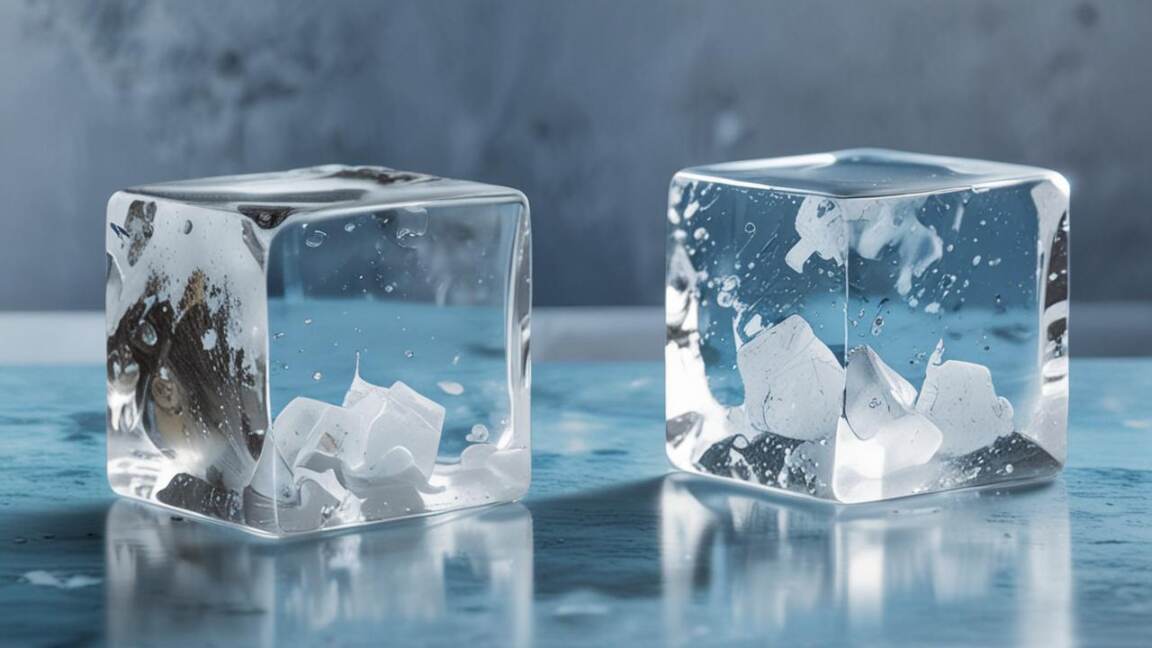
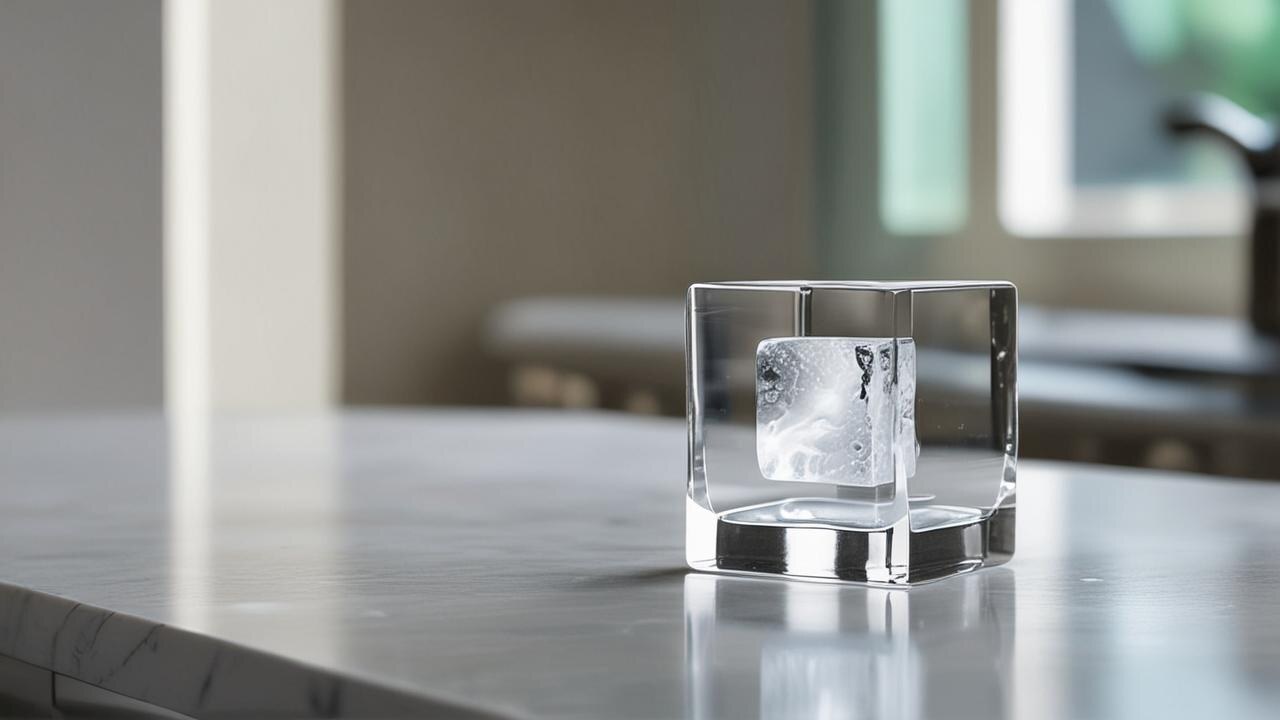
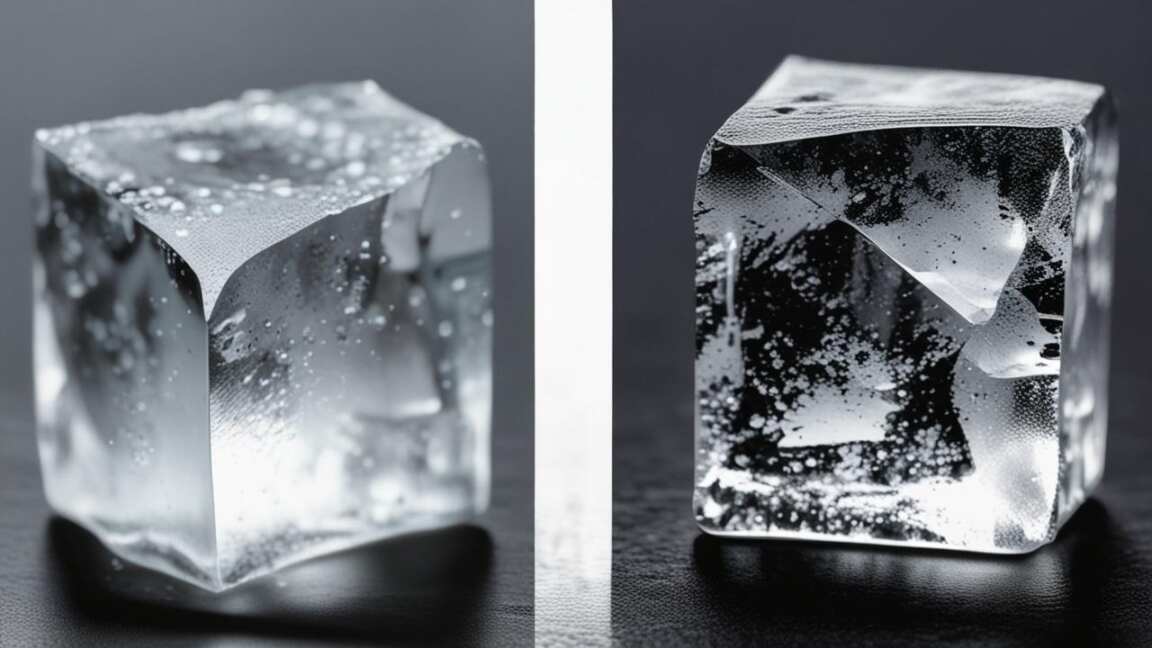
Ice forms when water freezes. As water turns into ice, it pushes out impurities and air. If this process happens too quickly, or if there are many impurities and lots of air in the water, these elements get trapped inside the ice crystals.
This trapping is what makes the ice look cloudy or opaque, rather than crystal clear.
Understanding that trapped air bubbles scatter light explains why cloudy ice appears milky; slowing the freezing process can help air escape.
Think of it like trying to freeze a glass of fizzy water. The bubbles (air) get stuck. In ice makers, tiny air bubbles are the main culprit for that milky appearance.
Minerals and other dissolved solids in the water also contribute. They can’t freeze into a perfect crystal structure, so they scatter light, making the ice look cloudy.
Common Causes for Cloudy Ice
Several factors contribute to why ice makers make cloudy ice. Understanding these can help you pinpoint the issue with your specific machine.
Trapped Air Bubbles
This is the most frequent reason for cloudy ice. When water freezes rapidly, as it does in most ice makers, air bubbles in the water don’t have enough time to escape. They get frozen right into the ice structure.
The faster the freezing process, the more air gets trapped.
Most home ice makers are designed for speed. They want to give you ice quickly. This speed is great for convenience but often leads to cloudy cubes because of the trapped air.
It’s a trade-off between speed and clarity.
Rapid freezing in standard ice makers leaves no time for air bubbles to escape, making cloudy ice almost inevitable.
Dissolved Minerals and Impurities
Tap water contains various minerals like calcium and magnesium, as well as other dissolved solids. When water freezes, these substances are pushed to the edges of the ice crystal. If there are a lot of them, they can cluster together, making the ice opaque.
The hardness of your water directly impacts ice clarity. Harder water has more dissolved minerals. These minerals are what cause that white, chalky residue you might see in kettles or coffee makers.
In ice, they contribute to the cloudy look.
Water Temperature
The temperature of the water going into your ice maker can also play a role. If the water is too warm, it might freeze slower, but it could also hold more dissolved gases. Colder water might freeze faster, trapping more air.
The ideal temperature is a balance.
Most ice makers are designed to work with typical household water temperatures. However, extreme temperatures, either very hot or very cold, could subtly affect the freezing process and the clarity of your ice.
Ice Maker Design and Function
Different ice makers have different freezing mechanisms. Some use an auger system to push ice through a freezing plate, while others use molds that fill with water. The way the ice is formed and ejected can influence how much air or how many impurities get trapped.
Older or less advanced ice maker models might be more prone to producing cloudy ice simply due to their design. Newer, more sophisticated models sometimes have features to improve ice clarity.
How to Get Clear Ice: Practical Solutions
Now that we know why ice makers make cloudy ice, let’s look at how you can achieve crystal clear cubes.
Use Filtered Water
This is often the easiest and most effective solution. Using filtered water removes many of the dissolved minerals and impurities that cause cloudiness. A simple pitcher filter or a filter built into your refrigerator’s water dispenser can make a big difference.
First, invest in a good water filter. Whether it’s a Brita pitcher, a faucet filter, or a refrigerator water filter, these systems are designed to remove chlorine, sediment, and some dissolved solids. This leads to cleaner-tasting ice and clearer ice.
Boil Your Water (and Let it Cool)
Boiling water before freezing can help remove dissolved gases and some impurities. When water boils, dissolved air escapes. Letting the boiled water cool down completely before putting it in your ice maker can result in clearer ice.
Second, try boiling a batch of water. Let it cool to room temperature or even chill it slightly. Then, use this water to fill your ice trays or pour into your ice maker’s reservoir.
You might notice a significant improvement in clarity.
Slow Down the Freezing Process
While ice makers are built for speed, sometimes a slightly slower freeze can lead to clearer ice. This is harder to control with automatic ice makers but can be done with manual ice trays.
While boiling water can reduce air bubbles, it often proves impractical for automatic ice makers and may affect the taste.
If you’re using trays, try placing them in the coldest part of your freezer, but avoid areas where air circulates too rapidly. For automatic machines, ensuring the freezer temperature is at the optimal setting (usually 0°F or -18°C) can help.
Clean Your Ice Maker Regularly
A dirty ice maker can contribute to cloudy ice. Mineral buildup and mold can affect the water quality and the freezing process. Regular cleaning is crucial for both clarity and hygiene.
Next, follow your ice maker’s cleaning instructions. This usually involves running a cleaning cycle with a vinegar or specialized ice maker cleaner solution. Rinse thoroughly afterward to remove any cleaning solution taste.
Check Your Water Line and Filter
If your ice maker is connected to a water line, ensure the line is clean and the filter (if present) is replaced regularly. A clogged or old filter won’t effectively remove impurities.
Then, inspect your water line for any kinks or blockages. If your refrigerator has a water filter, make sure it’s changed according to the manufacturer’s recommendations. This is key to ensuring good quality water reaches the ice maker.
Consider Distilled Water
For the absolute clearest ice, distilled water is the best option. Distilled water has had almost all impurities and minerals removed. However, it might not be practical for everyday use in an automatic ice maker, and some people find it affects the taste of the ice.
Distilled water is excellent for special occasions or when you want perfectly clear ice for cocktails. Just be aware that it might be more expensive and less readily available than filtered tap water.
Why Clear Ice Matters (Beyond Looks)
While the visual appeal of clear ice is nice, especially for entertaining, there are other reasons why understanding Why Ice Makers Make Cloudy Ice (And How To Get Clear) is important.
Taste and Purity
Cloudy ice can sometimes indicate that impurities are present. These impurities, whether they are dissolved minerals, sediment, or even bacteria, can affect the taste of your drinks. Clear ice, made from pure water, is less likely to impart off-flavors.
If your ice tastes or smells strange, it’s a strong sign that the water source or the ice maker itself needs attention. Addressing the cause of cloudiness often leads to better-tasting beverages.
If your ice tastes strange, cloudy ice may be masking impurities; clearer ice usually indicates purer water and better taste.
Ice Maker Performance and Longevity
Mineral buildup can cause problems for your ice maker over time. Scale can clog water lines, interfere with the freezing mechanism, and reduce the efficiency of the machine. Regular cleaning and using filtered water can prevent this buildup.
By maintaining your ice maker and ensuring it’s producing clear ice, you’re also helping to keep it in good working order for longer. This can save you on repair costs and premature replacement.
Aesthetics for Beverages
For many, the primary reason for wanting clear ice is presentation. Clear ice cubes look more professional and appealing in drinks. They don’t dilute your beverage as quickly either, as they are denser and melt slower.
Whether you’re a home bartender or just enjoy a nice drink, clear ice elevates the experience. It shows attention to detail and makes your beverages look more sophisticated.
Troubleshooting Common Ice Clarity Issues
Sometimes, even with the best intentions, you might still be struggling with cloudy ice. Here are a few troubleshooting tips.
Ice Melts Too Quickly
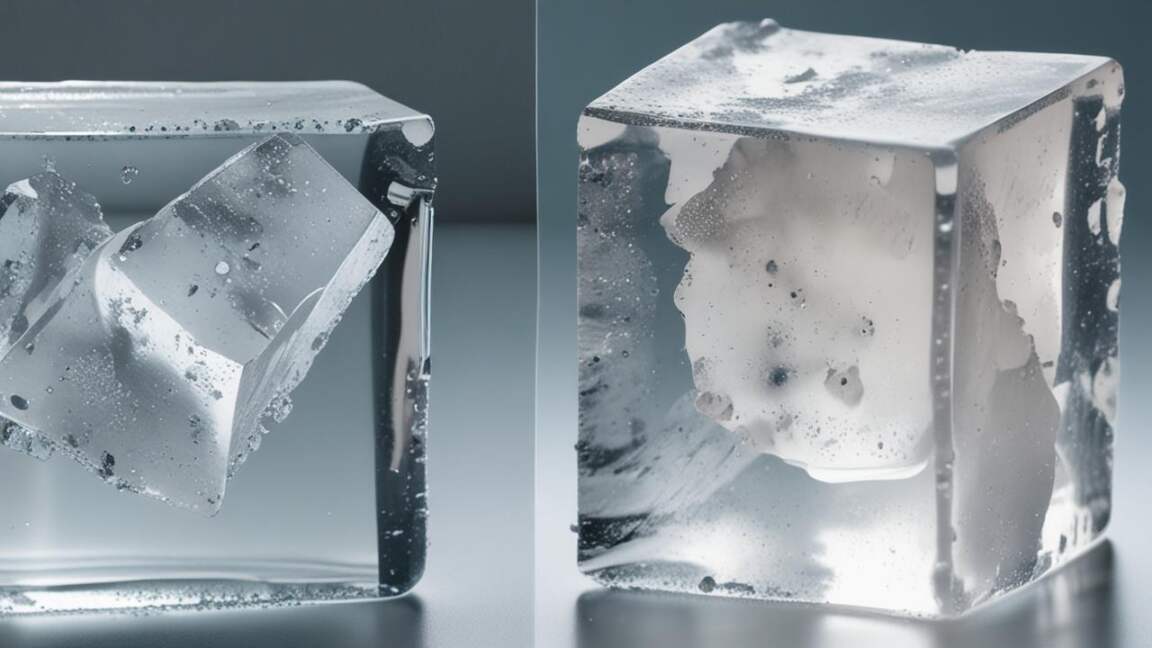
If your cloudy ice melts much faster than expected, it’s likely due to the trapped air. The air pockets create less dense ice that melts more easily. Using filtered or boiled water can create denser, clearer ice that melts slower.
Ice Has an Off-Taste or Smell
This is a clear indicator of impurities or a dirty ice maker. First, ensure your ice maker is thoroughly cleaned. Run a descaling cycle with vinegar or a specialized cleaner.
A slow ice maker often signals mineral buildup, which also contributes to cloudy ice; regular cleaning can prevent both issues.
Second, check your water source. If using tap water, try filtering it. If using a refrigerator water line, replace the filter.
Ice Maker is Slow to Produce Ice
While not directly related to clarity, a slow ice maker can sometimes be a symptom of underlying issues like mineral buildup. If your ice maker is also producing cloudy ice, it’s a good time for a deep clean and to check your water filter.
Ice Is Stuck or Jammed
This can happen if ice is forming unevenly due to impurities or if the ice maker’s mechanism is dirty. Cleaning the ice bin and the ice-making components can often resolve this. Ensuring the ice is clear and uniformly formed can prevent jamming.
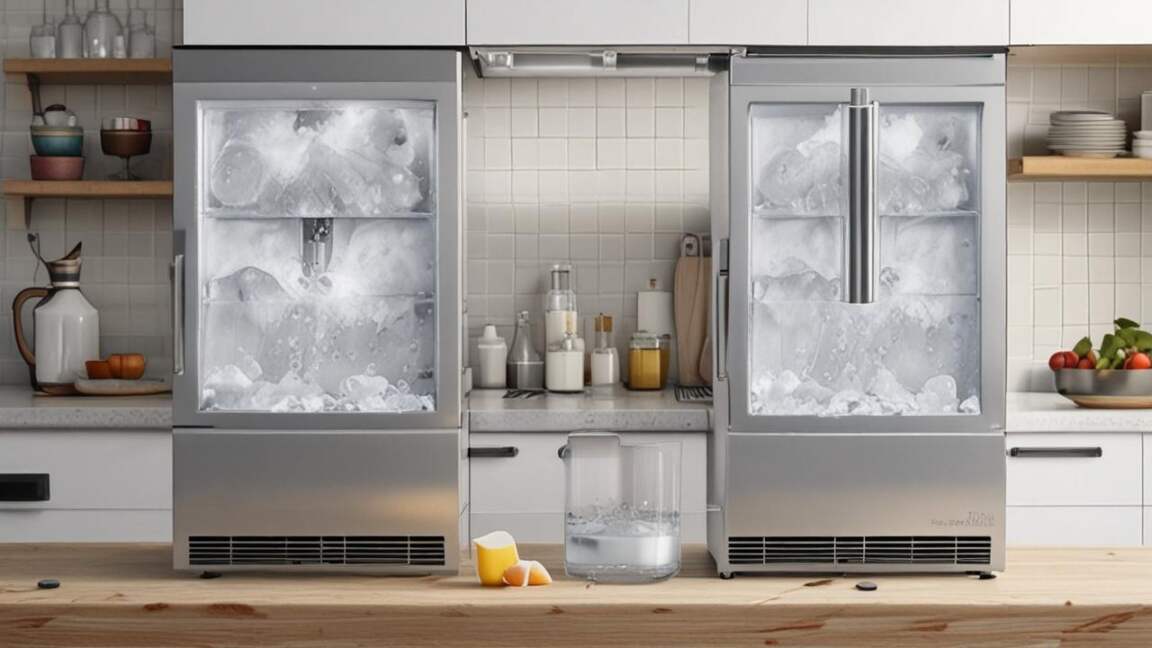
Comparing Ice Making Methods for Clarity
Different ways of making ice have varying impacts on clarity. Understanding these differences can help you choose the best method for your needs.
Methods that give you control over water purity and freezing speed consistently produce clearer ice than standard automatic ice makers.
As you can see, methods that allow for more control over the water and freezing process generally yield clearer ice. While automatic ice makers are convenient, they often sacrifice clarity for speed. For the best results, consider using filtered or specially treated water with any method.
Frequently Asked Questions
Why is my ice maker ice cloudy?
Your ice maker ice is likely cloudy because of trapped air bubbles or dissolved minerals and impurities in the water that couldn’t escape during the freezing process.
Can I make my ice maker produce clear ice?
Yes, you can improve ice clarity by using filtered or boiled water, cleaning your ice maker regularly, and ensuring your freezer is at the optimal temperature.
Does filtered water really make ice clearer?
Yes, filtered water removes many of the dissolved minerals and impurities that cause ice to appear cloudy, leading to significantly clearer cubes.
Is cloudy ice bad to drink?
Cloudy ice is usually not harmful, but it can sometimes indicate the presence of impurities that might affect the taste of your drink or suggest your ice maker needs cleaning.
Why is my clear ice melting so fast?
Clear ice is denser and melts slower. If your ice is melting very quickly, it might actually be cloudy ice with trapped air, which is less dense.
How often should I clean my ice maker?
It’s generally recommended to clean your ice maker every 3-6 months, or more often if you notice reduced clarity, off-tastes, or smells.
What’s the difference between cloudy ice and clear ice taste?
Clear ice, made from pure water, typically has a neutral taste. Cloudy ice might have a slightly mineral or metallic taste depending on the impurities present in the water.
Final Thoughts
Understanding Why Ice Makers Make Cloudy Ice (And How To Get Clear) is straightforward. It usually comes down to trapped air and water impurities. By using filtered or boiled water, keeping your ice maker clean, and paying attention to water quality, you can enjoy beautifully clear ice.
This makes your drinks look better and often taste purer, enhancing your overall enjoyment.