Why Your Ice Maker Is Loud (Normal Vs Problem)
At a Glance Ice maker loudness often stems from normal operational sounds like water flowing, ice dropping, or the motor humming, but grinding, squealing, or sudden loud thumping indicates a problem s…
Ice maker loudness often stems from normal operational sounds like water flowing, ice dropping, or the motor humming, but grinding, squealing, or sudden loud thumping indicates a problem such as a faulty motor or clogged water line. Normal noises are brief and rhythmic, occurring during the ice-making cycle, while persistent or escalating sounds signal a need for inspection. Recognizing these distinctions helps you avoid unnecessary repairs and address genuine issues like a failing water valve or loose components. Regular maintenance, including cleaning and checking connections, prevents many noise-related problems and extends appliance life.
Hearing strange noises from your ice maker can be a little unsettling. You want to know if that clanking or humming is just part of the process or a sign that something needs attention. Understanding Why Your Ice Maker Is Loud (Normal Vs Problem) helps you ensure your appliance is working right and can save you from potential costly repairs down the line.
This guide will walk you through the common sounds your ice maker makes, what they mean, and when it’s time to call for help.
Key Takeaways
- Many ice maker noises are perfectly normal and indicate the machine is working correctly.
- Sudden or unusual loud noises often signal a problem that needs to be addressed.
- Water flow, ice falling, and motor operation create typical ice maker sounds.
- Issues like a clogged water line or a faulty motor can cause abnormal loud noises.
- Regular maintenance can prevent many noise-related problems.
Understanding Normal Ice Maker Sounds
It’s common for ice makers to make a variety of sounds as they go about their job. These noises are usually brief and part of the ice-making cycle. They often happen when the machine is actually producing ice or dispensing it.
Knowing these sounds can help you avoid unnecessary worry.
The primary function of an ice maker is to freeze water and then release that ice. Each step in this process can create a sound. The good news is that most of these sounds are harmless.
They are simply the mechanical workings of the appliance doing what they are designed to do. We’ll look at the specific noises you might hear and why they occur.
The Sound of Water Flowing
One of the first sounds you might notice is the gentle hum or gurgle of water entering the ice maker. This happens when the water valve opens to fill the ice mold or tray. It’s a sign that the machine is preparing to make more ice.
This sound is usually quiet and lasts only a few seconds.
If the water flow sound is unusually loud or prolonged, it could indicate a water pressure issue. However, in most cases, it’s just the normal sound of water being delivered. The water line to your refrigerator or ice maker might have a slight restriction, but often this is just the system working.
The Clinking and Clanking of Ice
The most distinctive sound is often the clinking or clanking of ice cubes. This occurs when the ice cubes are released from their mold and fall into the storage bin. Each cube hitting another or the bin itself creates this sound.
It’s a clear sign that your ice maker is successfully producing ice.
Listen for a single click from the water inlet valve during the ice maker's fill cycle. The absence of this click or a loud buzzing sound often indicates a faulty valve or a water supply blockage.
The intensity of this sound can vary. If you have a lot of ice in the bin, the falling cubes might sound louder. Some ice makers have a mechanism that agitates the ice to prevent it from freezing together.
This can also add to the sounds you hear. It’s all part of the ice-making process.
The Motor’s Gentle Hum
Most ice makers have a small motor that drives the auger or ejector mechanism. This motor typically makes a low humming sound when it’s running. The sound is usually subtle and blends into the background noise of your kitchen.
It’s a sign that the internal parts are moving to push out the ice.
The motor might run for a short period to harvest the ice. This hum can sometimes be accompanied by a slight vibration. If the hum becomes a loud grinding or buzzing noise, it might point to a problem with the motor itself.
We will discuss these louder, more concerning noises later.
The Water Valve’s Click
You might hear a distinct click sound when the water valve opens or closes. This is a normal operation for the valve that controls water flow. It’s a brief sound that signals the start or end of the water filling cycle.
This click is a good indicator that the valve is functioning as it should.
If you don’t hear this click at all, or if it’s accompanied by a loud buzzing, it could mean the valve is faulty or there’s a blockage preventing water from entering. However, a single, soft click is perfectly normal and expected.
When Ice Maker Noises Signal a Problem
While most sounds are normal, some noises can indicate that something is wrong. Paying attention to changes in the sounds your ice maker makes is key. A sudden increase in noise level or a completely new, strange sound is often the first sign of trouble.
Understanding Why Your Ice Maker Is Loud (Normal Vs Problem) helps you identify these issues early.
A sudden increase in noise level or a completely new sound is often the earliest warning of a developing problem with your ice maker.
Ignoring these unusual sounds can lead to bigger problems and more expensive repairs. Sometimes, a loud noise is just a warning that a simple fix is needed, like clearing a blockage. Other times, it might mean a part is failing and needs replacement.
Let’s look at the specific noises that suggest a problem.
Troubleshooting Loud and Unusual Ice Maker Sounds
When your ice maker starts making noises that seem out of the ordinary, it’s time to investigate. The first step is to identify the specific sound and try to pinpoint where it’s coming from. This will help you understand Why Your Ice Maker Is Loud (Normal Vs Problem) and what might be causing it.
Many common issues can be resolved with simple troubleshooting. Often, the problem is related to water supply, ice buildup, or a component that has become loose or worn. We will explore these common problems and how to address them.
Grinding or Squealing Noises
A grinding or squealing sound is often a cause for concern. This noise typically comes from the motor or the auger mechanism that moves the ice. If the auger is jammed with ice, or if the motor is struggling to turn, it can create these unpleasant sounds.
This is a strong indicator of Why Your Ice Maker Is Loud (Normal Vs Problem), leaning towards the “problem” side.
First, check if there is any visible ice buildup around the auger. If so, you may need to turn off the ice maker and let it defrost. Second, if there’s no ice buildup, the motor itself might be failing.
This usually requires a professional repair or replacement of the ice maker unit.
Loud Thumping or Banging
A loud thumping or banging sound can be alarming. This often happens when the ice maker is trying to eject ice, but something is preventing it. It could be that the ice cubes are too large, or they are stuck together in a way that causes them to hit the mechanism forcefully.
Many common ice maker noises can be resolved with simple troubleshooting steps you can perform yourself.
It can also be caused by a loose component within the ice maker.
If the thumping is consistent, it might be related to the water inlet valve. If the valve is not closing properly, it can cause water to hammer through the system. You might also hear this if the ice maker is not level, causing ice to fall unevenly.
Excessive Humming or Buzzing
While a normal motor hum is quiet, an excessively loud hum or a buzzing sound can signal a problem. This could mean the motor is working harder than it should. It might be due to a partially blocked water line, causing the motor to strain to pump water.
Another cause could be a failing motor bearing.
A buzzing sound can also come from the water inlet valve if it’s not getting enough water or if it’s faulty. If you hear buzzing and no ice is being made, the valve is a prime suspect. This is a clear sign that you need to investigate Why Your Ice Maker Is Loud (Normal Vs Problem).
Clicking Sounds That Don’t Stop
While a single click from the water valve is normal, a continuous or rapid clicking sound can indicate an issue. This might happen if the ice maker is constantly trying to fill with water but can’t, or if there’s a problem with the control board. It could also be a sign of a low water pressure problem.
If the clicking is accompanied by no ice production, it suggests a significant problem. The control board might be sending signals incorrectly, or the water supply is insufficient. This type of persistent clicking is a definite red flag.
Common Causes of Loud Ice Makers
Several factors can contribute to an ice maker becoming unusually loud. Understanding these causes is crucial for diagnosing Why Your Ice Maker Is Loud (Normal Vs Problem). Often, the issue is related to the water supply, ice buildup, or internal components.
Let’s break down the most frequent culprits behind an overly noisy ice maker.
Water Line Issues
A restricted or kinked water line is a common cause of unusual noises. If the water flow is not smooth, the water inlet valve might make strange noises as it tries to regulate the flow. This can also cause the motor to work harder.
A frozen water line will also cause the ice maker to stop working and can sometimes produce odd sounds as ice expands within the line.
First, check the water line for any visible kinks or damage. Second, ensure the water shut-off valve is fully open. If you suspect a frozen line, you might need to turn off the ice maker and allow it to thaw.
Sometimes, sediment can build up in the line, restricting flow.
Ice Buildup and Freezing
Excessive ice buildup inside the ice maker can cause it to malfunction and become noisy. When ice cubes freeze together or form large chunks, they can jam the mechanism that ejects them. This can lead to grinding or banging sounds as the motor tries to force the ice through.
This is a very common reason for Why Your Ice Maker Is Loud (Normal Vs Problem), often on the problem side.
To fix this, you’ll typically need to turn off the ice maker and allow it to defrost completely. You can speed up the process by wiping down surfaces with a damp cloth. Ensure the ice maker is not overfilled, as this can contribute to ice jams.
Check your water line for kinks or freezing, as a restricted line makes the motor work harder and can create odd sounds as ice expands within the line.
Worn-Out Components
Over time, parts of the ice maker can wear out. A motor with worn bearings might start to hum loudly or grind. The water inlet valve can also become less efficient and noisier with age.
If your ice maker is several years old, worn components are a likely cause of increased noise.
Identifying which component is worn can be tricky. If you hear grinding, it’s likely the motor or auger. If it’s a buzzing or struggling sound, it might be the water valve or pump.
In many cases, replacing the entire ice maker unit is more cost-effective than repairing individual worn parts.
Improper Installation or Leveling
If your ice maker was not installed correctly or is not level, it can lead to noise issues. When the unit is tilted, ice cubes may not fall properly into the bin, causing them to jam or hit parts of the machine. This can result in banging or clattering sounds.
First, check if your refrigerator or ice maker unit is level. Most refrigerators have adjustable feet that can be used to correct this. Second, ensure that nothing is obstructing the ice maker’s path for ejecting ice.
The Ice Maker’s Age
As ice makers age, they naturally tend to become a bit louder. Seals can degrade, small parts can loosen, and motors may become less efficient. This is a normal part of the appliance’s lifecycle.
However, there’s a difference between a slight increase in noise and a dramatic change.
If your ice maker is very old and has started making loud noises, it might be reaching the end of its lifespan. It may be more practical to consider replacing it rather than attempting extensive repairs. This is a key consideration when evaluating Why Your Ice Maker Is Loud (Normal Vs Problem).
When to Seek Professional Help
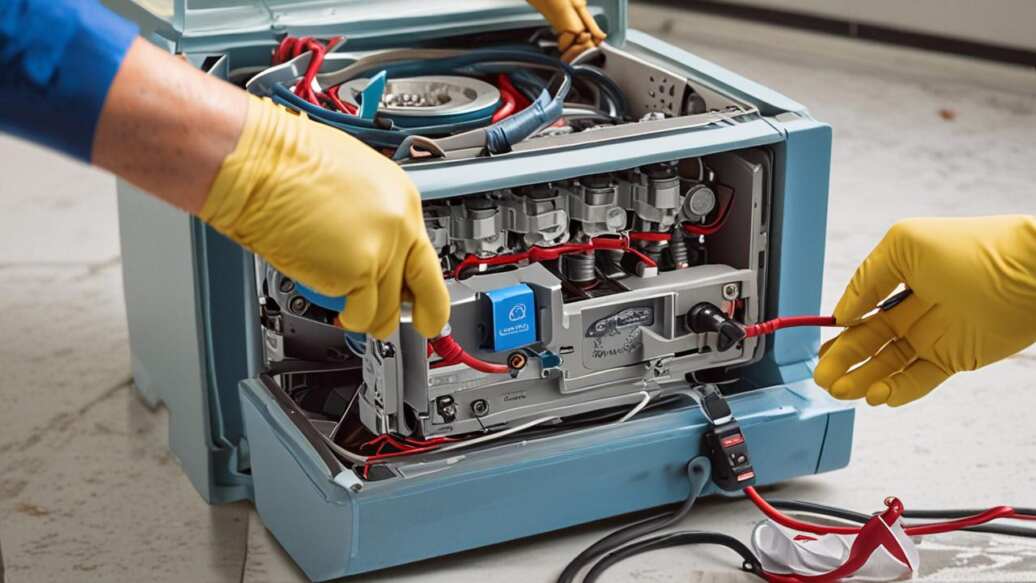
While some ice maker noises can be fixed with simple DIY steps, others require the expertise of a professional. If you’ve tried basic troubleshooting and the noise persists, or if you’re uncomfortable performing any of the steps, it’s time to call a technician. This is especially true for loud grinding, squealing, or electrical buzzing sounds.
If you hear loud grinding, squealing, or electrical buzzing sounds, do not attempt DIY repairs; these indicate a serious issue that requires a professional technician.
A professional can accurately diagnose complex issues, such as a faulty control board or a failing compressor in more advanced ice makers. They have the tools and knowledge to safely handle electrical components and refrigerant systems, ensuring the problem is fixed correctly the first time. Don’t risk further damage or injury by attempting repairs beyond your skill level.
Preventing Ice Maker Noise Issues
Regular maintenance can go a long way in preventing many common ice maker noise problems. Keeping your ice maker clean and ensuring it has a consistent water supply are crucial steps. Understanding Why Your Ice Maker Is Loud (Normal Vs Problem) also helps you know what to look for.
First, clean your ice maker regularly according to the manufacturer’s instructions. This removes any buildup that could cause jams or affect performance. Second, check the water filter and replace it as recommended.
Regularly replacing your ice maker's water filter is essential because a clogged filter restricts water flow and can generate unusual noises.
A clogged filter can restrict water flow and cause noise.
Next, periodically inspect the water line for kinks or damage. Then, ensure the ice bin is not overfilled. Finally, if your ice maker has adjustable leveling feet, check them occasionally to make sure the unit remains stable.
Ice Maker Sound Comparison: Normal vs. Problem
To help clarify Why Your Ice Maker Is Loud (Normal Vs Problem), let’s compare common sounds. This table highlights what to expect during normal operation versus when there might be an issue.
Understanding the difference between normal and problematic ice maker sounds is the key to knowing when to troubleshoot and when to call a professional.
Frequently Asked Questions
Is it normal for my ice maker to make noise when it’s not making ice?
Some minimal sounds, like a slight hum from the motor or the ice settling, might occur even when the ice maker isn’t actively producing. However, loud grinding or banging noises when not in the ice-making cycle usually indicate a problem.
My ice maker is making a loud grinding noise. What should I do?
A loud grinding noise often means the auger or motor is struggling. First, check for ice jams. If none, turn off the ice maker and consider calling a professional, as this can indicate motor failure.
How often should I clean my ice maker to prevent noise issues?
It’s generally recommended to clean your ice maker every 6 months. Regular cleaning helps prevent ice buildup and keeps the components running smoothly, reducing the chances of abnormal noise.
Why is my ice maker making a buzzing sound?
A buzzing sound could be from the water inlet valve, indicating low water pressure or a faulty valve. It might also be the motor straining. This is a common sign pointing to Why Your Ice Maker Is Loud (Normal Vs Problem), leaning towards a problem.
Can a simple water filter cause my ice maker to be loud?
Yes, a clogged or old water filter can restrict water flow. This can cause the water inlet valve to make noise and the motor to work harder, leading to unusual sounds.
Is it safe to ignore a slightly louder ice maker noise?
It’s best not to ignore even slightly louder noises. While some increases are normal with age, a sudden or significant change can be an early warning of a developing issue that could lead to a bigger problem if left unaddressed.
Final Thoughts
Understanding the sounds your ice maker makes is key to knowing if it’s working right. Normal noises are part of the process, but loud, unusual sounds often signal a problem. By paying attention and doing some basic checks, you can keep your ice maker running smoothly and quietly.