Why Food Sticks To Stainless Steel (And How To Fix)
At a Glance Food sticks to stainless steel primarily because the pan is not hot enough or the cooking surface lacks a proper fat barrier. Preheating the pan until water droplets skip across the surfac…
Food sticks to stainless steel primarily because the pan is not hot enough or the cooking surface lacks a proper fat barrier. Preheating the pan until water droplets skip across the surface and adding oil just before the food ensures the creation of a nonstick layer. Mastering these temperature and fat placement techniques eliminates sticking and makes stainless steel pans as easy to clean as nonstick options.
It’s frustrating when your delicious food turns into a sticky mess on your stainless steel pans. You want to enjoy your meals, not spend ages scrubbing burnt bits. Understanding Why Food Sticks to Stainless Steel (And How to Fix) can save you time and effort in the kitchen.
Knowing the common reasons and simple solutions means you’ll get better cooking results, keep your pans looking great, and make cleanup a breeze. Let’s find out how to prevent that sticking and make cooking a joy again.
Key Takeaways
- Stainless steel pans stick because of heat, cooking surface imperfections, and improper cooking techniques.
- Preheating your pan correctly is crucial for preventing food from sticking.
- Using the right amount of oil or fat creates a barrier between food and the pan.
- Proper food placement and not overcrowding the pan help food release easily.
- Learning how to clean and maintain your stainless steel pans keeps them in top shape.
- Simple cooking habits can significantly reduce sticking issues.

Why Does Food Seem to Grab Onto Stainless Steel?
Stainless steel is a popular choice for cookware. It looks nice and lasts a long time. But, it’s also known for making food stick.
This happens for a few main reasons. The metal itself has tiny pores and uneven spots. When you heat the pan, these spots can become hot spots.
Food, especially proteins like eggs or fish, can get caught in these tiny spaces. This creates a bond that’s hard to break. It’s not that stainless steel is bad, it’s just that it needs a little know-how to use it right.
The science behind it is simple. When you cook, food molecules, especially proteins and starches, can form chemical bonds with the metal surface. This bond is stronger when the pan is too hot or not hot enough.
It’s a delicate balance. Getting this balance wrong is a big part of Why Food Sticks to Stainless Steel (And How to Fix).

The Critical Role of Pan Temperature
One of the biggest mistakes people make is not heating their pan properly. Many think hotter is always better. But with stainless steel, this is often not true.
If the pan is too cold, food will stick immediately. If it’s too hot, the outside of your food can burn before the inside cooks, and it will still stick. The sweet spot is key.
You need to preheat the pan gradually. Start with medium heat. Let the pan warm up for a few minutes.
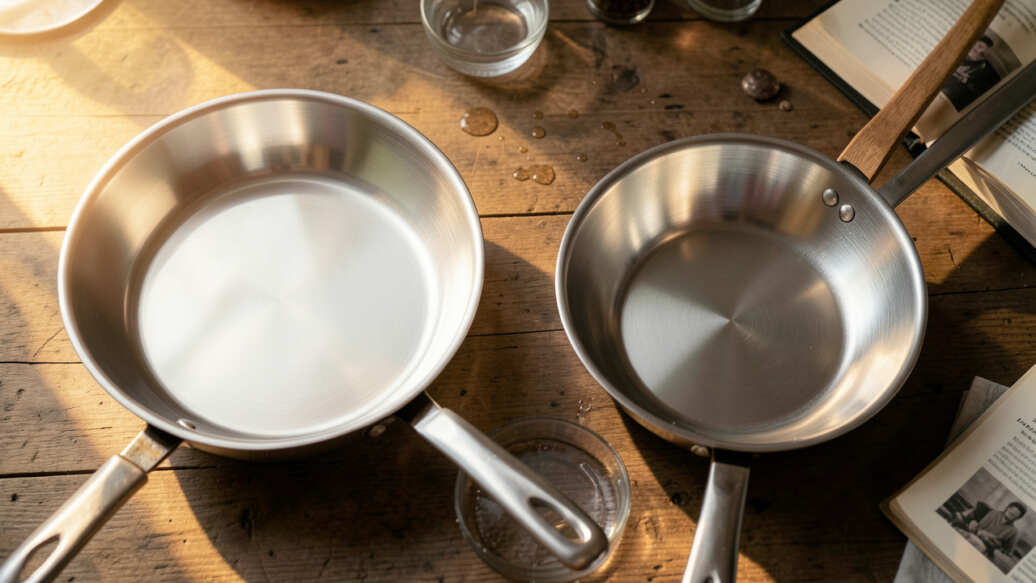
A good test is the water drop test. Flick a few drops of water into the pan. If they sizzle and disappear right away, the pan is too hot.
If they just sit there, it’s too cold. If the water drops form little balls and dance around the pan before evaporating, it’s just right. This tells you the pan is evenly heated and ready.
This preheating step is vital. It allows the metal to expand slightly. This expansion helps to fill in some of those tiny imperfections on the surface.
It creates a smoother surface for cooking. This is a fundamental step in understanding Why Food Sticks to Stainless Steel (And How to Fix).
The Magic of Cooking Oil and Fat
Oil and fat are your best friends when cooking with stainless steel. They create a slippery barrier. This barrier prevents food from directly touching the metal surface.
It’s like putting a tiny, invisible shield between your food and the pan. Without enough fat, even a properly heated pan can lead to sticking.
The type of fat matters a little. You want a fat with a medium to high smoke point. This means it can get hot enough for cooking without burning and creating smoke.
Good choices include vegetable oil, canola oil, grapeseed oil, or even butter or ghee. Butter has a lower smoke point, so it’s best added later in the cooking process or used with lower heat.
How much oil? You don’t need to drown your food. A thin, even coating is usually enough.
Swirl the pan after adding the oil to ensure it coats the entire cooking surface. You should see a shimmer on the oil, but it shouldn’t be smoking. This is another key part of Why Food Sticks to Stainless Steel (And How to Fix).
When to Add the Oil
This is important: add the oil after you’ve preheated the pan. Pouring oil into a cold pan will just make the oil soak into the metal’s pores. It won’t create that effective barrier.
Once the pan is hot, add your oil and let it heat up for about 30 seconds. You’ll see it shimmer slightly. Then, add your food.

Food Placement and Pan Crowding
How you put food into the pan also affects sticking. If you put food into a pan that’s too crowded, it won’t cook evenly. The food releases moisture, which then steams the other food instead of allowing it to sear and release.
This steam can actually make things stickier.
Cook in batches if needed. Give each piece of food enough space. When you add food to the hot, oiled pan, don’t move it around immediately.
Let it cook for a minute or two. You’ll notice that the food will start to release on its own when it’s ready. If you try to move it too soon and it feels stuck, give it a little more time.
It will usually let go.
This patience is a big part of solving Why Food Sticks to Stainless Steel (And How to Fix). Forcing food off the pan can damage the surface and make sticking worse next time.
The Science of Food Release
When food cooks, its structure changes. Proteins denature and fats render. In a properly heated and oiled pan, these changes allow the food to form a crust.
This crust is what then releases from the pan. If the pan is too cold or lacks sufficient lubrication, the food’s proteins can bond directly with the metal’s microscopic imperfections.
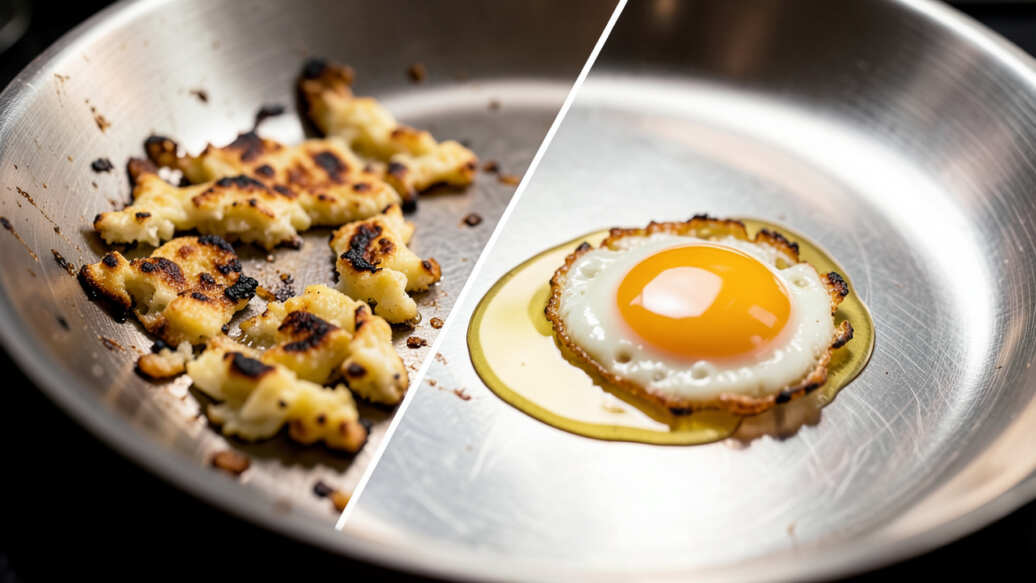
Consider cooking an egg. An egg white is mostly protein and water. When heated, the proteins coagulate.
If the pan is not hot enough or well-oiled, these proteins will grab onto the stainless steel. They create a strong bond. A hot pan, however, sears the egg quickly.
This searing process helps form a barrier that releases more easily. This is a clear example of Why Food Sticks to Stainless Steel (And How to Fix).

Understanding the Pan’s Surface
Stainless steel pans are made by pressing and shaping metal. This process can create microscopic pits and ridges on the cooking surface. Even polished stainless steel isn’t perfectly smooth.
These tiny imperfections are where food particles can get trapped. Over time, especially with improper cleaning or high heat, these imperfections can become more pronounced.
Some pans have a brushed finish, which can have a more noticeable texture. Others are polished to a mirror shine. The texture can influence how food interacts with the surface.
Regardless of the finish, the principles of heat and lubrication remain the most important factors.
The Role of Pan Quality
Not all stainless steel pans are created equal. Higher quality pans often have a thicker base. They might also have a layer of aluminum or copper sandwiched between layers of stainless steel.
This is called a clad construction. These materials conduct heat much more evenly. This reduces hot spots and creates a more consistent cooking surface.
Pans with a thinner base are more prone to hot spots and therefore sticking.

Pre-Seasoning Stainless Steel (A Different Approach)
Unlike cast iron, stainless steel doesn’t need traditional seasoning with oil that bakes onto the surface. However, you can create a temporary “seasoning” effect. This involves heating the pan, adding oil, and then wiping out most of it.
This leaves a very thin layer of polymerized oil. This can help make the surface slicker.
Here’s how to do it:
- First, wash and dry your pan thoroughly.
- Second, place it on medium heat for a few minutes until it’s warm.
- Next, add a tablespoon of cooking oil.
- Then, swirl the oil to coat the pan. Let it heat up until it just starts to shimmer.
- Finally, carefully pour out the excess oil. Use a paper towel to wipe the pan clean. You want a very thin, almost invisible layer of oil remaining.
Repeat this process a couple of times. This can help improve the non-stick qualities of your stainless steel. It’s a simple trick to help with Why Food Sticks to Stainless Steel (And How to Fix).
Cooking Techniques That Prevent Sticking
Beyond heat and oil, your cooking actions matter. Be patient. When cooking proteins like chicken or fish, resist the urge to move them too early.
Let them sear and develop a crust. You’ll feel them release when they’re ready. This often takes 2-4 minutes depending on the food and heat level.
For delicate items like fish fillets or pancakes, a good spatula is essential. A thin, flexible metal spatula can slide under food more easily. This helps prevent tearing and sticking.
When making a pan sauce, deglazing can also help. After cooking your main item, if there are browned bits stuck to the pan, add a liquid like broth or wine. Scrape the bottom of the pan.
This not only releases flavorful bits but also cleans the pan surface.

Cleaning Stainless Steel Properly
How you clean your pans can also affect how much they stick in the future. Harsh scrubbing pads or abrasive cleaners can scratch the surface. These scratches create more places for food to stick.
Always use a soft sponge or cloth. For stubborn bits, try soaking the pan in warm, soapy water.
If there are burnt-on food particles, a paste of baking soda and water can be very effective. Apply the paste, let it sit for a while, and then gently scrub. Avoid steel wool or metal scouring pads unless the manufacturer specifically says it’s okay.
Regular cleaning with mild soap and water is best for maintaining the pan’s surface. This is a crucial part of Why Food Sticks to Stainless Steel (And How to Fix).
Dealing with Discoloration
Sometimes stainless steel can develop rainbow-like or white cloudy spots. This is usually due to mineral deposits from water or residue from food. It’s harmless and doesn’t affect cooking performance.
You can remove these spots using a specialized stainless steel cleaner or a mixture of white vinegar and water. Soak a cloth in the mixture and wipe down the pan. Rinse and dry thoroughly.
When to Consider Other Cookware
While stainless steel is versatile, there are times when other materials might be better. For extremely delicate foods where sticking is a constant battle, a good non-stick pan might be a better choice. These pans have a special coating designed to prevent sticking.
However, non-stick coatings can wear out over time and may not be suitable for very high-heat cooking. Cast iron, when properly seasoned, is also excellent for searing and can be quite non-stick. But it requires more maintenance.
For everyday cooking and versatility, mastering your stainless steel is usually the best route.

Comparison: Stainless Steel vs. Non-Stick Pans
Understanding the differences helps you choose the right pan for the job. This knowledge is key to solving Why Food Sticks to Stainless Steel (And How to Fix).
Frequently Asked Questions
Question: Why do my eggs always stick to my stainless steel pan?
Answer: Eggs are proteins that easily bond to metal. To prevent sticking, ensure your stainless steel pan is properly preheated, use a thin layer of cooking oil, and let the eggs cook undisturbed for a minute or two before trying to move them.
Question: Can I use metal utensils on my stainless steel pans?
Answer: Yes, you can generally use metal utensils on stainless steel without causing damage. However, using them aggressively can create scratches over time, which might make sticking worse. Wooden or silicone utensils are gentler.
Question: How do I fix a stainless steel pan that food keeps sticking to?
Answer: To fix a sticky stainless steel pan, focus on proper preheating, using enough oil, and not overcrowding the pan. If it’s a persistent issue, you might need to try a gentle “seasoning” method with oil or ensure your cleaning methods aren’t damaging the surface.
Question: Is it normal for stainless steel pans to stain?
Answer: Yes, it’s normal for stainless steel pans to develop colorful or cloudy stains. These are usually mineral deposits or food residue and don’t affect cooking. They can often be removed with vinegar or specialized cleaners.
Question: Do I need to use a lot of oil to stop food from sticking to stainless steel?
Answer: No, you don’t need a lot. A thin, even layer of oil that coats the pan is usually sufficient. The goal is to create a barrier, not to fry the food in oil.
Question: Why does food stick even after I preheat the pan?
Answer: If food still sticks after preheating, the pan might not have reached the optimal temperature, or you might not be using enough cooking fat. Also, adding food too soon or overcrowding the pan can lead to sticking.
Final Thoughts
Preventing food from sticking to your stainless steel pans is achievable with simple techniques. Focus on proper preheating, using the right amount of cooking fat, and giving your food space to cook. By mastering these basics, you’ll enjoy easier cooking and cleanup, keeping your pans in great condition for years to come.