Why Distilled Water Makes Bad Ice (And What To Use)
At a Glance Distilled water produces cloudy, inferior ice because its lack of dissolved minerals and gases prevents the directional freezing that creates clarity, instead leading to random nucleation…
Distilled water produces cloudy, inferior ice because its lack of dissolved minerals and gases prevents the directional freezing that creates clarity, instead leading to random nucleation that traps air and impurities. The pure water also freezes more slowly and melts faster, as the absence of dissolved solids lowers its freezing point and reduces thermal mass. For better ice, use spring water or filtered tap water, whose controlled mineral content encourages clear freezing and a slower, more even melt. The key takeaway is that a moderate level of dissolved solids—around 50–150 ppm—is essential for achieving the clear, slow-melting ice preferred in cocktails and food service.
Have you ever wondered why your ice cubes sometimes look cloudy or just don’t seem right? It’s a common kitchen mystery, and often, the culprit is the water you’re using. Understanding Why Distilled Water Makes Bad Ice (And What To Use) can make a big difference in your drinks and even in how your freezer works.
Getting this right means clearer ice, better-tasting beverages, and ice that melts more slowly. We’ll explore what’s happening inside your ice tray and suggest the best water choices.
Key Takeaways
- Distilled water removes minerals and impurities, which can lead to cloudier ice than tap water.
- The process of freezing tap water causes impurities to cluster, leaving clearer ice in the center.
- Using spring water or filtered tap water often results in better ice quality for drinks.
- Ice made from distilled water may melt faster due to the lack of dissolved solids.
- Understanding water types helps improve the clarity, taste, and melt rate of your ice cubes.
Why Distilled Water Makes Bad Ice
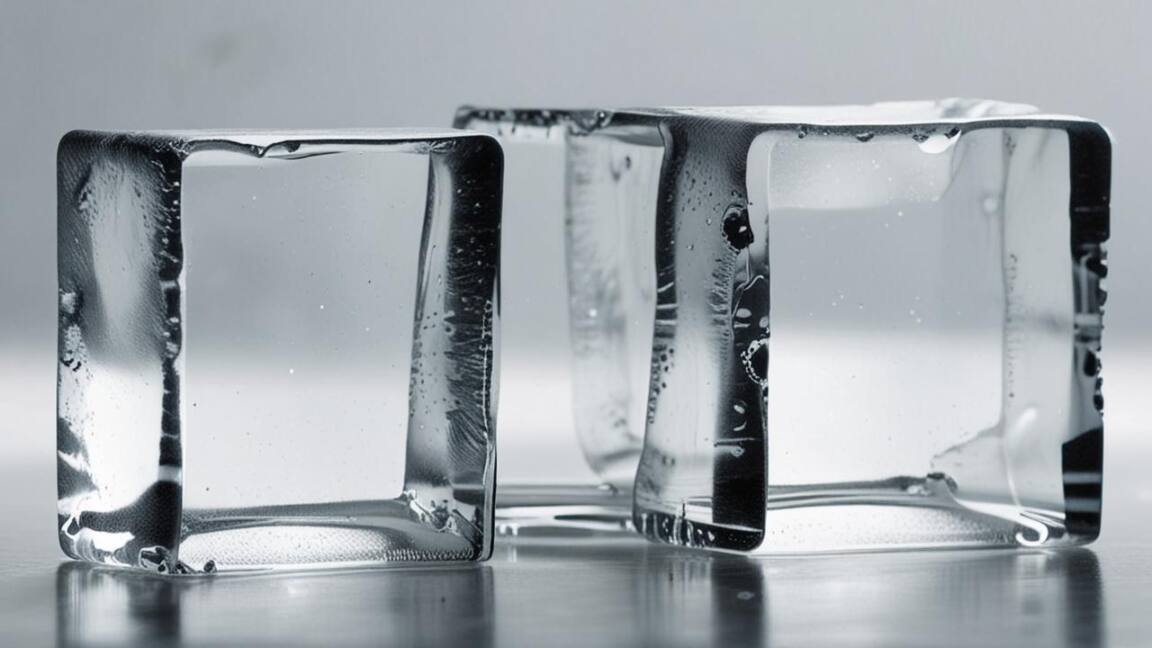
It might seem strange, but using distilled water for ice can often lead to less-than-ideal results. The main reason behind Why Distilled Water Makes Bad Ice (And What To Use) boils down to what’s missing from the water. Distilled water has had almost all its minerals and impurities removed through a process called distillation.
This leaves behind very pure H2O. While this purity is great for some things, like in irons or car batteries, it affects how ice forms.
For clearer ice cubes, switch to water that contains a moderate amount of dissolved minerals, as these help guide trapped air bubbles toward the center rather than uniformly clouding the cube.
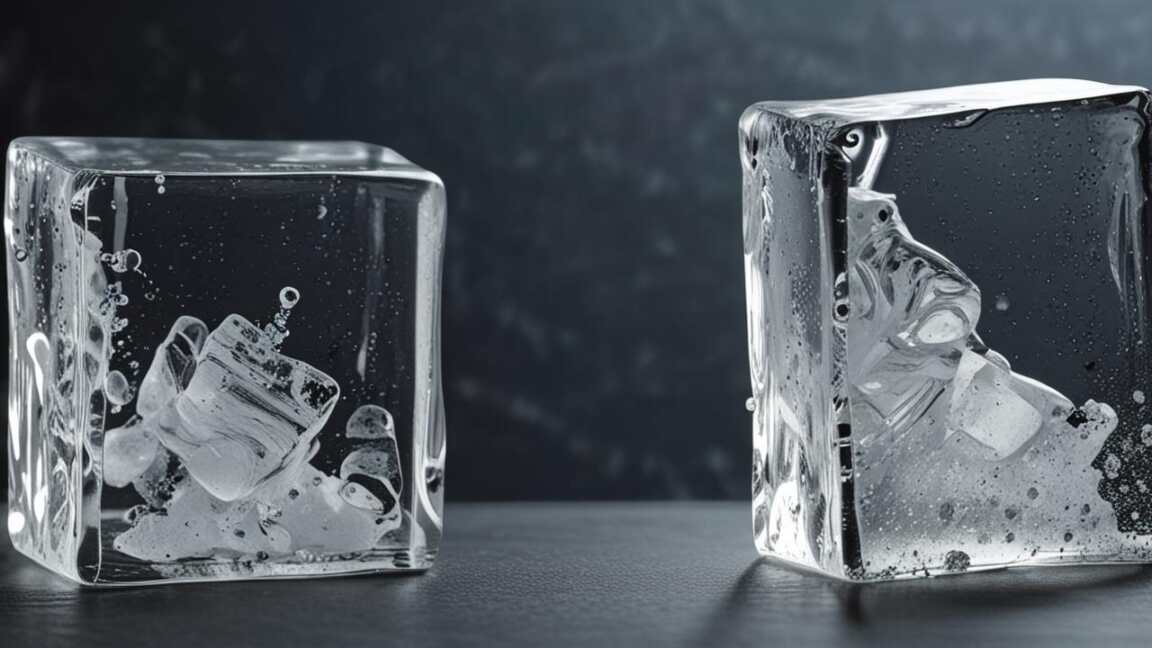
When water freezes, the impurities and dissolved solids tend to get pushed to the center. This is why ice made from regular tap water often has a cloudy core and clearer edges. The cloudiness comes from trapped air bubbles and minerals.
With distilled water, there are hardly any impurities to push around. This means the water freezes more uniformly, and any trapped air bubbles become more visible as cloudiness throughout the entire ice cube, rather than just in the center.
So, if you’re aiming for crystal-clear ice cubes that look appealing in your drinks, distilled water might not be your best bet. The lack of dissolved solids means the freezing process happens differently. This is a key part of understanding Why Distilled Water Makes Bad Ice (And What To Use).
The Science Behind Cloudy Ice
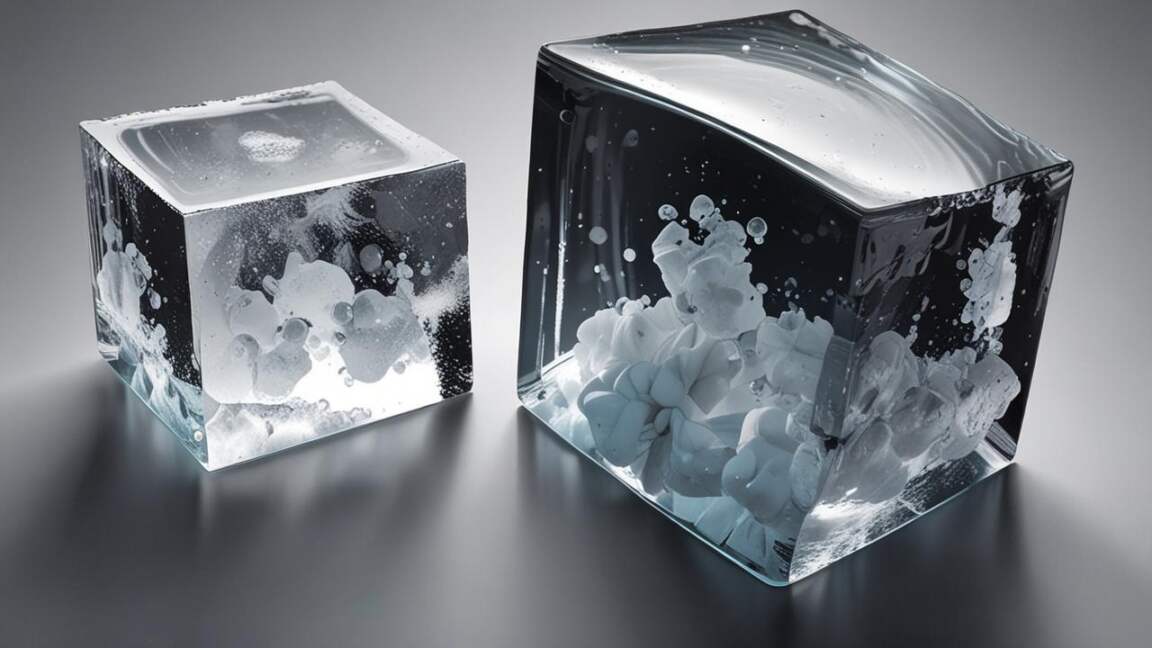
Let’s break down the science a bit more. Freezing is a process where water molecules arrange themselves into a solid structure. When water contains dissolved minerals, gases, and other particles, these substances interfere with the formation of a perfect ice crystal lattice.
As the water cools and begins to freeze, typically from the outside in, the dissolved impurities and air bubbles are pushed away from the forming ice crystals.
This pushing action forces the impurities and gases toward the center of the ice cube. As more water freezes, these pushed-away substances become concentrated in the last bit of water to freeze. This central core is where most of the cloudiness is found in ice made from tap water.
In distilled water, air bubbles lack mineral particles to attach to, so they become evenly distributed throughout the ice, creating a uniformly cloudy appearance.
It’s essentially a collection of what was removed from the rest of the ice.
In contrast, distilled water is very pure. There are very few dissolved solids or gases to be pushed around. This allows the water molecules to freeze into a more uniform crystalline structure.
However, any tiny air bubbles that are present in the distilled water when you pour it into the tray don’t have impurities to cling to. They get frozen in place as the water freezes, leading to a more uniformly cloudy appearance throughout the entire ice cube, rather than just a cloudy center. This is a crucial aspect when considering Why Distilled Water Makes Bad Ice (And What To Use).
How Water Purity Affects Ice Clarity
The level of purity in your water directly impacts the clarity of your ice. We’ve touched on this, but it’s worth emphasizing. Tap water, while safe to drink, contains a variety of dissolved substances.
These can include calcium, magnesium, sodium, and various trace minerals. It also contains dissolved gases like oxygen and nitrogen from the atmosphere.
When tap water freezes, these dissolved substances are forced out of the forming ice crystals. They get concentrated in the unfrozen water. The air bubbles, in particular, get trapped.
The very minerals that make tap water safe to drink are responsible for trapping air and creating cloudy ice.
Imagine trying to build a neat stack of blocks with pebbles and marbles mixed in; it’s harder to get a perfectly smooth surface. The impurities and air bubbles in tap water act like those pebbles and marbles, disrupting the smooth formation of ice crystals.
Distilled water, on the other hand, is stripped of these minerals and dissolved gases. This lack of impurities means that when it freezes, the water molecules can arrange themselves more neatly. However, any air that was dissolved in the water before freezing, or that gets introduced as you pour, has nowhere to go but into the ice structure.
This leads to a more uniform distribution of tiny air bubbles throughout the ice, making the entire cube appear cloudy. This explains a major part of Why Distilled Water Makes Bad Ice (And What To Use).
The Role of Minerals and Gases
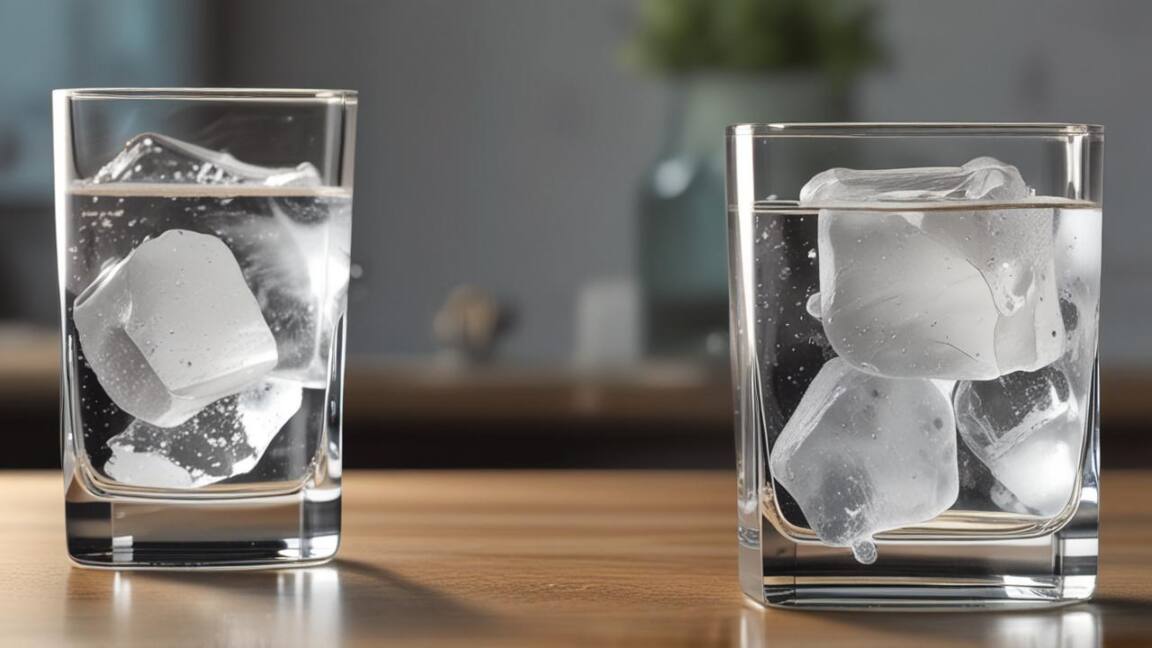
Minerals and dissolved gases play a significant role in the appearance of ice. Think of minerals as tiny particles suspended in the water. As water freezes, these particles can’t easily fit into the organized structure of ice.
They are pushed aside. This is why mineral-rich water often produces cloudier ice.
To reduce cloudiness, consider using filtered water that retains some minerals, as these help concentrate air bubbles in the center rather than throughout the cube.
Dissolved gases also contribute to cloudiness. When water is agitated or exposed to air, it absorbs gases. As water freezes, these gases become less soluble.
They escape the water and form tiny bubbles. In tap water, these bubbles tend to get pushed towards the center along with the minerals. In distilled water, with fewer minerals to guide them, these bubbles can become more evenly dispersed throughout the ice.
The absence of these elements in distilled water is precisely why it often results in what many consider “bad” ice – ice that is uniformly cloudy rather than having a clear core. This is a fundamental concept when discussing Why Distilled Water Makes Bad Ice (And What To Use).
What Happens When Distilled Water Freezes
When you pour distilled water into an ice cube tray and place it in the freezer, a few things happen. First, the water begins to cool down. As it approaches its freezing point, the molecules start to slow down.
In pure water, the molecules can begin to arrange themselves into an orderly crystalline structure relatively easily.
Despite its purity, distilled water often produces cloudier ice than expected because even minimal trapped air becomes uniformly dispersed without minerals to concentrate it.
However, even distilled water isn’t perfectly devoid of all air. As you pour the water, or from the air around it, some air molecules can become dissolved. When the water freezes, these air molecules get trapped within the forming ice crystals.
Since there are no minerals to help corral these bubbles into the center, they become distributed throughout the ice cube. This creates a milky or cloudy appearance in the entire ice cube.
The lack of dissolved solids also means that distilled water ice might melt differently. Without the minerals to slightly lower the freezing point or affect the structure, the ice might be more brittle or melt slightly faster than ice made from mineral-rich water. This is a critical point when we talk about Why Distilled Water Makes Bad Ice (And What To Use).
Why Clear Ice Matters (And When It Doesn’t)
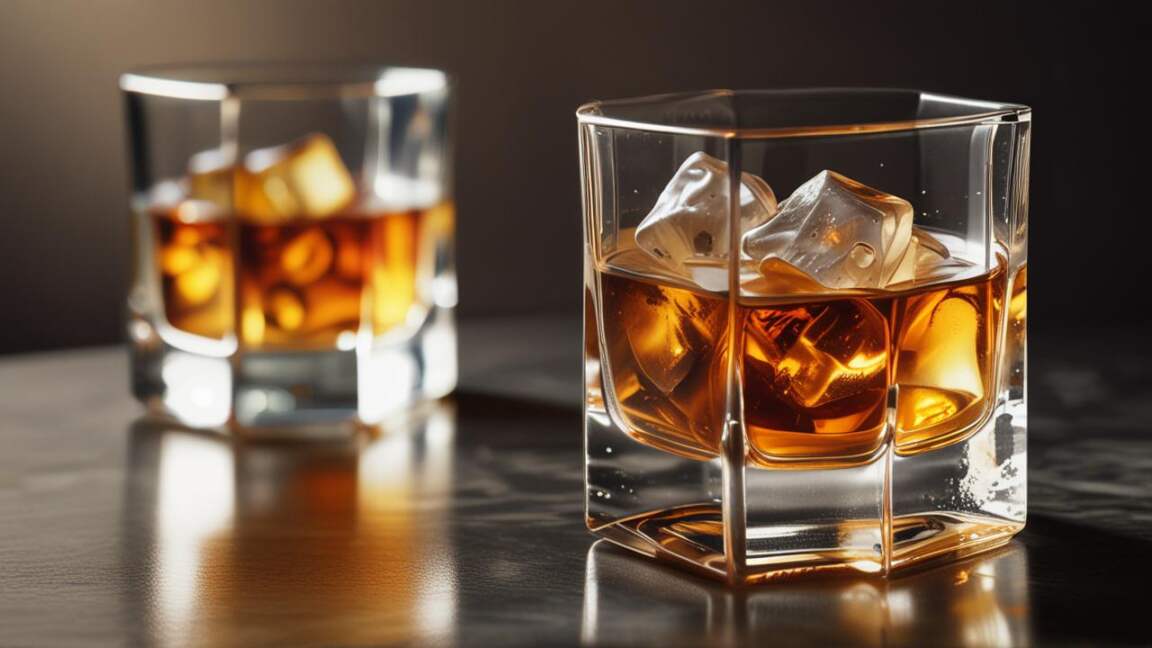
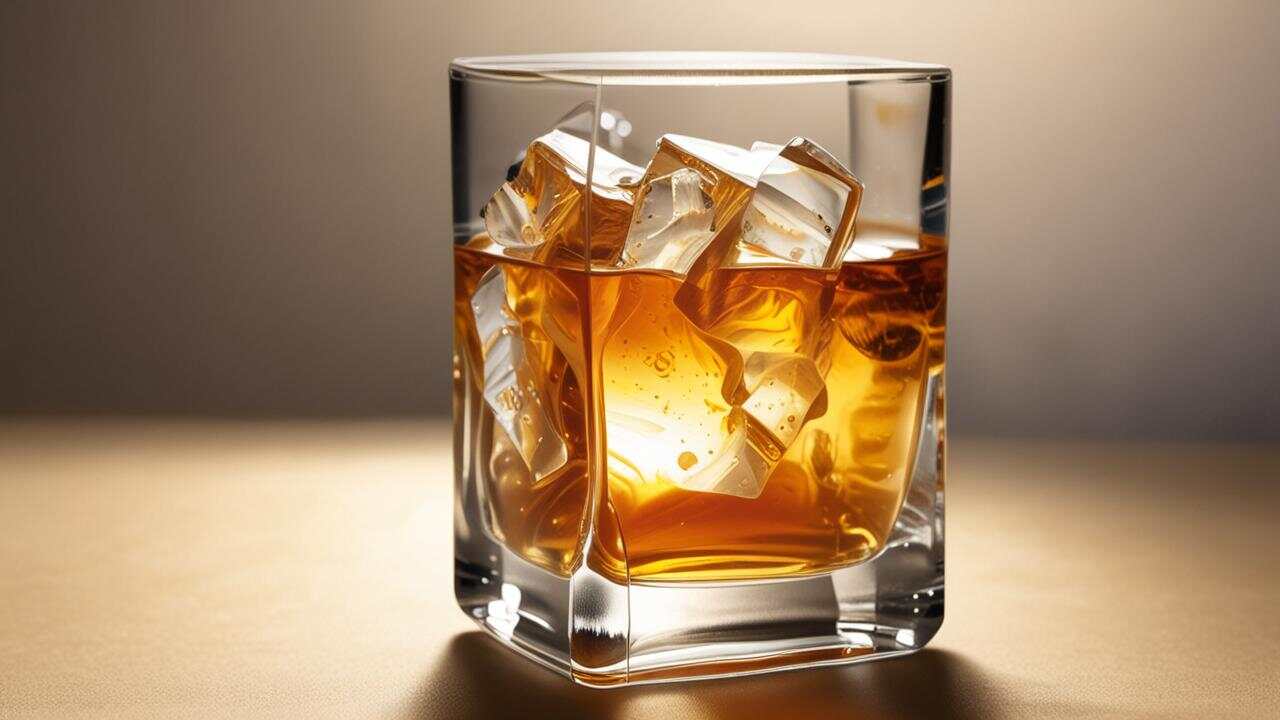
For many people, clear ice is more than just aesthetics; it’s a sign of quality. In cocktails and beverages, clear ice cubes look more professional and appealing. They suggest that care has been taken.
Clear ice also tends to melt more slowly than cloudy ice, meaning your drink doesn’t get diluted as quickly. This is because clear ice, formed with fewer impurities, has a more compact crystalline structure.
Clear ice melts more slowly than cloudy ice because its compact crystalline structure has fewer impurities and air pockets, reducing drink dilution.
However, the “bad ice” from distilled water isn’t actually bad in terms of safety or function. It’s just different. If you’re making ice for a cooler to keep drinks cold, or for a blender to make a smoothie, the clarity of the ice might not matter at all.
In these cases, using distilled water is perfectly fine, and you might even prefer it if you’re concerned about mineral buildup in your ice maker.
The preference for clear ice is often tied to the presentation of drinks. Understanding Why Distilled Water Makes Bad Ice (And What To Use) helps you achieve the look you want for your beverages. If you want clear ice, you need to use water that allows for that formation.
What Water To Use For Better Ice
If you’re looking to make better-looking ice, the best approach is often to use water that isn’t completely pure but also isn’t overloaded with impurities. Here are some excellent options:
Filtered tap water strikes the perfect balance between removing unwanted impurities and retaining enough minerals to produce noticeably clearer ice.
- Filtered Tap Water: This is often the best compromise. A good water filter, like a Brita or a more advanced reverse osmosis system, removes many of the impurities and chlorine from tap water that can affect taste and appearance. However, it usually leaves some minerals behind, which can still contribute to the formation of clear ice with a slightly cloudy center, or at least better clarity than distilled.
- Spring Water: Natural spring water can produce good ice. It contains minerals, but often in a balance that results in relatively clear ice. The taste is also generally pleasing. Be mindful that some spring waters might have a higher mineral content, which could still lead to cloudier ice.
- Boiled Tap Water: This is an old trick for clearer ice. First, boil your tap water. This helps to drive off some of the dissolved gases. Second, let the boiled water cool completely. Next, pour it into your ice cube trays. This method helps reduce the number of air bubbles trapped in the ice, leading to clearer cubes. You might need to do this twice for really clear ice.
These alternatives address the core issue of Why Distilled Water Makes Bad Ice (And What To Use) by providing water with the right balance of purity and dissolved solids.
Comparing Water Types for Ice Making
To help clarify the differences, let’s look at a comparison of water types for making ice.
If clarity is your goal, avoid distilled water and instead use filtered or spring water, which produce mostly clear ice with only a cloudy center.
This table highlights why understanding Why Distilled Water Makes Bad Ice (And What To Use) leads you to choose differently based on your goals.
Tips for Making Clearer Ice
Beyond choosing the right water, there are other techniques you can use to get clearer ice cubes:
- Directional Freezing: This is a more advanced technique. It involves forcing the water to freeze in one direction, typically from top to bottom. You can achieve this using specialized ice molds or by insulating the sides and bottom of your ice tray, allowing it to freeze from the top down. This pushes impurities and air into a smaller area, often at the bottom, leaving the rest of the ice clear.
- Use Warm Water: While it might seem counterintuitive, using warm water (not boiling) can sometimes result in clearer ice. Warm water can hold less dissolved gas than cold water. When it freezes, there are fewer gas bubbles to get trapped.
- Double Boiling and Freezing: For exceptionally clear ice, you can boil your tap water, let it cool, then pour it into trays and freeze. For even better results, you can take the partially frozen ice (the outer shell), discard the cloudy water in the center, and refreeze the clear ice. This is a more involved process but yields results similar to directional freezing.
- Clean Your Ice Maker: If you have a refrigerator with an automatic ice maker, regularly cleaning it is important. Mineral buildup can affect the quality and taste of the ice.
These methods, combined with the right water choice, can significantly improve your ice-making results and directly address Why Distilled Water Makes Bad Ice (And What To Use) by offering solutions beyond just the water source.
Frequently Asked Questions
Why does distilled water make my ice cloudy?
Distilled water is very pure, meaning it lacks minerals and dissolved gases. When it freezes, any trapped air bubbles become evenly distributed throughout the ice, making the whole cube appear cloudy, unlike tap water which often has a cloudy center from pushed-aside impurities.
Is ice made from distilled water safe to drink?
Yes, ice made from distilled water is perfectly safe to drink. The cloudiness is due to air bubbles, not harmful contaminants.
Will using distilled water in my ice maker damage it?
No, using distilled water in your ice maker is generally safe and can even be beneficial. It prevents mineral buildup that can occur with tap water.
What is the best type of water for clear ice cubes?
Filtered tap water or spring water often produces the clearest ice. Boiling tap water and letting it cool before freezing also helps create clearer ice by reducing trapped air.
Does the cloudiness in ice affect its taste?
The cloudiness itself doesn’t usually affect the taste. However, impurities in tap water that cause cloudiness can sometimes impart a slight taste to the ice.
Can I use distilled water if I want ice that melts slower?
Ice made from distilled water may melt slightly faster than ice made from tap water because it lacks dissolved solids that can affect the freezing and melting points.
Why does tap water ice have a clear outside and cloudy inside?
This happens because impurities and dissolved gases in tap water are pushed away from the forming ice crystals and collect in the center, which is the last part to freeze.
Final Thoughts
Making better ice is simple once you understand the science. Choosing filtered or boiled tap water over distilled water will give you clearer, more appealing ice cubes. This simple change can elevate your drinks and is the key to answering Why Distilled Water Makes Bad Ice (And What To Use).