What Is Mise En Place And How To Do It At Home
At a Glance Mise en place is the French culinary technique of prepping and organizing all ingredients and tools before starting to cook, simply done by measuring, chopping, and arranging everything in…
Mise en place is the French culinary technique of prepping and organizing all ingredients and tools before starting to cook, simply done by measuring, chopping, and arranging everything in advance. This practice reduces cooking stress and improves efficiency by preventing last-minute scrambling and common mistakes. It works for any dish from simple weeknight meals to complex baking or stir-fries, ensuring a smoother and more enjoyable cooking process.
Cooking can feel overwhelming sometimes, especially when you’re trying out a new recipe or have a lot to get done. You might wonder What is Mise en Place and How to Do It at Home and why it even matters. It’s a simple French cooking term that means “everything in its place.” Getting your ingredients prepped and ready before you start cooking makes the whole process smoother, faster, and way more enjoyable.
You’ll find yourself less stressed and more in control, leading to better results in the kitchen. Let’s see how you can bring this helpful practice into your own cooking routine.
Key Takeaways
- Mise en place is a French culinary term meaning “everything in its place.”
- It involves prepping and organizing all ingredients and tools before cooking begins.
- Practicing mise en place reduces stress and makes cooking more efficient.
- It helps prevent mistakes and ensures a smoother cooking experience.
- You can easily implement mise en place at home with a few simple steps.
- This method is beneficial for both simple weeknight meals and complex dishes.
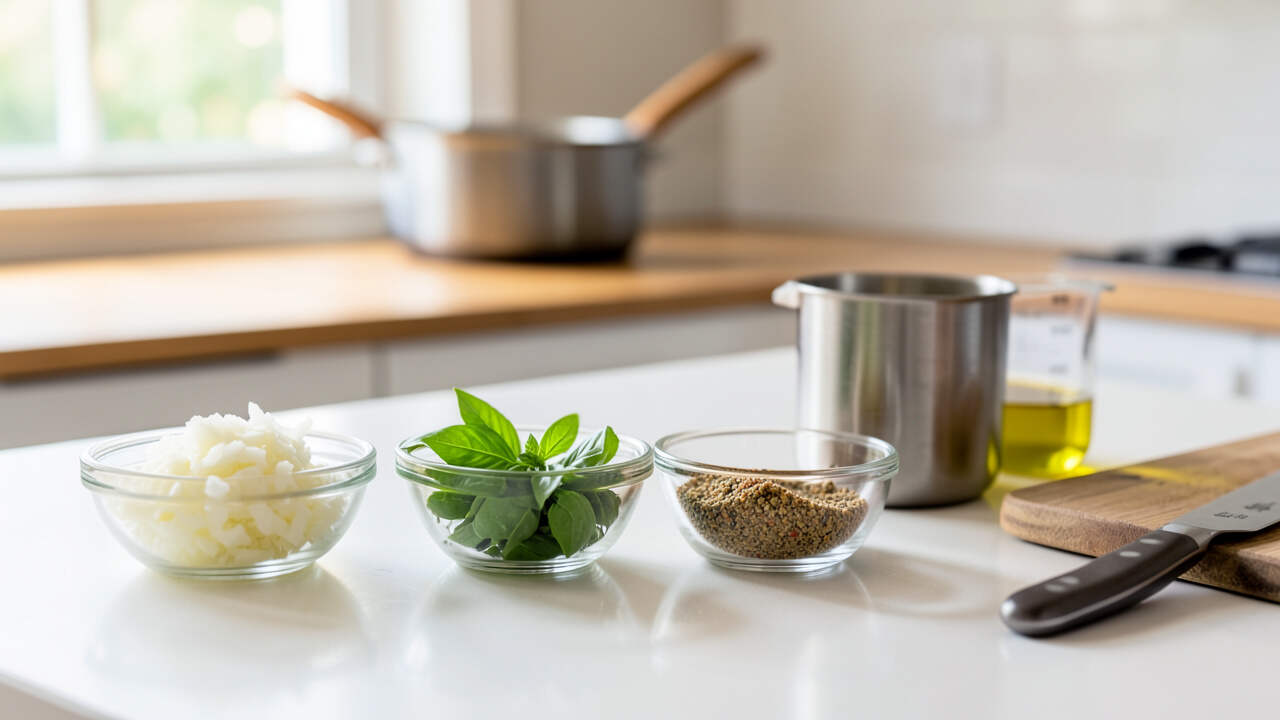
What is Mise en Place and How to Do It at Home
Ever feel like cooking is a race against the clock? You’re chopping, measuring, and scrambling while the pan is already heating up. This is where the magic of mise en place comes in.
It’s a fundamental concept in professional kitchens, but it’s incredibly valuable for home cooks too. The basic idea is to have everything ready before you even turn on the stove. This means all your vegetables are chopped, your spices are measured, and your tools are within reach.
Learning What is Mise en Place and How to Do It at Home can truly transform your cooking experience.
The term “mise en place” is French, and it literally translates to “putting in place.” In a professional kitchen, it’s the disciplined practice of organizing and arranging all the ingredients and equipment needed for a dish before cooking starts. This isn’t just about neatness; it’s about efficiency, accuracy, and safety. For home cooks, it means the difference between a chaotic kitchen experience and a calm, controlled one.
It makes cooking feel less like a chore and more like a creative process.
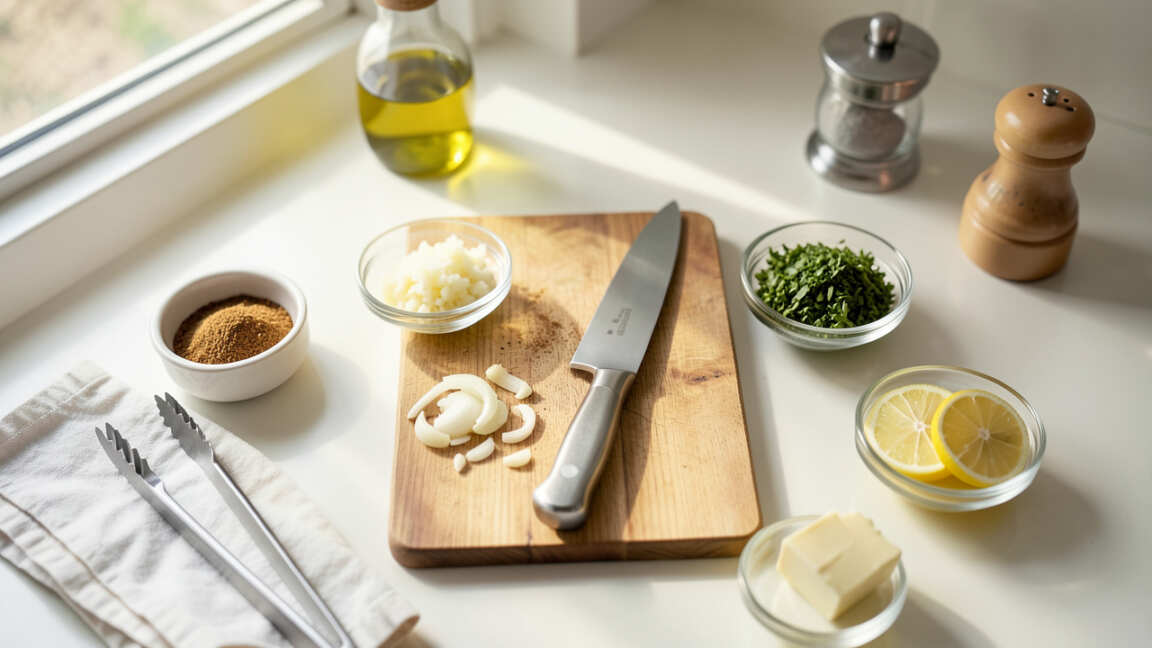
Why Mise en Place Makes Cooking Easier
The primary benefit of mise en place is that it drastically reduces stress during the actual cooking phase. When you’re not frantically searching for an ingredient or trying to chop an onion while your garlic is burning, you can focus on the cooking itself. This focused attention helps you cook more accurately and prevents common mistakes that happen when you’re rushed.
Think about it: if a recipe calls for adding ingredients at specific times, having them pre-measured and ready means you can add them exactly when needed. This is especially important for recipes with quick cooking times, like stir-fries or delicate sauces. You can also better control the heat and cooking process when you’re not multitasking under pressure.
Another significant advantage is improved recipe accuracy. When you measure everything beforehand, you’re less likely to make errors in quantity. This is crucial for baking, where precise measurements are key to success.
Even in savory cooking, getting the seasoning right is easier when spices are measured out in advance.
Finally, practicing mise en place promotes a cleaner workspace. By prepping everything at once, you can clean up as you go, rather than having a mountain of dishes and prep bowls to tackle after your meal is done. This makes the entire cooking process, from start to finish, more pleasant.
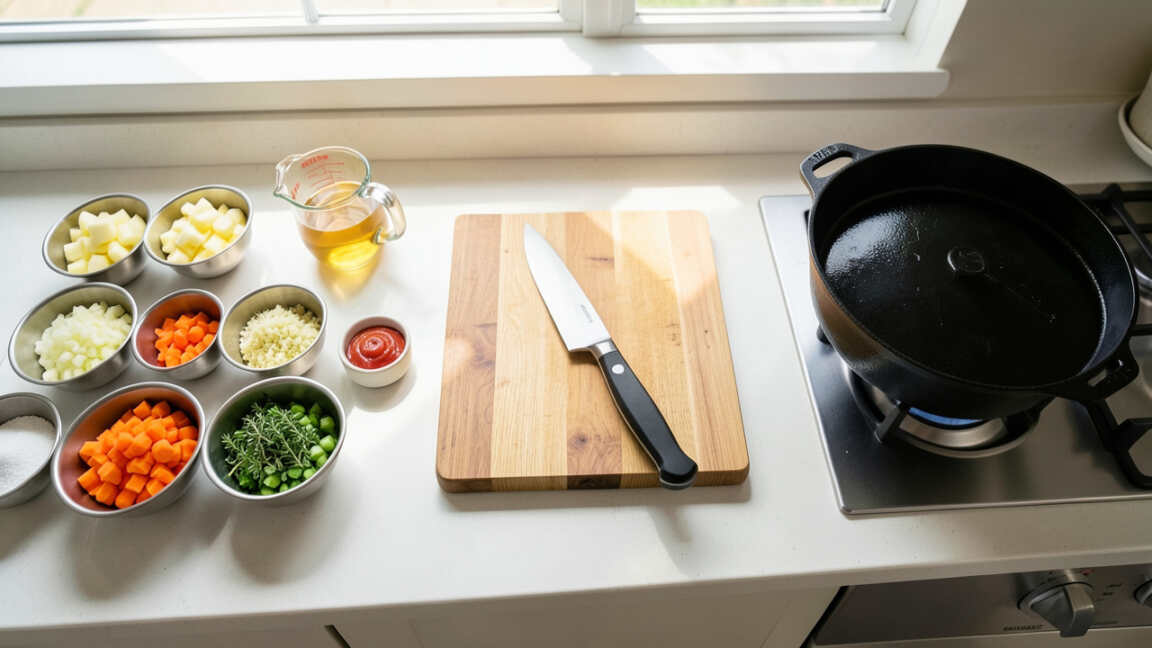
How to Implement Mise en Place at Home
Getting started with mise en place at home is straightforward. It doesn’t require fancy equipment, just a bit of planning and discipline. The core principle is to prepare everything before you begin the active cooking steps.
Let’s break down What is Mise en Place and How to Do It at Home into actionable steps.
First, read the recipe thoroughly. Understand all the steps and what ingredients and tools you’ll need. This initial read-through is crucial for planning your prep work.
Second, gather all your ingredients. Pull everything out of the pantry, refrigerator, and spice rack. Make sure you have enough of each item.
Next, prepare your ingredients. This is the heart of mise en place.
- Chop all your vegetables, herbs, and aromatics.
- Measure out all your dry ingredients like flour, sugar, and spices.
- Measure out all your wet ingredients like oils, vinegars, and liquids.
- Portion out any proteins or other main components.
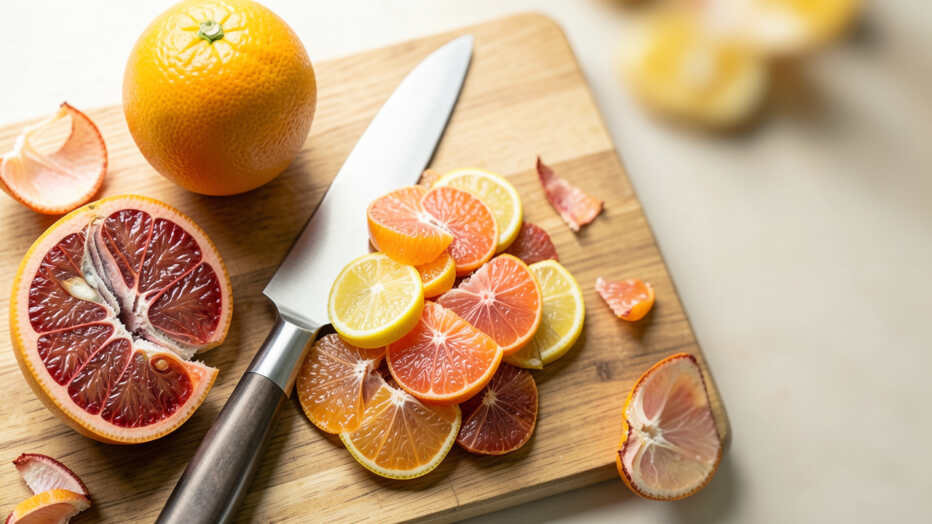
- Zest or juice citrus fruits if needed.
- Mince garlic or ginger.
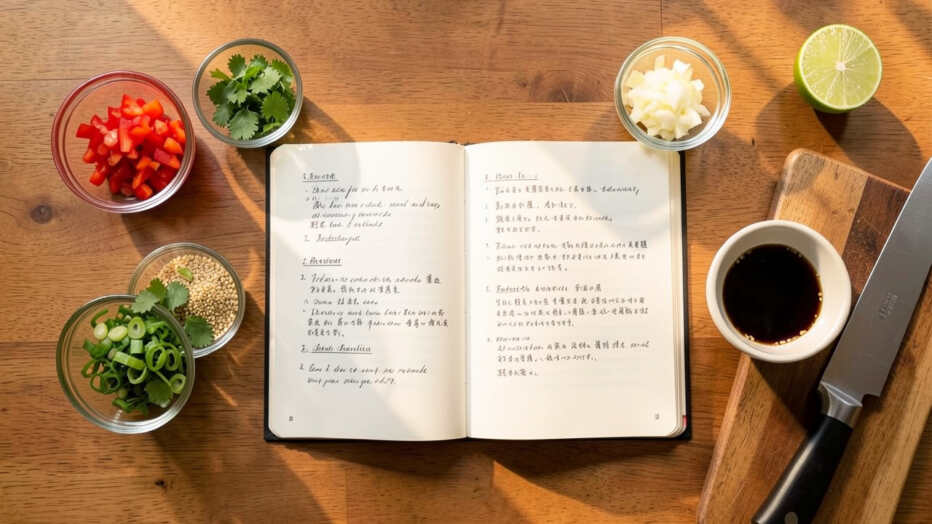
Then, organize your prepped ingredients. Place each prepared ingredient in its own small bowl, ramekin, or even a section of a muffin tin. This keeps things separate and easy to grab.
If you’re making a complex dish with multiple components, you might want to group ingredients by the order they are added to the pot or pan.
After that, gather and prepare your tools. Make sure you have the right pots, pans, spatulas, whisks, and serving dishes ready. Set out your cutting board and knives.
If you need to preheat your oven or a specific pan, do that now.
Finally, arrange your mise en place setup. Place your prepped ingredients and tools around your cooking area in the order you will need them. This creates a logical workflow and minimizes movement.
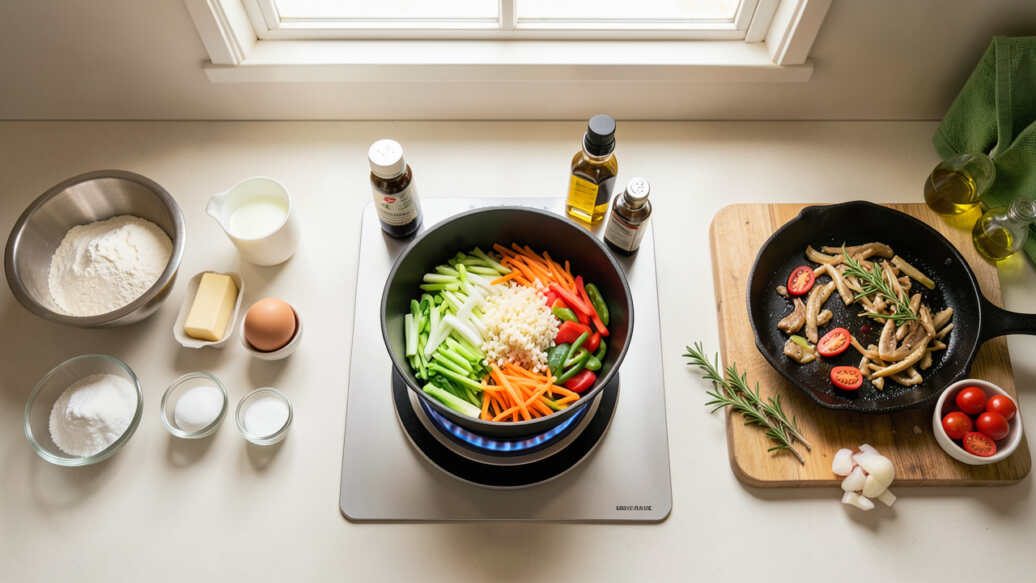
Mise en Place for Different Types of Cooking
The beauty of mise en place is its versatility. It can be adapted to fit any cooking style or dish complexity. Understanding What is Mise en Place and How to Do It at Home means recognizing its application across various culinary scenarios.
Simple Weeknight Meals
For a quick pasta dish or a simple chicken breast, mise en place might involve chopping an onion and garlic, measuring out your pasta, and portioning your chicken. You might also measure out your sauce ingredients. This takes just a few minutes but can save you from feeling rushed after a long day.
Baking
Baking is where mise en place truly shines. Ingredients for cakes, cookies, or bread often need to be added in a specific order and at precise temperatures. Measuring out all your dry ingredients into one bowl and your wet ingredients into another, then having them ready, prevents errors and ensures a better final product.
For example, if a recipe calls for softened butter, make sure it’s softened before you start mixing.
Stir-fries
Stir-fries cook very quickly. Having all your vegetables sliced, your protein cut into bite-sized pieces, and your sauce mixed before you start cooking is essential. You’ll be adding ingredients to the hot wok in rapid succession, so there’s no time to chop or measure once you begin.
Roasts and Slow-Cooked Meals
Even for dishes that cook for a long time, mise en place is beneficial. Prepping vegetables to be roasted alongside a chicken or ensuring all the components for a slow cooker meal are ready means you can simply assemble and turn it on. This is especially helpful for morning prep before heading to work.
Tools to Help You Master Mise en Place
While you can do mise en place with basic kitchen items, a few tools can make the process even smoother. These aren’t strictly necessary, but they can enhance your experience.
- Prep Bowls and Ramekins: Small bowls are perfect for holding chopped ingredients, measured spices, and liquids. A set of various sizes is incredibly useful.
- Muffin Tins: For smaller quantities of ingredients, like spices or chopped herbs, a muffin tin can be a great alternative to multiple small bowls.
- Measuring Cups and Spoons: Accurate measuring is key. Having a good set of both dry and liquid measuring tools is essential.
- Sharp Knives and Cutting Boards: Efficient chopping starts with good tools. A sharp knife makes prep work faster and safer.
- Containers with Lids: If you’re prepping ahead of time, airtight containers are important for storing prepped ingredients in the refrigerator.
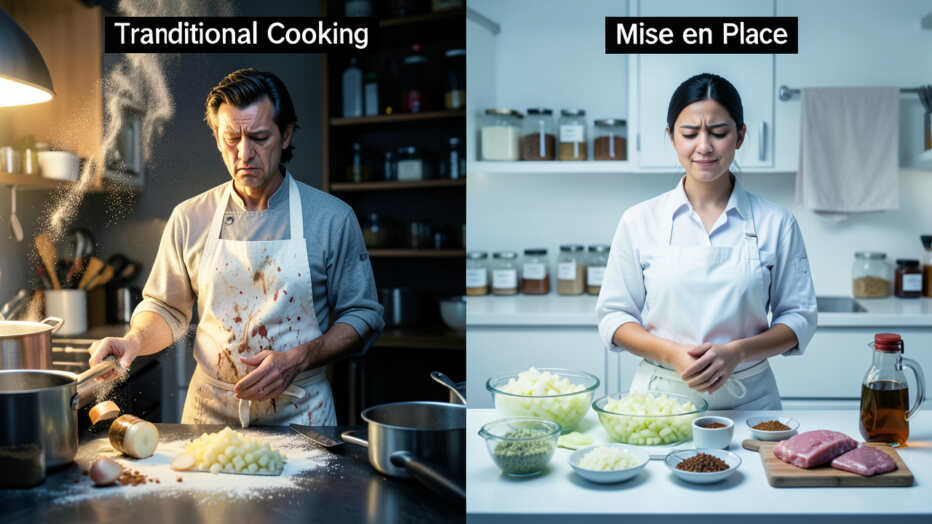
Mise en Place vs. Traditional Cooking Preparation
The difference between traditional cooking preparation and mise en place lies in the timing and organization. Traditional prep often involves doing tasks as they are needed during the cooking process. Mise en place is about completing all prep work before the cooking begins.
The table above highlights the core differences. While traditional prep might seem quicker for very simple tasks, it quickly becomes chaotic for anything more involved. Mastering What is Mise en Place and How to Do It at Home is about adopting a more structured and less stressful approach.
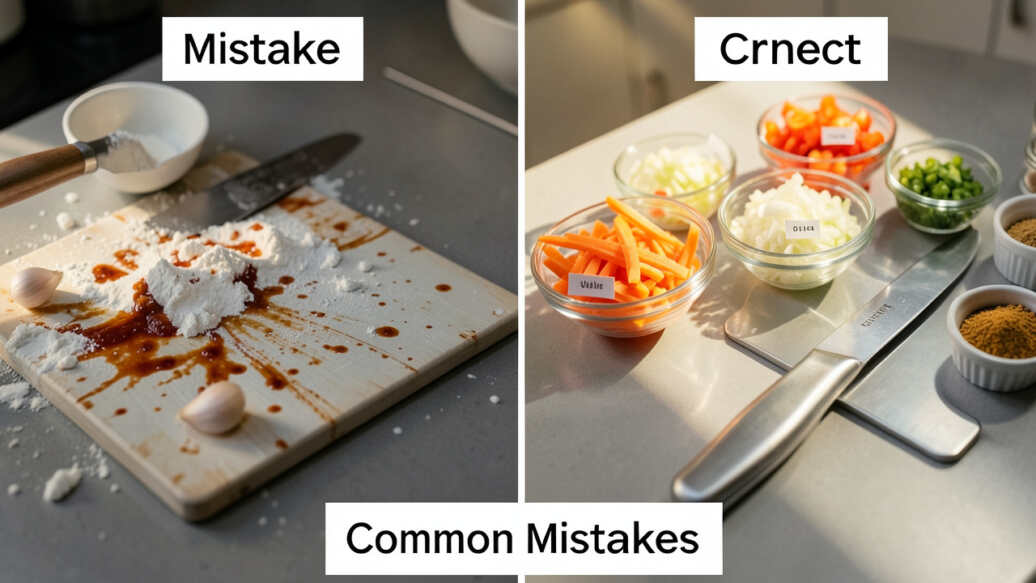
Common Mistakes to Avoid with Mise en Place
Even with the best intentions, there are a few pitfalls to watch out for when practicing mise en place.
- Not reading the recipe first: Always understand the full recipe before you start prepping. You don’t want to chop onions only to realize the recipe needs them diced later.
- Over-prepping: Some ingredients, like delicate herbs or certain vegetables, are best chopped right before cooking to maintain freshness and texture.
- Forgetting tools: Make sure you have all the necessary utensils, pans, and serving dishes ready.
- Cluttering your workspace: While mise en place organizes ingredients, ensure your prep area itself isn’t too crowded.
- Not cleaning as you go: Even with prepped ingredients, some cooking processes create mess. Wipe down surfaces and wash bowls as you finish with them.
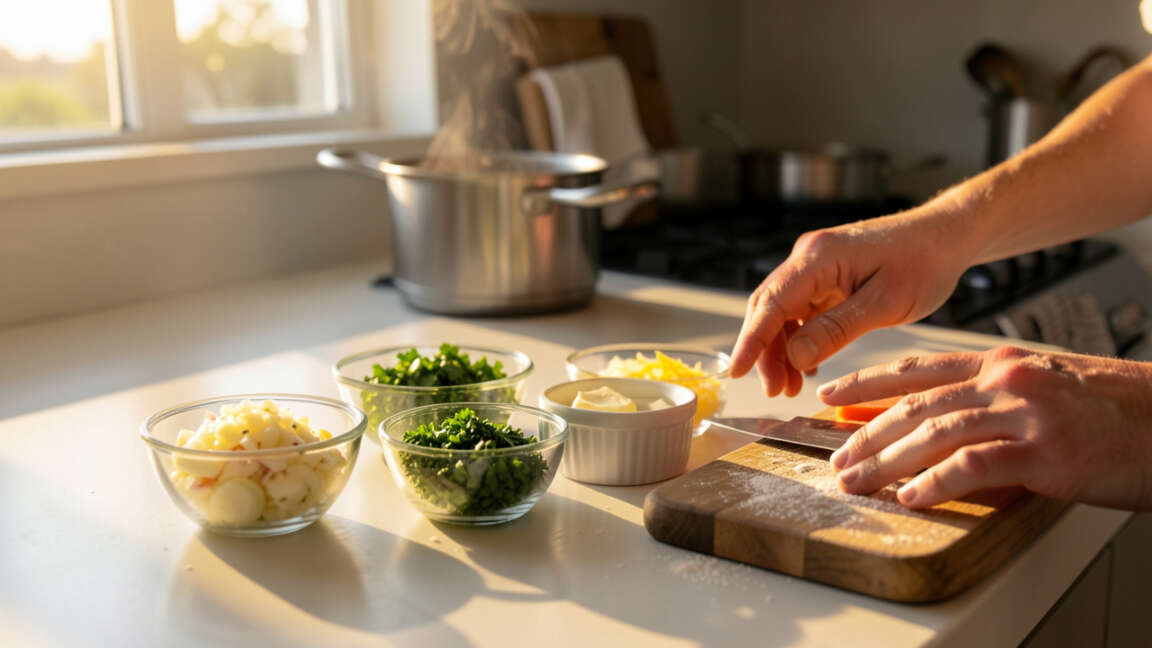
Tips for Advanced Mise en Place
Once you’re comfortable with the basics of mise en place, you can take it a step further. These advanced tips can help you become even more efficient in the kitchen.
- Prep Ahead: For busy days, you can do your mise en place the night before. Store prepped ingredients in airtight containers in the refrigerator.
- Batch Prep: If you use a lot of certain ingredients, like chopped onions or diced carrots, prep a large batch and store them for use in multiple meals throughout the week.
- Color Coding: For very complex dishes or when cooking for others with dietary restrictions, consider using different colored bowls or labels for ingredients.
- Tool Arrangement: Think about the flow of your cooking. Place ingredients and tools in the exact order you’ll use them, like a chef’s station.
- Pre-portioning for Freezing: If you’re making a meal to freeze, do your mise en place for the entire meal before portioning it into freezer bags or containers.
Frequently Asked Questions
What is the main goal of mise en place?
The main goal of mise en place is to prepare and organize all ingredients and equipment before cooking begins, making the cooking process smoother, faster, and less stressful.
Can mise en place be used for simple meals?
Yes, absolutely. Even for simple meals, preparing ingredients like chopping vegetables or measuring spices beforehand can save time and reduce mental load.
Is mise en place only for professional chefs?
No, mise en place is a valuable technique for home cooks of all skill levels. Learning What is Mise en Place and How to Do It at Home can significantly improve your cooking experience.
What are some common tools for mise en place?
Common tools include prep bowls, ramekins, muffin tins, measuring cups and spoons, sharp knives, and cutting boards.
Should I wash my prepped ingredients?
It’s best to wash produce before chopping. If you are washing ingredients like rice or beans, do so before measuring and setting them aside.
How can mise en place help me avoid burning food?
By having everything ready, you can focus on cooking and monitoring the food, rather than scrambling for ingredients, which reduces the chance of overcooking or burning.
What is the difference between mise en place and meal prep?
Mise en place focuses on getting ingredients ready for a specific cooking session, while meal prep often involves preparing entire meals in advance for convenience throughout the week.
Final Thoughts
Bringing the practice of mise en place into your home kitchen is a simple yet powerful way to make cooking more enjoyable and efficient. By taking a few minutes to prep and organize your ingredients before you start, you’ll find yourself feeling more confident and in control. This method helps prevent kitchen chaos and ensures your dishes turn out just right, every time.