How To Section Citrus (Suprêmes)
At a Glance Sectioning citrus into suprêmes involves removing the peel and pith, then cutting out each segment cleanly between the membranes, leaving behind a bitter-free core that can be juiced. Mast…
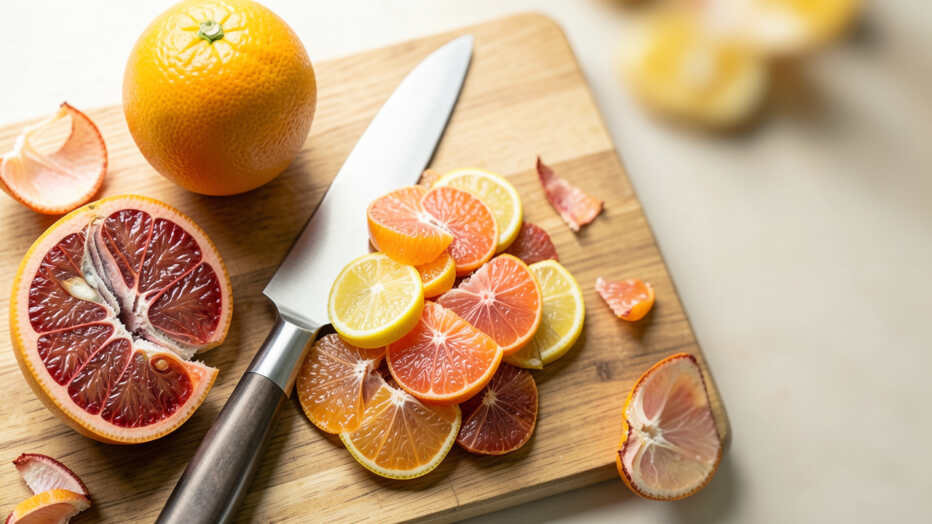
Sectioning citrus into suprêmes involves removing the peel and pith, then cutting out each segment cleanly between the membranes, leaving behind a bitter-free core that can be juiced. Mastering this technique requires only a sharp knife and a cutting board, and it works consistently across oranges, grapefruits, lemons, and other citrus varieties. The resulting seedless, membrane-free segments instantly elevate salads, desserts, and drinks by adding vibrant flavor and an elegant, professional presentation.
Getting perfectly cut citrus segments makes your food look and taste so much better. Imagine adding beautiful, juicy pieces of orange or grapefruit to your salad or dessert without any of that messy pith or tough membrane. Learning How to Section Citrus (Suprêmes) is a simple skill that makes a big difference.
It’s about making your fruit easy to eat and adding a touch of elegance to any dish. You’ll soon be creating perfect citrus suprêmes every time, impressing friends and family with your culinary flair.
Key Takeaways
- Understand the basic tools needed for sectioning citrus.
- Learn the step-by-step process for removing the peel and pith.
- Master the technique for cutting out perfect citrus suprêmes.
- Discover how to use the leftover citrus core for juice.
- Find tips for sectioning different types of citrus fruits.
- See why sectioned citrus enhances salads, desserts, and drinks.

Why Suprêmes Elevate Your Dishes
Adding citrus suprêmes to your meals is a simple way to bring a burst of fresh flavor and a touch of elegance. These perfectly cut segments are free from bitter pith and tough membranes. They offer a pure, sweet, and tangy taste that complements many dishes.
Think of a vibrant fruit salad, a delicate seafood dish, or a refreshing beverage. The visual appeal of neatly arranged citrus suprêmes is undeniable. They transform ordinary meals into something special.
When you learn How to Section Citrus (Suprêmes), you gain a valuable kitchen skill. It’s not just about making fruit pretty. It’s about making it more enjoyable to eat.
The texture is softer, and the flavor is more accessible. This technique is a cornerstone of professional cooking and can easily be incorporated into your home kitchen. You’ll find yourself reaching for this method more often than you might expect.

Essential Tools for Perfect Citrus Suprêmes
To start learning How to Section Citrus (Suprêmes), you don’t need many fancy tools. The most important item is a sharp knife. A paring knife or a small chef’s knife works best.
Its size allows for precise control when cutting around the fruit. A larger knife can also work, but a smaller one offers more maneuverability.
You will also need a cutting board that is stable and won’t slip. A non-slip mat underneath can help ensure safety. Some people find a flexible cutting board useful for easy cleanup.
Having a bowl nearby is helpful for collecting the discarded pith and membranes, as well as the juice you’ll extract later.
A citrus peeler or a channel knife can be helpful for removing the initial zest. However, a sharp knife can do this job just as well. The key is to have tools that are clean and in good condition.
A dull knife is more dangerous than a sharp one because it requires more force and can easily slip.

Step-by-Step Guide: How to Section Citrus (Suprêmes)
Let’s break down the process of How to Section Citrus (Suprêmes) into simple, manageable steps. Following these instructions carefully will help you achieve perfect results every time. It’s a skill that improves with practice, so don’t worry if your first attempt isn’t flawless.
Step 1: Prepare Your Citrus
First, wash your citrus fruit thoroughly under cool running water. This removes any dirt or residues from the skin. Pat the fruit dry with a clean towel.
This makes it easier to grip and prevents the knife from slipping.
Choose a firm, ripe fruit. Citrus that is too soft can be difficult to cut cleanly. Grapefruits, oranges, lemons, and limes are all excellent candidates for sectioning.
Step 2: Remove the Peel and Pith
Place the citrus fruit on your cutting board. Second, use your sharp knife to slice off the top and bottom ends of the fruit. Cut just enough to expose the flesh inside.
This creates a flat base, making the fruit stable.
Now, stand the fruit upright on one of the flat ends. Carefully slice downwards, following the curve of the fruit. You want to remove the peel and the white pith underneath.
Work your way around the fruit, removing the peel in strips. Aim to remove only the peel and pith, leaving as much of the flesh intact as possible.
As you peel, you might notice the segments becoming more visible. Continue cutting until all the peel and pith are gone. You should be left with a naked citrus fruit, showing its juicy segments.
Step 3: Cut Out the Suprêmes
This is the core part of learning How to Section Citrus (Suprêmes). With the fruit still standing upright, locate the lines between the segments. These lines are where the membranes are located.
Next, insert your knife into the fruit along one of these lines. Slice downwards, following the membrane, all the way to the center. Angle your knife slightly towards the center of the fruit.
Repeat this process for each segment. Cut along both sides of each membrane to release the individual segment. As you cut, the suprêmes will fall away from the core.
Be patient and use gentle, sawing motions if needed.
Step 4: Utilize the Leftover Core
Don’t discard the remaining core! This is a great opportunity to get more out of your fruit. Then, place the leftover core over a bowl.
Squeeze it firmly to extract any remaining juice. This juice can be used in dressings, marinades, or drinks.
You can also use a small spoon to scrape out any remaining flesh attached to the core. This ensures you get every last bit of goodness from your citrus. This step is often overlooked but is a great way to reduce waste.
Step 5: Arrange and Serve
Your beautiful citrus suprêmes are now ready! You can arrange them on a plate, add them to a salad, or use them as a garnish. They look stunning on their own or mixed with other fruits.
The clean, bright flavor will enhance any dish.
Finally, admire your work! You have successfully learned How to Section Citrus (Suprêmes). Enjoy the fresh taste and visual appeal they bring.

Tips for Sectioning Different Citrus Fruits
While the basic method for How to Section Citrus (Suprêmes) remains the same, some fruits might require slight adjustments. Understanding these nuances can make the process even smoother.
Oranges
Oranges are generally straightforward. Sweet oranges like Navel or Valencia are perfect for sectioning. Their membranes are usually not too tough, making them easy to cut through.
Grapefruits
Grapefruits can be a bit more challenging due to their thicker pith and slightly tougher membranes. Be sure to use a very sharp knife. Take your time removing the pith, as it can be bitter.
The larger size of a grapefruit also means you’ll get bigger, more substantial suprêmes.
Lemons and Limes
While you can section lemons and limes, it’s less common because their primary use is for juice and zest. Their membranes are quite tough, and the flesh is very tart. However, if you need a garnish or a very specific flavor profile, the technique applies.
You might find it easier to use a smaller, more agile knife for these smaller fruits.
Tangerines and Mandarins
These smaller citrus fruits are often easy to peel by hand. However, if you want perfect suprêmes, the knife method works well. Their segments are smaller, so the suprêmes will be bite-sized and perfect for garnishes or adding to small desserts.

The Benefits of Using Citrus Suprêmes
Learning How to Section Citrus (Suprêmes) opens up a world of culinary possibilities. The benefits extend beyond just good looks.
- Enhanced Flavor: Suprêmes offer a pure, unadulterated citrus taste. The absence of pith and membrane means you get the bright, tangy, or sweet flavor without any bitterness.
- Improved Texture: The segments are tender and juicy, providing a delightful mouthfeel. They are easy to chew and digest compared to whole fruit pieces with their membranes.
- Visual Appeal: As mentioned, suprêmes look beautiful. They add a professional touch to any dish, from simple salads to elaborate desserts.
- Versatility: They are perfect for fruit salads, as a topping for yogurt or oatmeal, in desserts like cakes and tarts, or even as a garnish for seafood and poultry.
- Health Benefits: Citrus fruits are packed with Vitamin C and antioxidants. Eating them in suprême form makes it easier to consume more of this healthy fruit.

Comparison: Sectioned Citrus vs. Whole Citrus Segments
When you’re preparing citrus for a dish, you have choices. One common choice is to simply peel and break apart the fruit into segments. However, learning How to Section Citrus (Suprêmes) offers distinct advantages.
As you can see, while peeling and separating is faster, sectioning offers a superior eating experience and presentation. The extra effort in learning How to Section Citrus (Suprêmes) is definitely worth it for special dishes.

Common Mistakes to Avoid When Sectioning Citrus
Even with a good guide on How to Section Citrus (Suprêmes), some common pitfalls can occur. Being aware of these can help you avoid them.
- Using a Dull Knife: This is the most common mistake. A dull knife requires more pressure, making it harder to cut cleanly and increasing the risk of slipping. Always use a sharp knife.
- Not Removing All Pith: The white pith is bitter. If you don’t remove it all when peeling, your suprêmes will not taste as good as they could. Be thorough in this step.
- Cutting Too Deeply into the Fruit: When removing the peel, be careful not to cut too deep into the flesh. This can waste fruit and make it harder to get clean segments.
- Ignoring the Membranes: The membranes are the lines separating the segments. If you don’t cut along them precisely, you’ll tear the segments or leave them attached to the core.
- Not Stabilizing the Fruit: Letting the fruit roll around on the cutting board is dangerous. Always ensure the fruit is stable, either by cutting flat ends or using a non-slip mat.
- Wasting the Core: The leftover core still holds valuable juice. Squeezing it out is an easy way to maximize your fruit usage and reduce waste.
Frequently Asked Questions
Question: What is the best knife for learning How to Section Citrus (Suprêmes)?
Answer: A sharp paring knife or a small, sharp chef’s knife is ideal. The key is that it’s sharp and comfortable for you to control precisely.
Question: Can I learn How to Section Citrus (Suprêmes) with any citrus fruit?
Answer: Yes, you can section most citrus fruits like oranges, grapefruits, lemons, and limes. However, some are easier and more commonly sectioned than others.
Question: Is it difficult to learn How to Section Citrus (Suprêmes)?
Answer: It takes a little practice, but the steps are straightforward. With a sharp knife and patience, you can master it quickly.
Question: What do I do with the pith I cut off?
Answer: The pith is bitter and not usually eaten. You can discard it or compost it. The juice from the core can be saved.
Question: How long does it take to learn How to Section Citrus (Suprêmes)?
Answer: After a few tries, you’ll likely become quite fast. The initial learning curve is short, and the skill is very rewarding.
Question: Why are my citrus suprêmes not neat?
Answer: This often happens if the knife is dull, or if you’re not cutting precisely along the membranes. Ensure your knife is sharp and take your time.
Final Thoughts
Mastering How to Section Citrus (Suprêmes) is a simple yet impactful kitchen skill. It transforms ordinary fruit into beautiful, delicious additions for any meal. With the right knife and a few practice runs, you’ll be creating perfect segments effortlessly.
Enjoy the enhanced flavor and elegance they bring to your dishes.