Ice Maker Water Type Guide: Tap, Filtered, Distilled
At a Glance Tap, filtered, and distilled water each affect your ice maker's performance and ice quality differently. Filtered water offers the optimal balance of improved ice clarity and taste wh…
Tap, filtered, and distilled water each affect your ice maker's performance and ice quality differently. Filtered water offers the optimal balance of improved ice clarity and taste while reducing the buildup of mineral scale that can damage internal components. Distilled water produces the clearest ice but may not suit machines requiring trace minerals for sensor operation. Tap water is convenient but often introduces impurities that cause cloudy ice and shorten appliance life.
Choosing the right water for your ice maker can make a surprising difference. It’s not just about the ice itself, but how your machine performs and lasts. Using the wrong water can lead to cloudy ice, bad tastes, and even damage to your appliance over time.
This Ice Maker Water Type Guide: Tap, Filtered, Distilled will help you understand your options. You’ll learn how each water type affects your ice, your machine, and what you gain by picking the best one for your needs.
Key Takeaways
- Using filtered water can improve the clarity and taste of your ice cubes.
- Tap water may contain minerals that can build up in your ice maker, causing issues.
- Distilled water produces the clearest ice but might not be the best choice for all ice makers.
- Understanding water types helps extend the lifespan and efficiency of your ice machine.
- The best water choice depends on your local water quality and personal preferences.
- Proper water selection contributes to better-tasting drinks and a healthier appliance.
Why Water Quality Matters for Your Ice Maker
The water you put into your ice maker is the main ingredient for your ice. This means its quality directly impacts the final product. Things like minerals, chlorine, and other impurities in water can affect how your ice looks and tastes.
They can also cause problems inside your ice maker.
Starting with clean water is the simplest way to ensure great-tasting ice and protect your machine from mineral buildup.
Think of it like cooking. If you use poor-quality ingredients, your dish won’t turn out as well. The same applies to ice.
Clean water leads to clean, good-tasting ice. This is why a good Ice Maker Water Type Guide: Tap, Filtered, Distilled is so helpful.
Understanding Tap Water for Your Ice Maker
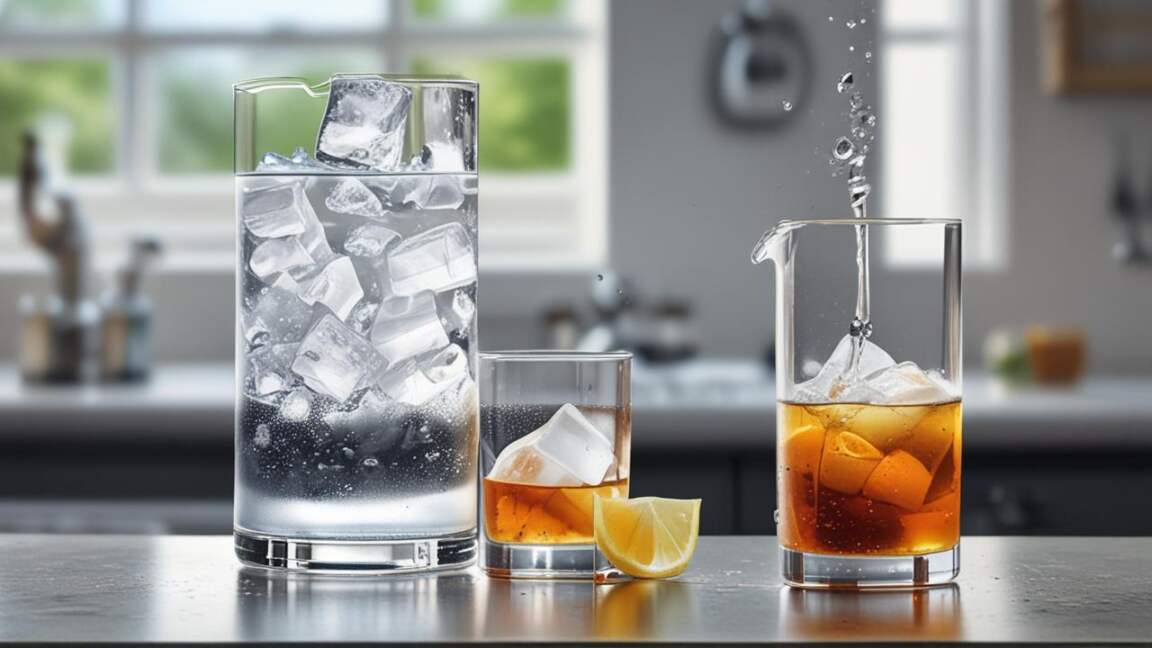
Tap water is the most common and convenient water source for most homes. It comes straight from your faucet. In many areas, tap water is treated and safe to drink.
However, it can still contain dissolved minerals like calcium and magnesium. It might also have chlorine, which is added for disinfection.
Even safe drinking water can contain dissolved minerals like calcium and magnesium that lead to cloudy ice and scale buildup over time.
When these minerals are frozen into ice, they can make the ice cloudy. They can also leave a residue inside your ice maker. Over time, this buildup, called scale, can clog water lines and reduce the machine’s efficiency.
It might even cause parts to wear out faster.
Pros of Using Tap Water
- Convenience: It’s readily available from your faucet.
- Cost: It’s the cheapest option as you don’t need to buy or filter it.
- Availability: Always on hand, no need to stock up.
Cons of Using Tap Water
- Cloudy Ice: Minerals can cause ice to look opaque rather than clear.
- Mineral Buildup: Can lead to scale formation and potential machine damage.
- Taste: Chlorine or other impurities can affect the taste of your ice and drinks.
- Machine Wear: Increased cleaning and maintenance may be needed.
The Benefits of Filtered Water for Ice Makers
Filtered water offers a good middle ground between tap water and more purified options. Water filters remove many of the impurities found in tap water. This includes chlorine, sediment, and some dissolved solids.
Many refrigerators with built-in ice makers come with water filters.
Using filtered water can lead to noticeably clearer ice. It also helps reduce the taste and odor of chlorine. This means your drinks will taste better.
Filtered water not only improves the taste of your drinks but also extends the life of your ice maker by reducing scale buildup.
Plus, by removing some minerals and sediment, filtered water can help protect your ice maker from scale buildup.
This is a key point in any Ice Maker Water Type Guide: Tap, Filtered, Distilled. Filters vary in what they remove. Some basic filters focus on taste and odor.
Others are designed to reduce mineral content more significantly.
Pros of Using Filtered Water
- Clearer Ice: Removes particles that cause cloudiness.
- Improved Taste: Reduces chlorine and other off-flavors.
- Reduced Scale: Filters out some minerals, helping prevent buildup.
- Healthier: Removes potential contaminants.
Cons of Using Filtered Water
- Ongoing Cost: Filters need to be replaced regularly.
- Filter Effectiveness: Not all filters remove the same things; some may not remove all minerals.
- Installation: Requires either a refrigerator filter or an under-sink system.
Exploring Distilled Water for Crystal-Clear Ice
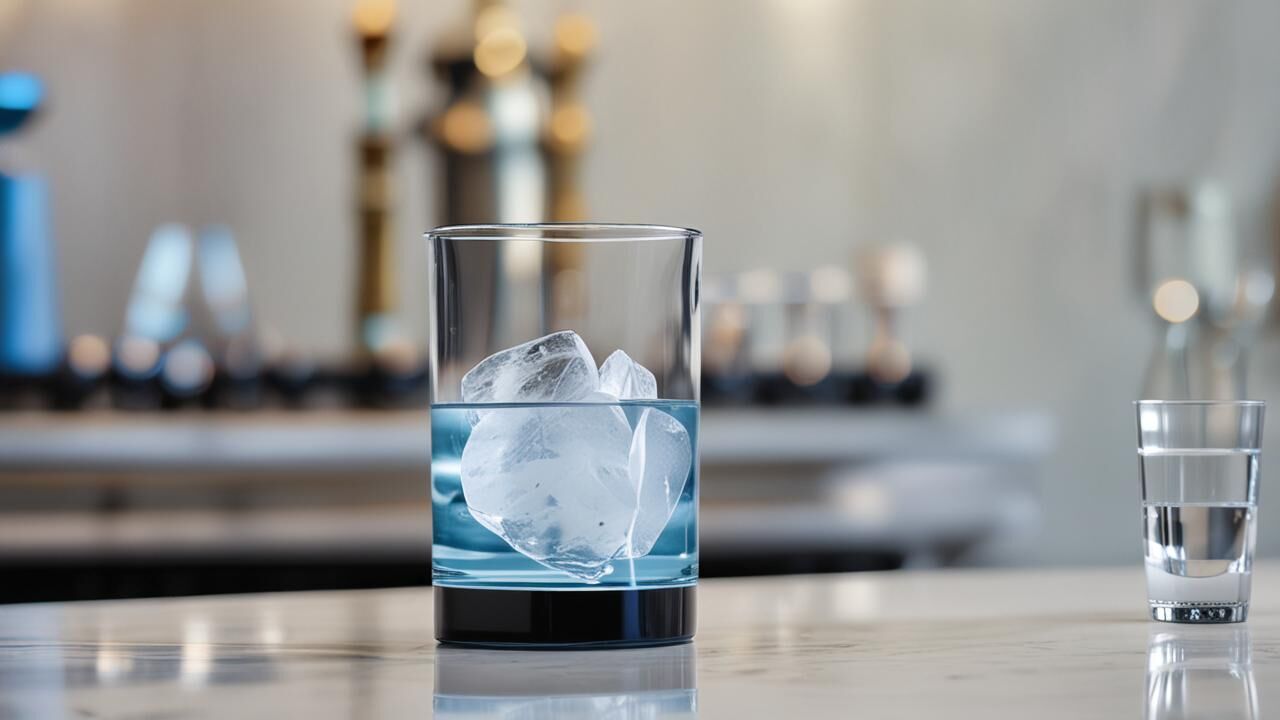
Distilled water is water that has been boiled into vapor and then condensed back into liquid. This process removes nearly all impurities, including minerals, salts, and other contaminants. The result is very pure water.
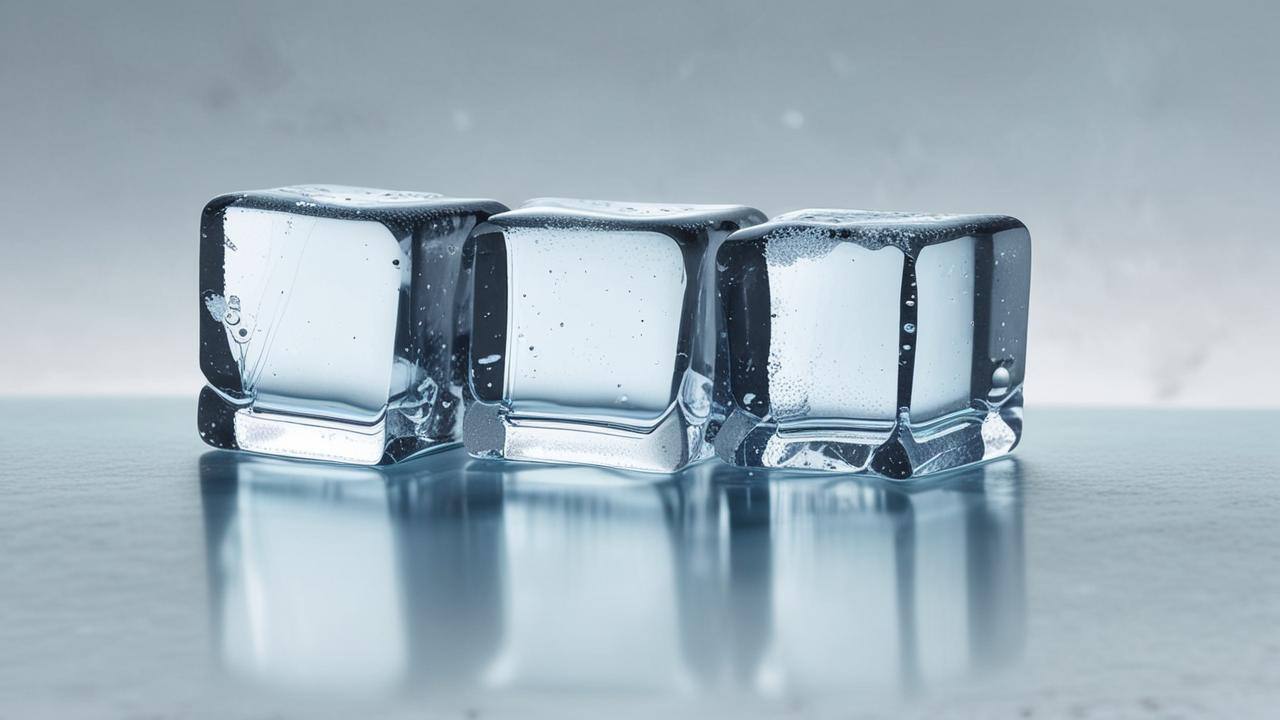
When used in an ice maker, distilled water typically produces the clearest ice. This is because there are no dissolved solids to get in the way of ice crystal formation. For those who prioritize perfectly clear ice for aesthetic reasons, distilled water is often the choice.
For crystal-clear ice cubes, distilled water is the most reliable option because it contains no dissolved solids to interfere with freezing.
However, there’s a caveat. While it makes clear ice, distilled water lacks minerals. Some argue that this lack of minerals might not be ideal for certain types of ice makers.
It’s an important consideration in our Ice Maker Water Type Guide: Tap, Filtered, Distilled.
Pros of Using Distilled Water
- Maximum Clarity: Produces the clearest ice possible.
- Pure Taste: No off-flavors from impurities.
- No Scale Buildup: Since there are no minerals, scale is not an issue.
Cons of Using Distilled Water
- Cost: Buying distilled water can be expensive.
- Availability: Requires purchasing bottled distilled water or a home distillation unit.
- Potential Machine Issues: Some manufacturers advise against using distilled water, as the lack of minerals might affect certain internal components over long periods.
- Flat Taste: Some people find distilled water tastes “flat” due to the absence of minerals.
Comparing Water Types: A Quick Look
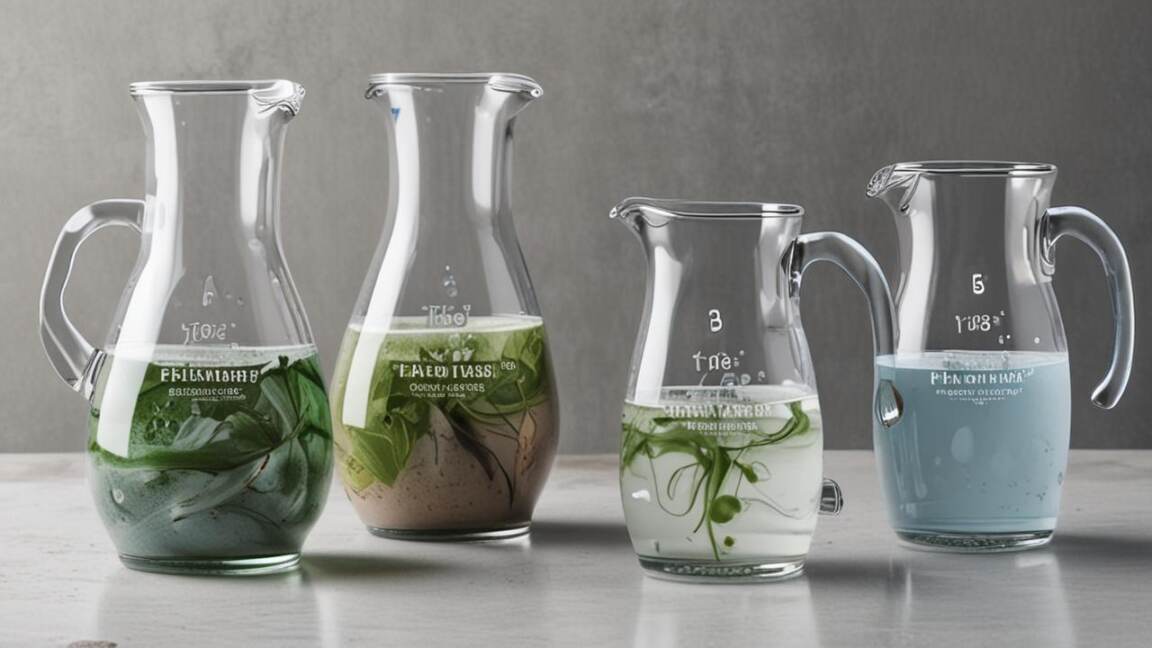
To help you decide, let’s put the main water types side-by-side. This comparison focuses on key factors relevant to your ice maker and the ice it produces.
Using unfiltered tap water increases the risk of scale buildup, which can shorten your ice maker's lifespan and reduce ice production efficiency.
This table highlights how each option in our Ice Maker Water Type Guide: Tap, Filtered, Distilled performs differently. Your choice will depend on what you value most: cost, convenience, ice clarity, or machine longevity.
How Water Type Affects Your Ice Maker’s Lifespan
The water you use has a direct impact on how long your ice maker will work well. Minerals in tap water are the main culprits here. They create scale, which is like a hard coating that builds up inside the machine.
First, scale can block the small water tubes that carry water to the ice mold. This can lead to slower ice production or no ice at all. Second, mineral deposits can interfere with the freezing process, making ice less dense or take longer to form.
Next, scale can put extra strain on the pump and motor. This can cause them to work harder and eventually fail.
Mineral scale from tap water not only slows ice production but also forces the pump and motor to work harder, leading to premature wear.
Filtered water reduces this risk significantly. By removing many of the minerals, it slows down scale formation. Distilled water eliminates scale entirely.
However, some experts suggest that the complete lack of minerals in distilled water might, in some very specific cases and over many years, lead to other types of wear. This is a less common concern than mineral buildup, though.
Regular cleaning is always recommended, regardless of water type. But using filtered or distilled water can greatly reduce the frequency and intensity of cleaning needed, thereby extending the life of your ice maker.
Choosing the Best Water for Your Ice Maker
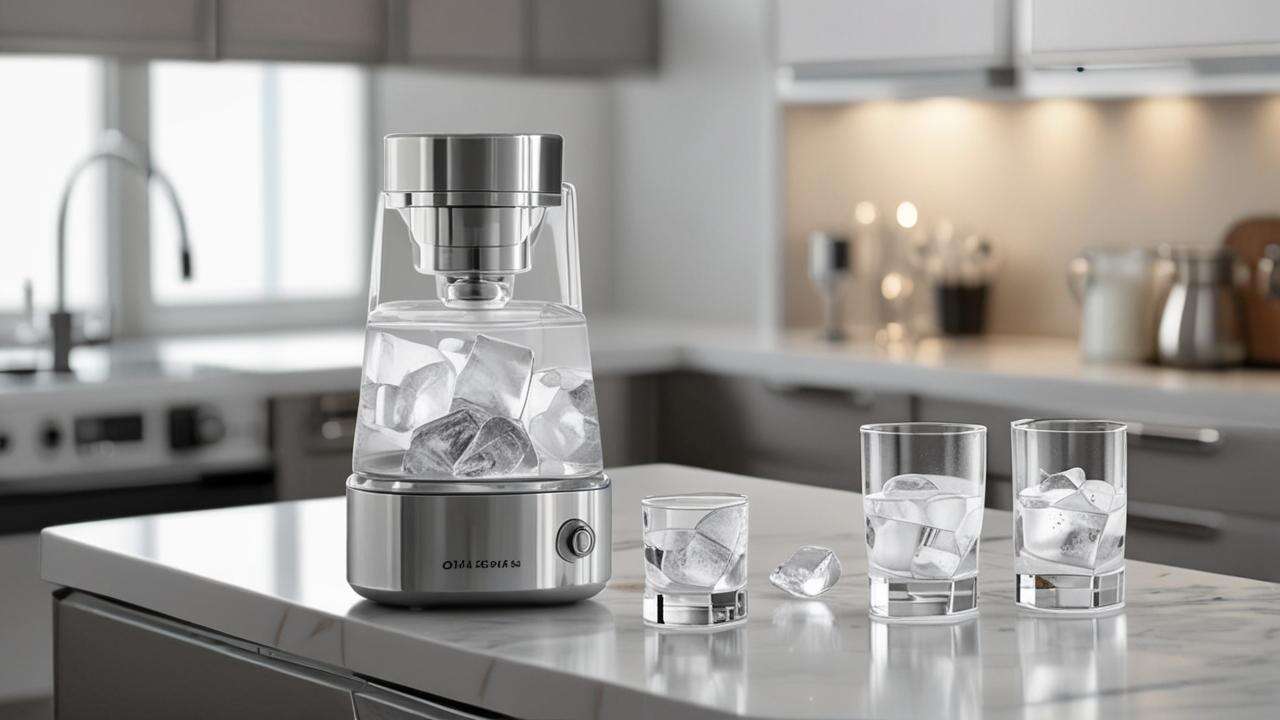
So, what’s the final verdict? The “best” water type isn’t one-size-fits-all. It depends on your specific situation and priorities.
The best water for your ice maker ultimately depends on your priorities—whether it's ice clarity, cost, or machine longevity.
This is the core message of any good Ice Maker Water Type Guide: Tap, Filtered, Distilled.
Consider these points:
- Local Water Quality: If your tap water is already very soft and clean, you might be fine using it directly. However, most tap water benefits from some form of filtration.
- Desired Ice Clarity: If perfectly clear ice is important for your cocktails or presentation, filtered or distilled water is the way to go.
- Maintenance Preferences: Do you want to minimize cleaning and potential repairs? Filtered or distilled water will help.
- Budget: Tap water is free. Filters have an ongoing cost. Distilled water can be the most expensive.
For most people, using filtered water from a refrigerator filter or an under-sink system offers the best balance. It improves ice quality, reduces scale buildup, and is more cost-effective than constantly buying distilled water.
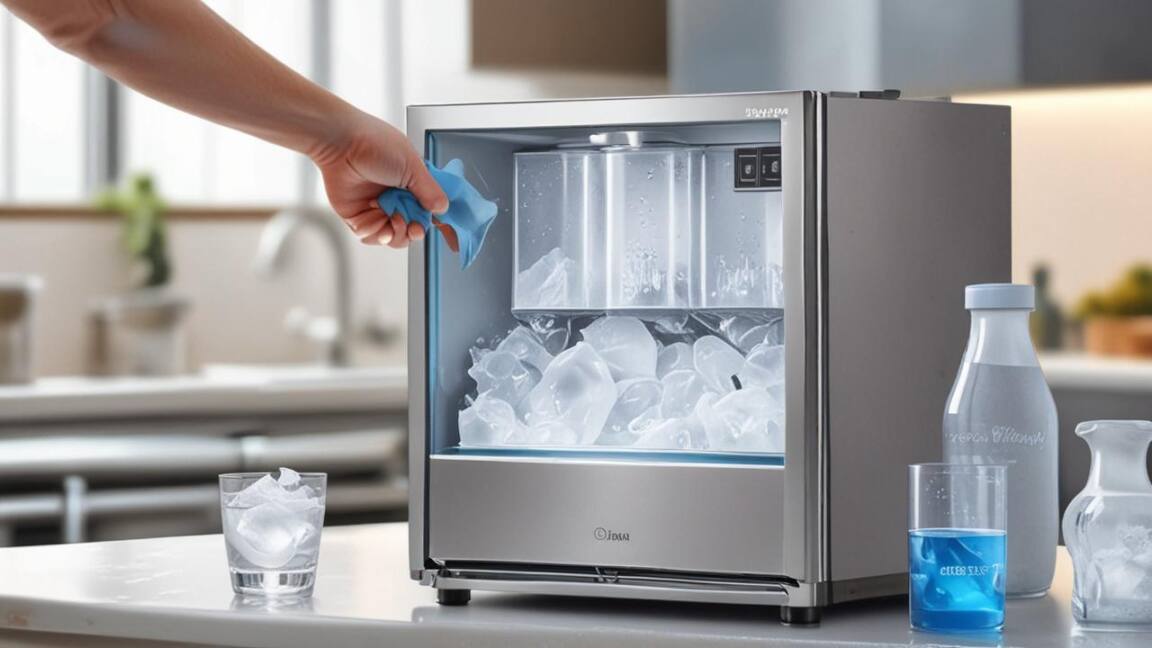
Maintaining Your Ice Maker with the Right Water
Using the correct water type is a major part of keeping your ice maker in top shape. Here are some tips:
Regular Cleaning is Key
Even with filtered or distilled water, your ice maker needs cleaning. Follow your manufacturer’s instructions. This usually involves running a cleaning solution through the machine every few months.
Check Your Filter
If you use a refrigerator filter, replace it according to the manufacturer’s recommendations. A clogged or old filter won’t work effectively.
Even with the best water, regular cleaning of your ice maker is essential to prevent any residual buildup and ensure optimal performance.
Inspect for Buildup
Periodically check the water reservoir and ice bin for any signs of mineral buildup or slime. Address these issues promptly.
Consider Your Ice Maker Type
Some ice makers, like those in high-end refrigerators, have more sensitive components. Always check your owner’s manual for specific water recommendations.
Making informed choices about water quality, as outlined in this Ice Maker Water Type Guide: Tap, Filtered, Distilled, will save you time and money in the long run.
Frequently Asked Questions
What is the main reason to use filtered water for an ice maker?
Filtered water helps remove chlorine and impurities, leading to better-tasting ice and reducing the buildup of scale inside your ice maker.
Will distilled water damage my ice maker?
While distilled water produces the clearest ice and prevents scale, some manufacturers caution that the complete lack of minerals might affect certain components over extended periods. It’s best to check your ice maker’s manual.
How often should I change my refrigerator’s ice maker water filter?
Most refrigerator water filters should be replaced every six months, or sooner if you notice a decrease in water flow or a change in ice quality.
Can I use bottled spring water in my ice maker?
Bottled spring water can be an option, but it still contains minerals. It might be better than tap water but not as pure as filtered or distilled water. Check your manual for specific recommendations.
What are the signs that my ice maker needs cleaning due to water type?
Signs include cloudy or discolored ice, slow ice production, strange tastes or odors in the ice, or visible mineral deposits inside the machine.
Does the Ice Maker Water Type Guide: Tap, Filtered, Distilled suggest one type is always best?
No, the best water type depends on your local water quality, budget, and preference for ice clarity and machine maintenance. Filtered water is often a good balance for most users.
Final Thoughts
Choosing the right water for your ice maker significantly impacts ice quality, taste, and the appliance’s lifespan. While tap water is convenient, filtered water generally offers a superior balance of clarity, taste, and machine protection. Distilled water yields the clearest ice but comes with cost and potential mineral absence considerations.
Assess your local water and priorities to make the best choice.