Ice Maker Storage Bins: Why Ice Melts Back Inside
At a Glance Ice melts back inside ice maker storage bins primarily due to ambient temperature and humidity affecting the bin's internal environment, combined with factors like poor insulation and…
Ice melts back inside ice maker storage bins primarily due to ambient temperature and humidity affecting the bin's internal environment, combined with factors like poor insulation and inadequate lid seals. The design of the bin, including its insulation quality and ventilation, significantly determines how well it retains cold air and resists external heat. Higher humidity levels and frequent openings introduce warmer, moist air that accelerates melt, while adding ice that is not fully frozen also contributes. To reduce ice loss, focus on improving bin insulation, ensuring a tight seal, and controlling room temperature and humidity around the appliance.
Keeping your ice maker stocked with perfectly frozen cubes can sometimes feel like a puzzle. You might notice that even when your ice maker is working well, the ice in the storage bin doesn’t stay frozen solid, and some of it melts right back into water. This can be frustrating, especially when you need ice for drinks.
Understanding Ice Maker Storage Bins: Why Ice Melts Back Inside helps you enjoy consistently good ice and avoid wasted water and energy. We’ll look at the simple reasons this happens and what you can do about it, so you can have plenty of ice ready whenever you need it.
Key Takeaways
- Understanding why ice melts inside the bin helps ensure you always have usable ice.
- Proper insulation and temperature control are key to preventing ice melt.
- Airflow and humidity levels play a significant role in ice melt.
- The design of the ice maker storage bin directly impacts its ability to keep ice frozen.
- Simple maintenance can significantly improve the performance of your ice maker’s storage bin.
- Choosing the right ice maker model can prevent common ice melting issues.
Why Ice Melts Inside Your Ice Maker Storage Bin
To reduce melting, allow freshly made ice to harden for a few minutes before adding it to the storage bin.
The Role of Ambient Temperature and Humidity
The temperature and humidity of the room where your ice maker is located have a big impact. A warmer room means more heat trying to get into the ice bin. High humidity can also contribute because moist air carries more heat energy than dry air. When warm, humid air comes into contact with the cold bin, it can cause condensation. This moisture can then freeze onto the bin walls or melt existing ice. Even in a cool kitchen, there’s enough heat to slowly melt ice over time. Think of it like a cooler: it keeps things cold, but eventually, the ice inside will melt as heat seeps in from the outside. The effectiveness of the ice maker’s cooling system and the bin’s design determine how quickly this happens.How Ice Maker Bin Design Affects Melt
The way an ice maker storage bin is built plays a huge role. Many bins are made of plastic, which is not the best insulator. Some have vents or openings that allow air to circulate, which is necessary for the ice-making process but also lets warm air in. The lid is another critical point. If the lid doesn’t seal tightly, warm air can easily enter, causing ice to melt. Some older or simpler ice maker models might have less sophisticated insulation. This means they are more prone to heat gain. Modern, high-end ice makers often have better insulation and tighter seals to combat this problem. The internal design, like the shape of the bin and how ice is deposited, can also influence how evenly it stays frozen.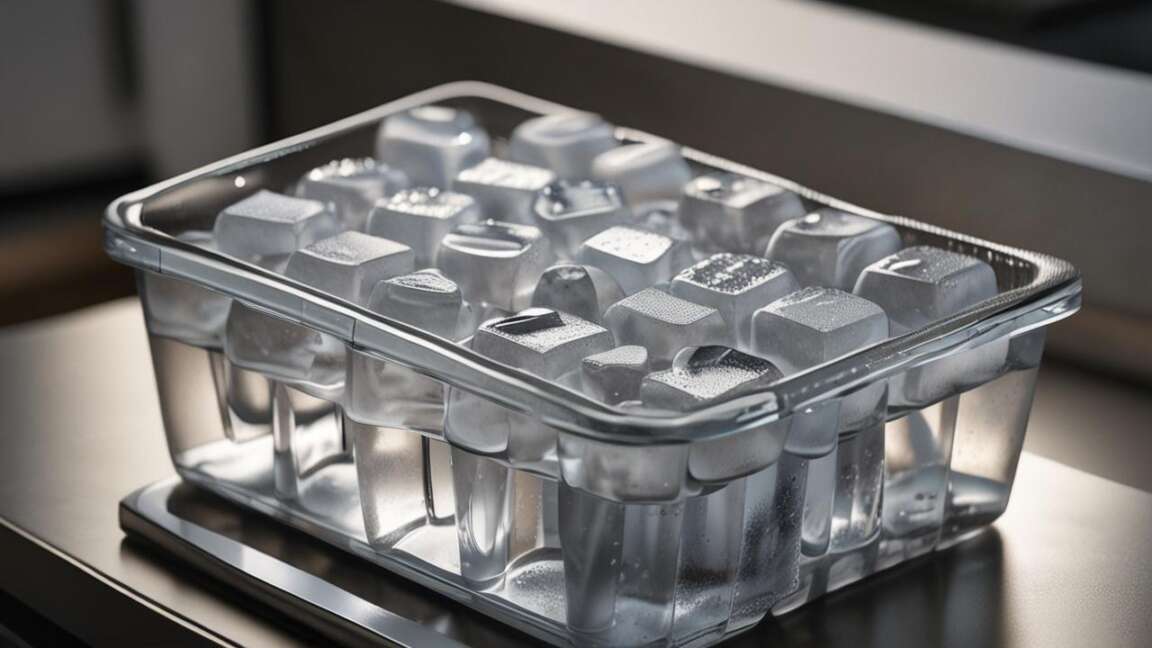
Factors Contributing to Ice Melt
Newly formed ice cubes are only a few degrees below freezing, so adding them to a bin of already frozen ice can raise the overall temperature and cause melting.
Insulation Quality
The insulation in an ice maker storage bin is vital. Good insulation acts like a barrier, slowing down the transfer of heat from the outside environment into the bin. If the insulation is thin, damaged, or absent, heat will enter more easily, leading to faster ice melt. Many residential ice makers have double-walled construction with a vacuum or foam in between to provide insulation. However, the effectiveness can vary greatly between models and over time.Temperature of Added Ice
When your ice maker produces a new batch of ice, those cubes are often just a few degrees below freezing. They are not as cold as ice that has been sitting in the bin for a while. When these slightly warmer cubes are added to the existing ice, they can transfer some of their warmth to the colder ice, causing a small amount of melting. This is a natural part of the ice-making cycle, but it contributes to the overall melt rate.Air Circulation and Ventilation
Ice makers need air circulation to function correctly. They often have fans that help with cooling and removing moisture. However, this airflow can also introduce warmer room air into the bin. If the ventilation system isn’t designed well, or if the bin is constantly being opened and closed, more warm air can enter, accelerating the melting process. Some bins have specific vent designs to minimize heat gain while allowing necessary airflow.Humidity Levels
High humidity in the surrounding environment can be a silent enemy of frozen ice. Moist air carries more thermal energy. When this humid air comes into contact with the cold surfaces inside the ice maker storage bin, the moisture can condense and then freeze. This process not only adds to the ice mass but can also create larger ice formations or ice jams. More significantly, the condensation process itself involves heat transfer, which can subtly melt existing ice.The Lid Seal
The lid of an ice maker storage bin is a crucial component for maintaining a cold environment. If the lid doesn’t create a tight seal, warm, humid air from the room will constantly seep into the bin. This is similar to leaving the door of your refrigerator slightly ajar. Over time, this continuous influx of warmer air will cause the ice to melt faster than it would in a well-sealed bin. Check your lid for any gaps or damage.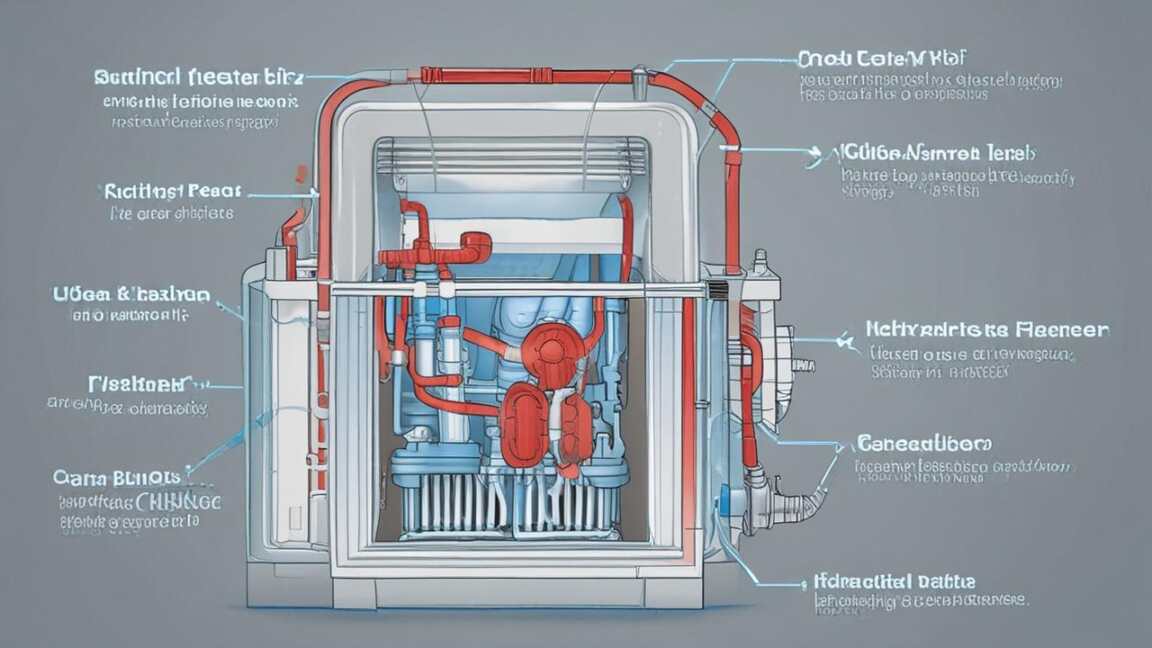
Understanding the Ice Maker’s Cooling System
The ice maker’s primary job is to make ice, and its cooling system is designed for that purpose. The storage bin is a secondary feature that utilizes the residual cooling power.Defrost cycles temporarily warm components, causing a slight rise in bin temperature and some ice melt.
How Ice is Made vs. How Ice is Stored
Ice makers typically use a refrigeration cycle to freeze water. This cycle involves a compressor, condenser, and evaporator. The evaporator is the part that gets very cold, freezing the water. Once ice is made, it’s usually pushed into the storage bin. The bin itself may have some cooling elements, but it’s not usually as intensely cooled as the evaporator plates. The goal is to keep the ice cold enough to prevent rapid melting, not to deep-freeze it like a chest freezer.The Role of the Compressor
The compressor is the heart of the refrigeration system. It pumps refrigerant through the system, creating the cooling effect. When the ice maker is actively making ice, the compressor runs frequently. However, between cycles, or when the bin is full, the compressor might cycle off. During these off periods, the bin’s temperature can start to rise, leading to melting. The frequency and duration of these cycles depend on the ice maker’s design and how quickly ice is being used.Defrost Cycles
Some ice makers have short defrost cycles to prevent frost buildup. While necessary for maintenance, these cycles temporarily warm up certain components, which can lead to a slight increase in bin temperature and a small amount of ice melt. This is a normal function, but if defrost cycles are too frequent or too long, they can contribute to noticeable melting.Comparing Ice Maker Bin Types
Choose a built-in ice maker with thick insulation for better ice preservation over time.
Built-in vs. Freestanding Ice Makers
Built-in ice makers are often integrated into kitchen cabinetry or outdoor kitchens. They tend to have better insulation and are designed for continuous use. Freestanding ice makers, like countertop units or portable models, might have less robust insulation because they are designed for convenience and mobility rather than long-term ice preservation.Residential vs. Commercial Bins
Commercial ice maker storage bins are usually built with much thicker insulation and more robust construction. They are designed to hold large quantities of ice for extended periods, often with features like insulated doors, heavy-duty seals, and sometimes even dedicated cooling systems. Residential bins are a compromise between cost, size, and performance.Table: Ice Maker Bin Features and Melt Prevention
Here’s a look at how different features affect ice melt: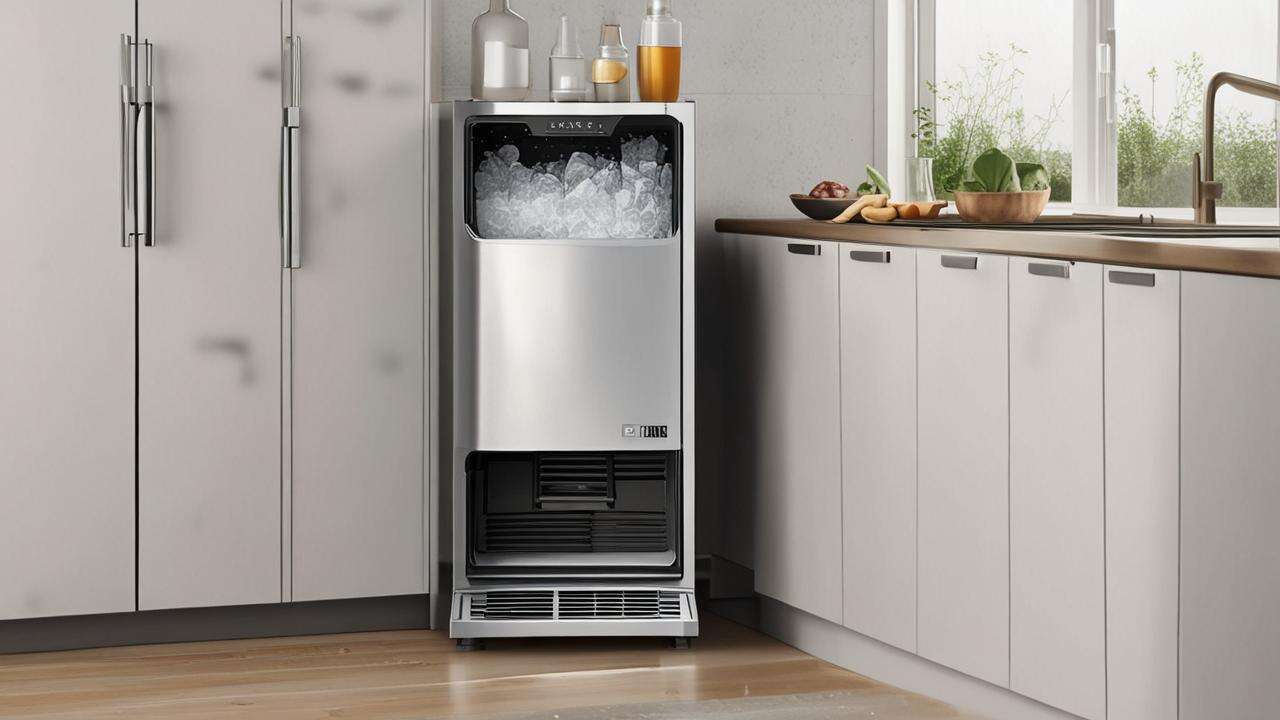
Tips to Minimize Ice Melt in Your Bin
Neglecting to clean your ice maker can lead to mineral buildup that reduces cooling efficiency and causes more ice melt.
Ensure a Tight Lid Seal
First, check the lid of your ice maker’s storage bin. Make sure it closes completely and creates a good seal. If you notice any gaps or if the seal looks worn out, you might need to clean it thoroughly or consider replacing the lid or seal if possible. A simple way to test the seal is to close the lid on a piece of paper. If you can easily pull the paper out, the seal isn’t tight enough.Control Room Temperature and Humidity
If your ice maker is in a particularly warm or humid area, try to improve the environment. Using a dehumidifier in the room can help. If it’s in an enclosed space, ensure there’s some air circulation that isn’t directly blowing warm air onto the bin. For those with freestanding units, placing them in a cooler part of the house can help.Use Ice Maker Regularly
Using the ice regularly is one of the best ways to combat melting. When you use ice, the machine can produce new, cold ice toClean Your Ice Maker
Regular cleaning is essential for any appliance. Mineral deposits and grime can build up inside the bin and on the ice chute. This buildup can affect the efficiency of the cooling system and create areas where ice can stick or melt unevenly. Follow the manufacturer’s instructions for cleaning your specific ice maker model. A clean machine runs more efficiently.Proper Placement
Ensure your ice maker is placed correctly. Avoid putting it near heat sources like ovens, radiators, or direct sunlight. These external heat sources will significantly increase the temperature around the bin, making it harder for the ice maker to keep the ice frozen. Proper ventilation around the unit is also important, as specified by the manufacturer.
Advanced Solutions for Persistent Melting
If basic tips fail, a newer model with improved insulation and cooling system is the most reliable solution for persistent melting.
Adding Supplemental Cooling
Some people with custom setups might add a small, dedicated cooling element to their ice maker storage bin. This is not a common DIY project for most residential units, as it can be complex and potentially damage the appliance. However, it highlights the principle that more direct cooling of the bin is the most effective way to prevent melting.Upgrading Your Ice Maker
If your current ice maker is old or a very basic model, it might simply not be designed to keep ice frozen for long periods. Investing in a newer model with better insulation, a more efficient cooling system, and a tighter lid seal can solve the problem of Ice Maker Storage Bins: Why Ice Melts Back Inside. Look for models that specifically mention good ice preservation or have features like thicker bin walls.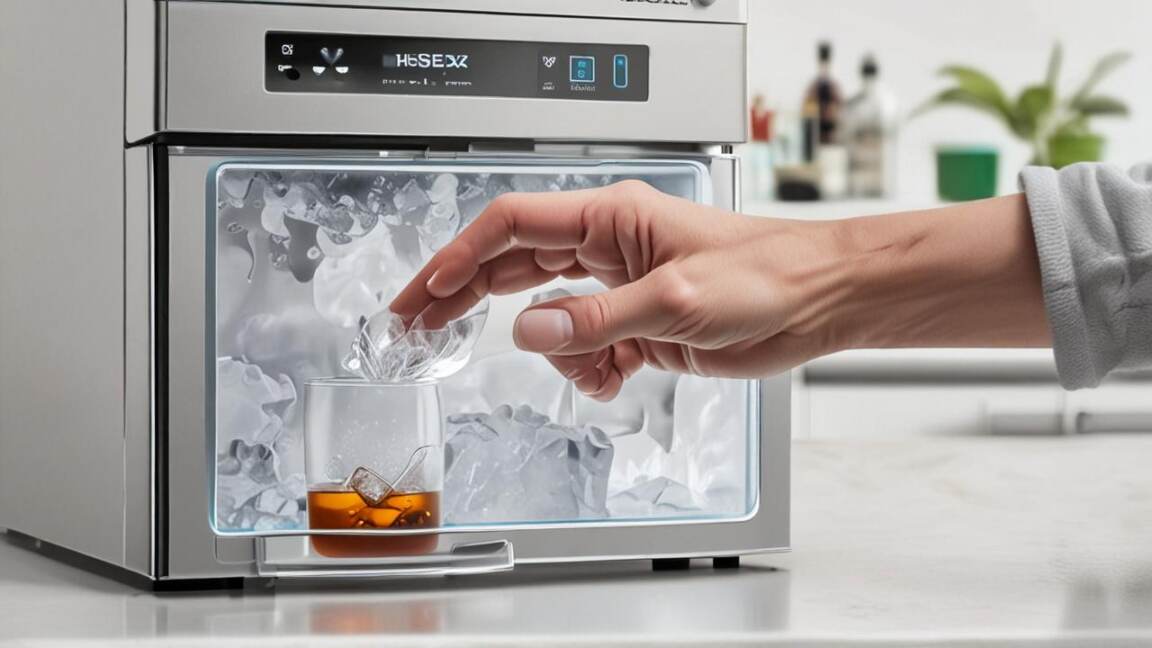
Troubleshooting Common Ice Melt Issues
When ice melts, it can sometimes signal other problems with your ice maker. Knowing what to look for can help you diagnose and fix issues.Inconsistent ice production disrupts bin temperature, leading to more frequent melting cycles.
Ice Clogging and Jams
If ice is melting unevenly or forming large clumps, it could be due to ice jams. This happens when ice doesn’t flow out of the bin properly. The melting ice can create a bridge, blocking the chute. This often points to a problem with the ice level sensor or the mechanism that dispenses the ice.Water Leaks
Melting ice that isn’t being dispensed can lead to water leaks. If you notice water around your ice maker, it’s a clear sign that ice is melting faster than it’s being used or removed. This could be due to a faulty seal, a crack in the bin, or an issue with the drainage system.Inconsistent Ice Production
If your ice maker is producing ice inconsistently, it can affect how well the storage bin performs. For instance, if the machine cycles on and off too frequently, the bin temperature will fluctuate more, leading to increased melting. This might indicate a problem with the water supply, the thermostat, or the refrigerant levels.Frequently Asked Questions
Why does my ice maker storage bin have water in it?
Water in your ice maker storage bin usually means ice is melting faster than it’s being used. This can be due to poor insulation, a leaky lid, high room humidity, or the ice maker not being used often enough.
Is it normal for some ice to melt in my ice maker bin?
Yes, it’s normal for some melting to occur, especially in residential units. Ice maker storage bins are not deep freezers. They are designed to keep ice cold, but not indefinitely frozen, particularly when new ice is added.
How can I prevent my ice maker’s ice from melting too quickly?
To prevent rapid melting, ensure the lid seals tightly, keep the room temperature moderate, use the ice regularly, and clean the ice maker. These steps help maintain a colder environment inside the storage bin.
What is the ideal temperature for an ice maker storage bin?
While not as cold as a freezer, an ideal ice maker storage bin temperature is typically between 0°F and 15°F (-18°C to -9°C). However, exact temperatures can vary by model.
Can a dirty ice maker cause ice to melt faster?
Yes, a dirty ice maker can contribute to faster melting. Buildup inside the bin or on the cooling components can reduce efficiency and trap moisture, which can then melt existing ice.
My ice maker is constantly making ice, but it melts. What’s wrong?
If your ice maker is constantly producing ice but it’s melting, the problem likely lies with the storage bin’s ability to maintain a cold temperature. Check the insulation, lid seal, and ensure the room isn’t too warm. It may also indicate an issue with the ice maker’s cooling cycle or how the ice is being dispensed.
Final Thoughts
Addressing Ice Maker Storage Bins: Why Ice Melts Back Inside is about managing heat and maintaining a consistent cold environment. By understanding the factors like insulation, lid seals, and ambient conditions, you can take practical steps to keep your ice frozen longer. Simple maintenance and regular use make a big difference in ensuring you always have ready-to-use ice.