Ice Maker Reservoir Capacity Vs Output Explained
At a Glance The relationship between an ice maker's reservoir capacity and its ice output determines how much ice the machine can produce over time, with reservoir size directly affecting the fre…
The relationship between an ice maker's reservoir capacity and its ice output determines how much ice the machine can produce over time, with reservoir size directly affecting the frequency of production cycles rather than the maximum output rate. For most ice makers, a larger water reservoir allows longer continuous operation before needing a refill, enabling higher total daily ice production if other factors like freezing time and compressor power are sufficient. However, output is also limited by the machine's refrigeration system, ambient temperature, and water temperature, meaning reservoir capacity alone does not guarantee higher output. The key takeaway is that matching reservoir capacity to your usage patterns ensures you avoid running out of ice during peak demand without overspending on unnecessary storage.
Getting the right amount of ice when you need it is important. You might wonder how much ice your machine can actually make and how the water it holds plays a role. Understanding Ice Maker Reservoir Capacity Vs Output Explained helps you pick the best machine for your needs, whether it’s for parties or just daily use.
This knowledge means you won’t run out of ice during busy times and can make smarter choices when buying a new ice maker. We’ll break down how these two factors work together so you can have ice whenever you want it.
Key Takeaways
- You will learn how the size of the water reservoir affects how much ice an ice maker can produce.
- We will explain the difference between how much water your ice maker can hold and how much ice it actually makes.
- You will discover why this matters for choosing the right ice maker for your home or business.
- We will cover how to tell if your ice maker’s capacity matches its output needs.
- You’ll gain insights into common ice maker issues related to reservoir and output.
- We will provide tips on maximizing your ice maker’s performance.
How Reservoir Size Impacts Ice Production
The water reservoir is like the fuel tank for your ice maker. It holds the water that gets turned into ice. A bigger reservoir means the ice maker can run for longer periods without needing a refill.
This is a key part of Ice Maker Reservoir Capacity Vs Output Explained. If you have a small reservoir, the machine might stop making ice sooner because it runs out of water. This can be frustrating if you need a lot of ice quickly.
Think about it this way: if you’re baking cookies, you need enough flour for all the batches. The reservoir is like your flour bin. A larger bin lets you bake more cookies without stopping to get more flour.
Similarly, a larger ice maker reservoir allows for more continuous ice production. This is especially important for commercial ice makers or for hosting large gatherings.
Understanding Reservoir Capacity
Reservoir capacity is simply the maximum amount of water your ice maker’s tank can hold. It’s usually measured in quarts or liters. This is a fixed number for each machine.
For consistent ice production, choose a reservoir size that matches your usage patterns to avoid frequent refills during peak demand.
It tells you how much water is available for the freezing cycle. Some ice makers have small tanks, while others have much larger ones. The size of the reservoir is a direct indicator of how much ice it could make before needing to be refilled.
When looking at specifications, you’ll often see a listed reservoir capacity. This number doesn’t tell you how fast it makes ice, but it does tell you how much water it has on hand. For example, a 3-quart reservoir can hold less water than a 5-quart reservoir.
This difference directly affects how many ice-making cycles the machine can complete before you need to add more water.
How Reservoir Size Affects Output Cycles
The number of ice-making cycles an ice maker can perform is directly tied to its reservoir capacity. Each cycle uses a certain amount of water. A larger reservoir allows for more cycles to run consecutively.
This means more ice can be produced in a given time frame before the water runs low.
For instance, if a machine uses 1 quart of water per cycle and has a 4-quart reservoir, it can complete up to 4 cycles before needing more water. If another machine with the same cycle water usage has a 2-quart reservoir, it can only complete about 2 cycles. This difference in potential cycles is a major part of Ice Maker Reservoir Capacity Vs Output Explained.
What is Ice Maker Output?
Ice maker output refers to the amount of ice a machine can produce over a specific period. This is usually measured in pounds or kilograms per day. Output is a more dynamic measure than capacity.
It takes into account not just the water available but also the speed of the freezing process and the efficiency of the machine.
When you buy an ice maker, the advertised output is a key selling point. It tells you how much ice you can expect to have ready for use. This is the practical result of the machine’s design and its components working together.
Understanding output helps you match the machine to your actual ice needs.
Factors Influencing Ice Output
Several things affect how much ice an ice maker can produce. The ambient temperature and humidity play a role. Higher temperatures can slow down the freezing process.
The quality of the water used also matters. Hard water can lead to slower ice production and affect the clarity of the ice.
Ice maker output is determined by the efficiency of the freezing mechanism and the available water supply, not just the reservoir size.
The ice maker’s design is also crucial. Some machines are built for speed, while others prioritize efficiency. The type of ice produced can also influence output.
Cube ice machines might have different output rates than nugget ice machines. The efficiency of the refrigeration system is another major factor. A more efficient system can freeze water faster, leading to higher output.
Daily Ice Production Rates
Ice maker output is often stated as a daily rate. This is a helpful benchmark for consumers. For example, a machine might be rated at 50 pounds of ice per day.
This means, under ideal conditions, it can produce up to 50 pounds of ice within a 24-hour period. This is a critical piece of information when considering Ice Maker Reservoir Capacity Vs Output Explained.
It’s important to remember that this is an estimated maximum. Actual daily output can vary based on the factors mentioned earlier. However, it gives you a good idea of the machine’s capabilities.
If you host parties regularly, you’ll want a machine with a higher daily output.
Comparing Capacity and Output
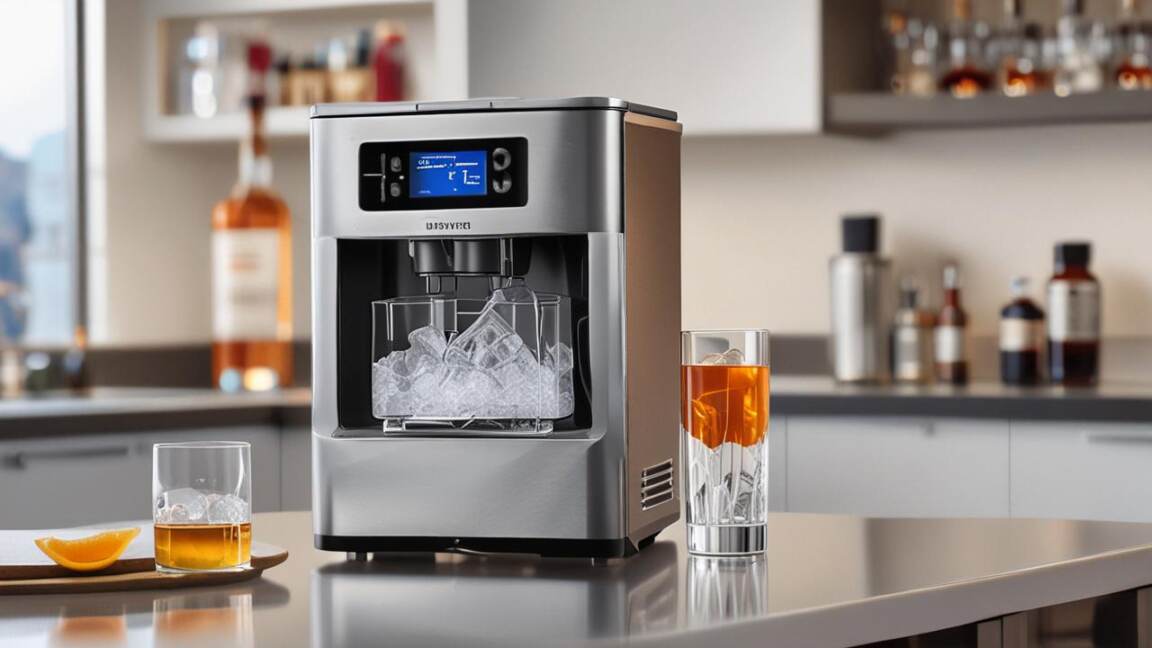
The relationship between reservoir capacity and ice output is vital to grasp. While capacity is about how much water is available, output is about how much ice is actually made. A large reservoir is good, but if the freezing mechanism is slow, the output will still be limited.
Conversely, a fast freezing mechanism can be hampered by a small reservoir that runs dry too quickly.
The ideal scenario is a balance. A machine with a sufficiently large reservoir for its output rate ensures continuous ice production. This means you won’t be waiting around for ice to be made.
This comparison is central to understanding Ice Maker Reservoir Capacity Vs Output Explained.
When Capacity Limits Output
Sometimes, the reservoir capacity is the bottleneck. If your ice maker has a large freezing capacity but a small water reservoir, it will stop making ice once the water runs out. You’ll have to wait for the reservoir to be refilled, either manually or by its internal fill system, before it can start producing ice again.
A small reservoir limits output: after a few batches, the machine stops until refilled, making sustained ice production impossible.
This can be a significant issue for high-demand situations. Imagine needing ice for a large event. If your machine’s reservoir is too small, it might make a few batches of ice and then stop, leaving you short.
This highlights why a machine’s total output is only as good as its ability to sustain that production with its available water.
When Output is Limited by Other Factors
Other times, the output can be limited even with a large reservoir. This could be due to a slow freezing cycle, inefficient cooling, or a slow water fill rate. In these cases, the reservoir might stay full, but the ice maker simply cannot freeze water fast enough to reach its potential output.
This is where the engineering of the ice maker comes into play. The compressor, condenser, and evaporator all work together to freeze water. If any of these components are not performing optimally, the overall ice output will suffer, regardless of how much water the reservoir holds.
This is a crucial aspect of Ice Maker Reservoir Capacity Vs Output Explained.

Choosing the Right Ice Maker for Your Needs
Selecting an ice maker involves looking at both its reservoir capacity and its daily output. These two numbers work together to determine if the machine is right for you. If you only need a little ice now and then, a smaller machine with a modest capacity and output might be fine.
However, if you entertain frequently or run a business, you’ll need something more robust.
Consider your typical ice usage. Do you fill up coolers for picnics? Do you need ice for cocktails every night?
Answering these questions will help you decide what level of output you need. Then, check the reservoir capacity to ensure it can support that output without constant refilling. This informed approach to Ice Maker Reservoir Capacity Vs Output Explained saves you from disappointment.
Assessing Your Daily Ice Needs
To figure out how much ice you need, think about your busiest days. For a party, how many drinks will you serve? A good rule of thumb is to estimate 2-3 pounds of ice per person for a large gathering.
When choosing an ice maker, ensure its daily output can fill its storage bin within your expected timeframe to avoid running out.
For everyday use, consider how many ice cubes you use in a day. This helps you set a target output rate.
Don’t forget about ice storage. Even if your ice maker can produce a lot of ice, you need a place to keep it. Many ice makers have built-in storage bins, but their capacity also varies.
Ensure your chosen ice maker can produce enough ice to fill its own storage bin and meet your demand.
Matching Output to Reservoir Size
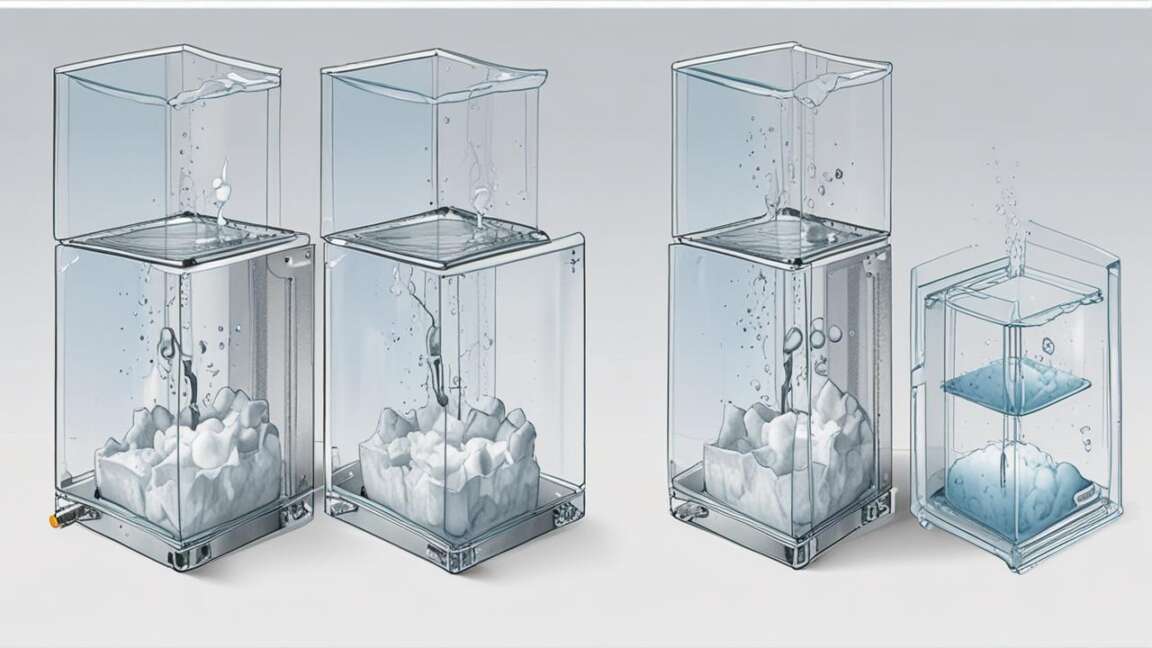
When looking at ice makers, compare the daily output to the reservoir capacity. A machine that claims to make 100 pounds of ice per day should ideally have a reservoir that can support this production for a reasonable time. If it has a very small reservoir and a high output claim, it likely relies on a very fast fill rate or is designed for intermittent, rather than continuous, high-volume production.
For home use, a reservoir that can support several hours of production is usually sufficient. For commercial settings, a larger reservoir might be crucial for uninterrupted operation. Understanding this balance is key to making a smart purchase based on Ice Maker Reservoir Capacity Vs Output Explained.
Common Issues Related to Reservoir and Output
Problems with ice makers often stem from issues with the water reservoir or the ice output. If your ice maker isn’t making ice, or not making enough, these are the first places to check.
When Ice Production Slows or Stops
If your ice maker suddenly slows down or stops producing ice, it could be a water supply issue. Check if the reservoir is empty. If it is, the machine might be working correctly but simply needs more water.
If the reservoir is full but ice production has stopped, there might be a blockage in the water line or a problem with the freezing mechanism.
Another cause could be a clogged water filter, if your model has one. A dirty filter can restrict water flow to the reservoir, slowing down production. Sometimes, the ice maker might be in a “sleep” mode or have a sensor issue preventing it from starting a new cycle.
Partially filled ice molds often indicate a malfunctioning water fill system, reducing output and ice quality.
These are common challenges when dealing with Ice Maker Reservoir Capacity Vs Output Explained.
Low Ice Volume and Inconsistent Output
Inconsistent ice output can be frustrating. You might get a full batch one hour and only a few cubes the next. This can happen if the water fill system isn’t working correctly, leading to partially filled ice molds.
It could also be due to fluctuations in room temperature or if the ice maker’s drain line is clogged, causing melted ice to build up.
If you notice consistently low ice volume, it might be that the machine’s output simply doesn’t match your demand, or that a component is failing. Regular cleaning and maintenance are crucial to prevent these issues and ensure optimal performance. This relates directly to the practical implications of Ice Maker Reservoir Capacity Vs Output Explained.
Tips for Maintaining Your Ice Maker
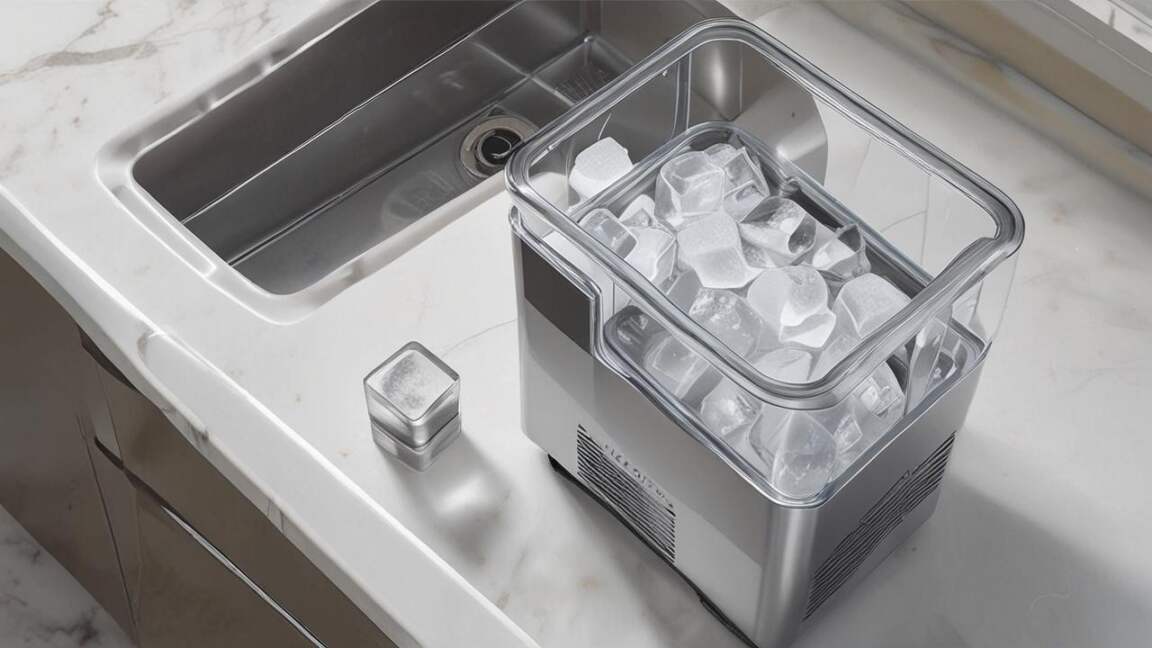
Keeping your ice maker in good shape ensures it produces ice reliably. Regular maintenance is key to preventing problems related to reservoir and output. It also helps your machine last longer.
Regular Cleaning and Descaling
Over time, mineral deposits can build up in the water reservoir and on ice-making surfaces. This buildup, called scale, can slow down ice production and affect the taste of your ice. Clean your ice maker regularly according to the manufacturer’s instructions.
Descaling solutions can help remove stubborn mineral deposits.
Regular descaling prevents mineral buildup that slows ice production and affects taste, directly impacting output efficiency.
A clean reservoir ensures a clear water supply. This is important for both the quality of the ice and the efficiency of the machine. Forgetting to clean can lead to blockages and reduced output, complicating the Ice Maker Reservoir Capacity Vs Output Explained scenario with preventable issues.
Checking Water Filters and Lines
If your ice maker has a water filter, replace it as recommended. A clogged filter restricts water flow. Also, periodically check the water lines that supply water to the reservoir.
Ensure they are not kinked or blocked. A steady flow of clean water is essential for consistent ice production.
A simple visual inspection can often reveal issues. If you see any leaks or unusual buildup around the water lines, address it promptly. This proactive approach helps maintain the expected output of your ice maker.
Frequently Asked Questions
What is the difference between ice maker reservoir capacity and output?
Reservoir capacity is how much water the tank can hold, while output is how much ice the machine makes over time, like per day.
Why does reservoir capacity matter for ice output?
A larger reservoir allows the ice maker to run for longer periods, producing more ice continuously before needing a refill. This is a key aspect of Ice Maker Reservoir Capacity Vs Output Explained.
Can a small reservoir limit a high-output ice maker?
Yes, a small reservoir can be a bottleneck. If the machine makes ice quickly but runs out of water often, its actual output will be lower than its potential.
How can I tell if my ice maker’s output is too low for my needs?
If you frequently run out of ice or have to wait long periods for refills, your ice maker’s output might be too low for your demand.
What are common problems with ice maker reservoirs?
Common issues include the reservoir not filling, mineral buildup (scale), or blockages in the water lines leading to it.
Does ambient temperature affect ice maker output?
Yes, warmer temperatures can slow down the freezing process, potentially reducing the daily ice output of your machine.
What is the best way to maintain my ice maker for consistent output?
Regular cleaning, descaling, and checking water filters and lines are essential for ensuring your ice maker consistently produces ice.
Final Thoughts
Understanding Ice Maker Reservoir Capacity Vs Output Explained helps you pick the right machine. A good balance means you get the ice you need, when you need it, without constant worry. Keep your ice maker clean and well-maintained for the best results.