Ice Maker Pump Failure Signs And What To Do
At a Glance Ice maker pump failure signs include slow or no ice production, unusual noises, and water leaks, which indicate the pump cannot deliver water to the ice mold. Promptly addressing these sig…
Ice maker pump failure signs include slow or no ice production, unusual noises, and water leaks, which indicate the pump cannot deliver water to the ice mold. Promptly addressing these signs by checking the water supply, cleaning the pump, or verifying electrical connections can prevent further damage and restore ice production. If troubleshooting fails, comparing the cost of a new pump against the appliance’s age and value helps decide whether to repair or replace the ice maker. Regular maintenance, such as cleaning the pump and replacing filters, reduces the risk of pump failure and extends the life of the ice maker.
When your ice maker stops working, it can be a real bummer, especially on a hot day. Understanding the Ice Maker Pump Failure Signs And What To Do is key to getting your ice back. A failing pump means no water gets to the ice mold, leaving you without those essential cubes for drinks.
Knowing the early warning signs helps you fix the problem quickly before it gets worse. This guide will show you what to look for and how to handle it, saving you time and hassle.
Key Takeaways
- Recognize the common ice maker pump failure signs like slow ice production or no ice at all.
- Learn how a faulty water pump prevents your ice maker from functioning correctly.
- Understand simple troubleshooting steps you can take before calling a technician.
- Know when it’s time to consider replacing the pump or the entire ice maker unit.
- Discover how regular maintenance can help prevent pump issues in the future.
Why Your Ice Maker Pump Matters
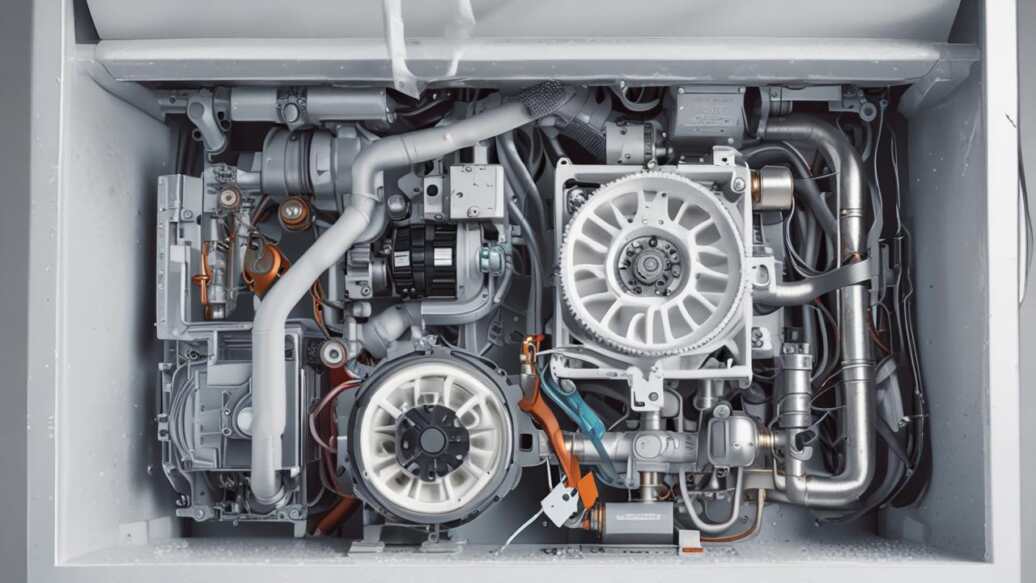
The water pump in your ice maker is like its heart. It pushes water from your home’s supply line up to the ice mold where it can freeze. If this pump isn’t working right, the whole process stops.
Regularly inspect your ice maker for unusual noises or reduced ice output to catch pump problems early and avoid costly repairs.
You won’t get any ice, or the ice you do get might be oddly shaped or small. This vital part ensures your ice maker can do its job. Without it, your fancy ice machine is just taking up space.
This guide focuses on helping you spot problems early. We’ll cover the typical ice maker pump failure signs so you can act fast. Catching issues early can save you money and the frustration of a completely broken appliance.
Let’s get your ice maker back in action.
Common Ice Maker Pump Failure Signs
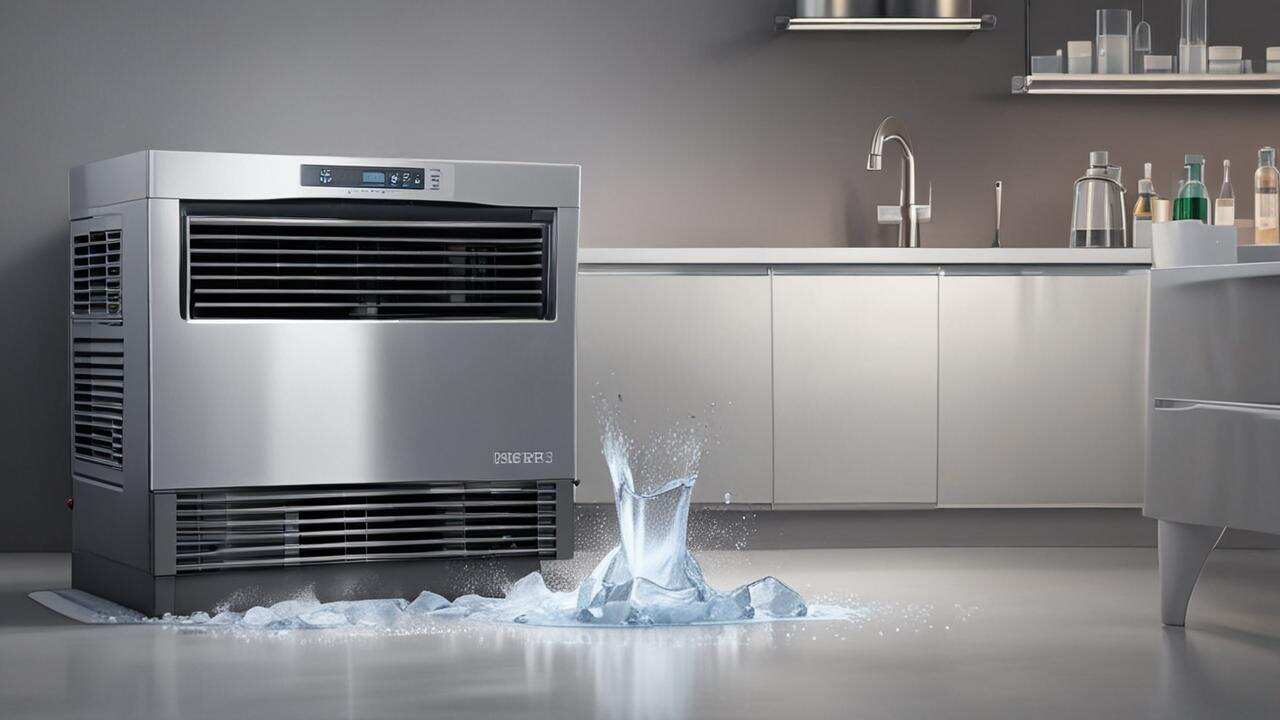
Spotting the early signs of a failing ice maker pump is crucial. The most obvious sign is a complete lack of ice production. If your ice maker used to churn out cubes regularly and suddenly stops, a pump issue is a top suspect.
You might hear unusual noises coming from the ice maker unit when it should be filling with water. These sounds could be a sign that the pump is struggling to push water. Another indicator is very slow ice production.
A sudden halt in ice production after consistent performance almost always points to a pump malfunction, so check it first before assuming other causes.
Instead of a full bin, you might only get a few cubes over a long period. This suggests the pump isn’t delivering water efficiently.
Sometimes, you might notice that the ice cubes are smaller than usual or misshapen. This can happen if the pump isn’t delivering the correct amount of water to the mold. If your ice maker is making a grinding or humming noise but not producing ice, the pump motor might be trying to work but can’t move water.
Finally, if you see water leaks around the ice maker, especially when it’s supposed to be filling, the pump or its connections might be compromised. These are all key ice maker pump failure signs to watch for.
Understanding How the Pump Works
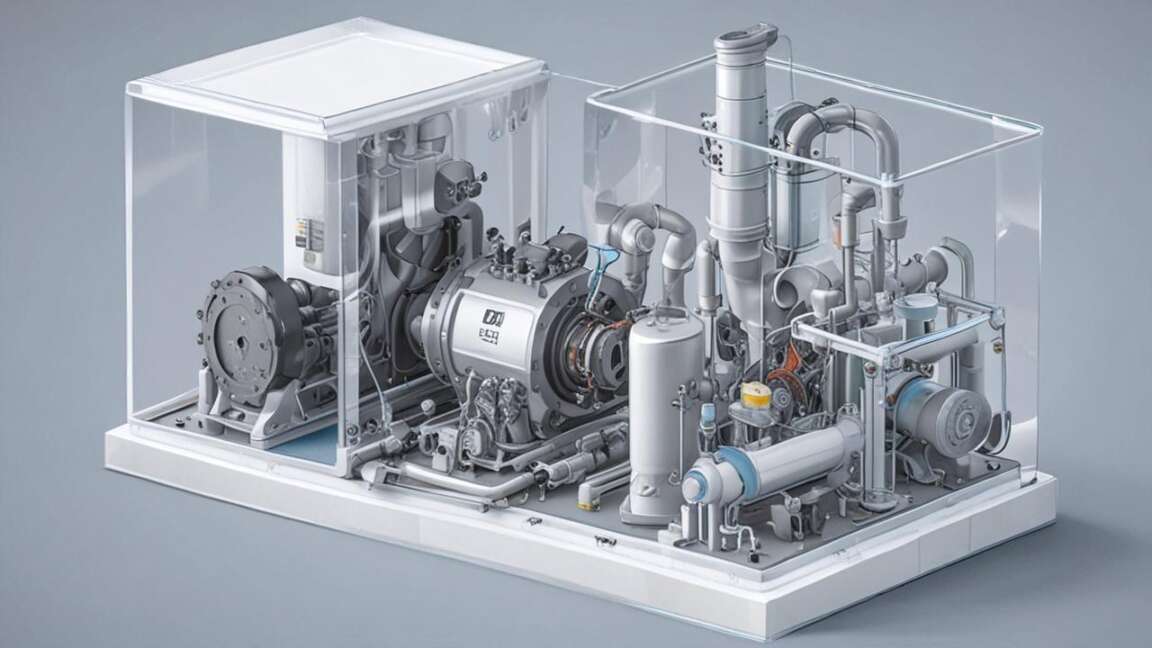
To better understand the ice maker pump failure signs and what to do, it helps to know how the pump functions. Your ice maker is connected to your home’s water line. When the ice maker signals that it’s time to make more ice, a solenoid valve opens.
This valve lets water flow from the supply line into a small reservoir or directly to the pump. The pump, usually a small electric motor with an impeller, then takes this water and forces it up through tubing to the ice mold. It needs enough power and a clear path to move the water effectively.
The pump's job is to push water up to the ice mold; if it fails, the entire ice-making process stops cold.
The pump is designed to work under specific pressure and flow rates. If the impeller is damaged, clogged with debris, or the motor is failing, it won’t be able to move water as intended. This is why you see a drop in ice production or hear strange noises.
The pump motor might also overheat if it’s struggling, leading to intermittent operation or complete failure. Understanding this simple process highlights why a functional pump is so critical for your ice maker’s output.
Troubleshooting Common Pump Issues
When you notice the ice maker pump failure signs, there are a few things you can check yourself. First, always ensure the ice maker is turned on and the water supply valve is fully open. Sometimes, the simplest solutions are overlooked.
Second, check for any visible blockages in the water line leading to the ice maker. Debris can sometimes get caught. Next, inspect the water filter if your ice maker has one.
A clogged filter can restrict water flow, making the pump work harder and potentially leading to failure.
Before calling a technician, always check that the water supply valve is fully open and the water filter isn't clogged—these simple steps can save you a service call.
If you’re comfortable, you can try to access the pump itself. Look for any obvious signs of damage or leaks. Sometimes, mineral buildup can clog the pump’s inlet or outlet.
You might be able to gently clean these areas. However, be very careful when working with appliance parts. If the pump is making loud noises or you see sparks, do not attempt to fix it yourself.
This is a sign that professional help is needed. For many, the most practical step after basic checks is to call a qualified appliance repair technician to diagnose the specific ice maker pump failure signs.
When to Consider Pump Replacement
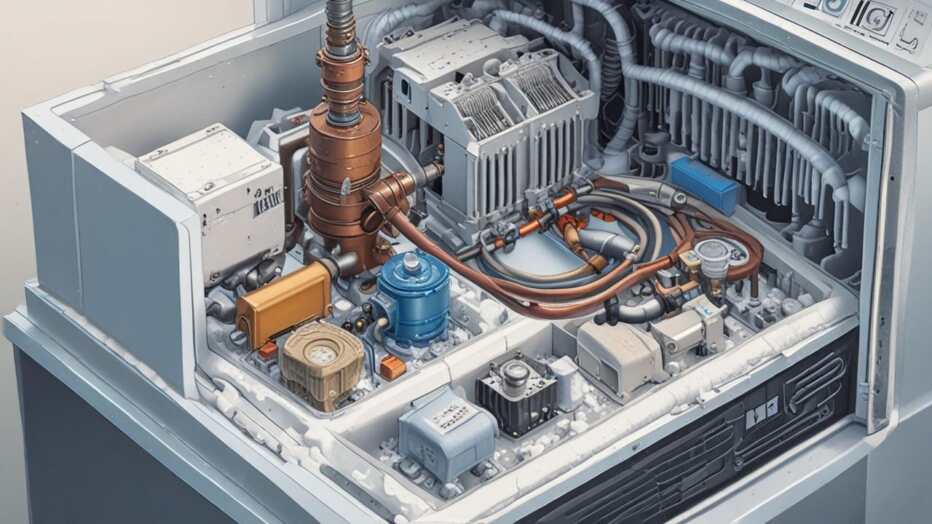
Deciding whether to replace the pump or the entire ice maker depends on a few factors. If your ice maker is relatively new and the pump is the only component showing signs of failure, replacing just the pump might be cost-effective. However, if the ice maker is older, has had other issues in the past, or the cost of a new pump is a significant percentage of a new ice maker’s price, replacement might be the better option.
You also need to consider the availability of parts. Some older models might be hard to find parts for.
Attempting a DIY pump replacement without proper knowledge can lead to additional damage—consult a professional if you're unsure.
If you’ve experienced multiple ice maker pump failure signs or other component failures recently, it might be a sign that the whole unit is nearing the end of its lifespan. A professional technician can help you weigh the costs and benefits of repair versus replacement. They can also tell you if the pump is easily replaceable or if it’s integrated into a larger, more expensive assembly.
Sometimes, a DIY repair can cause more damage if not done correctly. Knowing when to call it quits on an old appliance and invest in a new one is a smart decision.
Preventative Maintenance for Your Ice Maker
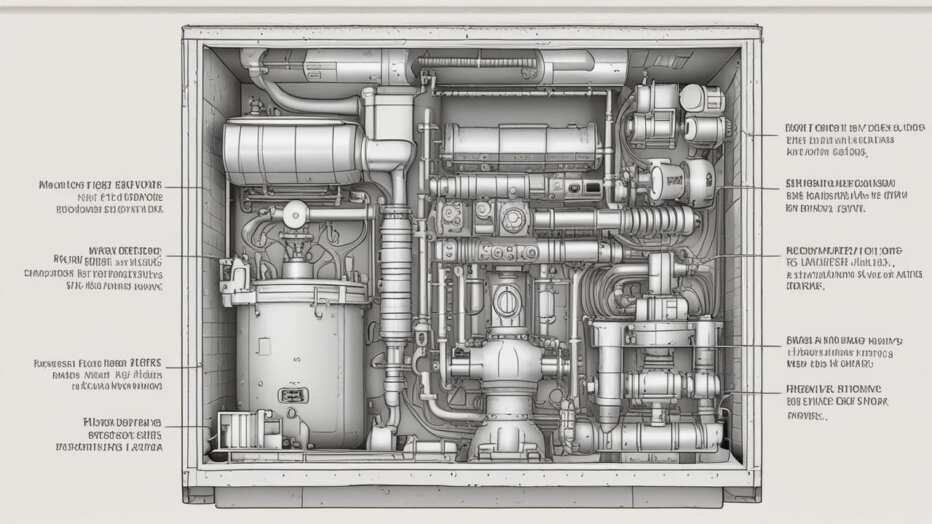
Preventing issues with your ice maker pump starts with regular maintenance. This helps avoid those frustrating ice maker pump failure signs. First, clean your ice maker regularly.
This includes wiping down the interior and ensuring the ice bin is clean. Second, if your ice maker has a water filter, replace it according to the manufacturer’s recommendations. A clean filter ensures good water flow to the pump.
Regular cleaning and timely water filter replacement are the most effective preventive measures to avoid pump failure.
Next, periodically check and clean the water inlet valve and the water line itself for any debris or mineral buildup.
Descaling your ice maker can also be beneficial. Mineral deposits from hard water can build up over time and clog not only the pump but also other components. Follow your manufacturer’s instructions for descaling, usually involving a vinegar or special descaling solution.
Emptying the ice bin when you’re away for an extended period can also help prevent water from sitting and potentially causing issues. Simple steps like these can extend the life of your ice maker and its pump, saving you from dealing with pump failure.
Comparing Pump Repair vs. Replacement Costs
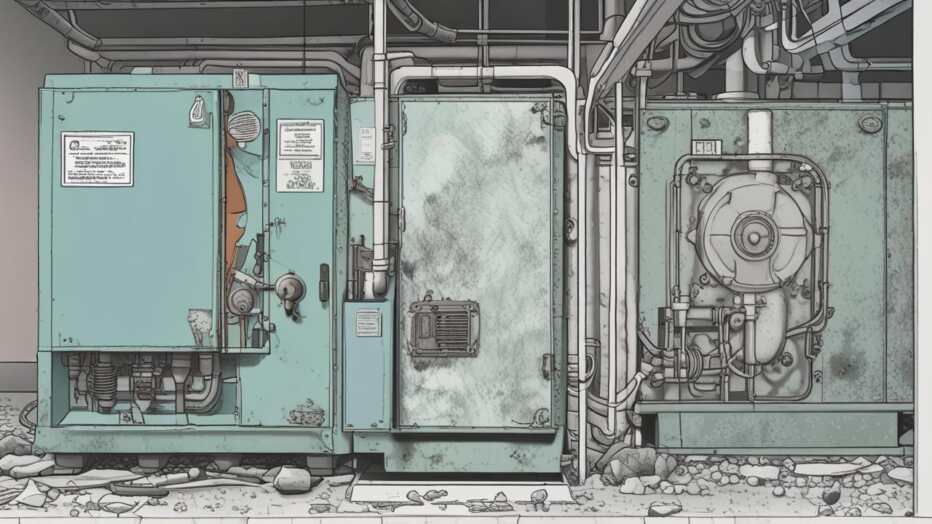
When faced with a failing ice maker pump, the decision between repairing or replacing often comes down to cost and the age of the appliance. Repairing a pump typically involves the cost of the part itself and labor. This can range from $100 to $300 or more, depending on the complexity of the pump and the technician’s rates.
If the pump is a simple, easily accessible part, the repair might be on the lower end of this spectrum. However, if the pump is integrated into a more complex module, the repair cost can increase significantly.
Pump repair costs typically range from $100 to $300, but if the part is integrated into a complex module, replacement may be more economical.
Replacing the entire ice maker unit can cost anywhere from $300 to $800 or more, depending on the brand, features, and type of ice maker. For older appliances, especially those that have already shown signs of wear and tear, the cost of repairing a single component like the pump might not be the most economical choice in the long run. A new ice maker will come with a warranty and the latest features, potentially saving you from future repair bills.
It’s wise to get a quote for both options before making a final decision on addressing the ice maker pump failure signs.
Frequently Asked Questions
What are the most common ice maker pump failure signs?
The most common ice maker pump failure signs include no ice production, slow ice production, unusual noises, and small or misshapen ice cubes. Leaks around the unit can also indicate a pump problem.
Can I fix a broken ice maker pump myself?
Basic troubleshooting like checking water supply and filters is possible. However, repairing or replacing the pump itself can be complex and may require special tools. It’s often best to call a professional to avoid further damage.
How often should I replace my ice maker’s water filter?
Most manufacturers recommend replacing the water filter every six months. However, if you have very hard water or notice reduced water flow, you might need to replace it sooner. This helps prevent strain on the pump.
Why is my ice maker making a grinding noise?
A grinding noise often means the pump motor is trying to run but is blocked or damaged. It could be a sign of impeller damage or a foreign object obstructing the pump. This is a clear indicator of ice maker pump failure signs that needs attention.
What is the lifespan of an ice maker pump?
The lifespan of an ice maker pump can vary greatly depending on usage, water quality, and maintenance. Generally, they can last anywhere from 5 to 10 years, but this can be shorter if not properly maintained.
Is it cheaper to repair or replace an ice maker pump?
Repairing a pump is usually cheaper than buying a new ice maker, but it depends on the cost of the pump and labor versus the age and condition of the entire unit. If the ice maker is old, replacement might be more cost-effective long-term.
Final Thoughts
Knowing the ice maker pump failure signs and what to do can save you from a lot of ice-less frustration. By watching for common issues and performing simple maintenance, you can keep your ice maker running smoothly. If a problem does arise, understanding your options for repair or replacement will help you make the best choice for your situation.