Ice Maker Installation Without A Water Line: Options
At a Glance Ice maker installation without a water line is possible through portable ice makers, manual fill units, or systems with integrated water reservoirs and pumps. These options eliminate the n…
Ice maker installation without a water line is possible through portable ice makers, manual fill units, or systems with integrated water reservoirs and pumps. These options eliminate the need for plumbing, allowing placement in any space with an electrical outlet. Manual fill ice makers require periodic refills and simple maintenance, while reservoir and pump models offer semi-automatic operation. Choosing the right type depends on daily ice production needs, available counter space, and whether you prioritize convenience or simplicity.
Getting fresh ice at home is a great convenience, but what if your kitchen layout makes connecting a traditional ice maker tricky? You might be wondering about Ice Maker Installation Without A Water Line: Options. This matters because it opens up possibilities for enjoying ice maker benefits even in spaces without easy plumbing access.
You’ll gain the freedom to place your ice maker where it works best for you, avoiding costly or complicated plumbing work and enjoying chilled drinks whenever you want.
Key Takeaways
- You can still enjoy ice maker convenience without a direct water line.
- Portable ice makers are a popular solution for those without plumbing.
- Manual fill ice makers require regular water additions but are simple to use.
- Some ice makers can be adapted with water reservoirs or pump systems.
- Consider space, ice production needs, and power source when choosing an option.
Portable Ice Makers: Your Go-To Solution
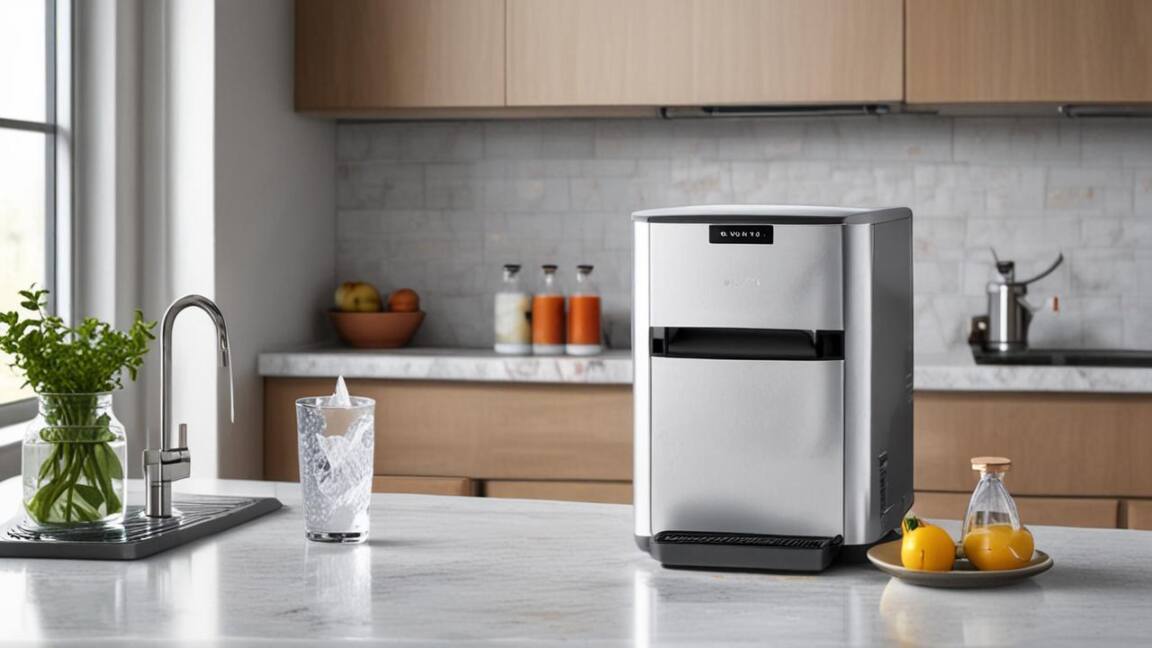
For many people, the easiest way to get an ice maker without a dedicated water line is by using a portable model. These machines are designed to be self-contained and don’t need to be plumbed into your home’s water supply. They are incredibly user-friendly and can be placed almost anywhere you have an electrical outlet.
This makes them perfect for apartments, dorm rooms, RVs, or even for use at parties and outdoor gatherings.
The basic idea behind a portable ice maker is simple. You fill a water reservoir with fresh water, and the machine does the rest. It freezes the water and produces ice cubes.
Once the ice is made, it’s usually stored in an insulated bin inside the unit. Some models have sensors that stop the ice-making process when the bin is full, preventing overflow.
For maximum flexibility, place a portable ice maker near an outlet in any room; they require no water line, making them ideal for temporary setups like parties or RVs.
When looking at portable ice makers, think about how much ice you need. Some smaller units can make about 20-30 pounds of ice a day. Larger, more powerful models can produce 40-50 pounds or even more.
You’ll also want to consider the size of the unit itself, as it needs to fit on your countertop or wherever you plan to store it. The speed at which it makes ice can also be a factor.
Types of Portable Ice Makers
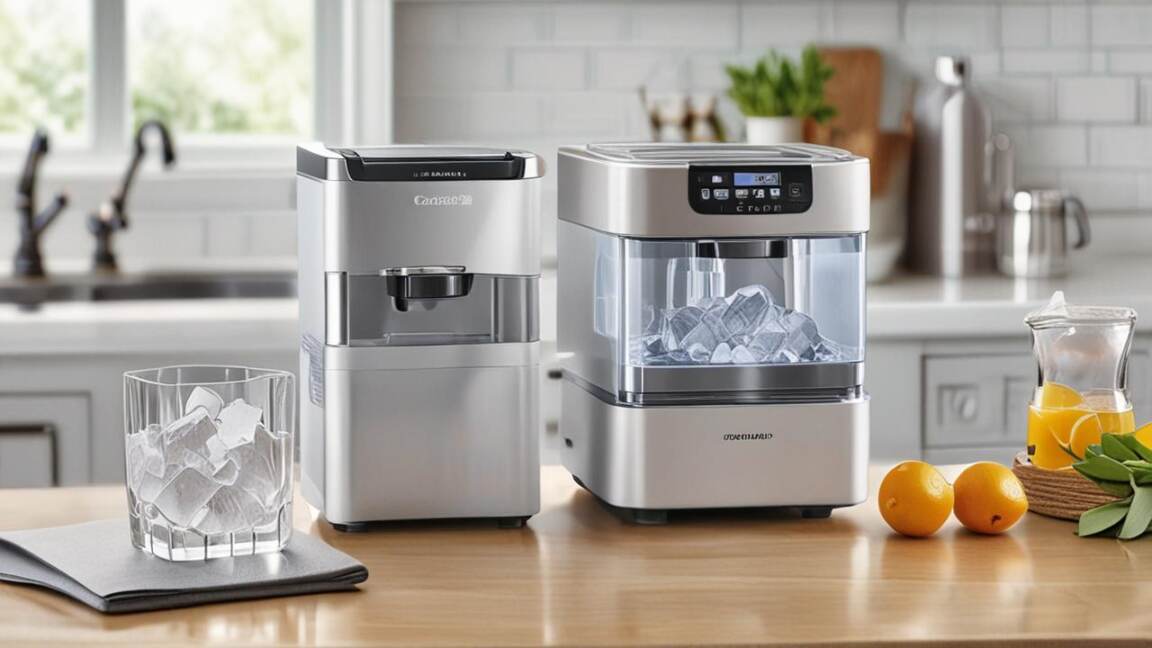
Within the portable ice maker category, you’ll find a few variations. Most common are the countertop models. These sit on your kitchen counter and are ready to go as soon as you plug them in and add water.
They are great for everyday use in a home.
Another type is the under-counter portable ice maker. While still portable, these are designed to fit under standard kitchen counters, offering a more integrated look without the need for permanent plumbing. They still have a water reservoir that needs manual filling.
Some portable units are specifically designed for outdoor use, like for camping or boating. These might be more rugged and energy-efficient. Understanding the different types helps you choose the best fit for your specific needs when considering Ice Maker Installation Without A Water Line: Options.
Manual Fill Ice Makers: The Simplest Approach
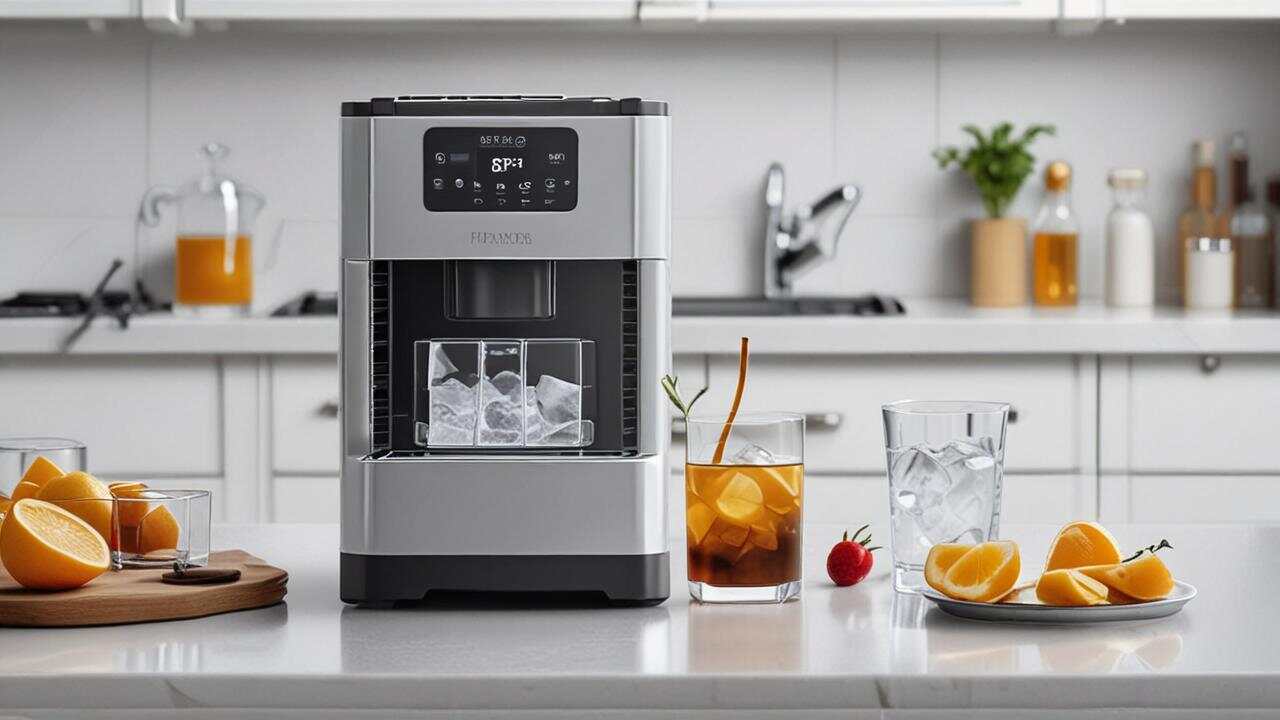
Manual fill ice makers are the most straightforward type of ice maker you can get without a water line. These are often what people think of when they hear “portable ice maker.” They are designed for ease of use and require no complex setup.
The core function of a manual fill ice maker is its water tank. You manually pour water into this tank. The machine then heats the water slightly, freezes it into ice cubes, and then drops the ice into a collection basket.
This process repeats until the ice bin is full or the water runs out.
One of the biggest advantages of a manual fill ice maker is its simplicity. There are no hoses to connect, no valves to turn, and no water pressure concerns. You just need a power outlet.
This makes them ideal for renters or anyone who doesn’t want to alter their plumbing.
Manual fill ice makers are the most straightforward no-plumb option, requiring only a water fill and an electrical outlet to produce ice without any installation.
Maintenance for Manual Fill Ice Makers
While simple to operate, manual fill ice makers do require regular attention. The most obvious is refilling the water reservoir. How often you need to do this depends on the ice maker’s capacity and how much ice you use.
If you use a lot of ice, you’ll be refilling it quite often.
Cleaning is also important. Because you’re manually adding water, it’s a good idea to clean the reservoir and the ice bin regularly to prevent mold or mineral buildup. Most manufacturers recommend cleaning the unit every few weeks.
This ensures your ice tastes fresh and the machine works efficiently.
Despite the need for regular refilling and cleaning, manual fill ice makers offer a great way to get ice without plumbing. They are a prime example of Ice Maker Installation Without A Water Line: Options that are accessible to almost everyone.
Ice Maker Reservoirs and Pump Systems
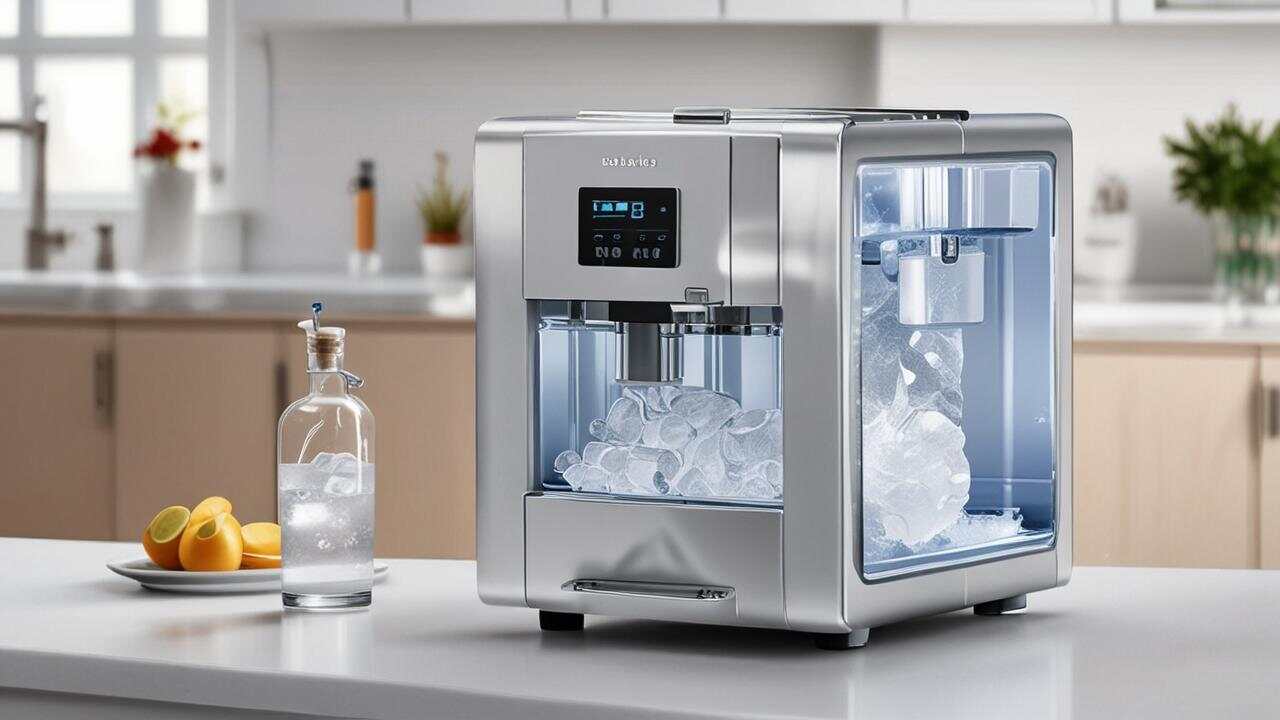
For those who want a bit more convenience than a fully manual fill ice maker but still can’t plumb a water line, there are options involving larger water reservoirs or even small pump systems. These can extend the time between refills or make the process easier.
A larger water reservoir means you don’t have to fill it up as often. Some ice makers come with tanks that can hold enough water for several batches of ice. This is a step up from smaller units that might only last for one or two cycles before needing a refill.
For a more advanced setup, some people explore using a separate water jug and a small submersible pump. You place the pump in a jug of water, and then connect a small hose from the pump to the ice maker’s water intake. When the ice maker needs water, a float switch or sensor in the machine can activate the pump to transfer water from the jug.
This effectively creates a larger, external water supply for your ice maker.
Larger reservoirs or pump systems reduce refill frequency but add setup complexity compared to basic portable units.
Pros and Cons of Reservoir and Pump Systems
The main benefit here is increased convenience. You can make more ice before needing to refill the main water source. This is especially helpful if you use a lot of ice or have a busy household.
However, these systems aren’t without their drawbacks. They can be more complex to set up than a simple portable ice maker. You also need to manage the larger water reservoir or jug, which takes up space.
Cleaning these larger systems also requires a bit more effort.
Despite these considerations, these adapted solutions are valuable Ice Maker Installation Without A Water Line: Options for people who need more ice than a basic manual fill unit provides but still want to avoid permanent plumbing.
Comparing Ice Maker Options Without Water Lines
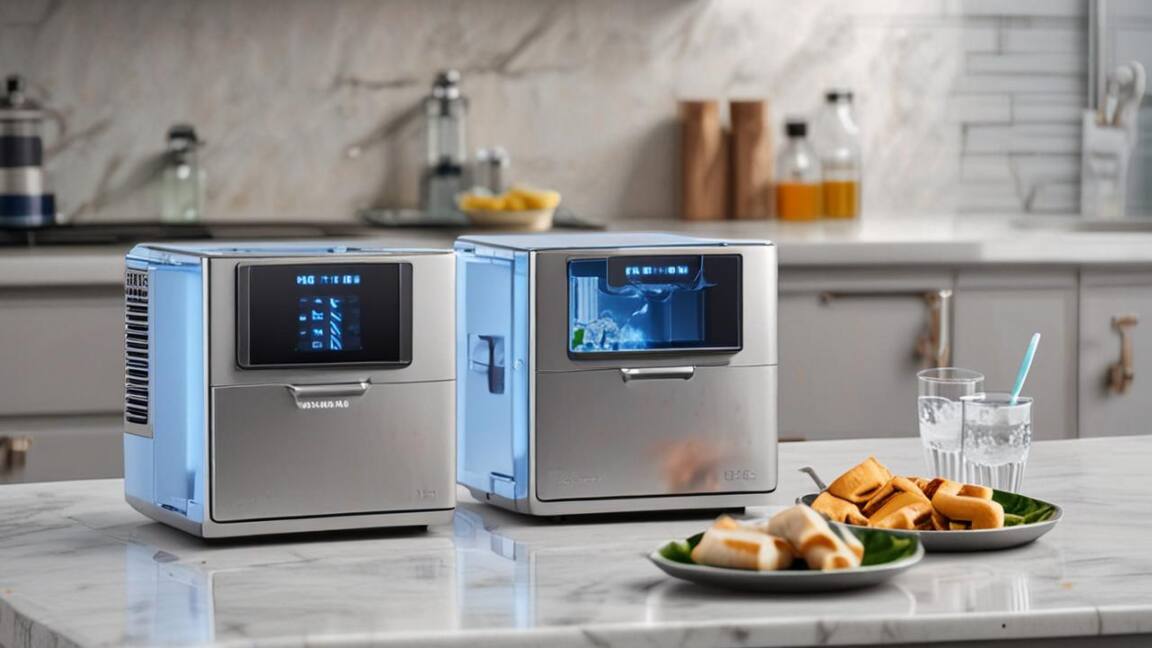
When you’re looking at Ice Maker Installation Without A Water Line: Options, it’s helpful to compare what each choice offers. This helps you make the best decision for your home and your needs. We can look at a few key factors.
As you can see from the table, each option has its place. The portable manual fill ice maker is the simplest and most budget-friendly. If you only need ice occasionally or in small batches, this is likely your best bet.
For occasional use, a manual fill portable ice maker is your most cost-effective and simple choice, requiring no plumbing commitment.
It’s a straightforward way to achieve Ice Maker Installation Without A Water Line: Options.
The larger reservoir models offer a good balance between convenience and simplicity. They allow for more ice production between refills without adding too much complexity. This might be ideal for families or individuals who use ice daily but don’t want the hassle of constant refilling.
The pump system is for those who want to automate the water supply as much as possible without plumbing. It offers the greatest autonomy but comes with the highest setup effort and potential for minor technical issues if not maintained properly. It’s a more involved but still viable solution among Ice Maker Installation Without A Water Line: Options.
Maximizing Ice Production and Efficiency
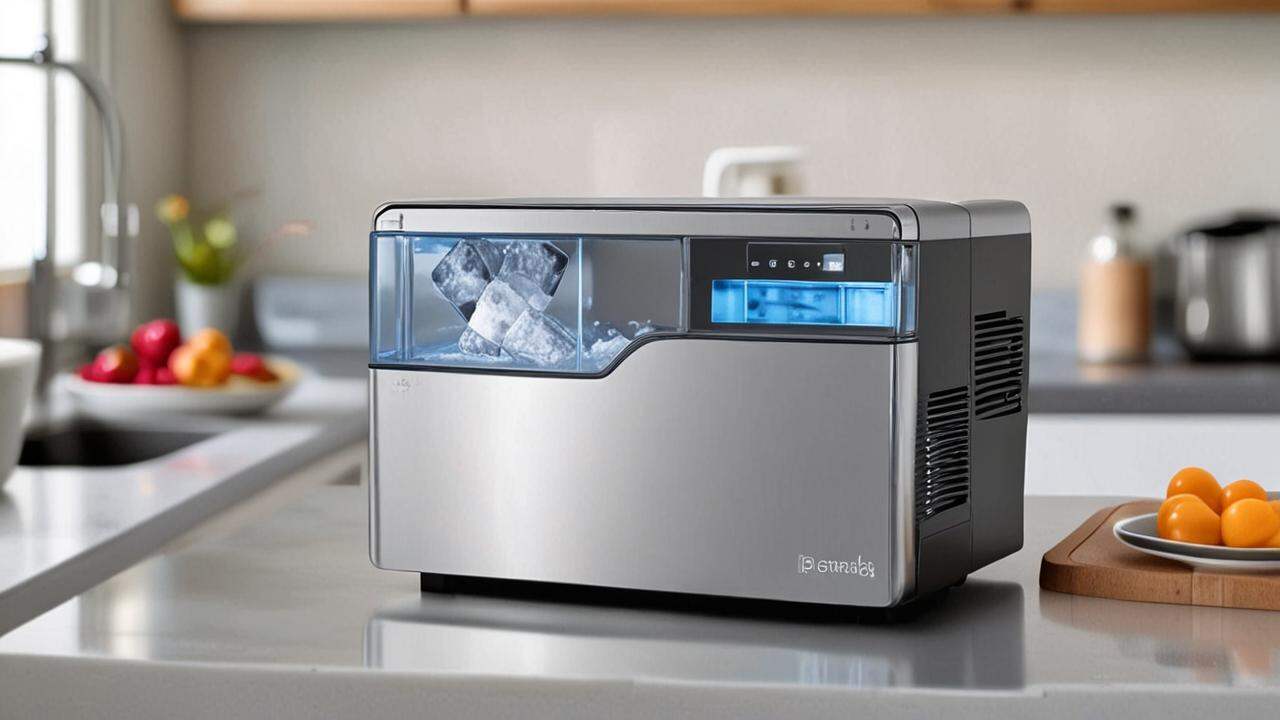
No matter which type of ice maker you choose for an Ice Maker Installation Without A Water Line: Options scenario, there are ways to get the most out of it. Efficiency and maximizing ice output are key for satisfaction.
First, always use clean, filtered water. This not only improves the taste of your ice but also helps prevent mineral buildup inside the machine. Mineral deposits can clog internal parts and reduce the ice maker’s efficiency over time.
Using filtered water also means less frequent deep cleaning is needed.
Second, ensure the ice maker is placed in a cool environment. Heat is the enemy of ice production. If the machine is placed near a heat source, like a stove or in direct sunlight, it will have to work harder to freeze the water.
This uses more energy and results in slower ice production. A cool, dry spot is best.
Avoid forcing your ice maker to produce ice faster than its normal cycle; overworking the components can reduce longevity and ice quality.
Next, don’t overfill the water reservoir. Follow the manufacturer’s instructions for the maximum fill line. Overfilling can sometimes interfere with the freezing cycle or cause water to spill, making a mess and potentially damaging the unit.
Then, clean the ice maker regularly. As mentioned before, this is crucial for performance and hygiene. A clean machine runs more efficiently.
Follow the manufacturer’s guide for cleaning cycles and descaling.
Finally, allow the machine to rest between batches if needed. Some ice makers have a cooldown period after producing a batch before they can start the next. Trying to force it to make ice too quickly can strain the components and reduce overall output.
Patience can lead to better, more consistent ice production.
Considering Space and Power Needs
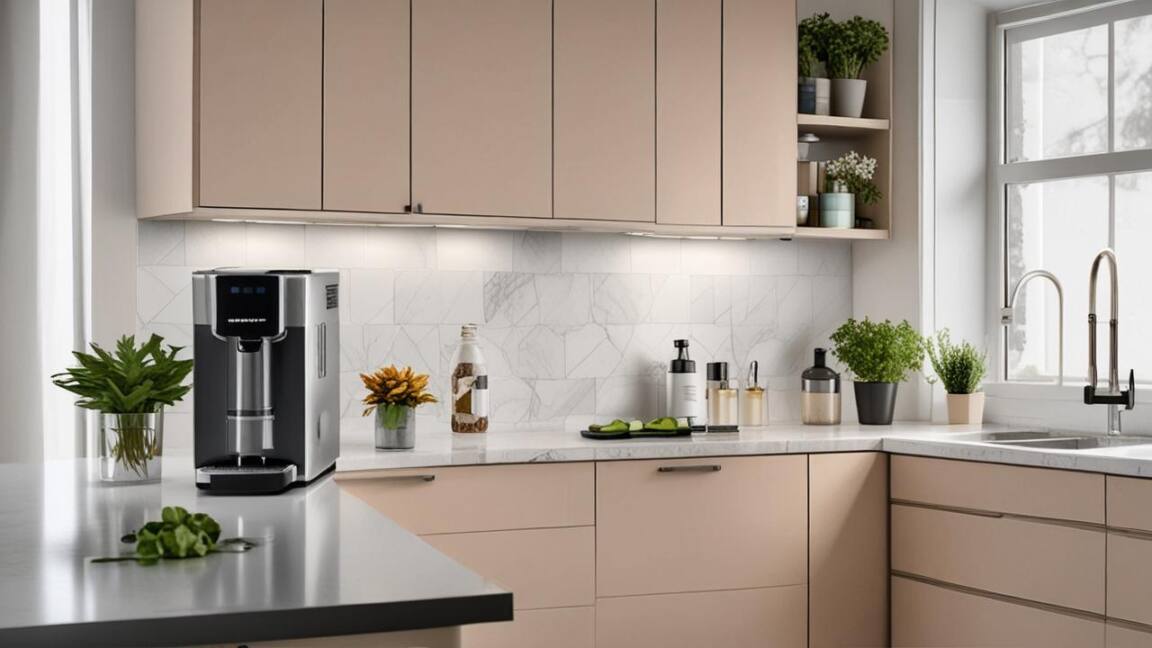
When you’re looking at Ice Maker Installation Without A Water Line: Options, two practical considerations are always space and power. Even portable units need to fit somewhere and have access to electricity.
Space is a big factor. Measure the area where you plan to put the ice maker. Countertop models need enough room for the unit itself, plus some clearance for ventilation.
Some models are quite compact, while others can be bulky. If you’re considering an under-counter model, ensure it fits the dimensions and has adequate airflow.
Before buying, measure your counter space and ensure the unit has adequate ventilation and access to a nearby power outlet to avoid overheating.
Power is another essential. Most ice makers require a standard electrical outlet. Check the wattage requirements of the ice maker you are considering.
Make sure the outlet you plan to use can handle the load, especially if you plan to run other appliances on the same circuit. Some higher-capacity ice makers might draw more power.
It’s also worth considering the environment where the ice maker will operate. If it’s going in a garage or a less climate-controlled area, ensure it’s designed to function in those temperatures. Extreme heat or cold can affect performance.
Frequently Asked Questions
Can I use a regular water pitcher with my ice maker?
Yes, many portable ice makers are designed to be filled with water from a pitcher. This is one of the simplest methods for Ice Maker Installation Without A Water Line: Options.
How often do I need to refill a portable ice maker?
This varies greatly depending on the ice maker’s size and how much ice you use. Smaller units might need refilling every few hours, while larger ones could last longer.
Will an ice maker without a water line make ice as fast as a plumbed one?
Generally, plumbed ice makers can produce ice more continuously and in larger quantities because they have a constant water supply. Options without a water line rely on manual refills or limited reservoirs, which can slow down overall production.
Are there any special cleaning requirements for ice makers without water lines?
Yes, regular cleaning is very important. Since you manually add water, it’s crucial to clean the reservoir and ice bin frequently to prevent bacteria and mold growth.
Can I connect a large water cooler bottle to an ice maker?
Some setups might allow this using a pump system, essentially creating a custom reservoir. This is a more advanced approach to Ice Maker Installation Without A Water Line: Options.
Is it safe to use tap water in a manual fill ice maker?
It is generally safe, but using filtered water is highly recommended. Tap water can contain minerals that build up inside the machine and affect ice quality and longevity.
Final Thoughts
You have several great ways to get ice without needing a direct water line. Portable and manual fill ice makers are simple, while larger reservoirs and pump systems offer more convenience. Choosing the right option depends on how much ice you need and how much effort you want to put into refilling and maintenance.