Ice Maker Freezing Up Inside: Causes And Fix
At a Glance An ice maker freezing up inside is typically caused by blocked water lines, incorrect freezer temperatures, or faulty components like the water inlet valve or thermostat. Fixing the proble…
An ice maker freezing up inside is typically caused by blocked water lines, incorrect freezer temperatures, or faulty components like the water inlet valve or thermostat. Fixing the problem requires first turning off the ice maker, then checking for common ice blockages and adjusting the freezer temperature to between 0°F and 5°F. A faulty water inlet valve or thermostat can prevent proper water flow and freeze cycles, leading to internal ice buildup that jams the ejector mechanism. Preventing future freezing involves regular cleaning, ensuring proper freezer seals, and verifying that temperature settings remain stable over time.
When your ice maker decides to stop working, it’s usually because it’s frozen solid. This can be really frustrating, especially when you want a cold drink. Understanding the common reasons why your ice maker is freezing up inside and knowing how to fix it will save you time and hassle.
This guide will walk you through the simple steps to get your ice maker working again. We’ll cover the main culprits behind an ice maker freezing up inside: causes and fix options, so you can enjoy fresh ice without any more problems.
Key Takeaways
- Learn the primary reasons your ice maker might be freezing up.
- Discover simple troubleshooting steps to fix a frozen ice maker.
- Understand how temperature settings impact ice maker performance.
- Identify common component issues that lead to freezing.
- Find out preventative measures to keep your ice maker running smoothly.
Why Your Ice Maker Freezes Up
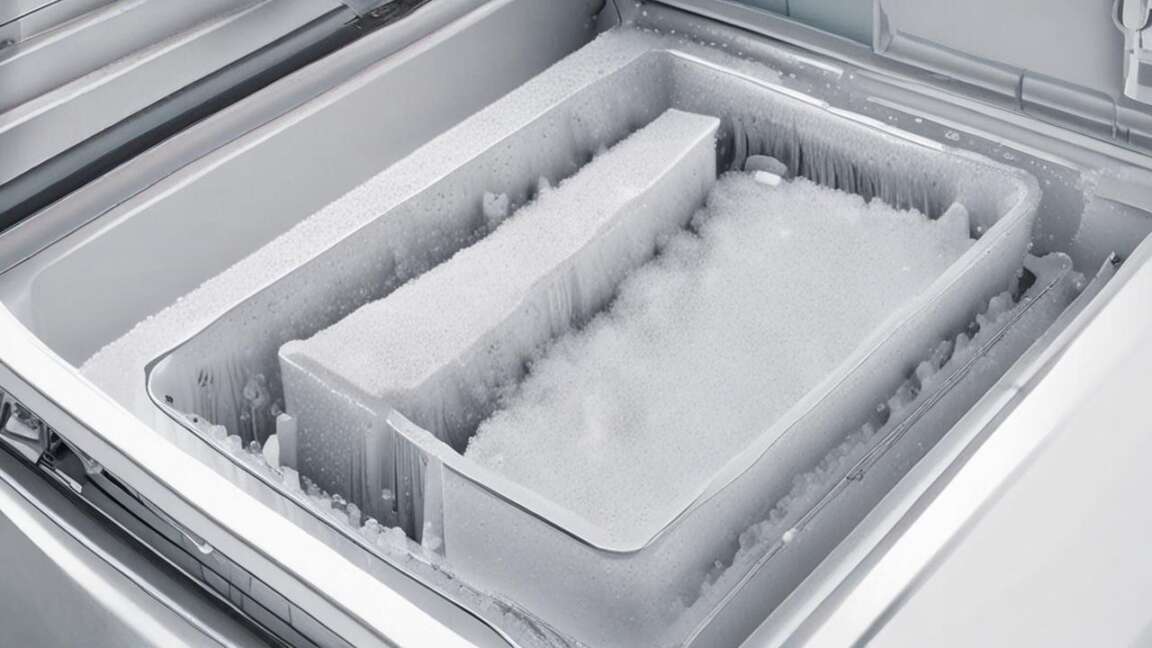
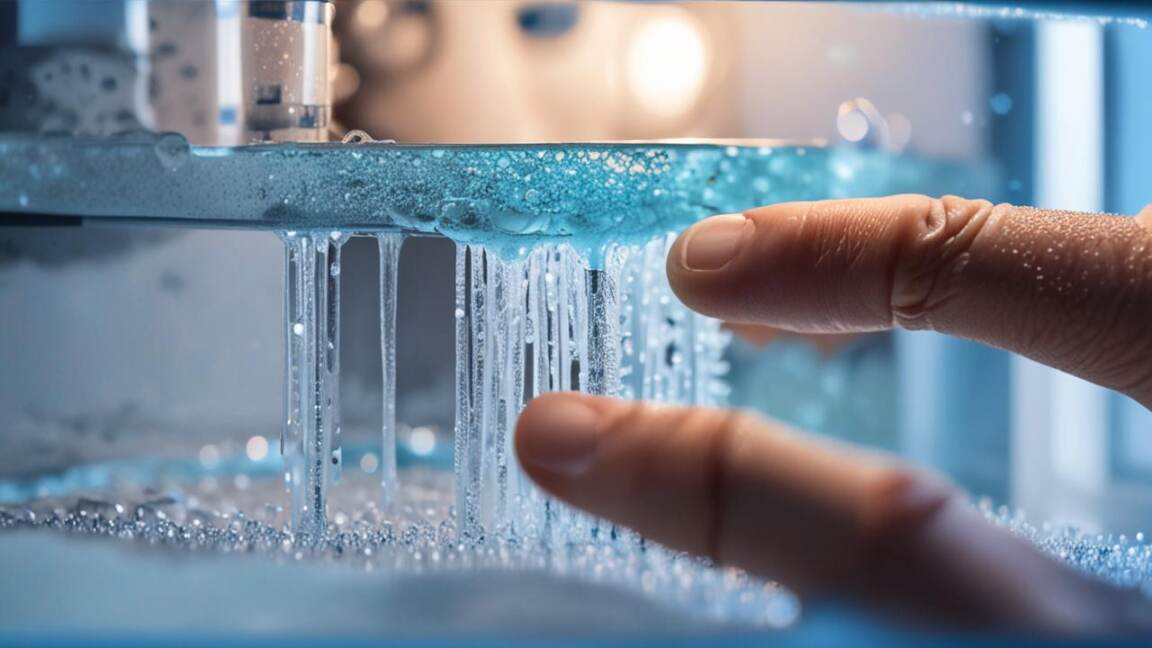
An ice maker freezing up inside is a common issue that many homeowners face. It happens when water turns into ice in places it shouldn’t, blocking the mechanism and stopping production. This isn’t just annoying; it can also damage your appliance if left unaddressed.
Several factors can cause this problem, ranging from simple user errors to minor mechanical failures. Knowing these reasons is the first step to fixing your ice maker.
Blocked Water Lines
Sometimes, the water line that supplies water to the ice maker can get blocked. This blockage can be caused by mineral buildup or even a kink in the line. When water flow is restricted, the remaining water can freeze in the fill tube or valve.
This ice buildup prevents new water from entering the ice maker tray. It’s a common cause of an ice maker freezing up inside.
Temperature Settings Too Low
Your refrigerator’s freezer temperature plays a big role in how your ice maker functions. If the freezer is set too cold, the water can freeze too quickly. This rapid freezing can cause ice to form in the ice maker’s components, not just in the mold.
A temperature below 0°F (-18°C) is generally too cold for optimal ice maker operation. This is a frequent reason for an ice maker freezing up inside.
Faulty Water Inlet Valve
The water inlet valve controls the flow of water into your ice maker. If this valve doesn’t close completely after filling the tray, a small amount of water can continuously drip. This constant drip can freeze over time, creating a block of ice.
Regularly inspect the water supply line for kinks or blockages, as these are frequent culprits for ice maker freeze-ups.
A faulty valve is a significant contributor to an ice maker freezing up inside.
Issues with the Ice Maker Thermostat
Every ice maker has a thermostat that helps regulate its temperature. If this thermostat malfunctions, it can cause the ice maker to get too cold. This excessive cold can lead to ice forming in unintended areas.
A faulty thermostat is a direct cause of an ice maker freezing up inside.
Problems with the Ice Ejector Mechanism
The ejector arms or mechanism are responsible for pushing the ice cubes out of the mold. If these arms get stuck or are unable to eject the ice properly, the ice can accumulate. This can lead to a jam, and as more water enters, it freezes around the stuck ice.
This is a common scenario for an ice maker freezing up inside.
Air Leaks in the Freezer
Air leaks in your freezer can disrupt the temperature balance. Warm, moist air can enter the freezer and condense on the cold surfaces of the ice maker. This moisture can then freeze, creating ice buildup.
These leaks can also cause the ice maker to work harder, sometimes leading to freezing issues.
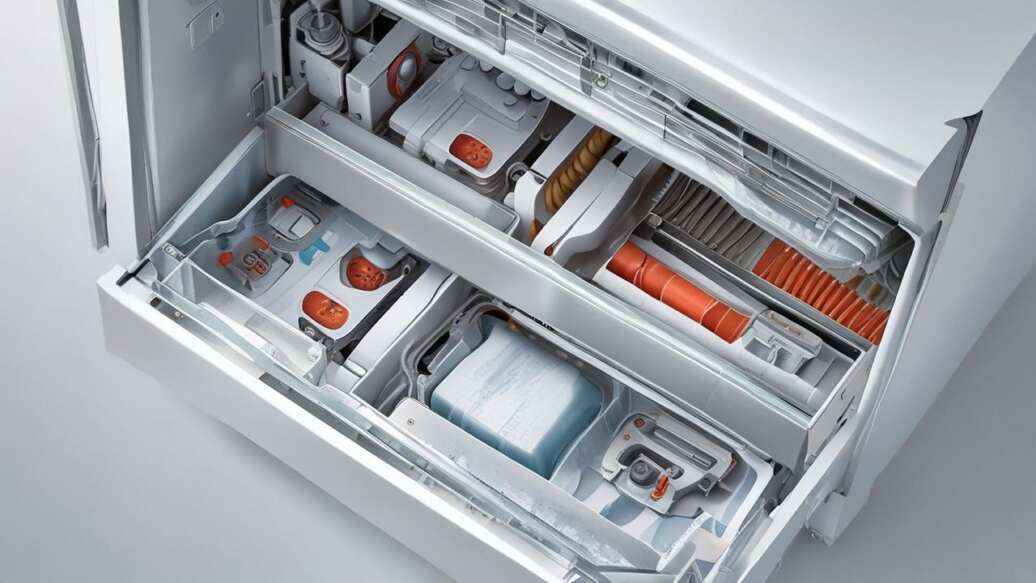
Troubleshooting and Fixing a Frozen Ice Maker
Dealing with an ice maker freezing up inside doesn’t have to be a major headache. Often, simple steps can resolve the issue. The key is to identify the cause and then apply the right fix.
We will guide you through the most effective methods to get your ice maker back in working order.
Step 1: Turn Off the Ice Maker
First, the most important step is to turn off the ice maker. Most ice makers have an on/off switch or a wire bail arm that you can lift to the “off” position. This stops the ice-making cycle and prevents further water from entering.
This prevents more ice from forming while you work on fixing the existing problem.
Step 2: Empty the Ice Bin
Remove the ice bin from the freezer. If it’s full of ice, try to empty it as quickly as possible. You can use a small scoop to remove the ice.
If the ice is stuck together, you might need to let it melt a bit. A full bin can sometimes obstruct the ice maker’s mechanism.
Step 3: Defrost the Ice Maker
The most common fix for an ice maker freezing up inside is to manually defrost it. You can do this in a few ways:
- Manual Defrost: Turn off the ice maker and unplug the refrigerator. Open the freezer door and let everything thaw naturally. This can take several hours. Place towels on the floor to catch melting ice and water.
- Using a Hair Dryer: For faster results, you can use a hairdryer on a low heat setting. Aim the hairdryer at the iced-up areas of the ice maker. Keep the dryer moving to avoid overheating any single spot. Be cautious not to melt plastic parts.
- Warm Water and Cloth: Soak a cloth in warm water and gently wipe down the iced-over parts. This is a safer method than a hairdryer and works well for smaller ice blockages.
During this process, ensure you are addressing all visible ice buildup. This manual defrost is crucial for resolving an ice maker freezing up inside.
Setting your freezer temperature too low can cause ice to form where it shouldn't; maintaining 0°F is a critical preventive measure.
Step 4: Check the Water Supply
Once the ice maker is defrosted, check the water supply line. Ensure it’s not kinked or bent. If you can access the water inlet valve, check it for any visible obstructions or damage.
A clear water line is vital for proper ice production.
Step 5: Adjust Freezer Temperature
If you suspect the temperature is too low, adjust your freezer settings. Set the temperature to around 0°F (-18°C) or slightly warmer. Avoid setting it much colder than recommended.
This simple adjustment can prevent your ice maker freezing up inside in the future.
Step 6: Clean the Ice Maker Components
While the ice maker is accessible, it’s a good time to clean it. Use a soft cloth and mild soap to wipe down the ice molds, ejector arm, and surrounding areas. Mineral deposits and residue can contribute to ice buildup.
A clean ice maker is less likely to experience an ice maker freezing up inside.
Step 7: Restart the Ice Maker
After defrosting and checking the water supply, you can turn the ice maker back on. Plug the refrigerator back in if you unplugged it. Allow the ice maker a few hours to start producing ice.
Monitor its performance to ensure the problem is resolved.
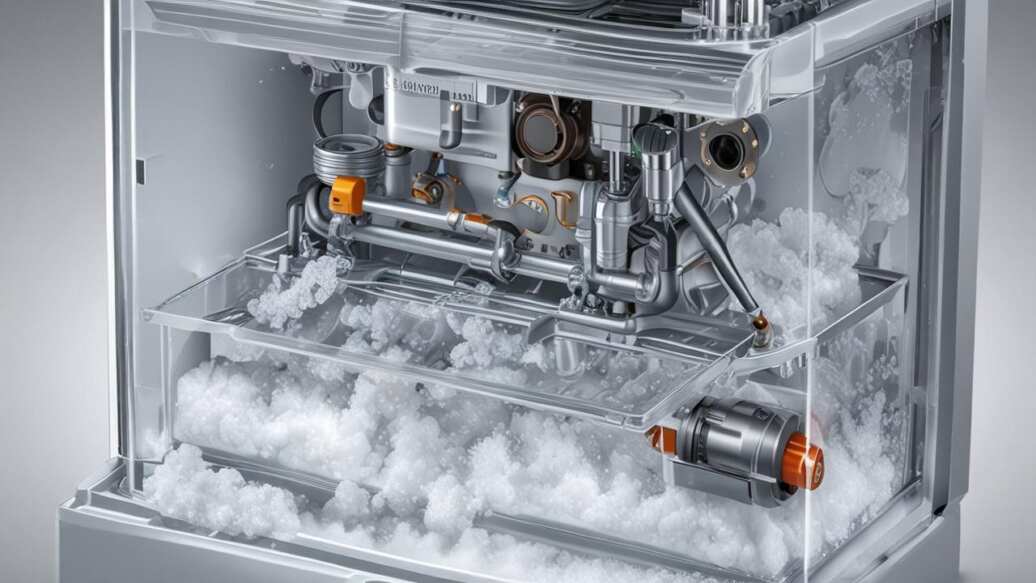
Preventing Future Ice Maker Freezing
Preventing an ice maker freezing up inside is much easier than fixing it. By following a few simple maintenance tips, you can ensure consistent ice production.
Regular Cleaning
Clean your ice maker regularly. This includes wiping down the ice bin, ejector arm, and the area around the ice maker. A clean unit is less prone to issues.
Aim to do this every 3-6 months.
Maintain Optimal Freezer Temperature
Keep your freezer temperature set correctly. As mentioned, around 0°F (-18°C) is ideal. Avoid frequently opening the freezer door for long periods, as this can cause temperature fluctuations.
Consistent ice production depends on simple, routine maintenance rather than complex repairs.
Check Water Filter
If your refrigerator has a water filter for the ice maker, replace it as recommended by the manufacturer. A clogged filter can restrict water flow, contributing to freezing issues.
Inspect Water Line
Periodically check the water supply line for kinks or damage. Ensure it is properly connected and not blocked.
Listen for Unusual Noises
Pay attention to any strange sounds coming from your ice maker. Grinding or clicking noises can indicate a problem with the ejector mechanism that could lead to ice buildup.
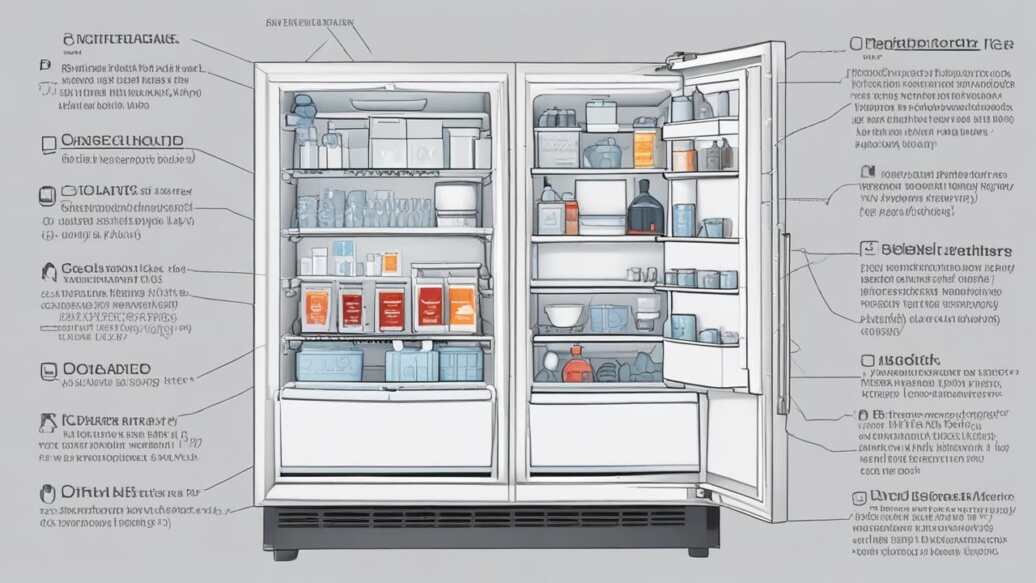
Common Components Involved in Ice Maker Freezing
Understanding the parts of your ice maker can help you pinpoint why it’s freezing. When an ice maker freezing up inside is the issue, these components are often the culprits:
Check the water inlet valve for slow leaks, which often lead to ice buildup inside the maker.
- Water Inlet Valve: Controls water flow into the ice maker. A slow leak here can cause freezing.
- Ice Molds: The trays that hold water to form ice. If they are damaged or dirty, ice can stick and build up.
- Ejector Arm/Mechanism: Pushes ice out of the molds. If it’s stuck, ice can jam.
- Thermostat/Feelers: These sense temperature and ice levels. A faulty one can cause over-cooling.
- Fill Tube: Delivers water to the ice maker. Blockages here stop water flow.
When troubleshooting an ice maker freezing up inside: causes and fix options often relate directly to these parts. Knowing their function helps in diagnosing the problem.
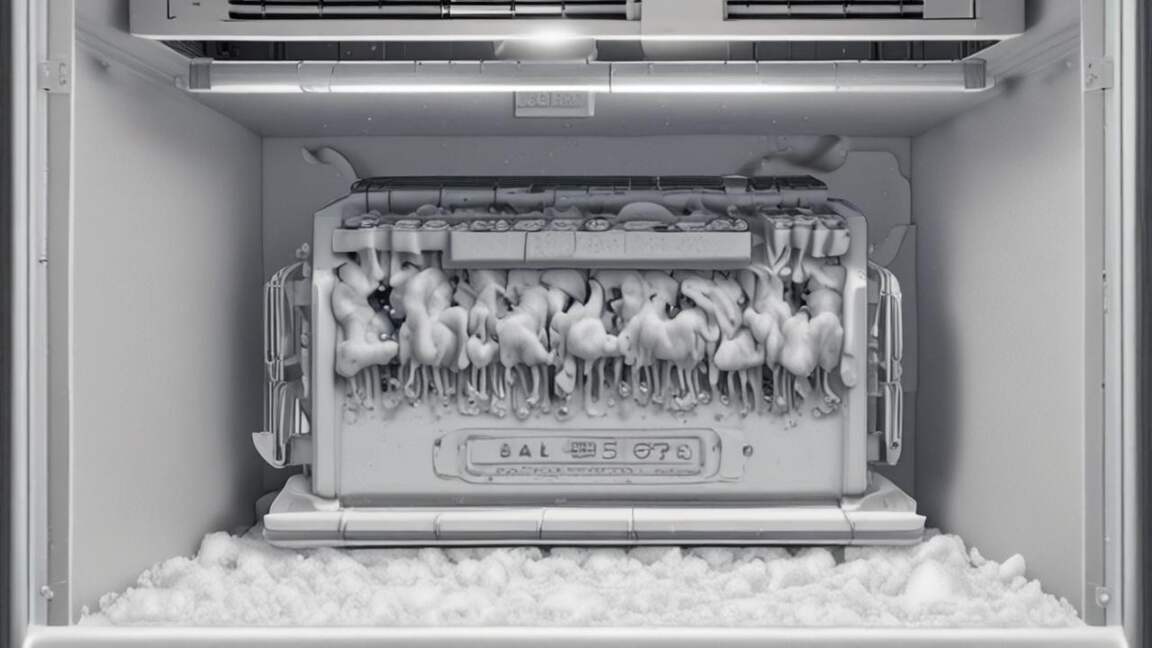
When to Call a Professional
While many ice maker issues can be fixed with simple DIY steps, some problems require professional attention. If you’ve tried defrosting and checking the basics, and the ice maker continues to freeze up, it might be time to call a technician. Persistent issues with the water inlet valve, internal wiring, or the ice maker module itself often need expert repair.
If you've exhausted basic troubleshooting and the freeze-up persists, calling a technician prevents further damage and ensures safety.
Don’t hesitate to seek help if you’re unsure or uncomfortable with any repair steps.
Frequently Asked Questions
How long does it take for an ice maker to freeze up again after fixing it?
After fixing the cause of the freezing, your ice maker should start producing ice within 24 hours. It may take a full cycle to produce a full batch of ice.
Can a clogged water filter cause an ice maker freezing up inside?
Yes, a clogged water filter can restrict water flow. This can lead to the ice maker not filling properly, which can indirectly cause freezing issues or simply stop ice production.
What is the best way to defrost a frozen ice maker?
The safest and most effective way is to turn off the ice maker, unplug the refrigerator, and let it defrost naturally with the freezer door open. You can speed this up with a hairdryer on low heat, but be very careful.
My ice maker is frozen solid, what should I do?
If your ice maker is frozen solid, you need to perform a manual defrost. Turn it off, unplug the fridge, and allow it to thaw completely. Then, check the water supply and freezer temperature before restarting.
Is it normal for ice to build up around the ice maker?
Some minor ice buildup can occur, but excessive freezing indicates a problem. This often points to an issue like temperature fluctuations, air leaks, or a faulty component causing the ice maker freezing up inside.
How do I know if my water inlet valve is bad?
A common sign of a bad water inlet valve is a slow, continuous drip of water into the ice maker, even when it’s not filling. This constant water can then freeze, leading to an ice maker freezing up inside.
Final Thoughts
An ice maker freezing up inside is a common problem with clear causes and fixes. By understanding temperature settings, water flow, and component health, you can often resolve the issue yourself. Regular maintenance will keep your ice maker running smoothly and prevent future freezing.