How To Wash Vegetables Properly
At a Glance To wash vegetables properly, rinse most produce under cool running water while gently rubbing the surface to remove dirt and residues. Root vegetables require scrubbing with a brush, leafy…
To wash vegetables properly, rinse most produce under cool running water while gently rubbing the surface to remove dirt and residues. Root vegetables require scrubbing with a brush, leafy greens benefit from a brief soak in cold water, and delicate items like berries need a gentle rinse just before eating. Washing effectively removes contaminants and improves safety, making proper technique essential for every type of produce.
Keeping your food clean is super important for staying healthy. When you’re getting ready to cook or eat fresh veggies, taking a few moments to properly clean them makes a big difference. It helps remove dirt, tiny bugs, and even any lingering sprays.
Learning How to Wash Vegetables Properly means you’ll enjoy tastier meals and feel good knowing you’re doing the best for your family’s well-being. We’ll walk you through easy steps so you can confidently prepare your produce every time.
Key Takeaways
- Washing vegetables removes dirt, pesticides, and germs.
- Running water is the best way to clean most produce.
- Some vegetables need extra care, like scrubbing or soaking.
- Using the right tools makes washing easier and more effective.
- Properly washed vegetables taste better and are safer to eat.

Why Washing Your Veggies Matters
It might seem like a small step, but washing your vegetables is a big deal for your health. Think about where vegetables come from. They grow in the ground, out in the open.
They can get dirt, bugs, and sometimes even tiny bits of nature on them. Farmers might also use sprays to keep pests away. Even if they don’t, things can transfer from hands or equipment during packing and transport.
So, when you bring them home, they’ve had quite a journey.
Getting rid of these things before you eat or cook is key. It’s not just about making them look clean; it’s about making them safe. This simple step helps prevent you and your family from accidentally eating unwanted residues.
Understanding How to Wash Vegetables Properly ensures you get the most goodness from your food without any of the extras you don’t want.

The Best Way to Wash Most Produce
For most fruits and vegetables, the simplest method is often the most effective. This involves using cool, running tap water. It’s a quick and easy way to get rid of a lot of the surface dirt and any loose bits.
You don’t need fancy soaps or special cleaners for this step. Plain water does the job well for everyday cleaning.
First, get your vegetables ready. Remove any outer leaves that look damaged or are loose. If you’re washing things like lettuce or spinach, you might want to separate the leaves.
This lets water get to all the nooks and crannies.
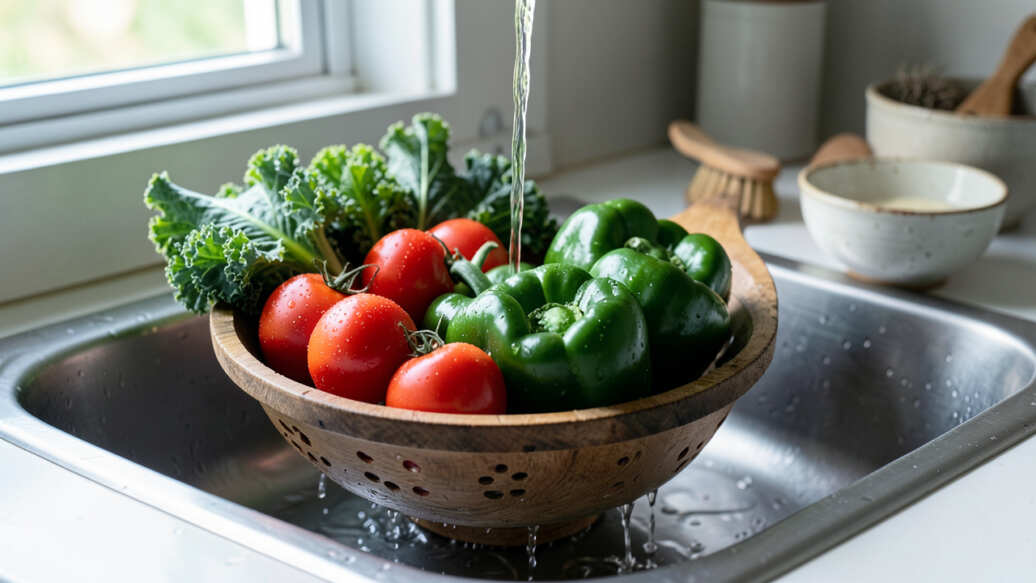
Next, place the vegetables in a colander. A colander is a bowl with holes that lets water drain away. This is very handy for washing.
Hold the colander under the tap and let the cool water run over the vegetables. Gently move them around with your hands so the water can reach every part. This process helps wash away dirt and other particles.
Then, let them drain well. Once you’ve rinsed them, give the colander a good shake. You can also pat them dry with a clean kitchen towel or paper towels.
This helps prevent them from getting slimy and ready for your recipe.

Special Care for Different Vegetables
While running water works for many things, some vegetables need a little extra attention. This is especially true for produce with rough skins or those that grow close to the ground. Knowing these differences helps ensure you’re cleaning them the best way possible.
It’s part of learning How to Wash Vegetables Properly for different types.
Root Vegetables: Scrubbing is Key
Vegetables that grow underground, like carrots, potatoes, and beets, often have more dirt clinging to them. This dirt can get stuck in their crevices. Simply rinsing them under water might not be enough to get them truly clean.
For these, a vegetable brush is your best friend. After rinsing them under running water, use the brush to gently scrub the surface. Pay attention to any bumps or indentations where dirt might hide.
Scrubbing helps remove the stubborn dirt without damaging the vegetable’s skin. If you don’t have a brush, you can use a clean scouring pad meant for produce.
Leafy Greens: A Gentle Soak
Lettuce, spinach, kale, and other leafy greens can be tricky. Dirt and tiny bugs can hide between the leaves. Sometimes, just rinsing them under water doesn’t get everything out.
A gentle soak can be very helpful here.
First, fill a large bowl or your clean sink with cool water. Add your leafy greens to the water. Swish them around gently with your hands.
Let them sit for a few minutes. This helps loosen any dirt or sand that’s stuck to the leaves. You might see the dirt settle at the bottom of the bowl.
Second, lift the greens out of the water. Try to lift them gently so the dirt stays behind. You can do this a couple of times if needed, using fresh water each time.
After lifting them out, give them a final rinse under running water in a colander. Then, dry them thoroughly. Spinning them in a salad spinner is a great way to get them dry quickly.
Berries and Soft Fruits: Handle with Care
Berries like strawberries, raspberries, and blueberries are delicate. They can bruise easily and are also more porous, meaning they can absorb too much water. Washing them right before you eat them is often best to keep them fresh.
For berries, a quick rinse under cool, running water is usually sufficient. Place them in a colander and rinse them gently. Avoid soaking them, as this can make them mushy.
If you notice any that are spoiled, remove them before washing the rest. Gently patting them dry is also important.
Fungi: Quick Rinse or Brush
Mushrooms are a bit unique. They are porous and can absorb water like a sponge. If you soak them, they can become waterlogged and lose their texture.
This is why understanding How to Wash Vegetables Properly includes knowing about mushrooms.
For most mushrooms, a quick rinse under cool water is okay, but it’s best to do it right before cooking. You can also use a damp cloth or a soft brush to wipe away any dirt. If they are very dirty, a very brief rinse and immediate drying can work.
The goal is to clean them without letting them soak up excess water.

Tools That Help You Wash Better
Having the right tools can make the process of washing vegetables much easier and more effective. These aren’t complicated gadgets; they are simple kitchen items that help you clean your produce thoroughly.
- Colanders: As mentioned, these are essential for rinsing and draining. Having a few different sizes can be helpful.
- Vegetable Brushes: A soft-bristled brush is perfect for scrubbing root vegetables and firm produce.
- Salad Spinners: These are fantastic for drying leafy greens quickly and efficiently.
- Large Bowls or Sink: For soaking leafy greens or rinsing larger items.
- Clean Kitchen Towels or Paper Towels: For drying produce after washing.

When to Use Special Washes
For everyday cleaning, plain water is usually all you need. However, some people wonder about using vinegar or special produce washes. These can be helpful in certain situations, but they aren’t always necessary.
Vinegar Wash: Some people like to use a diluted vinegar solution. You can mix one part white vinegar with three parts water in a bowl. Swish your vegetables in this mixture, then rinse them thoroughly with plain water.
Vinegar can help kill some bacteria and remove pesticide residues. However, it’s not a replacement for proper rinsing, and you must rinse well afterward to avoid a vinegary taste.
Commercial Produce Washes: There are many produce washes available in stores. These are designed to remove pesticides and other residues. While they can be effective, studies have shown that for many types of produce, a good rinse with plain water and scrubbing is just as effective.
If you choose to use a produce wash, always follow the product’s instructions and rinse your vegetables very well afterward.
It’s important to remember that no washing method can remove all pesticide residues. The best way to reduce your exposure is to buy organic produce when possible and to always practice good washing techniques. Learning How to Wash Vegetables Properly with plain water is the most important step.

Tips for Effective Vegetable Washing
To make sure you’re getting your vegetables as clean as possible, here are some handy tips. These small things can make a big difference in the safety and taste of your food.
- Wash Just Before Use: For many vegetables, especially delicate ones like berries or leafy greens, it’s best to wash them right before you plan to eat or cook them. This helps them stay fresh longer and prevents them from getting soggy.
- Don’t Wash Too Early: Washing produce too far in advance can actually encourage spoilage. Moisture can lead to mold and bacteria growth. So, wash what you need for your meal or for the next day.
- Check for Damage: Before washing, look over your vegetables. Discard any that are bruised, moldy, or damaged. These spots can harbor bacteria.
- Use Cold Water: Always use cool or cold running water. Hot water can sometimes start the cooking process or make vegetables wilt.
- Dry Thoroughly: After washing, make sure to dry your vegetables well. This is crucial for leafy greens to prevent wilting and for all vegetables to stop them from becoming slimy.

How to Wash Vegetables Properly: A Quick Comparison
Different vegetables require slightly different approaches to cleaning. While the core principle of using water remains the same, the method can vary. Here’s a quick look at how to handle some common types.
Frequently Asked Questions
What is the best way to wash vegetables?
The best way to wash most vegetables is under cool, running tap water. For root vegetables, scrubbing with a brush is also recommended.
Do I need to use soap to wash vegetables?
No, you should never use soap to wash vegetables. Plain water is sufficient and safe. Soaps can leave residues that are not meant for consumption.
How to wash vegetables properly if they have dirt on them?
If vegetables have a lot of dirt, soaking them in cool water for a few minutes can help loosen it. Then, rinse them thoroughly under running water and scrub with a brush if needed.
Should I wash organic vegetables?
Yes, you should always wash organic vegetables. While they are grown without synthetic pesticides, they can still have dirt, bacteria, and other residues from handling and transport.
How to wash vegetables properly to remove pesticides?
Washing with plain water and scrubbing or rubbing the surface can remove some pesticide residues. For tougher residues, a diluted vinegar rinse followed by thorough rinsing with plain water can be helpful, but it’s not a guarantee of complete removal.
When is the best time to wash vegetables?
It’s generally best to wash vegetables right before you plan to use them. Washing too early can introduce moisture that may lead to spoilage.
Final Thoughts
Taking a few moments to wash your vegetables properly is a simple habit that greatly benefits your health. Using cool running water and gentle scrubbing or soaking techniques ensures you remove dirt and potential contaminants. This practice makes your food safer and more enjoyable to eat.